In the realm of electrical safety, understanding the different types of AC breakers is crucial. Electrical engineer Thomas Mitchell once stated, "Choosing the right AC breaker can prevent potential hazards." This highlights the importance of selecting suitable solutions for various applications.
AC breakers serve as essential devices in managing electrical loads and protecting circuits. They prevent overloads and short circuits, ensuring the safety and stability of electrical systems. With diverse types available, buyers often face challenges in identifying the right product for specific needs. Insight from industry experts can significantly enhance decision-making.
Navigating the AC breaker market requires attention to detail and awareness of product specifications. While there is extensive information available, discrepancies can arise between types and applications. Potential buyers must critically evaluate their options. Understanding features and ratings plays a vital role in making informed decisions. The right choice can lead to both efficiency and safety in electrical installations.
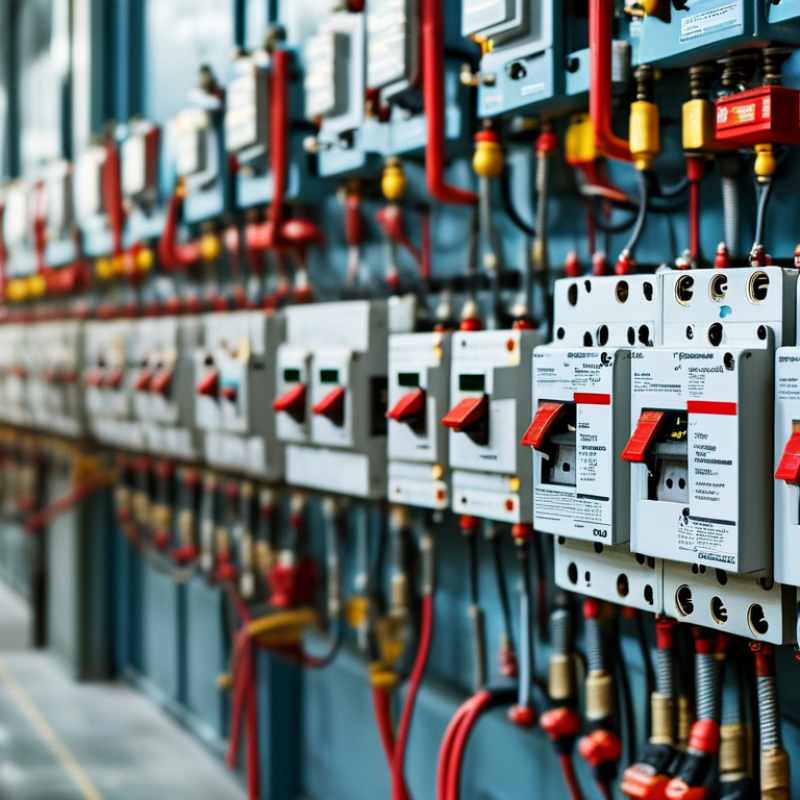
Understanding the various types of AC breakers is essential for global buyers seeking effective electrical solutions. AC breakers are key components in electrical systems. They protect circuits by interrupting the flow of electricity during faults. Buyers need to discern the differences among breaker types to make informed decisions.
There are several main types of AC breakers to consider. Miniature Circuit Breakers (MCBs) safeguard against overloads. They automatically switch off when current exceeds safe levels. Residual Current Devices (RCDs) enhance safety by detecting earth faults. They cut off power to prevent electric shocks. Finally, Air Circuit Breakers (ACBs) handle larger currents and offer robust protection for industrial applications.
Each AC breaker has its advantages and limitations. MCBs are compact but may not handle high fault currents. RCDs are vital for safety, yet they can be overly sensitive. ACBs offer versatility, but their size may be prohibitive for smaller setups. Understanding these nuances is crucial for buyers who must balance safety, efficiency, and cost in their electrical projects.
AC breakers are crucial for managing electrical systems. They protect circuits from overloads and short circuits. Understanding their functionality can guide global buyers in selecting the right solution.
Common types include miniature circuit breakers (MCBs) and molded case circuit breakers (MCCBs). MCBs are suitable for residential applications. Their compact size allows easy installation in homes. They trip quickly during overloads, preventing potential fire hazards. On the other hand, MCCBs are used in industrial settings. They can handle higher currents and provide better protection for larger systems.
Each breaker type has specific applications and limitations. MCBs may not manage higher loads effectively. MCCBs, while robust, can be more complex to set up. It's essential to assess your needs carefully. Choosing the wrong type can lead to inefficiencies or safety issues. Consider your environment and the devices you'll protect.
Selecting the right AC breaker is crucial for any electrical project.
Safety and compatibility are paramount. Consider your specific needs when evaluating options. For residential projects, ensure that the breaker can handle the load.
A common mistake is underestimating the power required for appliances.
Evaluate the installation environment as well. Will your AC breaker be exposed to moisture? If so, choose one designed for humid conditions.
Dust and debris can also affect performance. A breaker with a protective cover can mitigate this risk. Additionally, understand the local electrical codes before making a decision.
Non-compliance can lead to unsafe situations and costly renovations later.
It’s important to think about future expansion as well. As your needs grow, so should your electrical system.
Some buyers overlook the potential for increased power requirements. Matching the breaker’s capacity to future demands can save time and money.
Invest time in research, as a reliable AC breaker can make a significant difference in system performance and safety.
When exploring AC breakers, understanding the variety available can be daunting. Each brand offers unique features, specifications, and performance metrics. Buyers often struggle to compare models effectively. In this analysis, we’ll highlight key factors to consider across brands globally.
One important aspect is the breaker’s rated current and voltage. These ratings determine how effectively a device can handle electrical loads. Another factor is the trip curve classification, which can affect the breaker’s response during overloads. Make sure to consider what applications the breaker will serve.
Tips: Analyze your specific needs before purchasing. Consider factors like installation environment and load types. This helps avoid costly mistakes later.
Additionally, don’t forget about certification. Look for breakers that meet international safety standards. This ensures reliability and safety during operation. It’s crucial not to compromise on quality. In the long run, investing in a reliable AC breaker pays off. Each choice has its pros and cons, so weigh them carefully.
| Breaker Type | Current Rating (A) | Voltage Rating (V) | Time Delay | Application |
|---|---|---|---|---|
| Miniature Circuit Breaker (MCB) | 6-63 A | 230/400 V | Instantaneous | Lighting Circuits, Residential |
| Residual Current Circuit Breaker (RCCB) | 25-100 A | 230/400 V | Fast | Protection Against Electric Shock |
| Air Circuit Breaker (ACB) | 400-6000 A | up to 1000 V | Adjustable | Industrial Main Power Supply |
| Earth Leakage Circuit Breaker (ELCB) | 15-300 A | 230/400 V | Fast | Protection in Areas of High Risk |
| Molded Case Circuit Breaker (MCCB) | 15-1600 A | 415 V | Adjustable | Industrial Equipment Protection |
The future of AC breaker technology is promising, driven by advancements in smart features and automation. Modern breakers are evolving to include IoT capabilities. This allows real-time monitoring and data analysis for enhanced safety. Such innovations significantly improve energy efficiency and outage response times.
The rise of renewable energy sources influences AC breaker design. Developers are focusing on devices compatible with solar and wind power integration. This adaptability is crucial for maintaining grid stability. As more homes adopt solar panels, the demand for innovative breakers will increase.
Tips for buyers include evaluating the compatibility of breakers with renewable sources. Assessing their ability to handle variable loads is essential. Consider devices with advanced diagnostics for improved maintenance. Embracing these trends can lead to more resilient and efficient electrical systems.
C breakers?
MCBs automatically switch off to prevent overloads. They cut power when the current exceeds safe levels.
RCDs detect earth faults and prevent electric shocks by cutting off power quickly for safety.
ACBs can handle large currents and are versatile for industrial applications. Their protection is robust but may be large.
No, MCBs are compact. They may struggle with high fault currents, so they are best for smaller systems.
Assess your needs, installation environment, and the type of devices you need to protect.
Certification ensures that breakers meet safety standards, which is critical for reliability and operational safety.
Generally, MCCBs are better for industrial settings. They handle higher loads but can be complex for home use.
Choosing incorrectly can lead to safety issues or inefficiencies in your electrical system.
Yes, RCDs can be overly sensitive, leading to unnecessary tripping in some situations. It's a limitation to consider.
This article provides a comprehensive overview of AC breakers, essential components for electrical safety in various applications. It categorizes different types of AC breakers, detailing their functionality and common uses, allowing global buyers to make informed choices based on their specific needs.
Key considerations are discussed, including factors such as compatibility, efficiency, and safety standards, ensuring users can select the most suitable AC breaker for their requirements. The article also features a comparative analysis of various AC breaker models available in global markets, alongside future technology trends that promise to enhance performance and sustainability in electrical systems.

AceReare