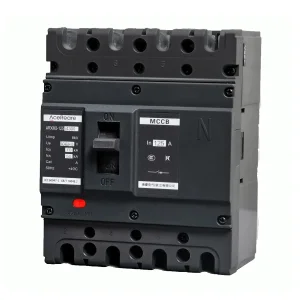
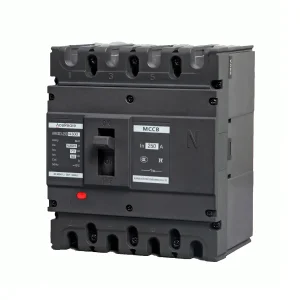
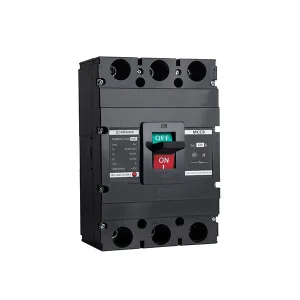
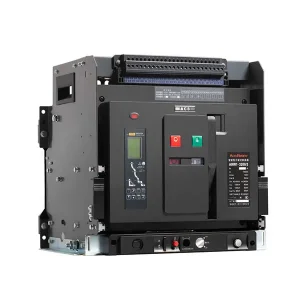
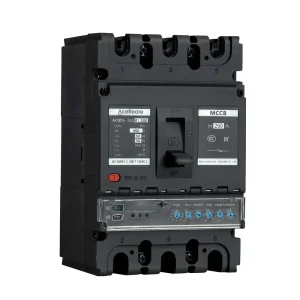
Industrial-grade circuit protection devices, molded case circuit breakers, and component assemblies manufactured to stringent international quality metrics.
The contemporary global commercial and industrial sectors are undergoing a massive transition driven by deep electrification, renewable energy growth, and grid modernization. Modern buildings, heavy industrial plants, data centers, and renewable energy production grids demand more than traditional electrical safety switches. They require intelligent, resilient, and adaptive low-voltage electrical distribution mechanisms. Molded Case Circuit Breakers (MCCBs) and Air Circuit Breakers (ACBs) must operate reliably under high dynamic stresses, increased system voltage ranges, and harmonic loads generated by industrial switch-mode power systems.
High short-circuit parameters, transient overvoltages, and unexpected thermal load profiles are standard challenges in current power distribution networks. Systems operating in high-capacity manufacturing complexes or photovoltaic installations require robust circuit breakers that function safely under continuous thermal stress, high operating voltages (up to 1140VAC), and rapid load shifts. For procurement directors and system architects, sourcing components that combine mechanical durability, precise fault clearance, and intelligent thermal management is essential to minimize systemic downtime.
The transition from analog, passive protection units to responsive, connected power infrastructure.
Embedded microprocessor protection units with communication interfaces (Modbus, Profibus, Ethernet) allow real-time monitoring, remote adjustments, and predictive fault warning metrics in modern switchboard operations.
The growth of high-voltage utility solar systems demands circuit breakers capable of operating at 800VAC, 1000VAC, and 1140VAC to minimize losses. Advanced magnetic quenching technologies protect against bidirectionally fed short-circuit currents.
Modern electrical managers rely on contact wear indicators, operation cycle records, and temperature measurement components within low-voltage circuit breakers to schedule maintenance and prevent unplanned outages.

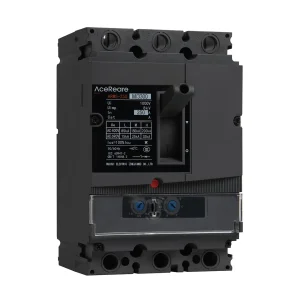
Established in 2015, Acereare Electric represents over two generations and 20 years of technical expertise in circuit breaker design and manufacturing. Working alongside its wholly-owned subsidiaries, "RuiRui Electric" and "KeRui Electric", Acereare operates as a leading original manufacturer (ODM/OEM) in the Chinese electrical engineering corridor. Our production facility specializes in molded case circuit breakers (MCCB), air circuit breakers (ACB), and high-precision internal switchgear components.
With an established domestic market position and strategic cooperation agreements with nearly 100 industrial customers globally, our manufacturing framework is built on vertical integration. We control every stage of production—from alloy contact processing to automated final assembly and calibration—ensuring that all low-voltage distribution components meet global functional safety and reliability standards.
How our vertically integrated production processes and digital management tools support global manufacturing demands.
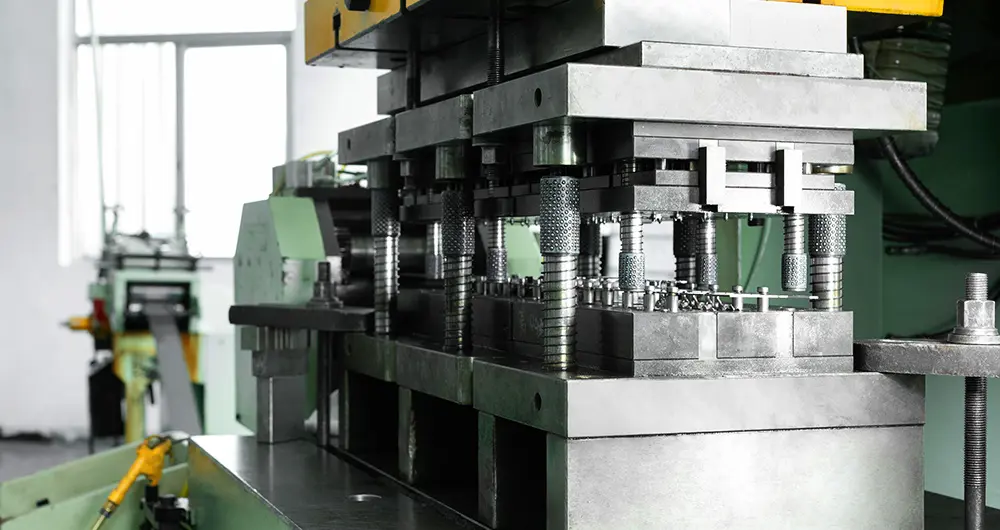
Global supply chain volatility requires suppliers who can deliver consistent product quality, predictable lead times, and stable pricing. Acereare Electric meets these challenges through its Factory 4.0 architecture, deployed across our main manufacturing facilities. By integrating PLM (Product Lifecycle Management), ERP (Enterprise Resource Planning), MES (Manufacturing Execution Systems), and BI (Business Intelligence) systems, we monitor raw material sourcing, automated part stamping, contact welding, calibration, and dispatch in real time.
This digital infrastructure allows us to respond quickly to market changes. From structural design validation using 3D modeling systems to tool making, injection molding, and assembly, every step is handled in-house. This vertical integration reduces lead times, controls manufacturing costs, and ensures complete traceability. If a component reports a variance during final testing, its production history, batch raw material chemistry, and specific operator logs are immediately accessible for corrective review.
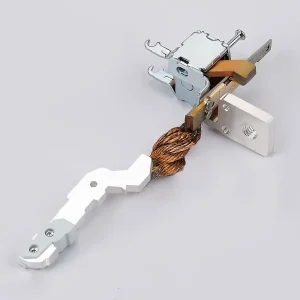
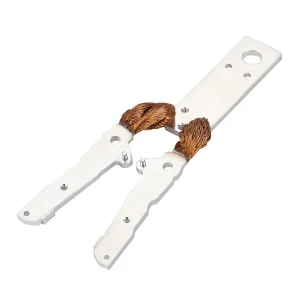
Our engineering capabilities are supported by six distinct metal and polymer processing techniques. These allow us to fabricate key internal parts, including arc chutes, bimetallic thermal-magnetic units, copper bus connections, and silver-plated contact assemblies. This control over components isolates Acereare from supplier shocks, ensuring our global buyers receive consistent product shipments.
Our testing labs feature over 150 calibrated instruments and are staffed by 20+ specialized inspectors. They run mechanical operations testing, temperature rise evaluations, and critical diagnostic procedures. This rigorous process guarantees that each MCCB and ACB leaving the factory is ready for industrial field installation.
Custom circuit protection solutions designed for extreme, high-stress, and specialized operating environments.
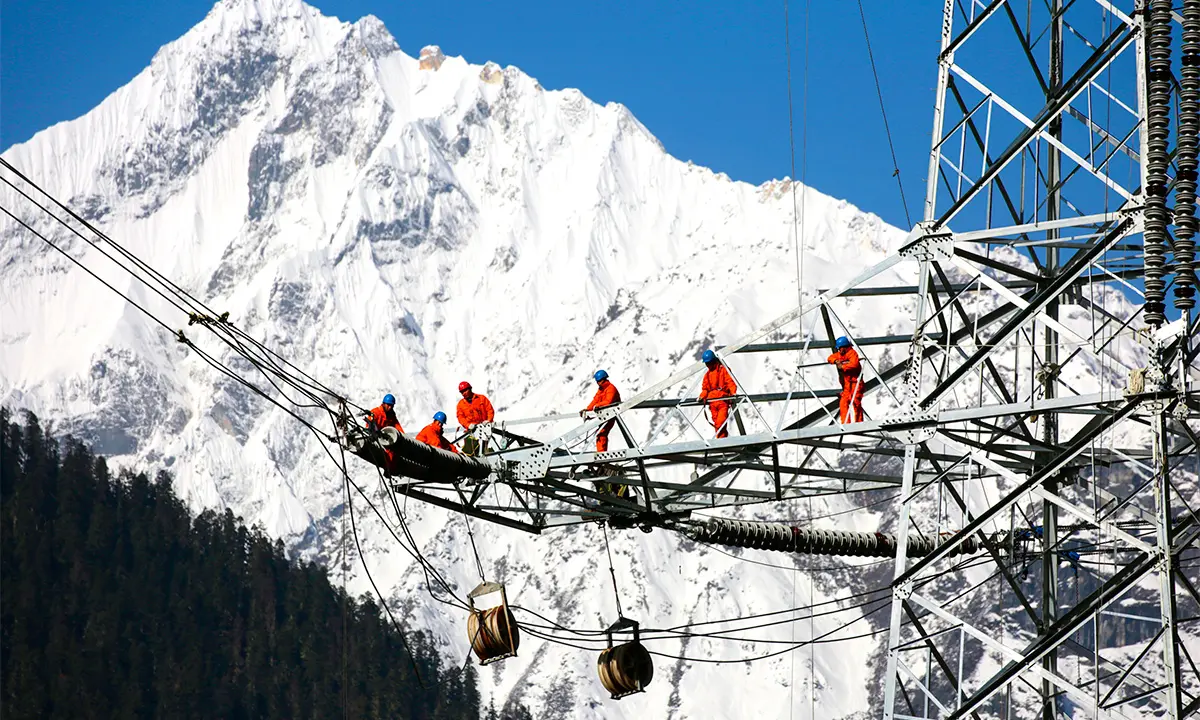
Built with low-temperature resistant structural polymers and specialized non-freezing mechanical lubricants. Metal parts feature thickened, anti-embrittlement plating. Every unit is verified by performance testing down to -40°C.

Designed to resist humid, salty air in docks and onboard vessels. Tested to withstand 72 hours of salt spray for complete assemblies and 48 hours for sub-assemblies, preventing corrosion-induced failures on critical marine switchgear.
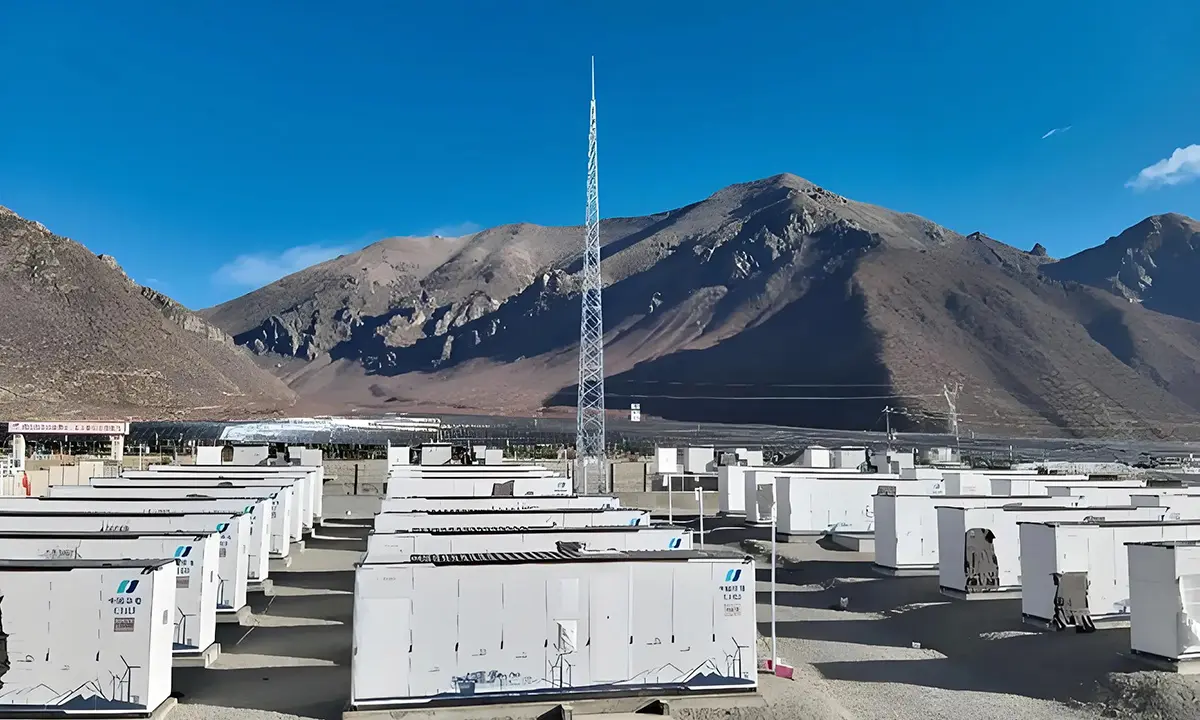
For high-altitude applications with lower air density and reduced dielectric cooling, we supply calculated derating tables. These adjust rated voltage and insulation settings to ensure reliable operation under lower air pressure.

Provides highly reliable, space-optimized circuit protection for sub-distribution boards. These units feature mechanical trip stability, easy DIN-rail mounting, and help prevent overload-induced residential fires.
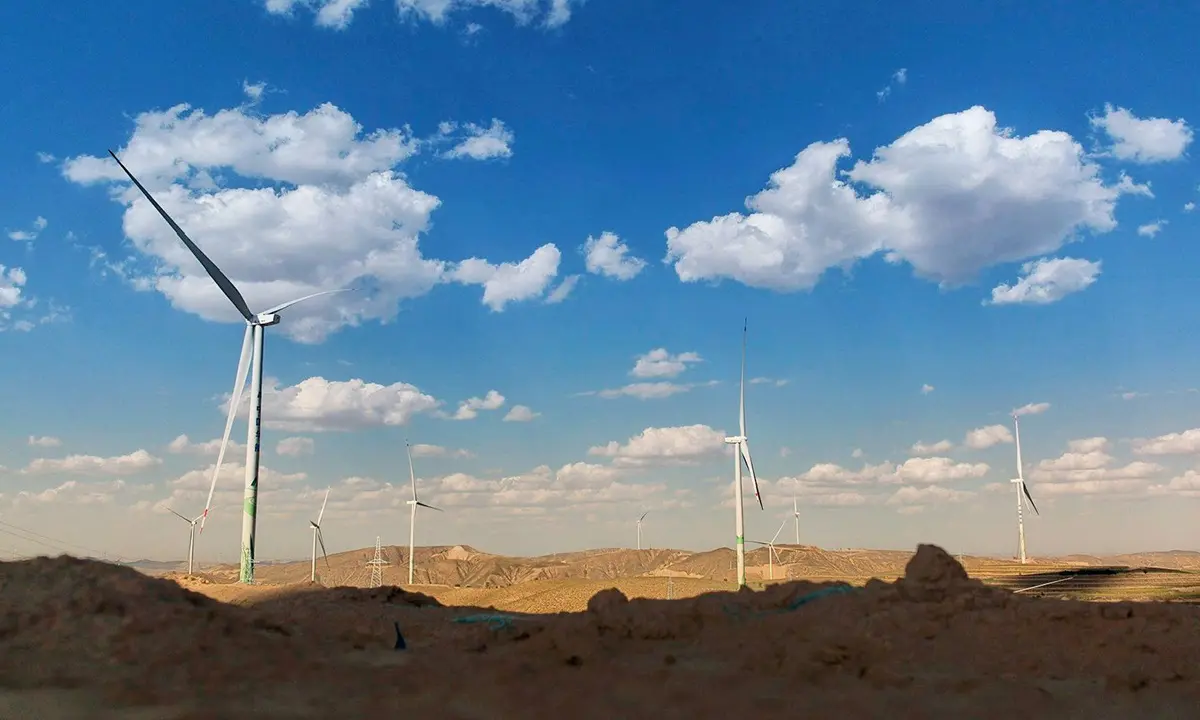
Formulated with high-temperature resistant mechanical polymers. Conducting components feature thermal isolation barriers, while active contacts receive moisture and corrosion treatments, verified in our 55°C testing chambers.
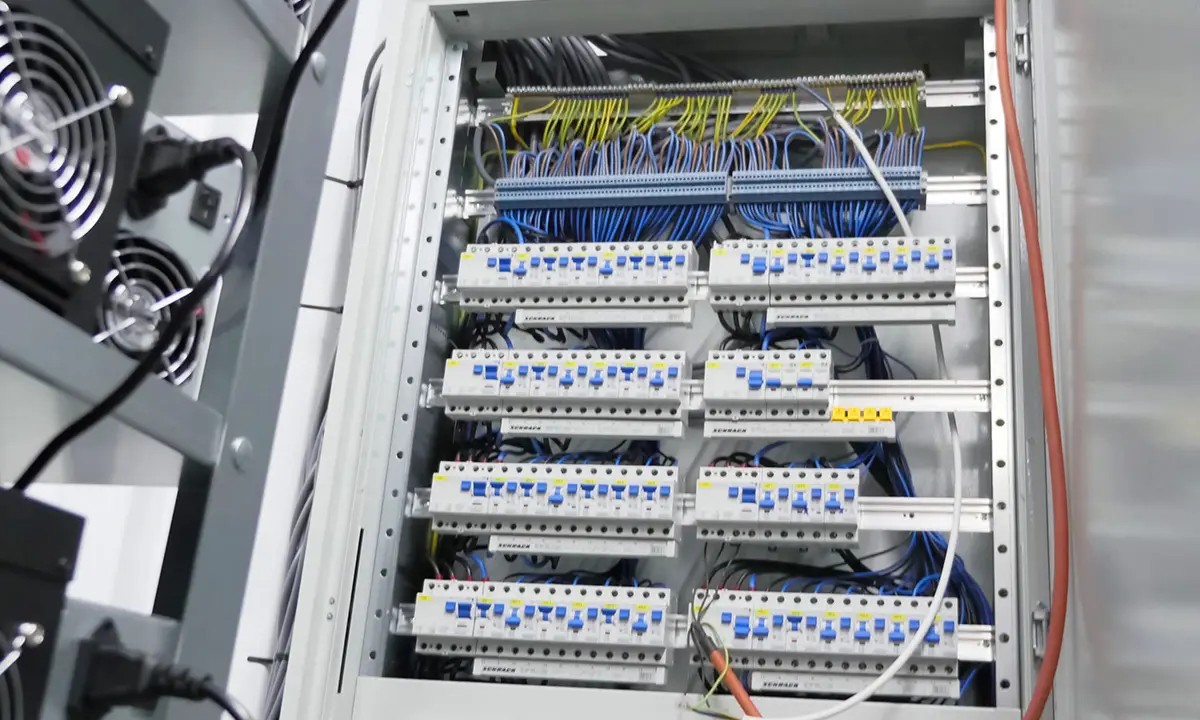
Combines circuit protection with utility-grade power monitoring. Built-in edge computing processors track voltage, current, power factor, and bidirectional energy flow to support smart grid and carbon tracking systems.
Helping global brands launch compliant, market-ready electrical products with fully integrated factory support.
We review technical parameters and identify products matching application needs.
Our engineers define trip curves, structural configurations, and contact dimensions.
We finalize supply volumes, quality standards, and delivery schedules.
Automated manufacturing runs with strict inline inspections and calibration.
We arrange shipping and provide lifetime engineering support and spare parts.
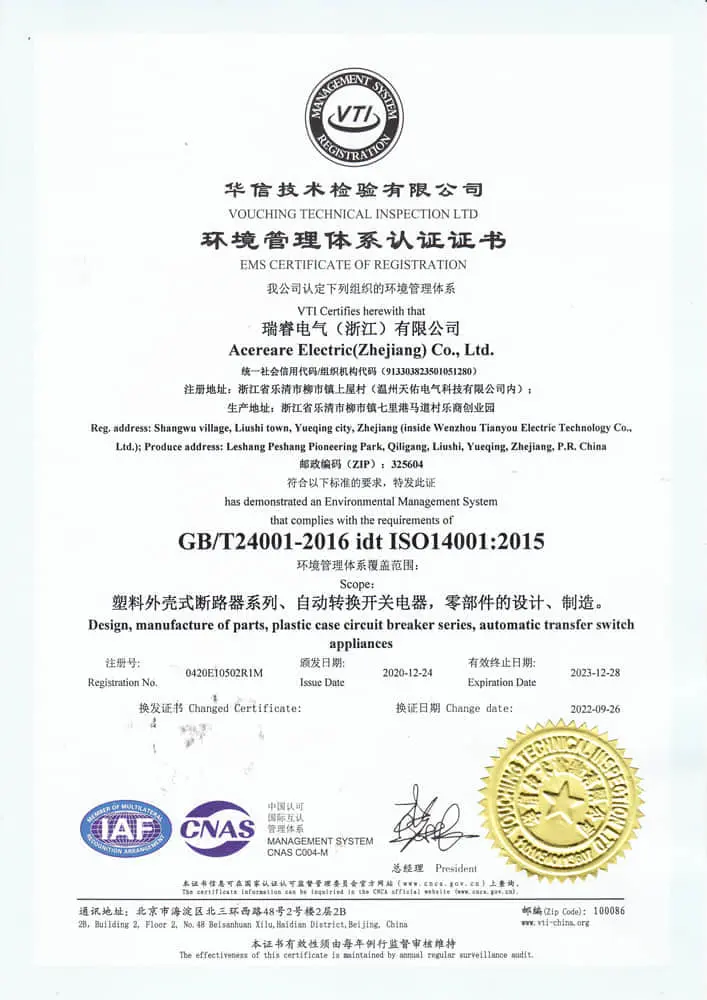
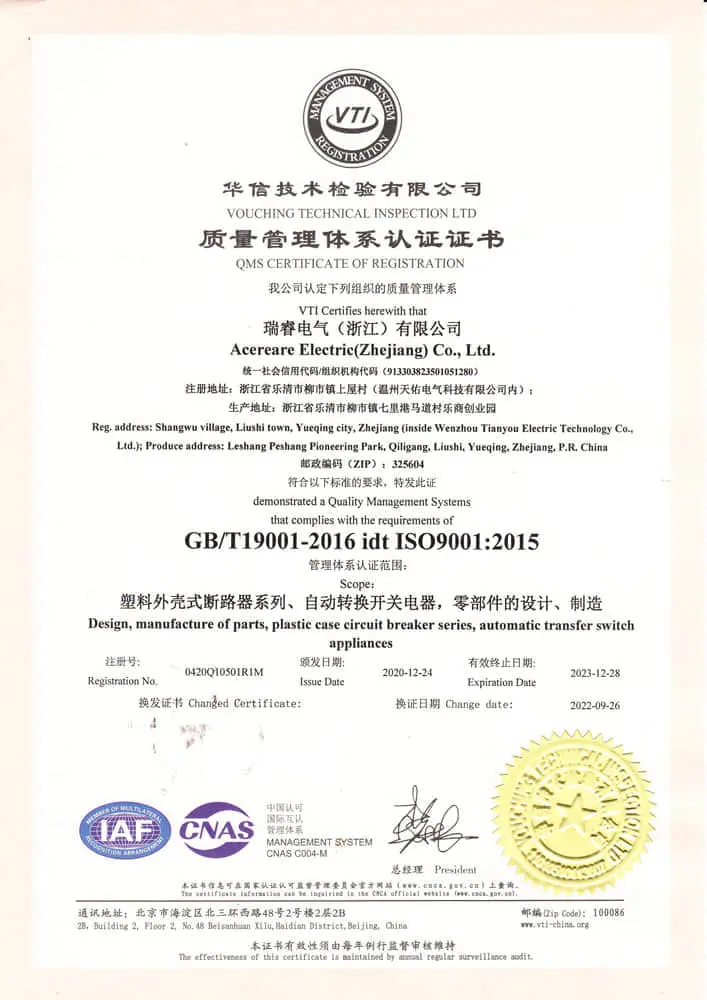
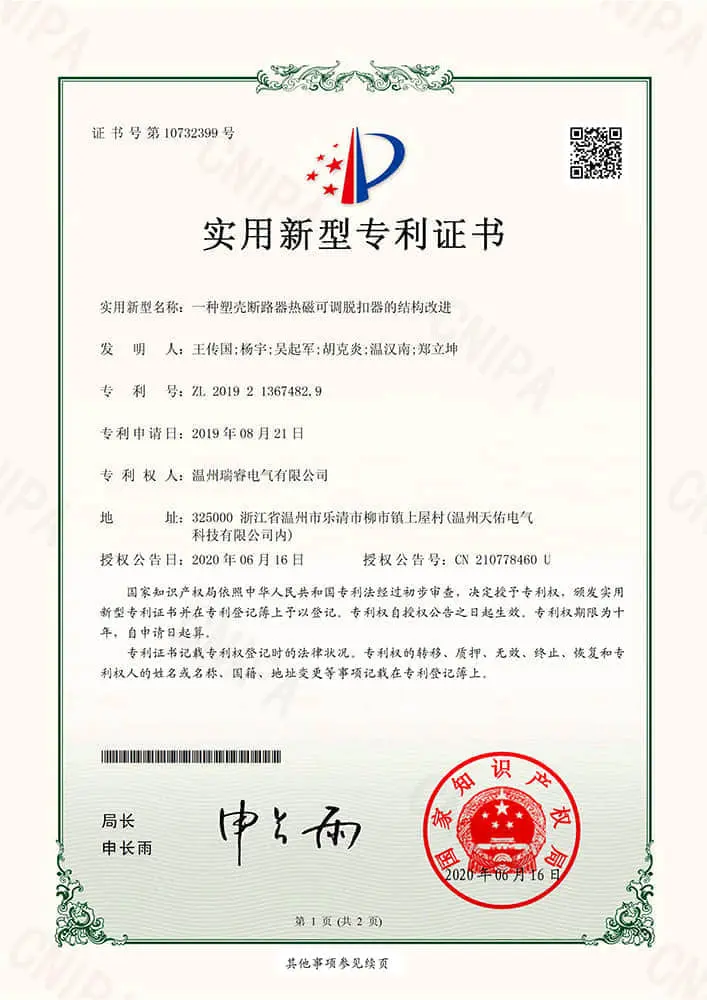
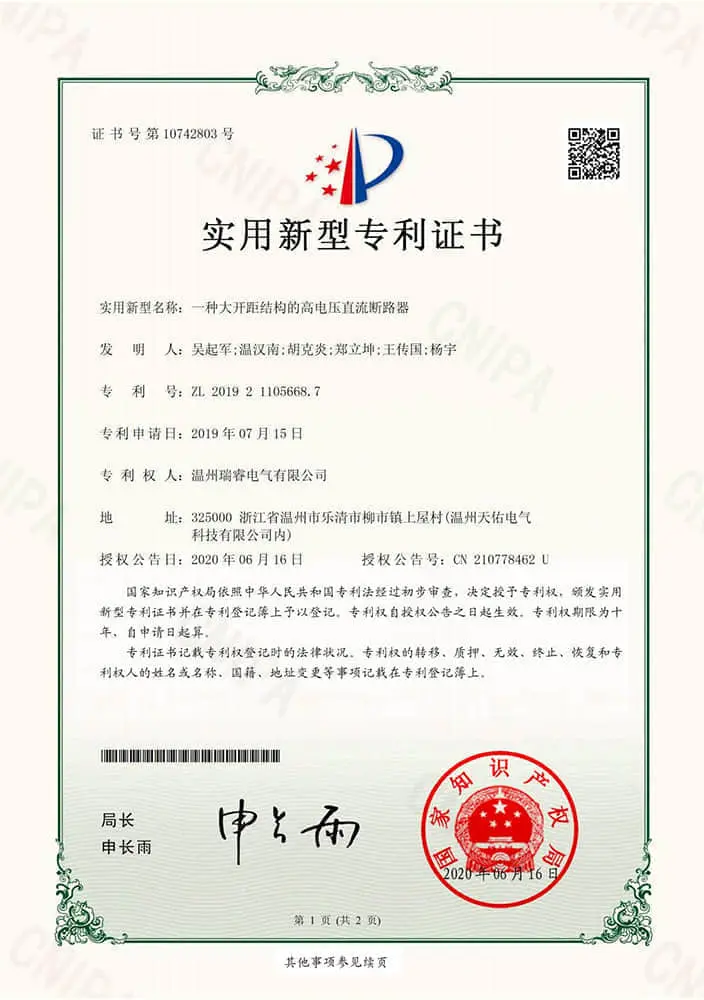
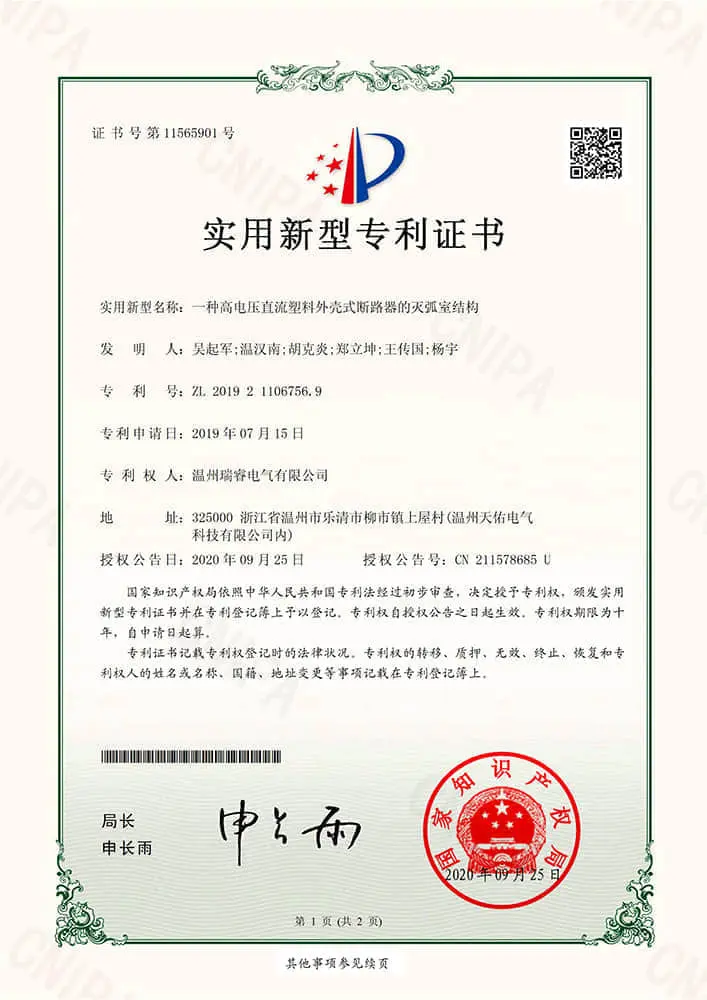
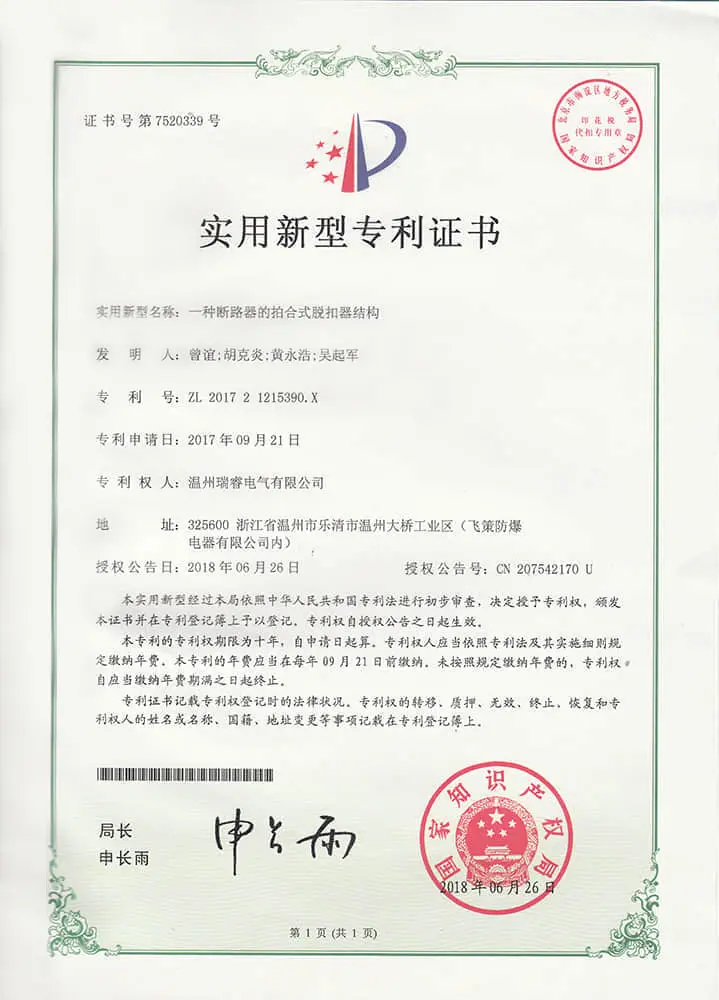
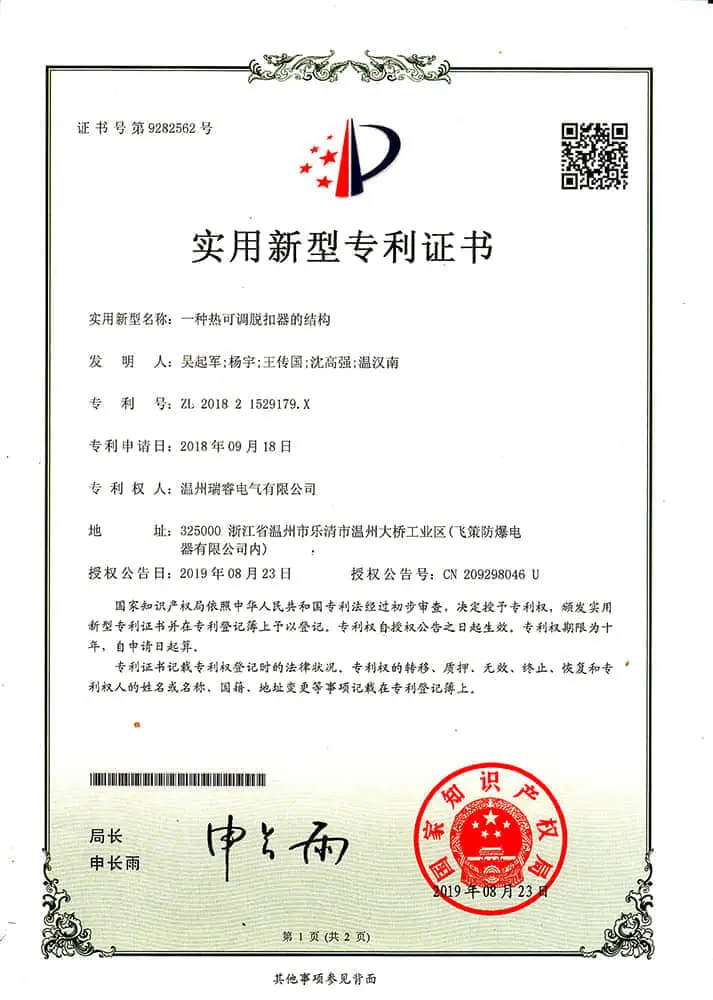
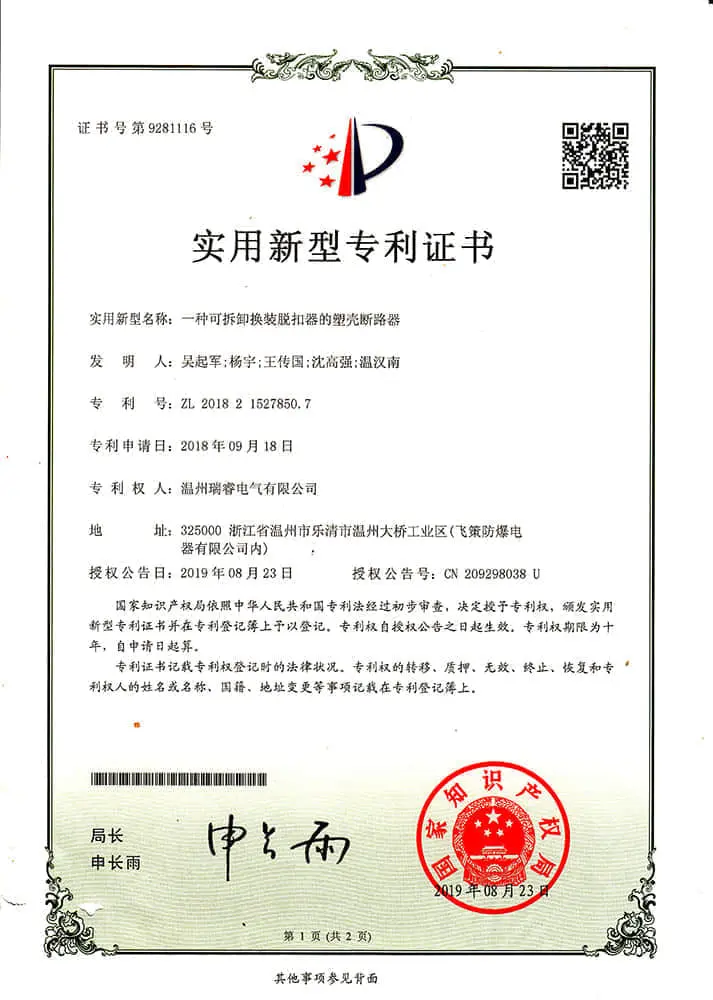
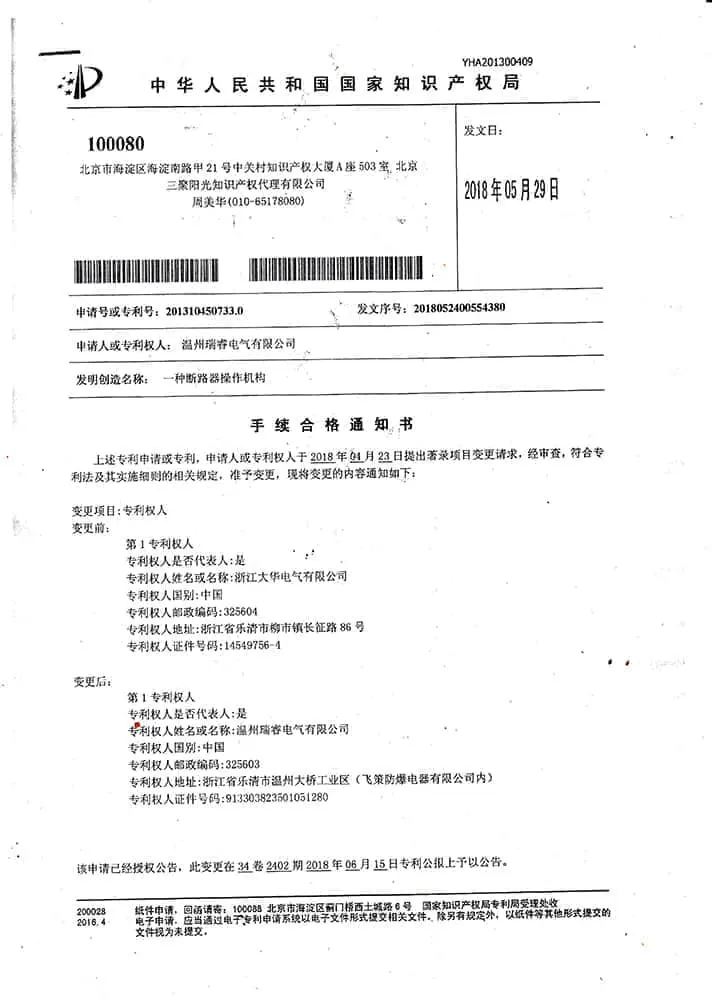
Acereare products are manufactured, calibrated, and certified under strict international low-voltage safety and quality management standards.
Get professional answers to common questions about selecting, customizing, and applying low-voltage circuit breakers.
At altitudes above 2000 meters, lower atmospheric pressure decreases air density. This affects performance in two ways: it reduces the air's dielectric properties, making it easier for arcs to jump gaps, and it lowers air cooling capacity, which increases operating temperatures inside the breaker. To maintain safety, electrical engineers apply derating coefficients to reduce the breaker's rated operational voltage (Ue) and rated operational current (Ie) to prevent overheating and insulation breakdown.
Thermal-magnetic circuit breakers use a bimetallic strip to protect against long-term overloads and an electromagnet for instantaneous short-circuit protection. They are simple, reliable, and cost-effective. Electronic circuit breakers use current transformers (CTs) and a microprocessor to measure current. They offer adjustable trip settings, tighter tolerance control, and integrate easily with digital monitoring networks, making them ideal for complex power distribution systems.
Marine environments subject electrical components to highly corrosive, humid, and salty air. To protect key systems, breakers must undergo salt spray chamber testing. Acereare tests completed circuit breakers for 72 hours and sub-assemblies for 48 hours. This confirms the housings, contacts, and springs resist corrosion, preventing functional lockups or unsafe temperature spikes during shipboard or dockside operation.
Yes. For custom orders requiring dedicated injection molds or specialized housing shapes, we structure tooling costs under a rebate program. Once your orders reach our agreed-upon annual volume targets, we refund the mold and tooling fees. We offer a similar refund structure for product testing and international certifications (such as CB, CE, or TUV) completed specifically for your brand.
Contacts made with high-purity silver alloys (such as AgNi or AgSnO2) provide low contact resistance and high thermal conductivity. This limits temperature rise under continuous load. The silver layer prevents non-conductive surface oxidation, ensuring clean mechanical contact over thousands of operation cycles. This design prevents high-resistance hot spots that can cause thermal damage to the breaker.
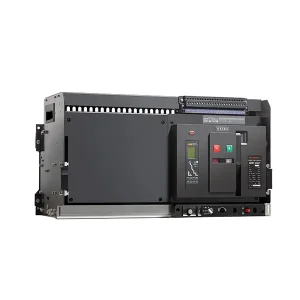
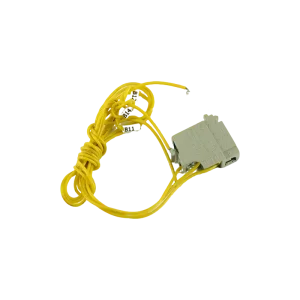
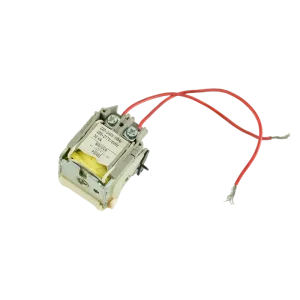
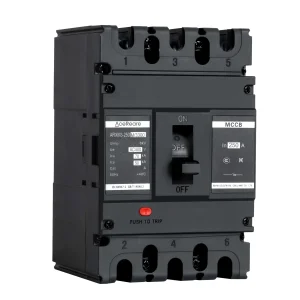
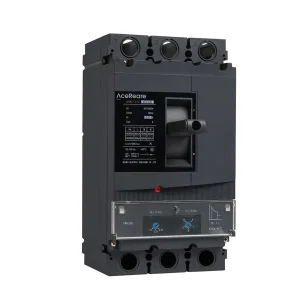
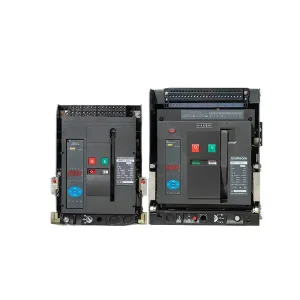
Explore our industrial-grade components, high-capacity air circuit breakers, and auxiliary trip accessories designed to support global power distribution systems.
 AceReare