 AceReare
1 / 1
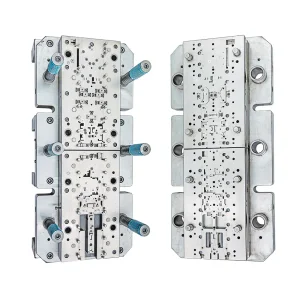
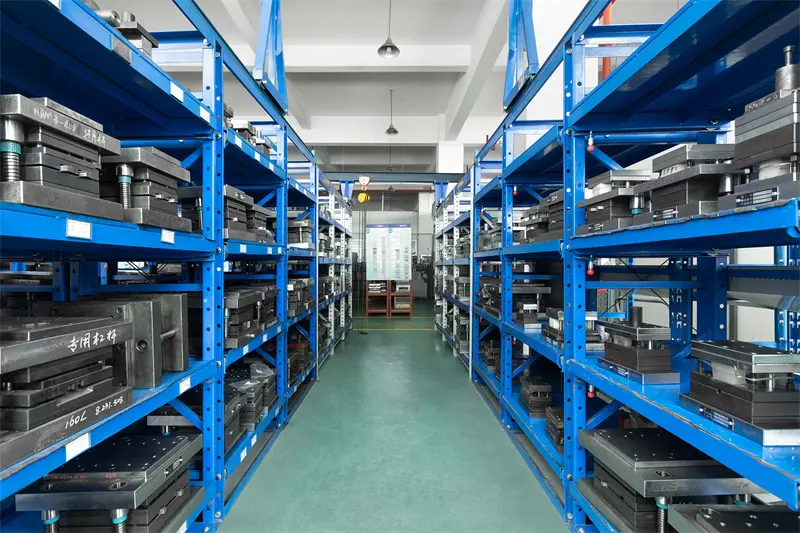
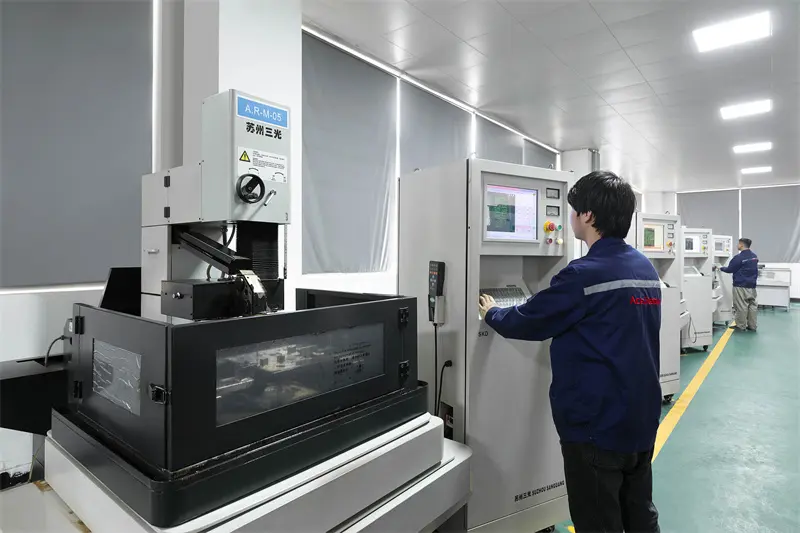
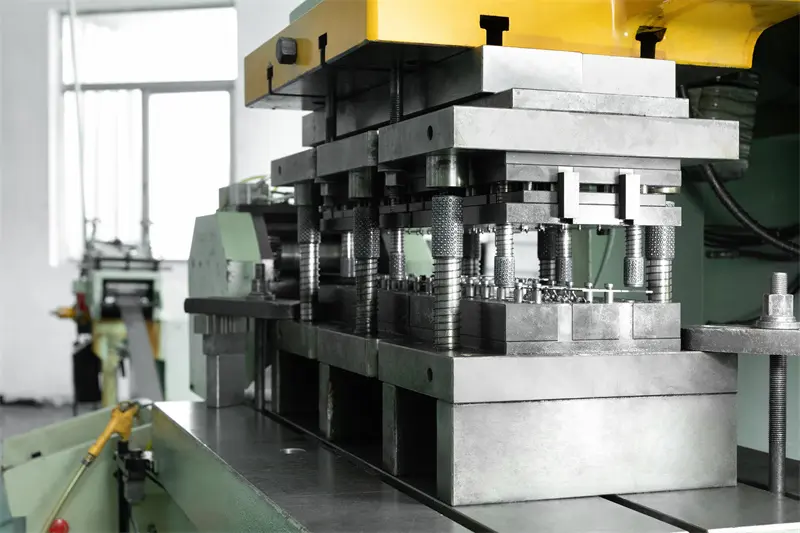
In a stamping production chain, use different stamping molds with different processes, use a manipulator or other automatic facilities, and use molds or parts to move to complete the rated mold for workpiece stamping processing.
Also called continuous mold, the material belt always moves in one direction during the stamping process; A progressive mold is one in which the strip inside the mold moves in two or more directions after being cut off. The automatic feeding continuous mold is used to complete the feeding of the material belt inside the mold. In real life, in order to get the same workpiece, mass production is also required. Then, we need to use the mold. In order to achieve rapid and stable continuous production, continuous mold is generated.
A structure that performs multiple operations simultaneously in a single stroke at the same station.
Molds designed to transition flat sheets of metal into hollow, seamless cylindrical or box-like shapes.
Risus commodo viverra maecenas accumsan lacus vel facilisis.
Risus commodo viverra maecenas accumsan lacus vel facilisis.
Risus commodo viverra maecenas accumsan lacus vel facilisis.
Risus commodo viverra maecenas accumsan lacus vel facilisis.
Risus commodo viverra maecenas accumsan lacus vel facilisis.
Risus commodo viverra maecenas accumsan lacus vel facilisis.
Risus commodo viverra maecenas accumsan lacus vel facilisis.
Risus commodo viverra maecenas accumsan lacus vel facilisis.
Multi-station molds utilize automated systems or manipulators to shift workpieces across individual standalone stations. Progressive molds feed a continuous strip of material through successive stages within a single mold tool, completing multiple cuts and folds in one continuous sequence.
Compound molds perform multiple stamping actions, like cutting, piercing, and blanking, in a single stroke at the same tooling station. This guarantees excellent dimensional precision and alignment for electrical parts.
Drawing molds are designed to deform metal sheets into hollow shell structures. This classification is vital for constructing seamless outer shielding, covers, and housings for precision electrical breakers.
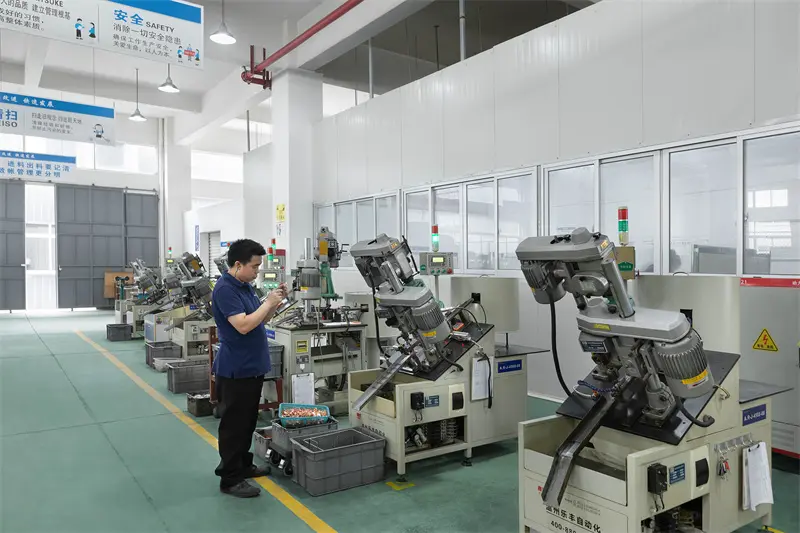
By utilizing automatic feeding continuous molds and robotic manipulators, human handling errors are minimized. This stabilizes the stamping pressure and positioning, producing highly uniform parts that fit strict tolerance parameters.
Stamping lines typically process high-conductivity copper, copper alloys, steel, and structural sheets to fabricate highly conductive internal contacts and outer protective frames of circuit breakers.