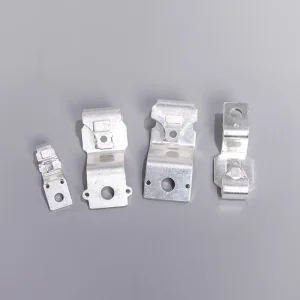
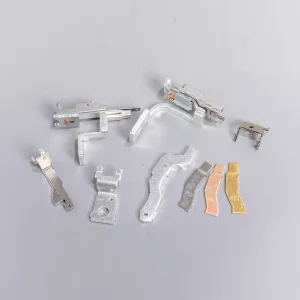
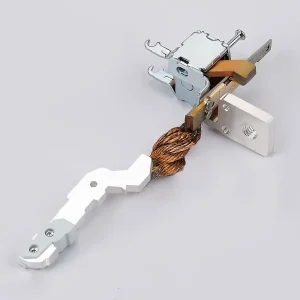
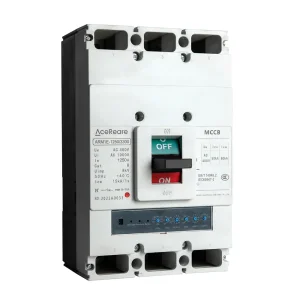
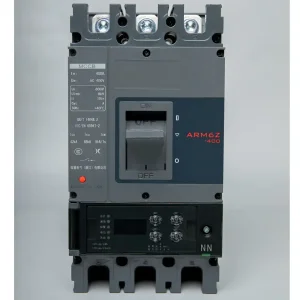
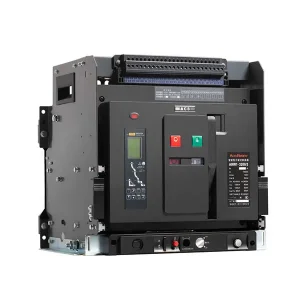
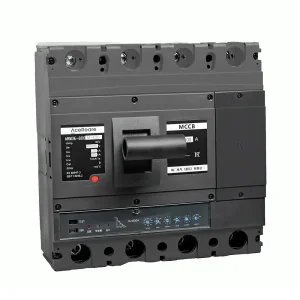
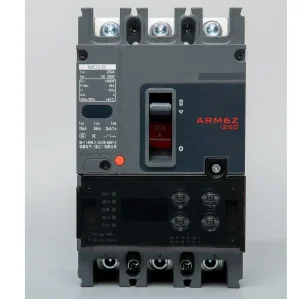
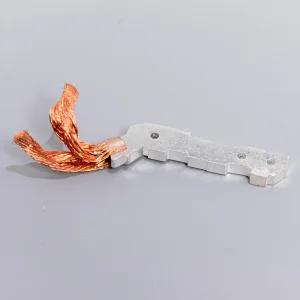
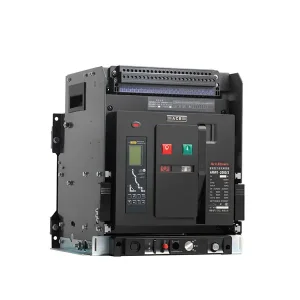
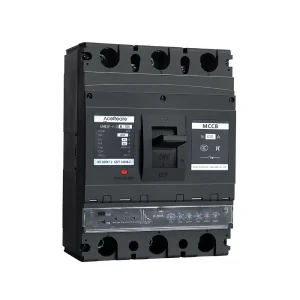
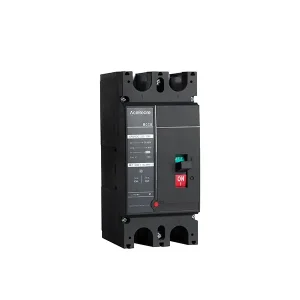
The global push toward smart grids, renewable energy systems, and electric vehicle (EV) charging infrastructures has triggered an unprecedented surge in demand for Molded Case Circuit Breakers (MCCBs) and Air Circuit Breakers (ACBs). At the heart of these protection devices lies the precision metal stamping parts—such as fixed contacts, moving contacts, arc chambers, and structural terminals. The performance of these internal stamping components directly defines the safety margins, response times, and overall mechanical life of circuit protection assets.
Procurement heads at tier-one multinational electrical brands require localized, stable supply chains capable of delivering high-tolerance parts. From raw copper composition controls to micro-inch tolerances in silver-alloy plating, selecting the right partner means finding a factory that acts as a technology extension rather than just a parts supplier.
High-precision progressive die technology is critical for cost-competitive mass production. Progressive stamping dies allow several processes—including punching, blanking, bending, and contact riveting—to occur simultaneously in a single press stroke. By controlling tooling tolerances down to 0.005mm, we minimize tool wear and ensure high component consistency over production runs exceeding millions of cycles.
Moreover, the raw materials are subject to strict quality gates: highly conductive oxygen-free copper (OFC), beryllium copper for spring performance, and specific low-resistance silver contact tips are utilized. In-line automatic welding and silver alloy brazing systems ensure that moving contacts achieve permanent bond strength, preventing structural failures or contact resistance degradation over thousands of interruption operations.
Founded officially in 2015, Acereare Electric represents the legacy of over 20 years of craftsmanship inherited across two generations of power distribution equipment experts. Holding two wholly-owned manufacturing subsidiaries—"RuiRui Electric" and "KeRui Electric"—Acereare stands as a leading integrated manufacturer specializing in Molded Case Circuit Breakers (MCCB), Air Circuit Breakers (ACB), and high-precision mechanical stamping components.
Our deep industry expertise and manufacturing capability position us as one of the premier OEM/ODM partners in China's industrial electrical sector. Our factories serve over 100 high-end domestic and international clients, engineering customized protection systems that meet stringent international regulatory demands.

We provide a streamlined one-stop service leveraging six proprietary processing techniques, high-precision progressive die stamping presses, advanced automated riveting units, and more than 10 manual and automated assembly lines.
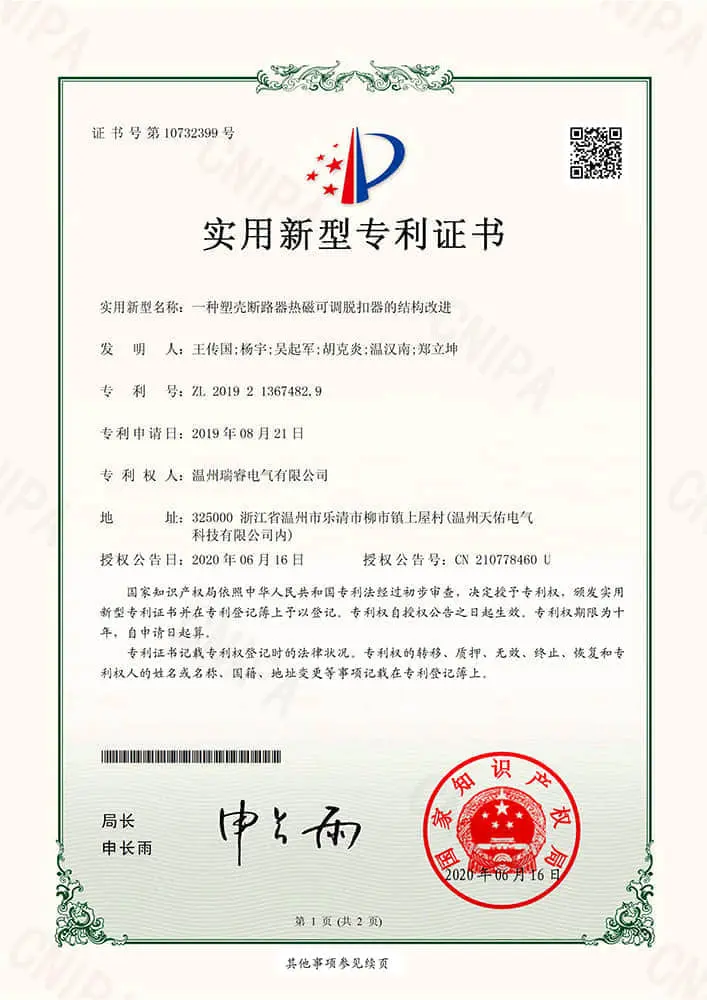
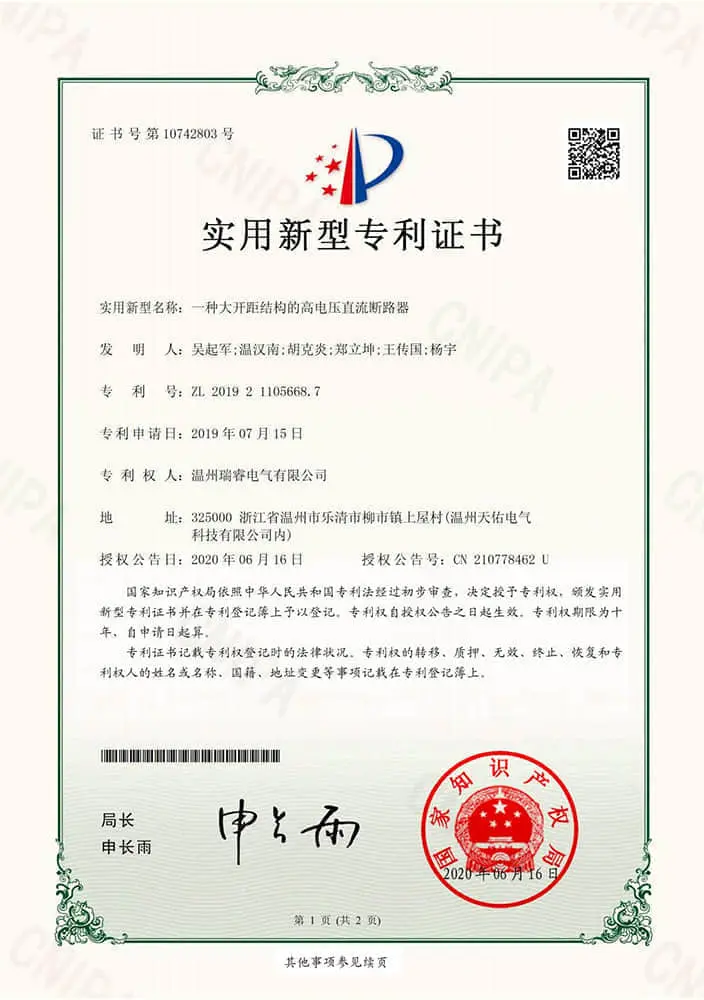
Our engineering division houses over 50 expert R&D engineers, each possessing 5+ years of electrical component design experience. We handle complete 3D design of custom stamping parts, progress dies, and final breaker layouts, processing over 50 new R&D projects annually.
With two manufacturing campuses operating in tandem, we separate component stamping from final assembly to achieve optimal scale. Our manufacturing resource allocation is integrated using modern ERP and UFIDA U8 enterprise planning software.
We enforce a strict multi-step inspection framework backed by our internal material testing laboratory. With over 150 dedicated testing instruments and 20+ specialized QC inspectors, quality data is monitored via integrated PLM, BI, and MES platforms.
Industrial circuit breakers must endure extreme settings. Below are the custom engineering processes we employ to guarantee component survival in extreme climates, high altitudes, and aggressive chemical environments.
For operations extending down to -40°C, we select cold-resistant structural alloys and utilize low-temperature lubricants. Stamped metal mechanisms undergo custom surface annealing to prevent cold-embrittlement and ensure reliable tripping behavior.
Our finished breakers undergo up to 72 hours of salt spray testing, while individual metal stamping parts face 48-hour testing. This guarantees that copper terminals and silver-plated contact systems can resist ocean humidity and marine air, preventing premature corrosion.
Operating above 2000m reduces air density, affecting heat dissipation and dielectric insulation. We support technical derating calibrations and utilize high-altitude insulation calculations to adjust the thermal performance parameters of MCCB assemblies.
Our components are integrated within domestic distribution boxes. We optimize parts for compact spaces, prioritizing low thermal dissipation, rapid short-circuit response times, and mechanical durability over decades of usage.
Tested in our 55°C constant-temperature rooms, our parts utilize thermal-resistant engineering plastics and thick copper profiles. Conductive and structural elements are formulated to counter heat-related thermal drift, preventing false electrical trips.
Advanced MCCBs function as smart grid endpoints. We stamp and assemble highly accurate current transformers, shunts, and auxiliary micro-contacts that support remote control telemetry and real-time edge processing.
Experience our advanced automated stamping workshop, where raw copper coil stock is converted into complete contact sub-assemblies. The video details our progressive die setups, in-tool contact riveting processes, and high-speed multi-axis stamping machinery. Our systems are designed to guarantee absolute mechanical uniformity across high-volume production cycles.
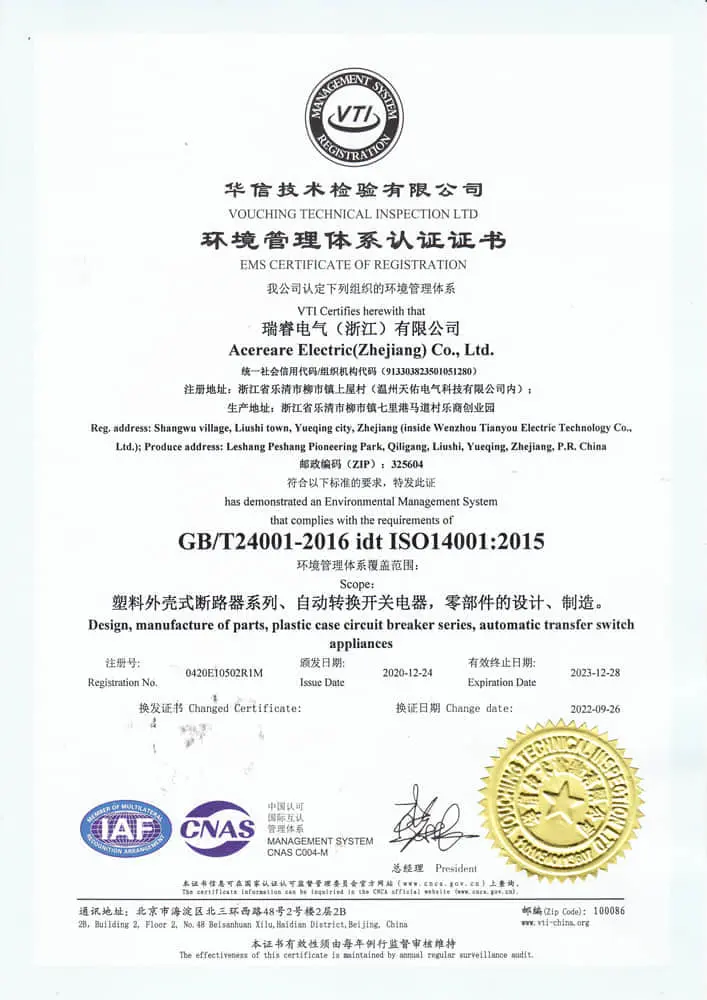
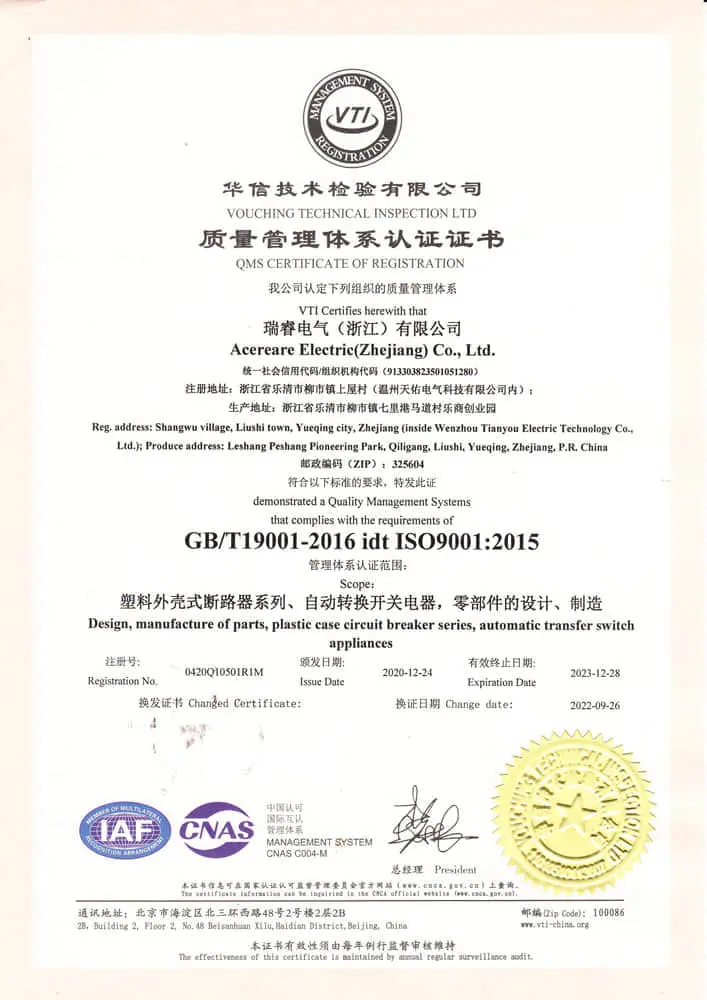
We manage rigorous ISO-compliant manufacturing campuses. Our operations maintain deep tracking metrics across production steps, ensuring full traceability from raw materials to final components.
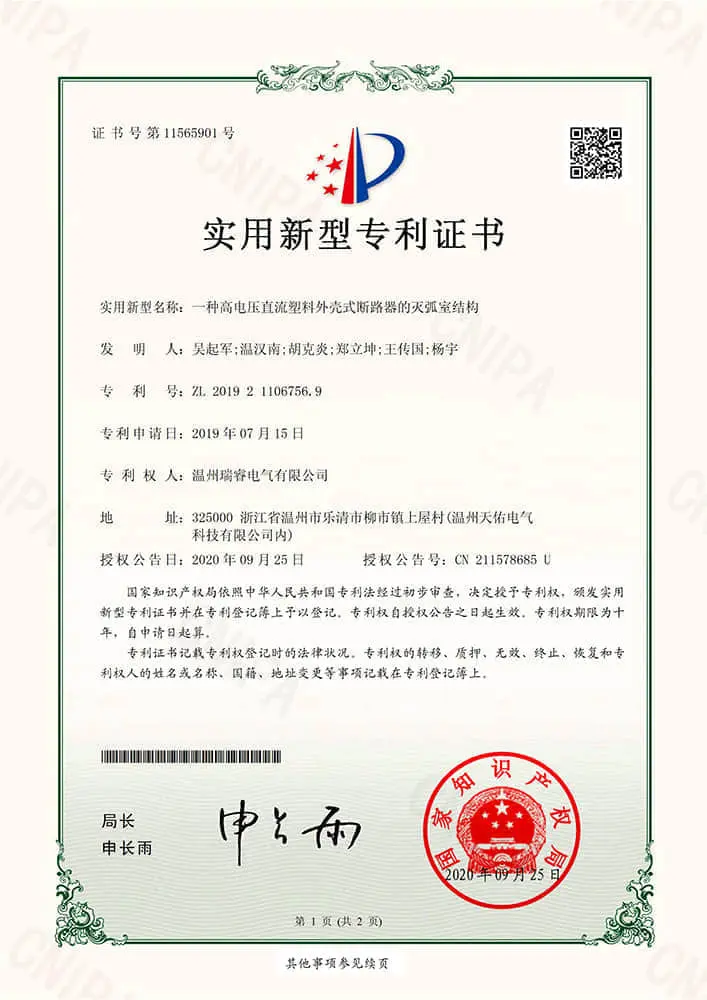
Partner with our expert engineers to develop, refine, and deploy customized circuit protection parts optimized for your target markets.
Analyzing specifications, metal grades, and delivery terms.
Generating CAD drawings and conducting structural modeling.
Fabricating initial samples and running mechanical tests.
Launching high-speed stamping and automated assembly.
Conducting dimensional inspections, batch testing, and shipping prep.
 AceReare