 AceReare
1 / 5
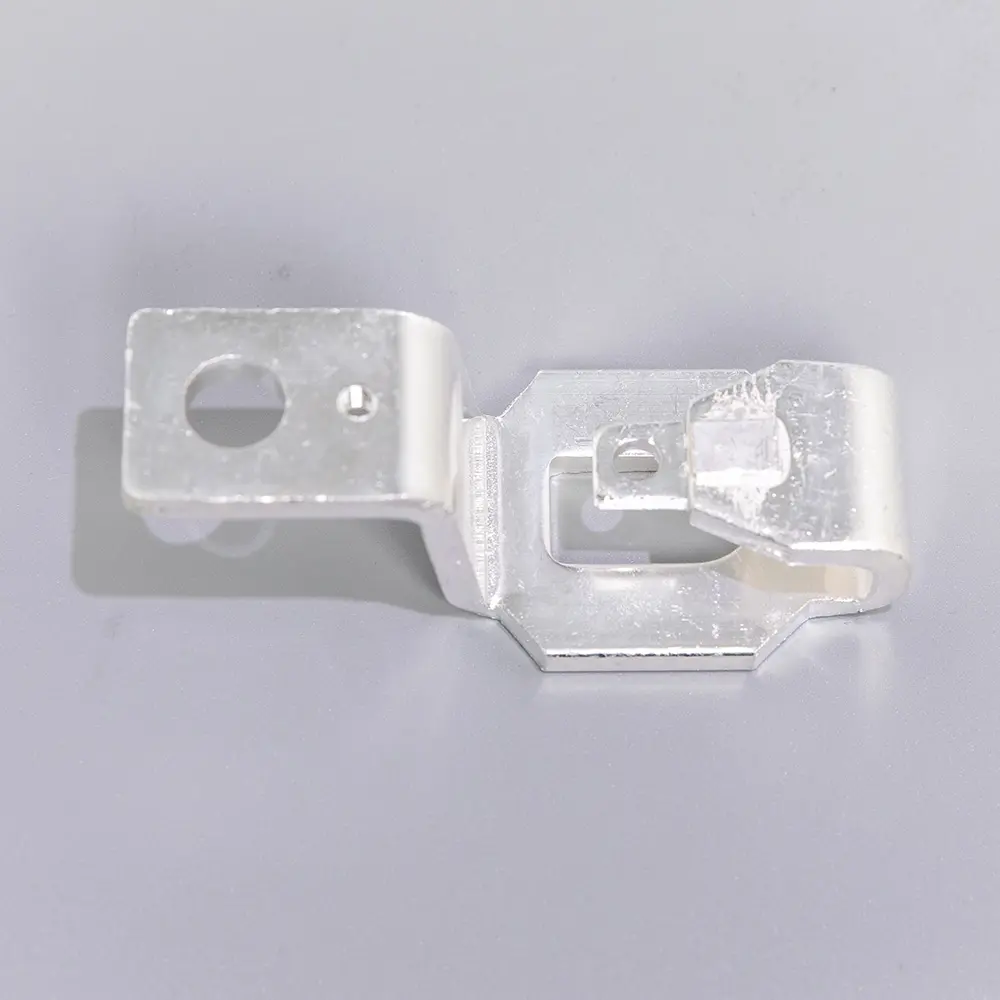
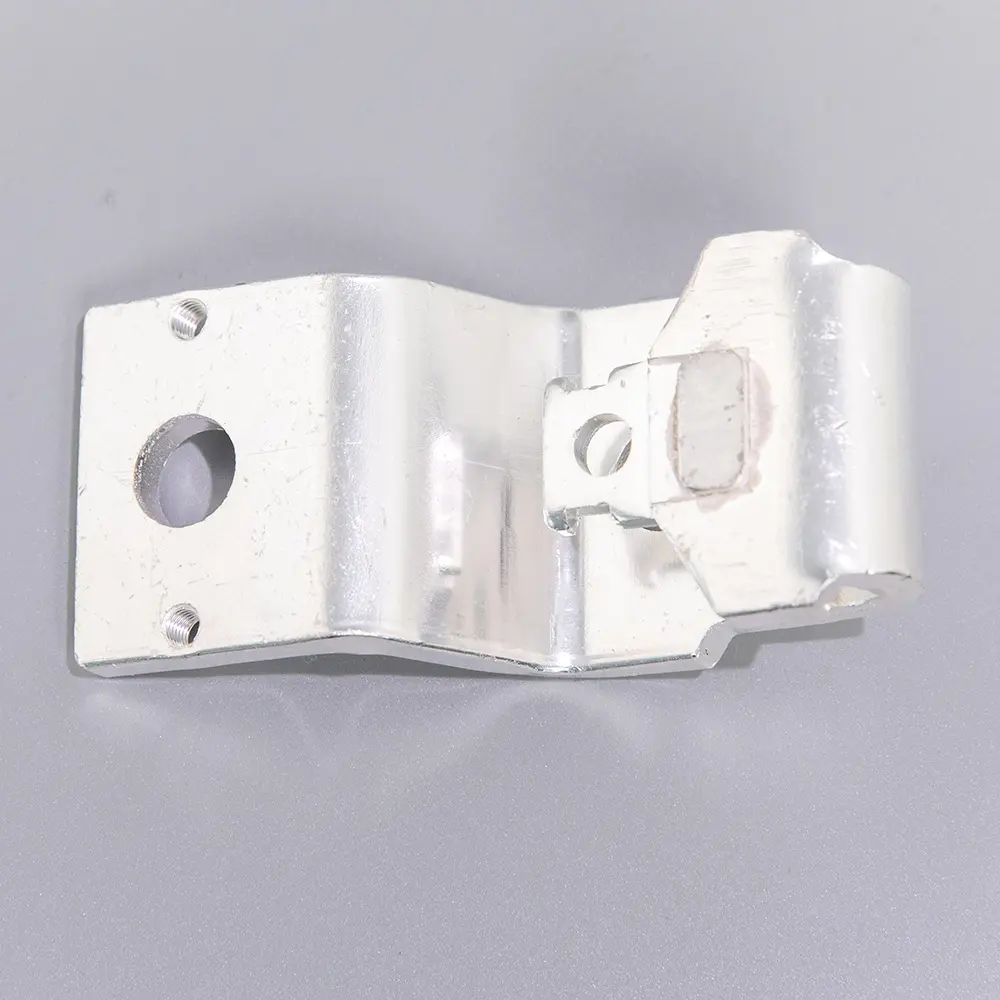
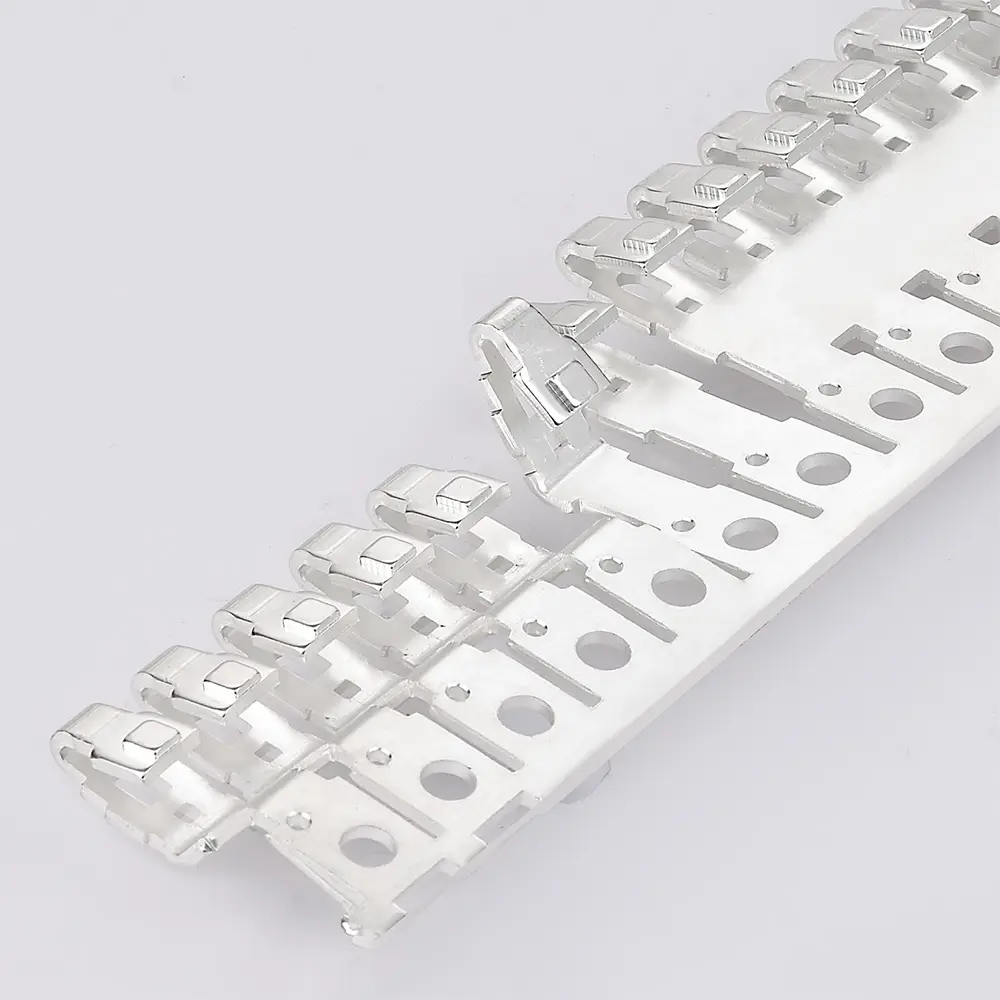
When running the drawing process inside a continuous mold, optimization of drawing rates and sequences minimizes work hardening of materials. This removes the necessity of semi-finished product annealing during processing cycles.
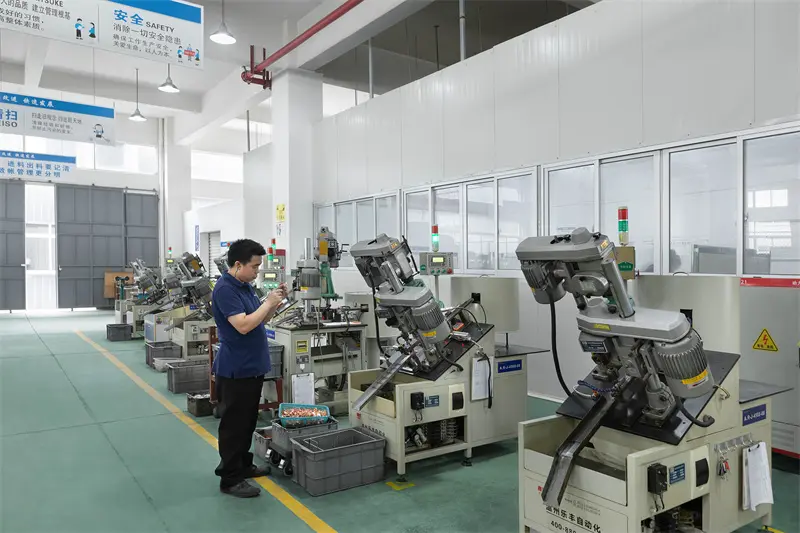
This continuous stamping setup features fully automated controls, mitigating risk of physical harm. Integrated sensors prompt an immediate punch halt if automated feeder malfunctions or other unexpected anomalies occur.
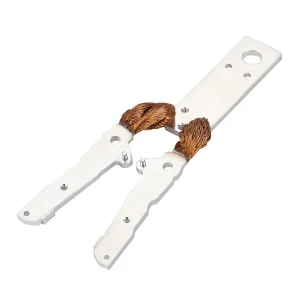
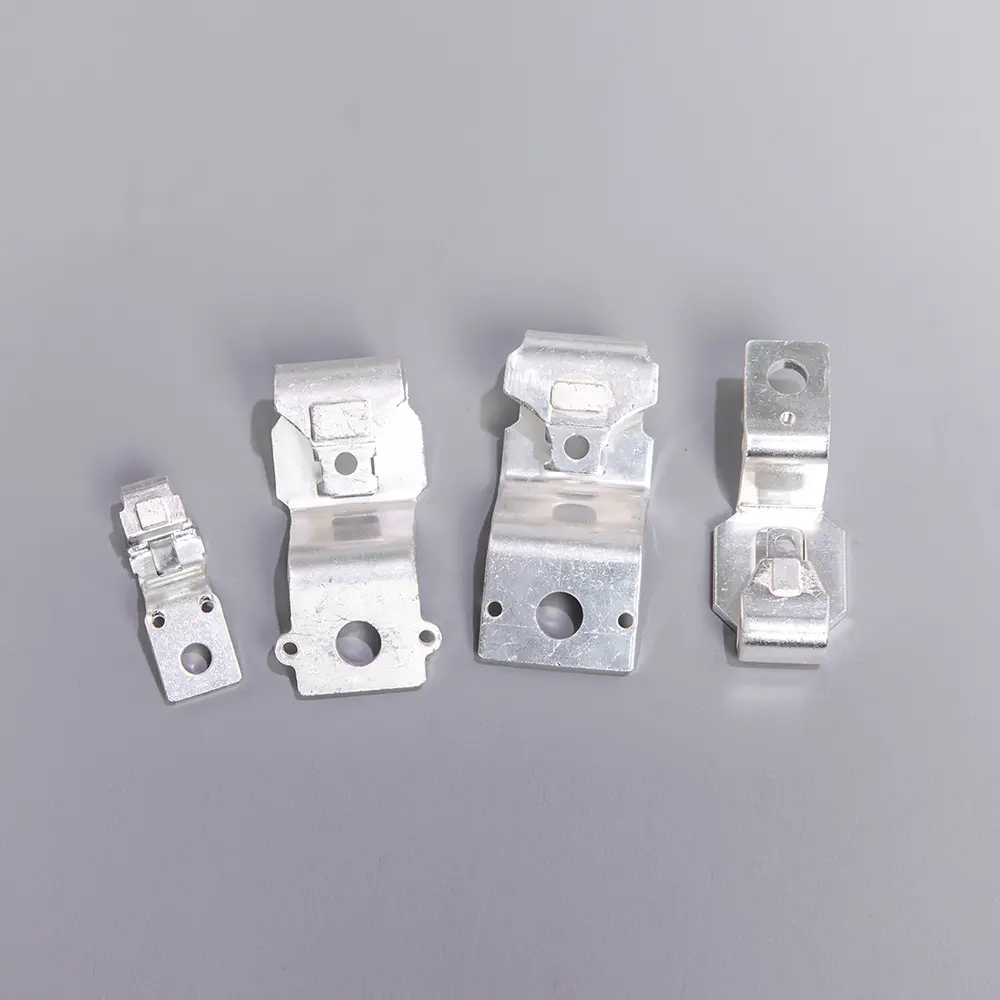
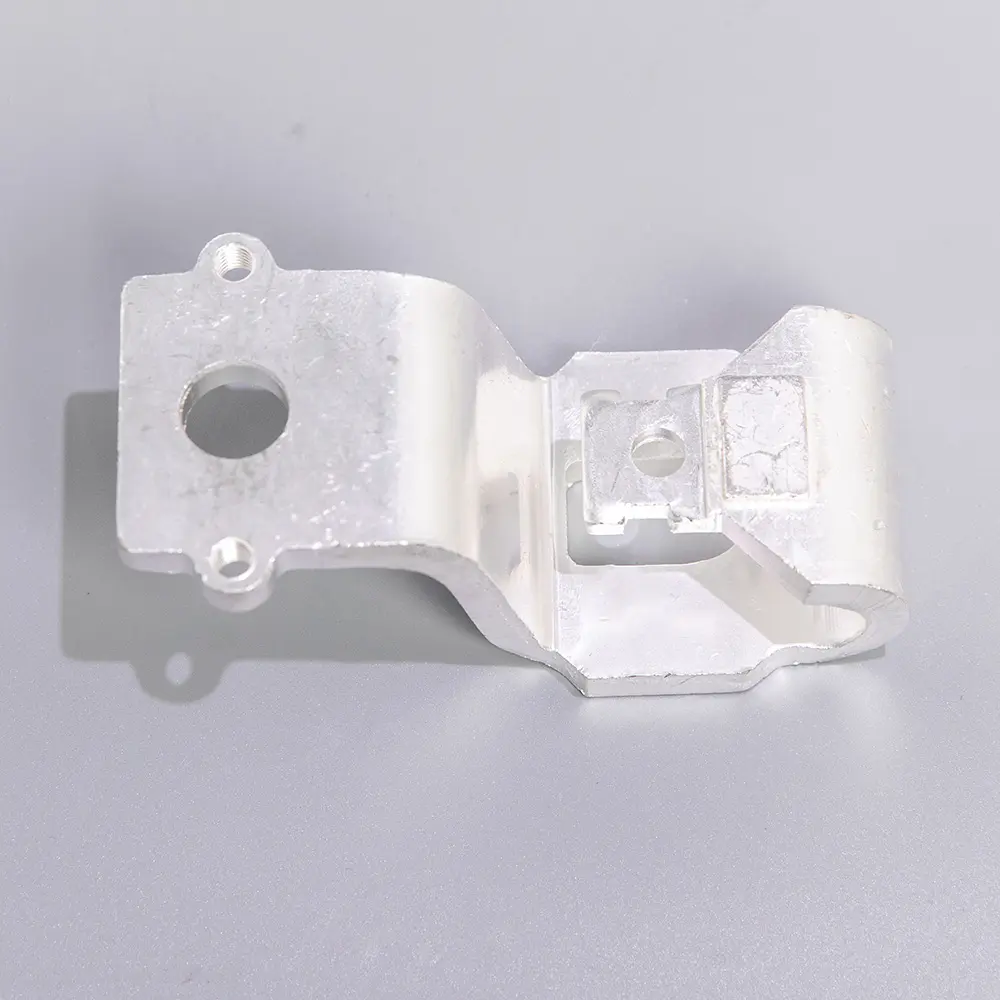
For the connecting plate series, the process is integrated to support mold tapping, achieving high-speed production output while saving overall manual labor demands.
The complete layout—from trimming, unfolding, and bending to final forming and blanking—is integrated and completed within a single, dedicated mold tool configuration.
Risus commodo viverra maecenas accumsan lacus vel facilisis.
Risus commodo viverra maecenas accumsan lacus vel facilisis.
Risus commodo viverra maecenas accumsan lacus vel facilisis.
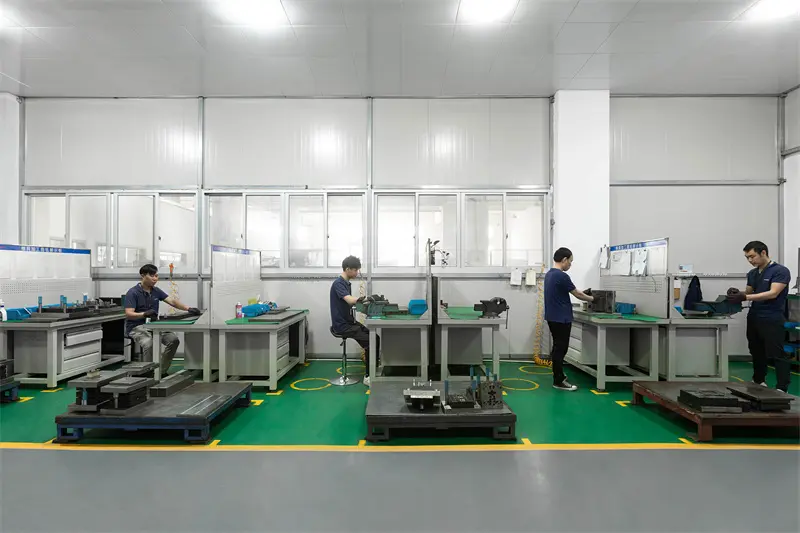

Risus commodo viverra maecenas accumsan lacus vel facilisis.
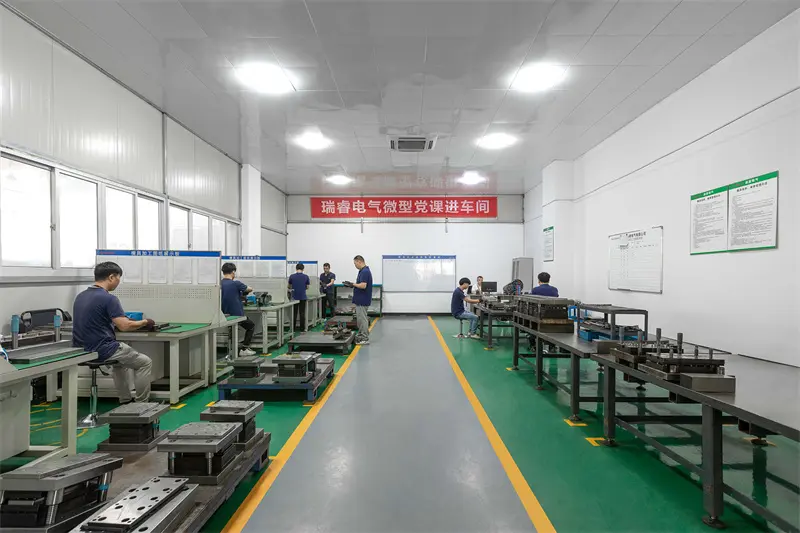
Risus commodo viverra maecenas accumsan lacus vel facilisis.
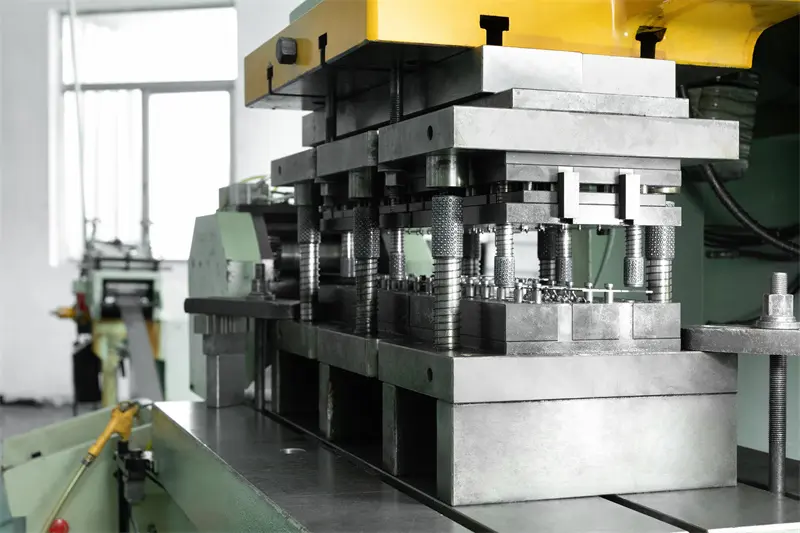
Risus commodo viverra maecenas accumsan lacus vel facilisis.
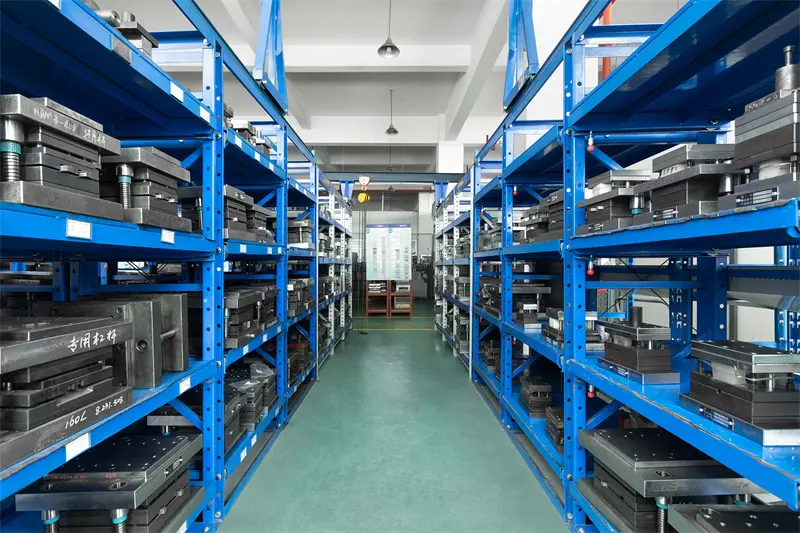
Risus commodo viverra maecenas accumsan lacus vel facilisis.
Risus commodo viverra maecenas accumsan lacus vel facilisis.
By running the drawing process inside a continuous mold, we can optimize the drawing rate and increase the number of drawing sequences. This process effectively eases the work hardening of materials and eliminates the need for semi-finished product annealing.
Our continuous stamping molds are fully automated, removing the need for manual handling during processing. In case of feeder malfunctions or unexpected errors, the punch is designed to stop immediately to prevent physical injury and equipment damage.
We integrate the tapping process directly within the mold development for the connecting plate series. This integration optimizes production cycle times, increases overall output efficiency, and significantly reduces manual labor requirements.
High precision is achieved by executing the entire sequence—including trimming, unfolding, bending, forming, and blanking—within a single, integrated set of mold tooling, eliminating errors associated with transferring parts between different setups.
Yes, our continuous stamping molds are designed to work seamlessly with automatic feeders and feature built-in emergency stop protocols to safeguard the tooling during operation.
Our MCCB metal stamping molds are engineered to process a wide range of industrial materials, including copper, brass, stainless steel, and carbon steel, ensuring high durability and consistent performance across different production requirements.