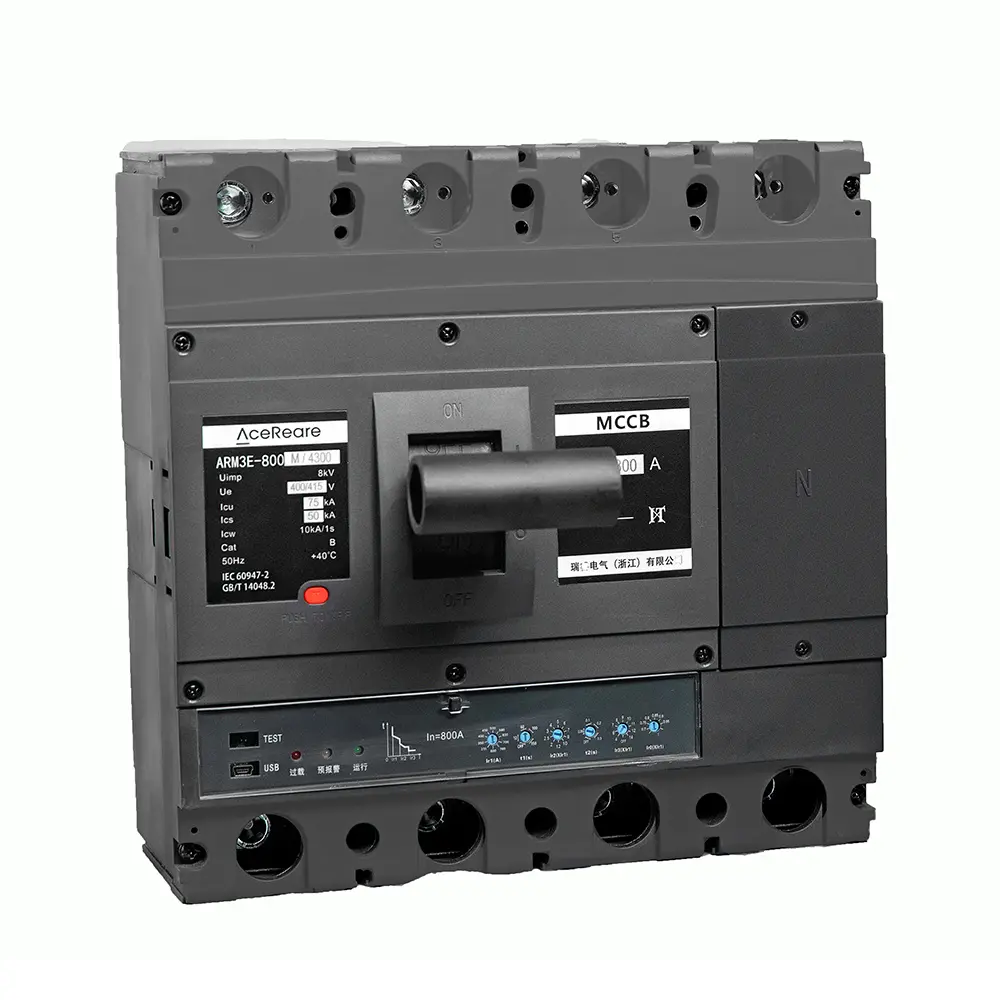
China Adjustable MCCB 800A 3/4 Poles 400V/690V - China Suppliers & Factory ARM3E Series with Built-in LSIG Trip Unit Supplier, Factory

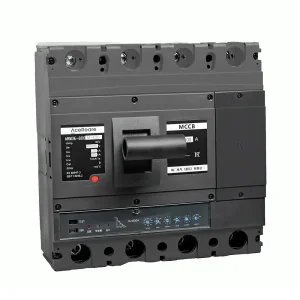
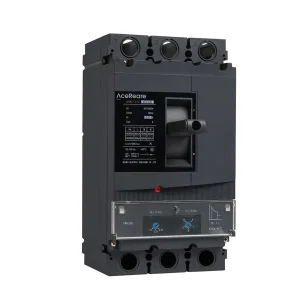
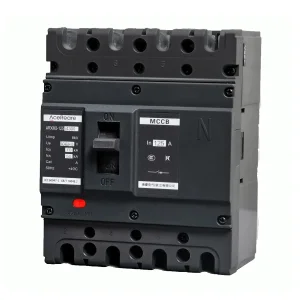
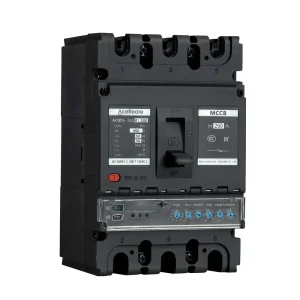
Rated Current: Available options include 630A, 640A, 660A, 680A, 700A, 720A, 740A, 760A, 780A, and 800A, catering to various power requirements.

Number of Poles: Choose between 3P and 4P configurations to suit your installation needs.

Rated Working Voltage: Ideal for use at 400V or 690V, ensuring optimal performance in industrial applications.

As a leading China supplier and factory, we pride ourselves on delivering high-quality electrical components that meet international standards. Our products are designed to provide reliability and efficiency, making them the perfect choice for your electrical systems.

Product Description

MCCB Highlights

Advantages for MCCB Electronic type
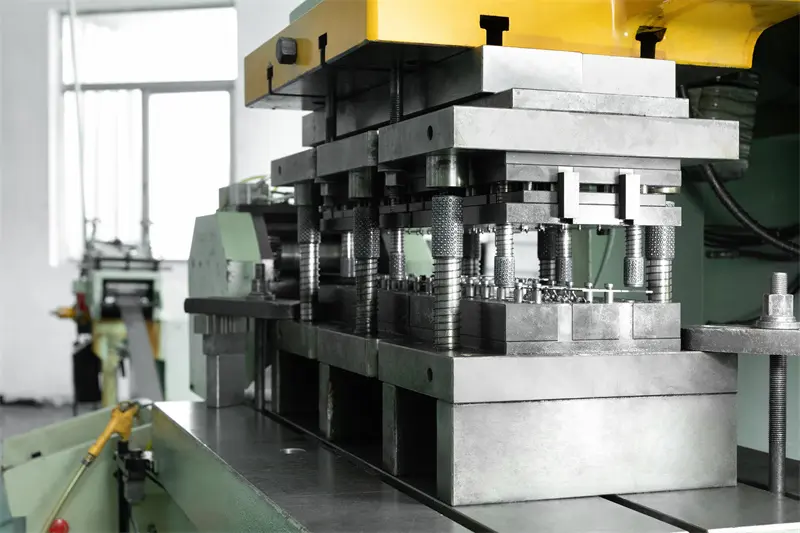
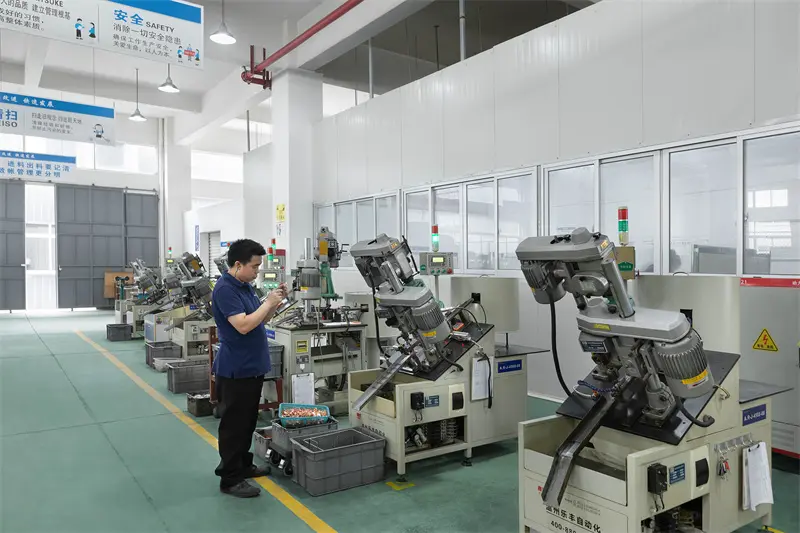
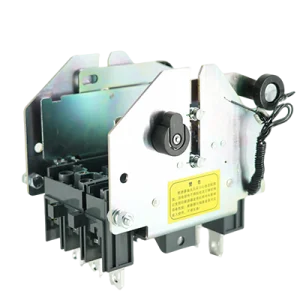
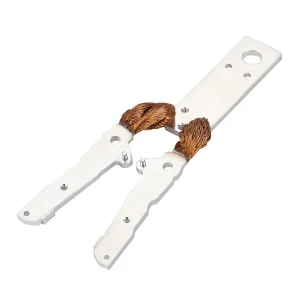
  • Welding Process Flow of Hardware Parts 1. Copper material - punching and forming - pickling - surface treatment/electroplating of copper parts - welding.
  • Exceptional Durability & Low After-Sales Rate 2. Our after-sales rate of copper electroplating does not exceed 3 in 7 years. Following degreasing agent, pickling, cleaning, silver plating (by electrolysis adsorption), cleaning, drying, and 100 ℃ drying processes, high-quality components are successfully obtained.
  • Advanced Potassium Sulfide Experimentation 3. Through a 7.5% potassium sulfide experiment lasting up to 15 minutes, it solves the defects of unstable welding and copper discoloration. This ensures the electroplated coating does not blacken or discolor within the specified time.
ARM3e

Frequently Asked Questions (FAQ)

Q What is the manufacturing process flow for the hardware parts?

A: The welding process flow consists of five main stages: copper material preparation, punching and forming, pickling, surface treatment/electroplating of the copper parts, and final welding.

Q What is the after-sales rate for the copper electroplating?

A: The quality is highly stable, with an after-sales rate that does not exceed 3 cases within a 7-year span.

Q How is the silver plating applied to the copper parts?

A: The printing plate is converted into silver molecules via electrolysis, which are then securely adsorbed onto the copper substrate by electrodes.

Q What steps follow the silver plating process?

A: After silver plating, the parts undergo subsequent cleaning, initial drying, and a final drying process at 100 ℃ to obtain the finished components.

Q How does the potassium sulfide experiment benefit the MCCB components?

A: By passing a 7.5% potassium sulfide experiment for up to 15 minutes, the process resolves issues related to unstable welding and copper discoloration, ensuring the coating does not blacken over time.
Related Products