 AceReare
1 / 1
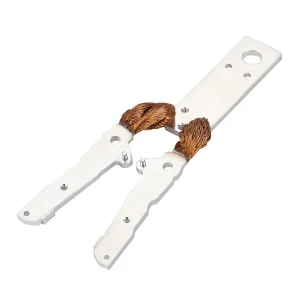
Our after-sales rate of copper electroplating does not exceed 3 in 7 years. After degreasing agent, pickling, cleaning, silver plating (the printing plate is converted into silver molecules by electrolysis, and then adsorbed on the copper by electrodes), cleaning, drying, drying at 100 ℃ and other processes, the high-quality parts are obtained.
Through 7.5% potassium sulfide experiment, the time can be as long as 15 minutes, it solves the defects of unstable welding and discoloration of copper parts in the same welding process. The function is to ensure that the electroplated coating does not blacken and discolor within the specified time.
Risus commodo viverra maecenas accumsan lacus vel facilisis.
Risus commodo viverra maecenas accumsan lacus vel facilisis.
Risus commodo viverra maecenas accumsan lacus vel facilisis.
Risus commodo viverra maecenas accumsan lacus vel facilisis.
Risus commodo viverra maecenas accumsan lacus vel facilisis.
Risus commodo viverra maecenas accumsan lacus vel facilisis.
Risus commodo viverra maecenas accumsan lacus vel facilisis.
Risus commodo viverra maecenas accumsan lacus vel facilisis.
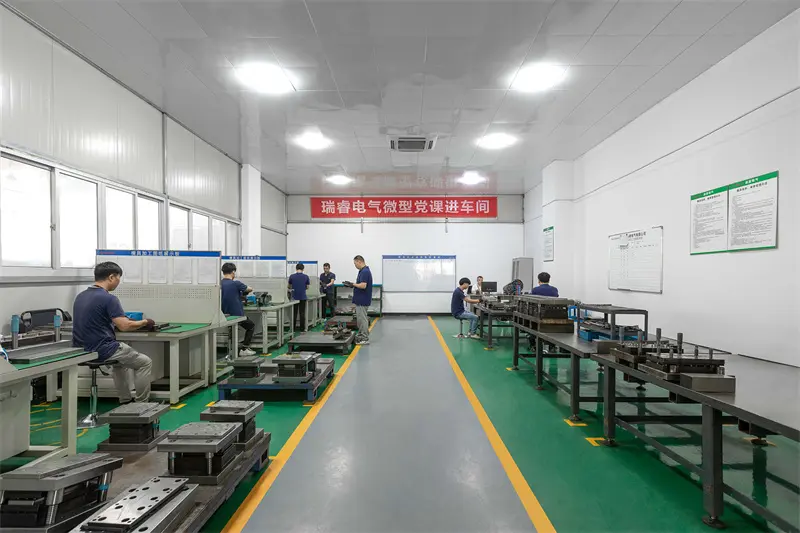
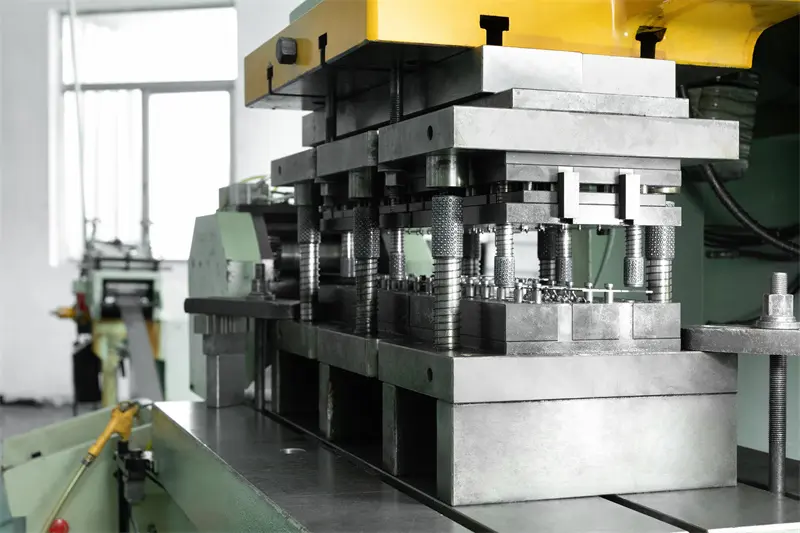
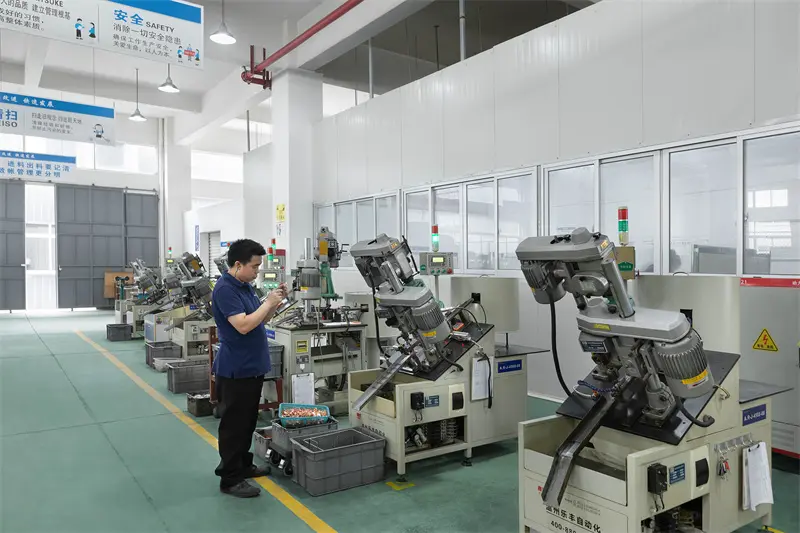
The hardware parts undergo a precise 5-step process: Copper material preparation, punching and forming, pickling, surface treatment/electroplating of copper parts, and finally welding.
Our quality control ensures an exceptionally low after-sales rate for copper electroplating, not exceeding 3 cases in 7 years.
The printing plate is converted into silver molecules via electrolysis, which are then adsorbed onto the copper by electrodes. This is followed by cleaning, drying, and baking at 100 ℃.
We conduct a 7.5% potassium sulfide experiment for up to 15 minutes, which successfully solves the defects of unstable welding and discoloration in the welding process.
The experiment ensures that the electroplated coating does not blacken or discolor within the specified time, maintaining high stability and electrical conductivity.
High-quality parts are obtained after executing degreasing, pickling, cleaning, silver plating by electrolysis, cleaning, drying, and final baking at 100 ℃.