 AceReare
1 / 5
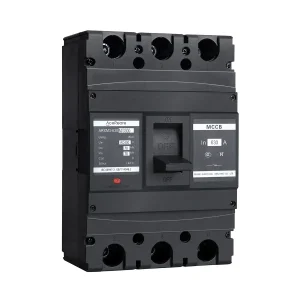
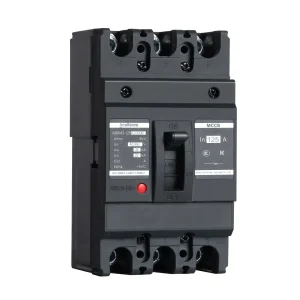
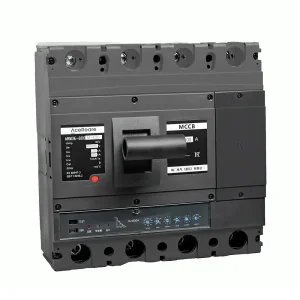
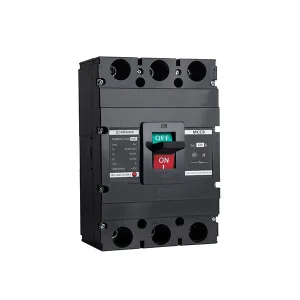
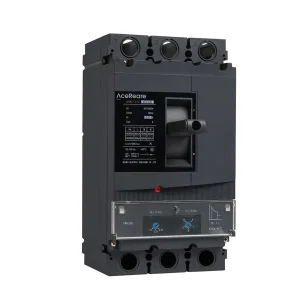
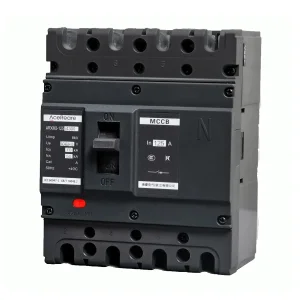
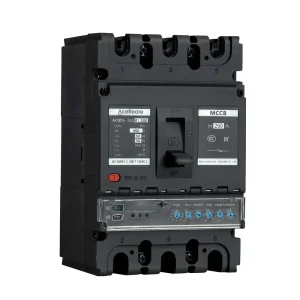
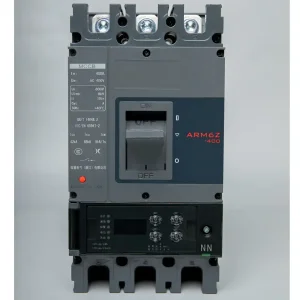
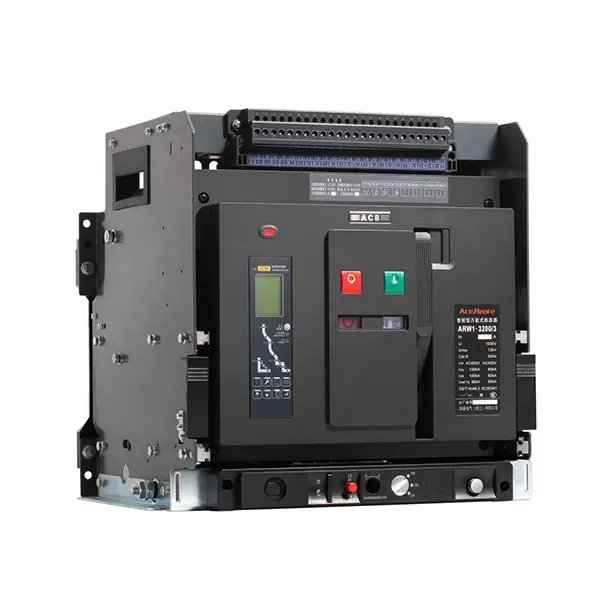
Frame circuit breakers (ACBs) can be classified according to their protection functions as follows:
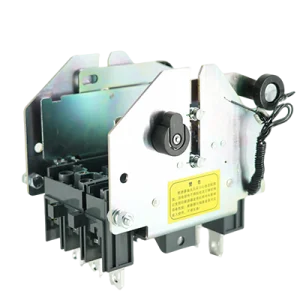
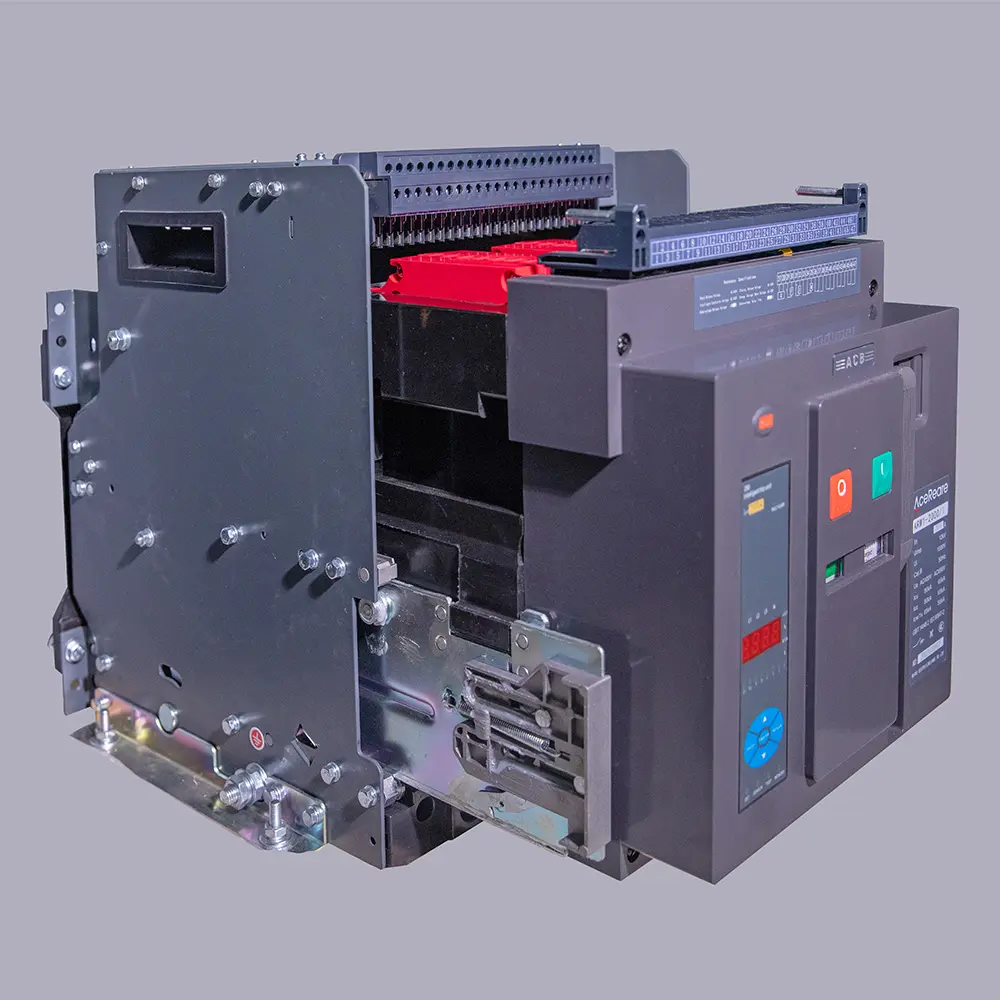
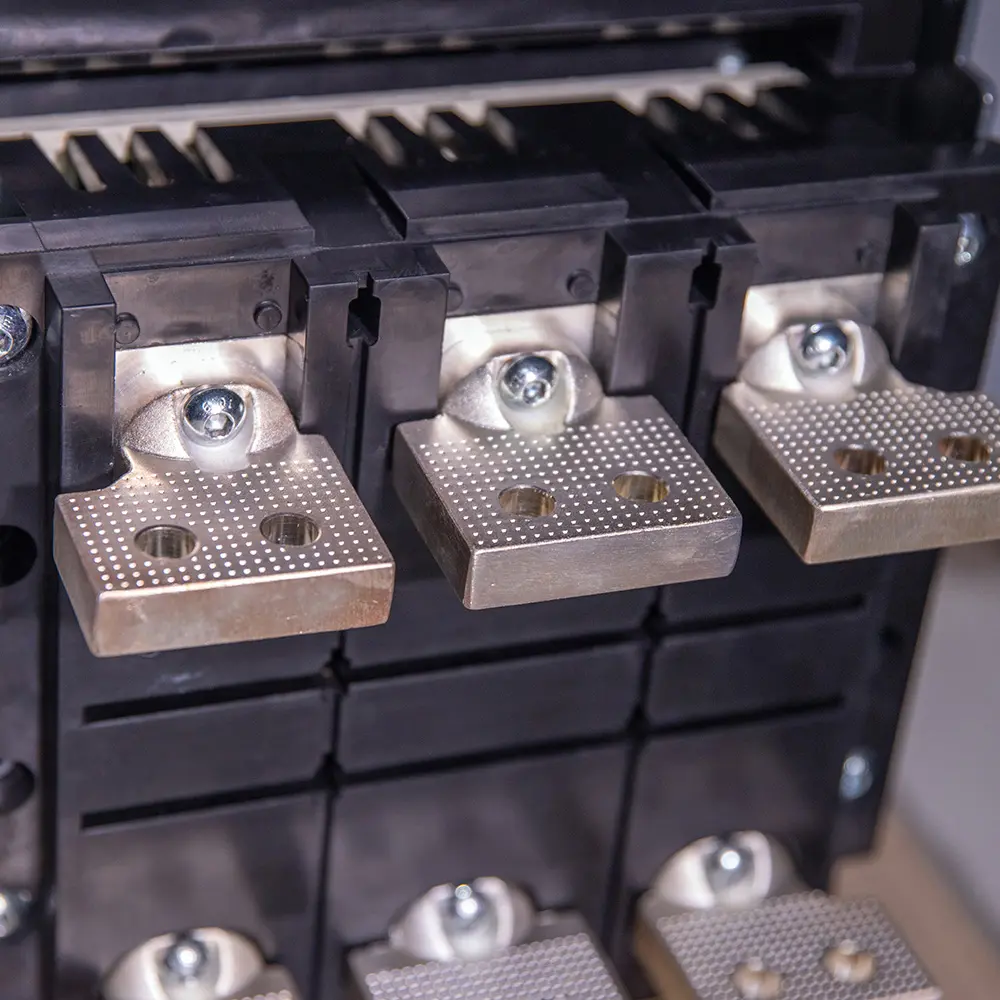
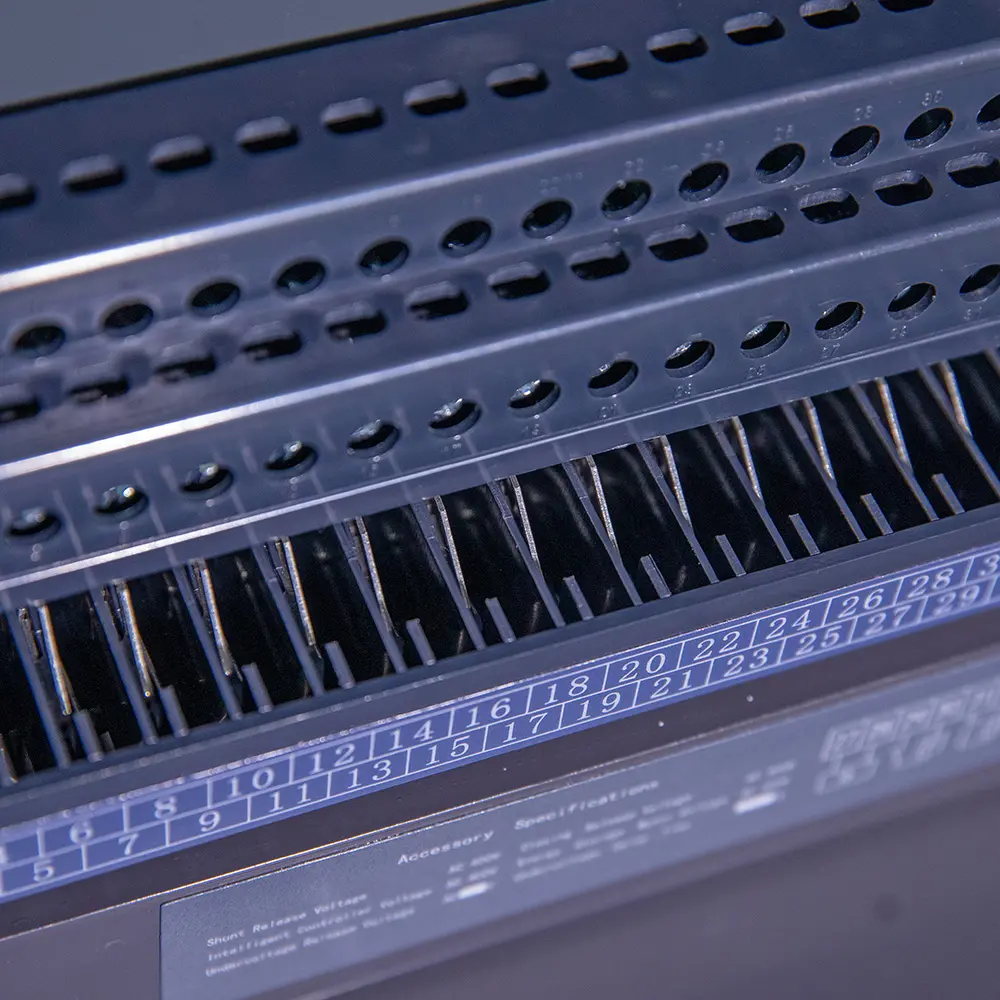
In addition to protection functions, 400V air circuit breakers offer a variety of operating features, making them easy to use and maintain. It is equipped with a range of accessories, including auxiliary contacts, shunt releases and undervoltage releases, which enhance its functionality and performance. The 400V air circuit breaker adopts a modular design, which makes installation and maintenance easy, reduces downtime and ensures reliable operation of the electrical system.

Risus commodo viverra maecenas accumsan lacus vel facilisis.
Risus commodo viverra maecenas accumsan lacus vel facilisis.
Risus commodo viverra maecenas accumsan lacus vel facilisis.
Risus commodo viverra maecenas accumsan lacus vel facilisis.
Risus commodo viverra maecenas accumsan lacus vel facilisis.
Risus commodo viverra maecenas accumsan lacus vel facilisis.
Risus commodo viverra maecenas accumsan lacus vel facilisis.
Risus commodo viverra maecenas accumsan lacus vel facilisis.
ARW1 frame circuit breakers (ACBs) are classified based on their protection functions into two categories: Four section protection frame circuit breakers (LSIG) and Three section protection frame circuit breakers (LSI).
The parameters represent specific protection functions: L stands for Overload Long Delay, S for Short circuit short delay, I for Short circuit instantaneous, and G for Earth fault protection.
The 400V air circuit breaker can be equipped with a comprehensive range of accessories, including auxiliary contacts, shunt releases, and undervoltage releases to enhance overall performance.
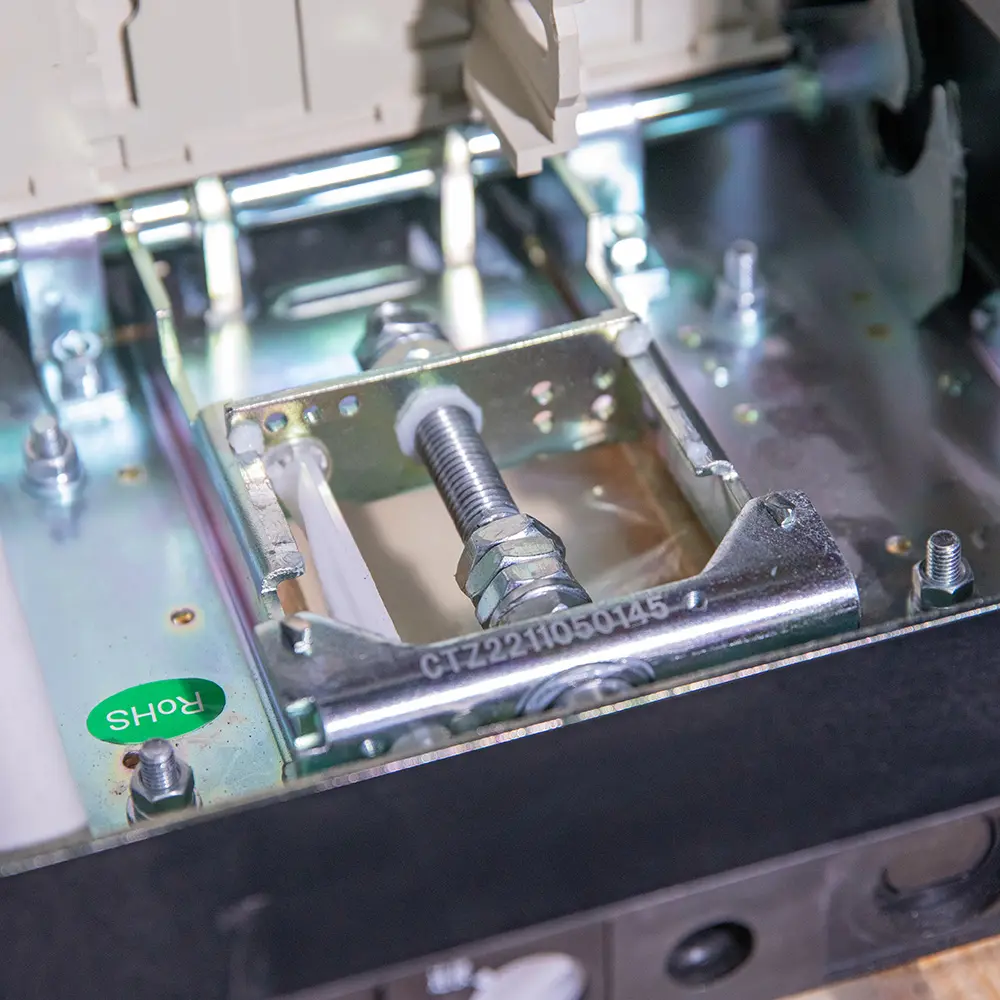
The modular design simplifies the installation and maintenance processes, which significantly reduces system downtime and ensures the highly reliable operation of your electrical systems.
Yes. Thanks to its modular architecture, user-friendly operating features, and accessible accessories, the ARW1 air circuit breaker is designed for easy operation, quick maintenance, and minimum downtime.
They are primarily implemented in low-voltage industrial and commercial distribution networks to provide ultimate protection against electrical overloads, short-circuits, and earth faults.