An ACB Circuit Breaker is a low-voltage protection device designed to interrupt dangerous current without using oil or enclosed gas. It uses air to extinguish the electrical arc. That simple description hides a demanding engineering process.
Inside the breaker, fixed and moving contacts carry normal load current. When a short circuit or overload occurs, the trip unit releases the operating mechanism. The contacts separate rapidly. An arc forms between them, then moves into the arc chute, where metal plates cool, divide, and weaken it. The circuit opens before excessive heat damages cables, busbars, or connected equipment. In larger switchboards, a drawout ACB can be withdrawn for inspection without dismantling the entire cabinet. That detail matters during maintenance.
Dr. J. C. Das, a power-system protection specialist, states, “Protection is useful only when it operates selectively, quickly, and reliably.” This principle explains why an ACB Circuit Breaker requires more than a high current rating. Engineers must coordinate its trip settings with upstream and downstream devices. They also examine interrupting capacity, short-time withstand current, insulation clearance, and operating frequency.
Real-world reliability depends on condition, not specifications alone. Dust, loose terminals, worn mechanisms, and failed trip coils can change performance. A breaker may look clean and still respond slowly. That is easy to overlook. Testing should include contact resistance, insulation condition, mechanical operation, and trip-unit verification. The explanation is not perfect without site context, because temperature, humidity, fault level, and maintenance history all influence performance. Understanding these practical limits makes the technology clearer and safer.
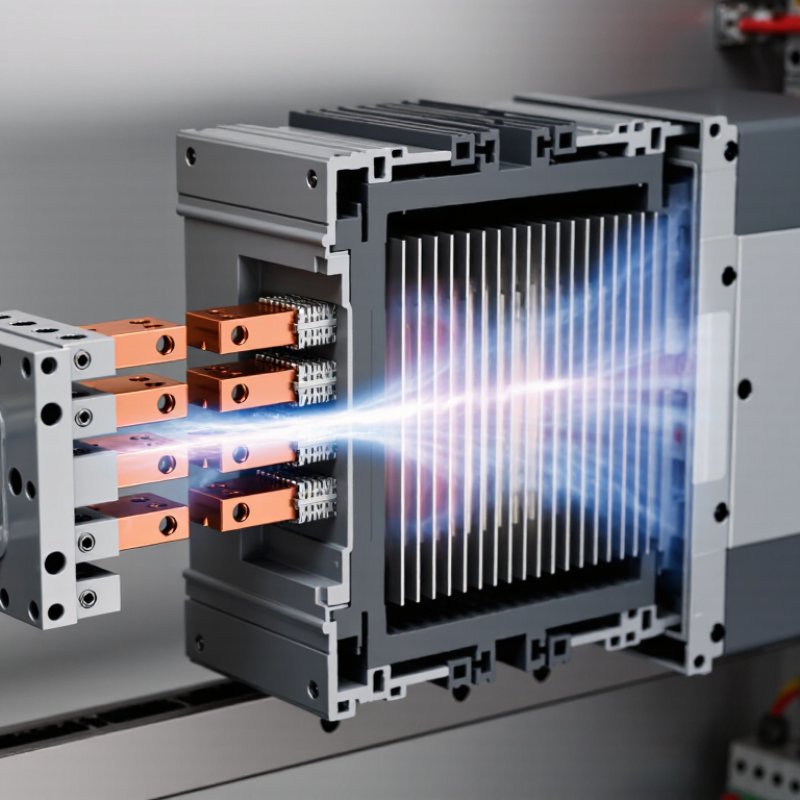
An ACB, or Air Circuit Breaker, is a low-voltage protective device that uses air to extinguish an electrical arc. It is commonly installed in main distribution panels, generators, and industrial switchboards. Unlike a small molded-case breaker, an ACB often supports higher current levels, adjustable protection, and frequent maintenance access. IEC 60947-2 defines performance requirements for low-voltage circuit breakers, including temperature rise, endurance, and short-circuit interruption.
When current exceeds a selected limit, the trip unit detects overload or a fault. It releases the operating mechanism, separating the contacts. An arc forms between them, then is divided and cooled inside arc chutes. The breaker interrupts the fault before cables and equipment suffer severe thermal damage. NFPA’s Home Fires Involving Electrical Distribution and Lighting Equipment report estimated 35,150 fires in the United States from 2012 to 2016. These incidents caused about 470 civilian deaths and 1,100 injuries. The figures do not prove every event requires an ACB, but they show why dependable protection matters.
Tips: Check the rated current, short-circuit capacity, and trip settings together. A higher rating is not automatically safer. Keep contact surfaces clean, test mechanical operation, and follow the maintenance schedule. Field conditions can differ from design assumptions. I have seen protection reviews focus heavily on settings while overlooking loose connections, which remains an uncomfortable but practical lesson.
An Air Circuit Breaker (ACB) protects low-voltage power systems by opening its main contacts when the current exceeds a configured protection threshold. The arc is extinguished in air through an arc chute, while the trip unit identifies overloads, short circuits, and ground faults.
The chart uses representative settings for a 1,600 A ACB. Actual pickup levels and time delays are adjustable and must be coordinated with the installation design and applicable electrical standards.
An air circuit breaker, or ACB, protects low-voltage power systems from overloads and short circuits. It opens the circuit when abnormal current creates a dangerous condition. Unlike a small household breaker, an ACB usually handles high current in switchboards and industrial distribution panels.
Its main components work together. The fixed and moving contacts carry normal current. When the operating mechanism separates them, an electrical arc forms between the contacts. The arc chute divides, cools, and extinguishes this arc through metal plates. This process limits heat and reduces damage inside the breaker. The operating mechanism uses springs, a motor, or manual charging to open and close the contacts quickly. Speed matters.
The trip unit monitors current through sensors or measuring elements. It can detect overloads, short circuits, and sometimes earth leakage. A control circuit then releases the mechanism. Main terminals connect the ACB to busbars and outgoing cables, while insulation barriers keep energized parts separated. Racking components may move the breaker between connected, test, and disconnected positions.
In practical inspections, technicians check contact wear, insulation condition, spring charging, and trip settings. A clean exterior can mislead. Dust may hide damaged insulation or loose connections. The trip unit also needs careful testing, because incorrect settings can cause nuisance trips or delayed protection. Some maintenance decisions require more judgment than a manual suggests.
What Is an ACB Circuit Breaker and How Does It Work?
An ACB, or air circuit breaker, protects low-voltage power systems from dangerous electrical faults. It uses air to extinguish the arc after its contacts separate. The real work begins inside its trip unit. Current transformers continuously measure the current flowing through each phase. If the current rises above a selected limit, the trip unit sends a signal to the opening mechanism.
Different fault conditions need different responses. An overload may develop slowly, so the breaker can wait briefly before tripping. A short circuit rises sharply and requires almost immediate interruption. Ground-fault protection compares current paths and identifies unwanted leakage. When a trip occurs, the contacts separate, and arc chutes divide, cool, and extinguish the arc. The breaker then isolates the faulty circuit from the busbar. Timing matters. Even a small delay can increase heat and equipment damage.
Tips: Check trip settings against the system design, not guesswork. Inspect terminals, contact wear, and arc chutes during scheduled maintenance. Test protection functions with qualified equipment. ACBs are reliable, but they are not self-correcting. Dust, loose connections, aging springs, or incorrect settings can weaken protection. In practice, coordination studies may also need review after a system change. This step is often overlooked.
An air circuit breaker, or ACB, uses air to extinguish the arc created when contacts separate. Its operating modes determine how the breaker opens, closes, and responds to faults. In a low-voltage switchboard, selecting the correct mode is essential for safe and reliable power control.
In manual mode, an operator charges the closing spring and moves the breaker using local controls. This method remains useful during commissioning, maintenance, or control-power failure. It gives direct feedback through the handle and mechanical indicators. Electrical mode uses a motor, closing coil, and shunt trip coil. Operators can control the ACB from a panel or remote location. Interlocks should prevent unsafe closing conditions. Small details matter.
Automatic mode relies on the trip unit. It monitors overloads, short circuits, ground faults, and sometimes undervoltage conditions. When a measured value exceeds its setting, the ACB trips without waiting for human action. In service position, the primary contacts connect with the busbar and load. In test position, control circuits can be checked while the main contacts remain isolated. Withdrawn position supports inspection and maintenance. A frequent mistake is treating “test” as fully energized operation. It is not. Settings also deserve careful review; an overly sensitive trip may interrupt normal starting current, while a delayed setting may increase equipment damage. Real inspections often reveal unclear labels, incomplete spring charging, or forgotten interlock checks. These are simple issues, yet they can change the breaker’s behavior.
An ACB, or air circuit breaker, protects low-voltage electrical systems from overloads and short circuits. It uses air to extinguish the electrical arc when contacts separate. Unlike smaller breakers, an ACB handles high currents and supports frequent switching. Its adjustable trip unit can monitor current, delay, and fault conditions.
ACB circuit breakers are commonly installed as main incomers in factories, commercial buildings, hospitals, and data centers. A factory may use one between the utility supply and its main distribution board. This position allows the breaker to isolate large production loads during maintenance or emergencies. In hospitals, ACBs help protect essential power systems, including backup generators and critical distribution panels. They are also used as bus couplers and generator breakers in large switchboards.
They suit systems with high fault levels. Site conditions matter. Engineers must check rated current, short-circuit capacity, available space, ventilation, and coordination with downstream devices. An ACB rated for normal load may still perform poorly if protection settings are incorrect. One design assumption deserves review: larger is not always safer. Poor coordination can cause unnecessary shutdowns across an entire facility. Maintenance teams should inspect contacts, terminals, stored-energy mechanisms, and trip functions according to the equipment schedule and applicable electrical standards.
An air circuit breaker protects low-voltage systems from overloads and short circuits. It uses air to extinguish the arc when contacts separate. It handles high currents.
An operator charges the closing spring and moves the breaker locally. This mode helps during commissioning, maintenance, or control-power failure. The handle gives direct feedback. Mechanical indicators help too.
A motor charges the spring, while coils control closing and tripping. Operators can use a local panel or a remote control station. Interlocks must block unsafe closing conditions.
The trip unit monitors overloads, short circuits, ground faults, and sometimes undervoltage. When a measured value exceeds its setting, the ACB trips automatically. No waiting.
In service position, primary contacts connect with the busbar and load. In test position, control circuits operate while main contacts remain isolated. Withdrawn position supports inspection and maintenance. Test does not mean fully energized operation.
They often serve as main incomers in factories, commercial buildings, hospitals, and data centers. They can also protect generator circuits and connect separate busbar sections. Large switchboards use them frequently.
Check rated current, short-circuit capacity, available space, ventilation, and protection coordination. The breaker must suit actual site conditions. Bigger is not always safer.
An overly sensitive setting may interrupt normal motor starting current. A delayed setting may allow greater equipment damage during a fault. Coordination matters. A normal load rating alone proves little.
An ACB Circuit Breaker, or Air Circuit Breaker, is a low-voltage protective device designed to control electrical power and safeguard circuits from overloads, short circuits, and other abnormal conditions. It uses air as the medium for extinguishing the electrical arc when current is interrupted. Its main components typically include fixed and moving contacts, an arc-control system, operating mechanisms, terminals, and a trip unit that monitors electrical conditions. Together, these parts allow the breaker to carry normal current and disconnect the circuit safely when a fault occurs.
An ACB detects faults by measuring current and comparing it with preset protection values. When an abnormal condition is identified, the trip mechanism separates the contacts, while the arc-control system helps stop current flow. Depending on the installation, an ACB may operate manually, electrically, automatically, or through remote control. It is commonly used in power distribution panels, industrial facilities, commercial buildings, data centers, and generator systems where reliable switching, maintenance access, and high-capacity circuit protection are required.

AceReare