Selecting the right MCCB 100a is crucial for various applications. With many options available, it can feel overwhelming. You need to balance technical specifications with practical requirements.
MCCB 100a circuit breakers protect electrical systems from overloads and short circuits. Understanding their features helps ensure safe operation. For example, consider the tripping characteristics and current ratings. This knowledge is essential for making an informed choice.
Choosing the best MCCB 100a requires thought and a bit of trial and error. It’s not just about numbers; it's about reliability and safety. Reflecting on real-world applications can sharpen your decision. Think about past experiences with circuit breakers. Was there ever an unexpected failure? Such experiences shape your understanding and guide you in selecting the most suitable product.
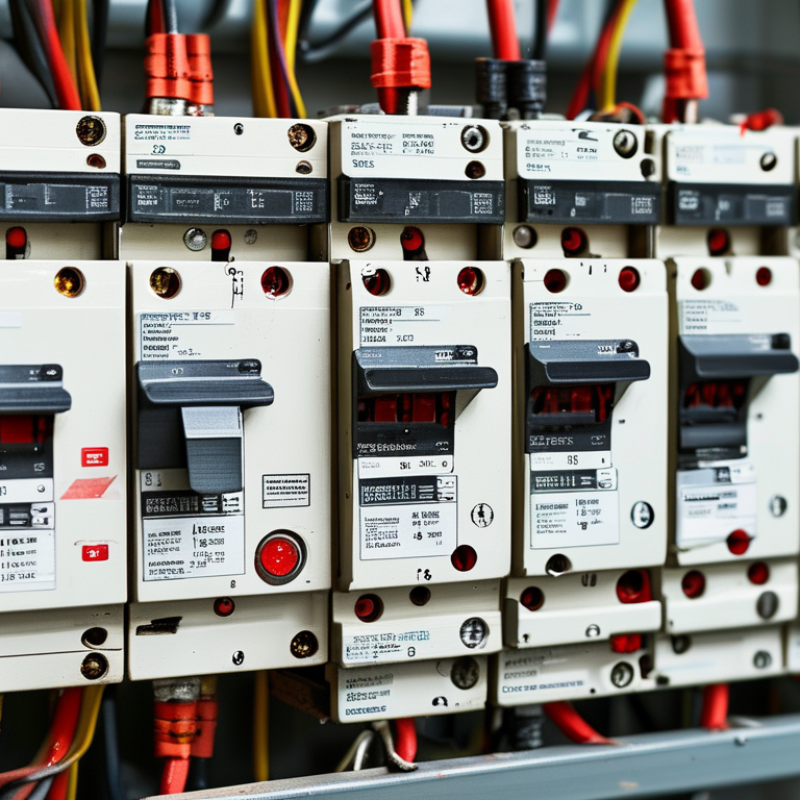
Molded Case Circuit Breakers (MCCBs) play a crucial role in electrical systems. They protect electrical circuits from overload and short-circuit faults. According to a report by Research and Markets, the global MCCB market is expected to reach $3.45 billion by 2026. This highlights their growing importance and relevance in modern electrical installations.
MCCBs come in various specifications. Selecting the right one involves understanding your electrical load requirements. A 100A MCCB can handle various applications, from commercial to industrial uses. However, simply choosing a model based on amperage isn't enough. Detailed analysis of trip settings and protection features is essential. Many users overlook this, leading to inadequate protection and potential equipment damage.
In addition, installation standards must be met to ensure reliability. The National Electrical Manufacturers Association (NEMA) provides guidelines for proper installation. Compliance with these standards significantly impacts long-term performance. Neglecting these can result in inefficiencies or failures. While some may skimp on this, doing so can jeopardize safety and system integrity. A well-informed choice today can save significant costs down the line.
When selecting an MCCB (Molded Case Circuit Breaker) 100A, key specifications play a critical role in ensuring it meets your needs. Look for the breaking capacity, which indicates how much fault current the breaker can interrupt. A higher breaking capacity provides better protection against short circuits. Pay attention to the current rating, which should match your system’s needs. An overload rating that aligns with your equipment is essential for efficient operation.
Another important factor is the frame size. It determines the physical dimensions of the MCCB and its compatibility with panel boards. Ensure that the dimensions fit your installation site. Temperature ratings cannot be overlooked. They affect performance, especially in extreme environments. A temperature rating that suits your location ensures reliability.
While considering these specifications, reflection on your unique requirements is crucial. Are the operational conditions stable, or do they fluctuate? Customizing your selection based on operational needs will promote long-term safety and efficiency. Regular assessments of equipment and updates based on evolving needs will enhance performance and reliability over time.
When selecting an MCCB (Molded Case Circuit Breaker) with a 100A rating, understanding the current rating is crucial. This rating affects the device's ability to handle electrical loads safely. If the current rating is too low, the MCCB may trip frequently. Conversely, a rating that's excessively high can lead to insufficient protection. Thus, assessing your specific load requirements is essential.
Each application has unique power demands. Consider the types of equipment you'll be using. Will they draw continuous loads or intermittent bursts of power? Take note of inrush currents, too. These factors can significantly influence your choice. Insufficient evaluation might result in costly downtime or equipment damage.
It’s also worth reflecting on the environment where the MCCB will operate. Temperature variations and humidity can affect performance. Choosing a device without considering these elements might lead to unexpected failures. Effective performance relies on understanding the interplay between current rating and actual usage. Always aim for a precise balance.
When selecting an MCCB (Molded Case Circuit Breaker) with a rating of 100A, understanding its tripping characteristics is crucial. Tripping characteristics define how quickly the MCCB will react to overcurrent situations. Each application has unique demands, so recognizing these nuances is essential. A typical categorization includes thermal and magnetic trip mechanisms, which correspond to different types of overloads.
For instance, thermal trips excel in protecting against prolonged overloads. This feature helps prevent overheating. On the other hand, magnetic trips respond instantly to short circuits. This distinction allows for better protection in different scenarios. Analyze your system's characteristics before making a decision. If your application has frequent motor starts, opt for a type that minimizes nuisance tripping.
Balancing these needs can be challenging. Many users overlook the importance of coordination with upstream and downstream devices. A poorly chosen MCCB could lead to operational issues or, worse, equipment damage. Spend time assessing your environment and the specific risks involved. Reflect on common incidents in similar setups, as past experiences can guide better choices.
| Tripping Characteristics | Application Type | Recommended Setting | Response Time | Typical Use Case |
|---|---|---|---|---|
| Type B | Lighting Circuits | In 3-5 times rated current | 0.1 to 1 second | Residential and Commercial Lighting |
| Type C | Small Motors | In 5-10 times rated current | 0.1 to 5 seconds | Pumps, Fans, and Small Equipment |
| Type D | Large Motors | In 10-20 times rated current | 1 to 10 seconds | Industrial Applications, Heavy Machinery |
| Type K | Transformers | In 8-12 times rated current | 1 to 5 seconds | Transformers and Inductive Loads |
When selecting an MCCB (Molded Case Circuit Breaker) rated at 100A, understanding the additional features is vital. The National Electrical Manufacturers Association (NEMA) outlines standards which greatly influence the selection process. Important factors include thermal-magnetic trip characteristics. These determine how the breaker reacts to overloads and short circuits. Choosing the right characteristics can enhance protection for your electrical systems.
Another key aspect is the breaking capacity. Research indicates that around 30% of electrical failures within industrial environments are linked to inadequate breaking capacities. High breaking capacity MCCBs can handle fault currents more effectively, minimizing equipment damage. Additionally, consider ambient operating temperatures and environmental conditions. MCCBs designed for temperatures between -5°C to 40°C are commonly used, but extreme environments may require specialized options.
Lastly, the importance of additional features cannot be overstated. Some MCCBs offer advanced features like remote monitoring and circuit diagnostics. These features can provide critical data on load conditions. A study by the International Electrotechnical Commission (IEC) shows that real-time monitoring can decrease energy costs by up to 15%. Balancing features versus costs is essential. Not all features are necessary for every application. Reflect on what is truly needed for your operational needs.
: MCCBs protect electrical circuits from overloads and short-circuit faults, ensuring system safety.
The current rating affects load handling. A rating too low causes frequent tripping; too high risks insufficient protection.
Yes, there are thermal and magnetic trip mechanisms. Each serves different overload protection needs.
Consider electrical load requirements, tripping characteristics, and environmental conditions to ensure optimal performance.
Following installation standards ensures reliability. Neglect can lead to inefficiencies and jeopardize safety.
Temperature and humidity can impact performance. Ignoring these factors may result in unexpected failures.
Insufficient evaluation can lead to costly downtime or equipment damage. It's essential to thoroughly assess load demands.
Reflecting on incidents in similar setups can guide better choices and minimize future operational issues.
When selecting an MCCB 100a for your electrical systems, it is crucial to understand its significance in protecting circuits from overloads and short circuits. Key specifications such as current rating, tripping characteristics, and additional features must be evaluated to ensure optimal performance. The MCCB's current rating directly affects its capacity to manage electrical loads safely.
Tripping characteristics are essential for determining how the MCCB responds to faults, making them vital for various applications. Additionally, assessing other features and compliance with relevant standards can help enhance the reliability and efficiency of your electrical system. By considering these factors, you can select the best MCCB 100a to meet your specific needs effectively.

AceReare