What is a Molded Breaker and How Does it Work?

Time:2026-08-13 Author:Charlotte
0%

Molded breakers are critical components in modern electrical systems. They offer protection against overloads and short circuits. According to a recent market report by Mordor Intelligence, the global molded circuit breaker market is expected to grow significantly, reaching USD 9.45 billion by 2026. This growth reflects increasing demands in residential and industrial sectors.

These devices are designed to safeguard electrical circuits. They do this by automatically interrupting the flow of electricity during faults. In practice, a properly functioning molded breaker can prevent severe electrical fires. Yet, it is essential to highlight that maintenance is often overlooked. Many users miss this critical aspect, leading to failures.

Moreover, the technology behind molded breakers is evolving. Innovative features, such as smart sensors, are being integrated. This evolution comes with its challenges, including higher costs and the need for appropriate training. As a result, users must balance cost and reliability when selecting a molded breaker for their system.
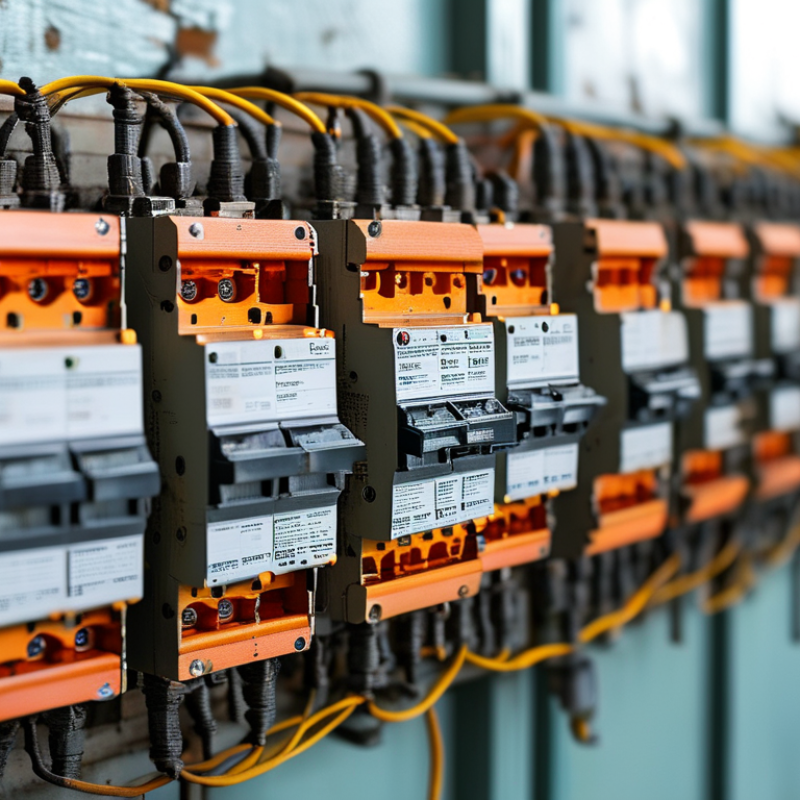
What is a Molded Breaker and How Does it Work?

What is a Molded Breaker?

A molded breaker, also known as a molded case circuit breaker (MCCB), serves as an essential component in electrical systems. It automatically interrupts current flow during overloads or short-circuit conditions. This type of breaker is enclosed in a sturdy plastic shell, which gives it its "molded" name. Unlike older circuit breakers, molded breakers are compact and designed for higher capacities, making them ideal for industrial applications.

Inside the molded breaker, a thermal and magnetic mechanism detects excessive current. When an overload occurs, the thermal element heats up and bends a bimetal strip. This bending triggers a switch that cuts off the current. For short circuits, the magnetic element activates instantly for immediate disconnection. These features provide protection, but they can fail if not maintained. Regular checks are crucial to ensure reliability because neglect can lead to dangerous situations.

Molded breakers offer various ratings and functions, catering to specific needs. However, selecting the right size and type requires knowledge and experience. Misjudgments in choice can lead to inadequate protection. It's vital for users to consult experts or engage in training. This investment in learning can prevent costly mistakes. Understanding the operational principles of molded breakers enhances electrical safety and efficiency.

Basic Components of a Molded Breaker

Molded breakers are crucial in electrical systems. They help protect circuits from overloads and faults. Understanding their basic components can enhance safety and efficiency.

The main part of a molded breaker is the frame. It provides structural support and houses other components. Inside, you find a mechanism that detects current flow. This mechanism causes the breaker to trip when it senses an overload. It is essential for preventing circuit damage.

Another key element is the bimetallic strip. This strip bends under excessive heat. The bending action triggers the tripping mechanism. Additionally, there are terminals for connecting wires. A well-installed breaker ensures reliable operation. Neglecting proper installation can lead to failures. Regular checks can prevent potential hazards.

How Molded Breakers Work: An Overview

Molded breakers are essential components in modern electrical systems. They are designed to protect circuits from overloads and faults. When a fault occurs, these breakers automatically detect the problem and interrupt the power supply. This fast response helps prevent fires and equipment damage.

The inner workings of a molded breaker involve several key elements. At the core, there is a magnetic coil and a bimetallic strip. When an overload happens, the current flows through the coil, creating a magnetic field. This field bends the bimetallic strip, forcing the breaker to trip. Quick action minimizes potential hazards, but understanding how and why they trip can be complex.

Proper installation and maintenance of molded breakers are critical. Users often overlook the need for regular checks. Dust and debris can interfere with their operation. It's crucial to ensure breakers are rated correctly for the specific application. A mismatch can lead to repeated tripping or failure to trip when needed. Monitoring and addressing any irregularities can enhance the reliability of these vital components.

Applications of Molded Breakers in Electrical Systems

Molded circuit breakers (MCBs) are vital in modern electrical systems. They provide overcurrent protection and enhance safety in a variety of applications. MCBs can handle different voltages and currents, making them versatile components for both residential and industrial settings.
In industrial environments, MCBs are essential for protecting machinery. According to a report by the International Electrotechnical Commission, around 30% of industrial electrical failures result from overcurrent issues. MCBs can detect these errors rapidly and disconnect the power. In commercial buildings, MCBs help maintain electrical integrity. They prevent potential overloads that can lead to fires or equipment damage. Studies indicate that implementing MCBs reduces electrical accidents by 40%.
The effectiveness of MCBs depends on their installation and maintenance. Regular checks are crucial to ensure their functionality. A lack of maintenance can lead to performance issues, which could compromise safety. While MCBs are reliable, they are not infallible. Operators should remain vigilant and address any signs of malfunctioning. MCBs contribute significantly to the resilience and efficiency of electrical systems, highlighting their importance in maintaining operational safety.

Benefits and Limitations of Using Molded Breakers

Molded breakers offer several benefits in electrical systems. They provide robust protection against overloads and short circuits. According to a report by the Electrical Safety Foundation International (ESFI), about 40% of electrical failures stem from overload circuits. Molded breakers can significantly reduce this risk. Their compact design allows for more efficient space usage in panels.

However, there are limitations. Molded circuit breakers can often be more expensive than traditional fuses. Their initial investment might deter smaller operations. Maintenance can also be a challenge. While they require less frequent replacement, troubleshooting can be complex. Many technicians may lack sufficient training in handling molded breakers effectively.

Despite these drawbacks, their reliability and functionality cannot be overlooked. A study by the National Fire Protection Association (NFPA) indicates that proper use of molded breakers can reduce electrical fires by up to 50%. This statistic highlights their importance in modern electrical installations. Pain points exist, yet they still play an essential role in electrical safety.

FAQS

: What are the main components of a molded breaker?

: The main components include the frame, tripping mechanism, bimetallic strip, and terminals for wiring.

How does the tripping mechanism work?

It detects current flow. If there is an overload, it trips to prevent circuit damage.

What is the role of the bimetallic strip?

The bimetallic strip bends under excessive heat, triggering the tripping action.

Are molded breakers more effective than traditional fuses?

Yes, they provide robust protection against overloads and short circuits, reducing electrical failures.

What are some drawbacks of molded breakers?

They can be more expensive. Maintenance and troubleshooting can also be complex.

How often should molded breakers be checked?

Regular checks are essential. Neglecting them can lead to potential hazards and failures.

Why might smaller operations avoid using molded breakers?

The initial investment cost might deter them from using these breakers.

Do molded breakers significantly reduce electrical fire risks?

Yes, proper use can reduce electrical fires by up to 50%, highlighting their importance.

Is installation crucial for molded breaker performance?

Yes, well-installed breakers ensure reliable operation. Poor installation can lead to failures.

Are technicians well-trained to handle molded breakers?

Many technicians may lack sufficient training, making troubleshooting a challenge.

Conclusion

A molded breaker is a type of circuit breaker designed to protect electrical systems from overloads and short circuits. It consists of various basic components, including a molded case, sensing elements, and trip mechanisms that work together to detect any irregularities in the current flow. When an electrical fault occurs, the molded breaker quickly operationalizes its trip mechanism to interrupt the circuit, preventing potential damage.

Molded breakers find diverse applications in residential, commercial, and industrial settings, safeguarding equipment and ensuring safety. Their benefits include reliable protection and compact design, but they also have limitations, such as potential issues with reset capabilities after tripping. Overall, molded breakers play a critical role in maintaining the integrity and safety of electrical systems.


Charlotte

Charlotte

Charlotte is a seasoned marketing professional with a deep understanding of the company's portfolio and a passion for elevating its presence in the market. With a keen eye for detail and a commitment to excellence, she ensures that our professional blog is regularly updated with insightful articles......