Choosing the right electrical components is crucial for safety and efficiency in any project. A 125 Amp Breaker is an important element in managing electrical loads. Understanding its features can greatly impact your decision.
When selecting a 125 Amp Breaker, consider the specific needs of your electrical system. Evaluate the total load demand and the environment it will operate in. This breaker size is common for residential and light commercial applications. However, many overlook compatibility issues with existing systems.
Always prioritize quality and brand reliability. Reviews from professionals can guide you to trustworthy options. However, consider your unique circumstances and avoid overstated claims. Not every 125 Amp Breaker performs the same under stress. Be mindful of your energy requirements. Take time to research thoroughly.
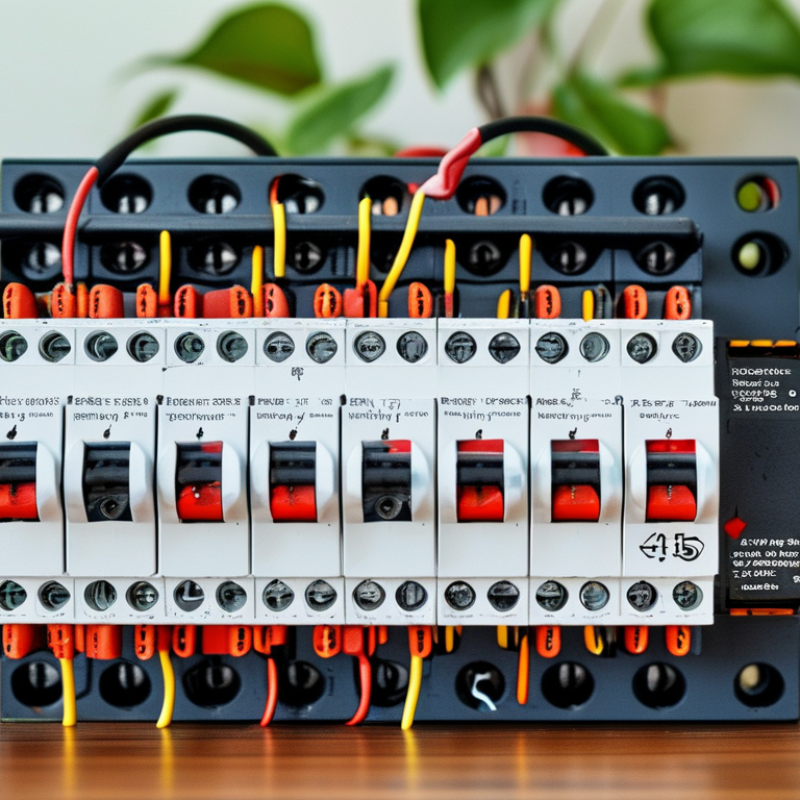
A 125 amp breaker plays a crucial role in electrical systems. It acts as a protective device, preventing overload and short circuits. Such breakers are integral to residential and commercial electrical installations. According to a study by the National Electrical Manufacturers Association, improper sizing of breakers can lead to a 30% increase in electrical hazards. This highlights the importance of selecting the right amperage.
When choosing a 125 amp breaker, consider your system's load capacity. Calculate the total amperage of devices you plan to use. For instance, if appliances draw too much current, it can cause the breaker to trip frequently. This not only disrupts service but can also damage connected equipment. Additionally, consulting the National Fire Protection Association can provide insights into safe wiring practices.
In some cases, homeowners underestimate their electrical needs. An outdated system may not support modern appliances, leading to the need for larger breakers. It's vital to evaluate if a 125 amp breaker aligns with your current and future needs. A professional assessment can prevent costly mistakes and ensure reliability in your electrical setup.
When selecting a 125 Amp breaker, multiple factors demand attention. The load requirement is critical. It's essential to analyze the total electrical demand from all appliances and devices. According to the National Electrical Code (NEC), breakers should handle loads that draw 80% of their capacity continuously. This means a 125 Amp breaker is optimal for a maximum continuous load of 100 Amps.
Another vital factor is the environment where the breaker will be installed. Breakers for outdoor use must be weatherproof. Indoor breakers may need better ventilation or be housed in enclosures. Breakers that conflict with the cooling requirements, especially in high-temperature areas, may trip frequently. Industry reports highlight that nearly 30% of residential circuit failures result from environmental factors affecting breaker operation.
Lastly, consider the type of breaker. Standard breakers work for most applications, while GFCI and AFCI breakers are crucial for safety in wet areas and preventing arc faults. Each type serves specific safety needs. It's easy to overlook these details, yet careful consideration prevents long-term electrical issues and potential hazards.
| Factor | Description | Importance Level |
|---|---|---|
| Load Requirements | Determine the total amperage needed for your appliances and devices. | High |
| Type of Breaker | Choose between standard, GFCI, or AFCI based on your needs. | Medium |
| Compatibility | Ensure the breaker is compatible with your panel and electrical system. | High |
| Installation Location | Consider if it will be used in a residential, commercial, or industrial setting. | Medium |
| Safety Standards | Check for certifications such as UL or IEC to ensure safety compliance. | High |
| Voltage Rating | Select a breaker with the appropriate voltage rating for your system. | High |
When comparing different brands and models of 125 Amp breakers, several factors must be considered. Quality and reliability are key. Look for models that pass rigorous safety standards. Many brands emphasize their testing methods in product descriptions. This transparency can indicate a commitment to quality.
Additionally, user reviews provide valuable insights. Customers often share their experiences. Comments on durability and performance can guide your choice. Some breakers may have a track record of issues that frequent users highlight. It is essential to consider the feedback from actual users rather than just specifications provided by manufacturers.
Pricing also varies widely among brands. A lower price doesn't always mean a poor product, but it can signal potential compromises in quality. Some users might opt for cheaper models only to face issues later. In contrast, investing in a more reputable brand can offer peace of mind. Balancing cost and quality is crucial. Making informed choices often leads to better long-term satisfaction.
When installing a 125 amp breaker, safety should be your top priority. Begin by ensuring you have the correct tools and protective gear. Proper installation requires attention to detail. Make sure the main power is turned off before beginning the work. This simple step can prevent severe injuries or fatalities.
Next, choose the right location for the breaker. It should be easily accessible for future maintenance. Mount the breaker securely in a dry area. Ensure there is enough space around it for ventilation. Too little space can lead to overheating, which is a common installation mistake.
Wiring is another critical aspect. Use the correct gauge wire recommended for a 125 amp breaker. Insufficient wire size can cause overheating and possible fire hazards. Double-check all connections to ensure a secure fit. It’s better to invest time at this stage rather than face future issues. Remember, if you're unsure, consulting a licensed electrician can save you from costly mistakes.
When dealing with a 125 Amp breaker, safety should always be the top priority. Regular inspections can prevent many issues. Check for corrosion or signs of wear on the breaker. Visual inspections are essential. If you notice any anomalies, it’s time to consult a professional. A breaker that trips often is a sign of an underlying issue. Ignoring these signs could lead to serious problems.
Proper installation is crucial. Ensure that the breaker matches the specifications for your electrical system. It should handle the required load without any strain. Equally important is understanding what you connect to it. Overloading the breaker can result in dangerous conditions. Be aware of the power consumption of your devices. It’s beneficial to keep a record of usage.
Educating yourself on safety guidelines is vital. Always keep the area around the breaker clear. Maintain an organized workspace if you need to perform any electrical work. Using safety gear can prevent accidents. Always keep a fire extinguisher close when working with electricity. Remember that even small mistakes can have serious consequences. Take your time and think things through before making any changes.
: A 125 amp breaker protects electrical systems from overloads and short circuits. It prevents hazards.
Consider your system's load capacity. Calculate the total amperage of devices you will use for proper sizing.
A small breaker can trip frequently, causing service interruptions and potential damage to connected devices.
User reviews provide insights on durability and performance. They highlight issues actual users face with specific models.
Regular visual inspections are essential. Look for corrosion or wear and consult a professional if issues arise.
Frequent tripping indicates an underlying problem. It’s crucial to investigate and avoid ignoring these warning signs.
Yes, a professional can evaluate your system. They help ensure that a 125 amp breaker meets current and future needs.
Yes, overloading can lead to serious conditions. Be cautious about the power consumption of connected devices.
Always wear appropriate safety gear. Keeping a fire extinguisher nearby is also wise when working with electricity.
Educate yourself on safety guidelines and take time to understand your electrical needs before making changes.
Choosing the right 125 Amp Breaker is crucial for ensuring the safety and efficiency of your electrical system. Understanding its role can help you manage your home’s power distribution effectively. When selecting a 125 Amp Breaker, you should consider various factors such as the load requirements, compatibility with existing systems, and the intended application. Additionally, comparing different brands and models can lead you to the best choice based on reliability and performance.
Installation of a 125 Amp Breaker requires careful attention to detail and adherence to safety guidelines to prevent hazards. It's important to follow manufacturer instructions and local electrical codes during the installation process. Moreover, maintaining awareness of safety protocols while using a 125 Amp Breaker will help ensure a secure environment in your home. Prioritizing these elements will lead to a better experience and enhanced safety in your electrical system.

AceReare