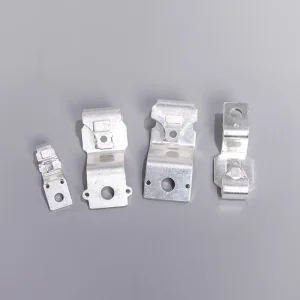
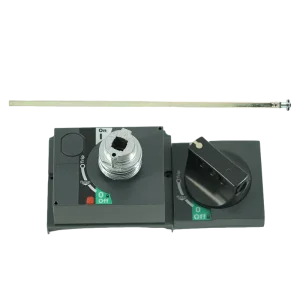
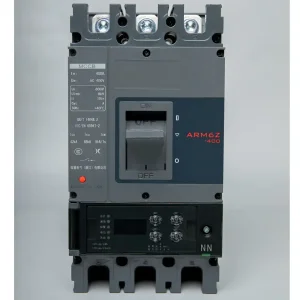
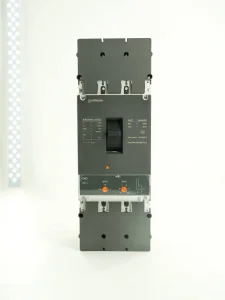
Explore our primary range of heavy-duty air circuit breakers, premium-grade stamped parts, and adjustable high-breaking-capacity thermal magnetic MCCBs manufactured to extreme operating conditions.
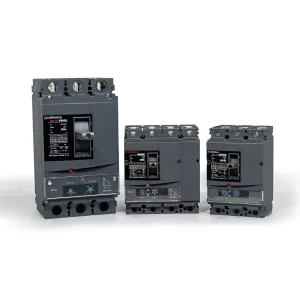
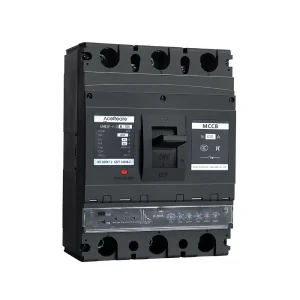
In the contemporary landscape of power distribution, the Molded Case Circuit Breaker (MCCB) represents the critical defensive anchor for low-voltage electric networks. Driven by the exponential growth of high-density AI data centers, industrial automation, and utility-scale solar PV installations, the global demand for reliable MCCBs has reached unprecedented heights. Industry surveys confirm that power distribution systems must withstand higher fault levels than ever before, elevating the role of high-capacity circuit protection devices from generic mechanical switches to sophisticated thermal and electronic nodes.
China has long moved beyond basic assembly plants to become the global hub for advanced circuit protection technology. Chinese manufacturers are pioneering smart integration, developing breakers with high-breaking capabilities (up to 200kA), and adapting components for high-altitude solar grids and sub-zero offshore wind generation. Consequently, EPC contractors and switchgear system assemblers worldwide now prioritize direct factory partnerships over traditional middlemen. This structural shift allows for rapid configuration changes, precise quality controls, and competitive pricing essential for large-scale energy infrastructure projects.
Established in 2015, Acereare Electric operates through its two wholly-owned manufacturing subsidiaries: "RuiRui Electric" and "KeRui Electric." Backed by a legacy of craftsmanship spanning two generations over 20 years, we provide high-grade original equipment design and manufacture (ODM/OEM) solutions. As one of China’s leading low-voltage circuit breaker suppliers, our factories maintain strategic partnerships with nearly 100 high-end domestic and international clients.
Our operations leverage advanced process integration through ERP and U8 management software. By connecting our design phases, supply chains, and testing laboratories via PLM and MES, we ensure traceablity for every component, from silver-plated moving contacts to complex manual operating mechanisms.

We provide one-stop, end-to-end low-voltage solutions from initial engineering consultation and circuit breaker selection to customized packaging and long-term after-sales support.
We deploy six high-precision processing technologies supported by custom molding machinery, automatic calibration units, and advanced testing benches across more than 10 manual and automated assembly lines.
Our dedicated engineering department consists of 50+ design experts with over 5 years of domain experience. We develop more than 50 custom research and development configurations annually, utilizing advanced 3D mold designs.
With two wholly owned production plants covering structural components and complete assemblies, we ensure delivery times by coordinating processes through ERP and U8 logistics systems.
We perform multi-stage testing in our fully equipped testing laboratory. Supported by 150+ specialized test instruments and 20+ quality technicians, we control product standards through integrated PLM, BI, and MES environments.
Our circuit breakers and stamping parts are engineered, tested, and certified in accordance with standard international guidelines, including CE, CCC, and ISO standards.
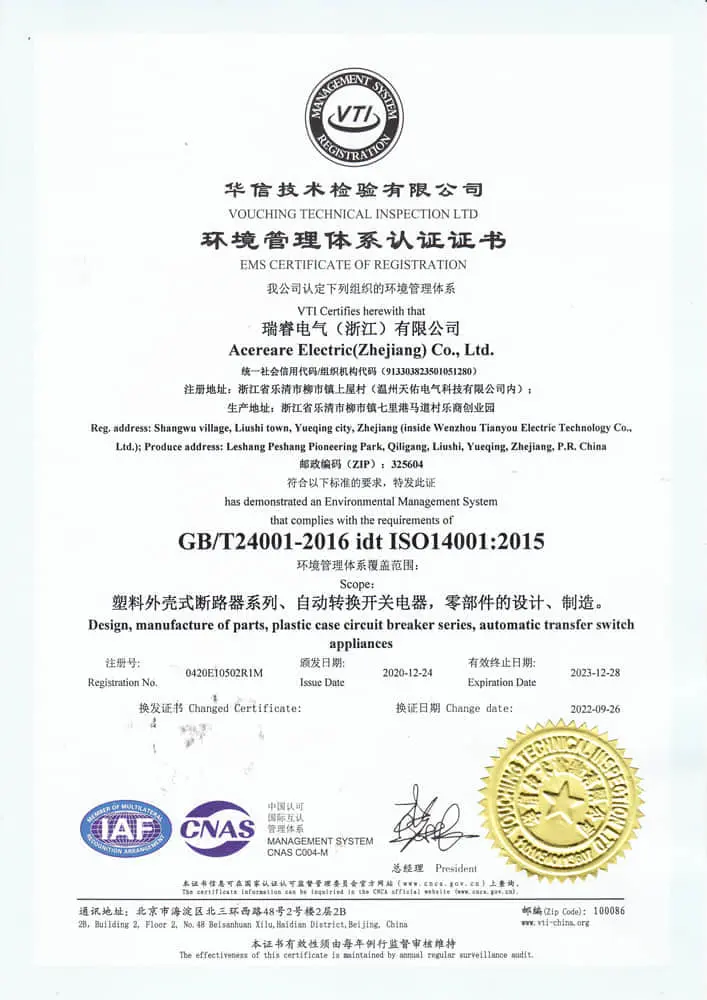
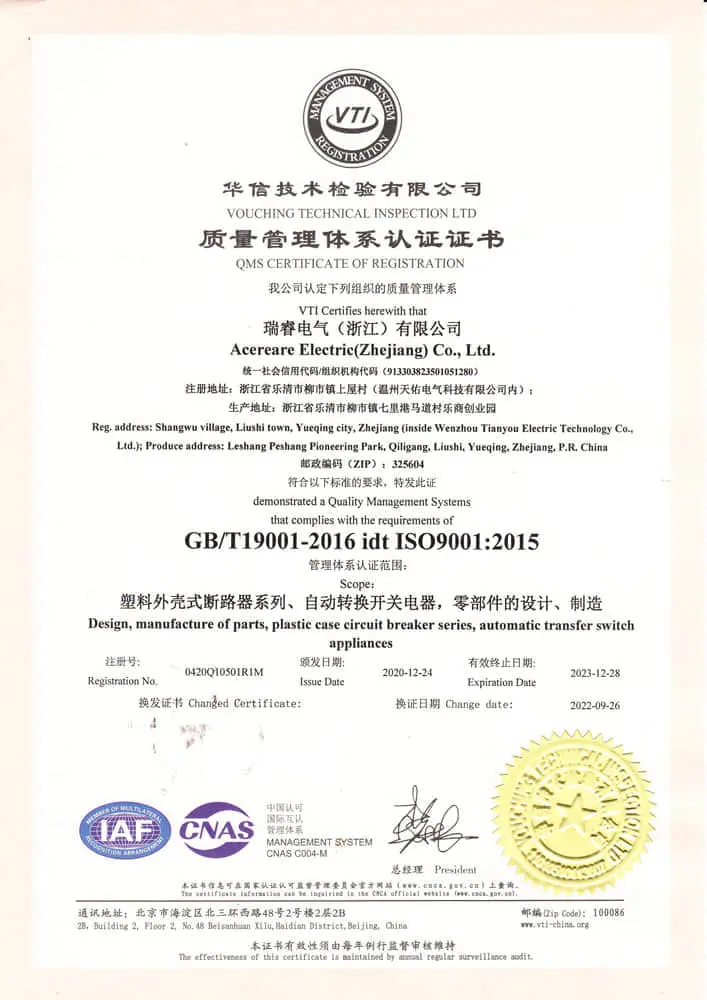
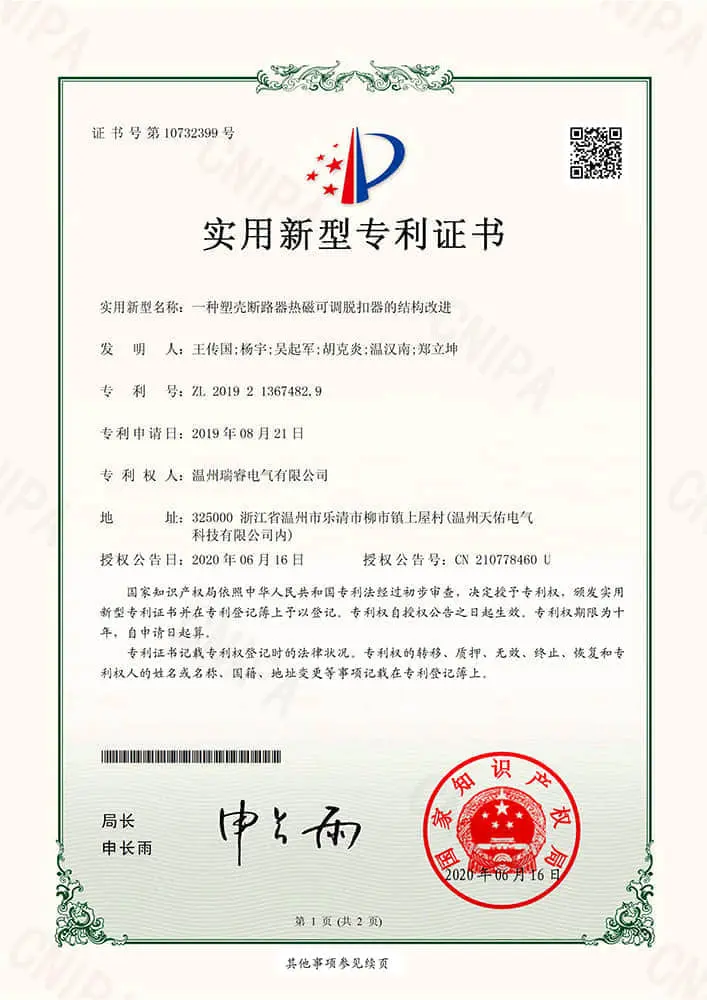

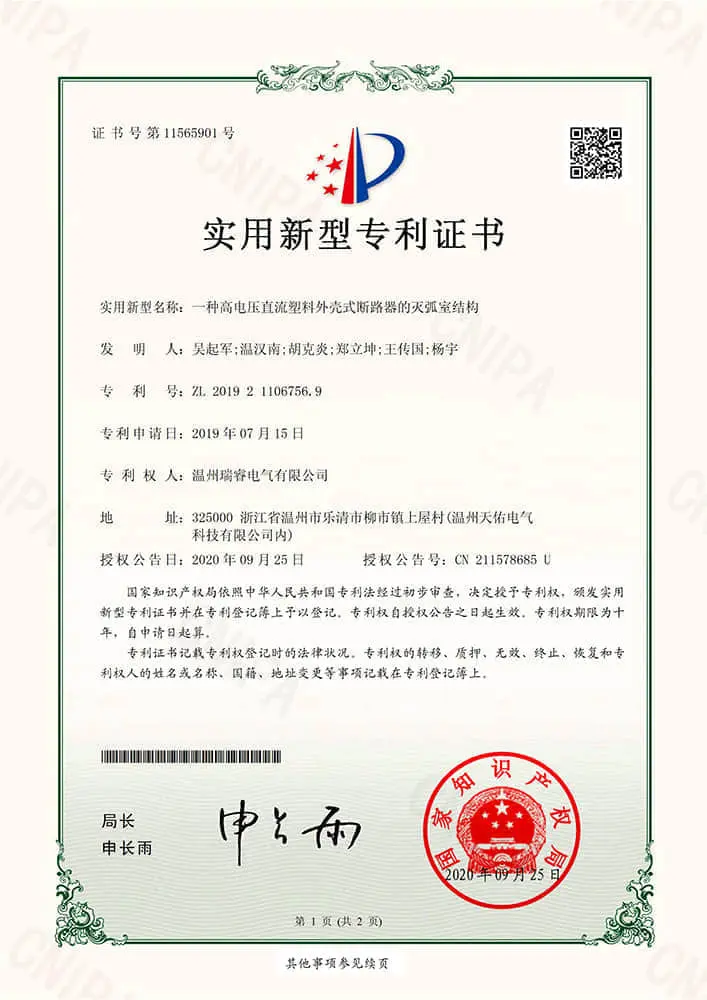

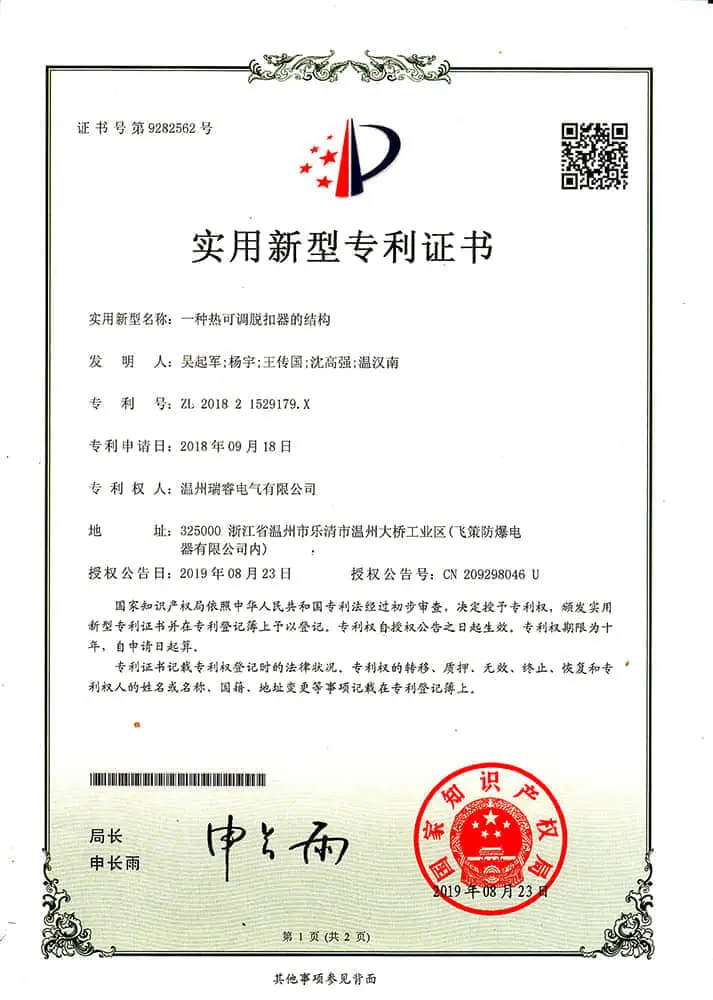

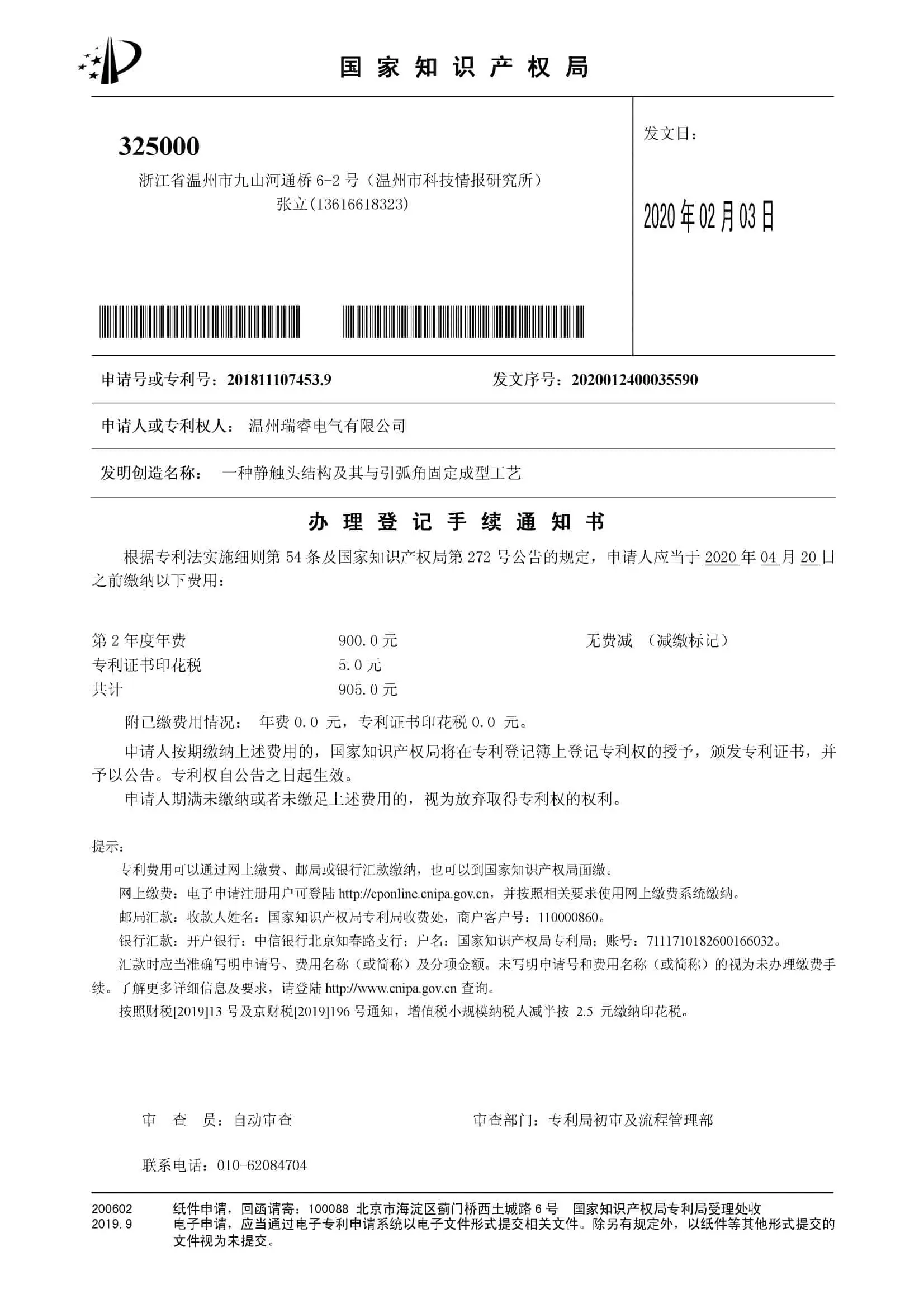
Standard off-the-shelf components often fail when subjected to demanding settings. Our systems are engineered and tested to perform reliably in extreme temperatures, high altitudes, and corrosive environments.

Designed for sub-zero climates, we utilize low-temperature resistant materials, high-viscosity lubricants, and protective coatings. Tested down to -40°C, these breakers are built to prevent structural cracking and mechanical binding.

We subject our assemblies to 72-hour full-system and 48-hour sub-assembly salt spray chamber testing. The resulting corrosion-resistant components protect distribution systems in maritime docks and offshore plants from humid, salty air.
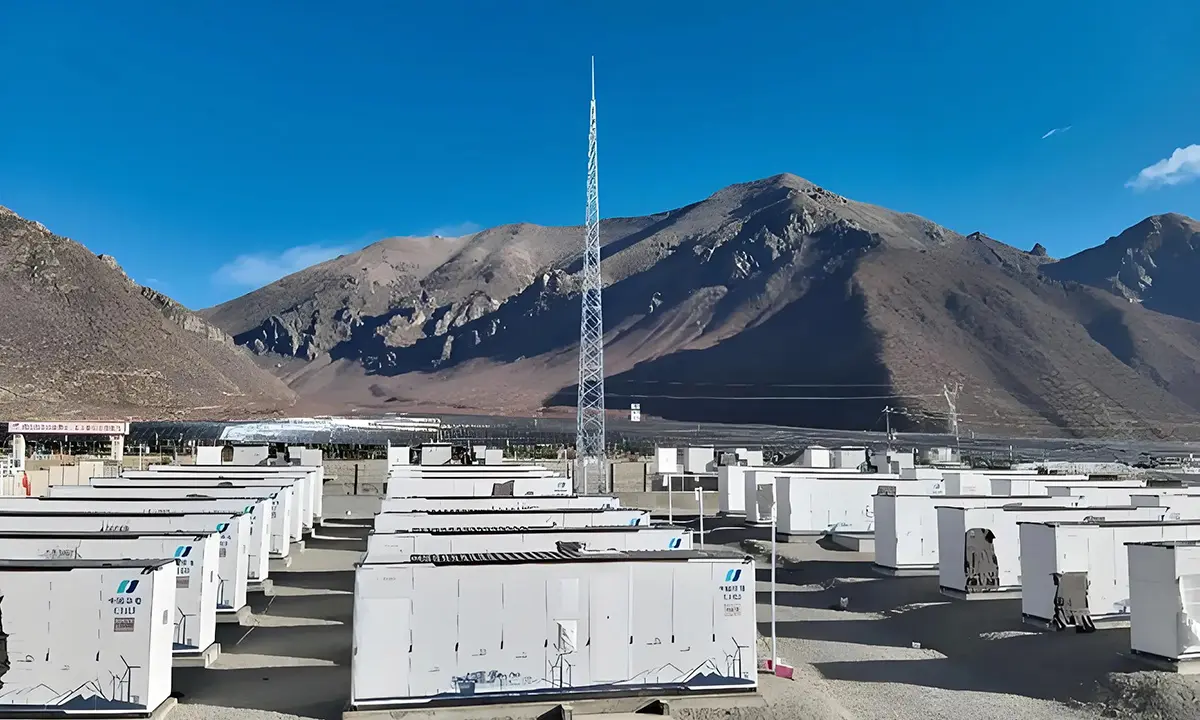
At operating altitudes exceeding 2,000 meters, thin air reduces heat dissipation and dielectric strength. Our technical support team provides precise rating adjustments based on high-altitude derating charts to ensure safe operation.

For smart residential hubs, our MCCB configurations provide responsive overload and short-circuit protection. Compact framing designs save space in consumer distribution boards while ensuring long-term reliability.

Equipped with thermal-insulating barriers and moisture-resistant copper and iron structures, our circuit breakers are tested up to 55°C to protect critical equipment in hot factory environments.
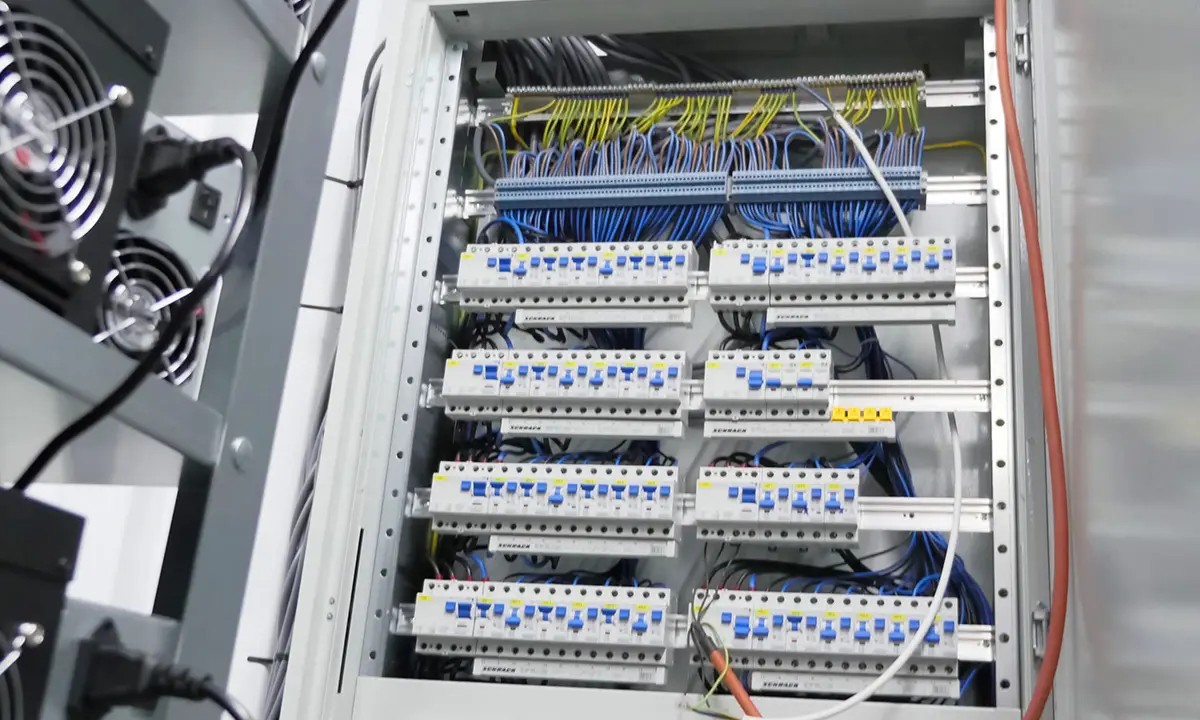
Our smart circuit breakers offer integrated protection, communication, metering, and edge computing. Designed to monitor active power flow in real time, they support standard communication protocols for smart grid integration.
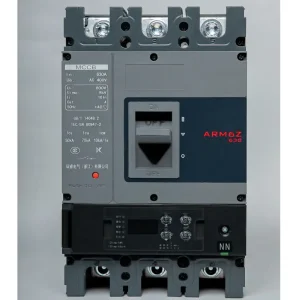
Modern electrical engineering is shifting from passive thermal-magnetic trip mechanisms toward electronic, network-connected protection systems. To support this transition, we are expanding our R&D roadmap to focus on the integration of LSIG (Long-time, Short-time, Instantaneous, Ground fault) protection. Equipped with embedded microprocessors and liquid crystal displays (LCDs), our intelligent MCCB series (such as the ARM6Z) provide real-time telemetry, remote operations, and high-precision current metering directly to central control systems.
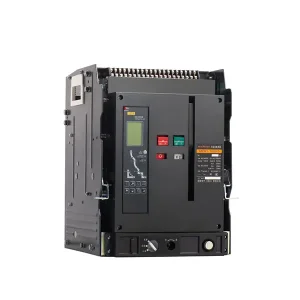
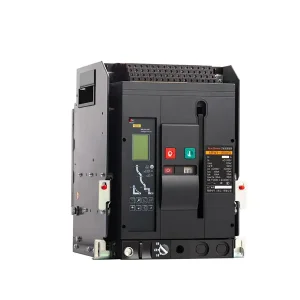
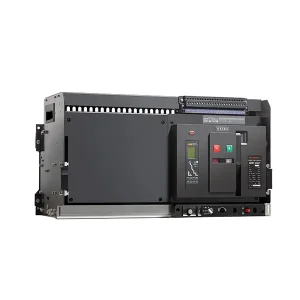
Our intelligent Air Circuit Breaker (ACB) systems (including the ARW1 Series, which covers ratings from 400A to 6300A at 690V) feature integrated communication interfaces that enable the four core remote functionalities required by automated utility systems:
Our factories specialize in custom OEM and ODM services. From initial mold development and international testing compliance to customized branding and product printing, we support our clients at every step. This comprehensive service model enables switchgear OEMs and infrastructure projects to scale up and enter new markets quickly.
Explore detailed technical answers to common questions about molded case circuit breakers, ratings adjustments, and custom manufacturing options.
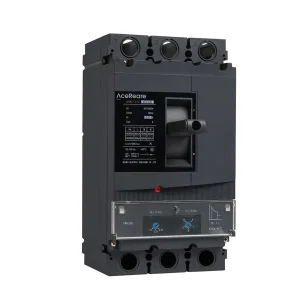
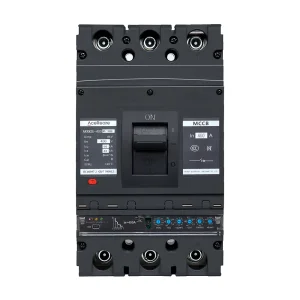
Molded Case Circuit Breakers (MCCB) are generally rated for currents up to 1600A and feature a molded polymer housing to protect internal components. Air Circuit Breakers (ACB), such as our ARW1 series, are designed for main low-voltage power distribution systems, with current ratings extending up to 6300A. ACBs utilize open-air arc quenching methods and offer advanced communication options for smart grids.
At altitudes above 2,000 meters, lower air density reduces the dielectric strength and cooling efficiency of electrical components. To compensate, circuit breakers must be adjusted using altitude correction coefficients, which lower the rated current (In) and operational voltage (Ue) to ensure safe, stable operation.
We perform salt spray exposure testing to ensure reliability in marine and coastal environments. Fully assembled breakers undergo a 72-hour exposure test, while internal sub-assemblies are tested for 48 hours. This process ensures the metallic stamping parts and contact points remain resistant to rust and corrosion.
Yes, our adjustable thermal-magnetic MCCBs allow for manually fine-tuning the thermal overload threshold (typically from 0.8 to 1.0 times the rated current). For more precise control, our electronic trip units (such as the ARM3E series) feature adjustable LSIG parameters to meet specific protection requirements.
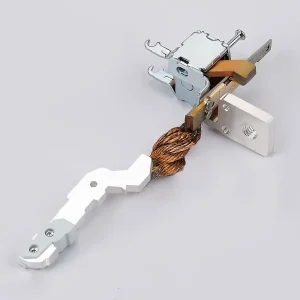
We use premium materials for our contacts, such as silvered copper alloys (for our 250A moving contacts) and silver-nickel-tungsten compounds. These materials minimize electrical resistance, reduce temperature rise, and offer excellent resistance to wear under short-circuit conditions.
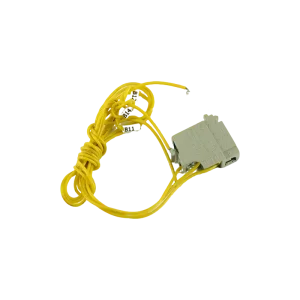
Browse our secondary catalog, featuring high-voltage breakers, adjustable trip units, and replacement auxiliary switch components designed for international systems.
 AceReare