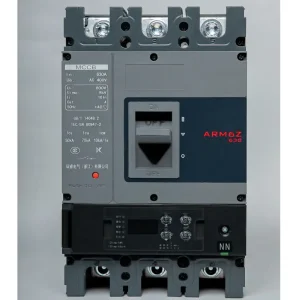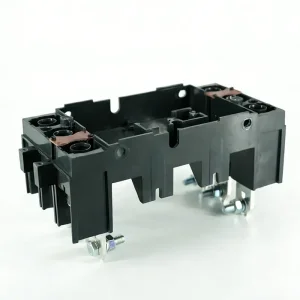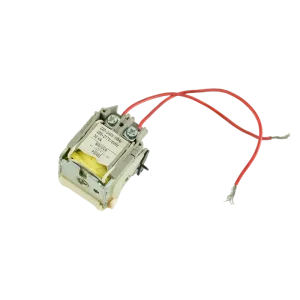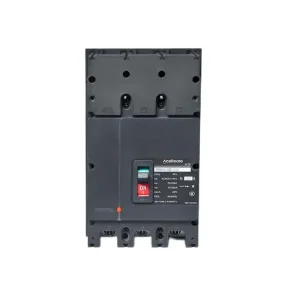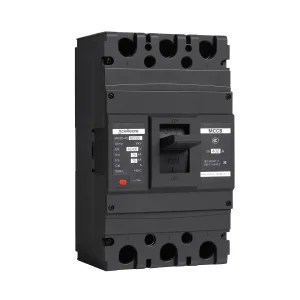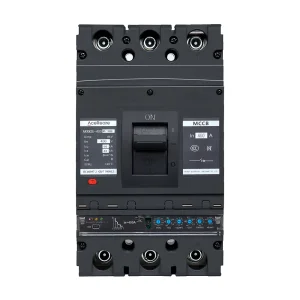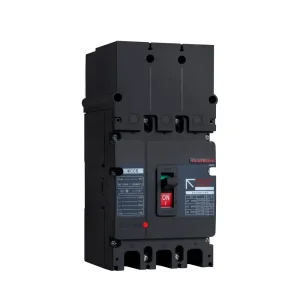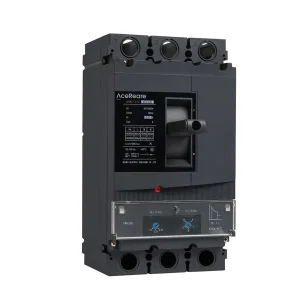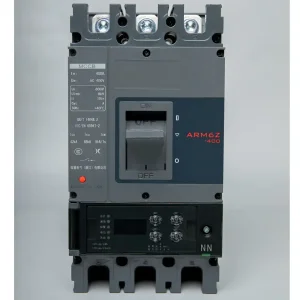
In modern industrial power systems, selecting a circuit breaker manufacturer is a long-term capital decision. The safety, reliability, and continuous operation of high-voltage transmission networks, photovoltaic stations, and manufacturing grids depend on your electrical protection systems. This report analyzes key technical parameters, manufacturing tolerances, and sourcing strategies for wholesale circuit breaker procurement.
A wholesale buyer must evaluate a manufacturer’s design capability across critical specifications. These go beyond the nominal voltage and current limits to reflect how the breaker behaves under high-stress fault conditions:
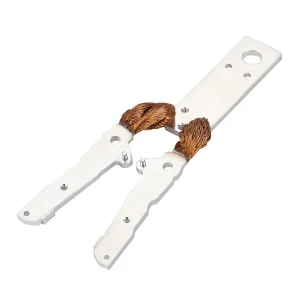
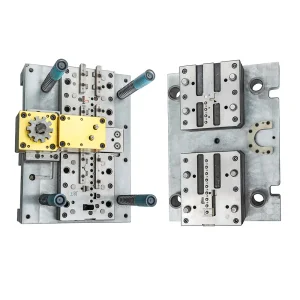
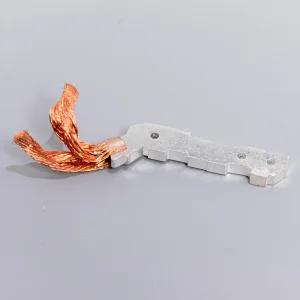
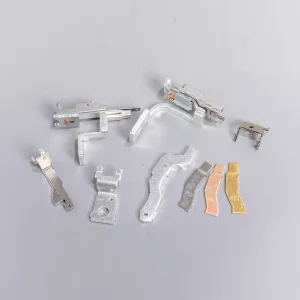
The lifetime of an MCCB depends on the quality of its internal components. Acereare maintains deep integration in copper component stamping to ensure electrical contact integrity:
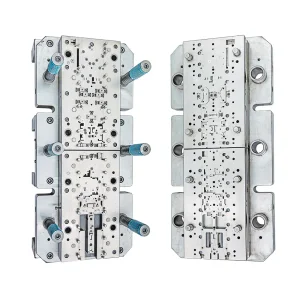
The selection of the moving contacts determines contact resistance and temperature rise at full load. Using high-grade copper alloys with silver-nickel or silver-tin-oxide inlay plating reduces arc erosion during fault clearance. Manufacturers with in-house precision metal stamping and molding tools retain tight control over structural tolerances, eliminating variations that lead to localized hot-spots and premature mechanical wear.
One-stop production incorporating six core processing techniques. Equipped with high-precision automated machinery, we operate 10+ manual and automated assembly lines to meet tight wholesale lead times.
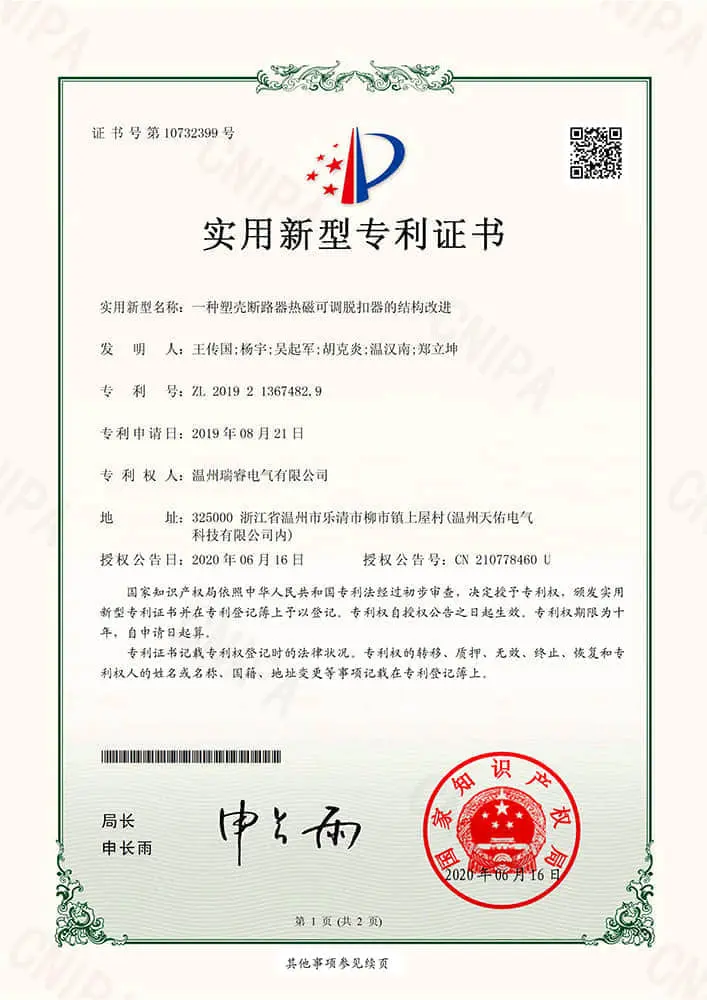
Over 50 R&D engineers with 5+ years of experience design custom tooling and complex 3D parts. We execute 50+ new research and development projects each year to drive industry progress.
We own and manage two factories dedicated to components and complete machines. Production tracking through ERP and U8 software ensures material traceability from raw copper to final testing.
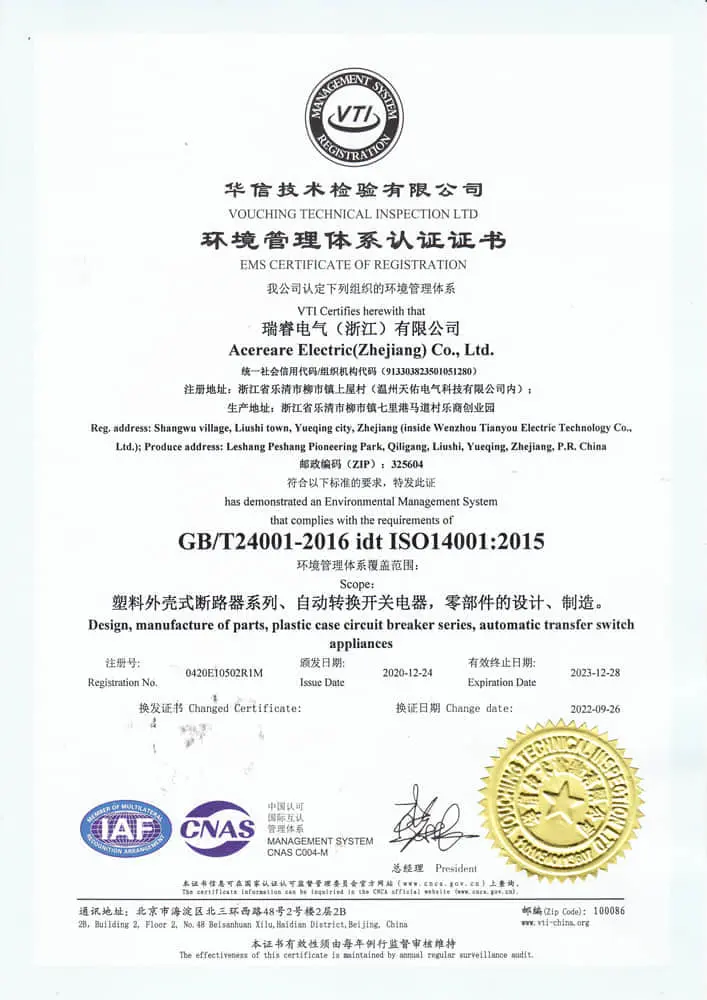
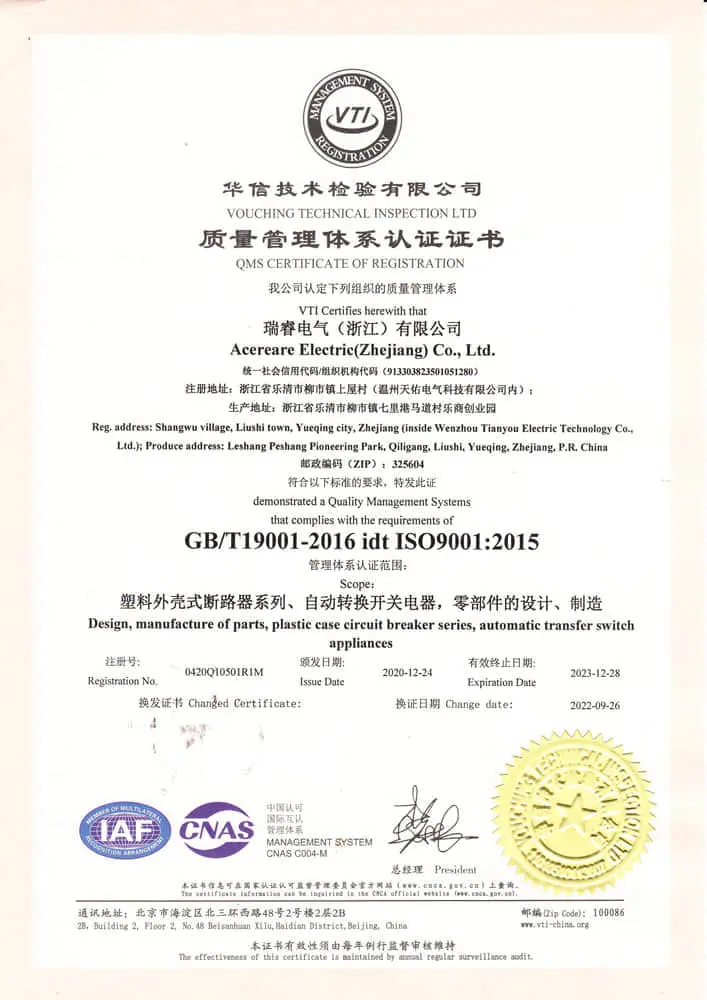
With an in-house laboratory housing over 150 testing instruments and 20+ inspectors, we monitor production using PLM, BI, ERP, and MES software for rigorous quality control.
The global electrical market is experiencing changes driven by smart grids, high-power solar plants, and remote asset management requirements. Procurement directors should prioritize manufacturers with capabilities in:
Standard circuit breakers are calibrated for mild indoor conditions (typically 40°C at sea level). However, heavy industrial sites require specialized equipment engineered to handle environmental stress:
In high-altitude areas, the thinner air reduces cooling and dielectric strength. This requires electrical derating adjustments based on proven physical testing. In coastal regions, components must withstand salt spray without corrosion on internal mechanical linkages. Heavy industrial sites also require breakers configured to operate at -40°C using specialized low-temperature lubricants, or up to 55°C utilizing high-temperature resistant structural resins and thermal barrier coatings.
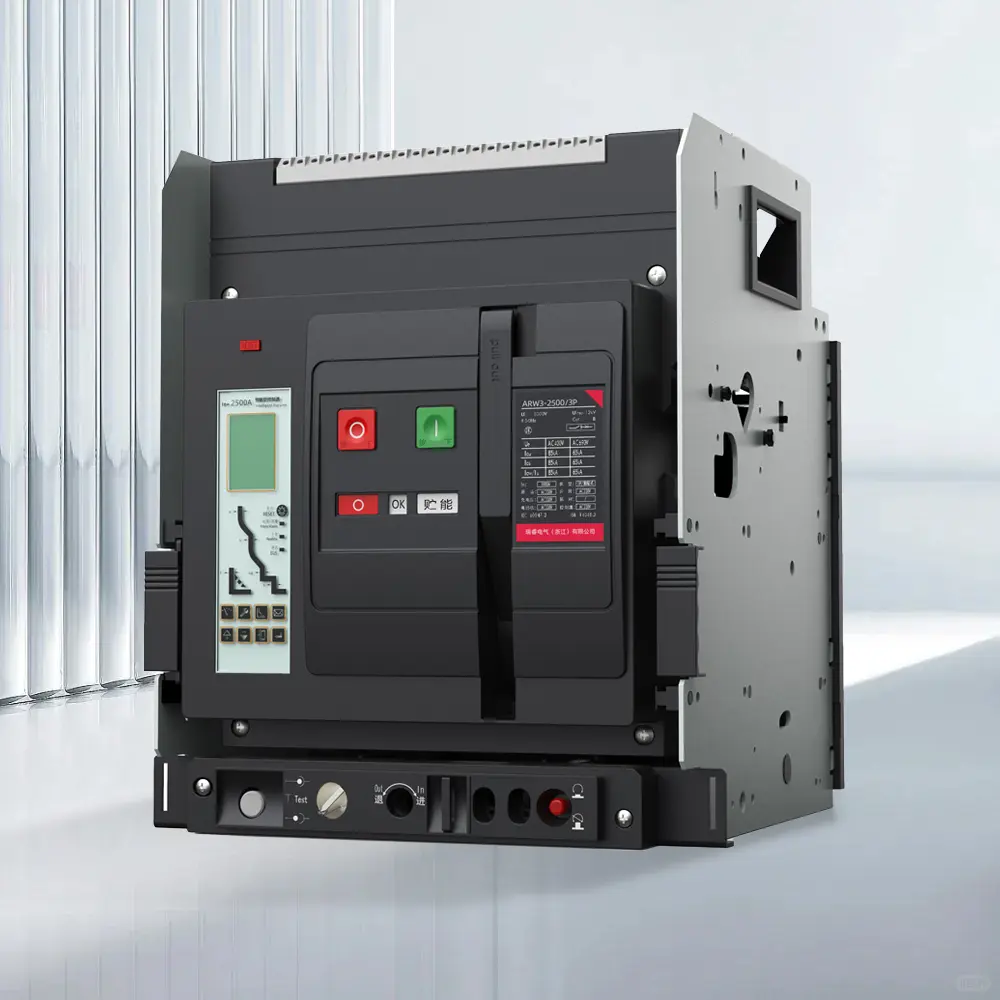
The ARW1 series intelligent ACB is designed for distribution networks operating at AC 50Hz, with rated voltages up to 690V and currents ranging from 400A to 6300A. It provides high-precision selective protection to improve power supply reliability. Equipped with standardized communication interfaces, it supports remote sensing, adjustment, control, and signaling to integrate with automated system control centers.

Built with low-temperature resistant resins, specialized internal lubricants, and thickened contact coatings. Tested and certified for reliable mechanical operation down to -40°C.

Designed to withstand humid marine air. Our components undergo 72-hour complete-machine and 48-hour sub-assembly salt spray testing, providing corrosion protection for docks and marine vessels.
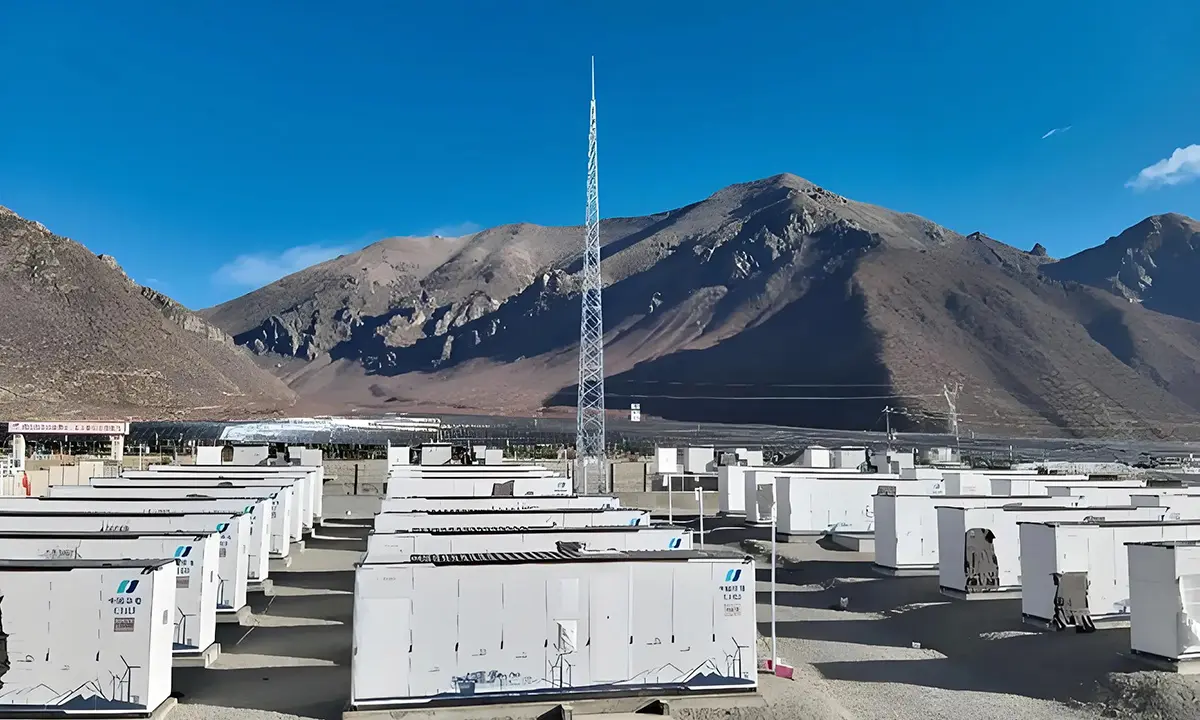
For installations exceeding 2000 meters, we provide verified derating coefficients. These adjustments compensate for reduced dielectric breakdown strength and lower air cooling capacity.

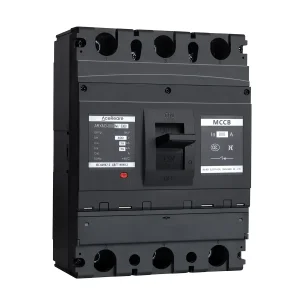
Compact MCCBs designed for high-density distribution panels, providing reliable protection against overloads and short circuits in consumer appliances and building grids.
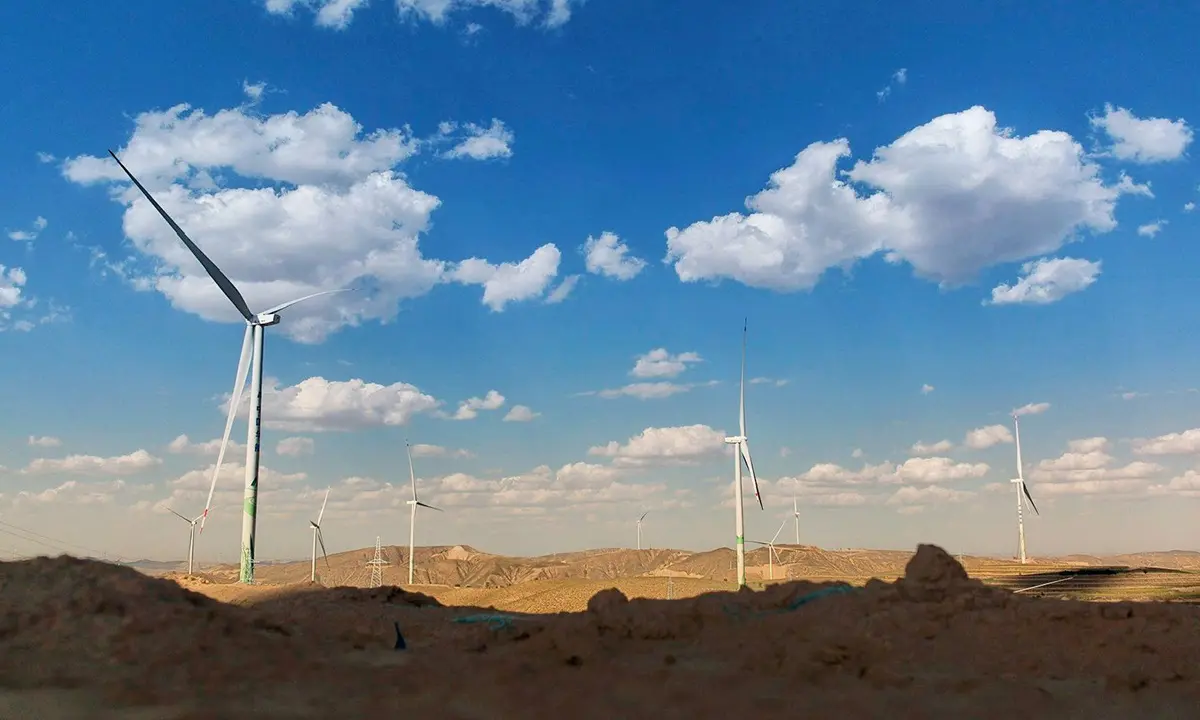
Equipped with thermal insulation layers on the control unit and humidity-resistant coatings on current-carrying copper parts. Calibrated and tested in 55°C constant-temperature chambers.
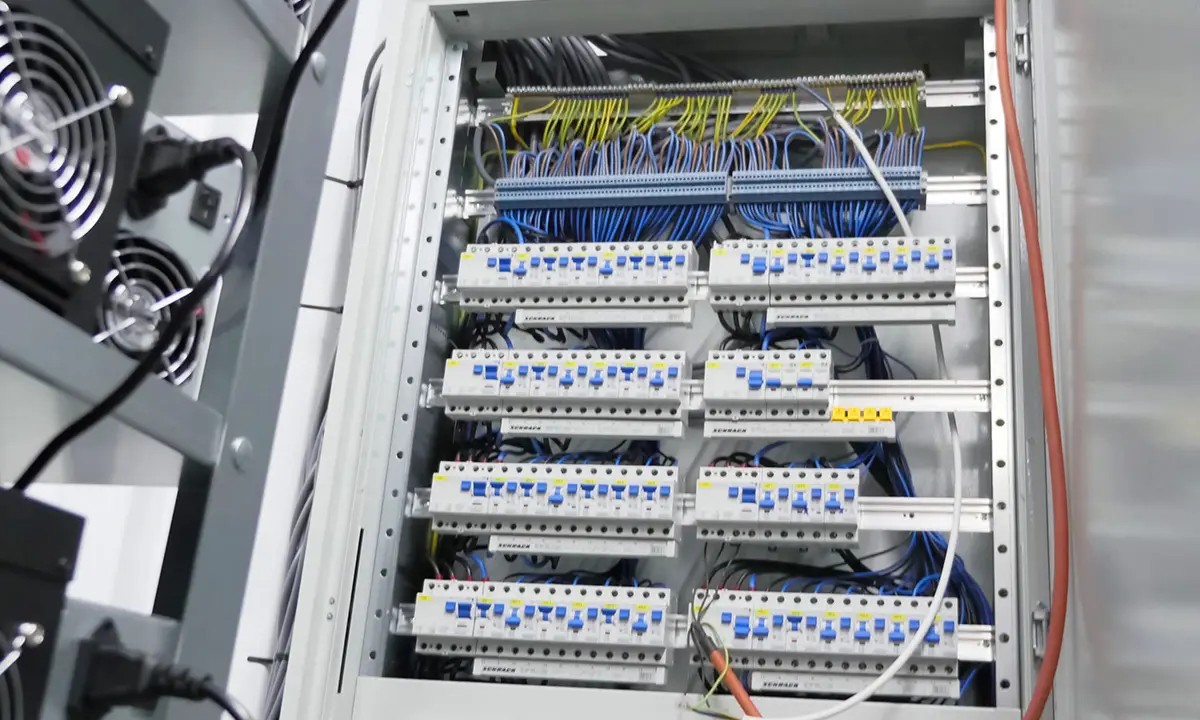
Combines circuit protection with edge computing, high-precision power monitoring, and IoT communication. Designed to serve as a smart node for modern energy management networks.
As the electrical industry prepares for high-power distribution, renewable microgrids, and intelligent power management, the design requirements for circuit breakers are evolving. Acereare’s engineering roadmap focuses on three main developments:
Traditional mechanical circuit breakers are limited by physical opening times, often taking several milliseconds to clear a fault. We are researching hybrid solid-state topologies that use high-speed semiconductor switches (such as SiC MOSFETs or IGBTs) to interrupt faults in microseconds. This protects sensitive electronics in data centers and semiconductor plants from voltage drops.
Environmental regulations demand alternatives to fluorinated gases and greenhouse-heavy insulation media. Our materials science team is testing biodegradable thermoplastics, specialized ceramic matrices, and green gas mixtures to suppress electrical arcs without releasing toxic byproducts during short-circuit events.
Future smart breakers will do more than protect against overcurrent; they will monitor their own health. By using embedded micro-sensors to measure contact temperature rise, contact wear, and spring-mechanism speed, integrated AI chips can calculate the breaker’s remaining useful life and send maintenance alerts over wireless industrial protocols.
Icu (Ultimate Short-Circuit Breaking Capacity) is the maximum fault current the circuit breaker can safely clear once. Ics (Service Short-Circuit Breaking Capacity) is the fault current the breaker can clear multiple times while remaining operational. A high-quality manufacturer designs systems where Ics equals 100% of Icu to ensure long-term durability and safety.
At altitudes above 2000 meters, the thinner air reduces both cooling efficiency and dielectric strength. To prevent overheating and flashovers, the breaker’s rated current and voltage limits must be adjusted according to verified altitude derating tables.
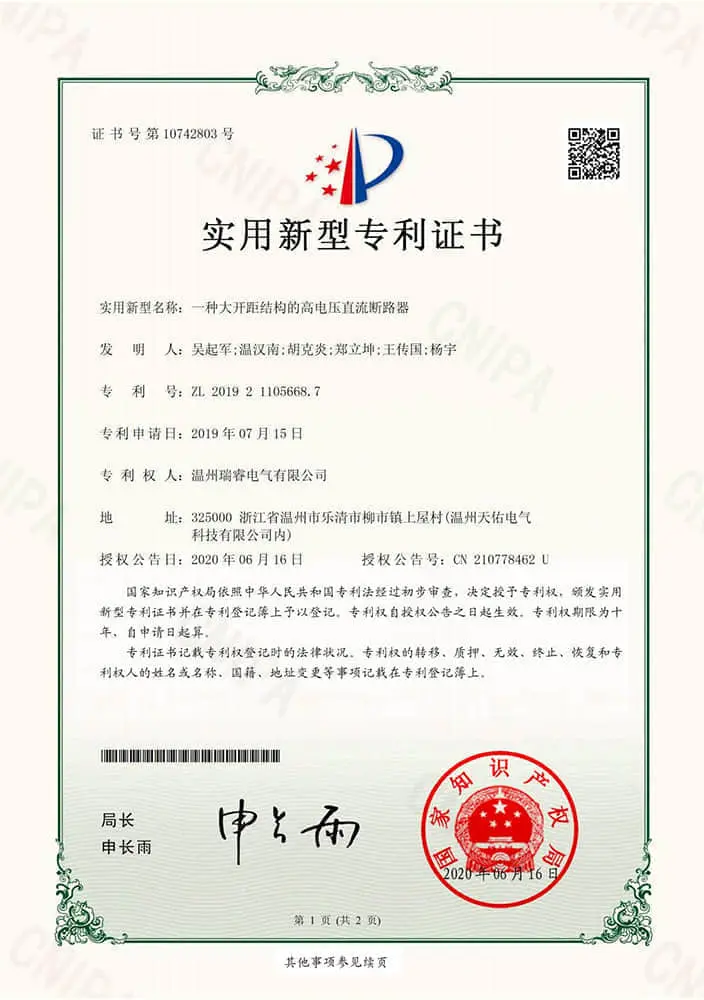
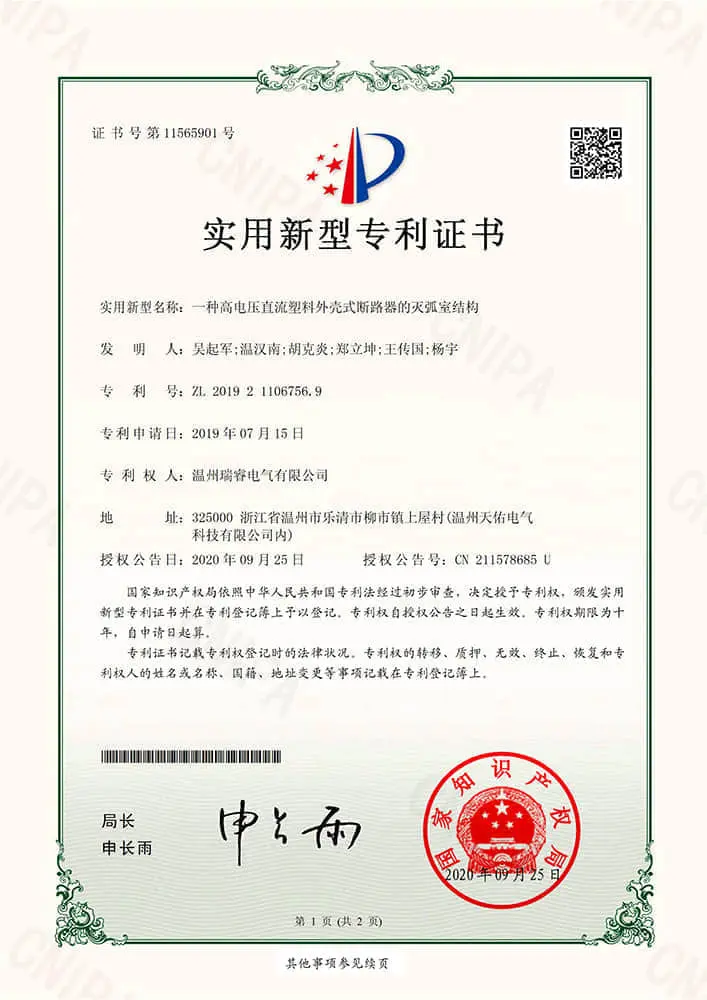
Our solar-specific molded case circuit breakers are designed for DC and high-voltage AC solar configurations up to 1140VAC. They utilize specialized magnetic blow-out systems and arc chutes to split and extinguish DC arcs quickly, preventing thermal runaway in solar combiner boxes and central inverters.
We use ERP and MES software to track our manufacturing process. We maintain an in-house test lab with over 150 instruments to inspect raw copper, check bimetal calibration, and perform mechanical life tests. This ensures material consistency across wholesale production runs.
Yes. Through our ODM/OEM services, we provide support for localized compliance, including preparing technical drawings, manufacturing test samples, and coordinating with third-party testing laboratories (such as TUV, CE, CB, and CCC) for certification.
 AceReare