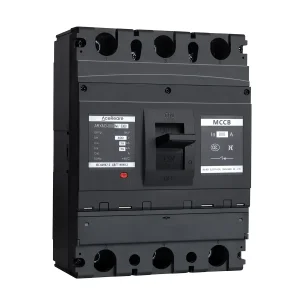
High-voltage heavy-duty circuit protection mechanisms manufactured for global system integrators and distribution boards.
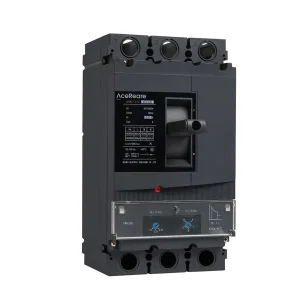
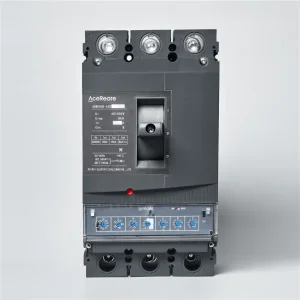
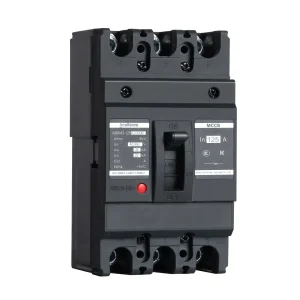
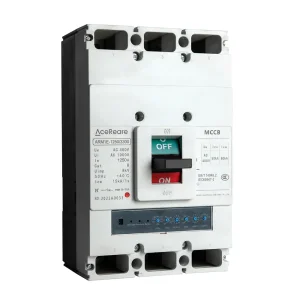
In the current landscape of global heavy industries, electrical infrastructure projects demand absolute reliability. Circuit breakers (Ckt Breaker) act as the critical safety safeguard within the distribution systems of massive grid infrastructures, industrial factories, and smart real estate constructions. Urbanization, clean energy grids, and electric vehicle charging networks have accelerated requirements for high-performance Molded Case Circuit Breakers (MCCB) and intelligent Air Circuit Breakers (ACB).
Modern electrical standards are transitioning globally. European markets mandate strict IEC 60947-2 compliance for all low-voltage and medium-voltage applications, while North American grids adhere to UL 489 protocols. As key suppliers, domestic factories in China have evolved from basic contract assemblers into top-tier R&D partners. Manufacturers must deliver custom solutions that tolerate environmental factors like high altitude, extreme low temperatures down to -40°C, and salt spray exposure in coastal shipyards.
Our research indicates that the integration of internet-of-things (IoT) edge sensors, Modbus communication, and high-accuracy internal metering modules in circuit breakers has ceased to be optional—it is a central pillar of smart energy conservation and fault prediction systems.

A professional original manufacturer integrating R&D, production, and sales, specializing in MCCB, ACB, and related components.
Unlocking first-class product structures, engineering expertise, and reliable supply chains through rigorous manufacturing controls.
One-stop production leveraging six processing techniques. Equipt with precision manufacturing systems, performance testing instrumentation, and over 10 manual and automated assembly lines.
50+ engineers with over 5 years of industry experience. Expertise spans part CAD/3D molds development, terminal heat simulations, and custom release mechanics, completing 50+ projects annually.
Two dedicated production facilities managing components fabrication to final switch assemblies. Standardized factory operations managed through modern ERP and UFIDA U8 systems.
Strict internal QA program in our local test center. Features 150+ testing sets, 20+ expert inspectors, and digital trace management through PLM, BI, ERP, and MES software.
Ensuring operational stability in harsh industrial ecosystems through specialized components design and engineering adjustments.
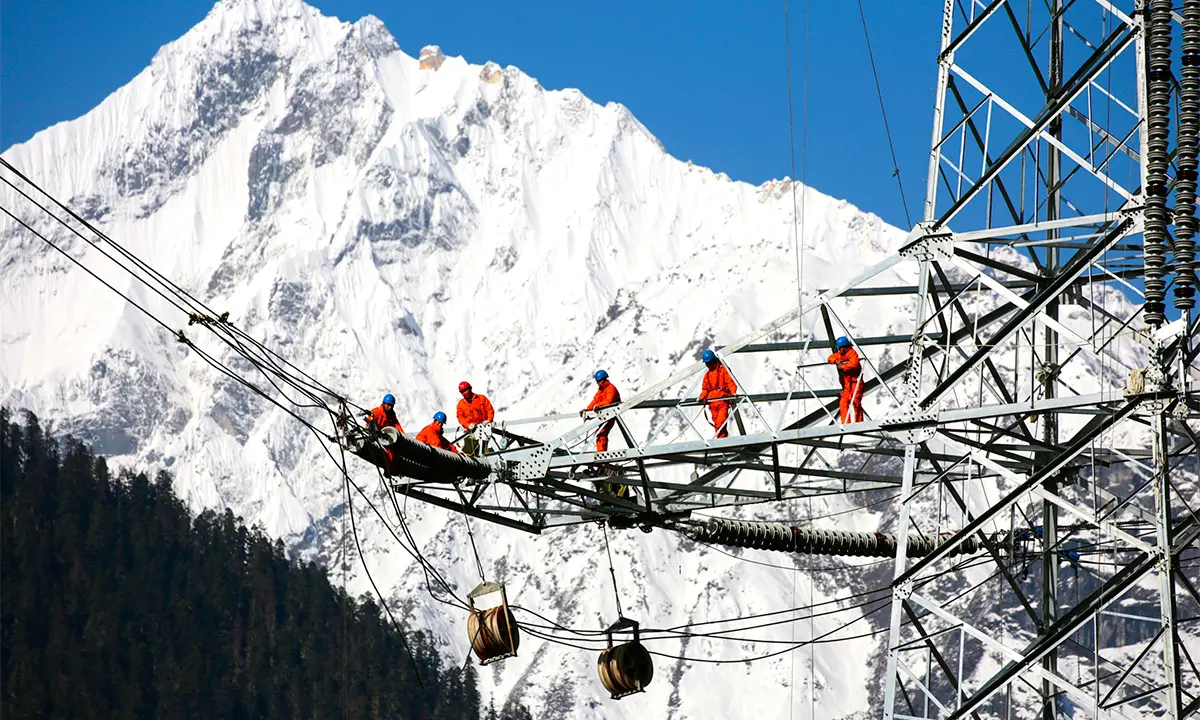
We source low-temp resistant materials and low-viscosity greases, and apply thicker coatings to structural components. Performance and release mechanisms are validated by -40°C test reports.

Components undergo 72h complete machine and 48h component salt spray testing. Perfect for marine docks, shipboard machinery, and high-humidity applications to prevent localized oxidation.
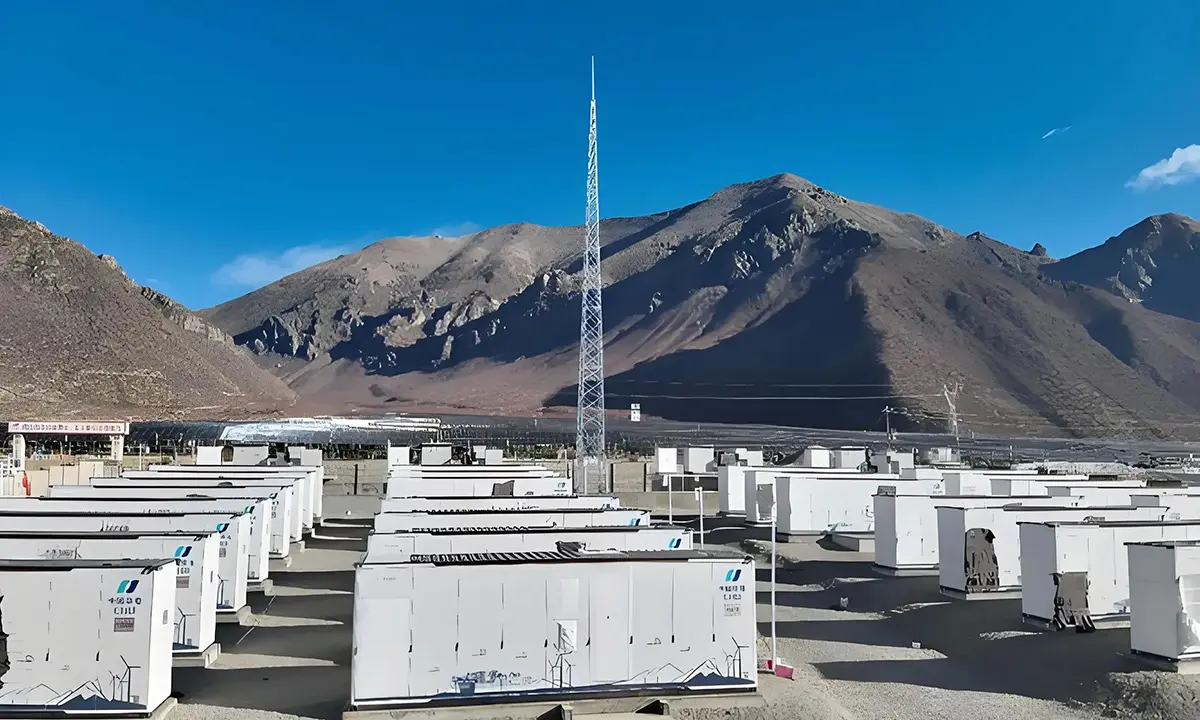
For installations exceeding 2000m, air density and heat dissipation characteristics shift. We adjust thermal current capacities and voltage withstand ratios according to custom altitude derating curves.

Compact thermal-magnetic circuit breakers protect household infrastructure from overload and short circuits, ensuring system resilience and ease of distribution board installation.

Thermal-resistant base polymers and heat isolation barriers shield interior trip units. Conductive metal components are treated to perform reliably in environments up to 55°C.
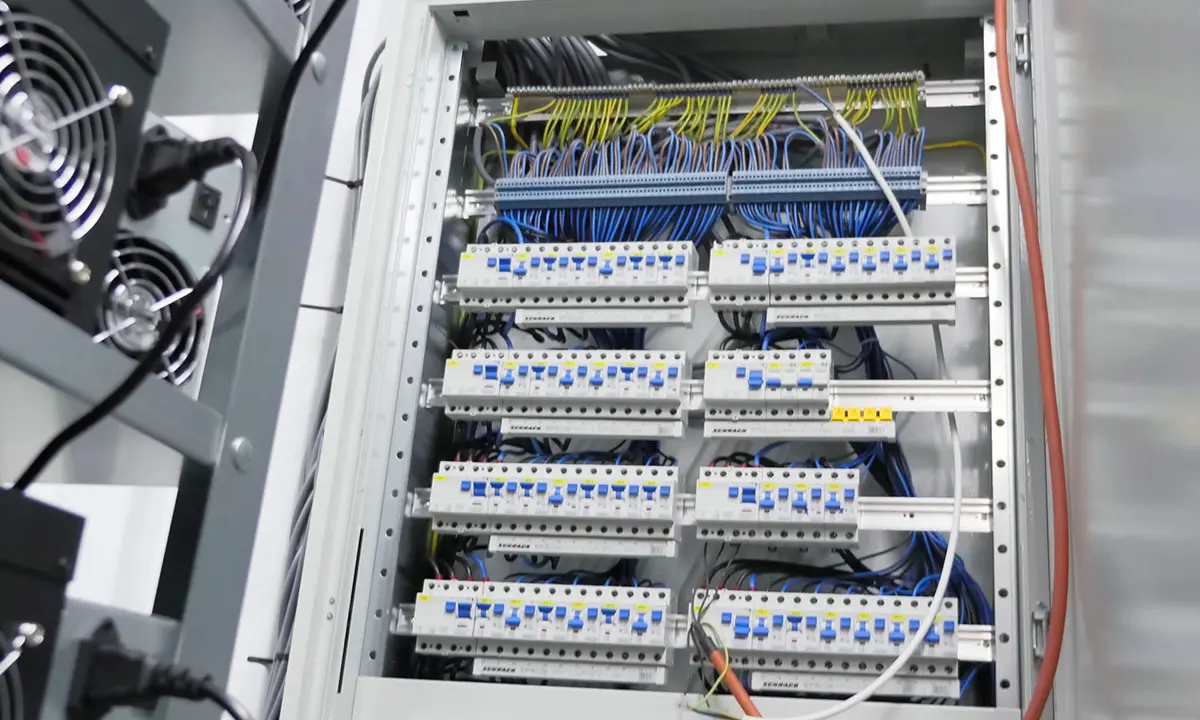
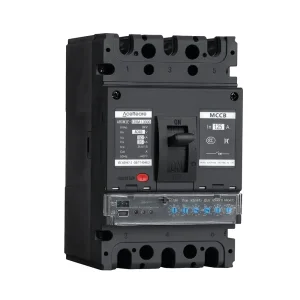
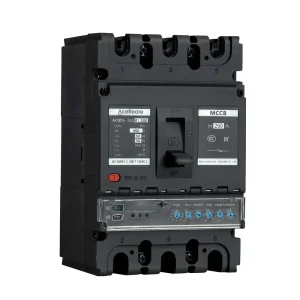
Modern MCCB models feature edge computing, high-precision power metering, and digital outputs. Compatible with various communication buses to support smart grid monitoring and automation.
A deep comparison of product parameters across different installation environments and load profiles.
| Circuit Breaker Type | Common Rated Current (In) | Breaking Capacity (Icu) | Primary Standards | Ideal Application Scenario |
|---|---|---|---|---|
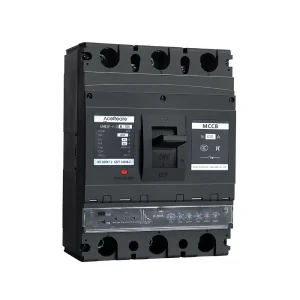
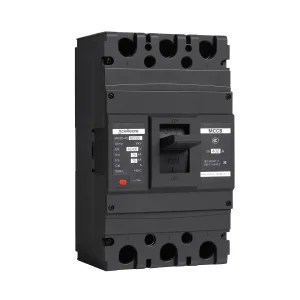
| Thermal-Magnetic MCCB (e.g. ARXM3, ARM5) | 63A - 800A | 50kA - 200kA | IEC 60947-2, GB/T 14048.2 | Factory distribution, motor loads, low-temp subpanels |
| Electronic Adjustable MCCB (e.g. ARM5E, ARM3E) | 125A - 1250A | 85kA - 200kA | IEC 60947-2, CE | Heavy industrial feeders, variable load centers, LSIG fault protection |
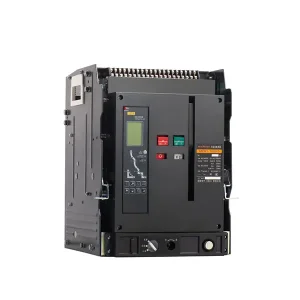
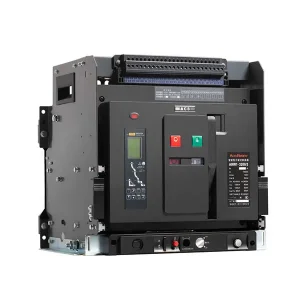
| Air Circuit Breaker (ACB) (e.g. ARW1, ARW3) | 400A - 6300A | 80kA - 120kA | IEC/EN 60947-2, CCC | Main power intakes, switchboards, micro-grid edge telemetry |
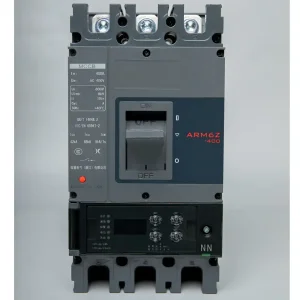
| LCD/Remote Control MCCB (e.g. ARM6Z) | 100A - 400A | 50kA - 100kA | GB/T 14048.2, Smart Grid | Substation telemetry, utility metering, remote operations |
Where the industrial circuit protection market is heading: the intersection of safety and intelligent automation.
Widespread transition from old thermal-magnetic models to digital trip systems. Instantaneous, short-time, and ground-fault protection settings allow custom-tailored trip curves for industrial machinery.
Circuit breakers now feature built-in voltage, current, and phase angle tracking. Integrated microprocessors calculate energy metrics and perform localized diagnostics to alert operators before failure.
The next generation of design moves beyond mechanical contact assemblies. Semiconductor-based interruption yields sub-millisecond response times, reducing arc flash hazards and prolonging service life.
Collaborative product development, custom structural modifications, and certified testing options for global distributors.
Our products undergo strict testing to verify conformity with regional electrical engineering safety codes.

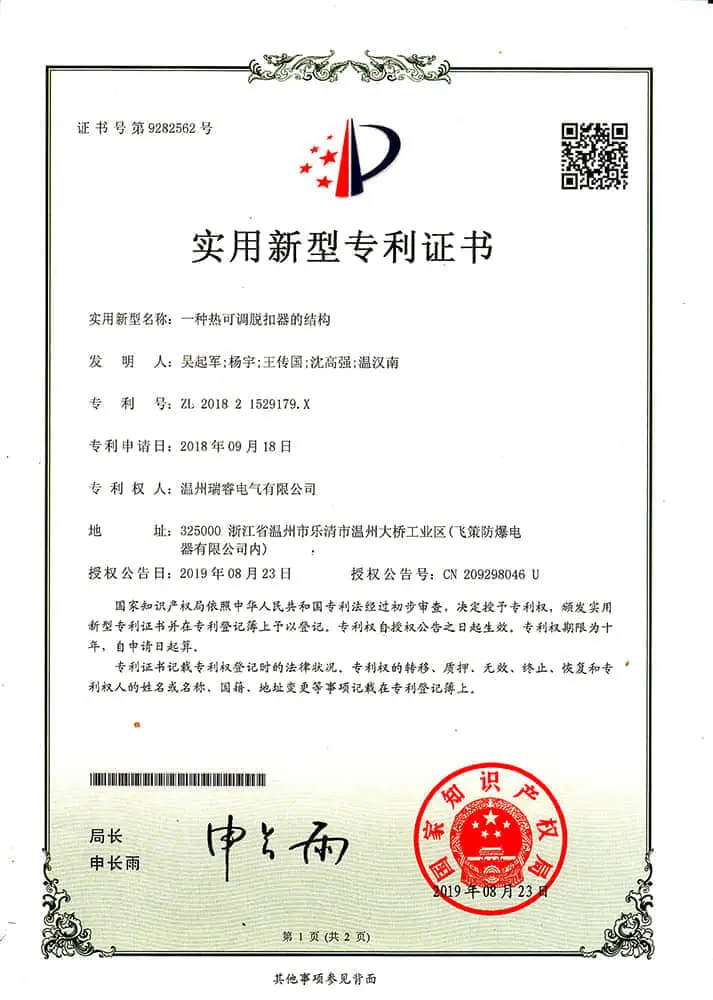

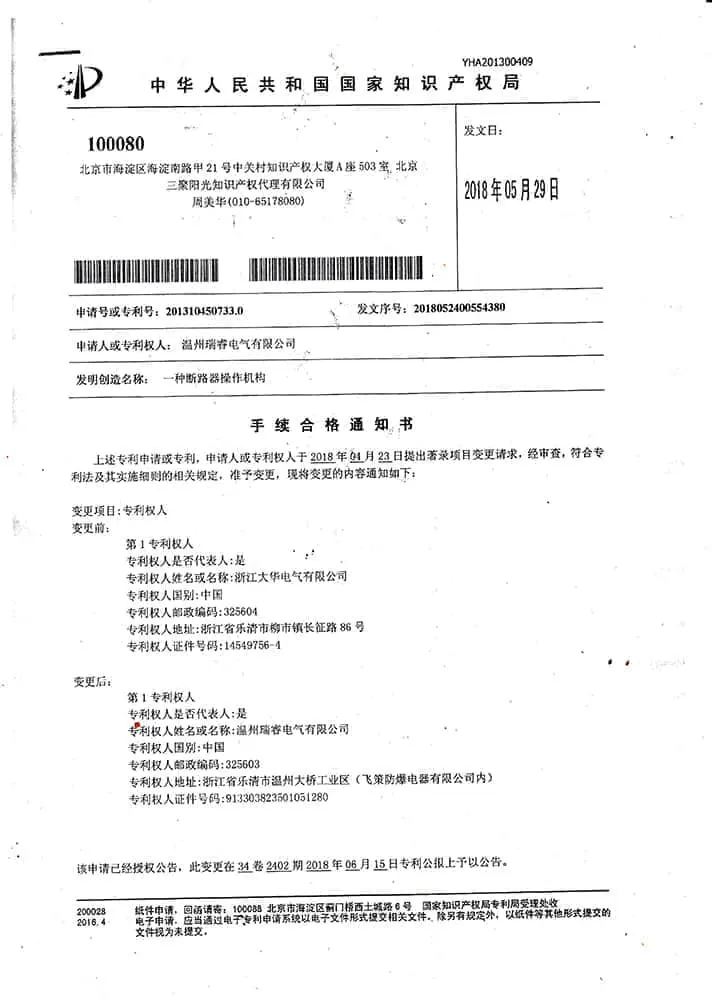
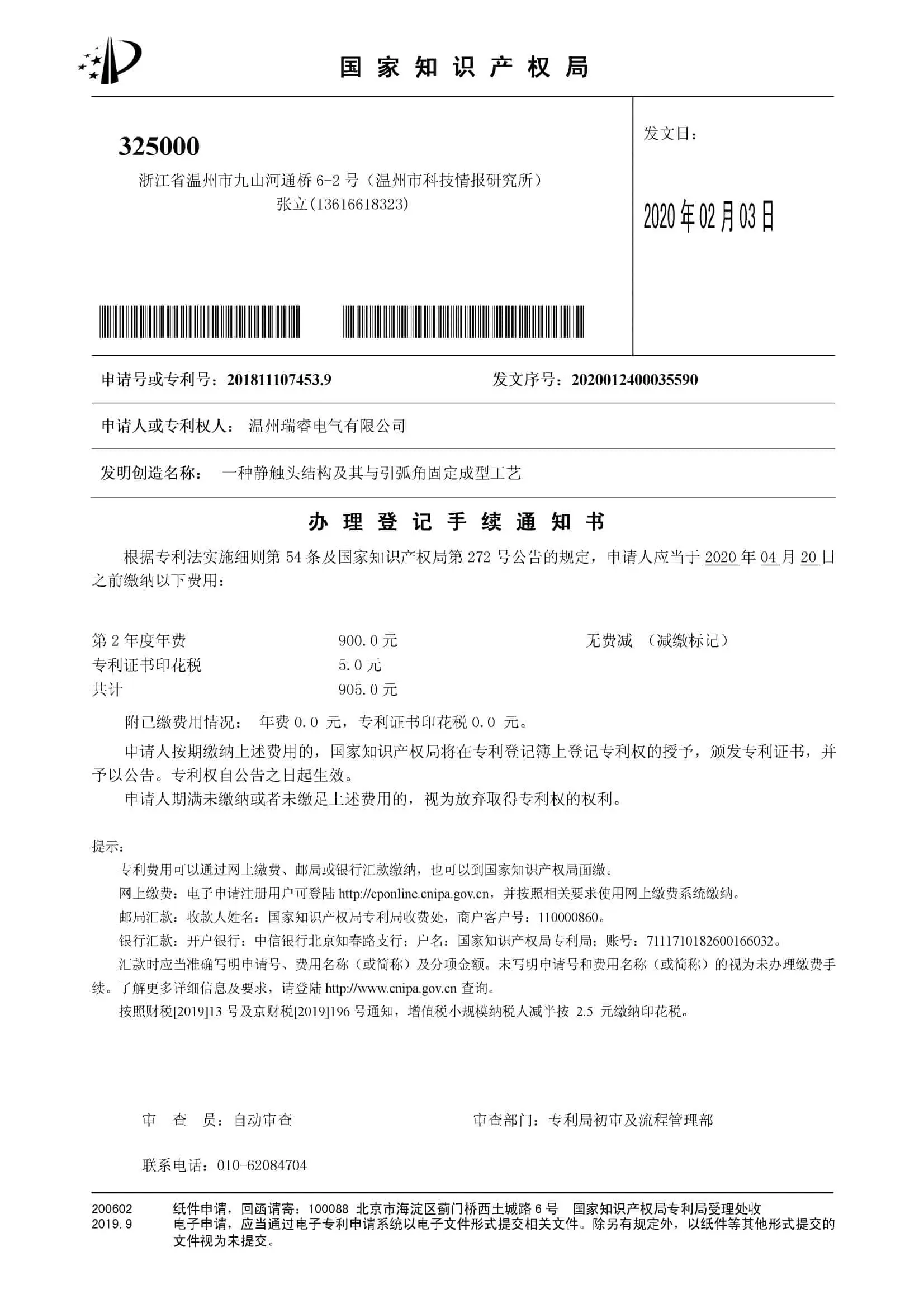
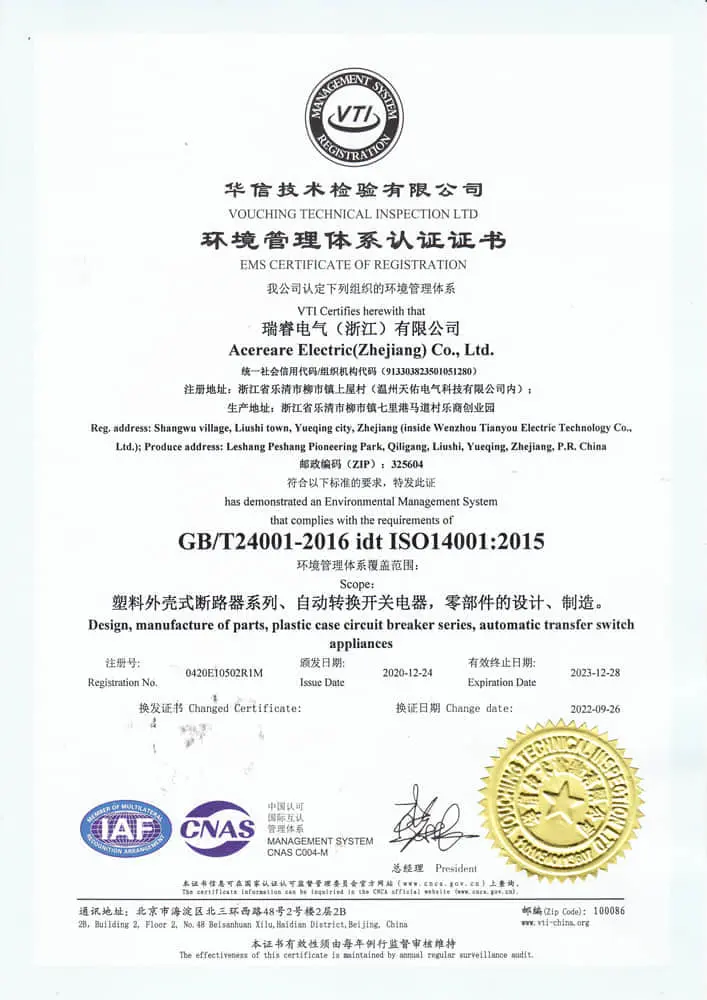
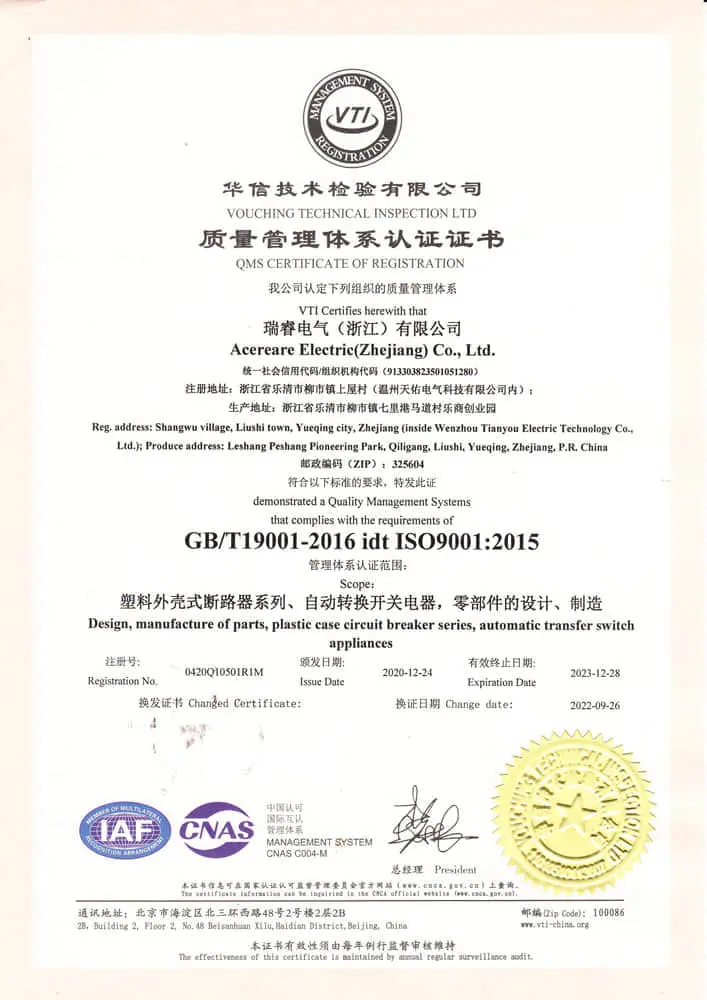
Key technical considerations for electrical system engineers and global distributors when sourcing Chinese electrical components.
Heavy-duty switchgear, smart ACBs, and high-breaking-capacity MCCBs for sub-station applications.
 AceReare