In modern industrial grids, utility infrastructures, and large-scale renewable projects, electrical short circuits are not just local disruptions; they are high-energy catastrophic threats. High circuit breaking capacity breakers are engineered to interrupt massive fault currents safely, limiting thermomechanical stresses on copper buses and connected assets. When electrical designers evaluate Schneider Type high circuit breaking capacity MCCBs and ACBs, they focus on two critical parameters: Ultimate Short-Circuit Breaking Capacity (Icu) and Service Short-Circuit Breaking Capacity (Ics).
Our solutions achieve an outstanding 200kA Icu=Ics rating. This signifies that even under ultimate short-circuit stress, the breaker can safely extinguish the arc and remain functional, minimizing system downtime. By implementing advanced double-breaker configurations, heavy-duty contact materials, and precision gas-dynamic arc chutes, we bridge the gap between high-end global standards and highly efficient, customized production scaling.
Why breaking capacity matters: Insufficient breaking capacity risks contact welding, housing explosions, and widespread system failure. Our high-breaking units isolate faults within milliseconds, ensuring absolute protection.

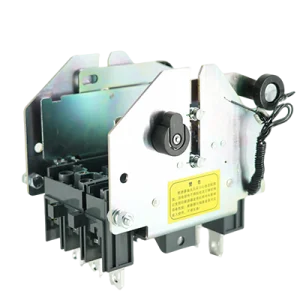
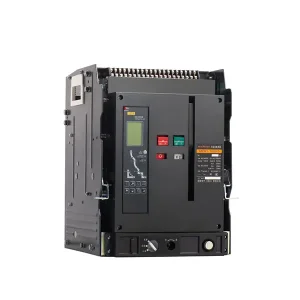
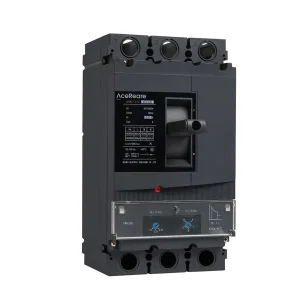
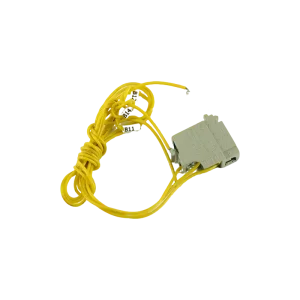
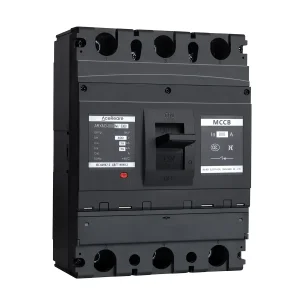
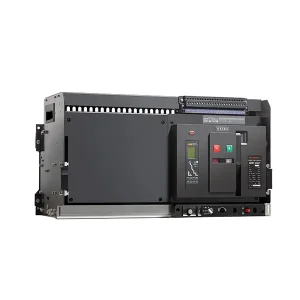
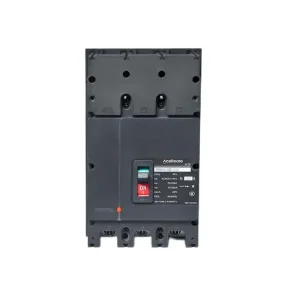
Explore our foundational range of Molded Case Circuit Breakers (MCCB), Air Circuit Breakers (ACB), and specialized distribution system components.
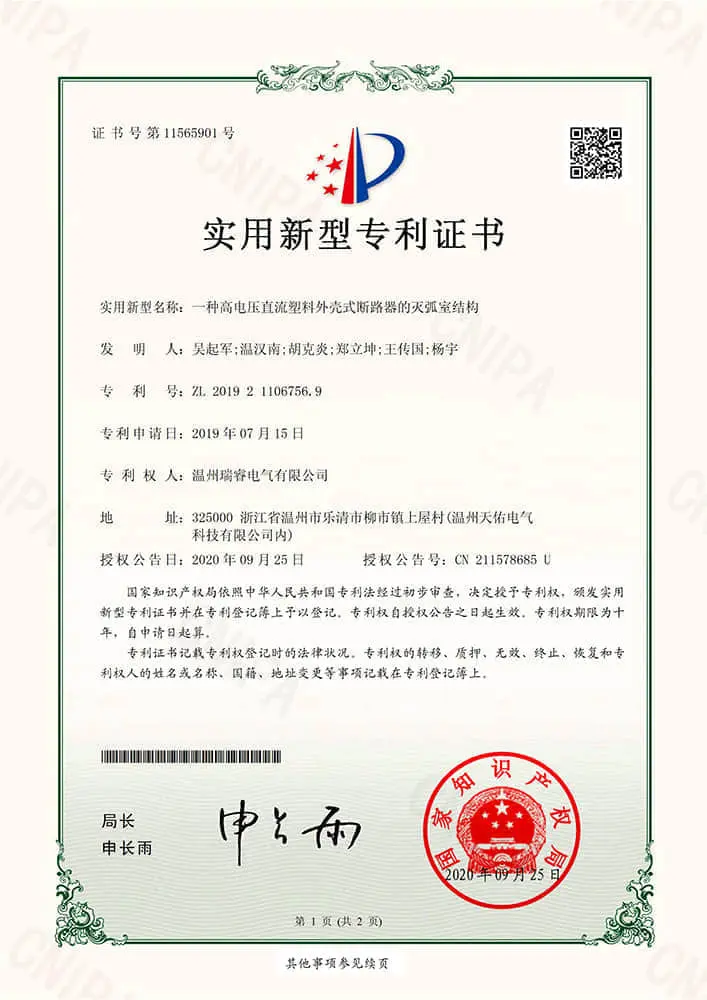
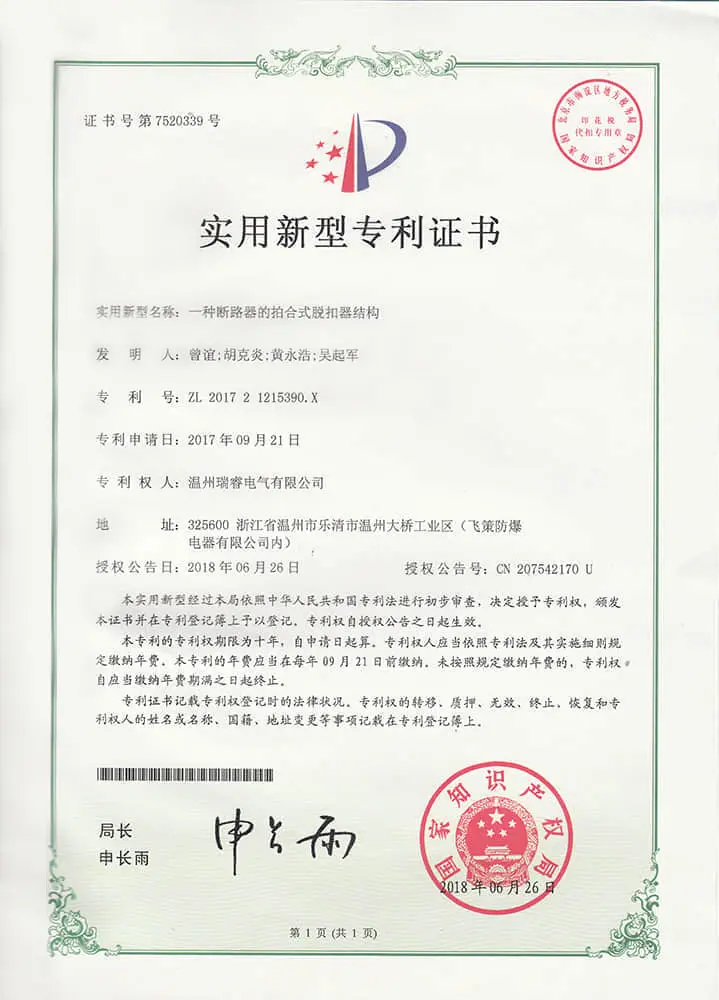
Acereare Electric, founded in 2015, possesses a legacy of advanced craftmanship inherited over two generations.
Integrating state-of-the-art research and development, vertical component manufacturing, and automated final assembly, Acereare Electric operates through two wholly-owned subsidiaries: "RuiRui Electric" and "KeRui Electric".
With a comprehensive manufacturing footprint, our factories serve as leading ODM/OEM partners for top international and domestic electrical brands. We maintain robust strategic partnerships with nearly 100 high-end industrial customers globally. By owning the tooling, stampings, and mold assembly processes, we offer unrivaled cost efficiency and agility, allowing engineering modification cycles that outpace traditional international manufacturers.
Short-circuit currents trigger intense electromagnetic force, generating massive arcs between parting electrical contacts. Efficient current limitation requires rapid arc cooling, stretching, and movement into the splitting plates.
Our Schneider Type breakers utilize specialized contact geometry that creates high electromagnetic repulsion under fault states. The contacts begin repelling before the mechanical trip latch operates, introducing instant arc resistance. This "current limiting" capability limits the let-through peak current (Ip) and energy index (I²t), preserving downstream distribution systems from stress deformation.
Furthermore, our ARM5 Double-Breaker MCCB technology divides the voltage across two contact gaps in series. This doubles the arc voltage, ensuring extremely fast extinction. It operates efficiently even under high voltage levels, such as 800VAC or 1140VAC, crucial for solar photovoltaic installations.
| Parameters | Standard Industrial Breakers | Acereare Schneider-Type High-Breaking |
|---|---|---|
| Ultimate Breaking (Icu @ 400V) | 35kA - 50kA | Up to 200kA |
| Service Breaking (Ics) | 50% to 75% of Icu | 100% of Icu (Ics = Icu) |
| Contact Configurations | Single Break Contact | Double-Breaker Contact Architecture |
| Over-voltage Capability | Suitable for up to 415VAC | Rated for 690VAC / 800VAC / 1140VAC |
Thermo-magnetic Adjustability: Allows precise tuning of both overload (thermal) and short-circuit (magnetic) protection ranges to match load fluctuations.
Galvanic Isolation: Positive indicators guarantee that breaker handles will only display the "OFF" status when physical contacts are fully opened, ensuring high reliability for operators.
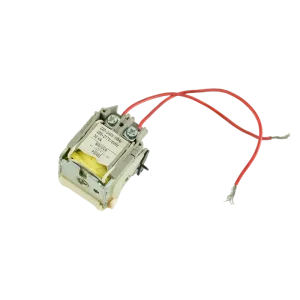
System Modularity: Compatible with auxiliary switches, alarm switches, undervoltage release systems, and motorized remote control packages.
Industrial applications demand consistent performance regardless of temperature spikes, altitude levels, or corrosive atmospheres. We design specific breaker solutions for these distinct application segments.
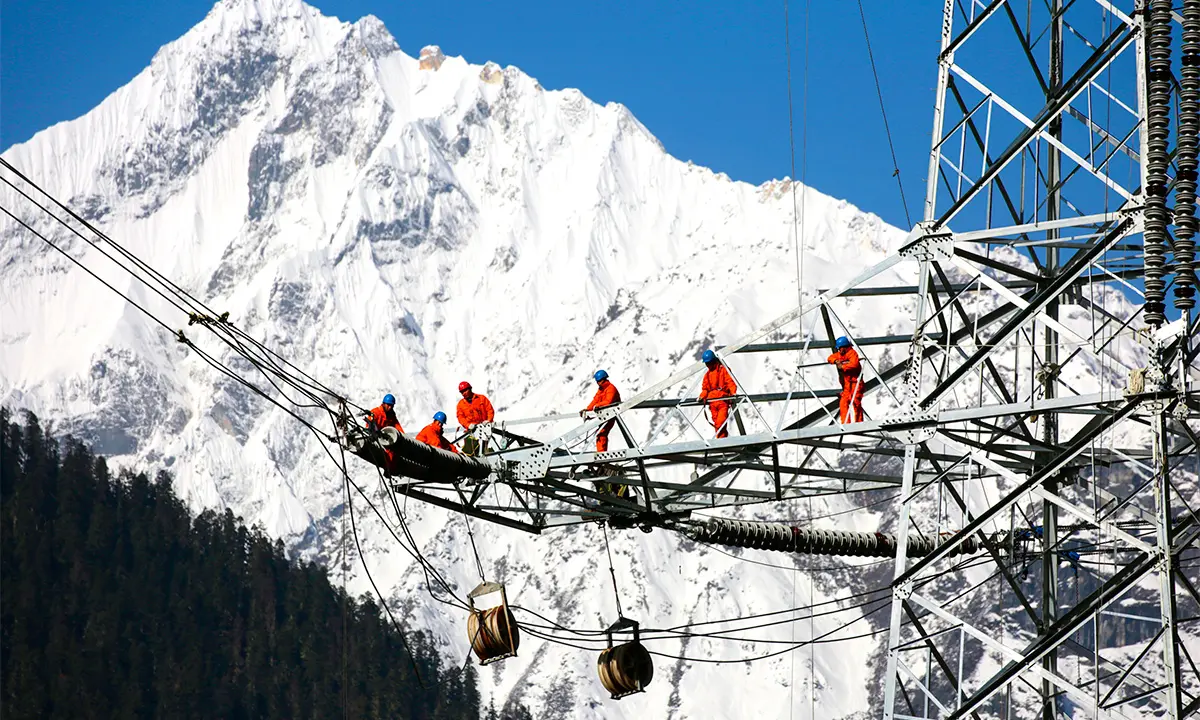
Using advanced low-temperature polymers and specialized low-viscosity mechanical lubricants. Our breakers have a certified low-temperature test record of -40 °C, ensuring switchgear function in arctic regions and industrial cold stores.

To combat coastal humidity and ocean salt corrosion, we run 72-hour tests on complete assemblies and 48-hour tests on internal sub-assemblies. This prevents mechanical seizing and maintains performance in marine environments.
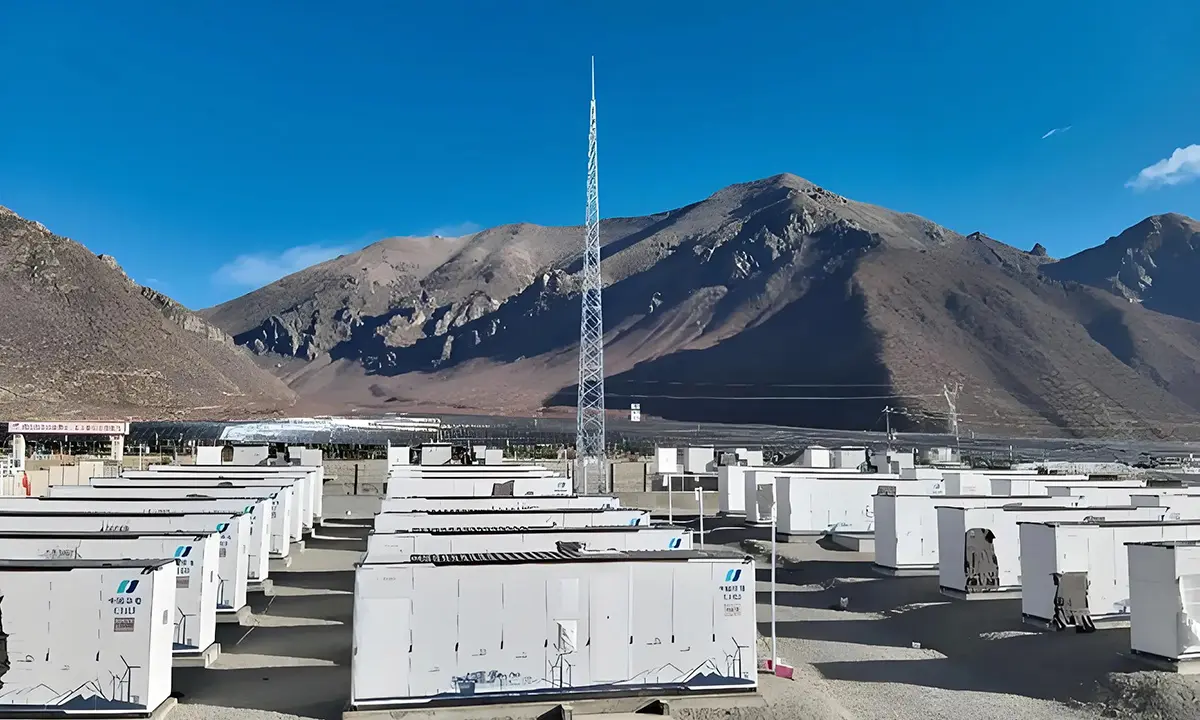
For applications exceeding 2000m altitude, we adjust the electrical coefficients based on our high-altitude derating tables. This offsets the lower dielectric properties and reduced cooling capacity of thin high-altitude air.

For buildings and residential zones, safety relies on speed. Our MCCB protection lines offer quick mechanical responses to isolate electrical overloads, minimizing fire hazards in standard consumer units.
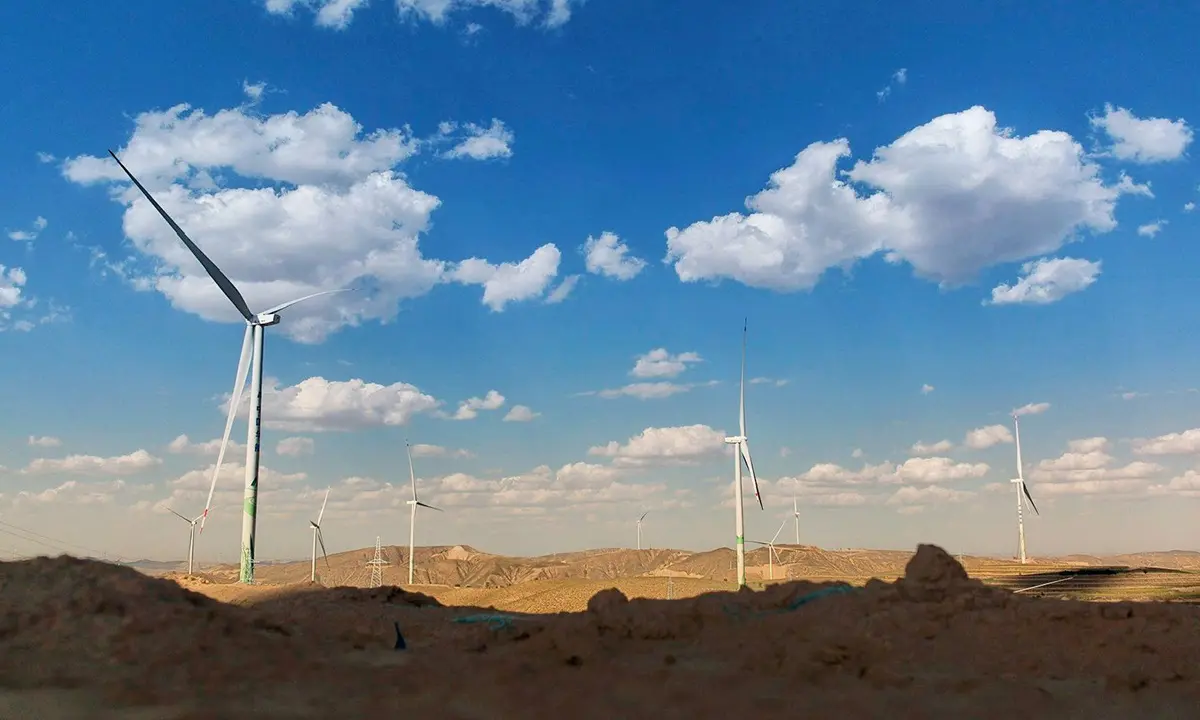
Utilizing robust engineering materials with insulation coatings on internal control modules. We test in constant-temperature chambers at 55 °C to guarantee stable trip thresholds under desert or hot industrial conditions.
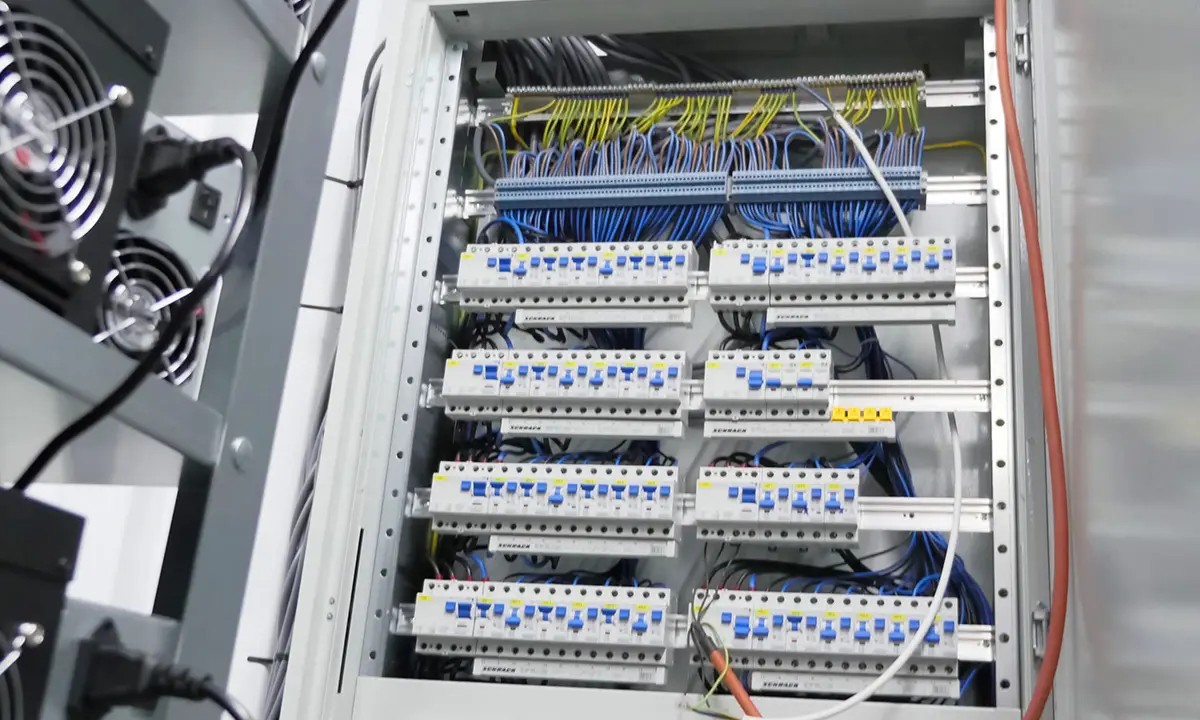
Combining edge computing, protection control, and metering. Our smart MCCBs support remote communications protocols, monitoring system power quality and electrical parameters to enable smart grid automation.
A capable supplier accelerates market entry, preserves brand equity, and optimizes your supply chain economics.
Discover our higher-amperage breakers, industrial stamping accessories, and solar-optimized protection solutions.
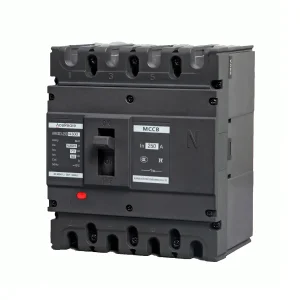
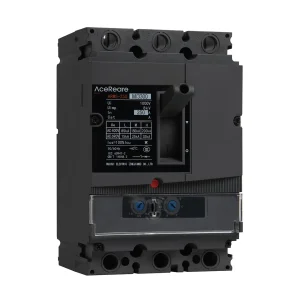
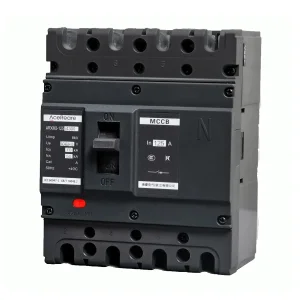
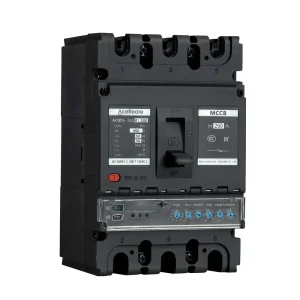
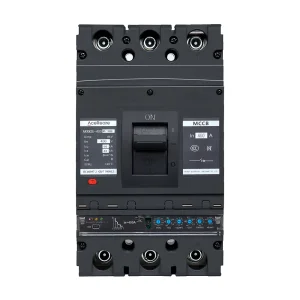
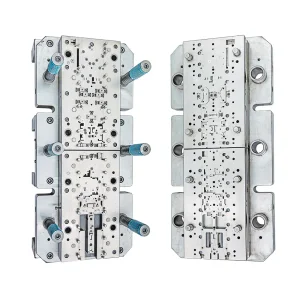
A closer look at the workflow that allows us to manufacture components and complete assemblies with speed and precision.
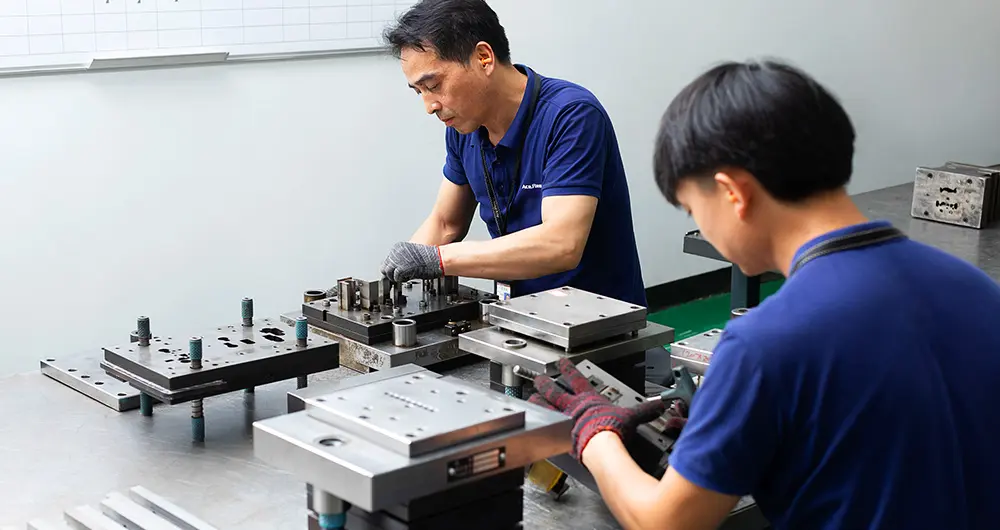
Our operation integrates metal stamping, copper wire drawing, plastic molding, and final testing. Maintaining control over these initial manufacturing steps allows us to monitor quality closely and maintain stable output levels, minimizing dependence on external subcontractors.
We manage processes from raw copper inputs to calibrated finished machines within our localized cluster. Our logistics routing is optimized through automated ERP systems, linking raw inventory with live assembly schedules. This vertical integration keeps production moving efficiently, regardless of global logistics disruptions.
Production execution details: We coordinate departments via integrated ERP and U8 software, tracking performance to meet our delivery targets.
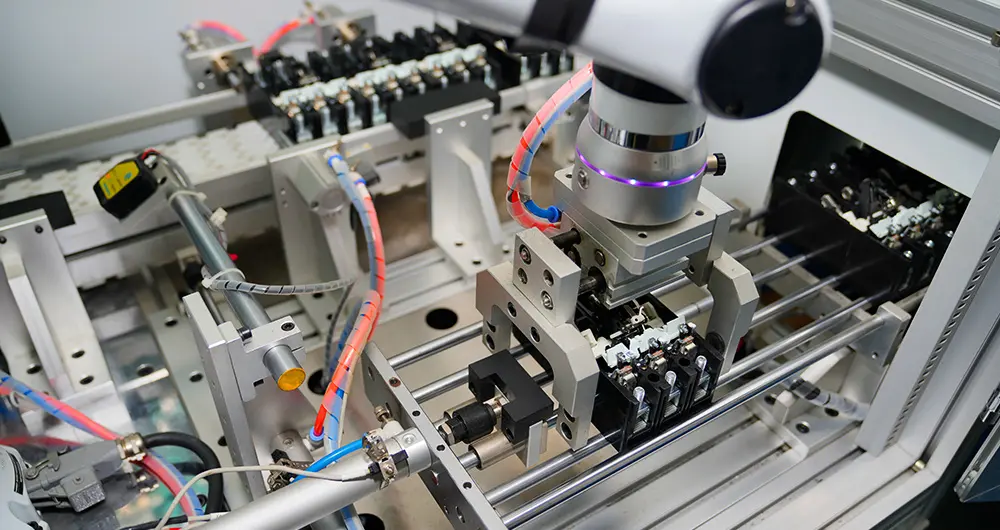
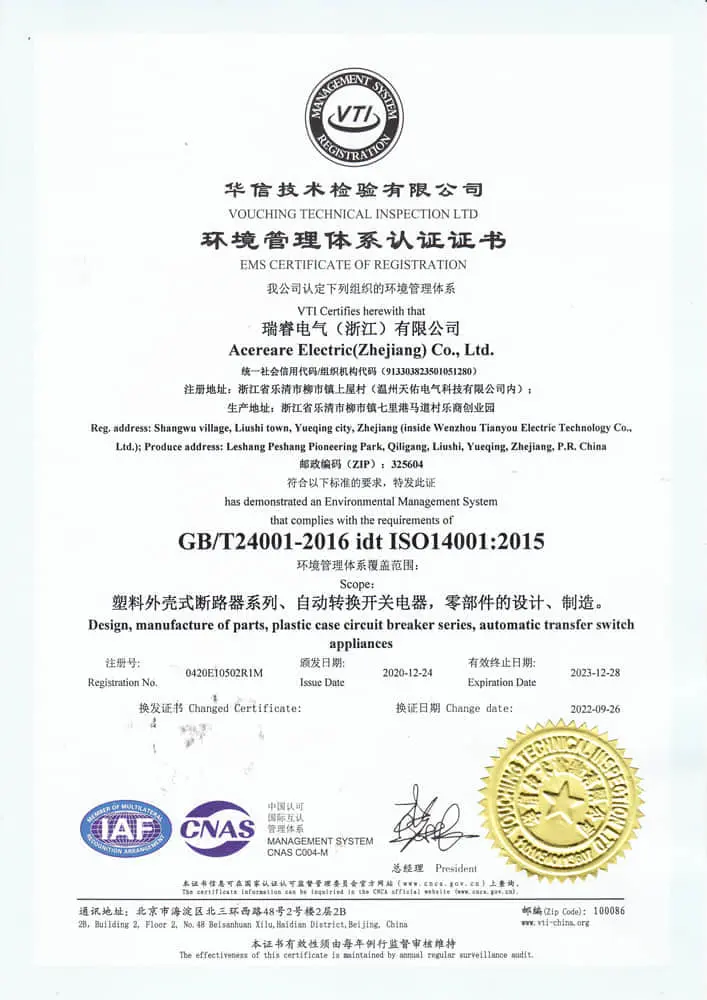
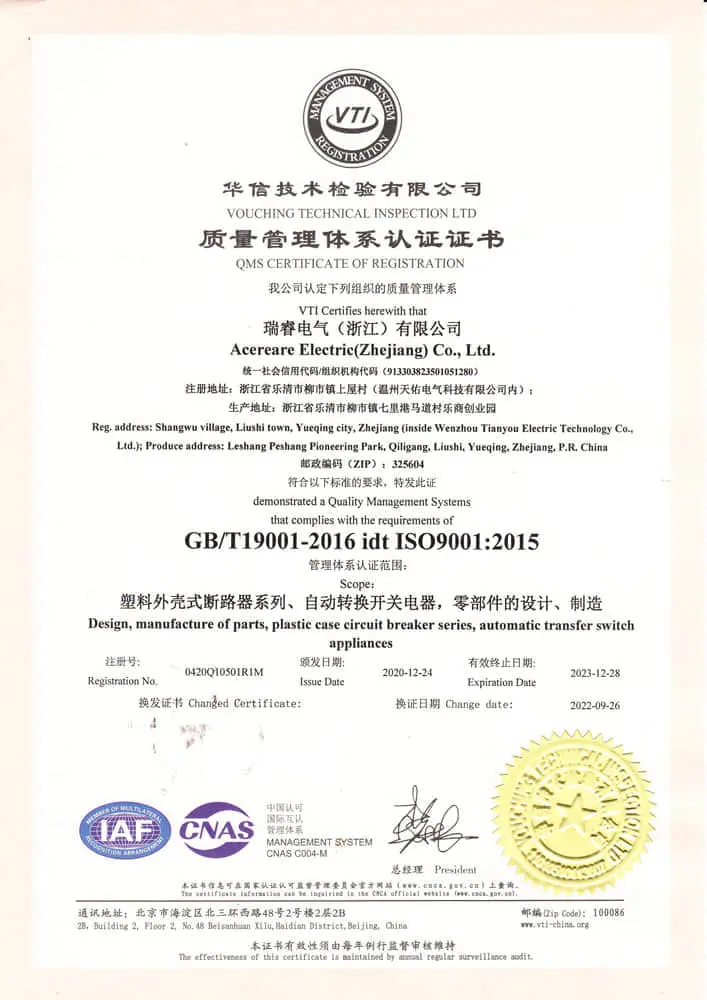
Our quality assurance program is built on regular physical testing, using modern equipment to verify every production lot.
Our laboratory features high-current generators, environmental chambers, and mechanical life testers. With over 150 dedicated test instruments and 20 quality controllers, we test raw contacts, springs, housing parts, and electronic trips to guarantee compliance. This comprehensive testing helps maintain stable performance and reduces field defect rates close to zero.
These practices keep our products aligned with global quality expectations, providing reliable service life across diverse electrical systems.
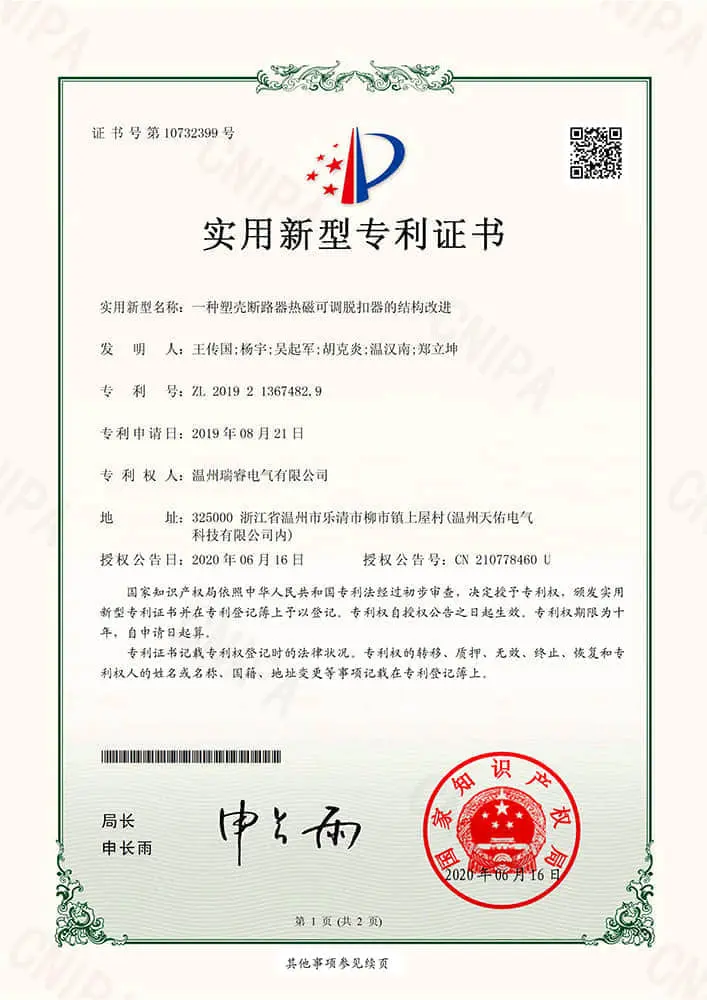
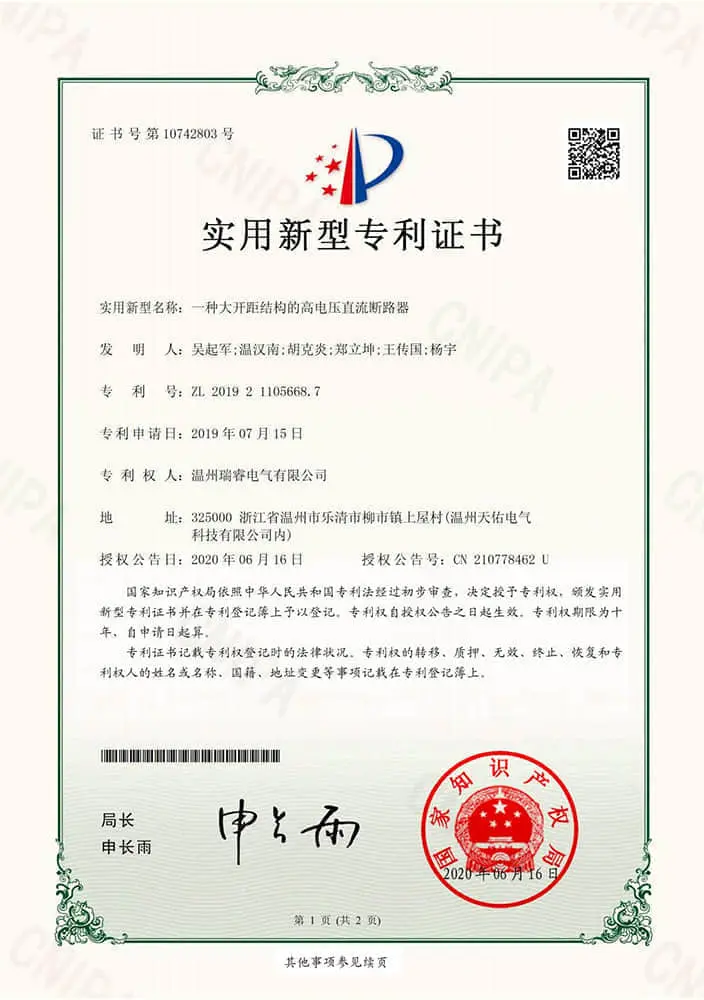
The global energy system is shifting from centralized fossil generation to distributed, bi-directional clean power networks.
With utility solar projects moving toward higher operating voltages, our R&D is focused on high-capacity DC breaking devices. The next generation of ARM MCCBs will offer reliable protection up to 1500VDC with optimized size constraints.
We are incorporating recyclable engineering thermoplastics and lead-free alloy contact materials, helping customers meet strict international environmental and eco-design standards.
We are developing embedded micro-sensors to track real-time contact temperature, wear, and mechanical cycles. Our upcoming smart breakers will communicate this data directly to cloud systems for predictive maintenance scheduling.
Expert engineering insights regarding the selection, application, and compliance of high circuit breaking capacity systems.
Icu (Ultimate Short-Circuit Breaking Capacity) is the maximum fault current a circuit breaker can interrupt safely without sustaining permanent damage. It is tested under sequence protocols (O - t - CO), after which the breaker must provide basic isolation safety.
Ics (Service Short-Circuit Breaking Capacity) represents the fault level the breaker can interrupt and continue operating normally afterward. Our Schneider Type high-breaking MCCB devices maintain an Ics = 100% Icu ratio. This guarantees that even after clearing a major short circuit, the breaker can be reset and returned to service immediately, reducing system downtime.
Our units share key mounting footprints, accessory configurations, and performance curves with original international designs, allowing direct integration into existing switchgear designs. However, as an established original manufacturer with vertically integrated production in China, we manage the entire manufacturing cycle in-house.
This localized production allows us to offer competitive pricing and flexible custom configurations (such as specific tripping characteristics or specialized terminations) that larger global manufacturers typically cannot accommodate.
At altitudes above 2000 meters, thin air reduces both the cooling capacity and dielectric strength of the switchgear. To prevent premature thermal tripping or arcing, installers must apply high-altitude derating factors.
Typically, this involves reducing the rated operational voltage (Ue) and operational current (Ie) values. Our engineering team provides detailed derating matrices to match specific site elevations, ensuring reliable system performance up to 5000 meters.
Under high operating voltages (such as 800VAC or 1000VAC in solar PV installations), single-contact breakers struggle to extinguish arcs quickly, which increases contact wear. A double-breaker system splits the arc across two distinct physical contact gaps in series.
This design doubles the arc voltage, driving the current to zero much faster. This configuration minimizes thermal stress and protects high-voltage solar systems from critical faults.
We test our marine-rated MCCBs in environmental chambers using standardized saline spray solutions. Complete assemblies undergo 72 hours of continuous exposure, while internal mechanical components are tested for 48 hours.
We use corrosion-resistant coatings, stainless steel linkages, and anti-fungal treatments to prevent mechanical binding and contact corrosion, ensuring long-term reliability in offshore platforms and marine installations.
We offer extensive customization options, including custom brand logo engraving, custom packaging designs, adjusted thermal-magnetic trip curves, and specialized terminal extensions. We can also integrate custom auxiliary switches, undervoltage release coils, or shunt trips, allowing you to tailor the configuration to your specific market needs.
 AceReare