Industrial components directly sourced from leading manufacturing units with absolute international standards compatibility
Understanding the micro-physics of arc extinction, electrical parameters, and high-voltage circuit disruption mechanisms.
The fundamental Working Of Air Circuit Breaker resides in its capability to initiate dynamic arc quenching under atmospheric pressure conditions. Unlike vacuum or gas-insulated switchgears, which use pressurized medium to eliminate electrical faults, an Air Circuit Breaker operates inside standard open or chassis chambers. When a downstream short circuit or overcurrent occurs, the primary contacts start parting. At the instant of separation, the localized electrical stress ionizes the ambient air between the contact faces, generating a high-temperature arc consisting of ionized plasma.
To prevent structural failure, this plasma arc must be immediately split, cooled, and extinguished. ACBs route the arc upward into specialized arc chute chambers using electromagnetic repulsion force. The arc chutes consist of metal splitter plates placed in close sequence. As the arc rises, these plates divide the massive arc voltage into multiple localized drop voltages, reducing the core temperature from thousands of degrees Celsius down to ambient limits, increasing the electrical resistance of the path, and causing arc extinction at the first zero-crossing point of the alternating current.

Modern ACBs rely heavily on micro-processor based intelligent trip controllers (often classified under Electronic Trip Units) that offer complex parameters adjustment to safeguard massive grids. This configuration is widely categorized as the LSIG coordination curve:
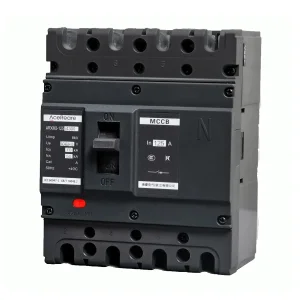
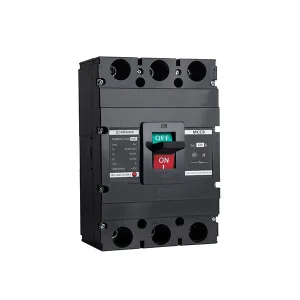
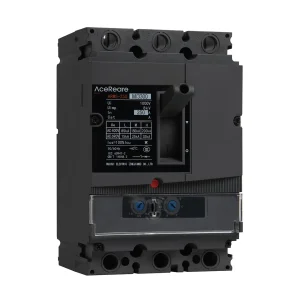
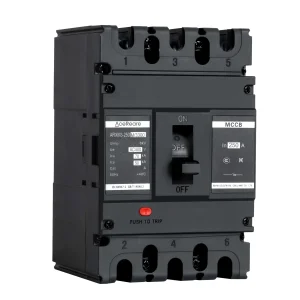
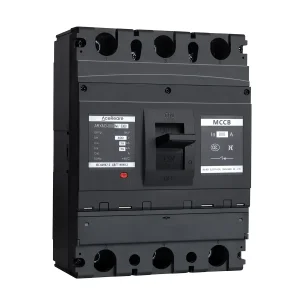
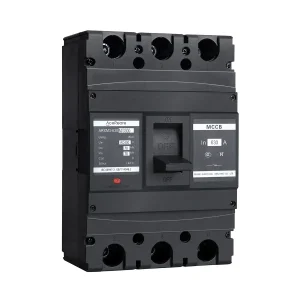
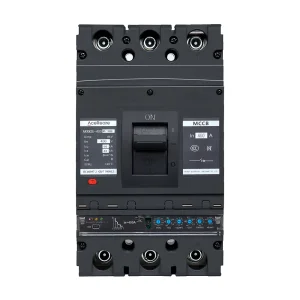
Founded in 2015, Acereare Electric operates through its two major wholly-owned manufacturing subsidiaries: "RuiRui Electric" and "KeRui Electric". Over the past decade, we have established ourselves as one of the premier original manufacturers specializing in Molded Case Circuit Breakers (MCCB), Air Circuit Breakers (ACB), and structural copper components.
Building upon over 20 years of craftsmanship inherited by two generations of engineering leaders, our production facility has grown to become one of China’s most prominent ODM/OEM power switchgear suppliers. By utilizing deep research capabilities, automated stamping technologies, and strict validation software, our products now safely manage electrical loops across global infrastructure projects.

How raw material access, precision metal fabrication, and digital production management secure absolute quality at competitive price points.
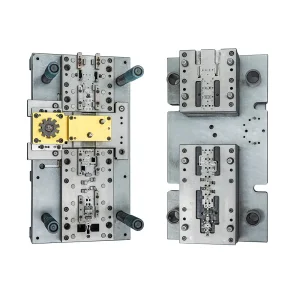
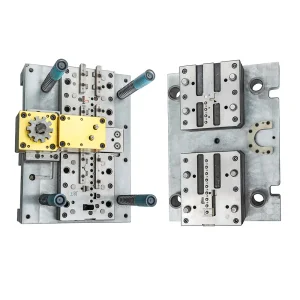
We deploy six main kinds of processing techniques utilizing high-precision automatic stamping, mold development, and 10+ manual and automated assembly lines.
Our component fabrication and complete-machine assembly facilities are integrated through advanced ERP and U8 software, ensuring real-time lead-time tracking.
We perform rigorous inspections utilizing our dedicated, state-of-the-art testing laboratory featuring 150+ testing instruments managed by 20+ specialized QC inspectors.
Unlike suppliers that only act as assemblers, our factories build critical switchgear sub-components in-house. From MCCB Mental Stamping Moulding Connection Plates to complex Moulding Busbars, our internal metalworking facilities ensure copper conductivity standards remain within limits. By maintaining strict control over the stamping, plating, and testing steps, we guarantee consistency in contacts, trip coils, and structural assemblies.
Engineered for extreme performance across demanding climatic conditions and modern electrical infrastructures.
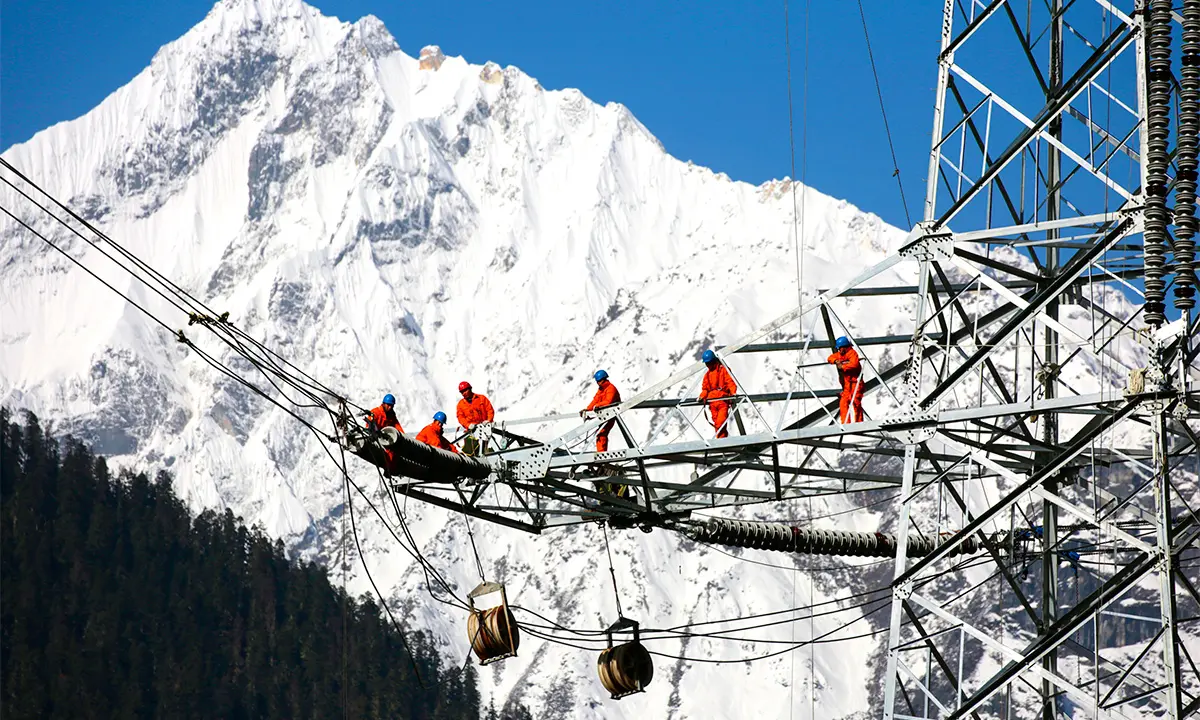
Our breakers are manufactured using high-impact structural plastics, low-temperature synthetic lubricants, and heavy contact platings. We back our products with low-temperature verification reports down to -40°C.

Suitable for dock systems, maritime vessels, and offshore wind platforms. Our components undergo 72-hour salt spray tests for complete systems and 48-hour tests for components, preventing structural corrosion and tracking faults.
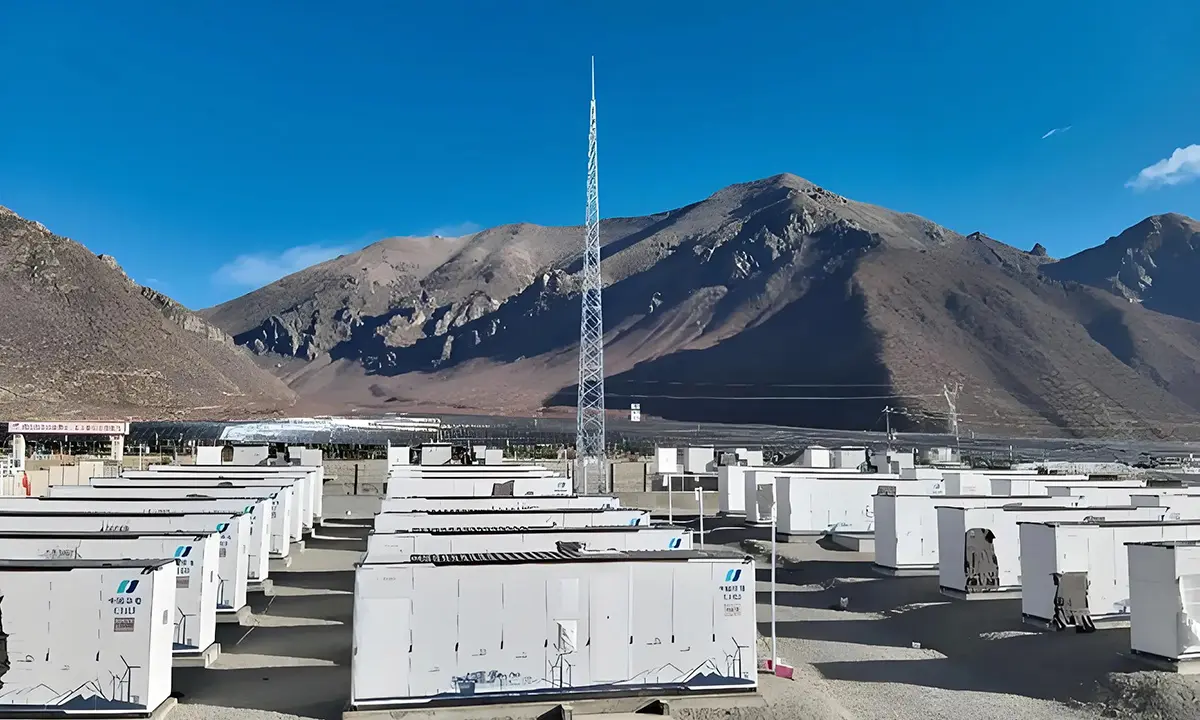
At high altitudes, thin air reduces thermal dissipation capacity and dielectric strength. We provide detailed engineering derating matrices, modifying operational voltage parameters to guarantee safe performance up to 5000m.

Delivering high flexibility and operating reliability for residential switchgears, protecting household electronics and HVAC units from severe overcurrents and transient spikes.
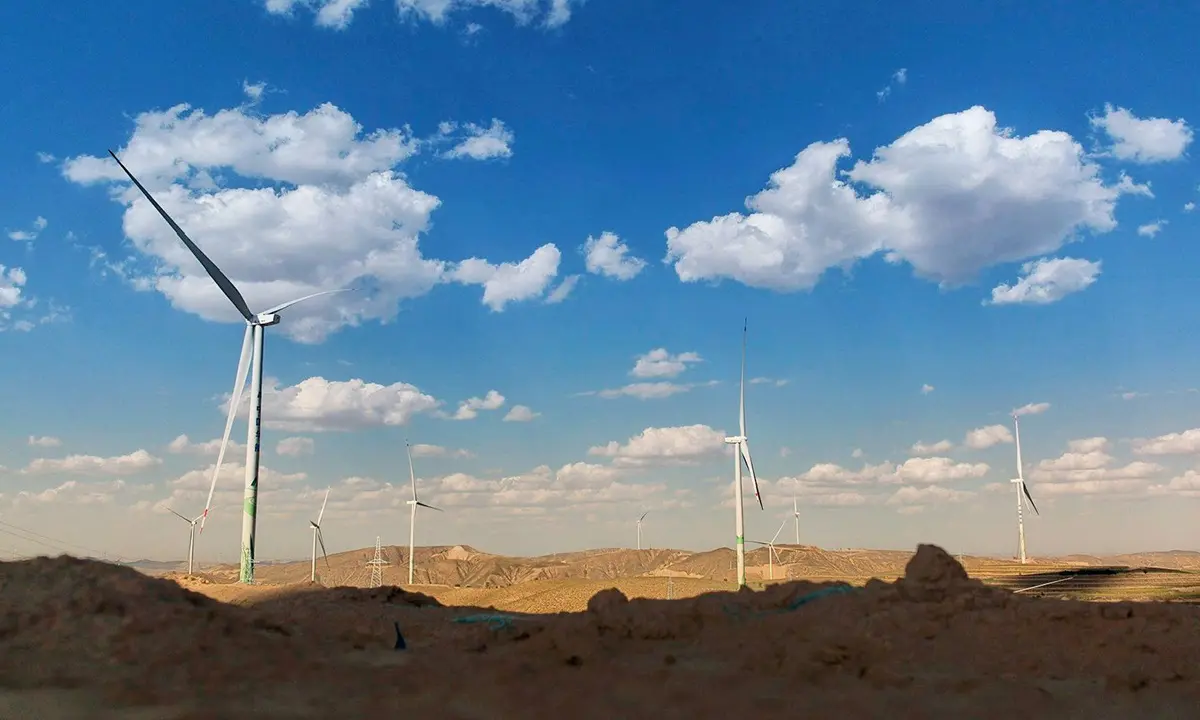
Features thermal insulation barriers and anti-humidity coatings on digital controller cards. High-temperature testing in our constant temperature chambers at 55°C ensures operation without thermal-trip point drift.
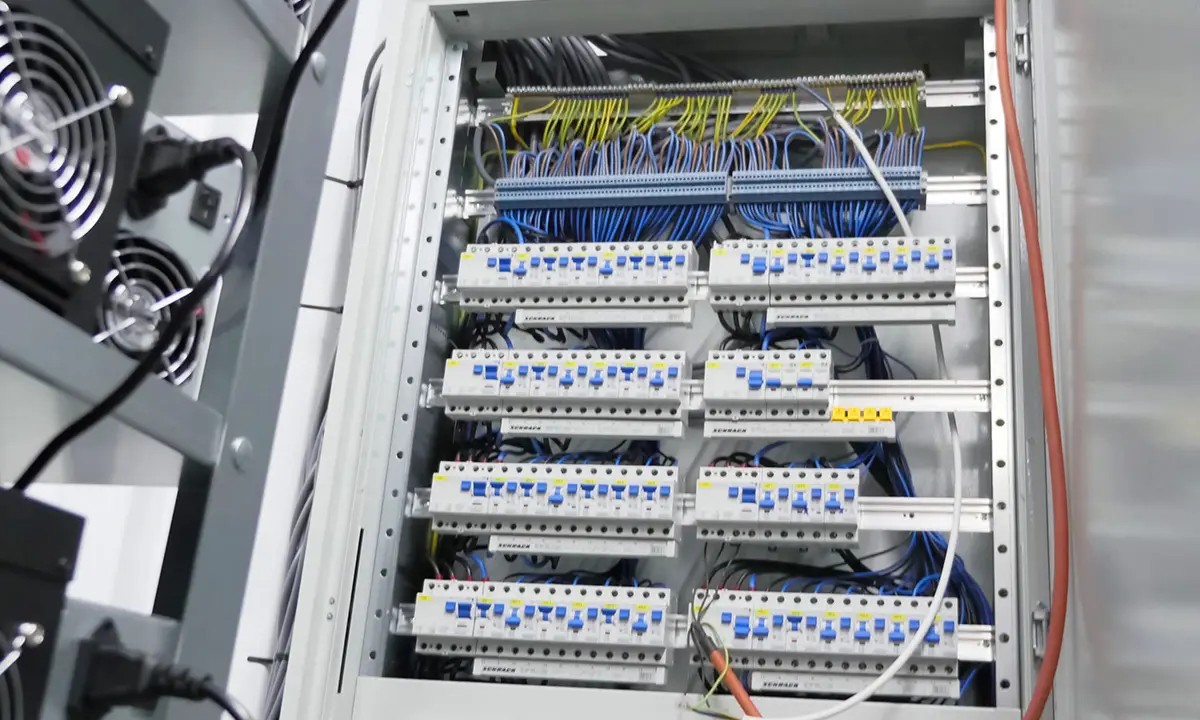
Integrates Modbus/RS485 communication protocols, metering sensors, and remote operations. Supports smart city grids, energy usage tracking, and centralized control systems.
Custom designs, certified processes, and scalable manufacturing pipelines designed for global electrical distributors.
Make your brand stand out with laser-etched custom logos, certified packaging options, and dynamic custom technical catalogs. We focus on premium raw materials to help distributors build strong reputations.
From mold design to electronic trip system modeling, our R&D department creates customized designs. We handle structural modifications and assist with international certificate submissions.
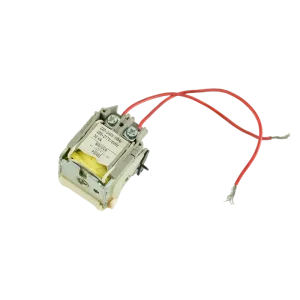
We configure custom communication cards, auxiliary shunt releases, undervoltage trip components, and plug-in modular chassis adapters (such as our ARM5 Series) to fit unique layout needs.
Our factories maintain strict compliance with global safety, environment, and quality management protocols.

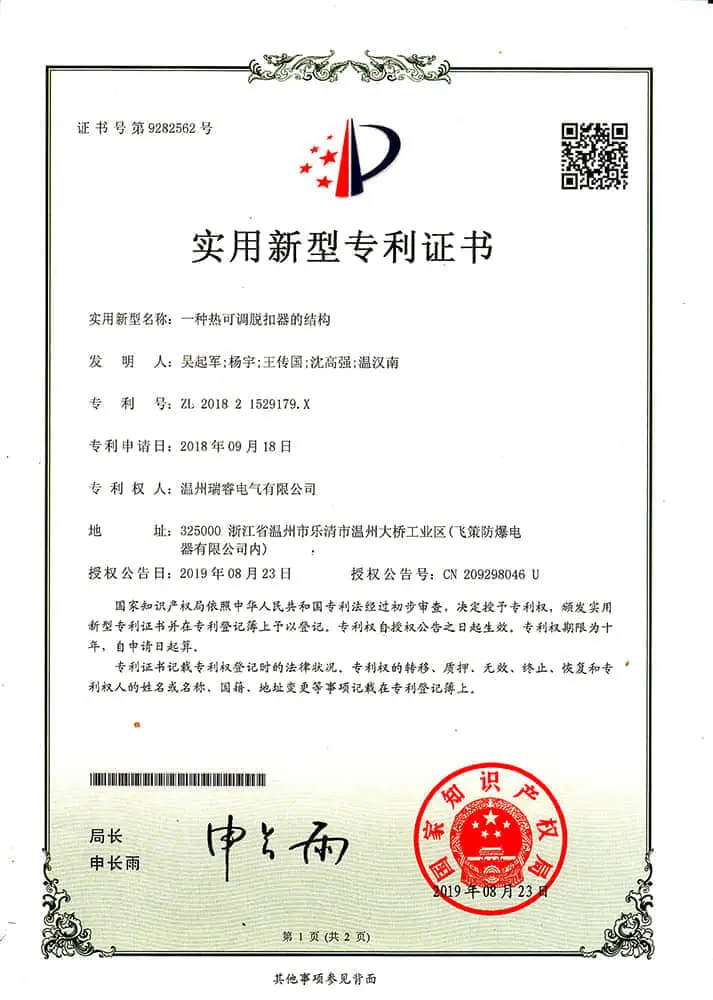
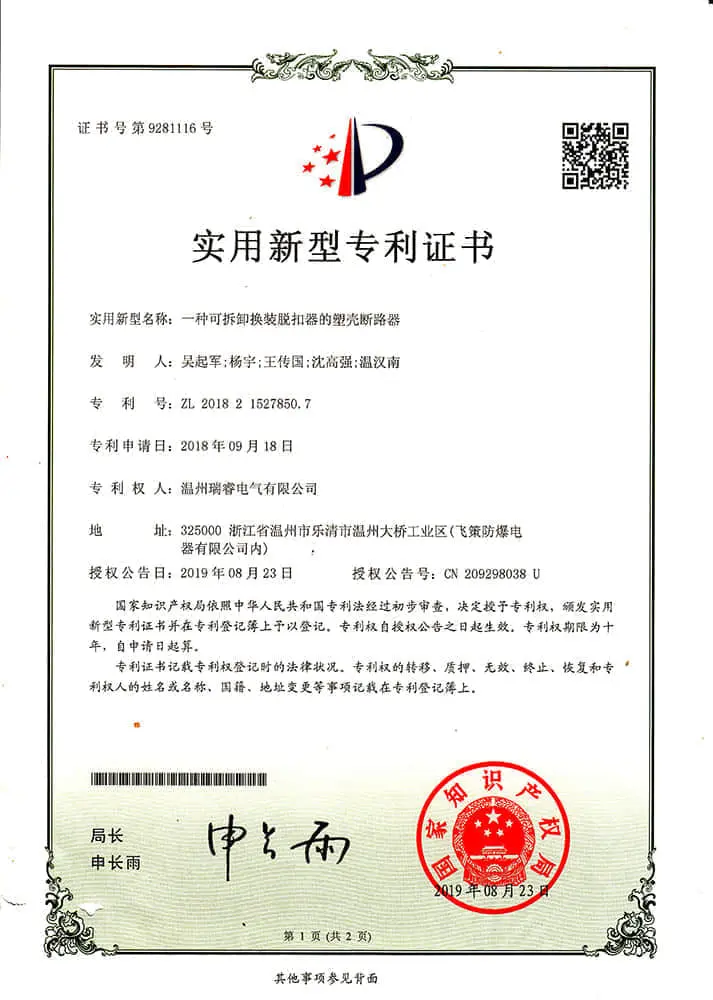
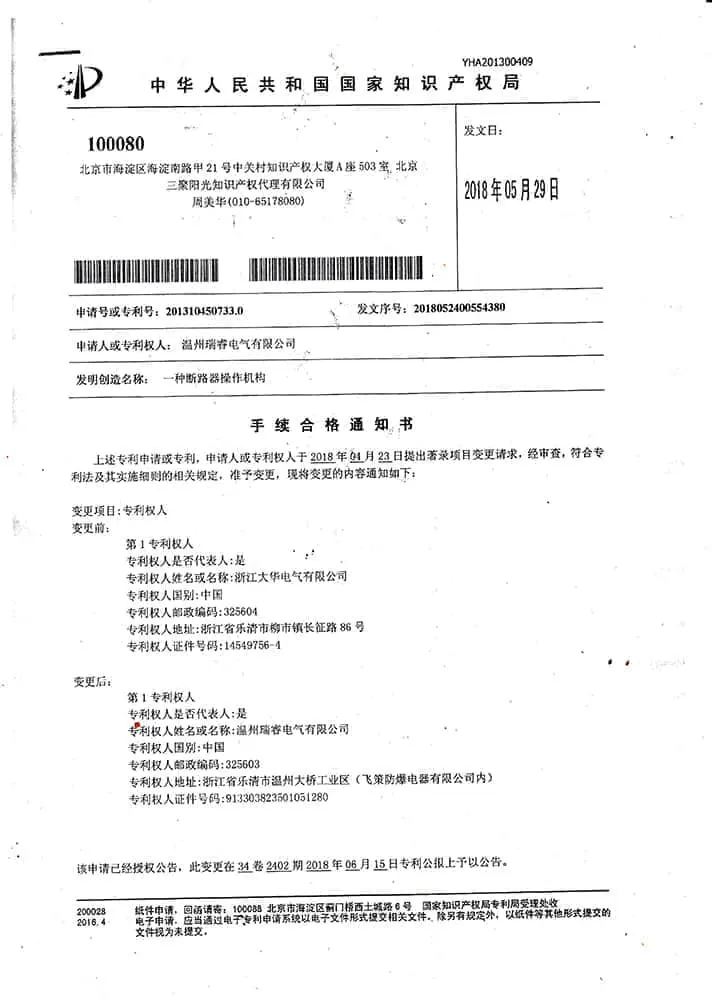
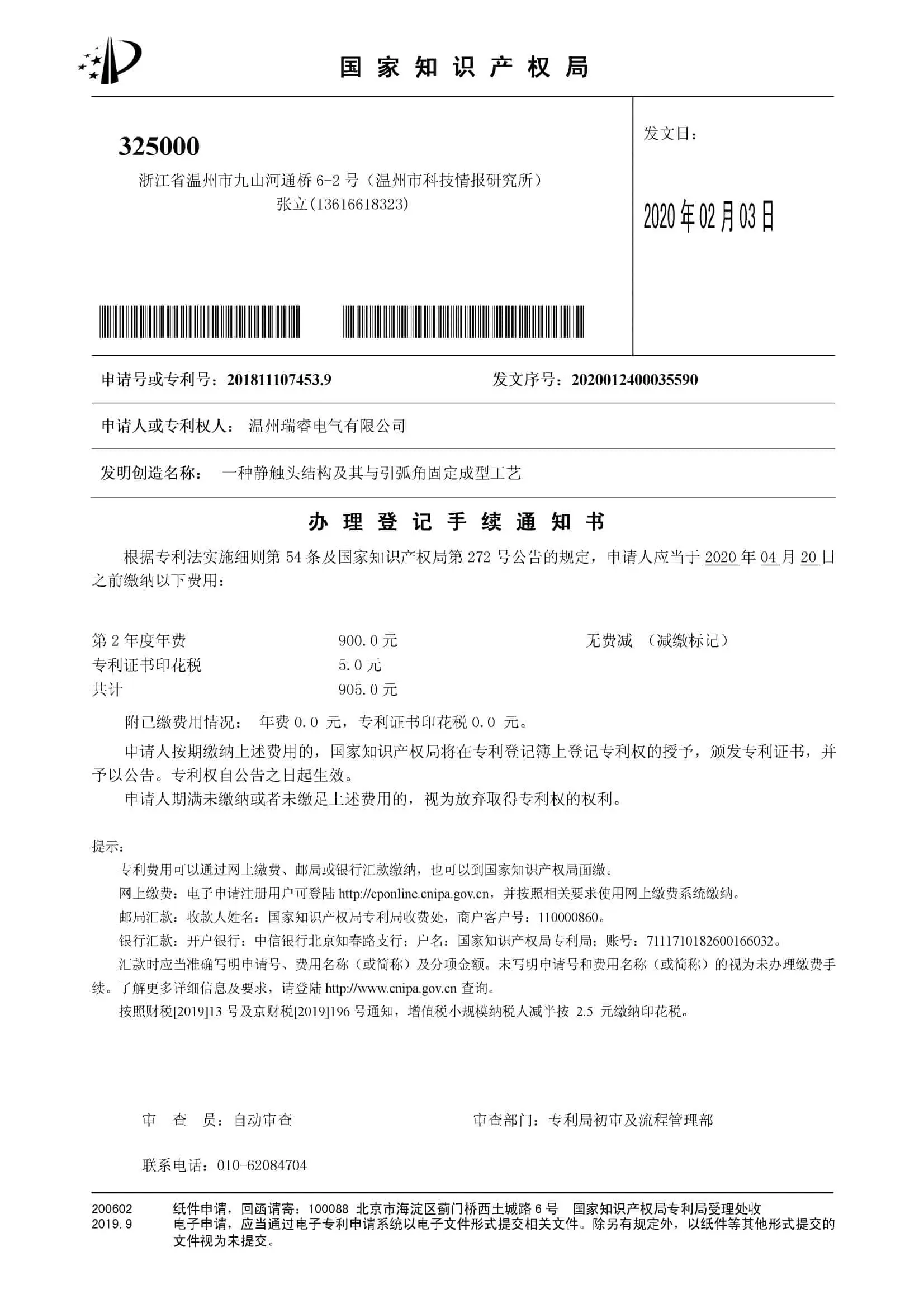
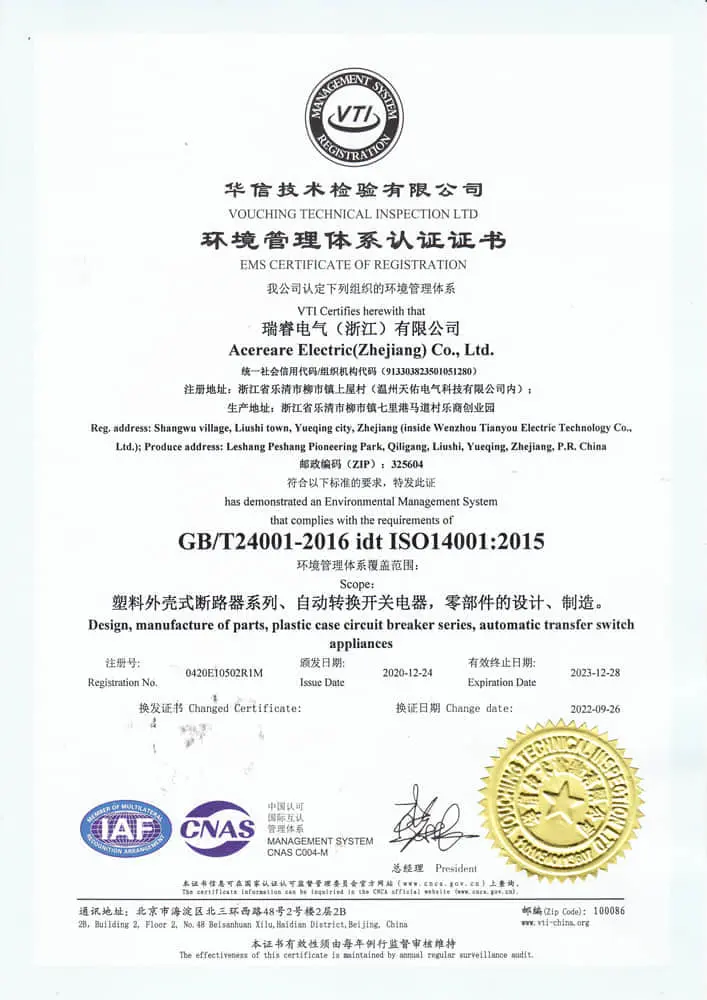
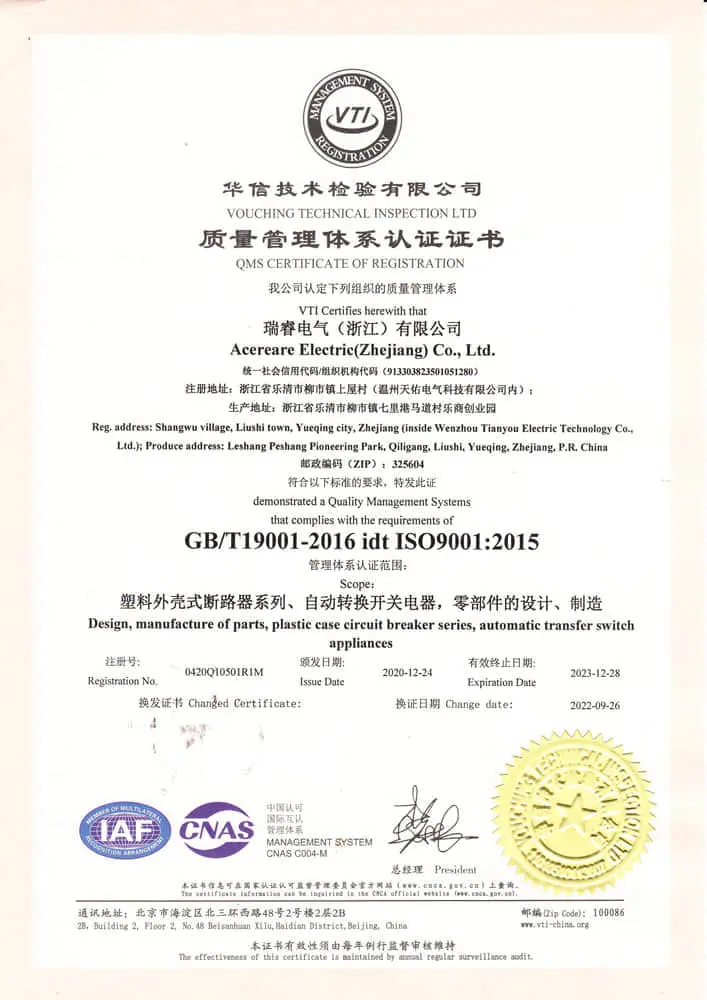
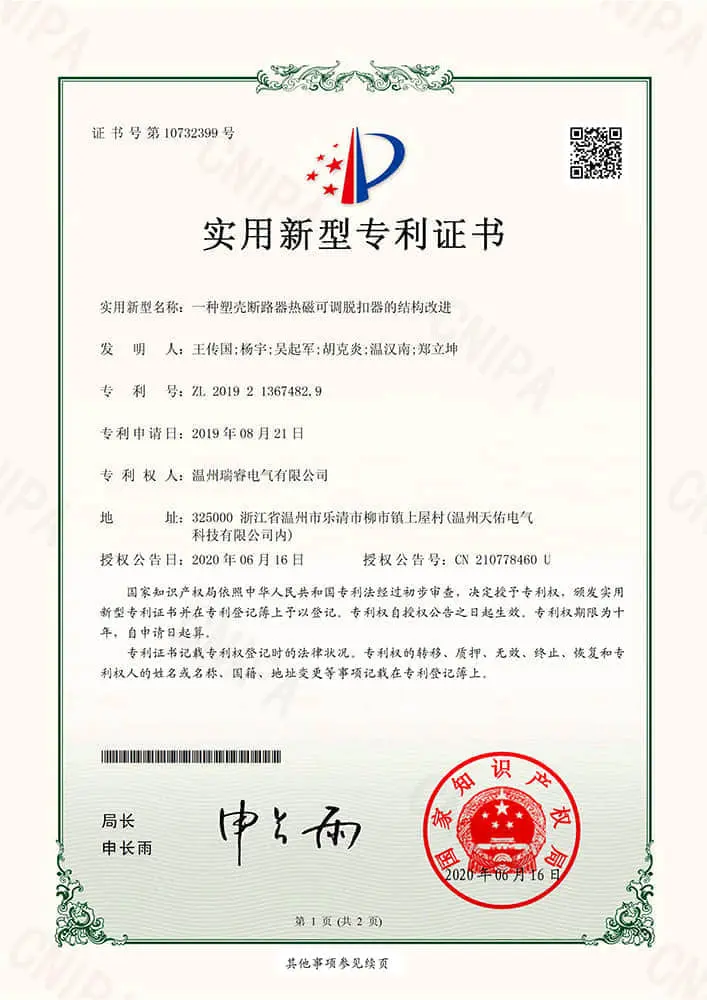
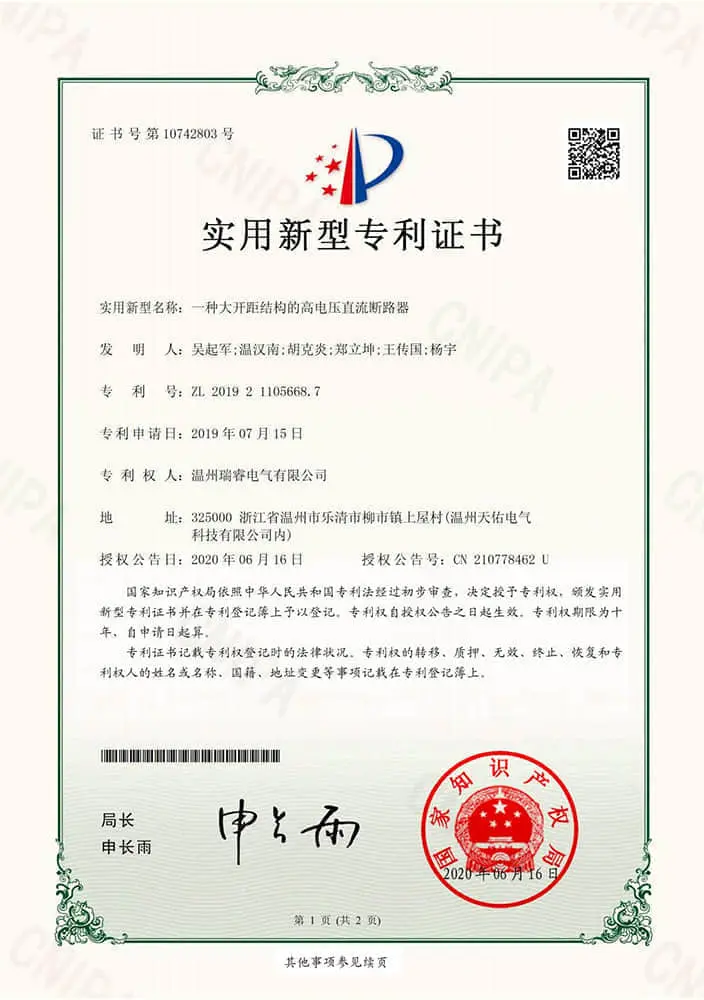
A video tour of our factories showing automated mechanical processes, testing facilities, and switchgear validation.
Our engineers address common technical questions from electrical project planners and procurement teams.
The difference lies in the operating medium volume, clearances, and voltage ranges. An ACB relies on natural air circulation within a larger mechanical framework, making it ideal for primary distribution switchgears handling high operational currents (from 630A up to 6300A). An MCCB operates within a sealed, compact molded plastic casing, making it suitable for lower-power sub-circuits and branches (typically up to 1600A).
At high altitudes, lower air density reduces the air's thermal cooling capability and dielectric strength. This makes it easier for arcs to form and harder for the breaker to dissipate heat. To maintain safety, the operating voltage, rated current, and insulation capabilities must be adjusted using a derating factor (typically lowering current capacity by 1-5% for every 1000m above the initial 2000m threshold).
Marine dock environments contain high levels of airborne sodium chloride, which causes rapid corrosion of copper busbars, contacts, and steel spring mechanisms. A 72-hour validation verifies that our surface treatments, thicker tin/silver coatings, and anti-corrosion lubricants can withstand seaside conditions without degradation of electrical conductivity or mechanical failure.
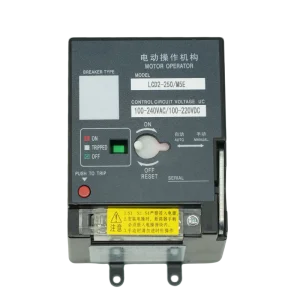
The electric operating mechanism replaces manual spring-charging levers with a motorized gear assembly. This enables grid controllers to charge, open, and close the circuit breaker remotely via SCADA systems, PLC modules, or smart grid command controls, supporting unattended operations.
Crucial auxiliary modules, electronic trip systems, and connection components from our factories
 AceReare