For procurement managers and electrical engineers, choosing between Air Circuit Breakers (ACB) and Moulded Case Circuit Breakers (MCCB) is a critical decision that impacts infrastructure safety and operational ROI. While both protect electrical systems, their application architecture differs significantly.
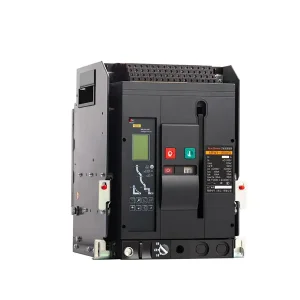
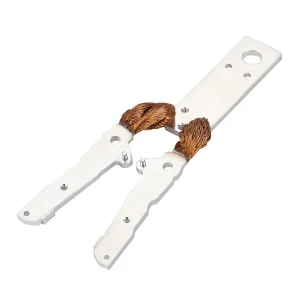
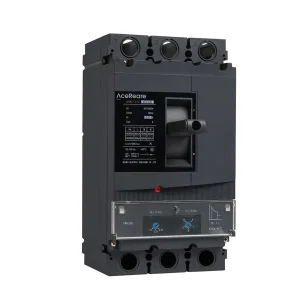
Designed for high-current applications (up to 6300A). ACB uses air as an arc extinguishing medium, perfect for main distribution boards in industrial complexes.
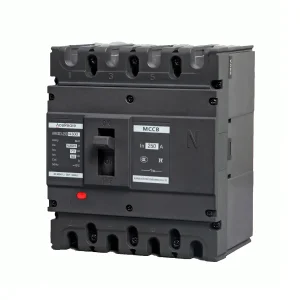
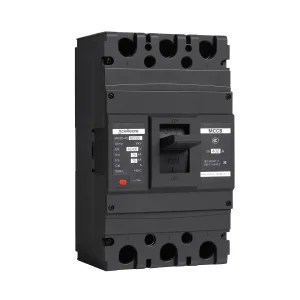
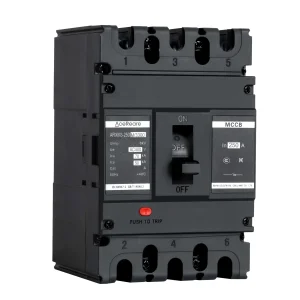
A compact solution for low to medium voltage applications (up to 1600A). MCCBs provide excellent thermal-magnetic protection and are the industry standard for sub-panels and individual branch circuits.
Selecting the right supplier depends on their ability to offer technical derating data, high-altitude performance reports, and salt-spray compliance for harsh industrial environments.
China's circuit breaker industry has evolved from mass production to R&D-centric innovation. Manufacturers like Acereare integrate MES, PLM, and AI-driven quality control to ensure that every unit meets IEC and global standards.
Over 50+ engineers focused on custom mold design and LSIG trip unit accuracy.
Dual-factory production lines ensure zero downtime for global high-end customers.
Rigorous internal labs for moisture, temperature, and salt-spray simulation tests.
ACB is primarily for high-voltage and high-current power distribution, while MCCB is for low-voltage circuits with higher frequency of use in commercial and residential settings.
Q2: Why choose a factory-direct supplier?Factory-direct procurement provides superior cost-efficiency, faster customization for OEM/ODM projects, and deeper technical support for complex electrical integration.
 AceReare