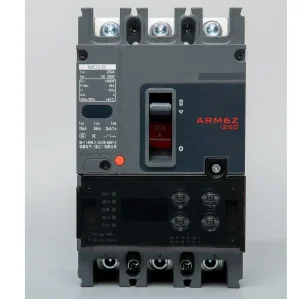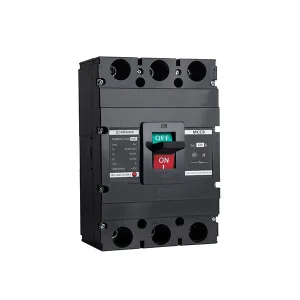
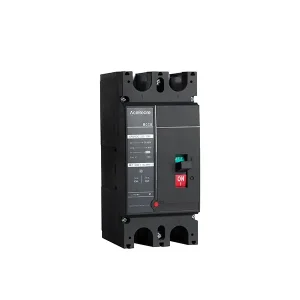
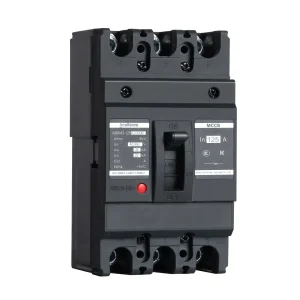
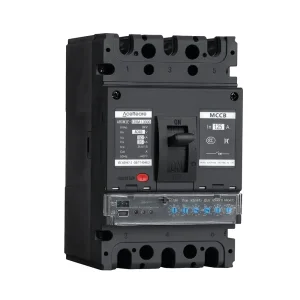
In the arena of modern power distribution networks, the Molded Case Circuit Breaker (MCCB) rated at 300 Amp occupies a vital engineering sweet spot. These devices act as the primary line of defense in protecting mid-range electrical circuits from standard overloads, long-term thermal damage, and catastrophic high-fault short circuits. In global commercial and industrial applications, 300A systems act as transition points between main power intakes (which typically run at much higher currents like 800A to 1600A) and sub-distribution circuit boards that feed motors, HVAC assemblies, heavy processing machines, and lighting panels.
With the rising footprint of data centers, high-capacity automated production warehouses, and rapid transit train networks, high breaking capacities (Icu) and service breaking capacities (Ics) have become key differentiators. Leading global procurement teams do not look for basic compliance; they evaluate thermal stability parameters under maximum load, the quality of contact alloy (e.g., silver-tungsten composites), the efficiency of the arc-extinguishing chamber, and phase-coordination characteristics.
As wholesale buyers align their supply chains to meet regional specifications, the differences in testing standards remain a critical pivot. For instance, European and Asian markets are governed heavily by IEC/EN 60947-2, whereas North American projects require adherence to UL 489. Understanding these nuances guarantees that when you purchase from a specialized Chinese factory, the electrical safety margins, magnetic trip points, and clearances are designed to operate safely inside your local jurisdiction's utility grid requirements.
The electrical engineering domain is currently undergoing a massive evolution driven by two major currents: the shift toward renewable energy arrays and the rapid adoption of digital grid technologies.
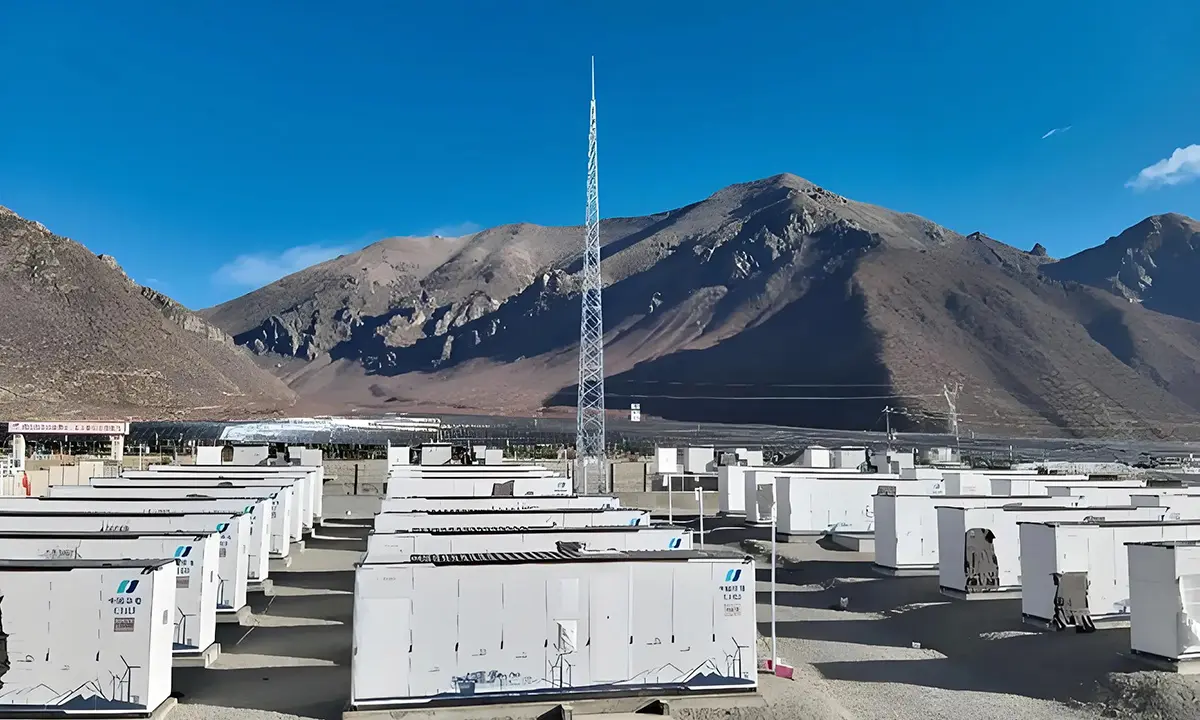
Traditional AC distribution systems are now operating alongside high-voltage solar photovoltaic (PV) setups and battery energy storage systems (BESS). This has created a massive spike in demand for specialized DC MCCBs operating at ratings up to 1500VDC. Circuit breakers must withstand higher operating voltages, requiring complex mechanical arc splitting structures and robust heat insulation materials.
The standard thermal-magnetic bimetal strips are being replaced by micro-processor-driven Electronic Trip Units (ETUs). These devices support real-time digital current measurement, built-in Modbus communications, and precise, adjustable LSIG (Long-time, Short-time, Instantaneous, Ground fault) protection bands. This turns a simple passive protection device into an active smart-grid terminal capable of edge computing.
Continuous monitoring of contact wear, temperature profiles at terminals, and operational cycle counters allow facilities to adopt predictive maintenance. Instead of waiting for a critical system fault to occur, engineers receive alerts through supervisory control systems (SCADA) before a breaker reaches its operational end-of-life.
Established in 2015, Acereare Electric operates through two wholly-owned manufacturing subsidiaries: RuiRui Electric and KeRui Electric. We are a specialized, original manufacturer that integrates advanced R&D, production, and international sales. We specialize in low-voltage electrical protection, particularly molded case circuit breakers (MCCB), air circuit breakers (ACB), and premium mechanical/electric components.
Our core technical legacy spans over 20 years of craftsmanship, inherited and refined across two generations of engineering leadership. By blending the hand-on experience of our founders with modern AI-driven PLM design software, we rank among the top ODM/OEM manufacturers in China for low-voltage power distribution products. Our industrial plants are optimized with state-of-the-art testing equipment, ensuring that every 300 Amp MCCB we deliver meets strict safety guidelines and international parameters.

We deliver customized, premium products with unbeatable prices, built on solid engineering foundations.
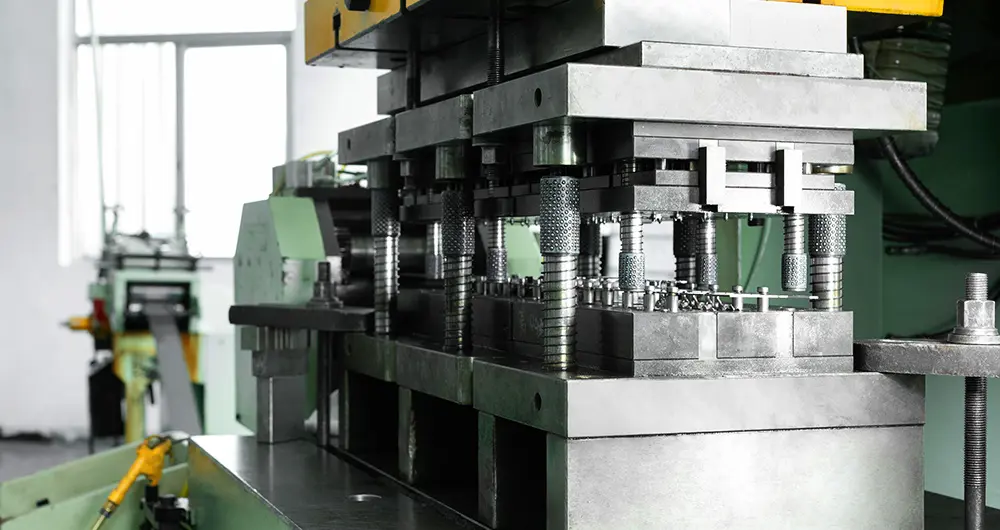
One-stop service leveraging six distinct processing technologies, high-precision automated production tools, and manual lines for custom configurations.
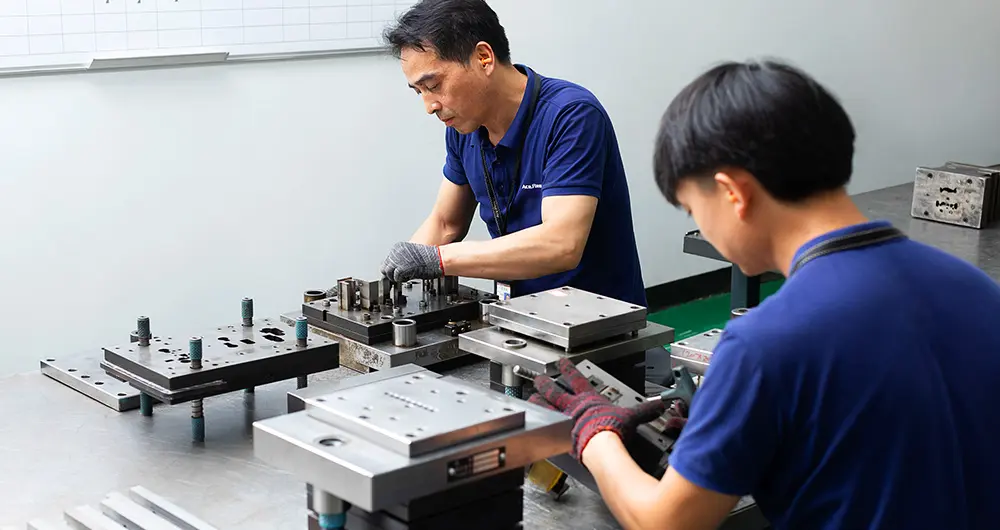
Over 50 R&D engineers with 5+ years of experience. We handle complete 3D modeling of custom internal parts, molds, and finished assemblies.
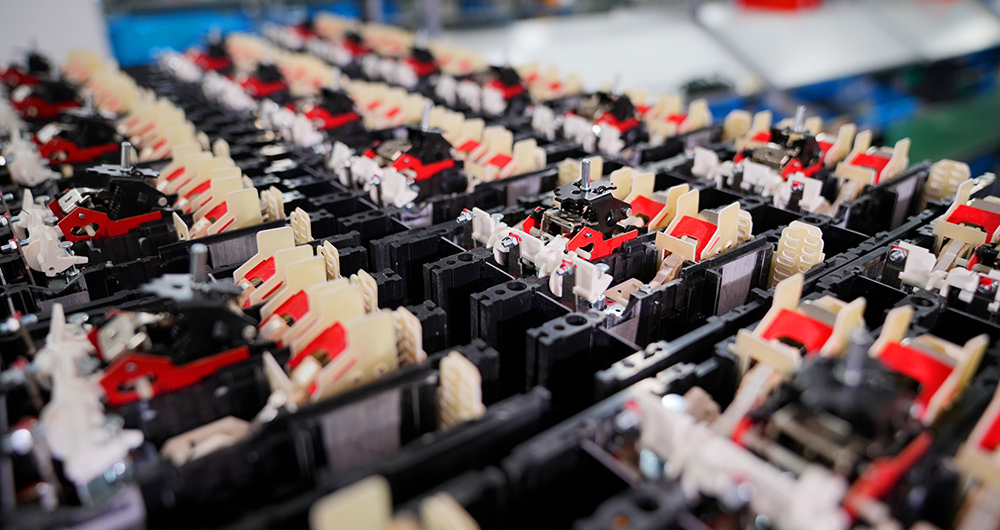
Operating two dedicated component and assembly factories. Integrated ERP and U8 software link every production step to streamline delivery.
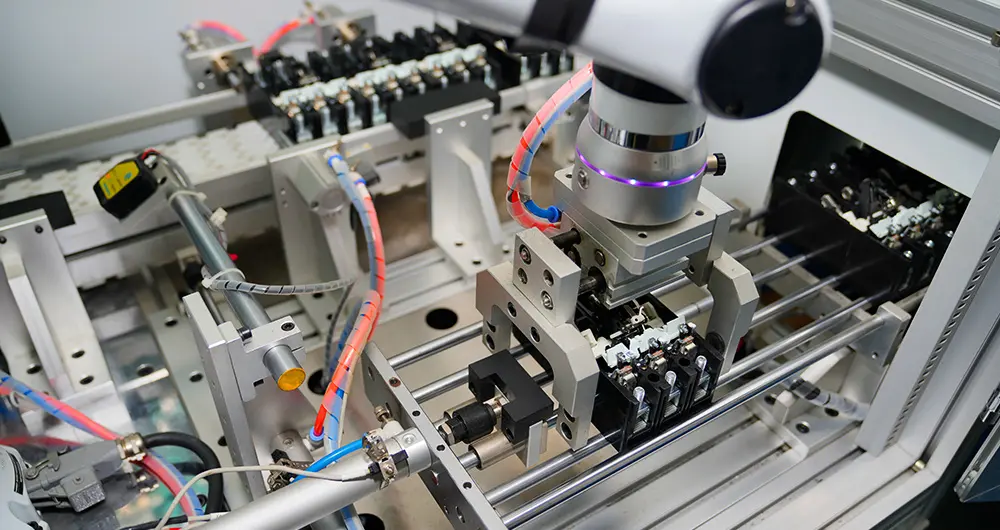
Rigorous multi-step inspection in our private laboratory. Equipped with over 150 testing instruments, managed via PLM, BI, and MES software.
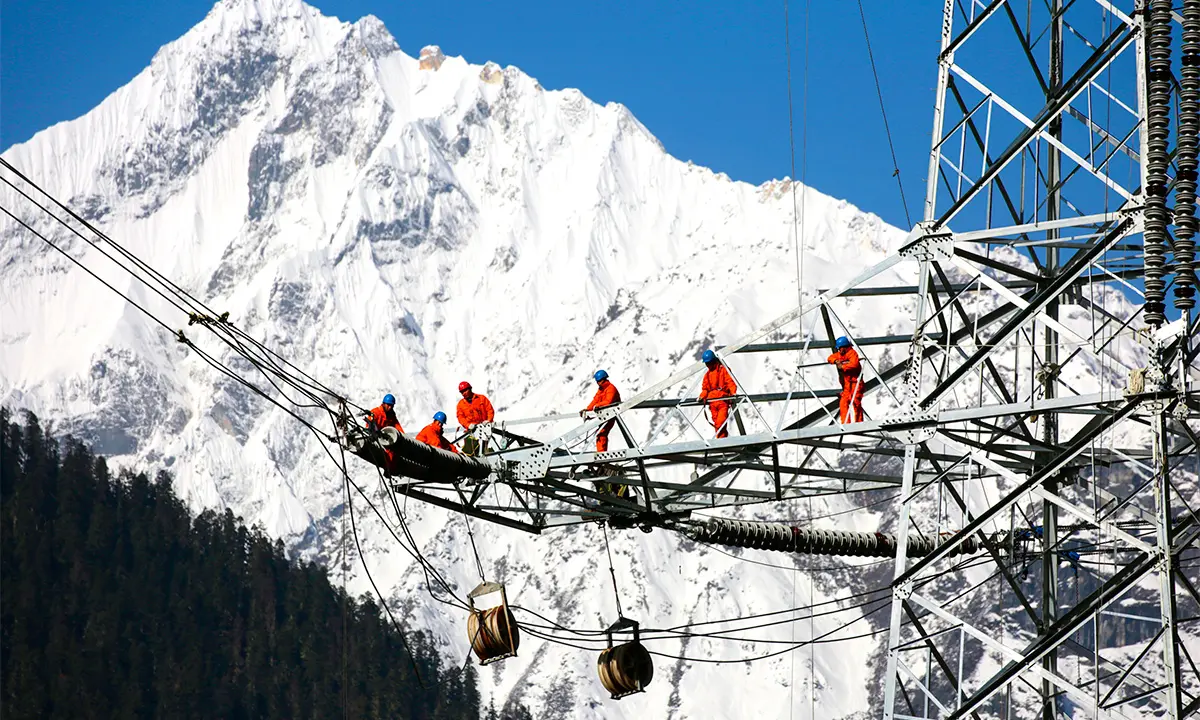
We design and manufacture circuit breakers to operate in harsh environment scenarios worldwide.
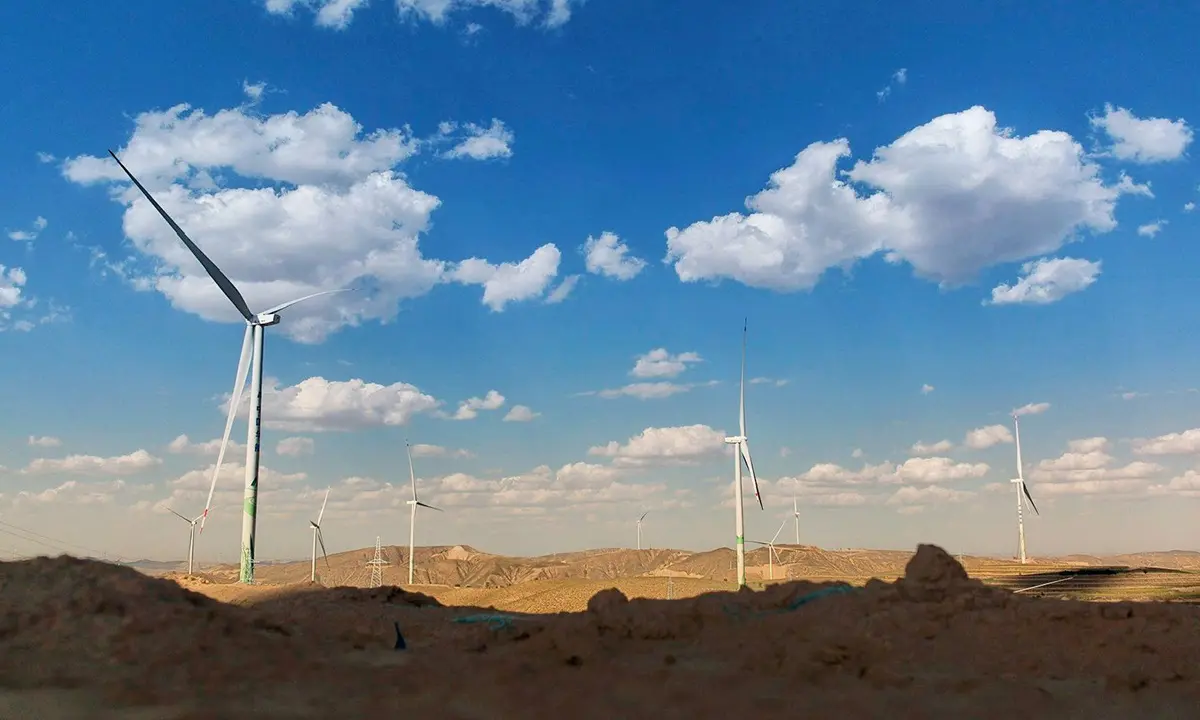
For sub-zero outdoor installations such as wind power nacelles in high latitudes, we utilize low-temperature resistant raw materials, specific low-viscosity mechanical oils, and thickened anti-corrosion coatings. Our products carry formal test reports validating operation at -40 ℃.
Marine environments subject electrical components to intense corrosion. We run rigorous salt-spray checks (72 hours for finished MCCBs and 48 hours for core metal subsets). This helps them withstand coastal humidity and salt spray, preventing current leakage or contact degradation.
In high altitude zones (exceeding 2000 meters above sea level), the air becomes thinner, reducing its insulating properties and cooling capabilities. We apply precise correction factors using high-altitude derating tables to guarantee dielectric performance and prevent overheating.
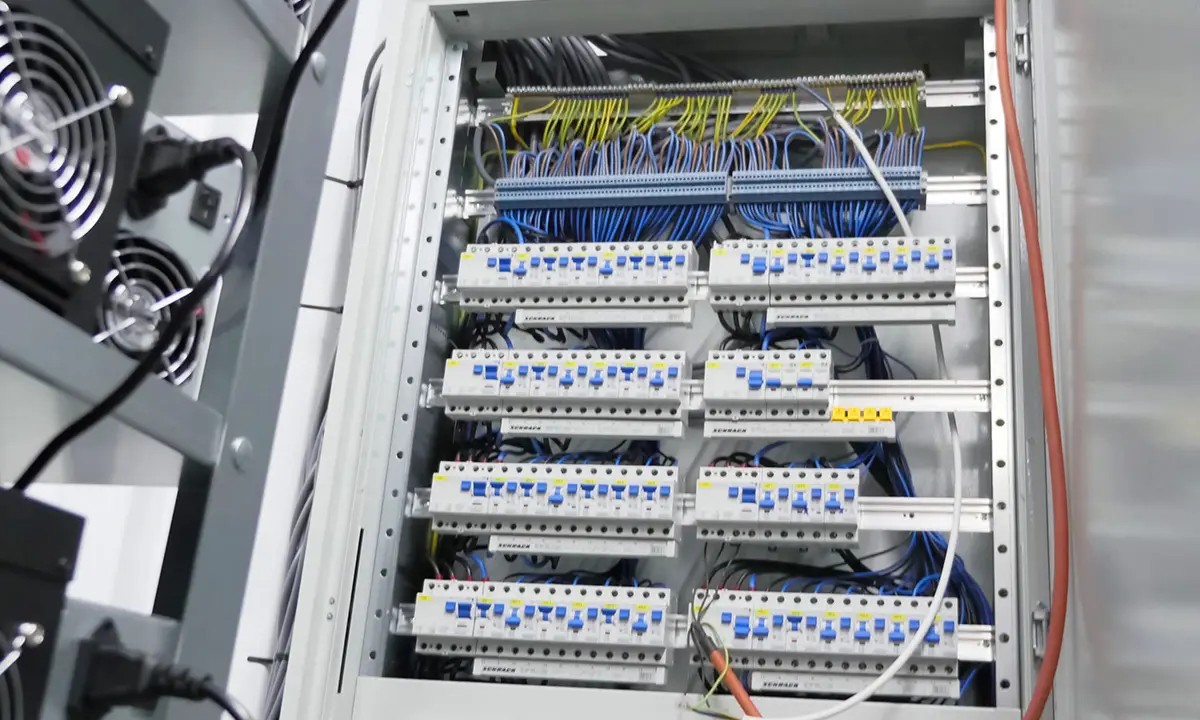
Our MCCBs provide robust protection for main commercial switches and household electrical entries, guarding against overloads and short circuits. Highly flexible frame designs allow installers to integrate auxiliary modules and alarm indicators directly into standard distribution boxes.
In industrial settings near furnaces or warm tropical regions, switchboards can exceed safe working temperatures. We build our controllers with high-temperature thermal barriers, treating structural copper and iron parts with corrosion-resistant finishes tested inside a constant 55 ℃ environment.
Equipped with telemetry, power monitoring, remote signaling, and edge computing capability, these smart MCCBs do not just trip on faults. They measure high-precision voltage and current values, reporting grid performance metrics directly to automated power monitoring tools.
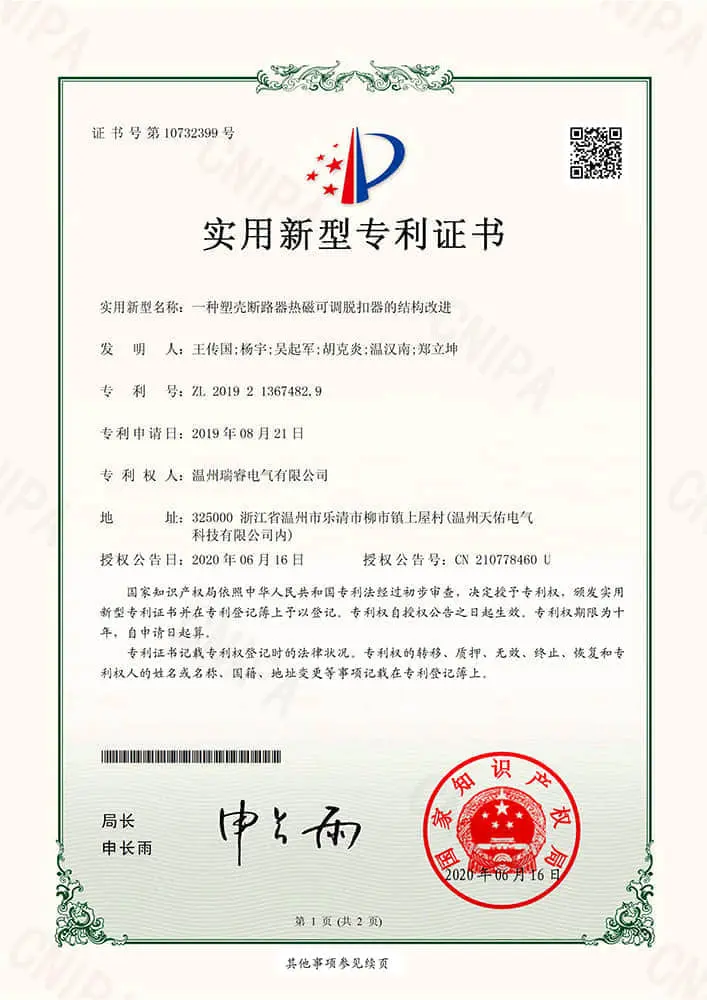
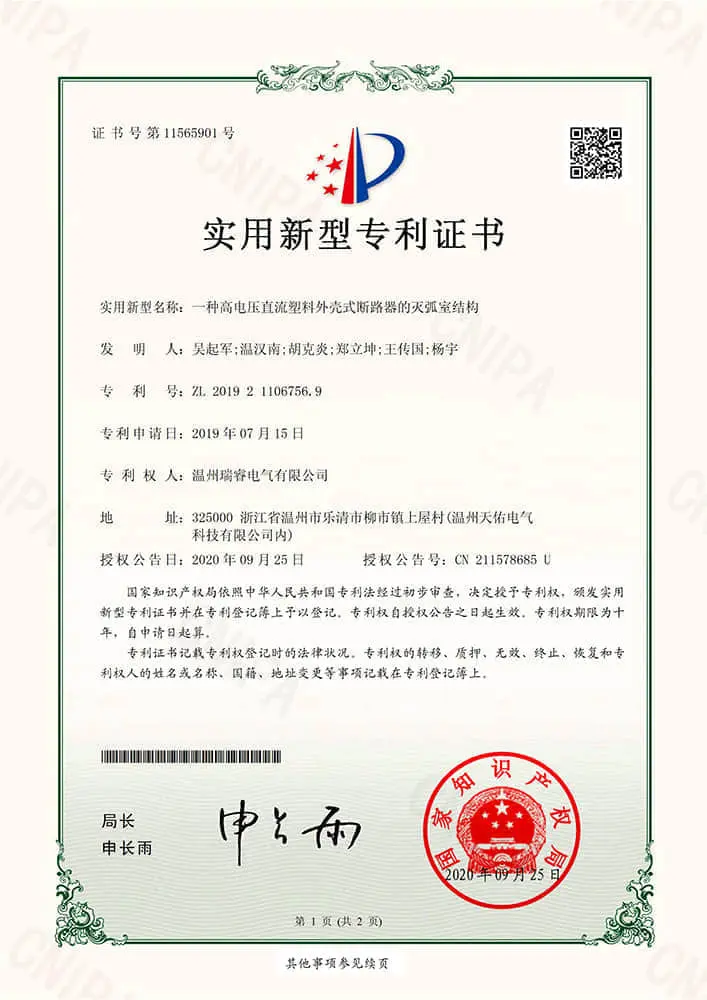
To maintain a competitive edge, Acereare Electric continuously updates its technical roadmap. The primary engineering goal is to reduce dimensions while increasing breaking capacity (Icu). The transition from standard silver contact tips to matrix-arranged silver-nickel-tungsten alloy contacts has significantly reduced contact wear under arc conditions.
Furthermore, our next-generation MCCB frames incorporate composite resin insulation materials that provide self-extinguishing safety ratings (UL94 V-0). The internal mechanical trip structure is undergoing a transition from traditional spring-lever systems to modular micro-solenoids. This shift allows for instantaneous tripping in under 2 milliseconds when confronting dead short circuits.
| Feature / Parameter | Standard Thermal-Magnetic (ARXM3) | Advanced Electronic LSIG (ARM3E / ARM5E) | Photovoltaic DC Series (ARM6DC) |
|---|---|---|---|
| Rated Voltage (Ue) | AC 400V / 690V | AC 400V / 690V | DC 700V / 1000V / 1500V |
| Current Range (In) | 63A - 125A (Frame scale up to 400A) | 125A - 630A (Microprocessor regulated) | Up to 250A / 300A / 630A |
| Trip Response Adjustability | Fixed or Manual Thermal Adjustment Dial | Digital LCD interface with fine LSIG steps | Optimized for DC time constants & high transient fault |
| Main Applications | General commercial lines, standard motors | Smart factories, data centers, hospitals | Solar PV string combiners, utility solar stations |
Experience our advanced automated assembly, component calibration, and strict quality verification processes. We invite you to view our production line video to see how we maintain consistent quality across our product range.
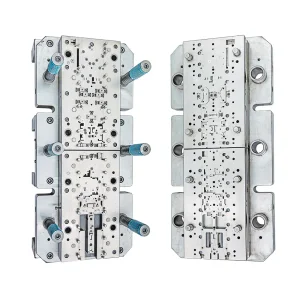
Acereare Electric offers a comprehensive portfolio of power protection devices, ranging from molded case circuit breakers (MCCB) and air circuit breakers (ACB) to stamped internal components.
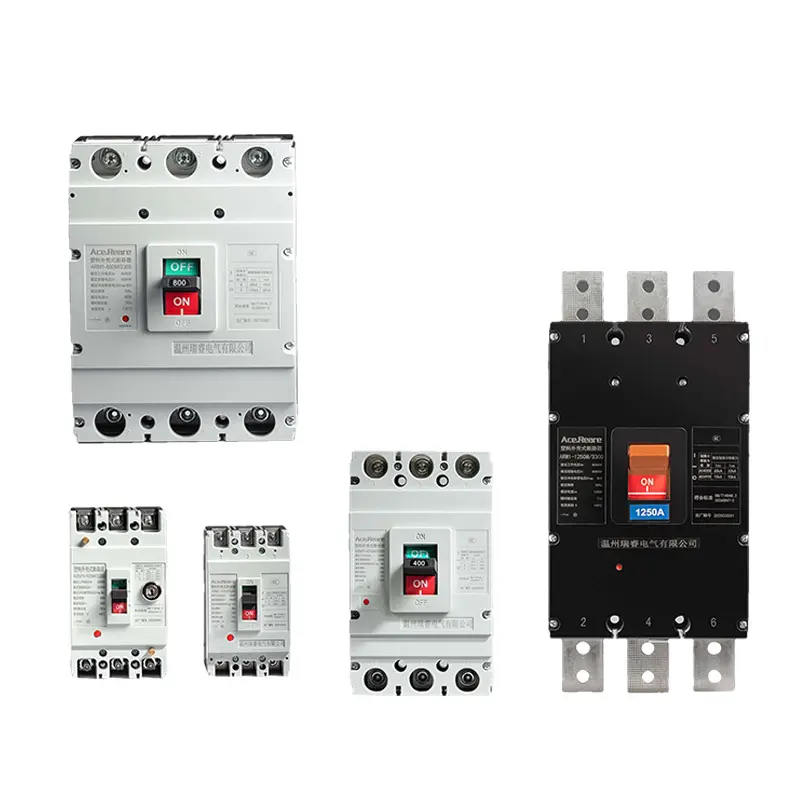
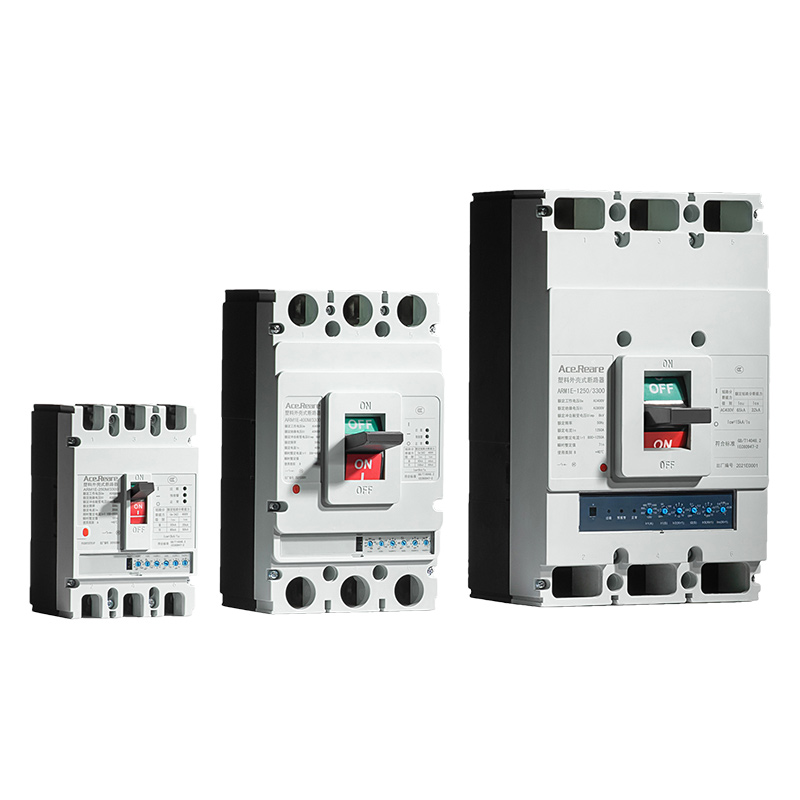
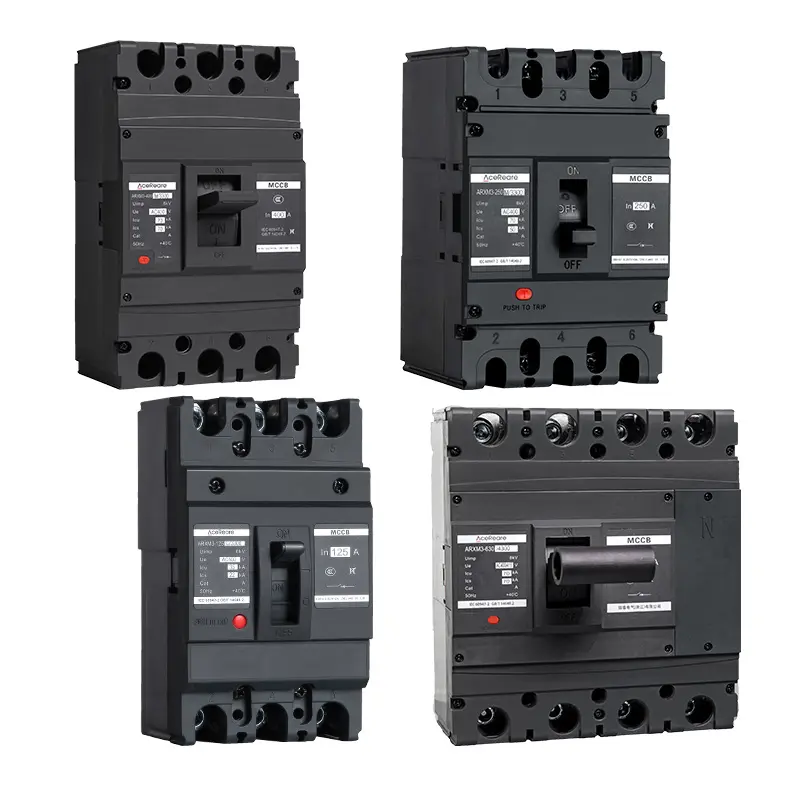
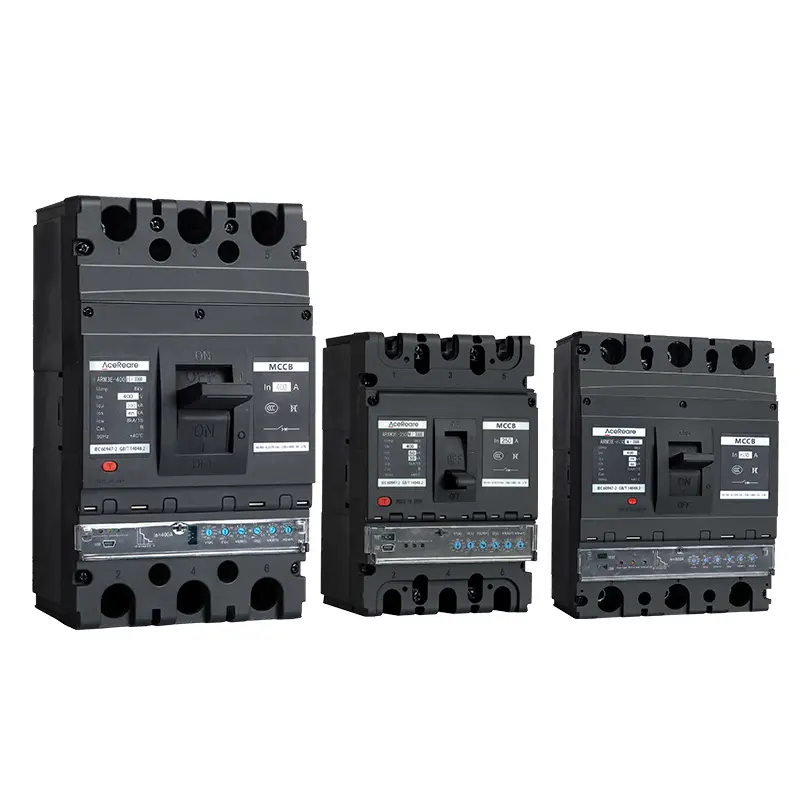
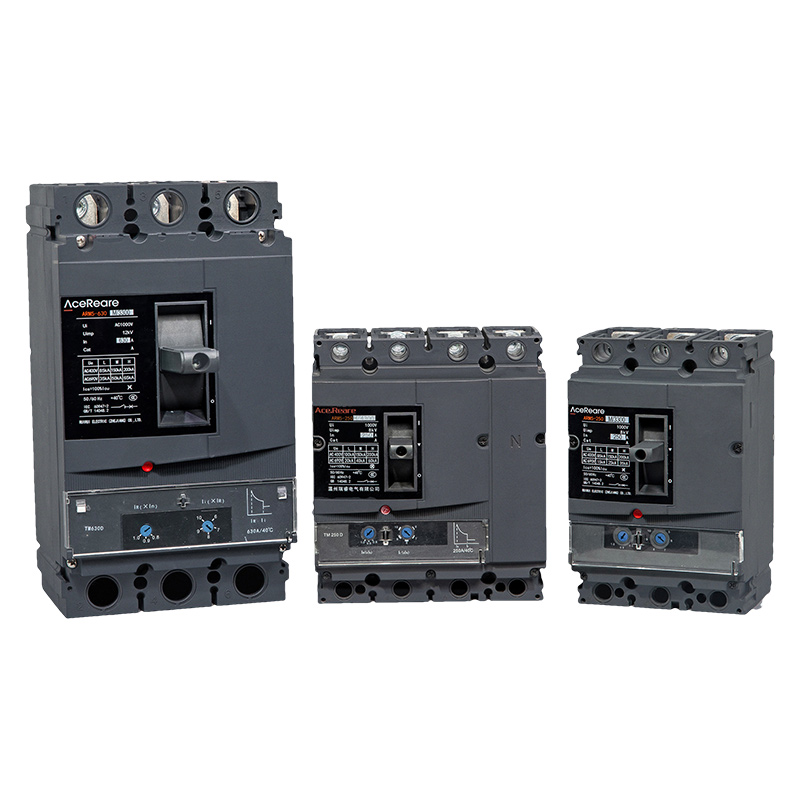
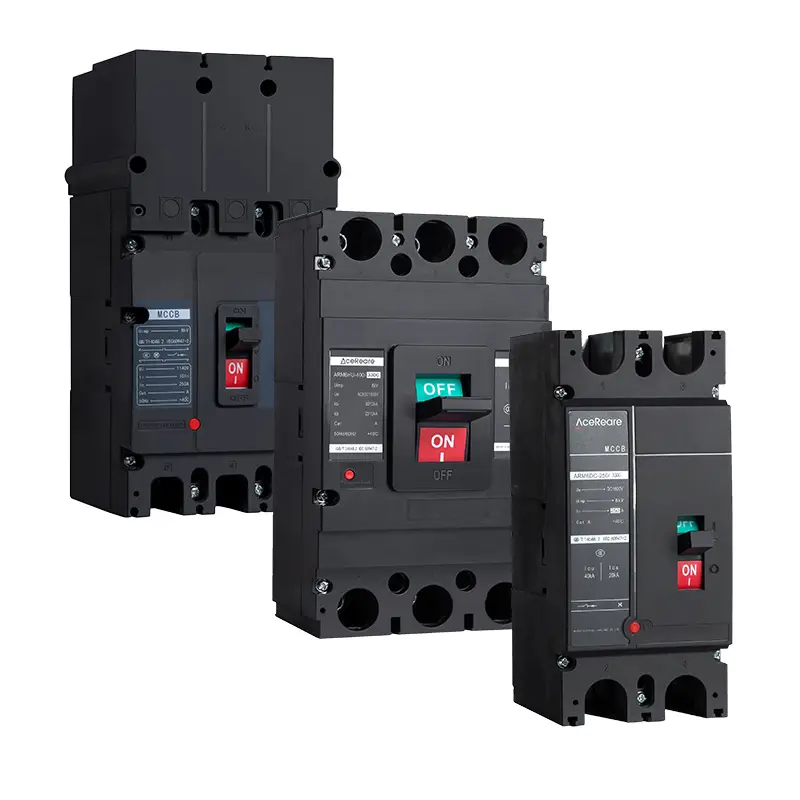
Partner with us to customize our product designs for your local market.
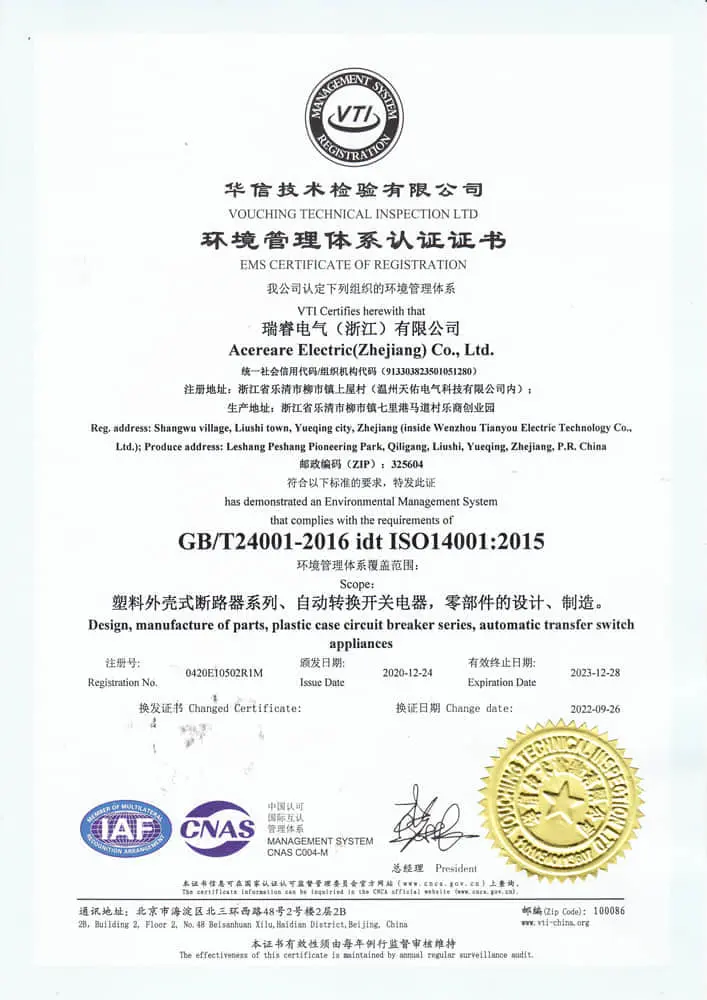
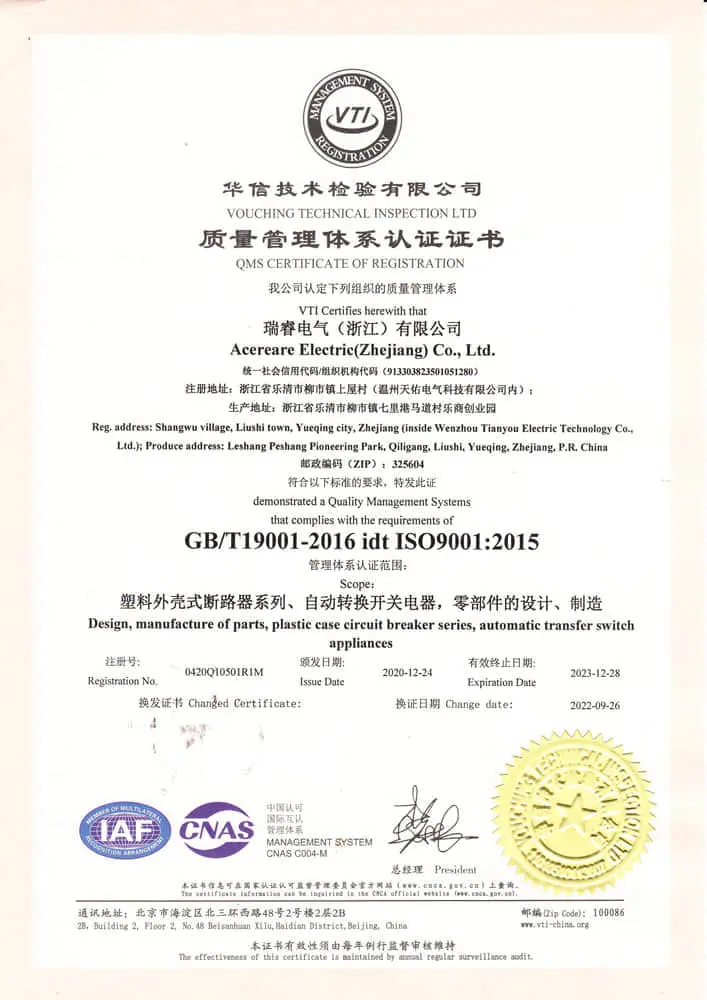
Our products undergo rigorous third-party testing to comply with international electrical safety guidelines.

Technical insights and purchasing guidance regarding 300 Amp MCCB products.
A thermal-magnetic 300 Amp MCCB uses a bimetal element for overload protection and an electromagnet for short-circuit protection. It is a reliable, economical option but has limited adjustability. In contrast, an electronic trip unit (ETU) uses current transformers and microprocessors to monitor currents. It offers adjustable LSIG (Long, Short, Instantaneous, Ground) parameters, allowing for precise system coordination and integration with monitoring networks.
At altitudes above 2000 meters, the lower air density reduces the air's cooling efficiency and dielectric strength. This requires derating the MCCB's rated current (In) and operating voltage (Ue) to prevent overheating and dielectric breakdown. Acereare Electric provides high-altitude derating tables to assist in selecting the appropriate model for your environment.
Generally, standard AC MCCBs cannot be used directly in high-voltage DC circuits because DC arcs are much harder to extinguish than AC arcs. For DC applications (like solar PV arrays at 1000VDC or 1500VDC), we supply specialized DC MCCBs (such as our ARM6DC series) designed with specific contact configurations and arc-chute designs to extinguish DC arcs safely.
Our manufacturing plants and products comply with major international standards. We hold CE certifications, ISO9001 quality system certifications, and CCC marks. We also work with customers to secure specific regional certifications (such as CB, KEMA, or UL test reports) as part of our OEM/ODM partnership program.
Ultimate Breaking Capacity (Icu) is the maximum short-circuit current that the MCCB can interrupt safely, though the breaker may need replacement afterward. Service Breaking Capacity (Ics) is the short-circuit current the breaker can interrupt and still remain operational. Quality-focused manufacturers aim for an Ics rating equal to 100% of the Icu (Ics = 100% Icu) to ensure maximum reliability.
 AceReare