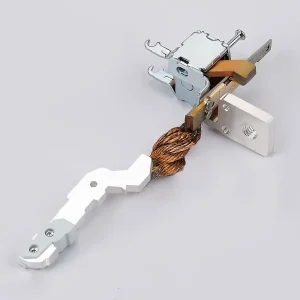
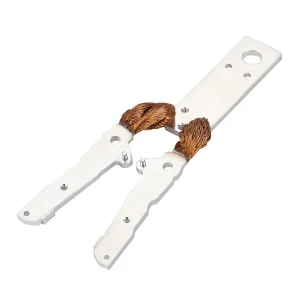
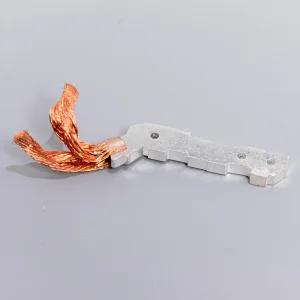
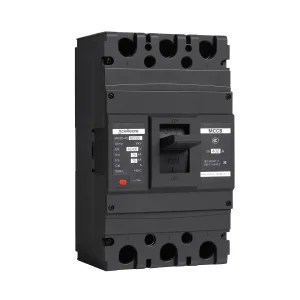
Featured switchgear components engineered for cold-weather reliability, high-dielectric thresholds, and stable contact resistance.
Seeking specific metallurgical compositions, resistance characteristics, or bespoke dimensions for your Finnish switchgear line?
Send Inquiry NowFounded in 2015 with our wholly-owned subsidiaries RuiRui Electric and KeRui Electric, Acereare is a powerhouse in molded case circuit breaker (MCCB) components and air circuit breakers (ACB). Inheriting over two generations of craftsmanship and critical engineering experience spanning 20+ years, our operations rank among the top ODM partners globally.
We focus on core electrical contact systems, delivering specialized metal welding parts, silvered moving contacts, and robust arc chamber components to key industrial actors across Europe, including the highly demanding networks in Finland.

Finland's modern industrial economy relies heavily on deep decarbonization, high-efficiency automation, and stable, robust grid operations. From the massive marine shipyards of Turku and Helsinki to the heavy pulping mills of Kemi, and down to the complex solar and wind installations in Ostrobothnia, the electrical infrastructure operates under some of the most unforgiving climatic conditions globally.
At the core of all switchgear, molded case circuit breakers (MCCB) operate as the ultimate mechanical line of defense. The performance of these breakers rests entirely on the integrity of their interior metal components, particularly the moving contacts, stationary contacts, and copper terminal connections. These components are created by joining highly conductive silver alloys with sturdy copper structures using high-precision metal welding, brazing, and metalworking processes.
In Nordic grids, thermal expansion, thermal cycling, and brittle fracturing at low temperatures are severe threats to electrical switchgear. Operating in ambient temperatures down to -40°C demands that the copper-silver weld interfaces maintain complete molecular integrity.
The electrical contact manufacturing industry is transitioning from manual induction brazing to high-speed automated laser welding and fiber-laser micro-welding. This change narrows the Heat-Affected Zone (HAZ), preserving the hardness and physical properties of the cold-worked copper terminal while forming a highly reliable molecular bond with the silver-nickel or silver-tin-oxide contacts.
| Base Alloy Material | Contact Interface Surface | Welding Methodology | Target Application Performance |
|---|---|---|---|
| T2 Electrolytic Copper | AgNi10 (Silver Nickel) | Automated Medium Frequency Inverter Welding | General distribution, high electrical and thermal conductivity. |
| Oxygen-free Copper (OFE) | AgSnO2 (Silver Tin Oxide) | High-Precision Laser Welding | High-inrush loads, renewable energy plants, anti-welding properties. |
| High-Conductivity Brass / Bronze | Fine Silver / Silver-Plated | Resistance Butt Brazing | Automotive electrical parts, low-current auxiliary contacts. |
Acereare provides end-to-end technical support for Finnish electrical equipment OEMs. We design custom tooling, execute multi-stage mechanical simulations, and implement strict quality testing routines to meet European safety standards.
One-stop production combining automated silver contact welding, stamping, and testing to minimize human error and ensure component consistency.
On-site testing facilities checking shear strength, metallurgical cross-sections, micro-hardness, and salt spray resistance up to 72 hours.
State-of-the-art cladding and localized silvering tech that places silver only where needed, reducing material costs while maintaining low contact resistance.
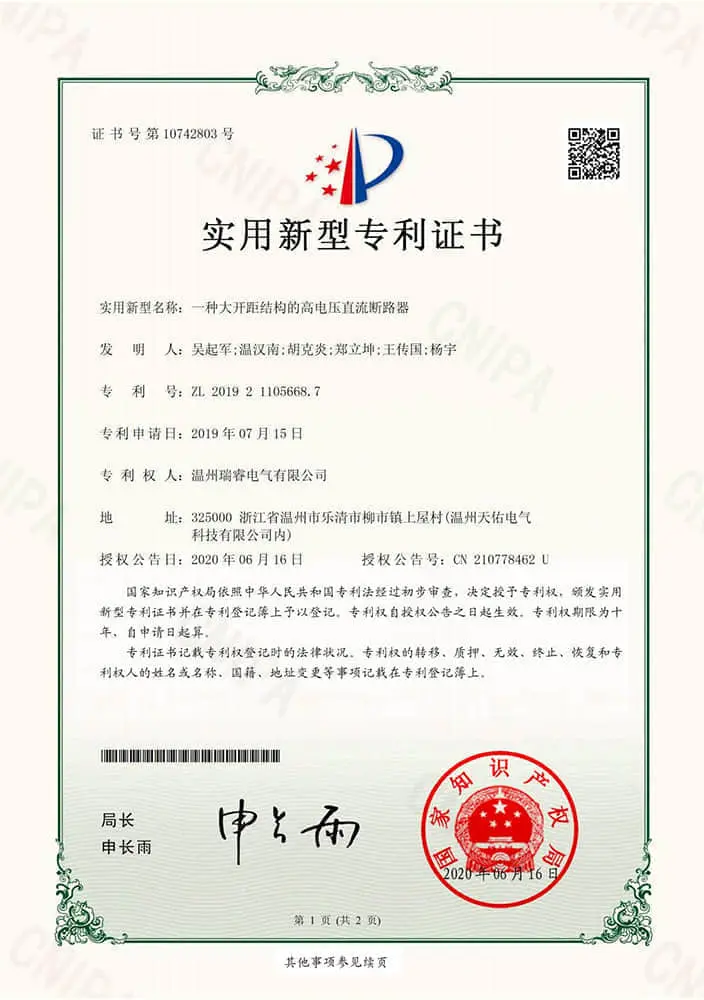
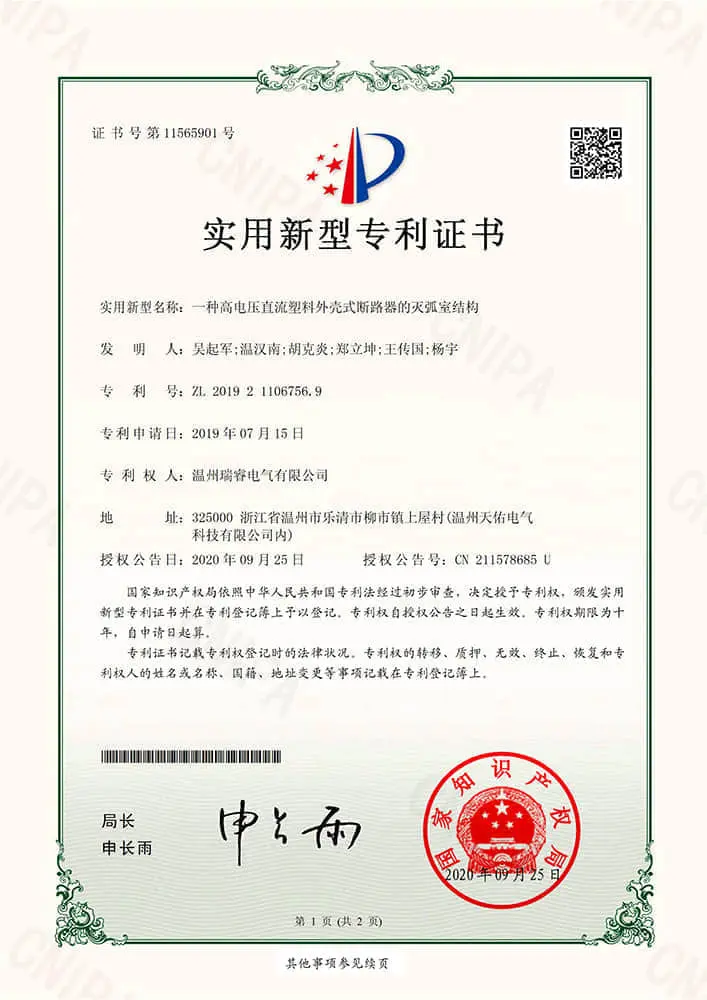
Production processes and materials aligned with CE, CCC, ISO9001, and RoHS requirements for straightforward integration into European switchgear.
Custom environmental adaptations ensuring optimal safety and long service life across Northern Europe.
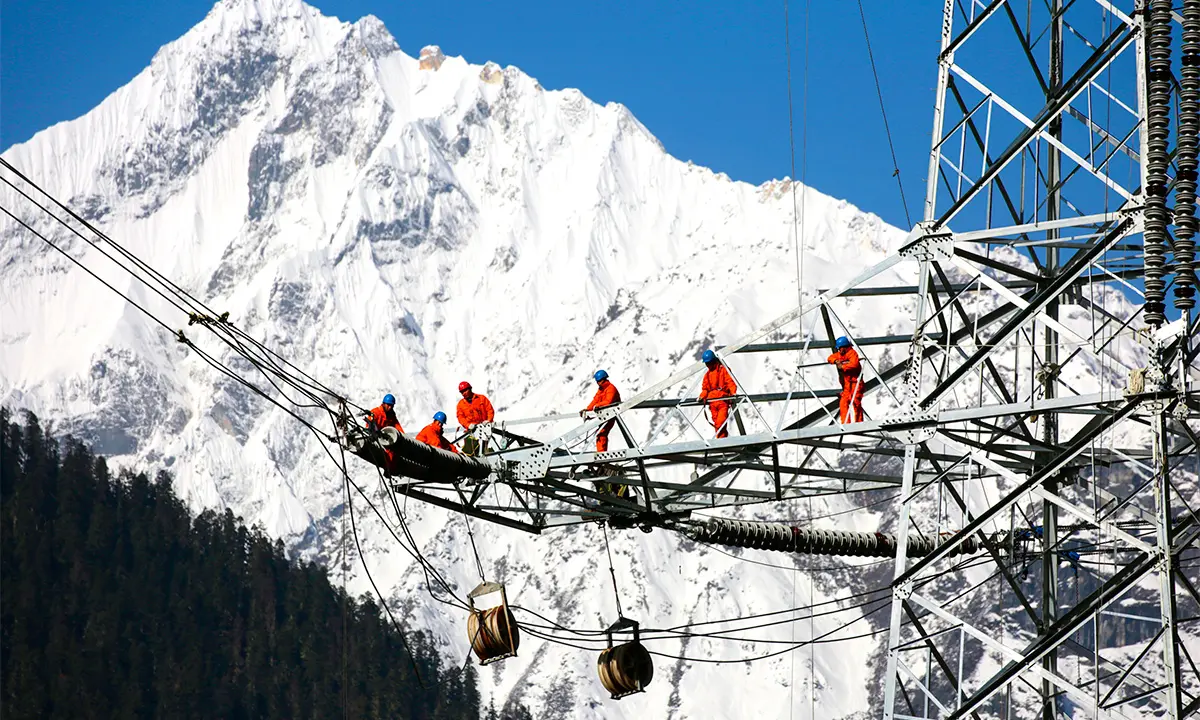
Using special low-temperature lubricants, alloys resistant to cold embrittlement, and thick anti-corrosion coatings. Fully tested to operate down to -40°C for reliable performance in Lapland and Northern Finland.

Advanced salt spray resistance with 72-hour machine validation. These components prevent oxidation and salt-mist corrosion, keeping key electrical equipment running reliably on ships and docks.
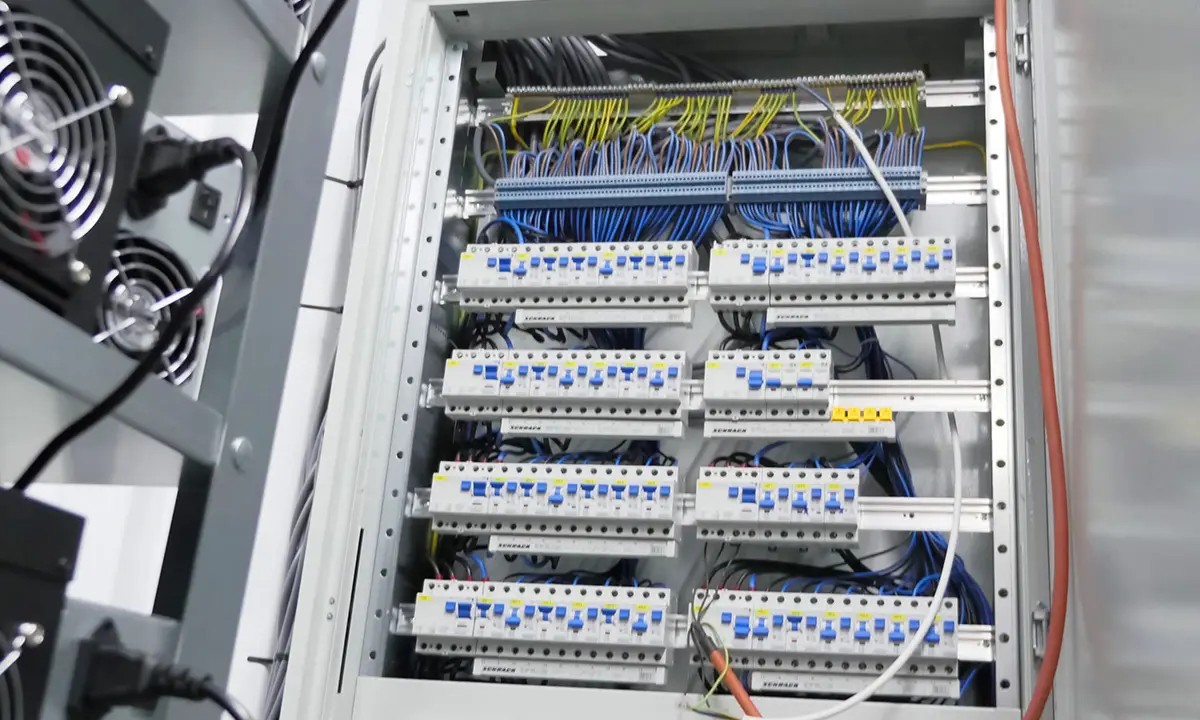
Engineered for solar arrays and wind power installations. High-conductivity contacts support smart metering, edge computing, and real-time monitoring of grids up to 800VAC / 1000VAC.
Molded case circuit breakers, thermal-magnetic mechanisms, and air circuit breakers matching European grid requirements.
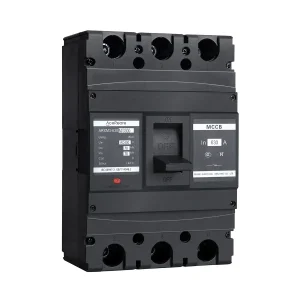
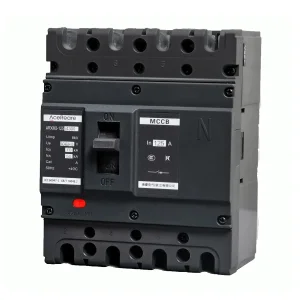
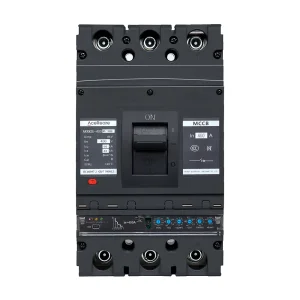
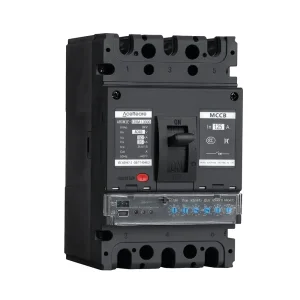
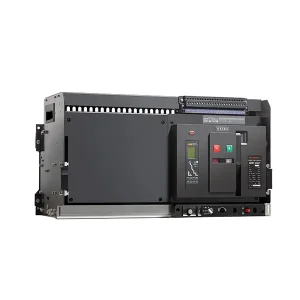
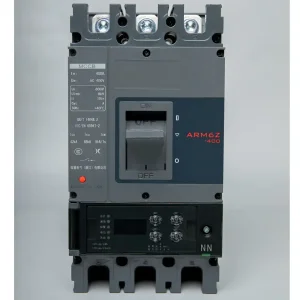
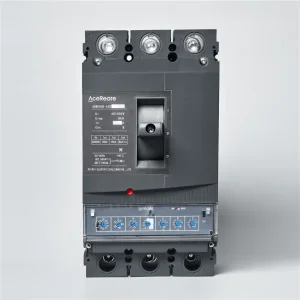
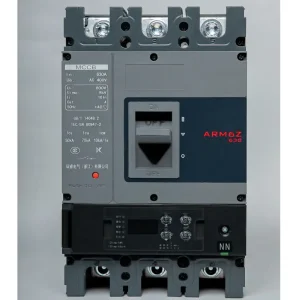
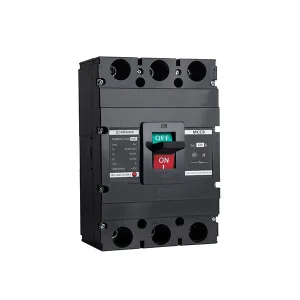
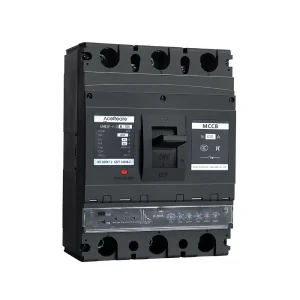
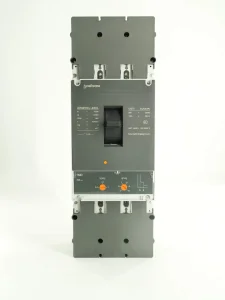
Providing high-precision components, custom moldings, and international certifications to speed up your product deployments.
Tested and verified products meeting European standards for reliable grid operations.
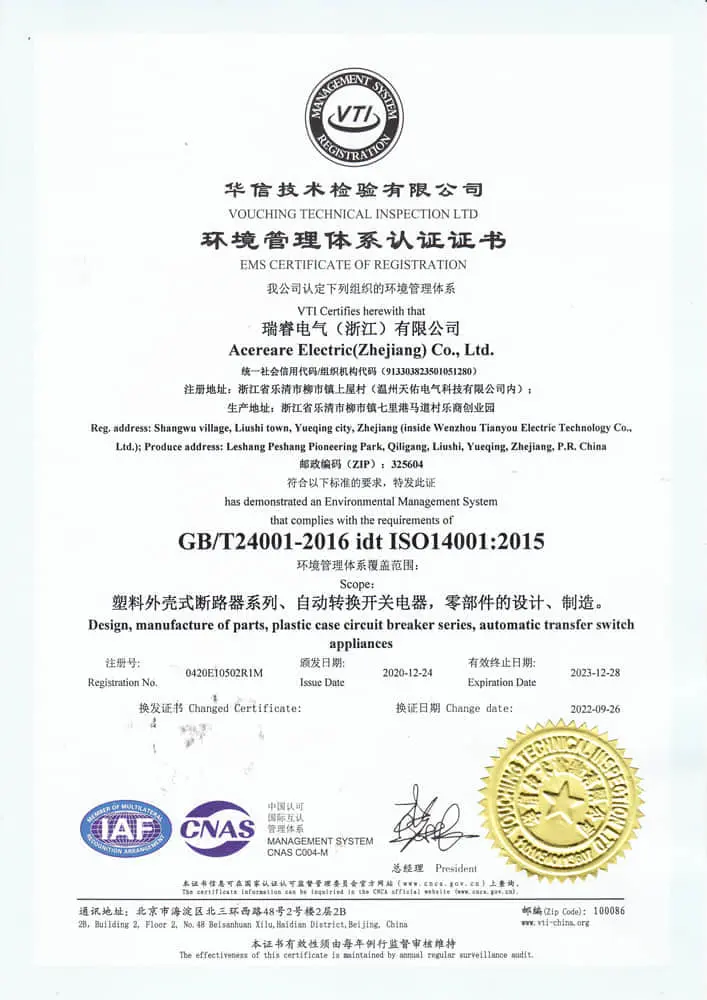
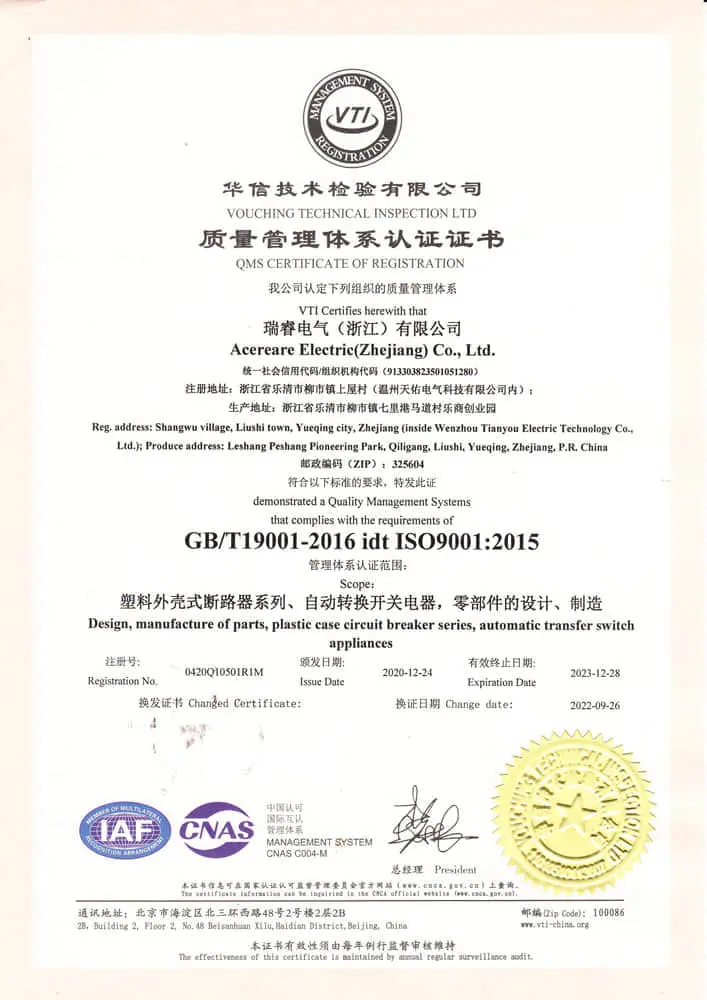
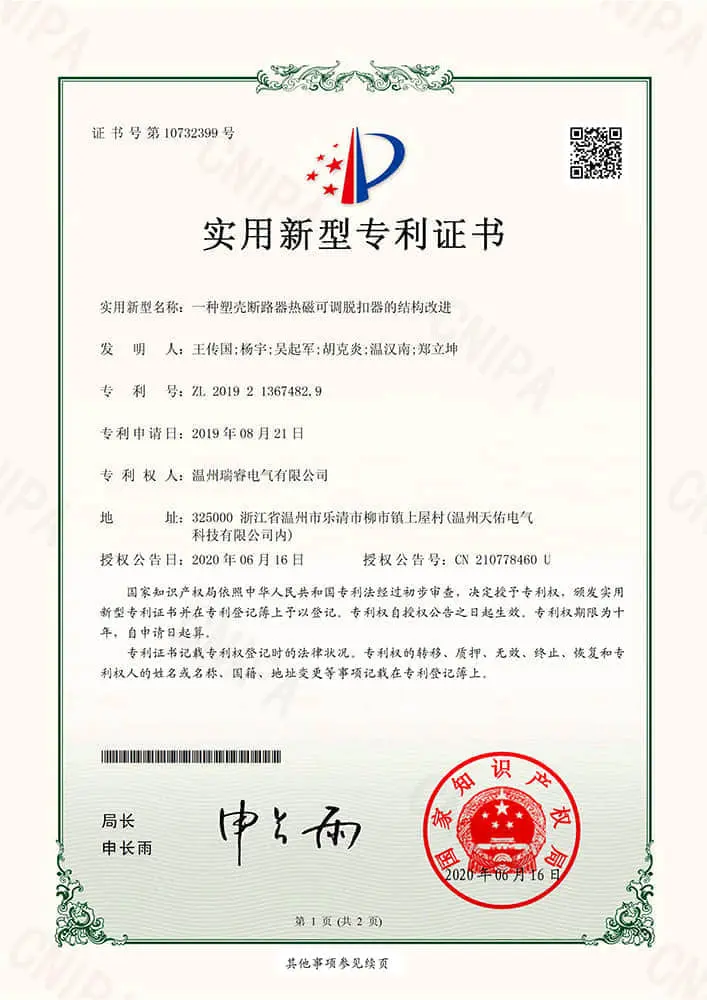
Crucial engineering insights on welding quality, materials, and international logistics.
 AceReare