 AceReare
1 / 1
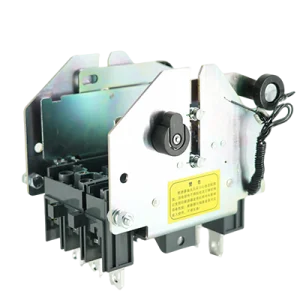
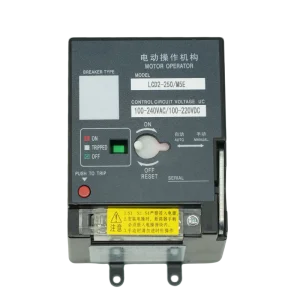
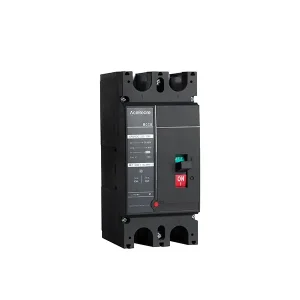
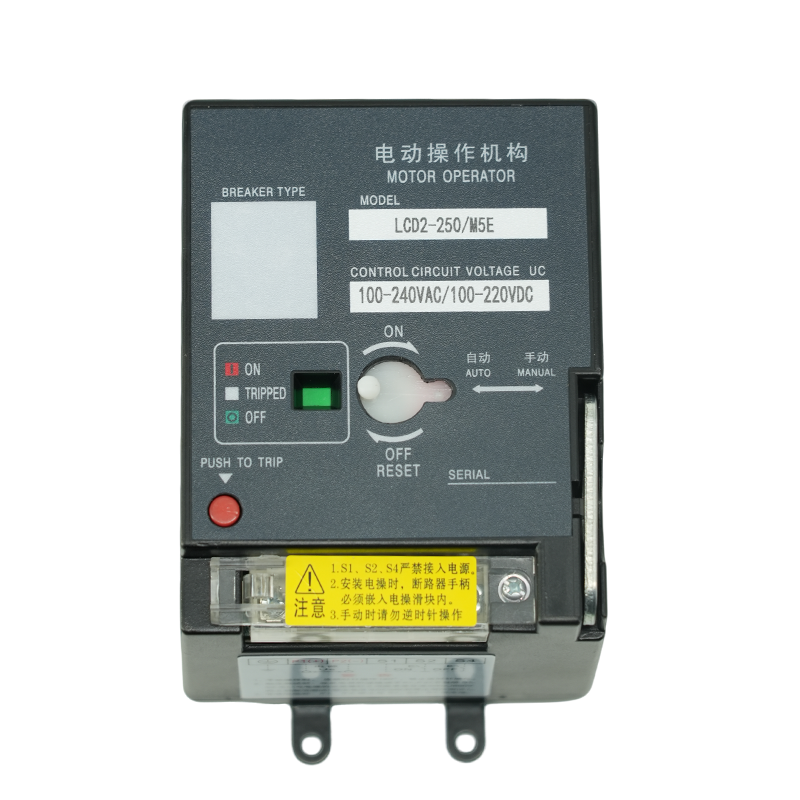
Install motor transmission components on molded case circuit breakers (MCCBs), using motors instead of manual handles to complete closing, opening, and re-closing operations, achieving non-manual electric control.
Remote opening and closing of the central control room and backend, without the need to go to the distribution room to operate the cabinet on site.
With dual power supply PLC, Fire protection system, automatic switching of main and backup power, automatic power-off in case of fault/fire alarm.
Personnel do not need to approach live circuits to reduce the risk of electric shock and arc injury, and avoid manual operation errors.
It can upload the status of closing, opening, and fault, and cooperate with instruments to achieve remote monitoring of distribution status.
Start and stop high-power equipment in sequence to achieve electrical/mechanical interlocking and prevent misoperation and power supply parallel faults.

Risus commodo viverra maecenas accumsan lacus vel facilisis.
Risus commodo viverra maecenas accumsan lacus vel facilisis.
Risus commodo viverra maecenas accumsan lacus vel facilisis.
Risus commodo viverra maecenas accumsan lacus vel facilisis.
Risus commodo viverra maecenas accumsan lacus vel facilisis.
Risus commodo viverra maecenas accumsan lacus vel facilisis.
Risus commodo viverra maecenas accumsan lacus vel facilisis.
Risus commodo viverra maecenas accumsan lacus vel facilisis.
The motor transmission components are installed on molded case circuit breakers (MCCBs) to replace manual handles. This allows motors to perform closing, opening, and re-closing operations dynamically, achieving non-manual electric control.
It allows operators in the central control room or backend system to perform remote opening and closing commands without physically visiting the distribution room to handle the cabinet on site.
It can link with dual power supply PLCs and fire protection systems, enabling automatic switching of main and backup power, and triggering automatic power-off actions during faults or fire alarms.
By eliminating the need for personnel to approach live circuits, it minimizes the potential risks of electric shocks and arc injuries while reducing human error during manual operation.
Yes. The system uploads real-time feedback regarding the breaker's status—whether closed, open, or experiencing a fault. This status data interfaces with monitoring instruments for complete remote oversight.
It allows the sequential startup and shutdown of high-power equipment. By establishing electrical and mechanical interlocking, it prevents operational mistakes and avoids power supply parallel faults.