Explore our elite selection of molded case circuit breakers and modular electrical distribution systems developed for industrial applications.
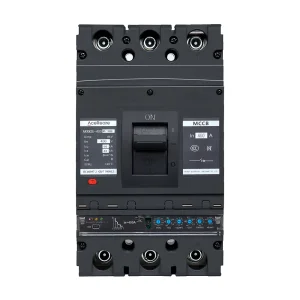
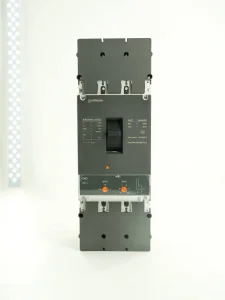
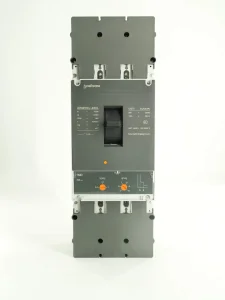
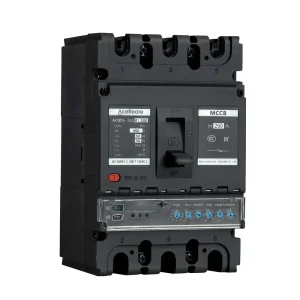
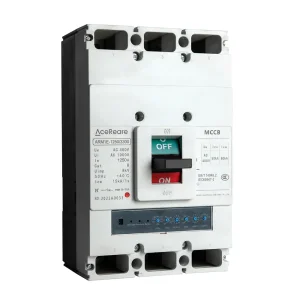
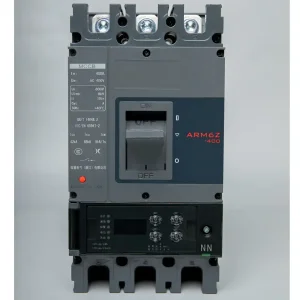
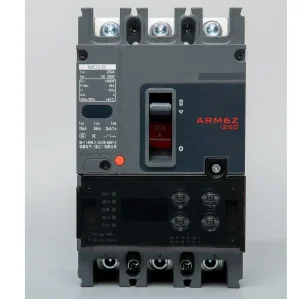
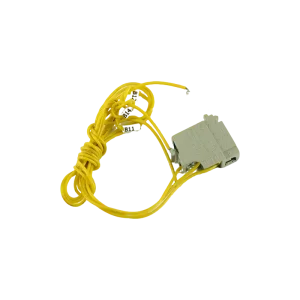
In modern industrial and infrastructure distribution networks, the Air Circuit Breaker (ACB) serves as the critical gatekeeper of power distribution panels and switchgears. Positioned at the primary incoming feeder levels, ACBs protect power networks rated from 400A up to 6300A against overloads, short-circuits, earth faults, and voltage drops. As heavy industries shift towards electrification and smart grid connectivity, the demand for highly reliable ACB circuit protection has reached unprecedented levels.
Industries such as hyperscale data centers, automotive assembly plants, automated manufacturing systems, and marine dry docks require continuous, clean power. An unexpected shutdown due to localized breaker failures can lead to massive revenue loss. Globally, electrical engineers prioritize breakers with high short-time withstand current ratings ($I_{cw}$), ensuring system coordination and selectivity—enabling downstream Molded Case Circuit Breakers (MCCB) to clear local faults without interrupting the main switchboard feed.
Understanding how an ACB breaker works requires looking at the integration of contact geometry, arc runners, safety shutters, and microprocessor-based trip units. By utilizing ambient air as the insulating medium to extinguish arcs, ACBs deliver a durable, service-friendly, and cost-effective circuit management framework.

How air-break technology and electronic release systems mitigate high-current short circuits.
An Air Circuit Breaker works on a straightforward yet highly refined principle: using the surrounding air as the primary arc extinction and dielectric isolation medium. When a fault is detected by the intelligent trip unit, the operating mechanism releases its stored energy, forcing the main contacts to separate rapidly.
Modern units, like our ARW1 Series Intelligent ACB, integrate microprocessors that execute complex LSIG (Long-time, Short-time, Instantaneous, Ground-fault) protection algorithms. This allows precise time-current grading coordination, minimizing false trips and localized zone outages.
Over 20 years of craftsmanship inherited by two generations. Founded in 2015, integrating subsidiaries RuiRui Electric and KeRui Electric.
One-stop service spanning six processing techniques. Our facility operates high-precision production machinery, comprehensive testing systems, and more than 10 manual and automated assembly lines.
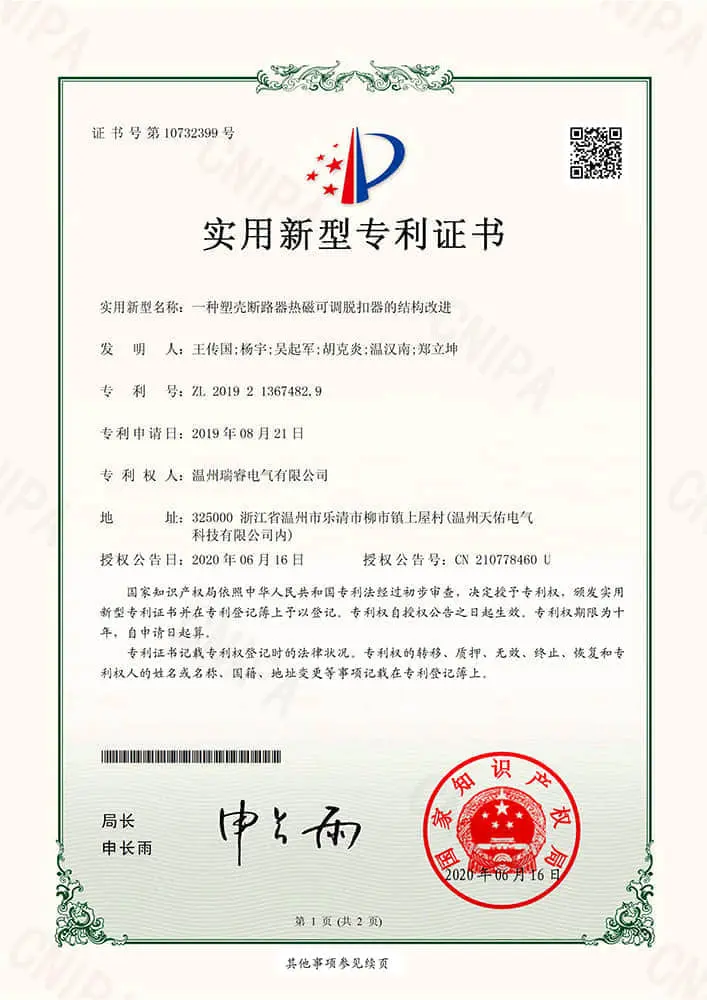
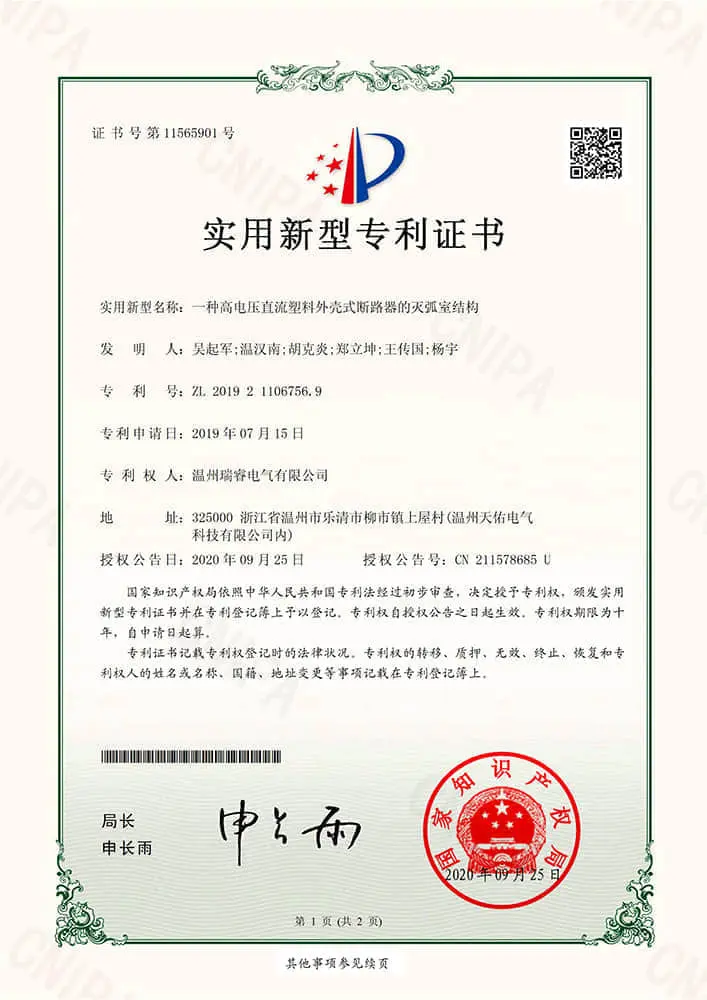
Supported by a team of over 50 R&D engineers, each holding 5+ years of industry experience. We utilize advanced 3D software for design of components, molds, and finished assemblies, executing over 50 projects annually.
Operating two core factories specializing in raw component fabrication and final product assembly. We integrate management workflows through ERP and U8 software to ensure short lead times.
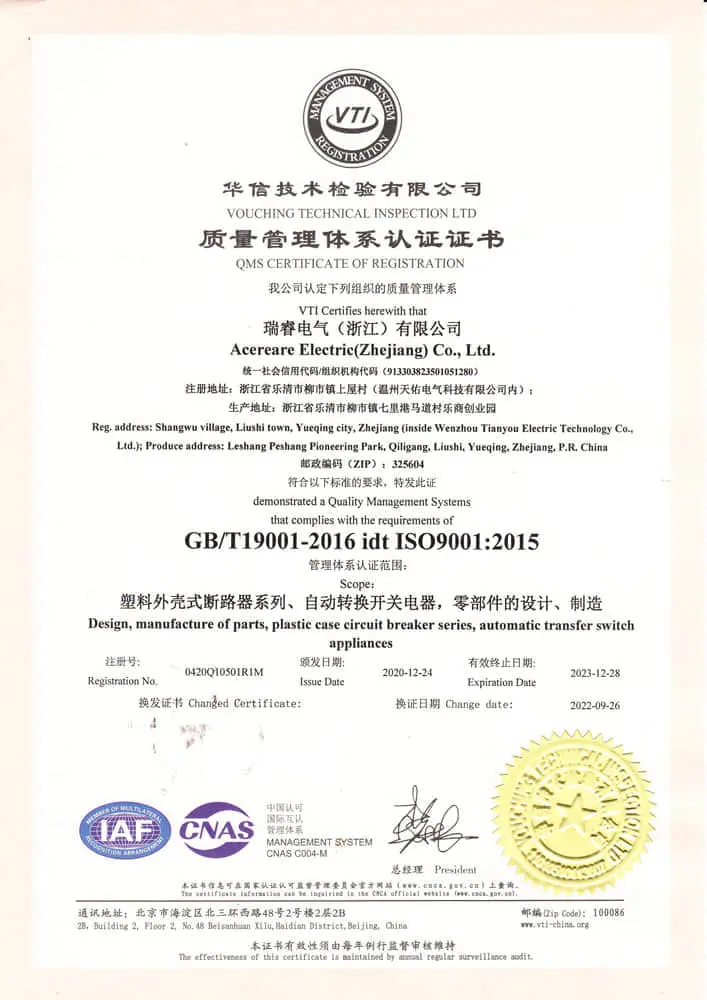
A multi-step quality control workflow managed within our dedicated laboratory. Equipped with 150+ testing instruments, 20+ specialized inspectors, and integration with PLM, BI, ERP, and MES systems.
Detailed specification profiles of our key breaker series designed to withstand extreme industrial operations.
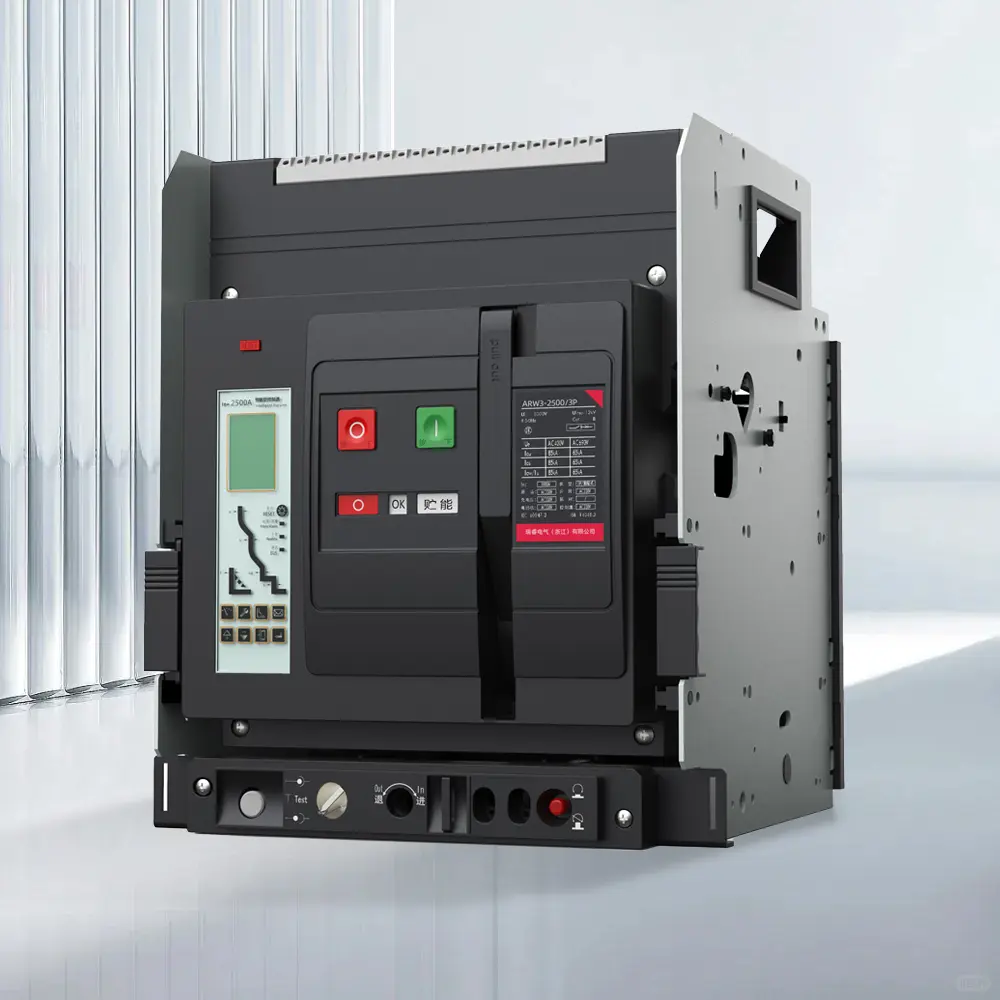
The ARW1 series intelligent type ACB is applicable to AC 50Hz/60Hz distribution networks with rated operational voltages up to 690V, and rated current ranging from 400A to 6300A. It is designed to deliver power distribution security with selective trip characteristics, minimizing unnecessary outages.
Standard features include:
| Parameter Description | ARW1 Series (ACB) | ARM3E Series (Electronic) | ARXM3 Series (Thermal-Mag) | ARM5HU Series (HV MCCB) |
|---|---|---|---|---|
| Rated Current Range ($I_n$) | 400A to 6300A | 32A to 1250A | 16A to 800A | 100A to 630A |
| Rated Operational Voltage ($U_e$) | 400V / 690VAC | 400V / 690VAC | 400VAC | 800V / 1140VAC |
| Short-Circuit Breaking Capacity ($I_{cu}$) | 85kA - 120kA | 50kA - 100kA | 36kA - 65kA | 35kA - 50kA |
| Microprocessor LSIG Control | Standard Integrated | Adjustable Dip Switches | N/A (Thermal-Magnetic) | Optional Release |
| Compliance Standards | IEC/EN 60947-2, GB/T 14048.2 | IEC/EN 60947-2 | IEC/EN 60947-2 | IEC/EN 60947-2 |
How our circuit breakers are customized to perform under extreme ambient and operating conditions.
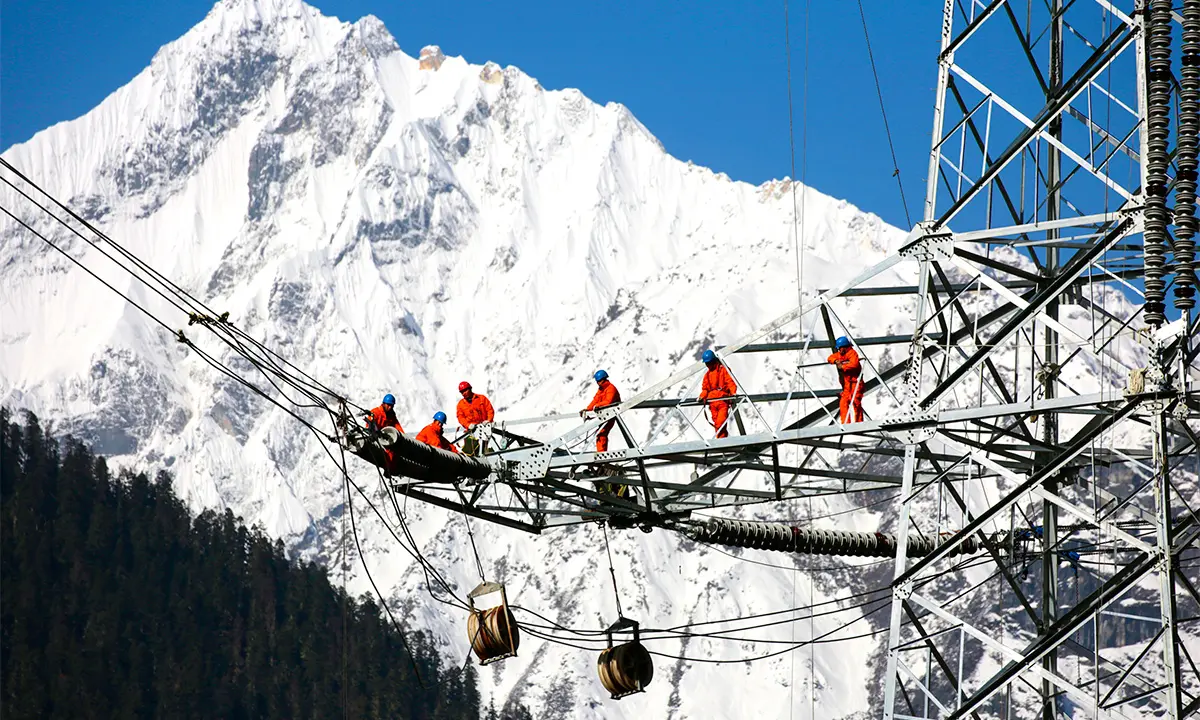
Utilizes low-temperature resistant structural polymers and specialized internal lubrication. Metal components feature thickened anti-corrosion platings to prevent brittleness under sub-zero operations.

Passed rigorous 72-hour full-machine and 48-hour sub-assembly salt spray tests. Designed for seaside docks and vessel distribution systems, protecting against humid, saline air.

For installations exceeding 2000m, dielectric properties are adjusted via systematic derating coefficients, correcting for reduced air density and heat dissipation efficiency.

Widely deployed to protect household and commercial electrical appliances from short circuits and overload faults. Focuses on space-saving footprints and low-noise switching operations.

Tested inside our custom 55 °C constant-temperature rooms. Controllers are coated with a thermal insulation layer. Internal copper conductors are sized to run cooler under rated current limits.
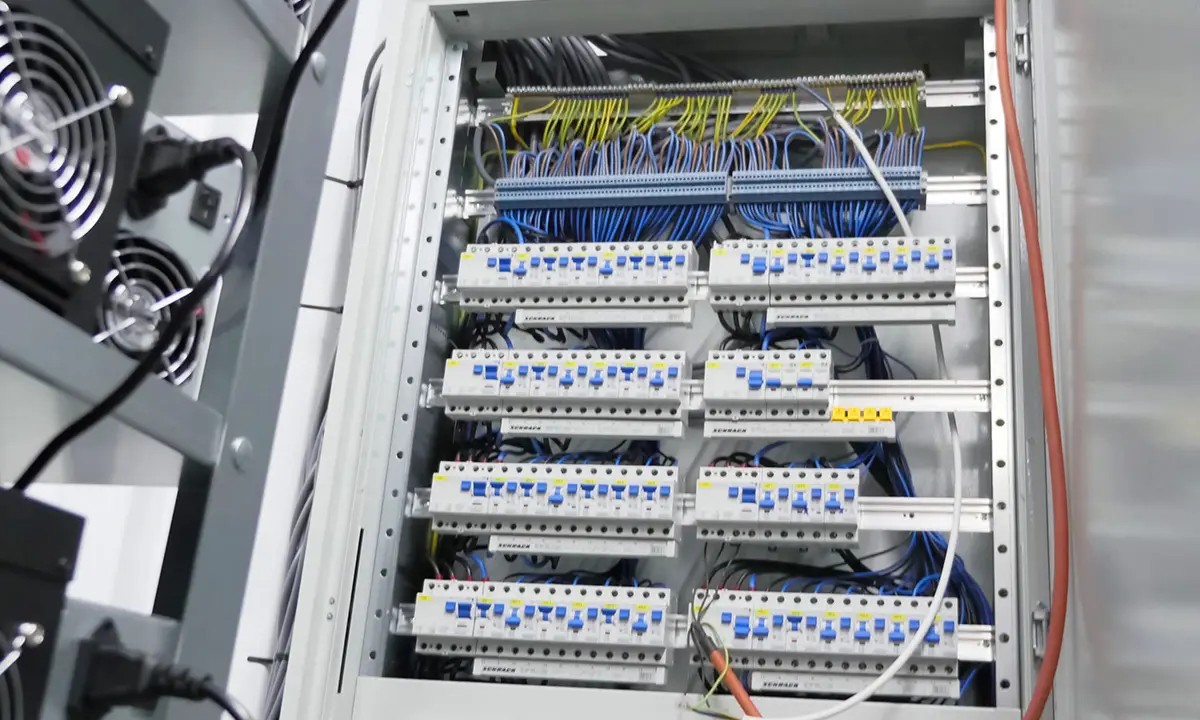
Integrated current transformers and microprocessor units measure and log electrical parameters, providing the data structure for edge computing and smart grid monitoring.
Assisting global switchgear manufacturers and distribution panel builders build market share and reliability.
Maximize market identification through tailored branding:
Technical resources to design and build switchboards:
Providing complete, off-the-shelf product solutions:
Purchasing managers, electrical contractors, and EPC consultants require more than basic specifications when selecting a circuit breaker manufacturer. To minimize long-term operational risk, global sourcing strategies focus on three pillars:
The lifespan of an Air Circuit Breaker depends heavily on the quality of its internal contacts and moving parts. Low-grade copper alloys can increase resistance, resulting in thermal runaways inside enclosed switchboards. Our manufacturing facilities use only high-purity copper and silver-alloy contact tips, ensuring minimal power loss and long contact life during short-circuit events.
Standardized manufacturing processes are critical for producing consistent contact geometry and calibration profiles. Our factories utilize automated precision molding, robotic weld stations, and calibrated mechanical assembly lines to ensure every breaker operates within strict IEC standard tolerances. Digital tools like ERP, PLM, and MES systems record the performance parameters of each unit, enabling full history tracing for every serial number.
A manufacturer's in-house laboratory must be capable of verifying product performance across a wide range of operational parameters. Our labs perform daily mechanical endurance runs, temperature rise checks under full load, and dielectric testing. This ensures that every breaker shipped meets the safety profiles required for critical distribution grids.
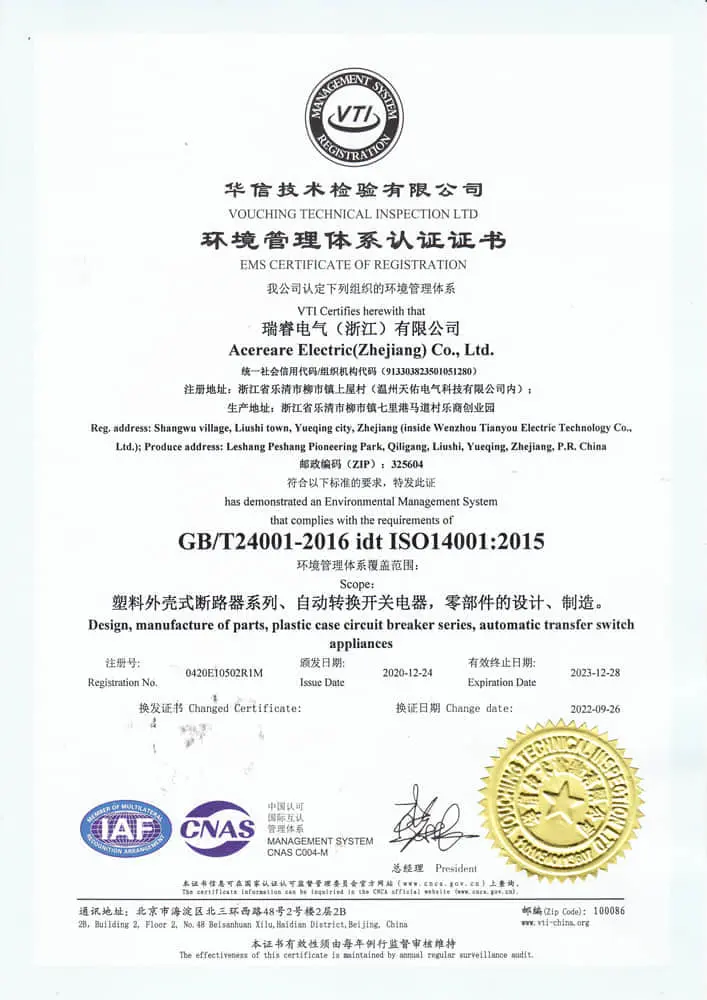

Critical engineering and sourcing answers directly from our technical support department.
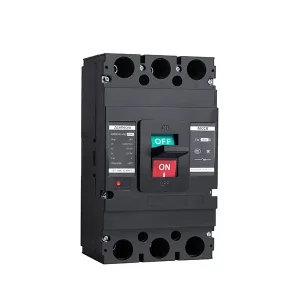
Explore our specialized molded case circuit breakers, draw-out accessories, and component solutions.
 AceReare