 AceReare
1 / 5

Risus commodo viverra maecenas accumsan lacus vel facilisis.

Risus commodo viverra maecenas accumsan lacus vel facilisis.
Risus commodo viverra maecenas accumsan lacus vel facilisis.
Risus commodo viverra maecenas accumsan lacus vel facilisis.
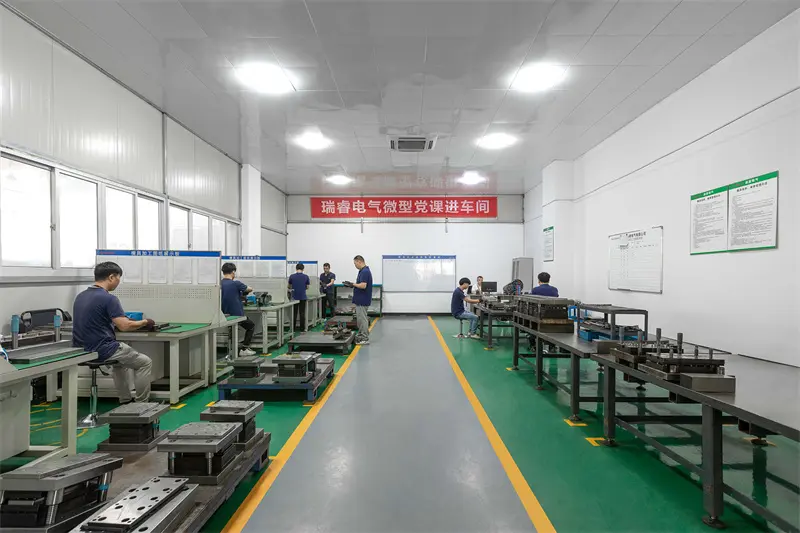
Risus commodo viverra maecenas accumsan lacus vel facilisis.
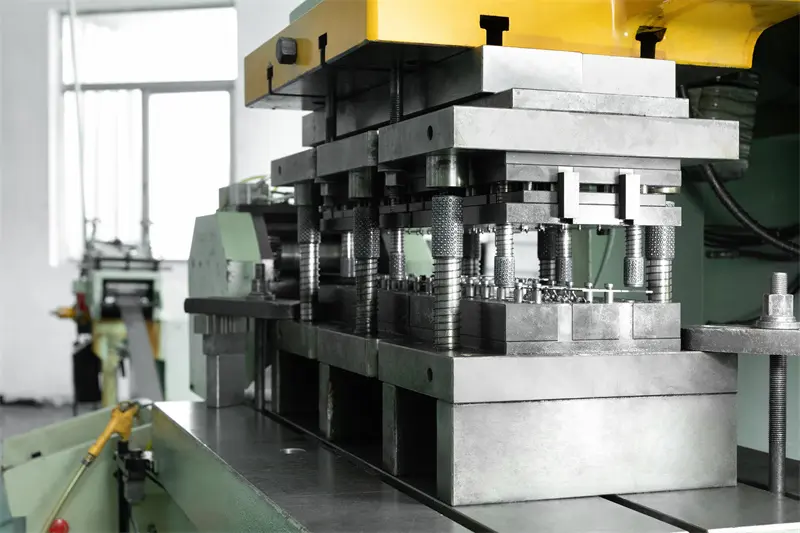
Risus commodo viverra maecenas accumsan lacus vel facilisis.
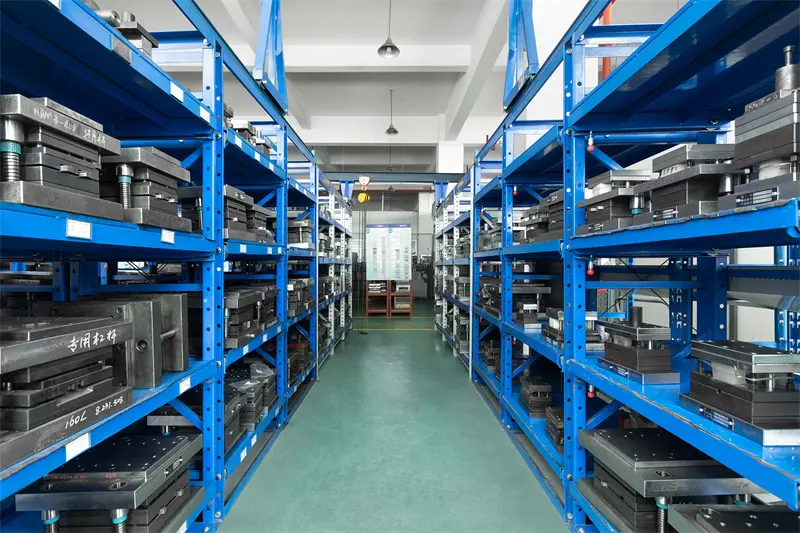
Risus commodo viverra maecenas accumsan lacus vel facilisis.

Risus commodo viverra maecenas accumsan lacus vel facilisis.
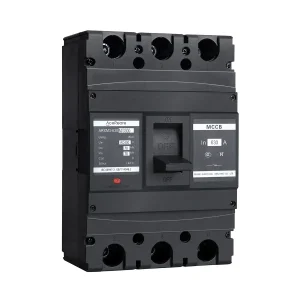
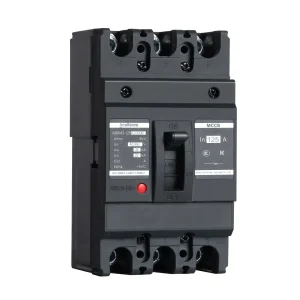
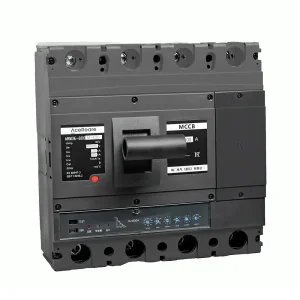
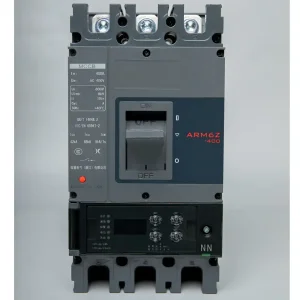
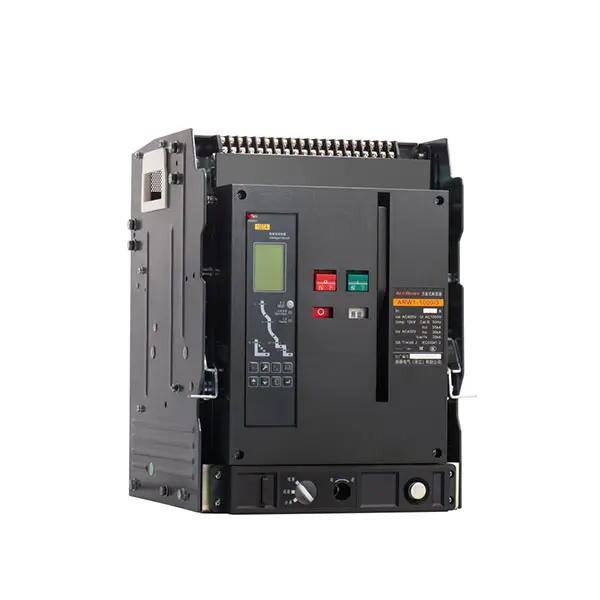
Circuit breakers are designed to interrupt and stop the flow of electricity under unsafe conditions, such as during overcurrents or short circuits, to prevent equipment damage and maintain safety.
When the contacts of an ACB separate, an arc is created. The system utilizes pressurized air along with conductive elements to safely guide the arc away from the circuit, stretching it until it is completely extinguished.
Air circuit breakers are considered a safer alternative to oil circuit breakers because they use pressurized air to eliminate the electrical arc rather than oil, which poses higher safety risks.
The main difference lies in the medium used to extinguish the arc. An ACB uses pressurized air to stretch and eliminate the arc, whereas a VCB uses a vacuum. VCBs are typically used for high-voltage indoor applications, while ACBs are preferred for industrial settings.
The contacts within an ACB will separate automatically when a fault occurs, such as a short circuit or overcurrent, or they can be separated manually for standard system operations and routing.