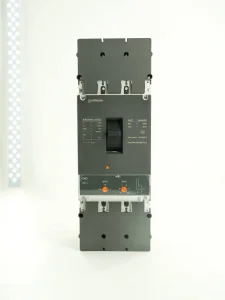
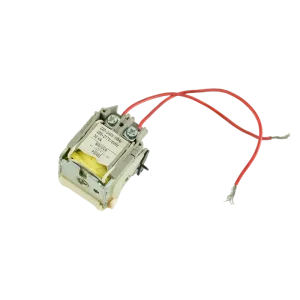
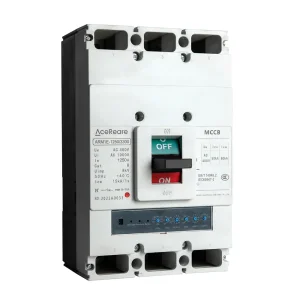
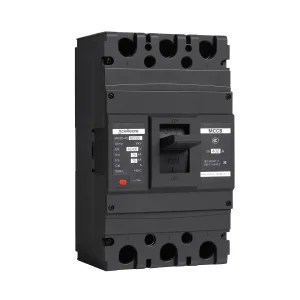
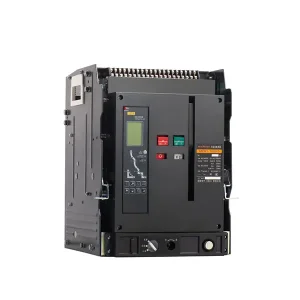
Explore our foundational range of Molded Case Circuit Breakers (MCCB), Air Circuit Breakers (ACB), and automation mechanisms tailored for strict rated current specifications.
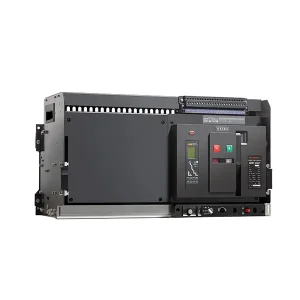
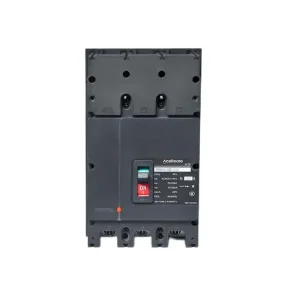
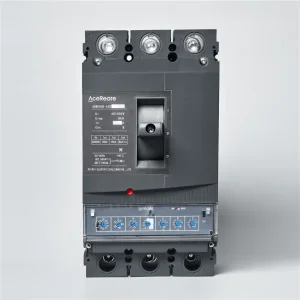
Understanding Rated Current (In) parameters for design engineering and system reliability selection.
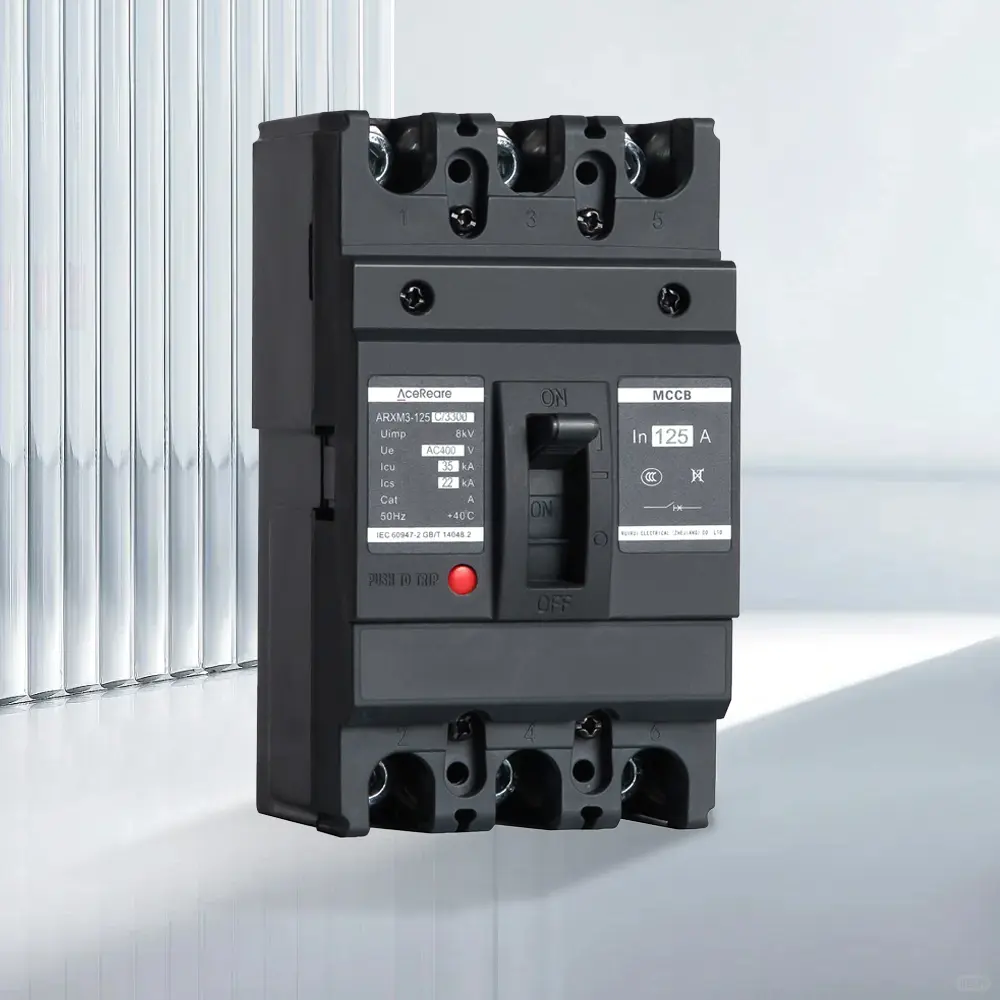
The Rated Current (In) of a circuit breaker represents the maximum continuous current value the device is engineered to carry indefinitely under a specified ambient temperature (typically standardized at 40°C) without exceeding defined thermal thresholds.
Our engineers adjust thermal-magnetic and electronic trip mechanisms to meet critical parameters:
• Thermal Trip Calibration: Safeguards electrical conductors against slow, long-term overcurrent heating according to IEC 60947-2.
• Magnetic & Electronic Settings: Offers short-circuit protection (short-time delay and instantaneous tripping) designed to isolate faults while preventing nuisance tripping during normal transient inrush events.
A comprehensive electrical blueprint requires mapping several current parameters:
| Circuit Breaker Series | Tripping Mechanism | Rated Current Range (In) | Rated Operational Voltage (Ue) | Short-Circuit Breaking Capacity (Icu) |
|---|---|---|---|---|
| ARXM3 Series | Thermal-Magnetic | 16A to 400A | 400V/690VAC | 35kA - 50kA |
| ARM3E Series | Adjustable Electronic | 32A to 1250A | 400V/690VAC | 50kA - 85kA |
| ARM5/ARM5E Series | Electronic with LISG | 100A to 630A | 400V/690VAC/1140VAC | 65kA - 100kA |
| ARW1 Series (ACB) | Intelligent Microprocessor | 400A to 6300A | 400V/690VAC | 80kA - 120kA |
Inherited craftsmanship delivering smart power solutions.
Founded in 2015, Acereare Electric operates through two wholly-owned manufacturing subsidiaries: RuiRui Electric and KeRui Electric. Specializing in Molded Case Circuit Breakers (MCCB), Air Circuit Breakers (ACB), and auxiliary control mechanisms, we combine advanced digital design with precise production engineering.
Drawing on over 20 years of craftsmanship passed down through two generations, we have established ourselves as a top-tier Original Design Manufacturer (ODM) and OEM supplier in China's industrial electrical market.

Cooperating for mutual growth through robust manufacturing, rigorous quality control, and technical support.
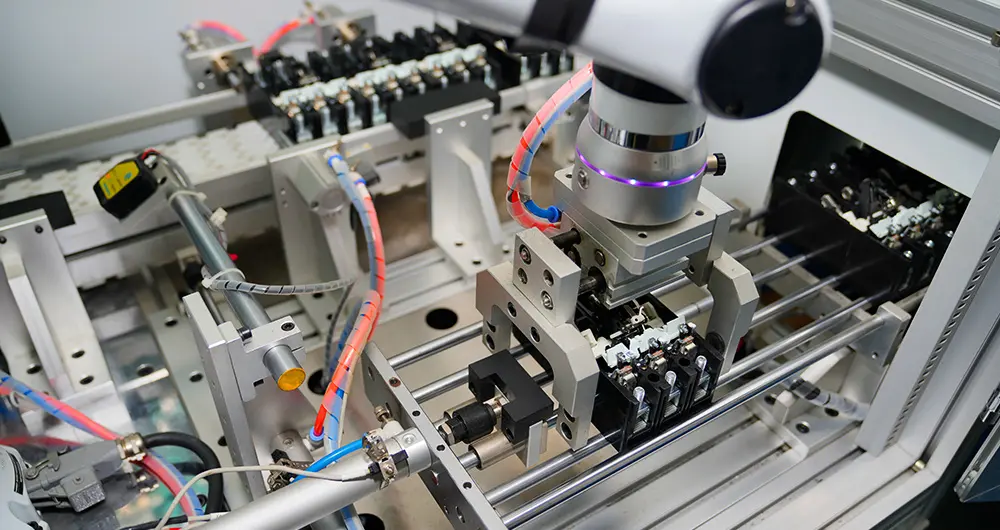
We provide a comprehensive range of electrical components through 6 distinct processing technologies. Our facilities feature high-precision production machinery, specialized testing instruments, and more than 10 manual and automated assembly lines.
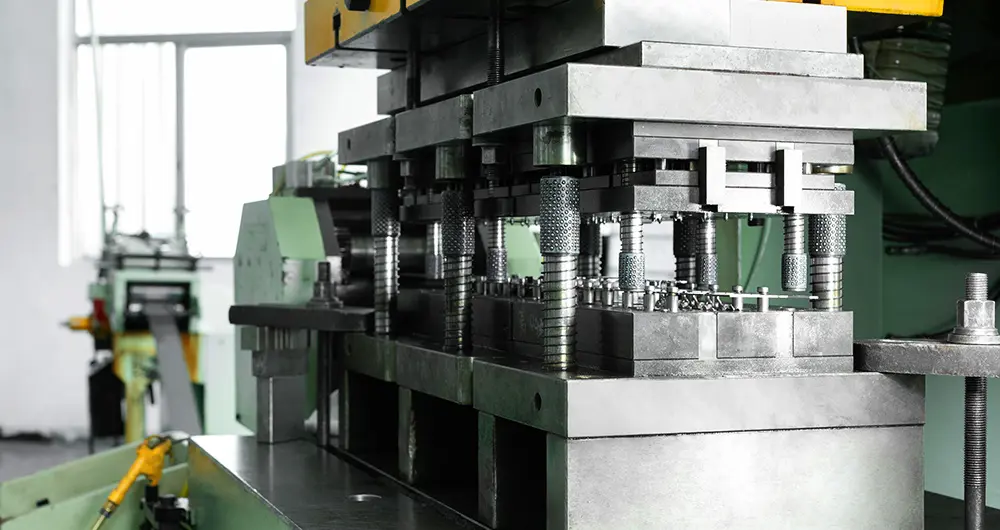
Our team of over 50 R&D engineers, each possessing at least 5 years of industry experience, utilizes advanced 3D modeling tools to design components, molds, and complete assemblies, executing over 50 product development projects annually.
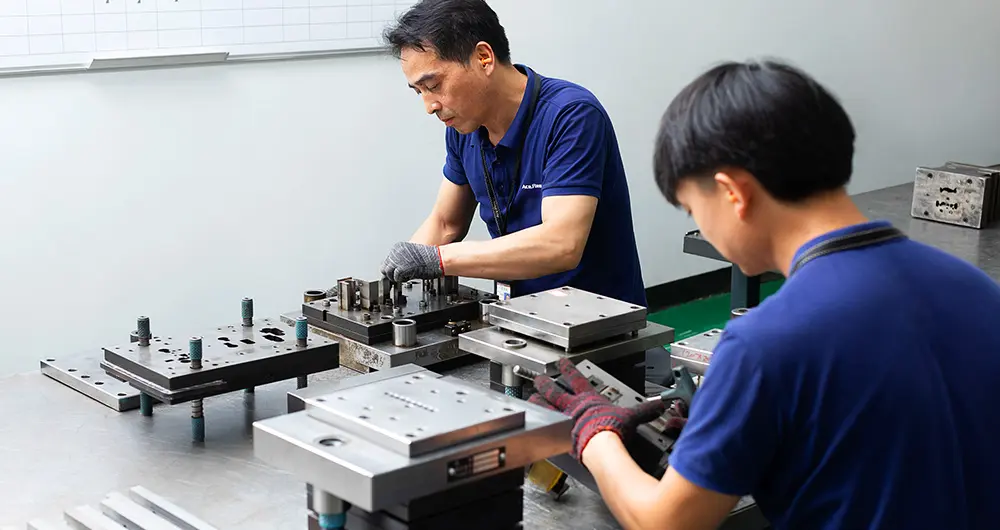
Operating two dedicated factories allows us to scale production of both structural components and finished breakers. We integrate processes and departments via an enterprise-wide ERP and U8 software package.
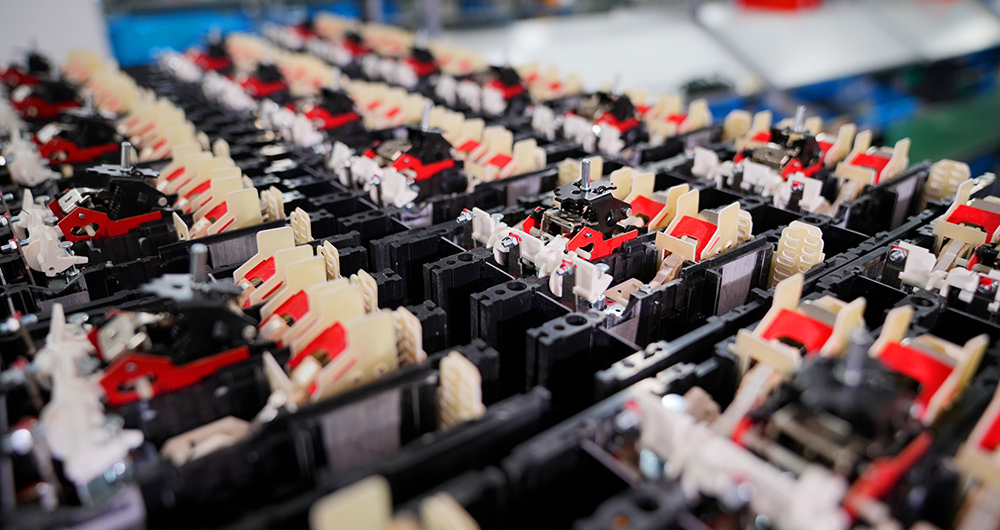
Our multi-stage quality control process is managed via PLM, BI, ERP, and MES software. Supported by an in-house test lab, 150+ measurement instruments, and over 20 quality control inspectors, we test every batch rigorously.
Our circuit breakers are designed for specific industrial environments, voltage requirements, and current profiles.
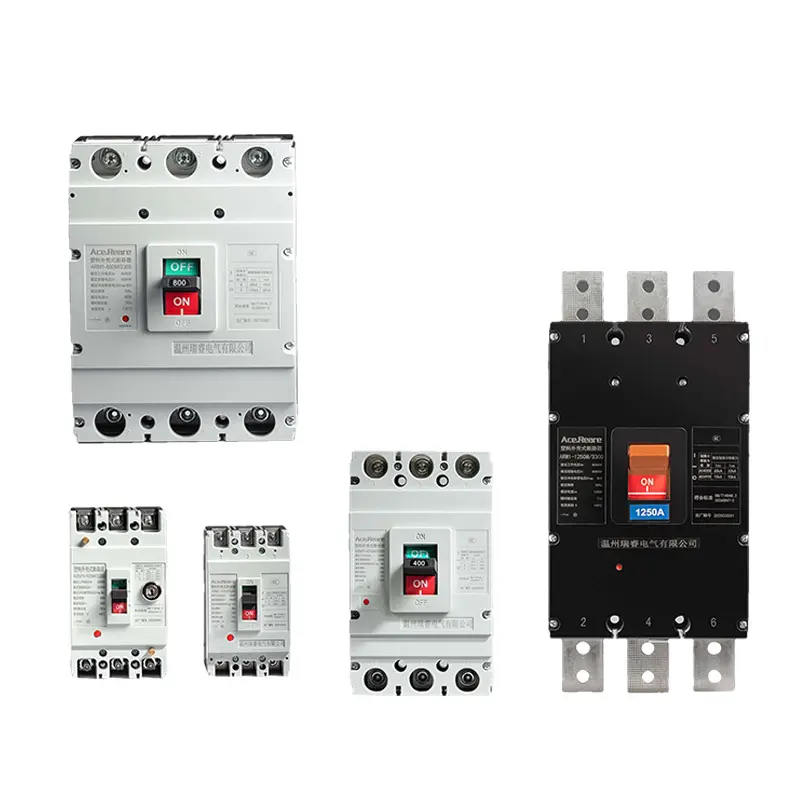
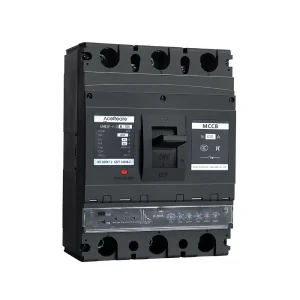
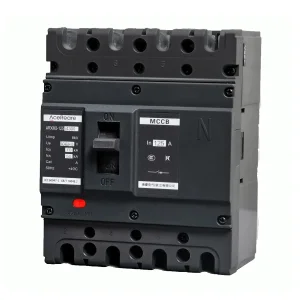
Our standard thermal-magnetic molded case circuit breaker series designed for dependable overcurrent and short-circuit protection in commercial switchboards and industrial distribution systems.
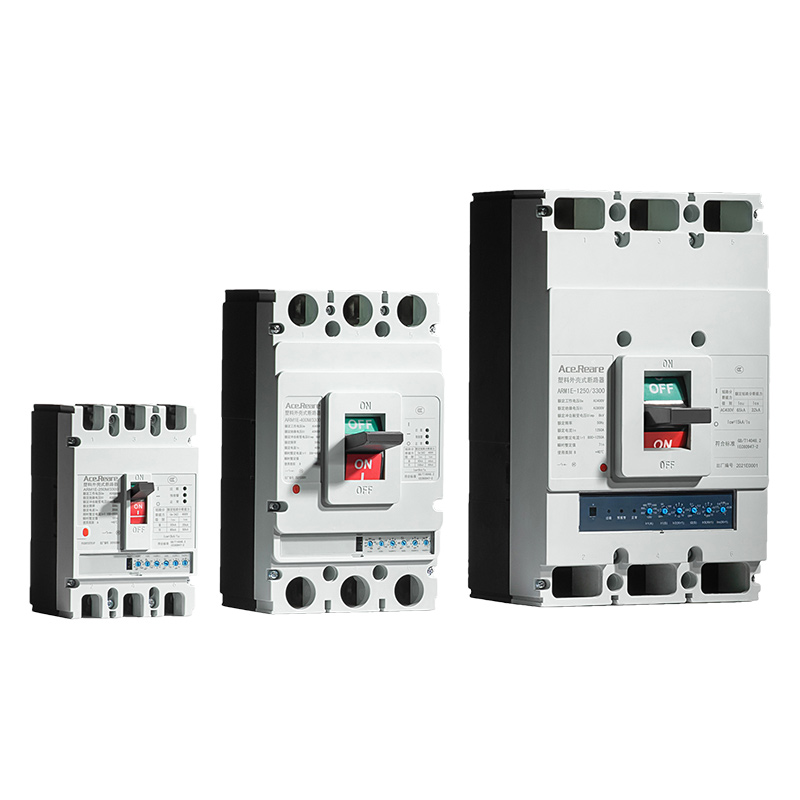
Combines standard overload and short-circuit protection with integrated residual current detection, guarding personnel and equipment against insulation faults and earth leakage hazards.
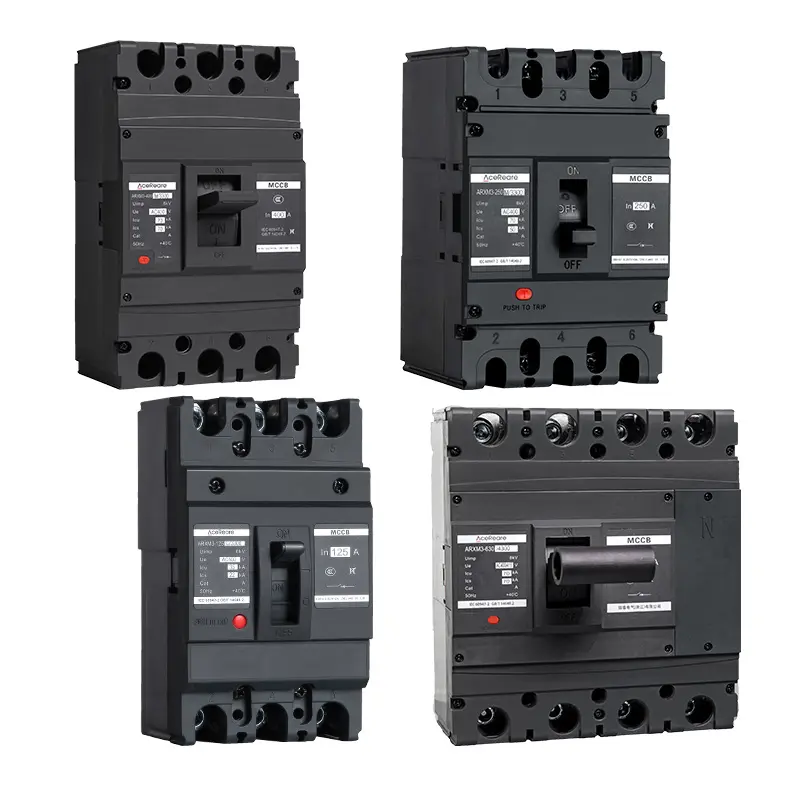
A high-performance MCCB series featuring a compact design, suitable for high-density electrical distribution boards in manufacturing facilities and commercial complexes.
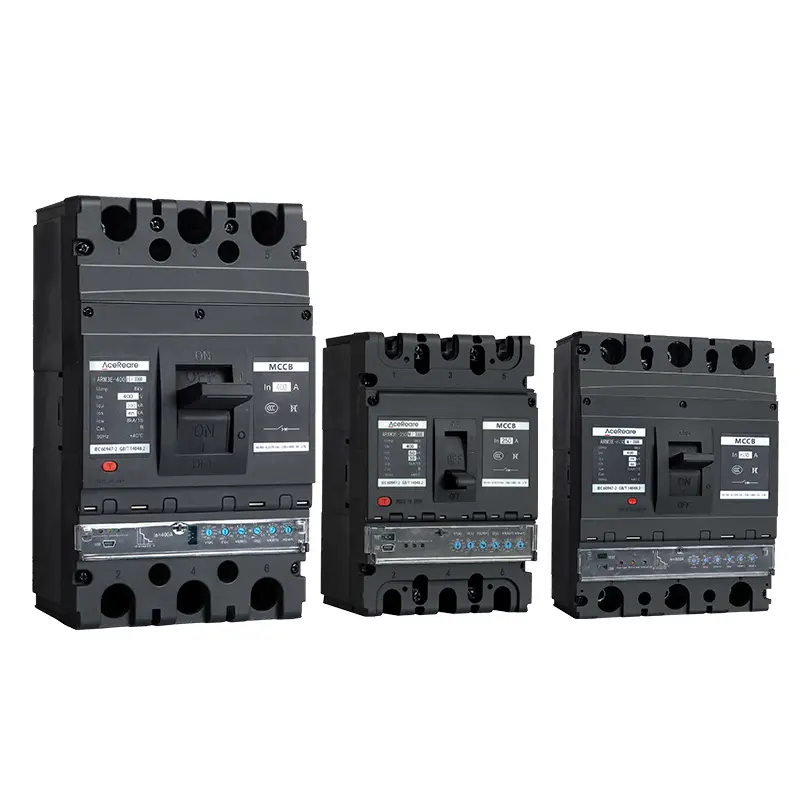
Features an adjustable electronic trip unit that allows engineers to customize trip thresholds to align with load profiles and coordinate with upstream or downstream units.
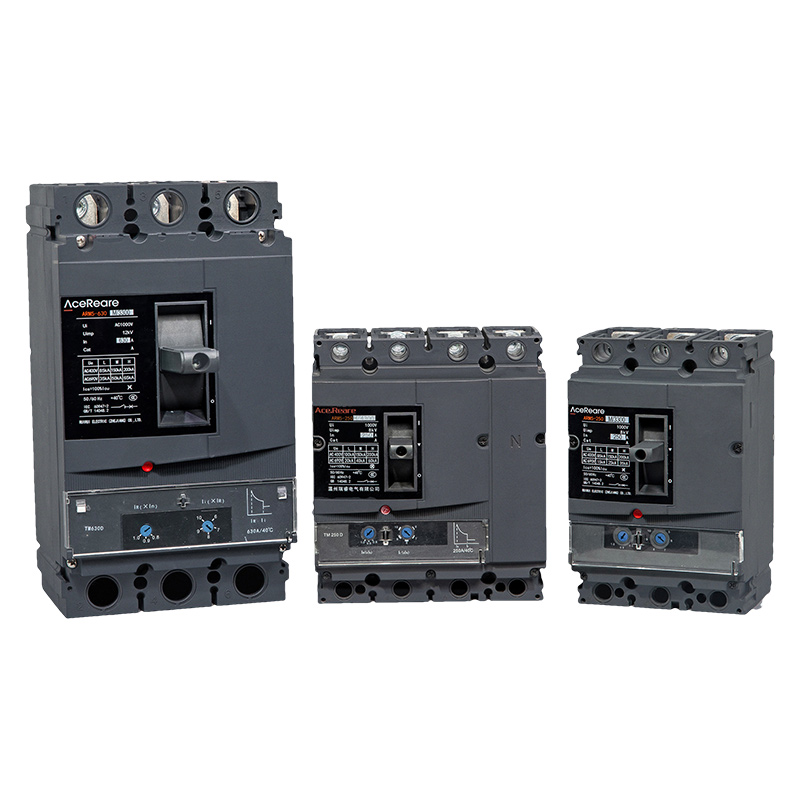
Equipped with built-in LISG (Overload, Short-time delay, Instantaneous, Ground fault) protection, providing advanced protection for sensitive electronic systems.
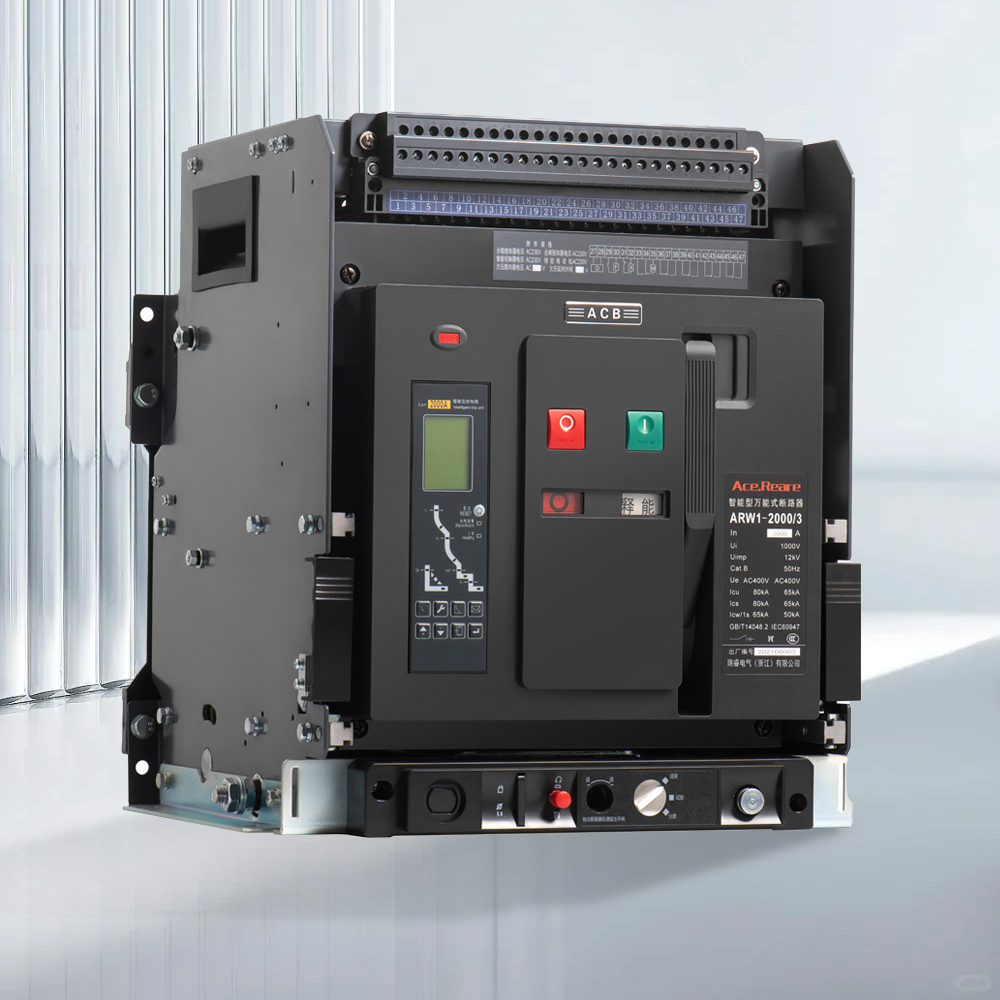
Engineered for low-voltage main distribution panels. Supports rated voltages up to 690V and rated currents from 400A to 6300A, featuring communication modules for smart grid compatibility.
Our circuit breakers are designed and tested to maintain electrical protection in harsh conditions.

Utilizing low-temperature-resistant housing plastics, specialized low-temperature lubricants, and thickened contact coatings, our breakers are certified for operation in extreme environments down to -40°C.

Engineered to withstand marine environments, our breakers undergo 72-hour complete machine and 48-hour sub-assembly salt spray tests, helping protect port electrical machinery from coastal corrosion.
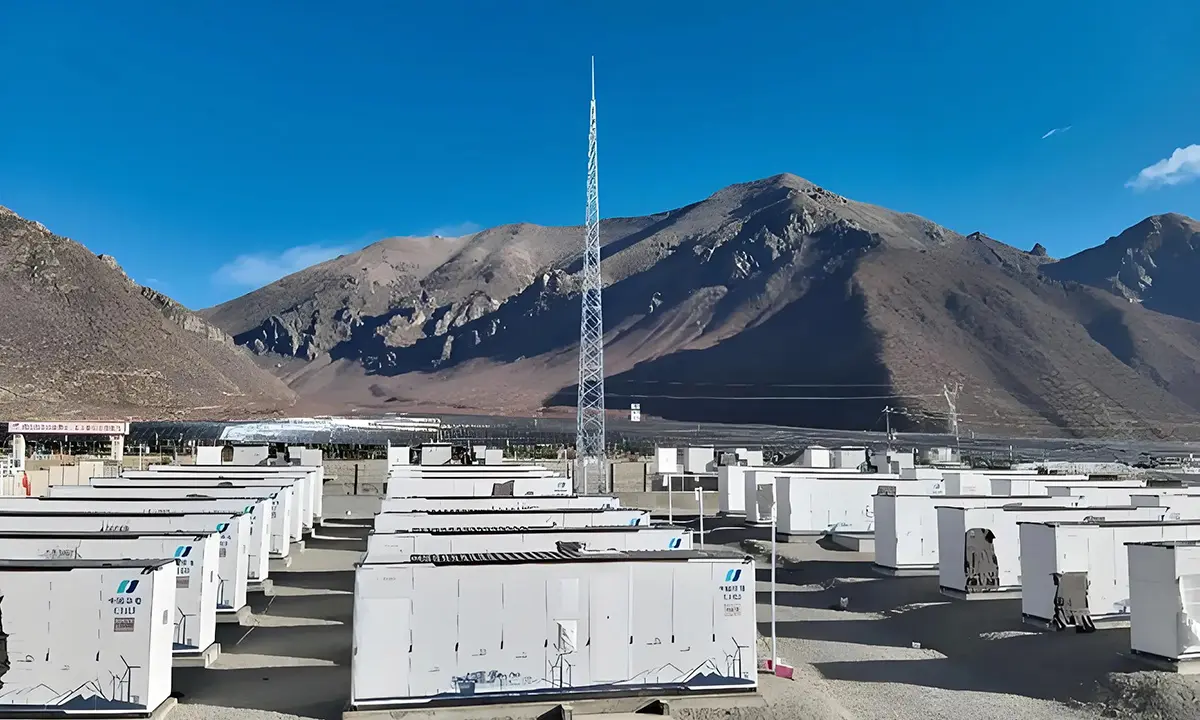
In high-altitude applications where air density is reduced, we apply calibrated derating factors to compensate for reduced heat dissipation and lower dielectric strength.

Our compact MCCBs help protect electrical distribution systems in high-rise residential projects and commercial spaces against short circuits and overloads.

Built with heat-resistant engineering polymers and heat shields, our breakers are designed and tested in our constant-temperature rooms to maintain performance in environments up to 55°C.
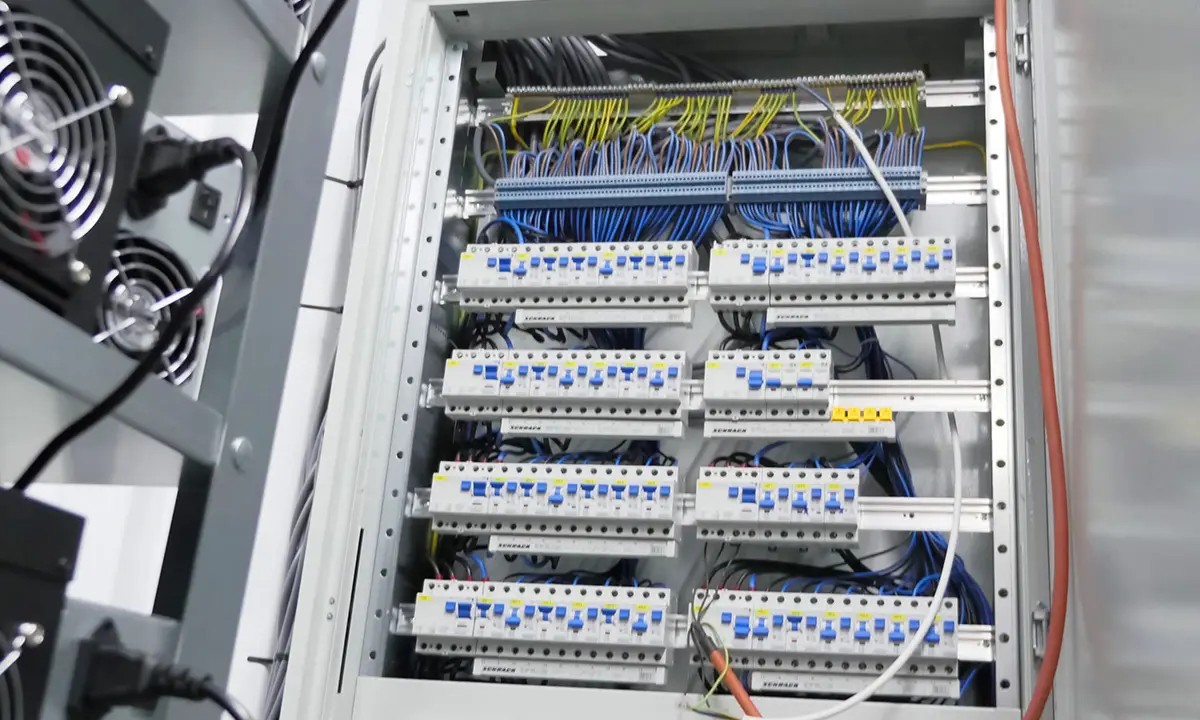
Features embedded current transformers, power quality analysis chips, and communication modules (Modbus, Profibus, Ethernet) to support smart energy management and automated load shedding.
Helping international equipment builders and distributors bring customized circuit protection solutions to market.
Laser engraving and custom labeling for brand identification.
Engineered structural designs that comply with national standards.
Precision component manufacturing with raw material traceability.
Custom packaging solutions tailored to retail or wholesale requirements.
Tooling and injection mold design for custom enclosures.
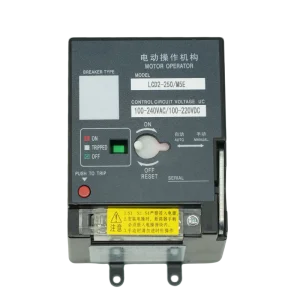
Custom functional components, including shunt trips and motor operators.
Support for regional compliance certifications, such as CE, CB, and IEC.
Flexible manufacturing capacity accommodates small to medium orders.
Joint R&D focusing on smart grid, IoT, and high-voltage PV (1140V) systems.
Full lifecycle design support, from schematic layout to final product testing.
Rapid prototyping to help streamline product development timelines.
Comprehensive design documentation for intellectual property filings.
We analyze system load profiles and ambient operating conditions to recommend custom configurations.
Our R&D team creates detailed 3D CAD models and schematics for approval.
We execute production contracts and build injection molds for the custom breaker housings.
Every production run undergoes automated dielectric, thermal, and trip time testing.
Products are securely packaged for international transport, with full regulatory compliance certificates.
How we combine digital management tools with advanced materials to manufacture reliable electrical components.
Our manufacturing facilities operate on an integrated digital platform that connects PLM (Product Lifecycle Management), ERP (Enterprise Resource Planning), MES (Manufacturing Execution System), and BI (Business Intelligence) systems. This digital foundation enables full material traceability from copper ingot delivery to final contact testing.
Technical Roadmap: To meet the demands of renewable energy applications (utility-scale solar, wind, and storage), we are expanding our high-voltage product line with specialized 1140V and 1500V DC MCCB configurations. At the same time, we are researching eco-friendly materials and design techniques to improve recyclability.
Laser-engraved tracking codes on critical components, such as copper contacts and bi-metallic strips, provide structural traceability throughout the product lifecycle.
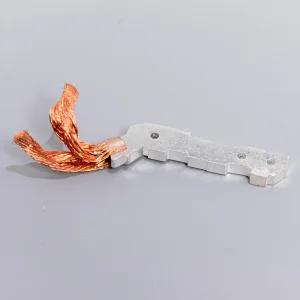
We utilize oxygen-free copper and silver alloy contacts to reduce contact resistance, helping minimize heat generation and prolonging contact life during short-circuit interruptions.
Technical guidance on circuit breaker rated current selection, thermal derating, and installation.
Explore our specialized range of high-voltage and adjustable circuit protection components, built for new energy platforms, heavy industries, and automated control assemblies.
 AceReare