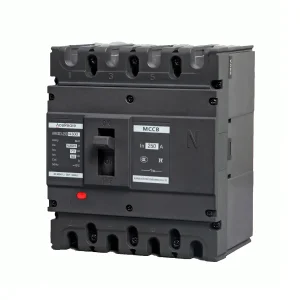
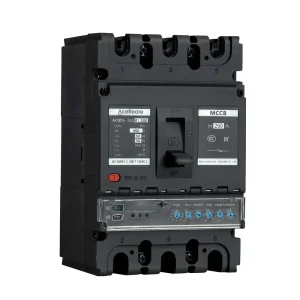
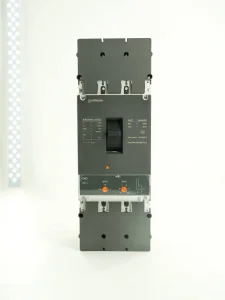
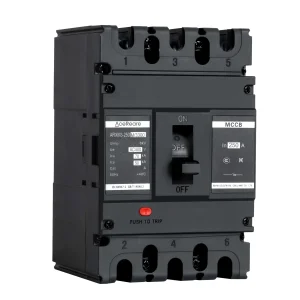
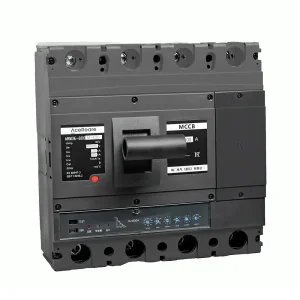
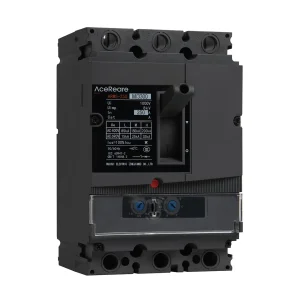
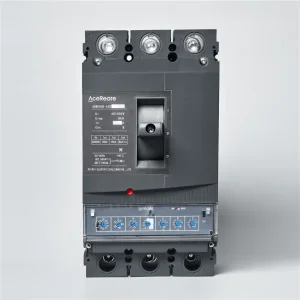
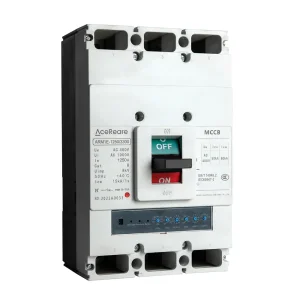
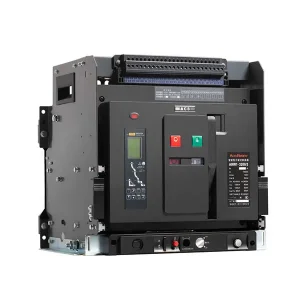
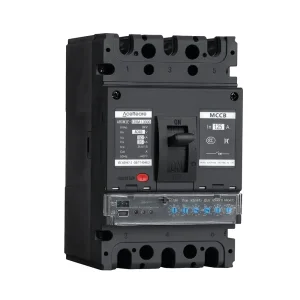
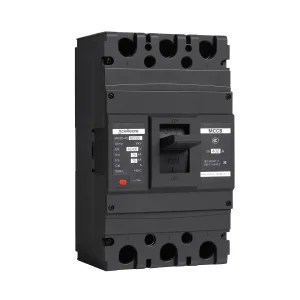
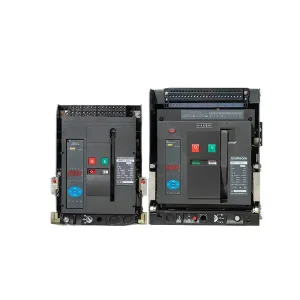
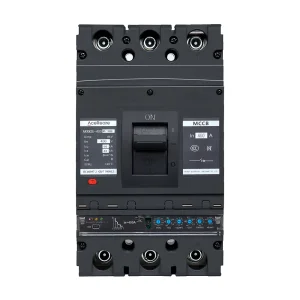
Explore our industrial-grade Molded Case Circuit Breakers (MCCB) and Air Circuit Breakers (ACB) designed with adjustable thermal-magnetic & electronic trip units.
Acereare Electric, founded in 2015, represents a powerful force in low-voltage electrical protection, operating two wholly-owned manufacturing subsidiaries: "RuiRui Electric" and "KeRui Electric". Over two generations of technical heritage, our brand has synthesized deep craftsmanship with automated manufacturing frameworks to design, engineer, and distribute high-performance thermal magnetic and electronic circuit breakers worldwide.
We stand at the forefront of China's low-voltage circuit protection market, functioning as a premier ODM and OEM partner for global engineering systems. With continuous R&D inputs and direct laboratory verification, our molded case circuit breakers (MCCB) and air circuit breakers (ACB) manage extreme thermal loads, safeguard critical infrastructure, and maintain network stability in harsh industrial operations.

Understanding bimetallic deflection and electronic protection strategies for modern industrial distribution.
A circuit breaker's thermal protection relies heavily on the quality and mechanical configuration of the internal bimetallic strip. Thermal trip units use two bonded metals with differing coefficients of thermal expansion. When currents exceed nominal safety thresholds ($I_n$), the resistive heating causes the strip to deflect, releasing the latching mechanism at a predictable, time-delayed rate. This process is governed by the $I^2t$ thermal heating curve, which ensures transient harmless currents do not trigger nuisance trips, while sustained overloads are cut off reliably before insulation damage occurs.
Our research laboratory utilizes calibrated heating tunnels to adjust the thermal deflection response of bimetallic strips across our ARXM3 and ARM1 series. This bimetallic calibration enables precise field adjustments, matching exact load ratings in dynamic operating environments.
While thermal elements safeguard against long-duration overloads, electromagnetic assemblies manage instantaneous short-circuit currents. By integrating a movable armature pulled by an electromagnet, our breakers react to fault currents within milliseconds. For complex, high-power environments, we combine this mechanical system with our digital electronic trip unit (ARM3E & ARM5E series). This configuration allows customizable trip profiles via LSIG settings:
We source thermal bimetals from international standard alloys, ensuring uniform thermal expansion, minimized resistance drift over decades of operation, and structural stability up to high short-circuit limits.
Engineered with multiple steel plates, our arc extinguishing chambers break down, cool, and extinguish electrical arcs generated during high-current interruptions, preventing internal housing degradation.
Featuring built-in microprocessors, our electronic systems support Modbus-RTU and Ethernet communications, feeding thermal states, current imbalances, and event logs back to industrial control centers.
Four key pillars driving Acereare Group's operational excellence and production reliability.
We provide a comprehensive one-stop service leveraging six distinct processing technologies, high-precision assembly lines, and over 10 manual and automated production routes optimized for quick market entry.
Supported by a dedicated team of over 50 R&D engineers, we execute more than 50 custom design initiatives annually, specializing in 3D modeling, structural FEA simulation, and advanced prototyping.
Operating two advanced factories, we produce key components internally. We coordinate assembly schedules and material tracking through integrated ERP and U8 software platforms.
Our ISO-certified facility features dedicated laboratories with over 150 testing instruments. More than 20 inspectors oversee quality across PLM, BI, ERP, and MES software.
Tailored engineering and material selection for extreme temperatures, saline environments, and smart grids.
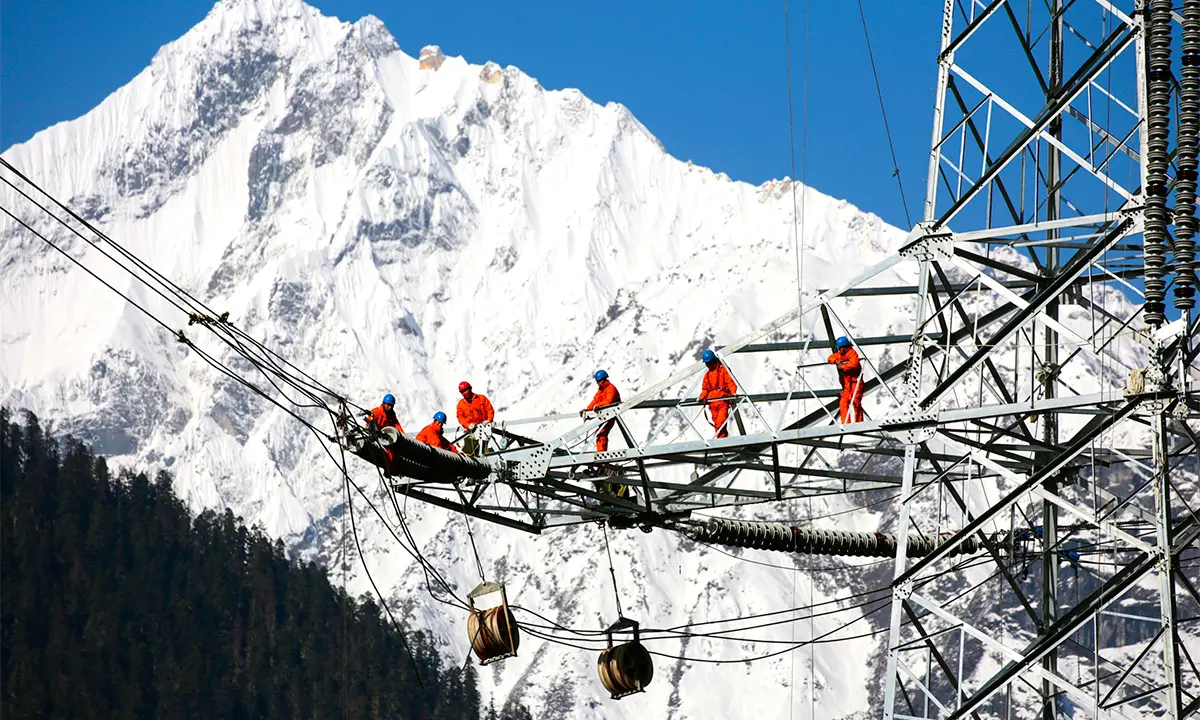
Our circuit breakers feature low-temperature resistant bimetals, specialized structural lubricants, and thickened protective finishes. We verify operational performance via certified -40°C cold chamber testing.

Designed for port installations and marine systems, our breakers undergo 72-hour complete machine and 48-hour sub-assembly salt spray tests, resisting corrosion from humid ocean air.
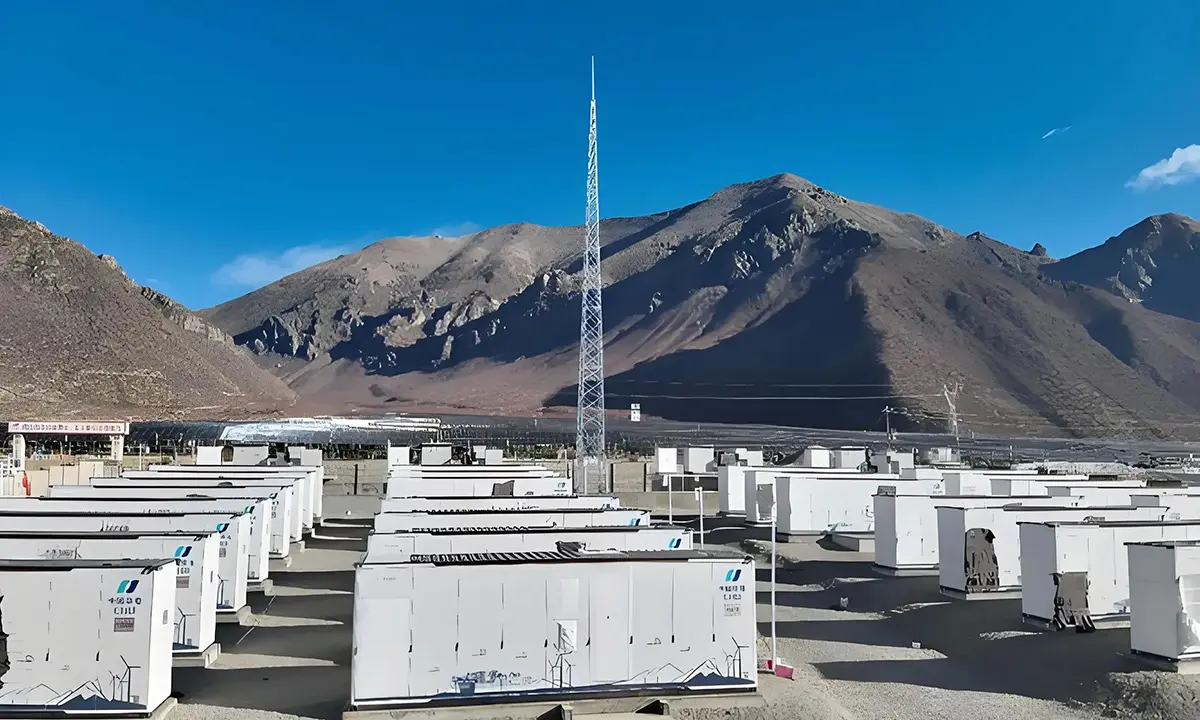
To prevent voltage breakdown and overheating in thin mountain air, we apply high-altitude correction factors based on derating tables, ensuring stable operation above 2000 meters.

We supply modular, highly flexible MCCBs that integrate directly into main distribution boards, protecting appliances and building systems from overloading and short-circuit faults.
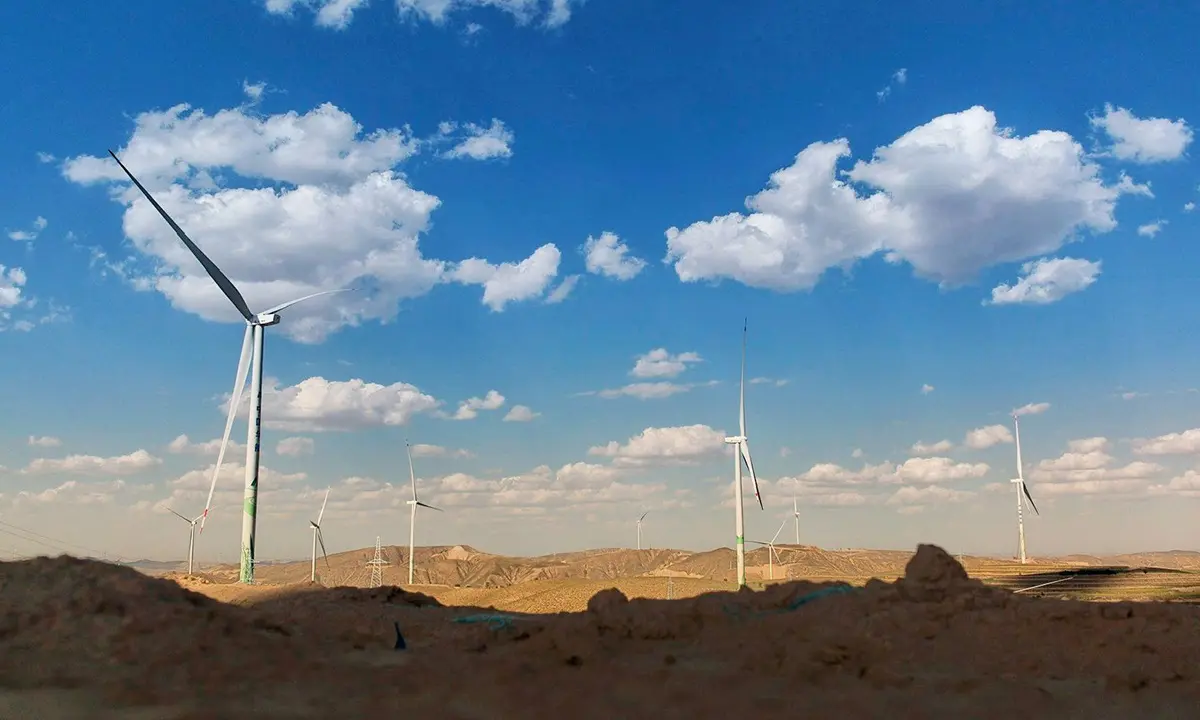
We use heat-stabilized thermoset polymers for outer casings, add thermal barrier coatings to internal controllers, and test structural performance inside our 55°C calibration rooms.
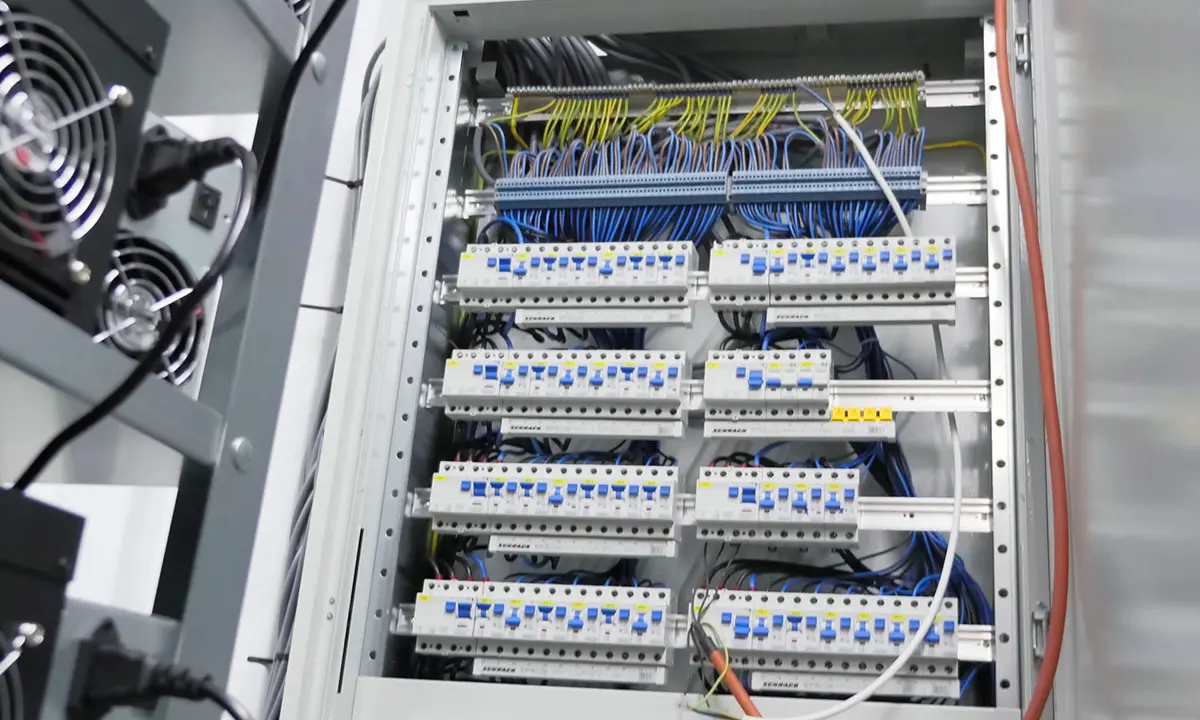
Our breakers combine protection with edge computing, providing high-precision voltage and current metering alongside telemetry data to support smart grid architectures.
Advancing electrical distribution with digital microgrids and next-generation environmental compliance.
Transitioning from mechanical contacts to solid-state semiconductor designs, helping to minimize electrical arcing and extend the service life of industrial switchgear.
Integrating AI-driven thermal algorithms to track degradation rates of bimetals and contact points in real time, alerting operators before fault events occur.
Moving toward fully recyclable thermoset materials and lead-free electrical contacts to support low-carbon initiatives and circular supply chain requirements.
Unlocking cost advantages, reliable lead times, and vertical production control.
By producing our own housings, contacts, and metal parts internally rather than outsourcing, we maintain direct control over quality and cushion our production schedules against external supply disruptions.
Located in a major low-voltage manufacturing hub, our facility leverages instant access to raw materials, stamping shops, and logistics nodes, enabling short turnaround times for custom tooling.
We adapt our thermal profiles, dial colors, enclosure styles, and connection terminals to match local regulatory standards, helping you tailor your product lines to regional markets.
Acereare Group products undergo testing to satisfy international electrical safety codes.

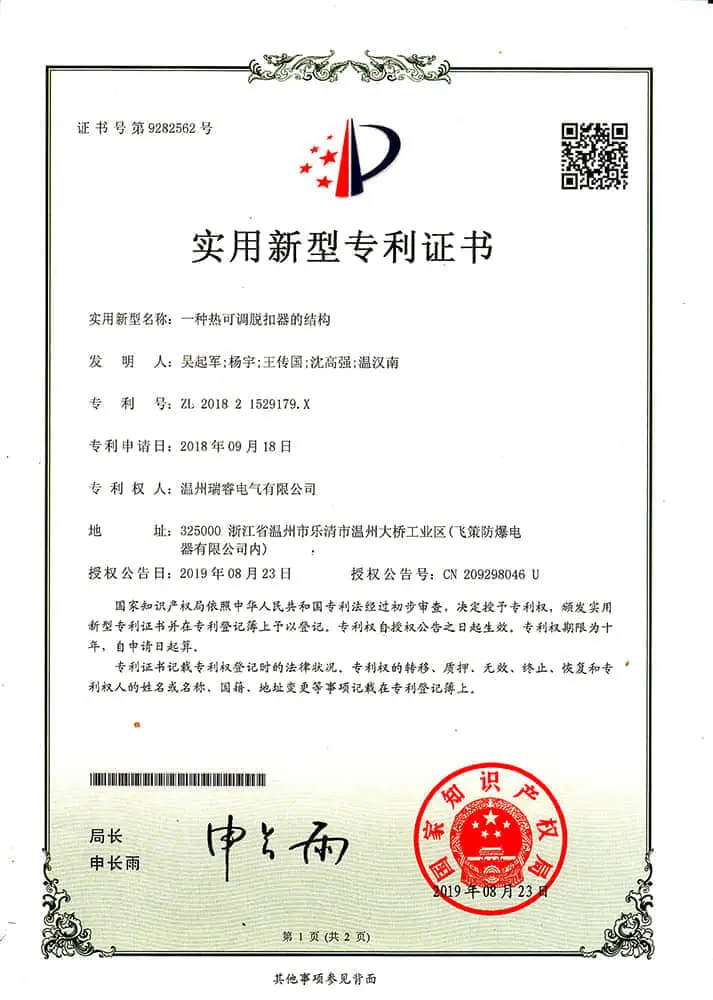
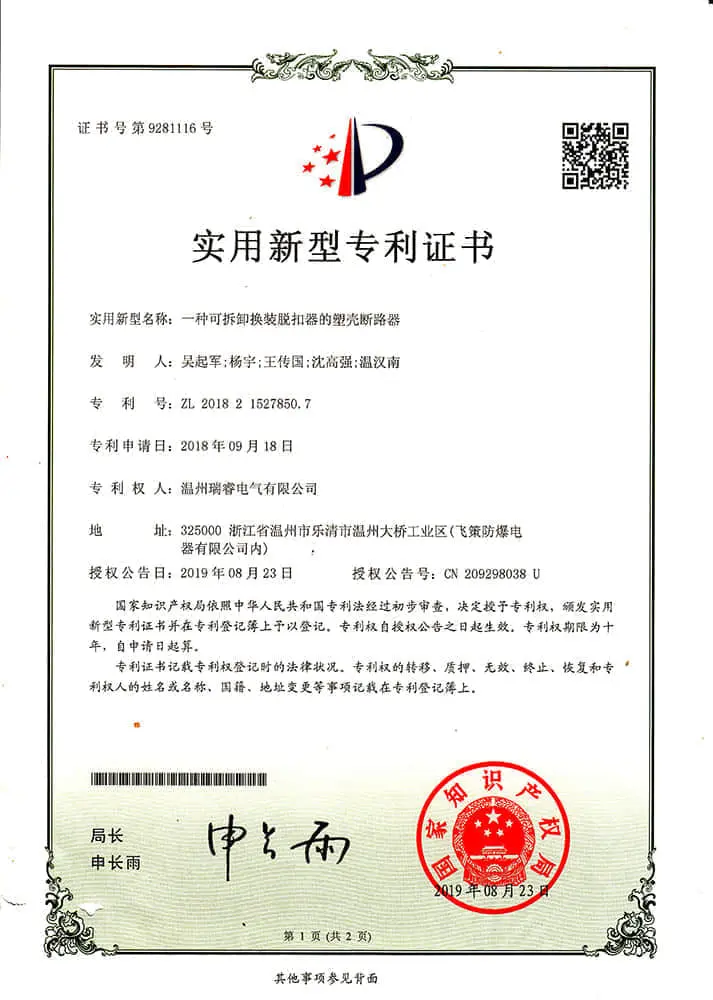
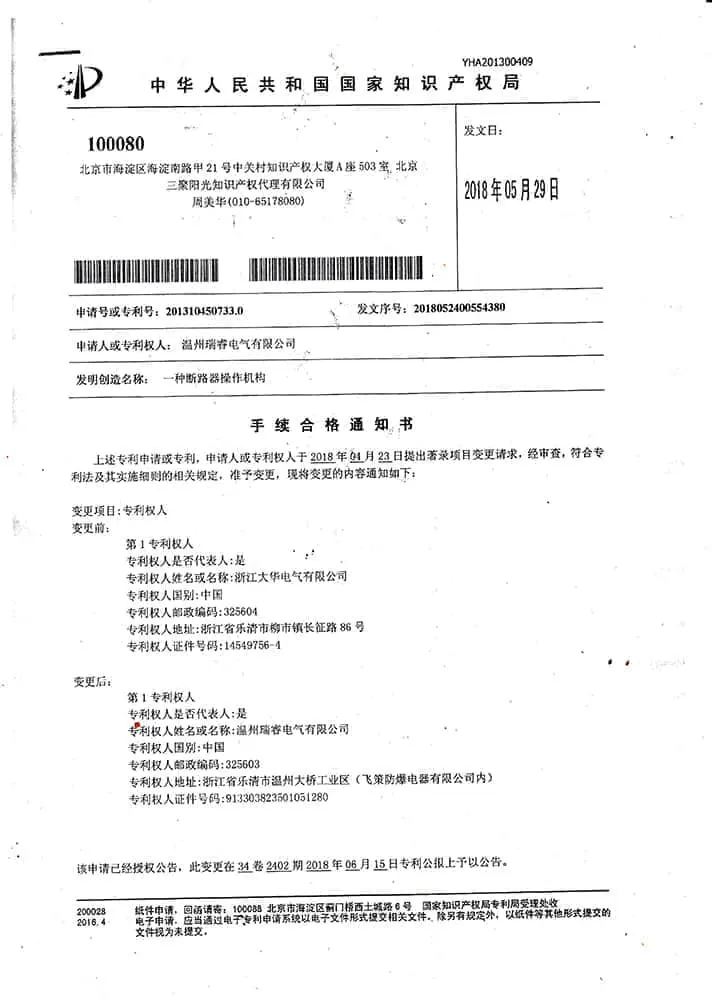
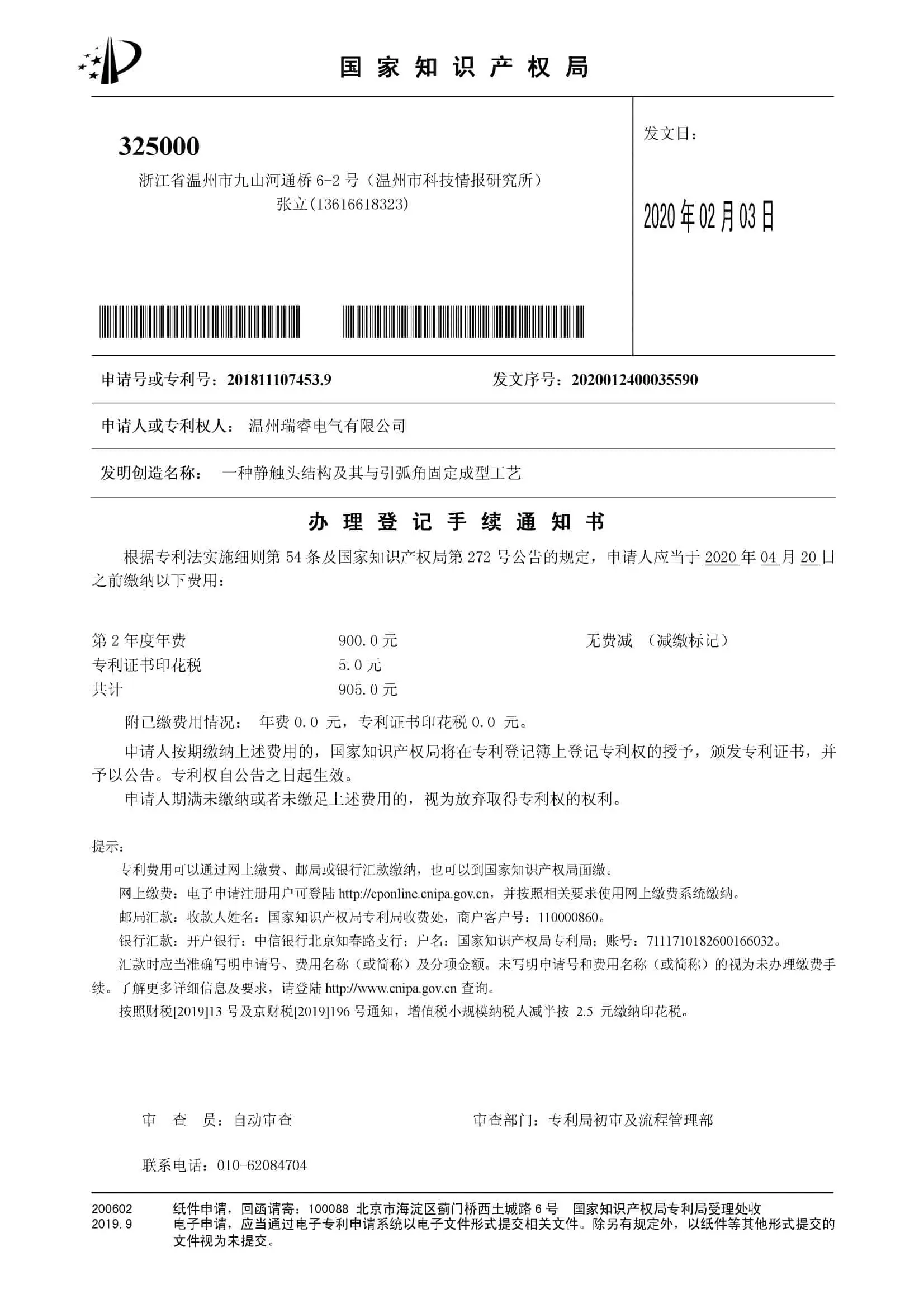
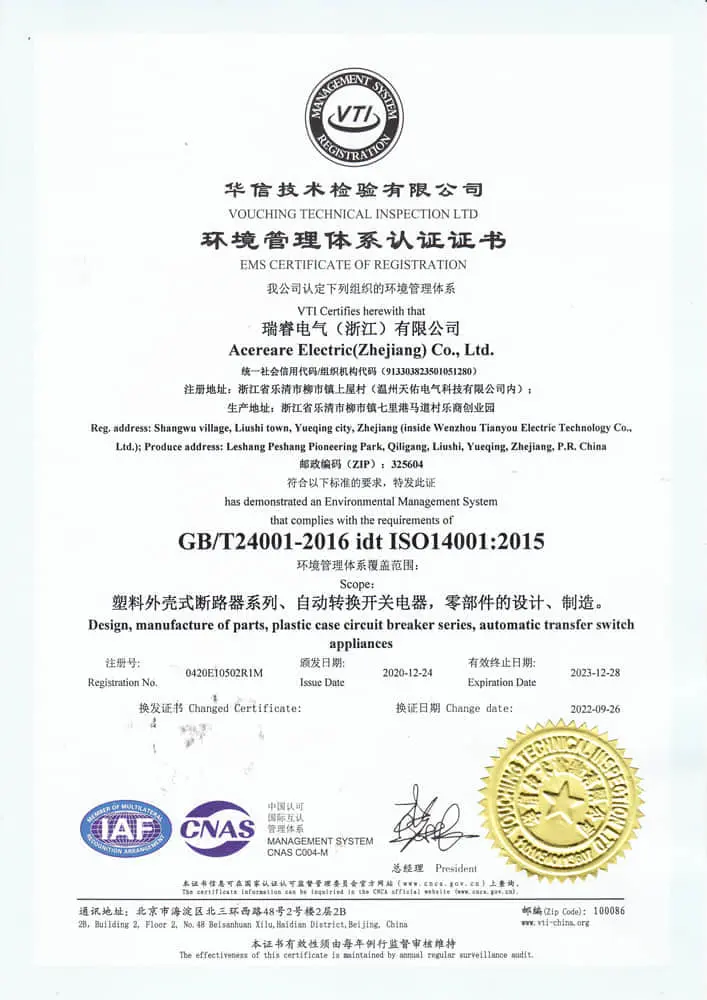
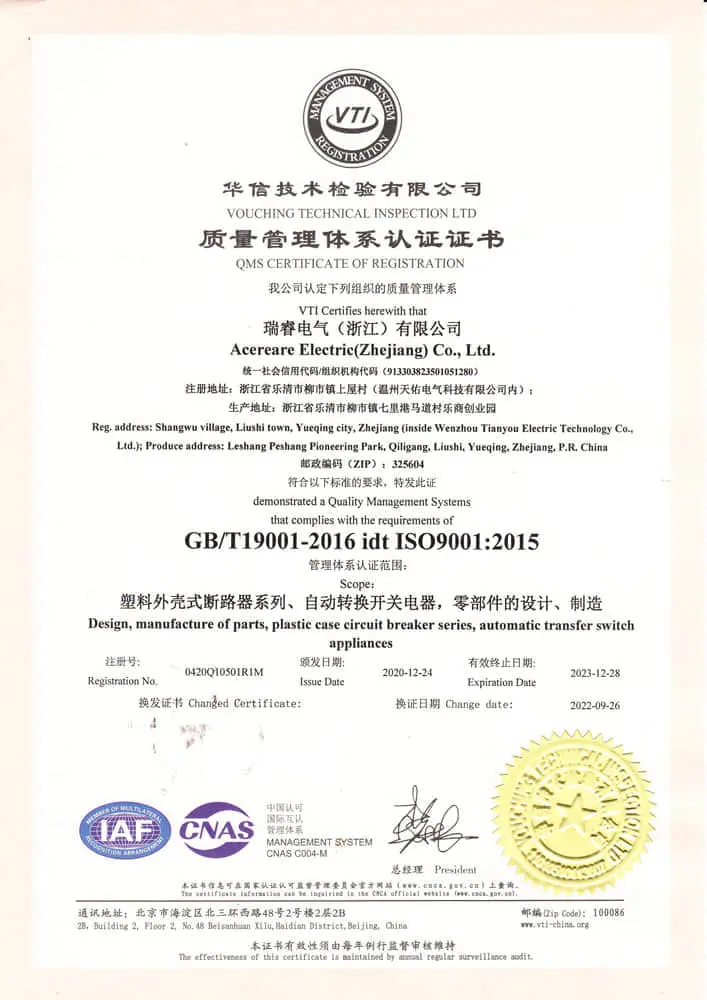
Explore our selection of heavy-duty air circuit breakers and high breaking capacity MCCBs for industrial distribution systems.
Maintaining safety and electrical stability in complex distribution systems.
Modern distribution networks call for selective coordination among circuit breakers to ensure that fault currents are isolated at the branch level without affecting upstream transformers. Achieving this requires matching bimetallic response characteristics, electromagnetic thresholds, and electronic delay units. Our engineering team designs breakers to comply with global codes, including the IEC 60947-1 & IEC 60947-2 safety standards for low-voltage switchgear.
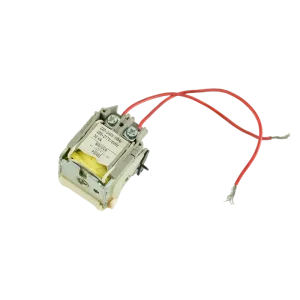
Additionally, the rise of solar, energy storage, and industrial microgrids exposes breakers to high DC and AC current flows. Acereare Group's high-capacity MCCBs are engineered to handle these loads, delivering stable protection at voltages up to 690VAC. We customize terminal connectors, auxiliary contacts, shunt trips, and undervoltage releases (ARM5 Series) to provide versatile, modular protection solutions for global electrical systems.
Get answers to common technical queries about sourcing thermal magnetic circuit breakers from China.
 AceReare