Explore our high-performance power distribution protective devices designed for critical infrastructure, heavy industry, and smart grid automation.
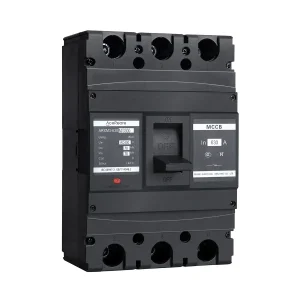
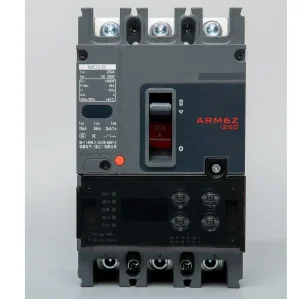
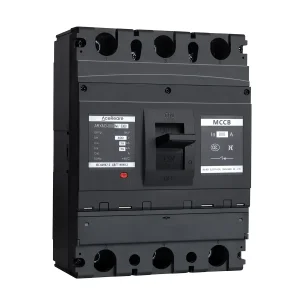
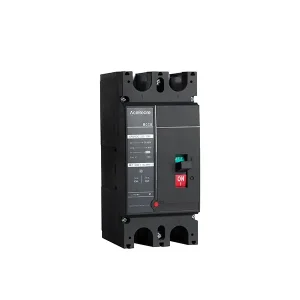
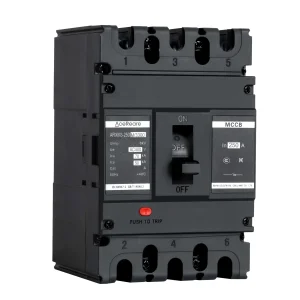
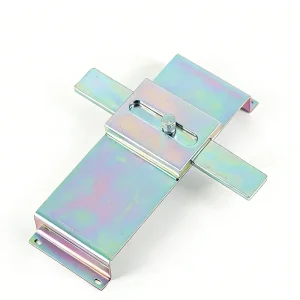
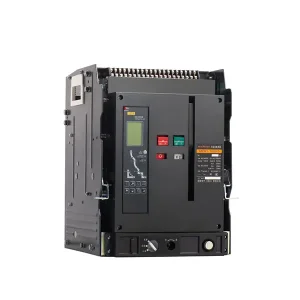

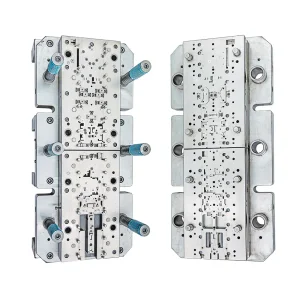
Founded in 2015, Acereare Electric operates through its two wholly-owned subsidiaries, RuiRui Electric and KeRui Electric. Specializing in the research, development, and advanced manufacture of high-quality Molded Case Circuit Breakers (MCCB), Air Circuit Breakers (ACB), and premium copper/metal stamping components.
We inherit over 20 years of craftsmanship passed down through two generations. With a mature, vertically-integrated production system and state-of-the-art testing laboratories, our factories rank among the top-tier ODM and OEM manufacturing hubs in China.
A deep dive into the engineering mechanisms, protective operations, and safety functions of industrial circuit breakers.
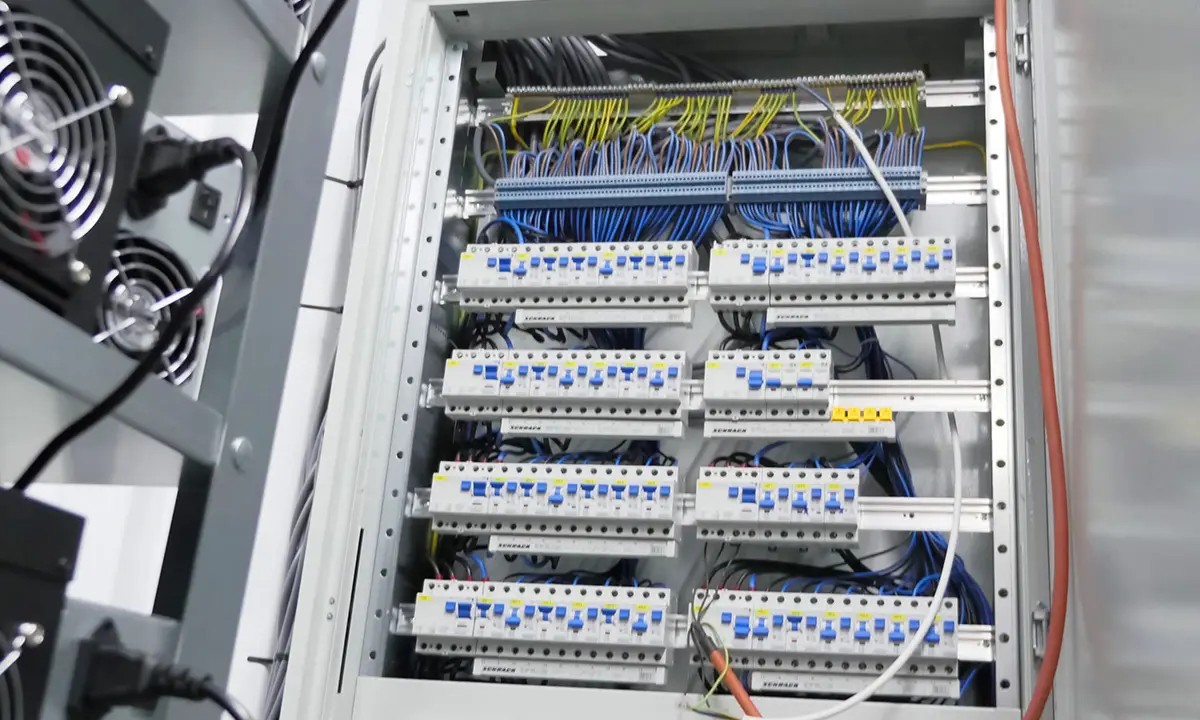
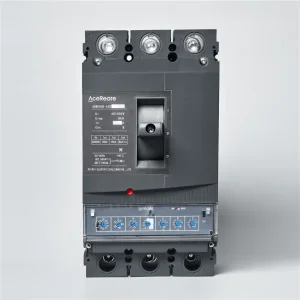
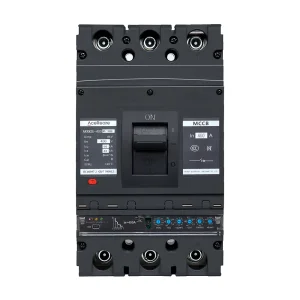
A circuit breaker is an automatically operated electrical switch designed to protect an electrical circuit from damage caused by excess current from an overload or short circuit. Its basic function is to interrupt current flow after a fault is detected. Unlike a fuse, which operates once and then must be replaced, a circuit breaker can be reset (either manually or automatically) to resume normal operation.
Industrial circuit breakers like MCCBs (Molded Case Circuit Breakers) and ACBs (Air Circuit Breakers) integrate dual protection mechanisms:
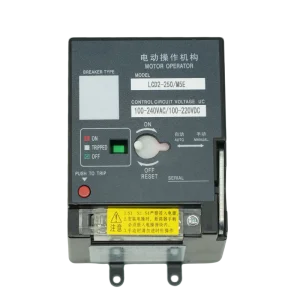
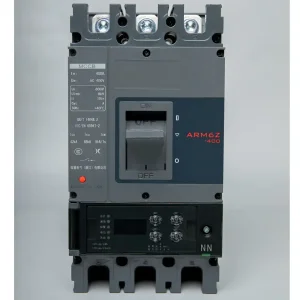
At high voltages and currents, opening the circuit breaker contacts produces a highly destructive electrical arc. Modern devices feature arc-chute mechanisms—a series of parallel metal plates that split, stretch, cool, and extinguish the arc within milliseconds. Furthermore, advanced electronic models (like the ARM6Z series with LCD screens) integrate microcontrollers to perform real-time metering, edge computing, fault diagnostics, and remote operations via smart industrial protocols.
Our capabilities are built on four key pillars that ensure product reliability, technical precision, and stable global supply chains.
One-stop service leveraging six distinct processing technologies. Outfitted with high-precision fabrication machinery, advanced diagnostic instruments, and over 10 manual and automated assembly lines.
50+ engineers with a minimum of 5 years of field experience. Experts in 3D CAD molding, tooling architecture, and smart trip system design, delivering 50+ R&D initiatives annually.
Operates two factories dedicated to vertical part manufacturing and final assembly. Streamlined control using integrated ERP and U8 business software systems.
Rigorous testing procedures powered by our internal CNAS-standard testing laboratory. Over 150 testing devices managed by 20+ dedicated QA inspectors via PLM/BI/MES software.
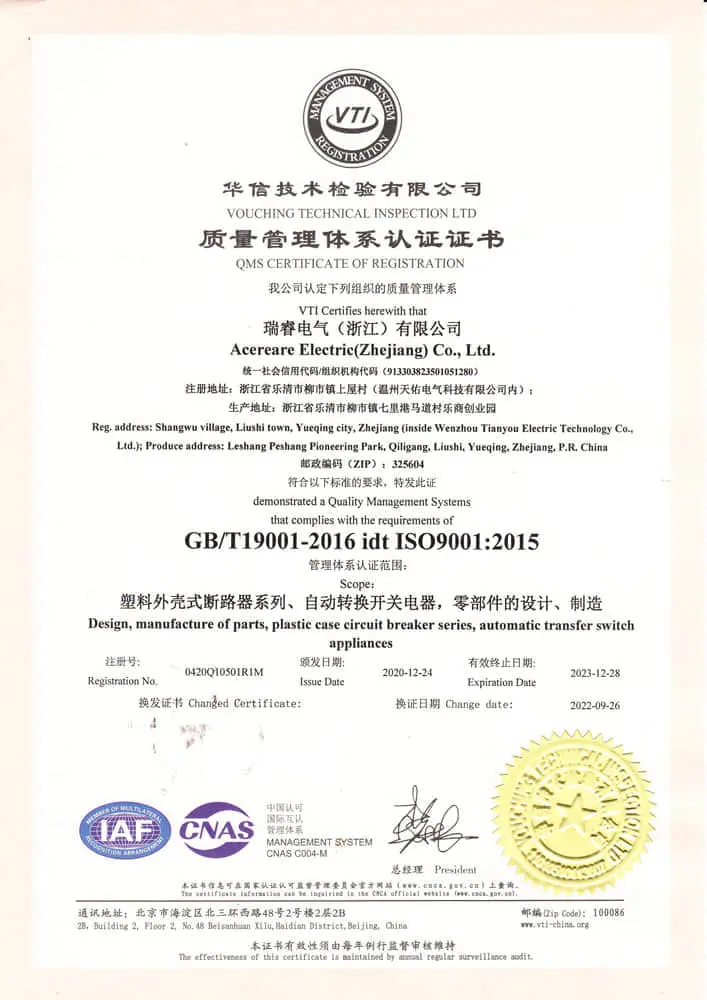
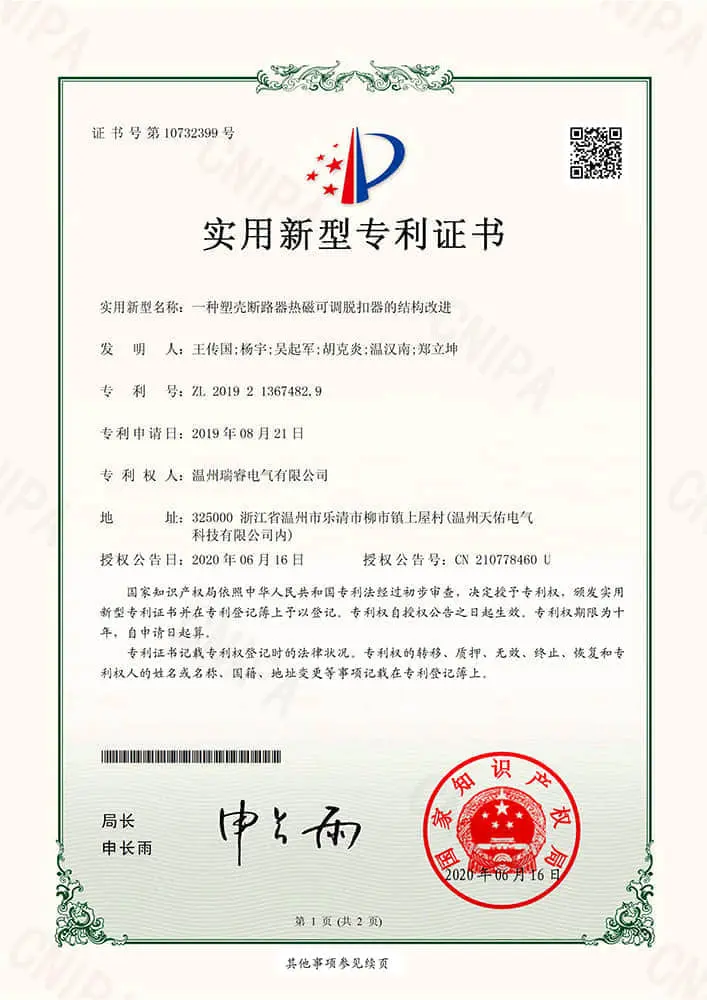
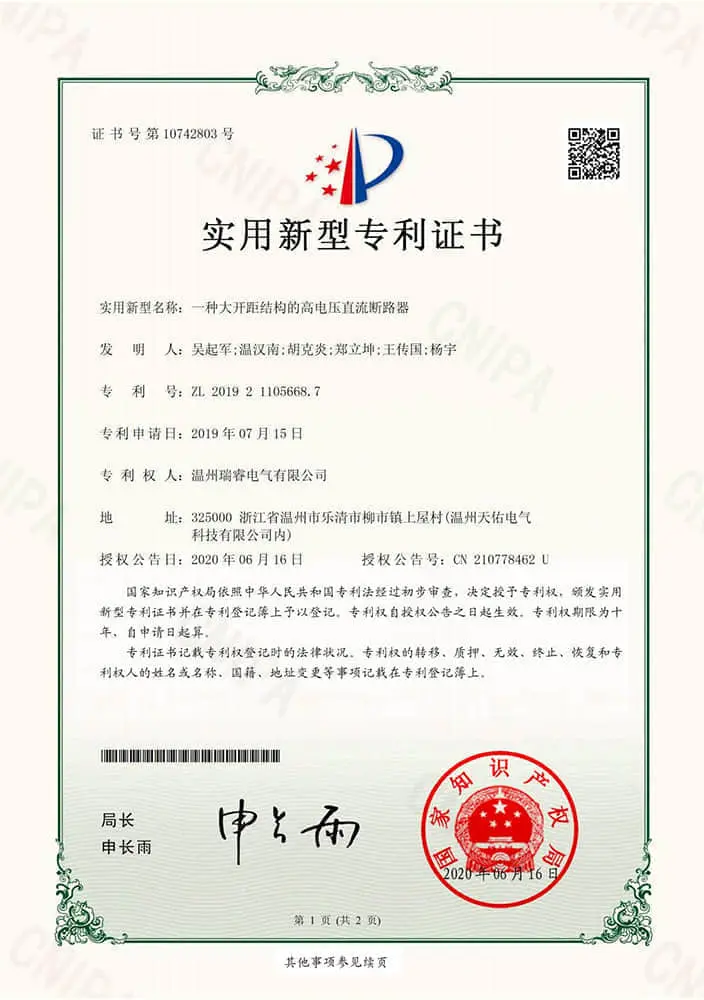
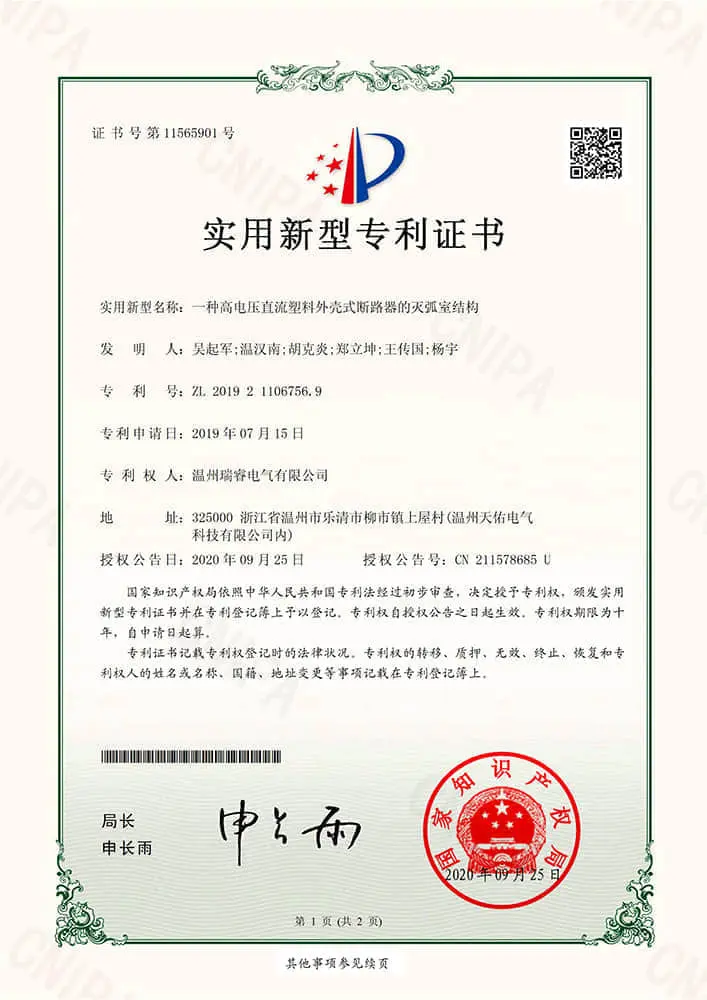
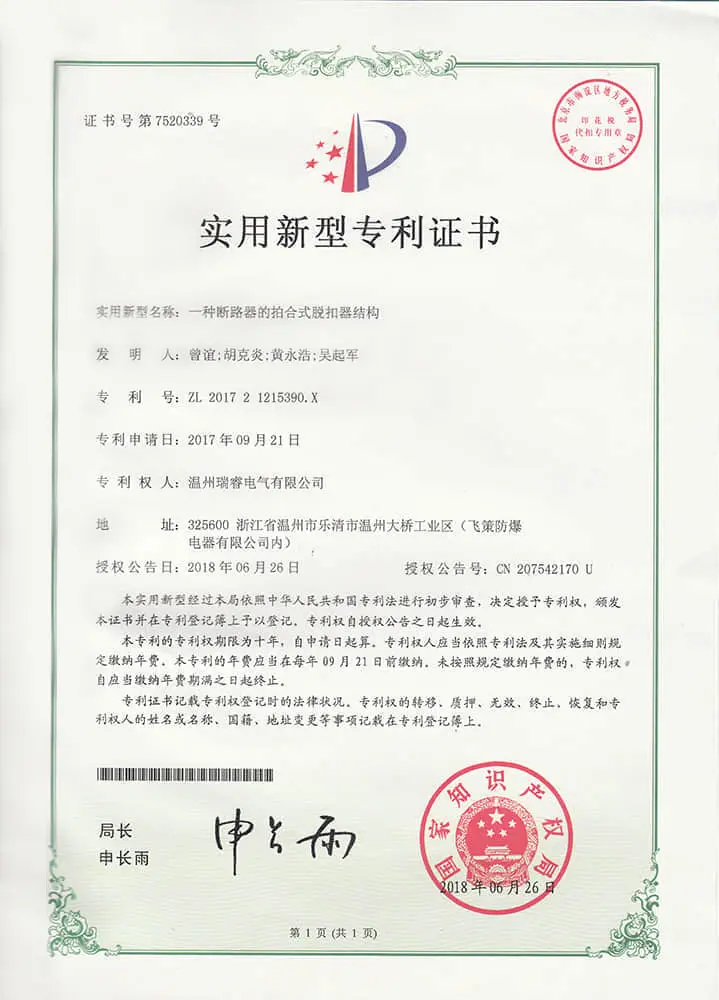
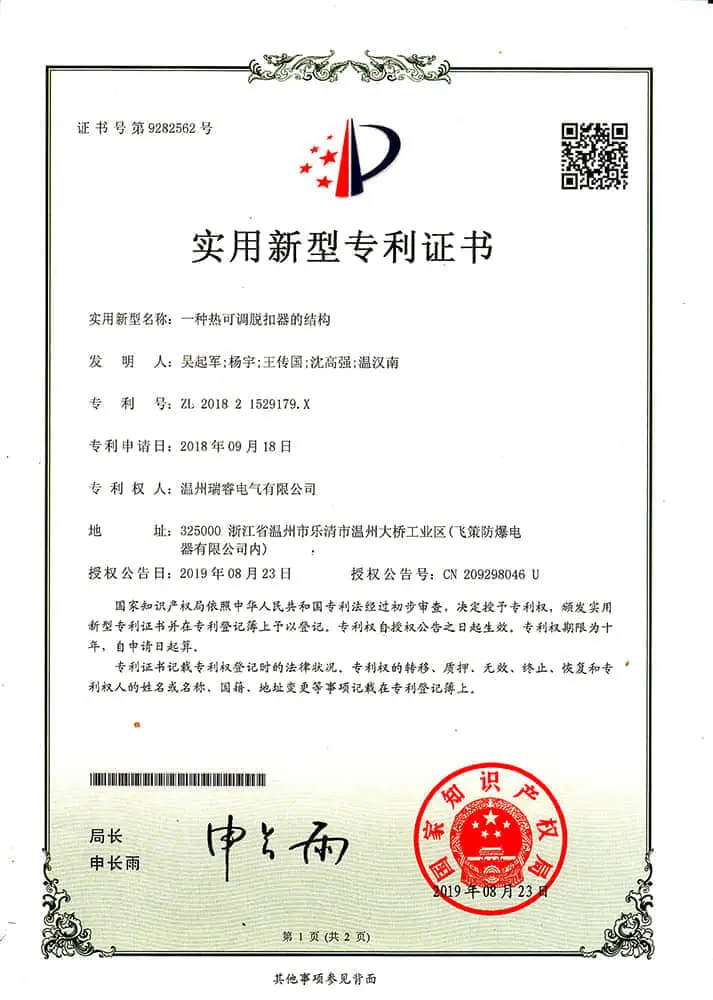
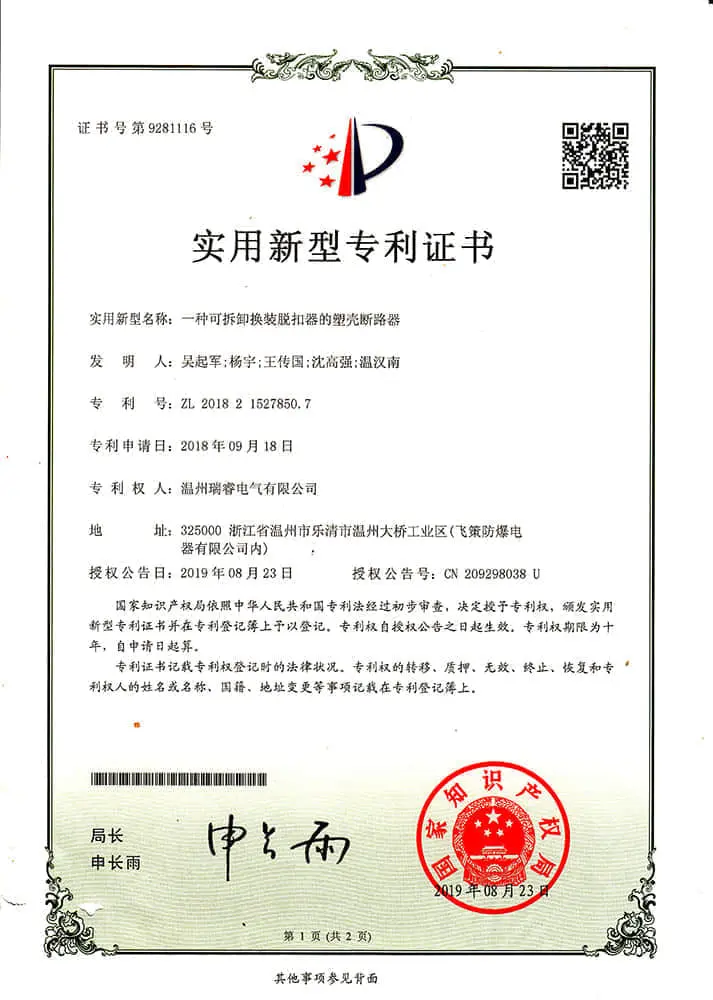
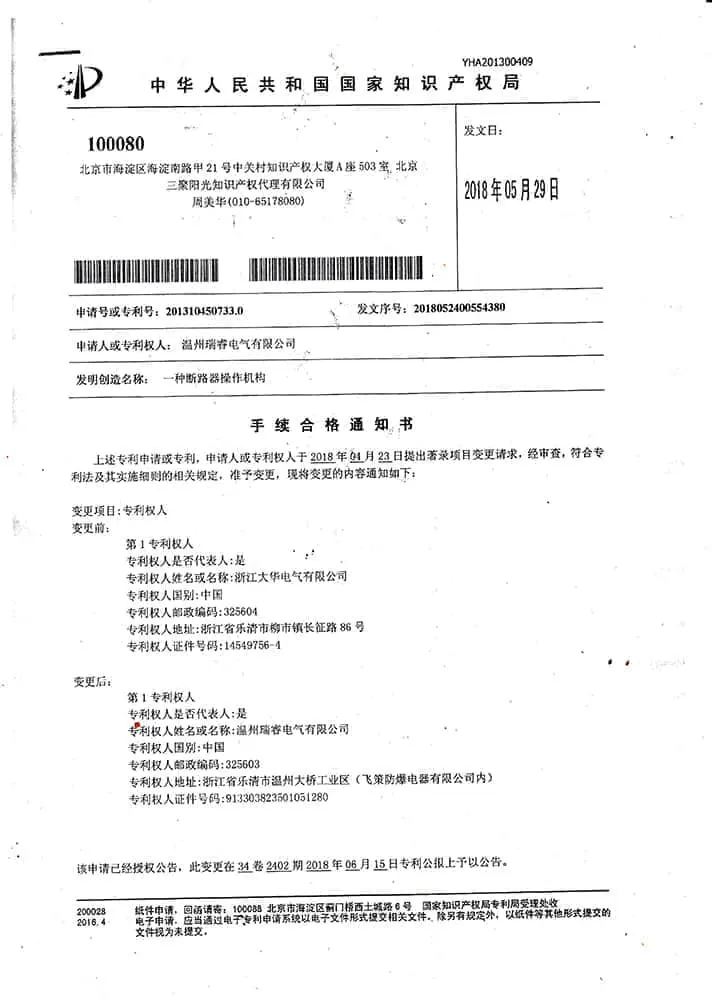
We maintain certificates and standards alignment to ensure smooth global market integration and strict electrical safety compliance.
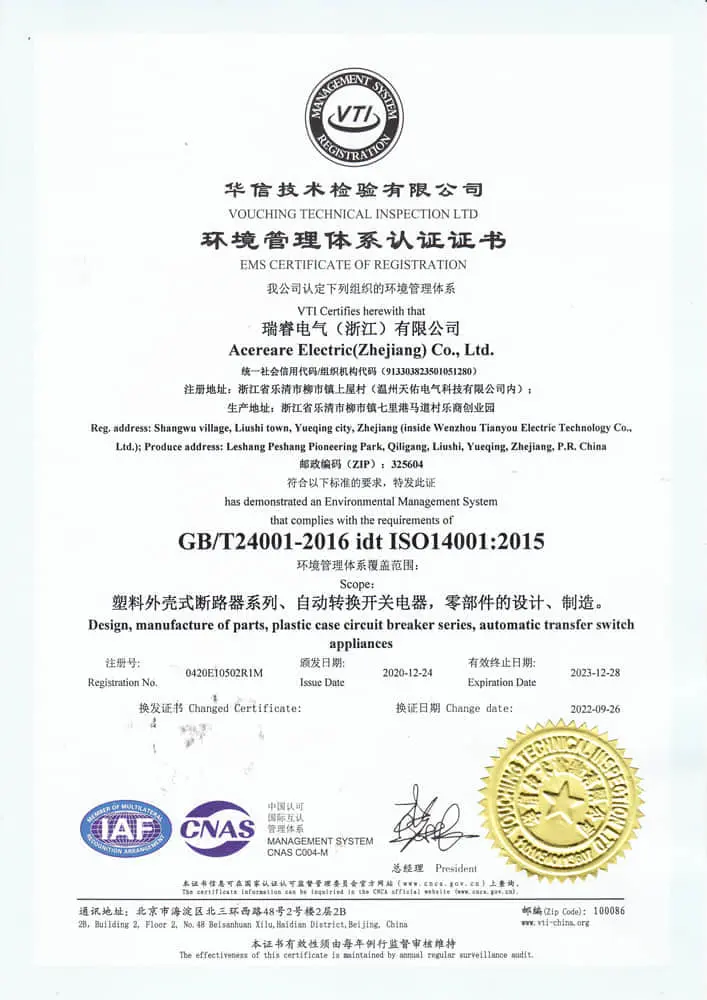
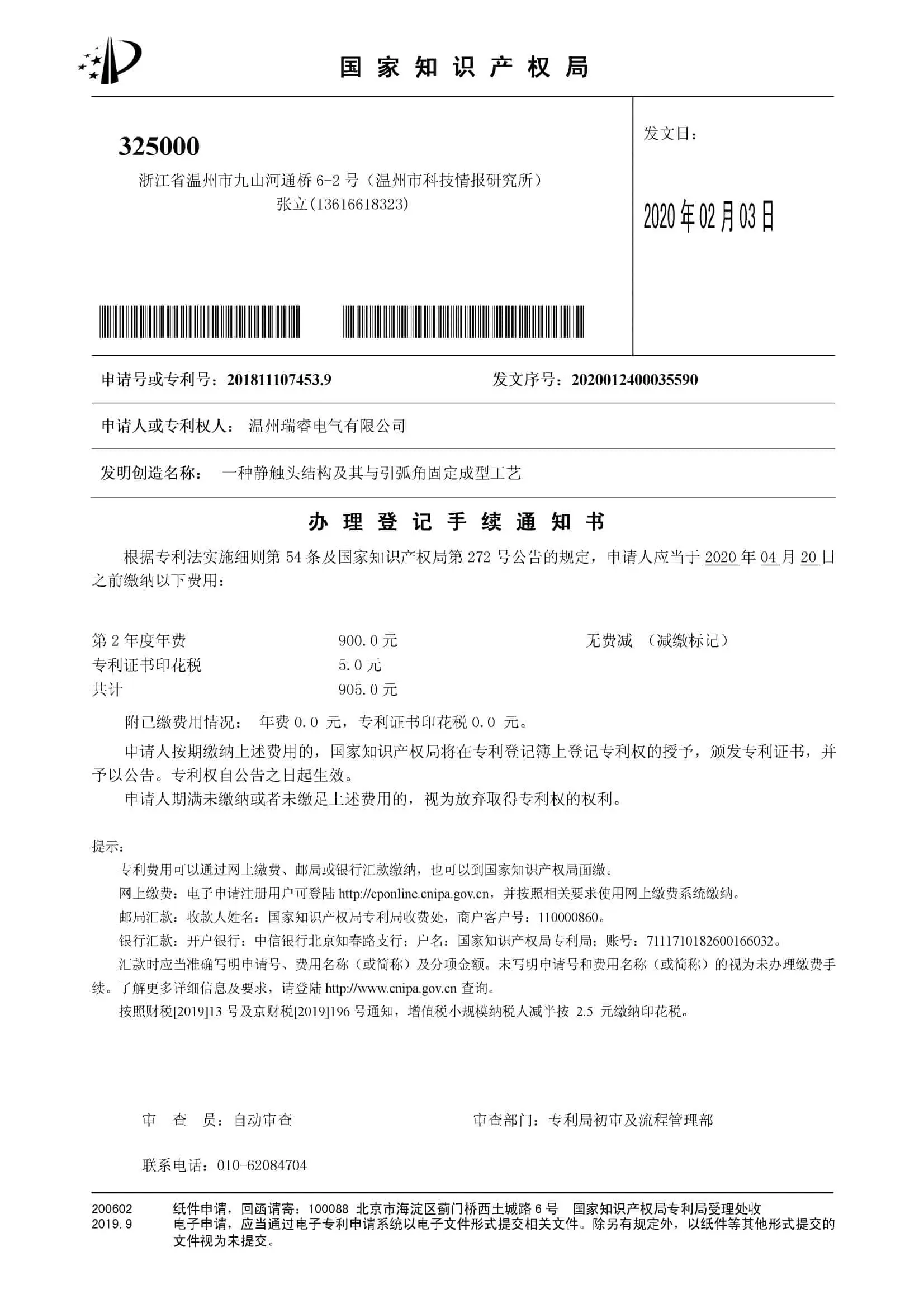
We configure circuit breakers with specialized structural protections to ensure continuous performance under challenging environmental conditions.
Formulated with low-temp structural resins and specialty non-freezing lubricants. Components undergo enhanced electroplating treatments. Third-party verified to operate reliably at temperatures down to -40℃.
Protective housings undergo a 72-hour salt spray test for completed assemblies and 48 hours for internal parts. Essential for marine docks, offshore platforms, and shipboard power distribution systems.
For sites exceeding 2000m above sea level, dielectric properties and cooling efficiency decline. We supply certified derating coefficient tables to ensure correct selection and electrical performance.
Engineered for high selectivity and reliable protection against short circuit faults and current overloads. Features easy-to-install rail configurations and user-friendly toggle switches.
Constructed with flame-retardant, high-temperature resistant DMC molding plastics. Features specialized thermal isolation coatings on internal electronic modules. Tested in a controlled 55℃ environment.
Integrates high-precision measurement sensors, bidirectional communication ports, and micro-processing units. Supports predictive maintenance and power analytics for smart grid systems.
Acereare Electric’s facilities are located in the heart of China’s electrical manufacturing hub. This proximity grants us access to a highly integrated, local component ecosystem. Rather than outsourcing key processes, our group maintains in-house metal stamping and structural plastic molding factories. This vertical integration allows us to inspect, refine, and verify quality starting at the raw material stage.
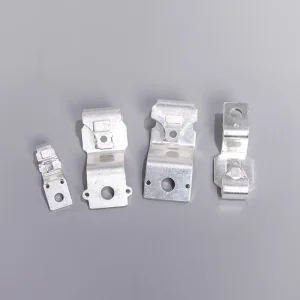
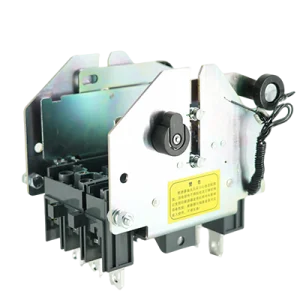
By producing our own fixed contacts, mechanical interlocks, drawer bases, and sheet metal panels, we maintain close control over production schedules. We also protect our supply lines from component shortages, ensuring stable prices and predictable lead times for international projects.
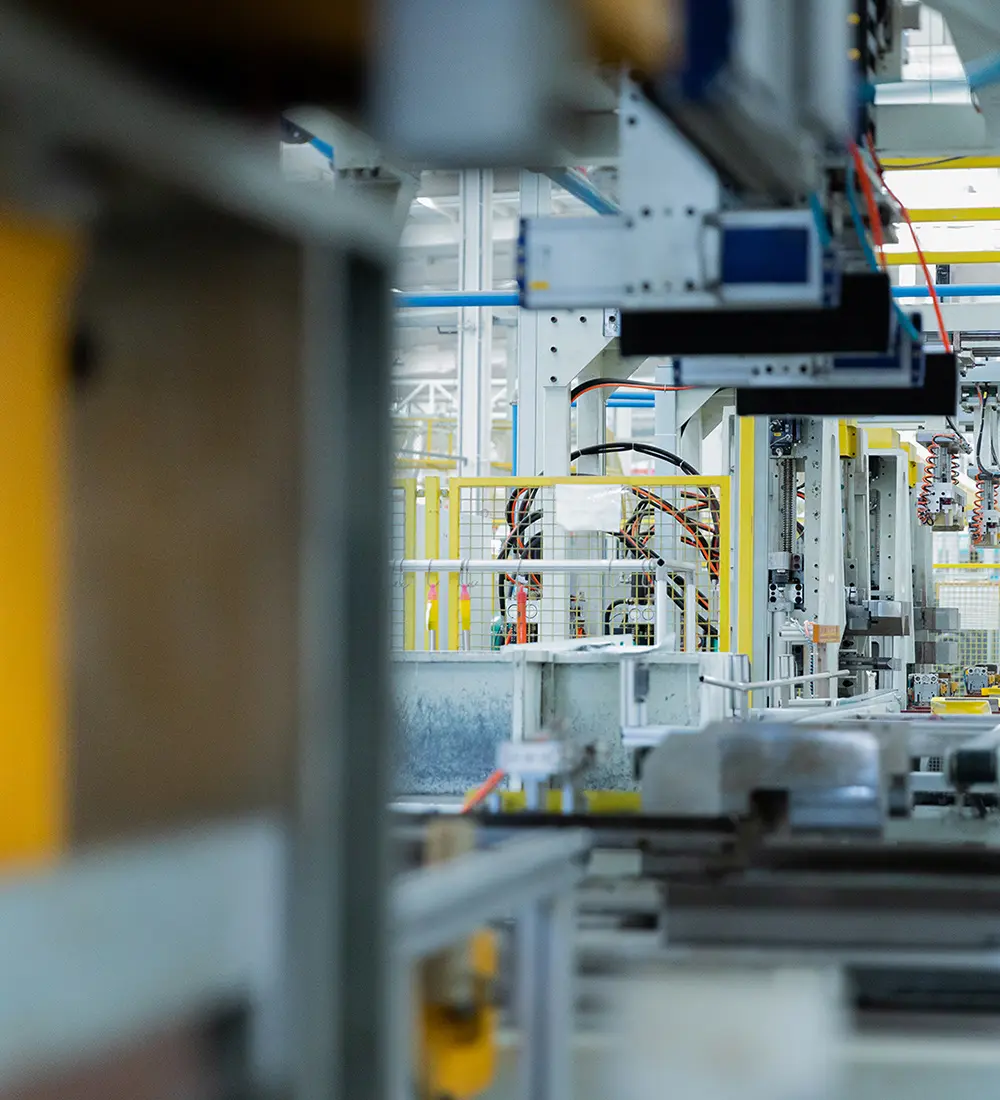
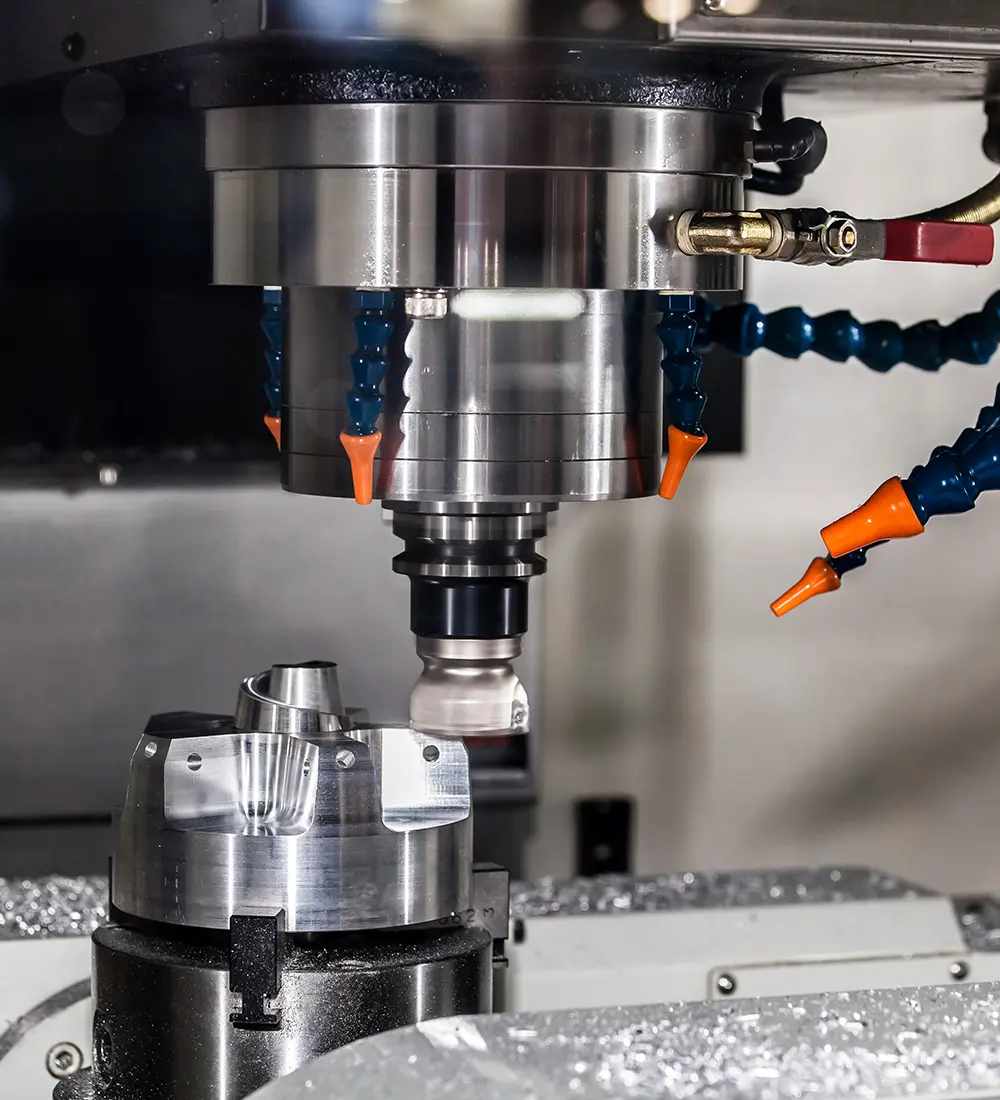
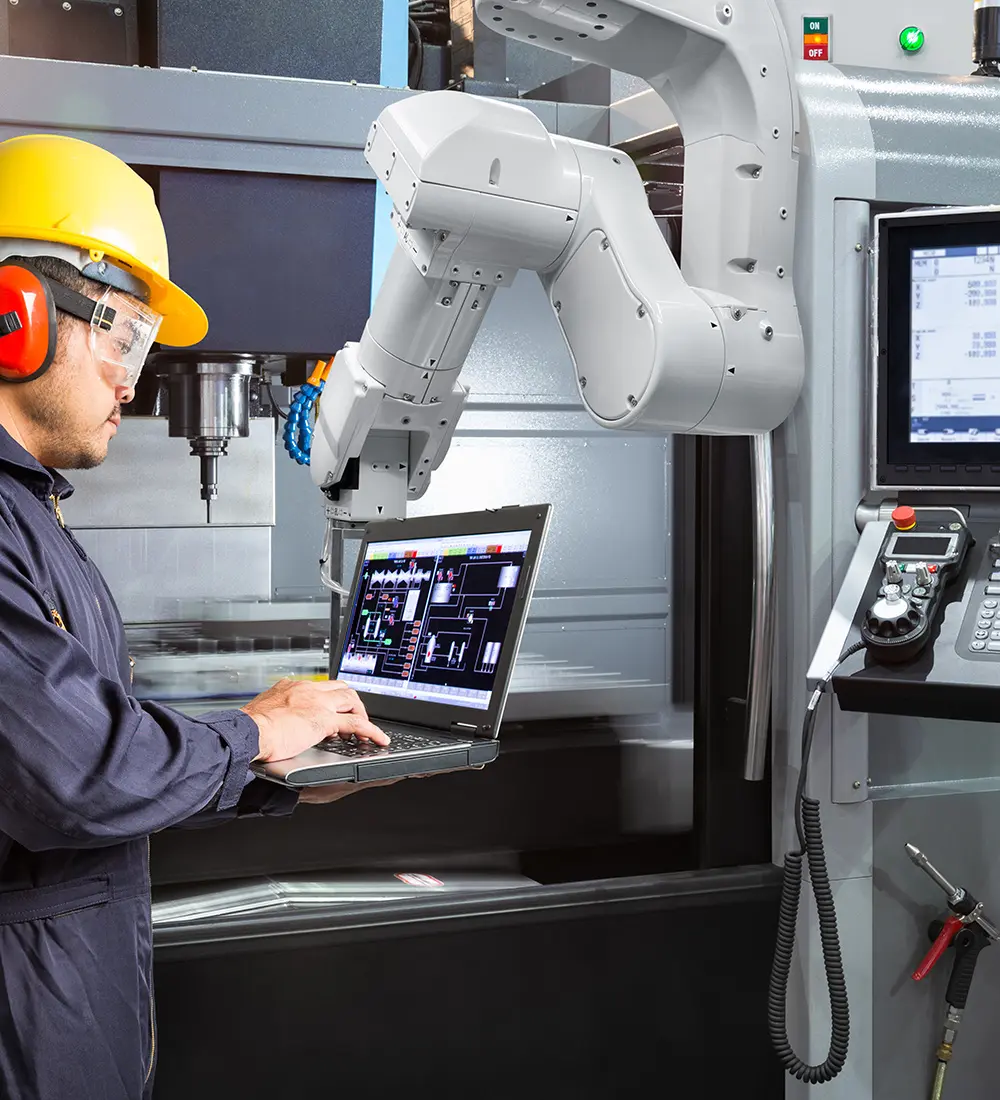
We support your brand with tailored engineering designs, logo placement, and international testing certification assistance.
Establish project criteria and environmental specs.
Draft 3D models and design custom molds.
Sign contracts and agree on delivery milestones.
Run laboratory validation and test assemblies.
Coordinate customs, ocean freight, and delivery.
We manufacture critical components and sub-assemblies to ensure reliable integration and long service life.
How smart grid integration, renewable energy, and solid-state designs are shaping modern power distribution safety.
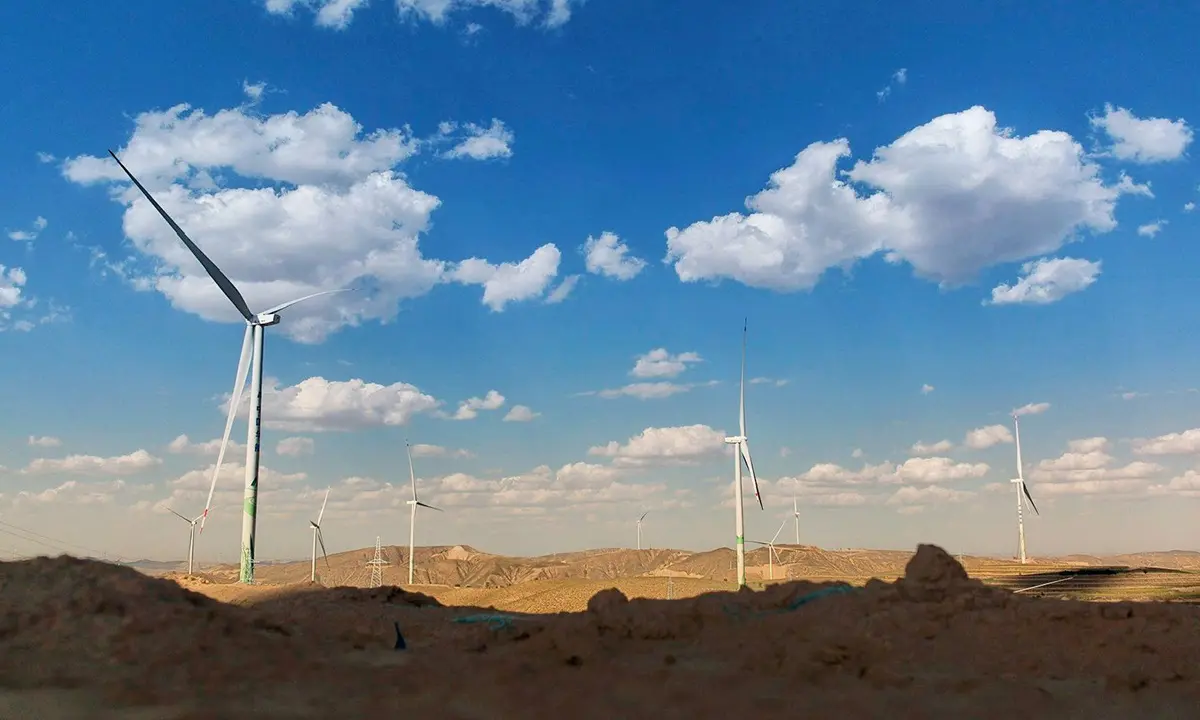
The global shift toward green energy requires circuit breakers capable of operating under high DC voltages. Solar power systems generate continuous DC current that creates highly persistent electrical arcs when interrupted. Our ARM6DC series is specifically engineered to handle DC potentials up to 1500VDC, protecting battery arrays, solar panels, and inverters from reverse currents and catastrophic earth fault conditions.
Industrial facilities are increasingly adopting predictive maintenance models. Rather than waiting for a trip to occur, smart breakers (such as our ARM6Z liquid-crystal display units) continuously monitor temperature rise, phase balance, contact wear, and line harmonics. This telemetry data is reported back to SCADA systems or cloud interfaces, allowing operators to schedules maintenance before system failures occur.
To reduce environmental impact, manufacturers are replacing traditional sulfur hexafluoride (SF6) gas insulation with solid insulation resins, vacuum interrupters, and clean air chambers. Modern MCCBs also use recyclable housing polymers that resist degradation without producing toxic byproducts during high-temperature arc extinction.
Detailed engineering and procurement answers for industrial system designers and global procurement managers.
 AceReare