 AceReare
The Technical Evolution of Smart Circuit Protection Systems
The industrial landscape is going through a rapid transition toward digital grids, requiring real-time power infrastructure transparency. A circuit breaker with remote control is no longer a luxury secondary device; it is a foundational component of modern smart microgrids, automated manufacturing, and large-scale commercial infrastructures.
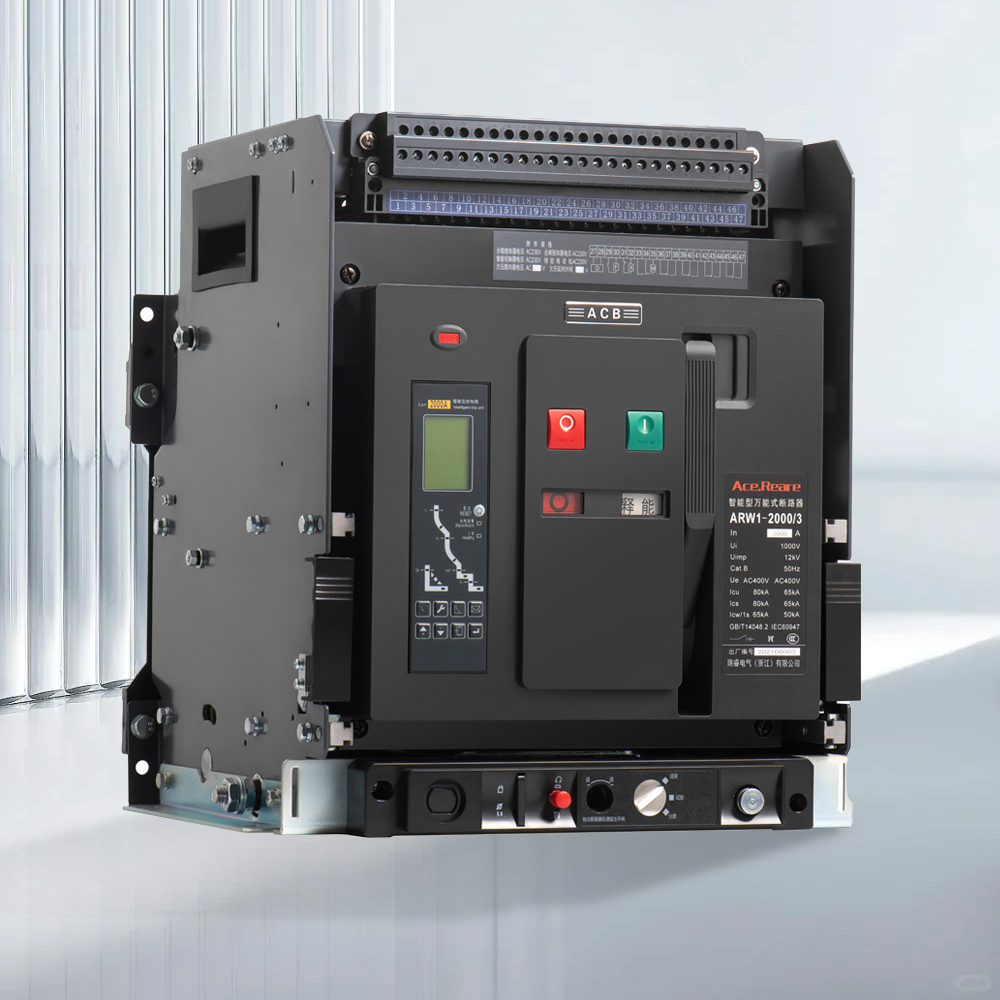
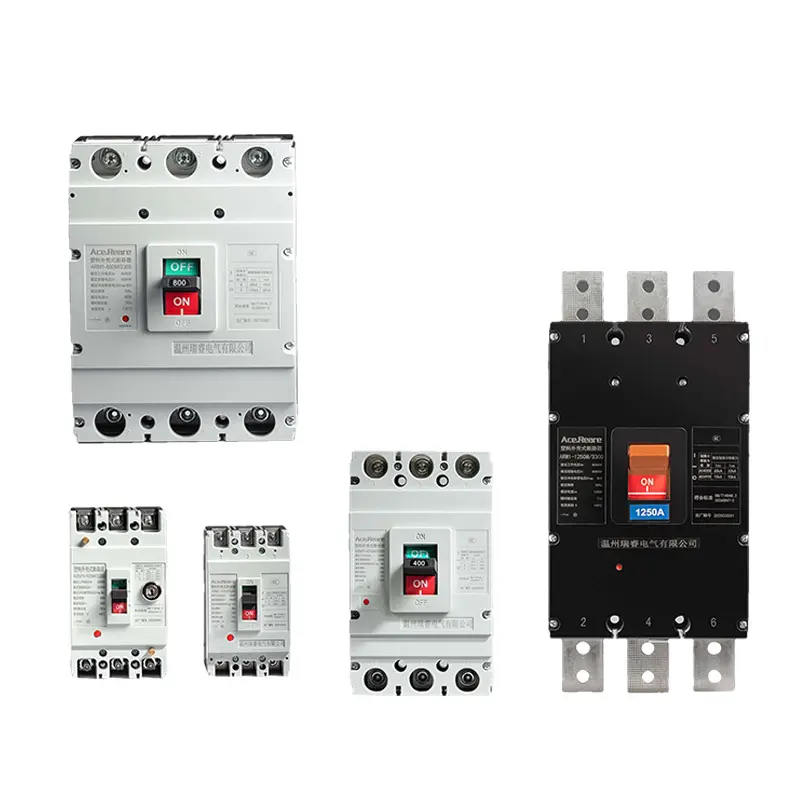
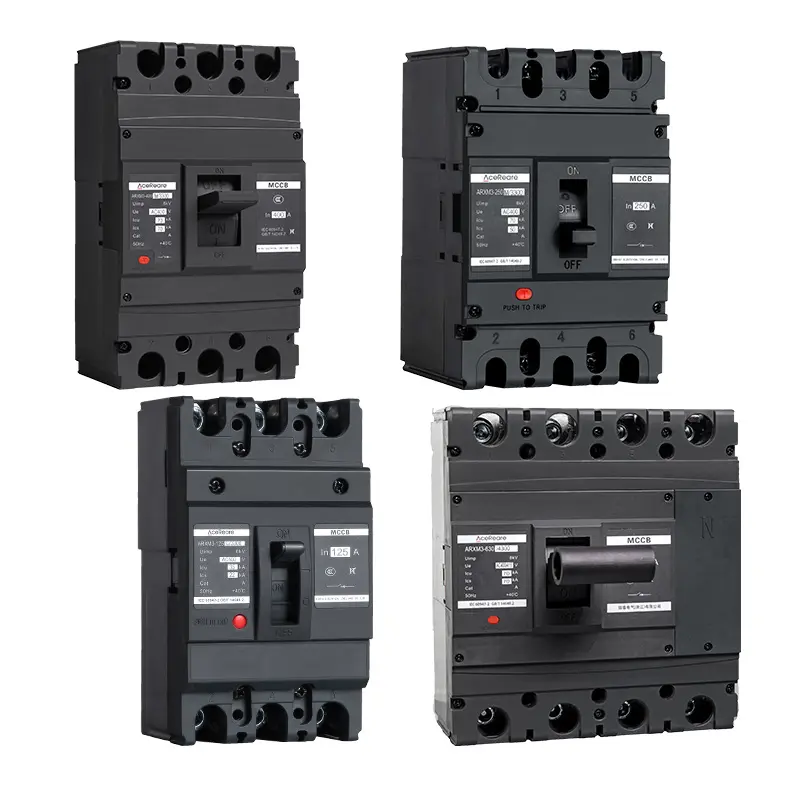
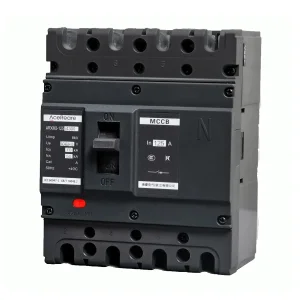
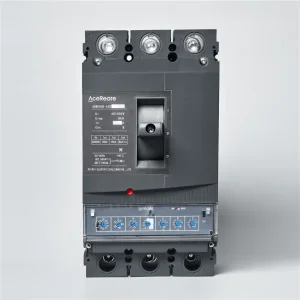
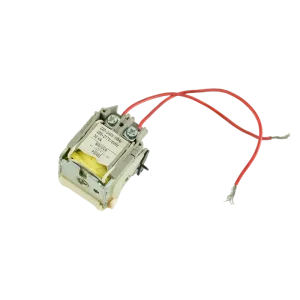
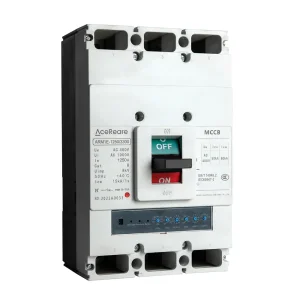
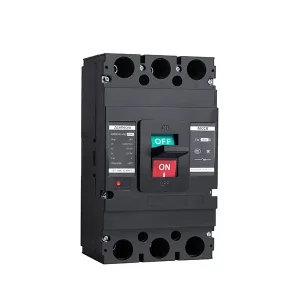
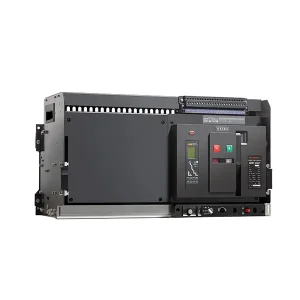
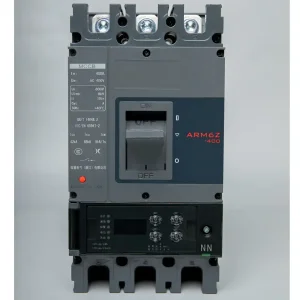
Traditionally, circuit breakers relied on manual intervention or localized thermal magnetic properties to trip overload and short-circuit faults. Today, advanced remote control circuit breakers integrate motor-driven operators, shunt releases, and digital communication links. Engineers can remotely switch lines, monitor circuit status, diagnose trip causes, and adjust electrical parameters from control centers thousands of miles away.
Information Gain: Why Choose RS485 & Modbus TCP Communication protocols?
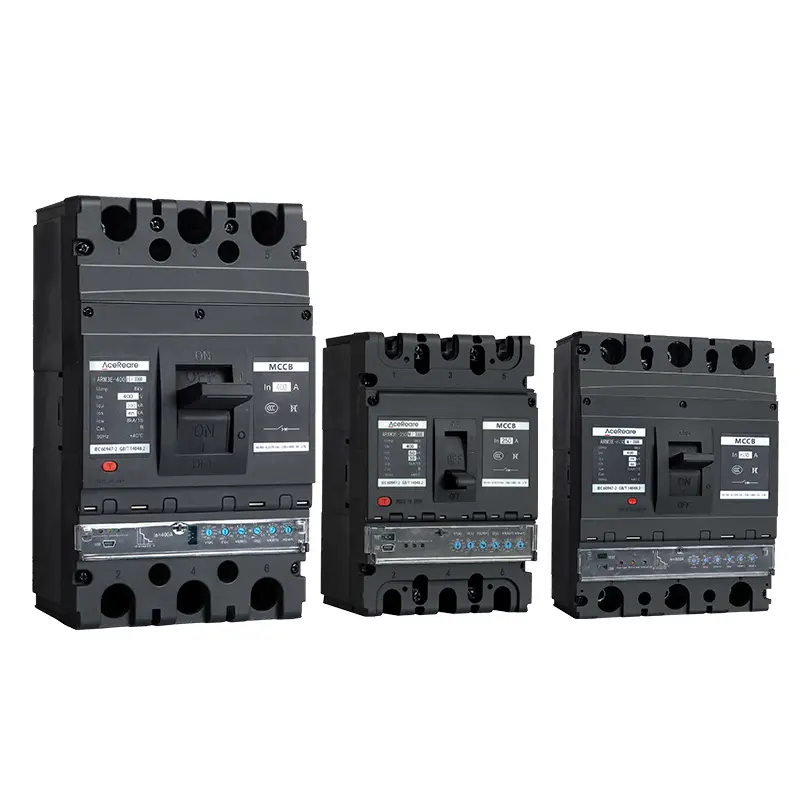
Our remote control circuit breakers support RS485 (Modbus-RTU) interfaces and Ethernet connections. They enable key features like telemetry, remote parameter adjustments, real-time control, and instant alarms. Operators receive live updates on voltage, load currents, phase balances, and breaker aging. This lets you schedule preventative maintenance before a critical failure occurs.
Core Capabilities of Modern Remote Control Breakers
- Bi-directional Communication: Integrated communication interfaces bridge field breakers directly with main SCADA systems or building management systems (BMS).
- Comprehensive Alarm Systems: Instant signaling for overcurrent, under-voltage, short-circuits, and earth faults with time-stamped digital logs.
- Automated Load Management: Remote motorized control permits automatic load shedding during peak utility tariffs, saving up to 18% in macro commercial operations.