Explore our premium Molded Case Circuit Breakers (MCCB) and Air Circuit Breakers (ACB) designed for critical application infrastructure.
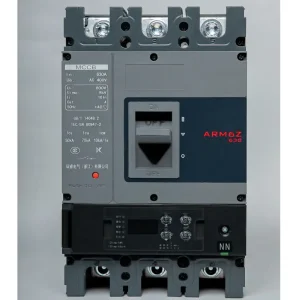
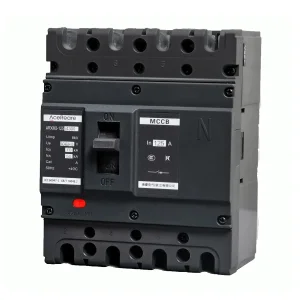
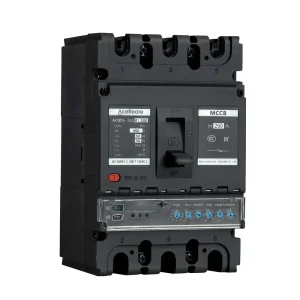
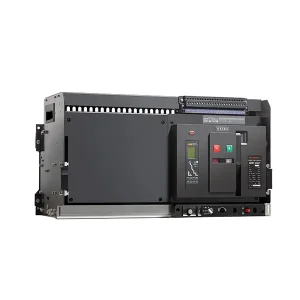
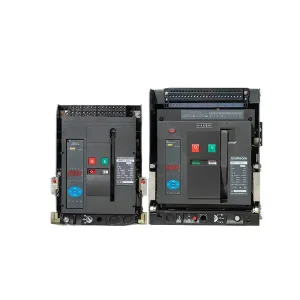
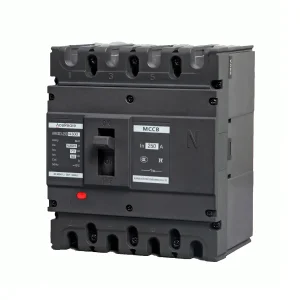
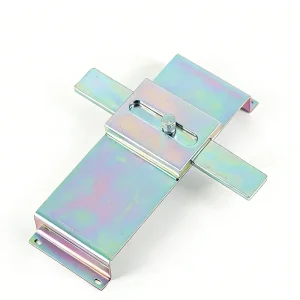
Founded in 2015, Acereare Electric operates as a leading player in low-voltage electrical protection, managing two wholly-owned manufacturing subsidiaries: RuiRui Electric and KeRui Electric. Specializing in Molded Case Circuit Breakers (MCCB), Air Circuit Breakers (ACB), and precision core components, we bridge the gap between traditional electrical craftsmanship and modern smart-grid digitization.
As a leading ODM partner in China, we collaborate with over 100 tier-one global suppliers and distributors. Our production capacity, driven by high-speed machinery and automatic testing lines, is backed by advanced structural R&D, positioning us at the forefront of circuit protection technology.

From conceptual CAD design to heavy current calibration, we operate a vertically integrated production line.
Our team of over 50 R&D engineers leverages advanced 3D software for part design, mold engineering, and complete product assembly. We execute 50+ new research and development projects annually to meet evolving standard adjustments.
We run more than 10 manual and automated production lines, employing six types of processing techniques. This is supported by high-precision testing instruments to guarantee dimensional tolerances and structural integrity.
Managing two major production bases for electrical component manufacturing and final system assembly, our operation is synchronized via ERP and U8 software systems, ensuring timely shipping and delivery.
We execute multi-stage testing in our in-house lab, utilizing over 150 testing devices. Quality is monitored through PLM, BI, ERP, and MES systems from raw material inspection to final performance checks.
Acereare's products are engineered to deliver reliable protection across diverse and harsh environmental conditions.
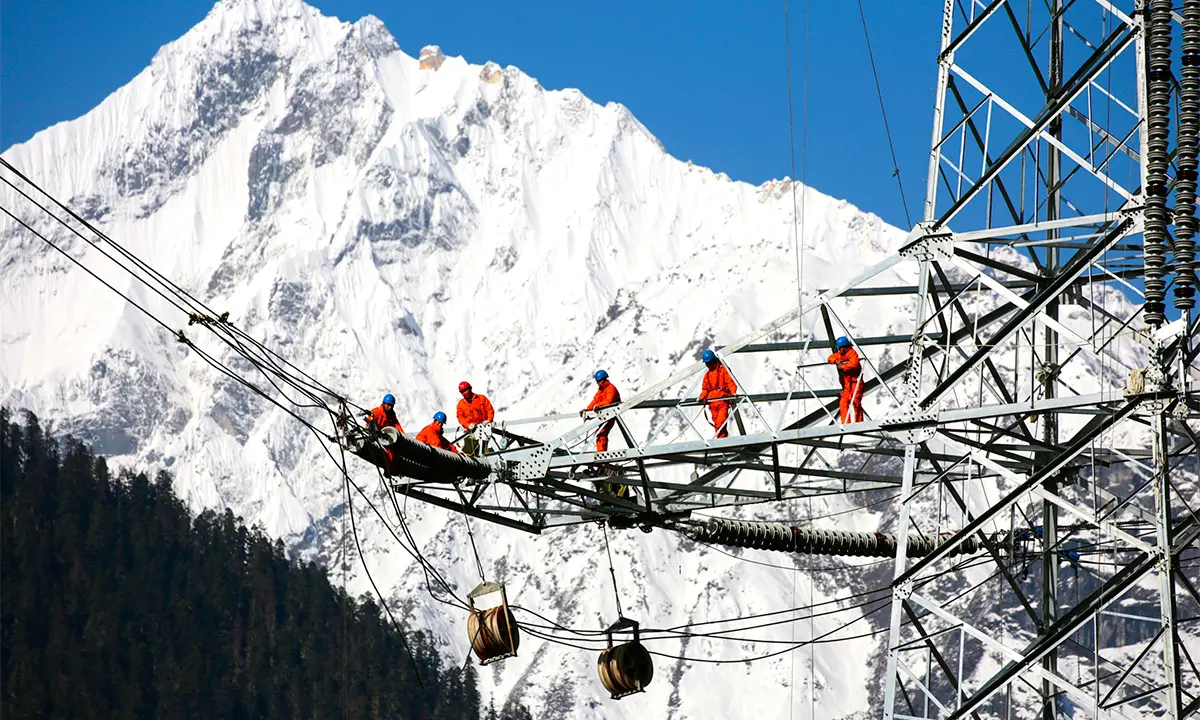 Industrial
Designed with low-temperature resistant structural polymers and specialized non-freezing lubricants, our units are certified to operate reliably down to -40℃, as confirmed by external validation reports.
 Marine
Engineered for marine installations, our MCCBs undergo extensive salt spray testing (72 hours for complete machines, 48 hours for core modules), ensuring protection against humid and salty coastal conditions.
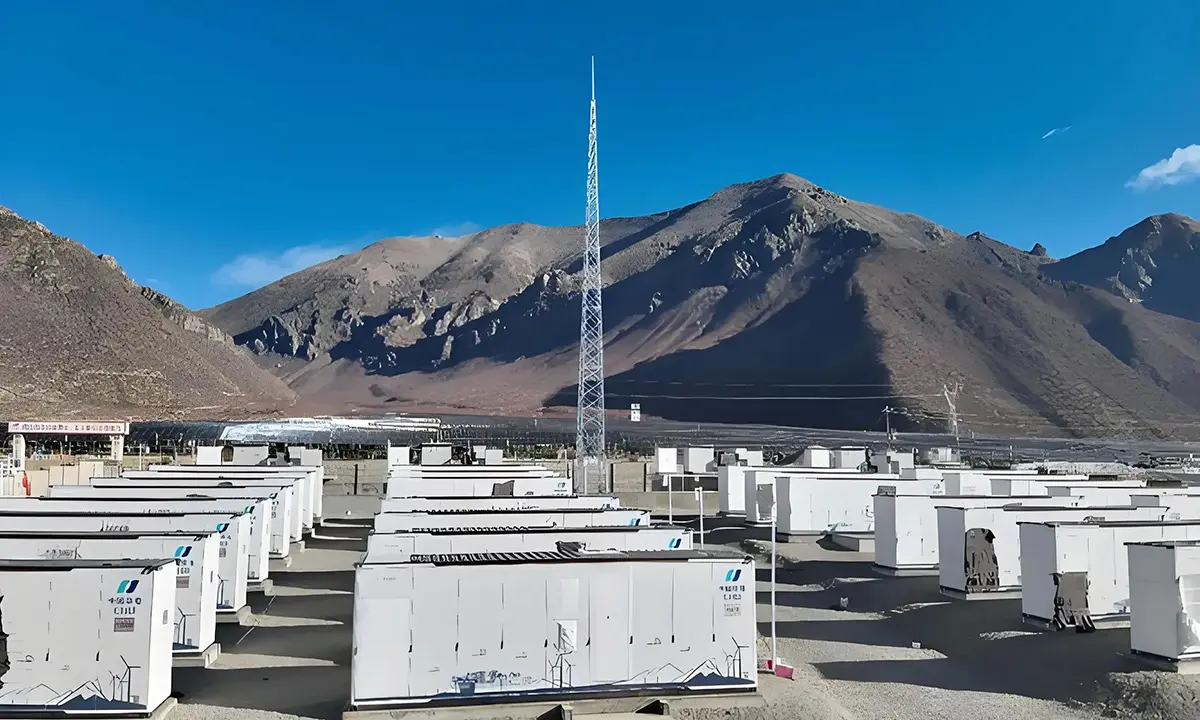 Utility
For installations exceeding 2000m, we provide comprehensive derating tables. Adjusting heat dissipation and insulation parameters ensures safe operation in thin-air environments.
 Residential
Our circuit breakers are widely applied in household control centers, offering protection against overloads and short circuits while maintaining a compact form factor.
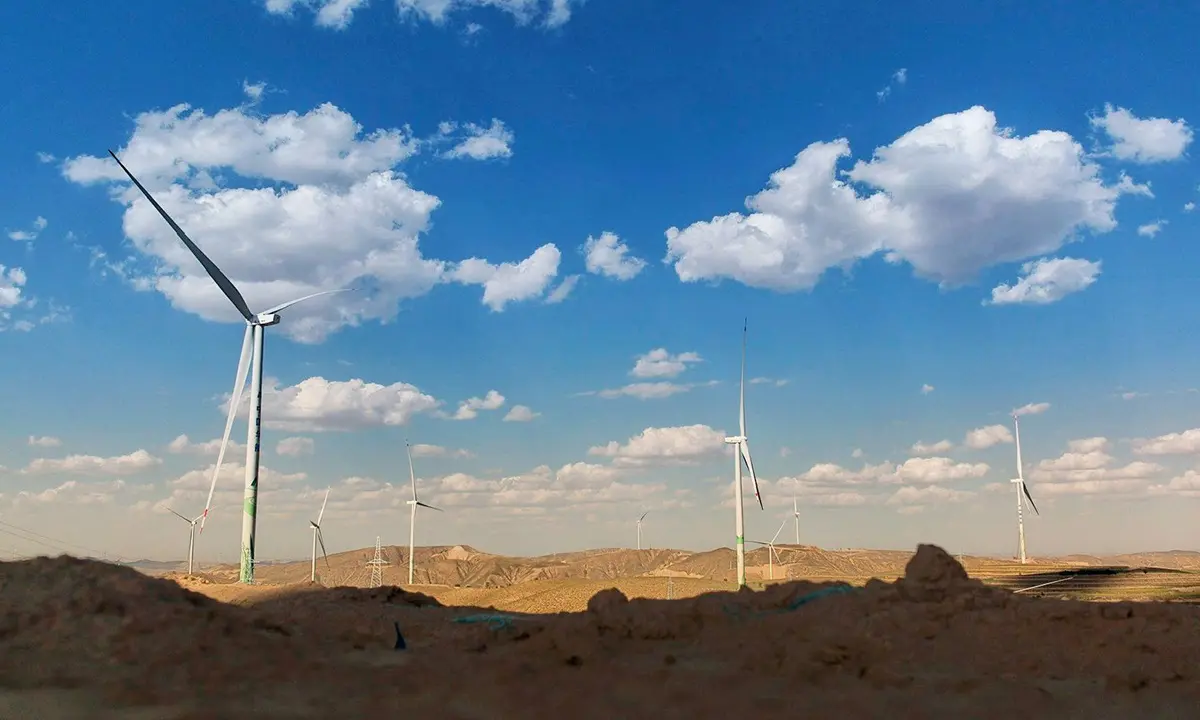 Extreme Conditions
Tested in constant temperature chambers at 55℃, these units utilize high-grade insulation barriers, along with treated copper and steel components, to prevent corrosion and thermal runaway.
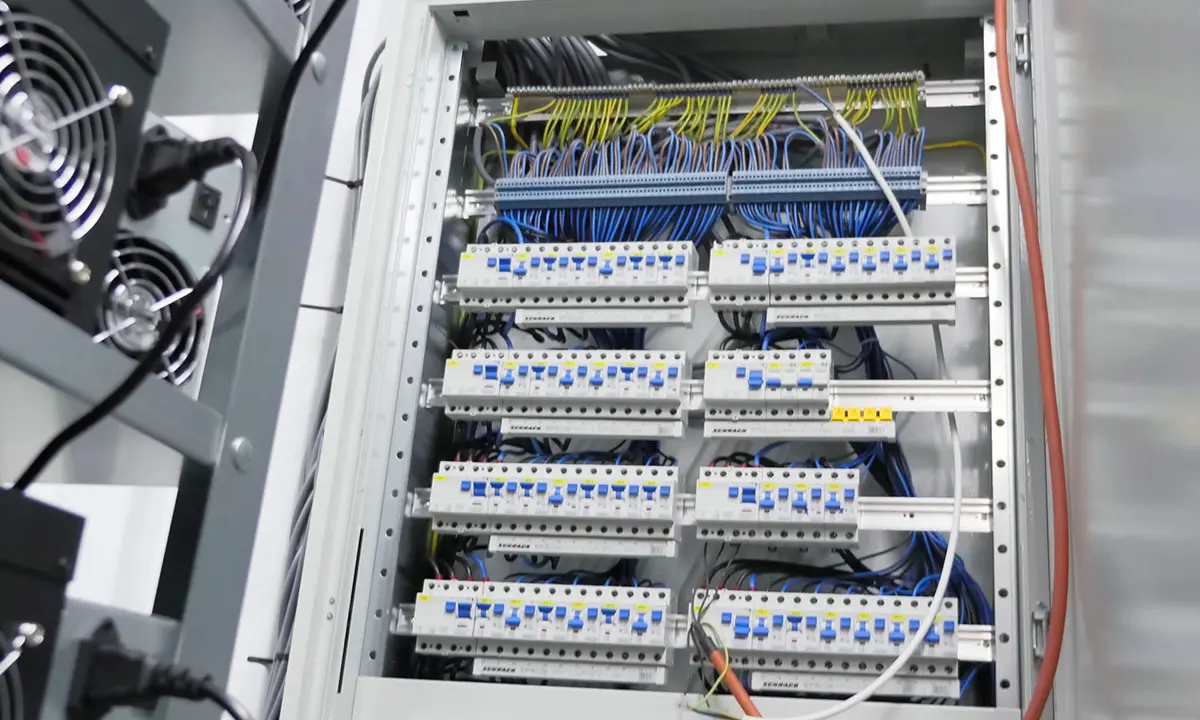 Smart Grid
Equipped with telemetry capabilities, our electronic circuit breakers support communication, measurement, and edge computing, helping build a reliable framework for smart grids.
A detailed engineering guide to molded case and air circuit breaker systems designed for modern power grids.
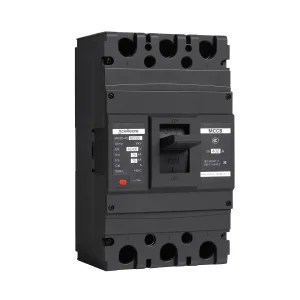
Low-voltage distribution systems require distinct circuit breaker topologies based on fault currents and application environments. Molded Case Circuit Breakers (MCCB) protect branch circuits, while Air Circuit Breakers (ACB) serve as main incoming breakers in low-voltage switchboards. The choice between a fixed type and a withdrawable (drawer) type breaker is key to optimizing system layout and reliability.
Fixed circuit breakers are bolted directly to the switchboard frame, linking to the busbars. This setup is highly mechanically stable and cost-effective, making it ideal for standard industrial environments. Draw-out variants, by contrast, utilize a secondary cradle structure. This configuration allows technicians to isolate the breaker from live busbars for fast service or replacement, minimizing downtime in critical applications.
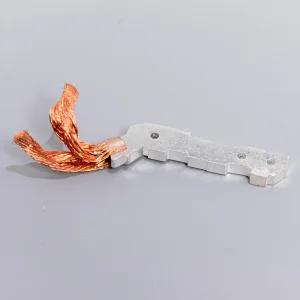
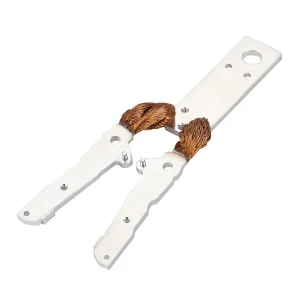
The efficiency of a circuit breaker depends heavily on its contact assembly. Contact resistance ($R_{contact}$) is a major source of heat generation in high-current breakers. Acereare addresses this by sourcing high-purity copper and using specialized stamping techniques to manufacture contact assemblies, such as our 250A Moving Contacts with Copper. These contacts feature thick silver-alloy plating (like AgNi or AgW) to improve conductivity, withstand electrical wear, and prevent contact welding during short-circuit events.
The outer shell is constructed from thermosetting plastics, typically Bulk Molding Compound (BMC) or unsaturated polyester glass-reinforced materials. These materials provide high dielectric strength, thermal stability, and mechanical strength to contain high-energy electric arcs without catastrophic structural failure.
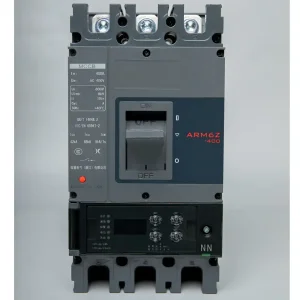
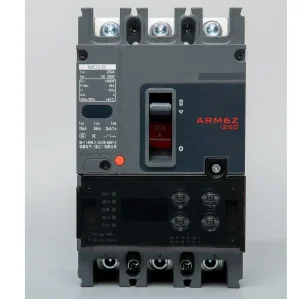
Traditional breakers rely on bi-metallic elements for overload protection and electromagnetic solenoids for short-circuit response. Modern industrial installations, however, increasingly demand intelligent protection. Our electronic units, such as the ARM3E Molded Case Circuit Breaker, feature digital trip units that calculate root-mean-square (RMS) current waveforms in real-time, providing adjustable LSIG protection:
Installing switchgear at elevations above 2000 meters presents specific engineering challenges. Reduced atmospheric pressure decreases air density, which limits both the dielectric insulation properties of air and its heat dissipation capacity. Standard design parameters must be derated using Paschen's Law calculations to maintain safety and performance.
At high altitudes, the breakdown voltage of air drops, reducing the rated impulse withstand voltage ($U_{imp}$) of the breaker. Additionally, because heat transfer via convection is less effective, the rated operational current ($I_e$) must be adjusted downward using derating tables to prevent overheating. Operating temperature limits are managed through silver-plated copper connections, optimized terminal contact area, and continuous monitoring in simulated environmental chambers.
Our manufacturing facilities in Wenzhou, China, benefit from a mature industrial ecosystem for electrical equipment. This centralized supply chain provides immediate access to high-grade stamping parts, thermoset plastics, electronic microcontrollers, and specialized plating services. By integrating these local supply chains, we maintain competitive costs while keeping lead times short.
Through the use of integrated ERP and MES systems, we link component production with final device testing. Each circuit breaker undergoes comprehensive functional testing, including insulation resistance, primary current injection, and micro-ohmmeter contact resistance verification, ensuring reliable quality control for international projects.
A structured approach to custom branding, tooling development, and compliance certification.
Providing direct answers to technical questions commonly asked by global procurement teams and electrical engineers.
Fixed circuit breakers are bolted directly to switchgear busbars. They offer robust mechanical connection and lower costs but require a complete power shutdown to service or replace. Drawer type breakers mount into a dedicated guide frame or cradle, allowing the breaker to be safely isolated, tested, or swapped without disturbing the main switchboard busbars.
At altitudes above 2000 meters, lower air density reduces heat dissipation and the dielectric isolation properties of the air. This requires derating the rated current ($I_e$) and rated voltage ($U_e$). Acereare provides altitude derating tables calculation curves to guide proper equipment dimensioning for high-altitude installations.
Our products are engineered in compliance with IEC 60947-1 and IEC 60947-2 standards. We maintain CE, CB (Certification Body), and CCC (China Compulsory Certificate) markings. Our manufacturing facilities are certified to ISO 9001 quality management, ISO 14001 environmental management, and ISO 45001 occupational health and safety standards.
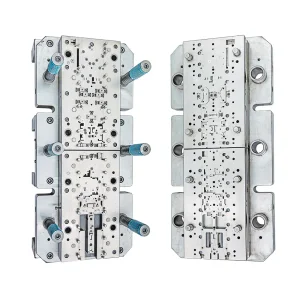
Our contacts utilize high-purity electrolytic copper bases to minimize electrical resistivity. These are formed via progressive die stamping, then plated with silver alloys (e.g., silver-tungsten or silver-nickel) to resist electric arcs, prevent oxidation, and avoid contact welding during high-amperage switching.
Examine our specialized components, compact thermal-magnetic designs, and high-capacity switchgear systems.
 AceReare