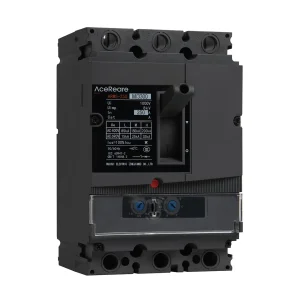
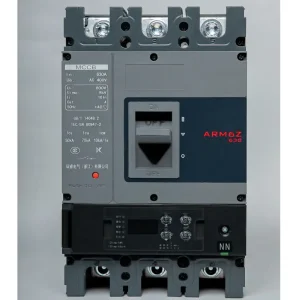
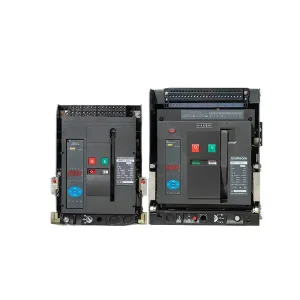
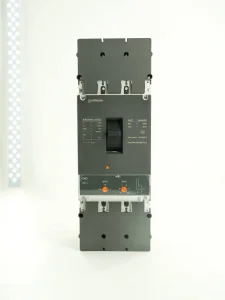
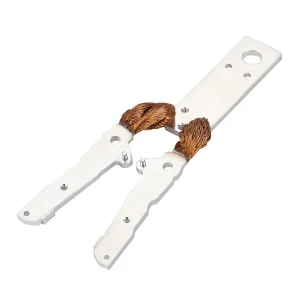
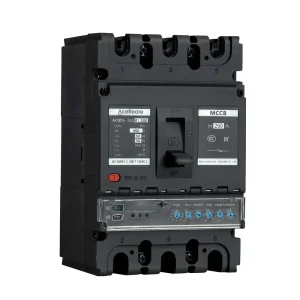
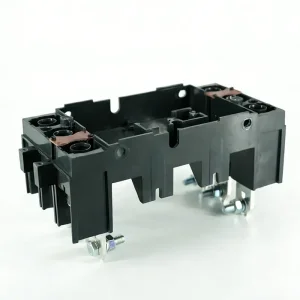
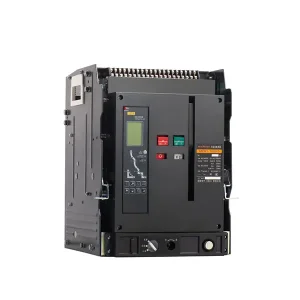
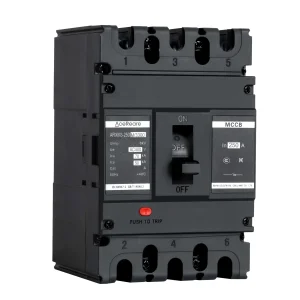
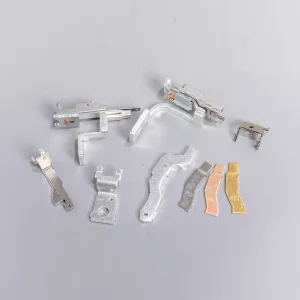
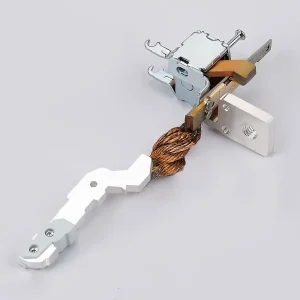
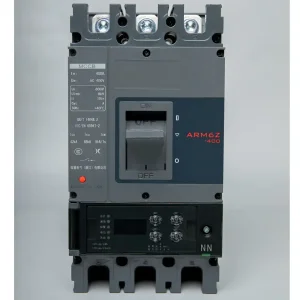
Direct supply of factory-certified, high-breaking capacity air circuit breakers, molded case circuit breakers, and custom-stamped electrical contacts.

Founded in 2015, Acereare Electric operates with two wholly-owned subsidiaries, RuiRui Electric and KeRui Electric. We inherit over 20 years of craftsmanship developed across two generations. As a leading original manufacturer in China, we integrate comprehensive R&D, state-of-the-art production lines, and global sales pipelines to deliver high-performance molded case circuit breakers (MCCB), air circuit breakers (ACB), and structural electrical parts.
Our company has established strategic partnerships with nearly 100 high-end domestic and international clients, earning our place among the top-tier ODM/OEM manufacturers in the region. By linking our departments through modern ERP, PLM, and MES database structures, we achieve rigorous quality control and efficient manufacturing timelines.
The global energy network is undergoing a rapid transition toward digitization, demand-side management, and localized microgrids. Legacy protection equipment is no longer sufficient to secure modern infrastructure. Intelligent circuit breakers from China factories offer unmatched cost performance, rapid design cycles, and robust supply chain resilience. At Acereare Electric, we address these dynamic challenges with our fully integrated production facility.
"Strategic integration of raw material processing, high-precision stamping, automated assembly, and modern micro-controller design allows Chinese manufacturers to lead the industry in engineering speed and product adaptability."
Choosing the right low-voltage electrical component manufacturer is critical for engineering reliability and project cost management. Here is how we maintain our competitive advantage across our facilities:
We provide a complete in-house production chain using six specialized processing techniques. Supported by high-precision manufacturing equipment, testing instruments, and more than 10 manual and automated assembly lines, we ensure uniform build quality across mass production runs.
Our technical team consists of over 50 R&D engineers, each possessing more than 5 years of mechanical and electrical design experience. Utilizing sophisticated 3D design software, we manage 50+ custom research and development projects annually, converting complex client concepts into validated industrial drawings and product molds.
With two wholly-owned factories manufacturing structural components, stamped metal contacts, and complete assembly machines, we avoid component bottleneck delays. Our ERP and U8 software environments link production planning, material tracking, and shipping departments for reliable lead times.
We perform multi-stage quality control checks at every stage of production. Supported by a dedicated quality laboratory containing over 150 test instruments, our 20+ inspectors monitor material properties and mechanical tolerance thresholds. Product quality data is processed through integrated PLM, BI, and MES quality management modules.
Our circuit breakers are optimized to operate in extreme environments, protecting critical power equipment and providing precise measurement telemetry.
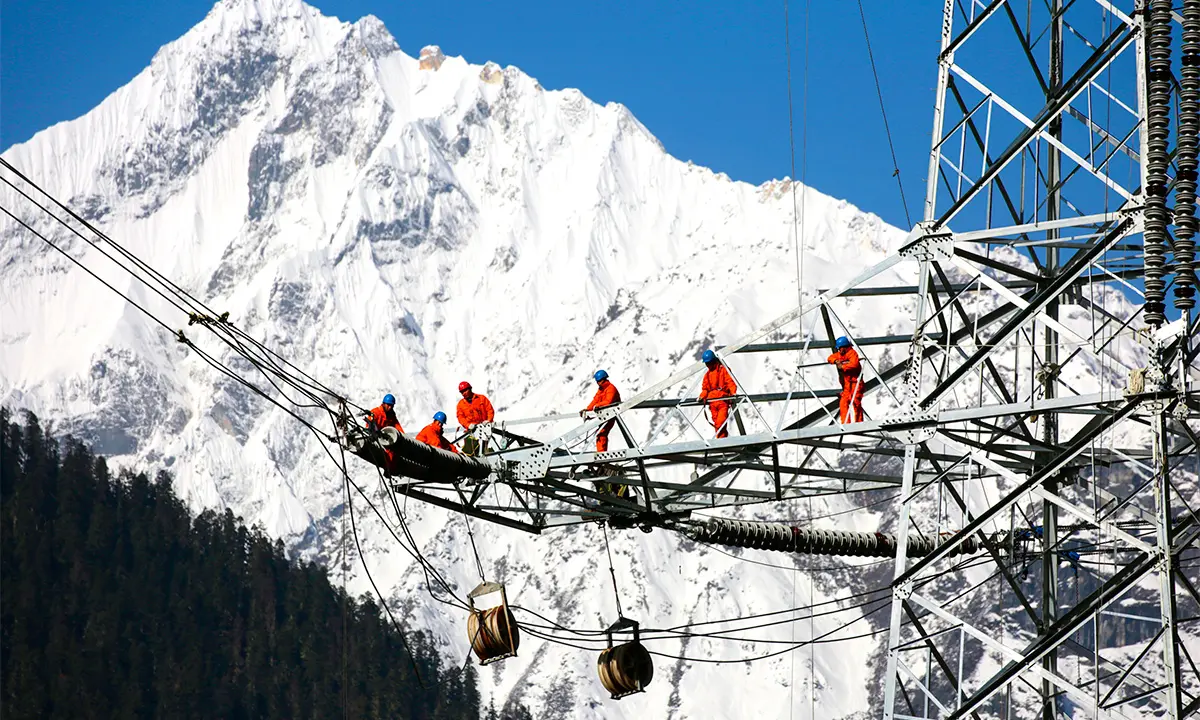
Designed for sub-zero installations, our breakers utilize low-temperature resistant base materials, specialized low-temperature lubricants, and thickened protective plating on functional mechanisms. Every batch is validated by low-temperature laboratory test reports at -40°C.

For coastal docks and marine power networks, our components withstand humid and saline atmospheres. We conduct standard salt-spray testing: 72 hours for completed assemblies and 48 hours for core components, ensuring long-term rust prevention and mechanical reliability.
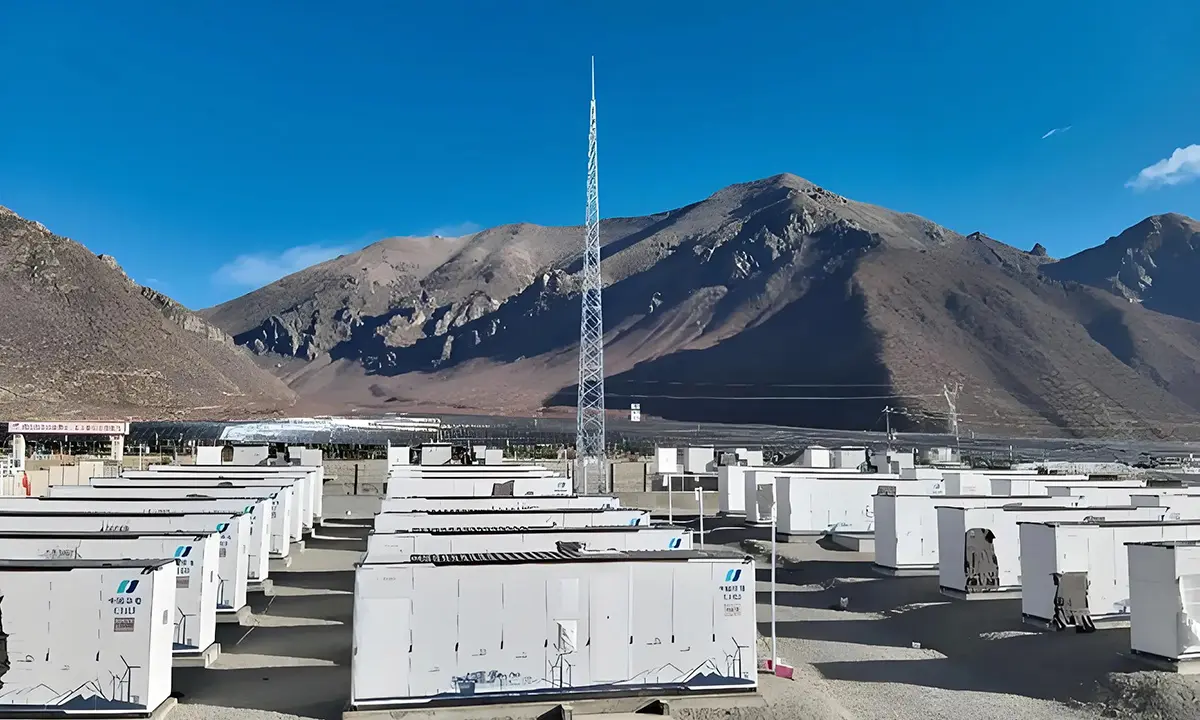
In high-altitude areas where thin air reduces dielectric properties and cooling efficiency, we apply precise high-altitude de-rating adjustments. By modifying current coefficients and spacing designs, we preserve optimal operation up to 5000 meters.

For home distribution and electrical appliances, our compact breakers provide protection against overloads and short circuits. With sensitive tripping mechanisms and robust insulating housings, they prevent electrical fire hazards in residential areas.
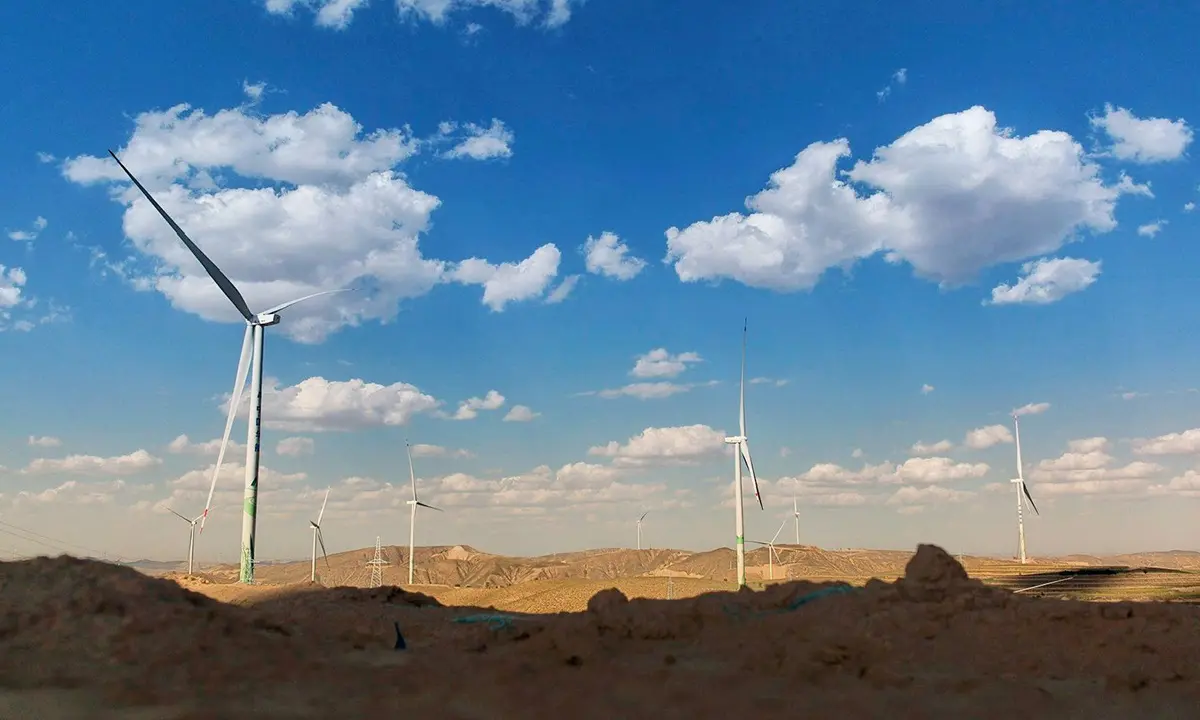
To resist heat in desert solar stations and heavy machinery environments, we use flame-retardant, high-temperature resistant plastics. Conductive copper and iron parts are treated to resist moisture and rust, with all performance characteristics validated at 55°C in our laboratory.
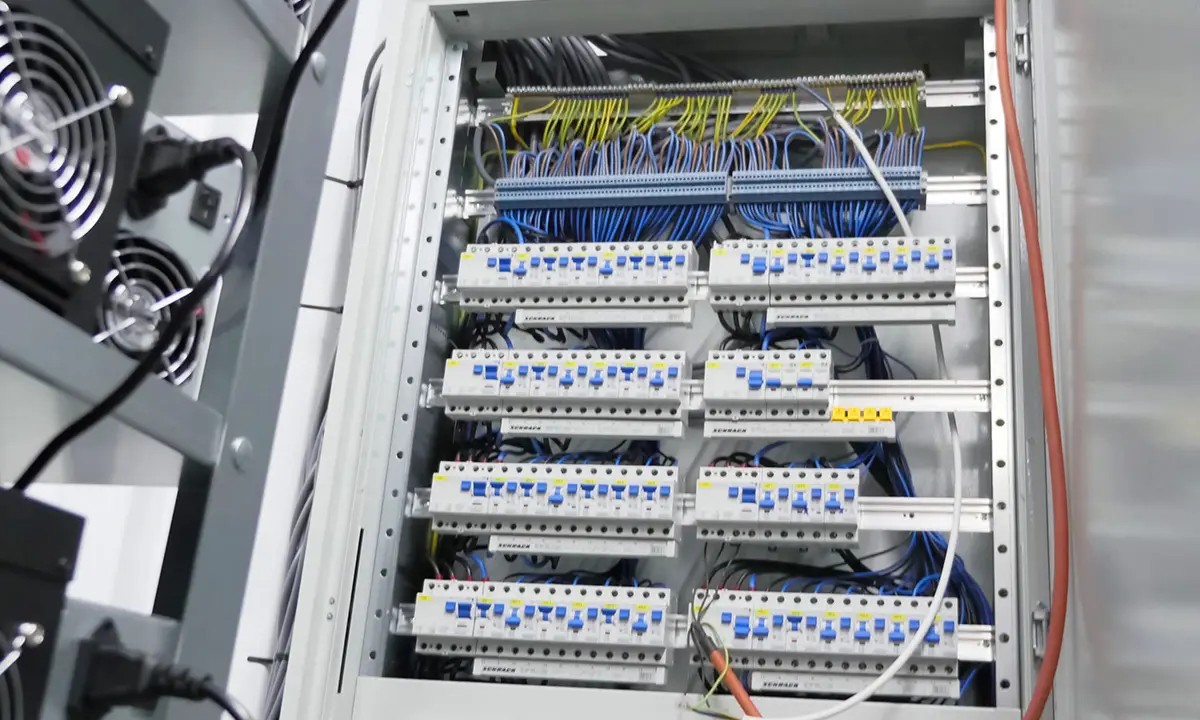
Equipped with built-in micro-processors, our smart breakers support edge computing, high-precision power metering, and real-time communications. Compatible with modern fieldbus protocols, they enable remote status tracking and automated power management.
In high-altitude environments, the dielectric strength, heat dissipation efficiency, and switching capability of air-insulated circuit breakers change due to reduced air density. The table below outlines our standard engineering parameters and current/voltage adjustment coefficients for high-altitude installations:
| Operational Altitude (m) | Rated Power-Frequency Withstand Voltage (V) | Rated Operational Voltage (Ue) Modification | Rated Operational Current (Ie) Coefficient | Dielectric Strength Factor |
|---|---|---|---|---|
| ≤ 2000m | 2500V / 3000V | 100% (e.g., 690V) | 1.00 | 1.00 |
| 3000m | 2000V | 88% (e.g., 600V) | 0.96 | 0.89 |
| 4000m | 1800V | 78% (e.g., 540V) | 0.92 | 0.80 |
| 5000m | 1600V | 68% (e.g., 470V) | 0.88 | 0.73 |
*Note: When engineering power cabinets above 2000m, always utilize the corresponding de-rating factors to ensure protection parameters remain within safe thresholds.
We assist international brand owners, panel builders, and distributors in scaling their product portfolios with tailored manufacturing support.
We review technical drawings, rating requirements, and application limits.
Our engineers provide functional diagrams and design suggestions.
Parameters are locked, contracts signed, and custom tooling begins.
Prototypes undergo dielectric, short-circuit, and mechanical tests.
Batches are assembled, inspected under quality metrics, and shipped.
Our manufacturing facility and products undergo continuous auditing to meet international certification requirements.
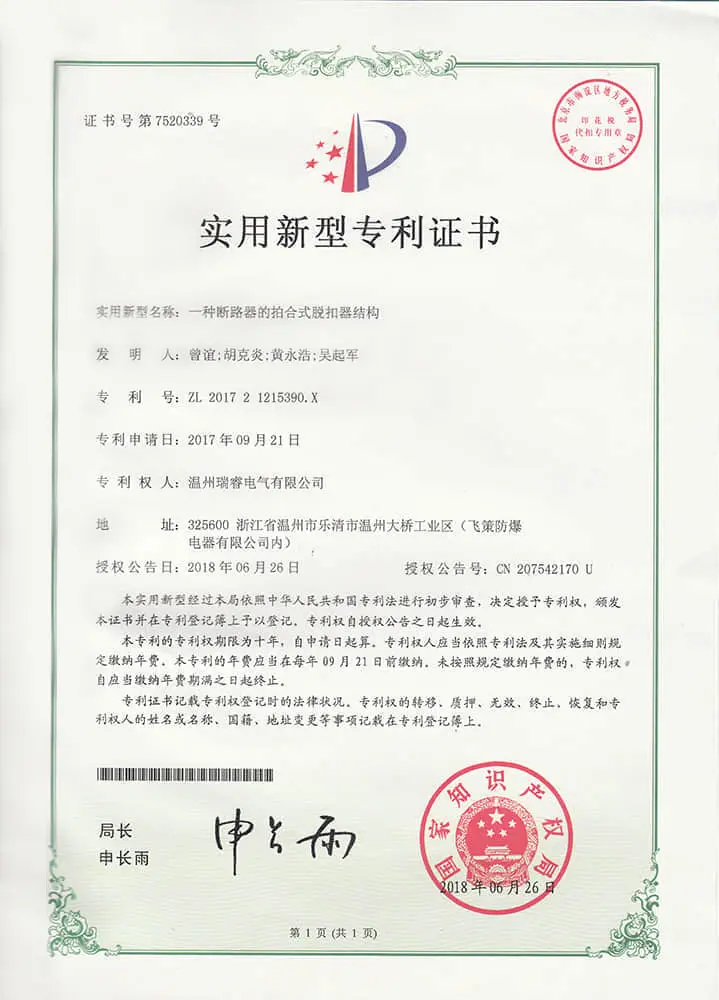
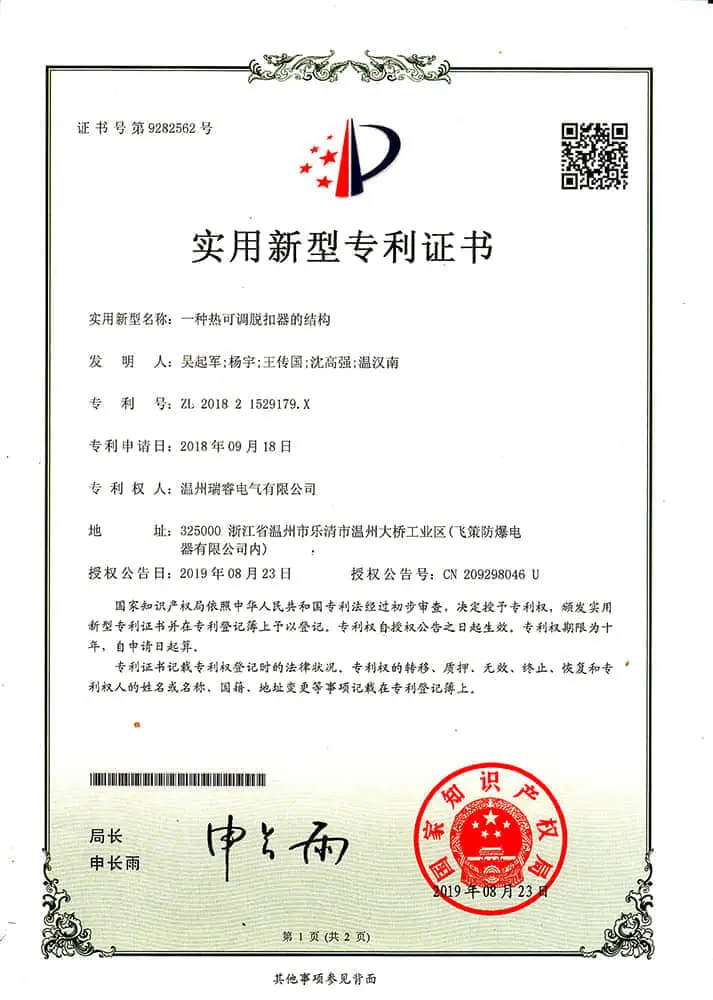
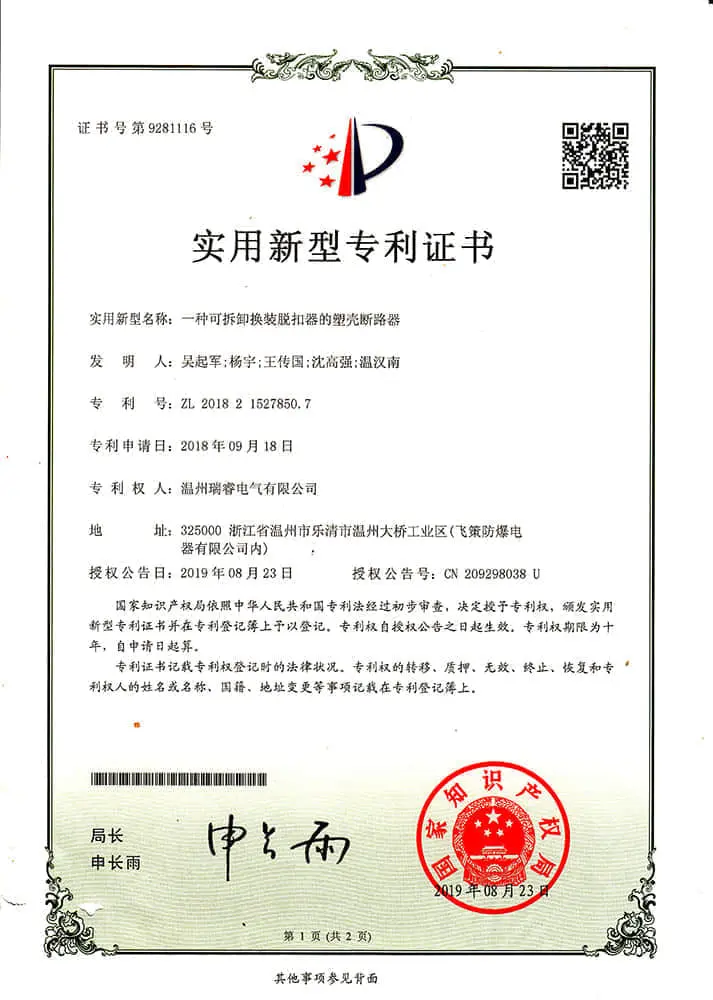
Common questions concerning selection, installation, and performance criteria for industrial circuit breakers.
Icu (Ultimate Short-Circuit Breaking Capacity) represents the maximum fault current a circuit breaker can interrupt without sustaining permanent damage. Ics (Service Short-Circuit Breaking Capacity) indicates the current level the breaker can interrupt and continue operating without replacement. Our premium MCCBs are engineered to achieve an Ics value equal to 100% of their Icu rating.
Our smart breakers feature integrated communication modules supporting Modbus-RTU, Profibus, or Ethernet protocols. These interfaces allow energy management networks to track live electrical values (voltage, load current, power factor, harmonic distortion) and execute remote tripping or resetting actions.
Moving contacts undergo heavy arc exposure during switching cycles. By applying a high-purity silver alloy layer to the contact tips, we minimize contact resistance, prevent thermal degradation, and extend the mechanical and electrical lifespan of the breaker.
Thermal protection depends on a bimetallic strip that bends under load heat. If ambient temperatures exceed the calibration threshold (usually 40°C), the breaker will trip at a lower current. For high-temperature environments up to 55°C, we apply high-temperature calibration or recommend electronic trip units (ETU) which remain unaffected by ambient heat.
Drawer-type ACBs are mounted on a slide rail mechanism. This design allows maintenance personnel to isolate the breaker from main busbars for inspection or replacement without power cabinet disassembly, reducing overall system downtime.
Yes, our complete range of molded case circuit breakers and air circuit breakers are developed, manufactured, and tested to meet international IEC/EN 60947-2 safety regulations, certified by CE, CCC, and other verification agencies.
Yes, we supply front plug-in, rear plug-in, and drawout base layouts to simplify installation, fitting various panel designs and maintenance workflows.
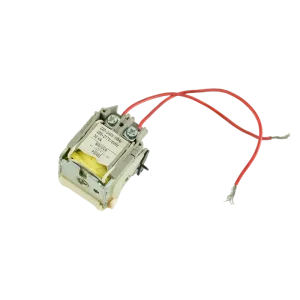
An undervoltage release automatically trips the circuit breaker when the system voltage drops below a specified threshold (typically 35%-70% of nominal voltage). This prevents electric motors and industrial machines from restarting under insufficient line voltage conditions.
For custom OEM designs, the mold fabrication, prototype validation, and certification phase takes approximately 30 to 45 days, depending on geometry complexity and material requirements.
All internal stamping components are manufactured using high-speed progressive dies in our subsidiary plants. We test stamping thickness, mechanical elasticity, and plating adhesion to ensure long-term mechanical reliability.
Explore our complete range of high-amp MCCB, drawer-type ACB units, and replacement internal components.
 AceReare