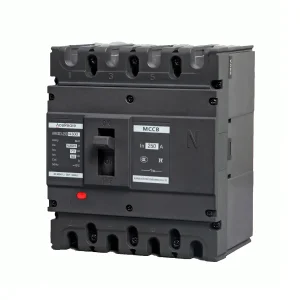
Explore our core selection of industrial-grade molded case circuit breakers and accessories engineered for automated networks
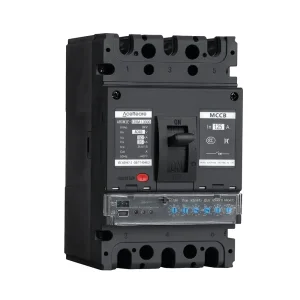
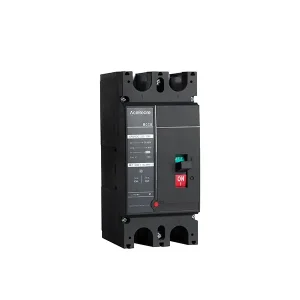
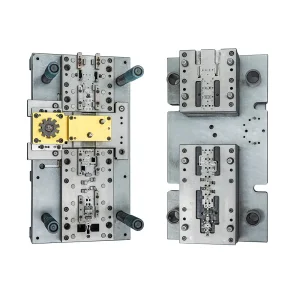
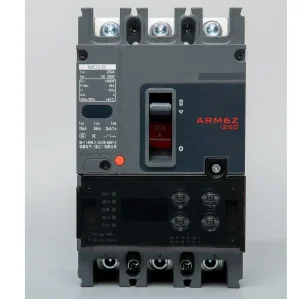
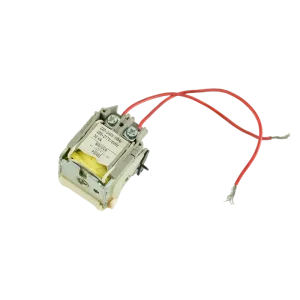
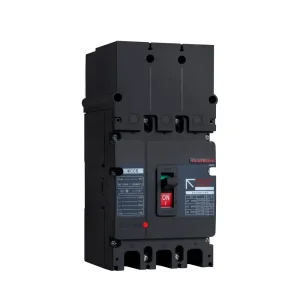
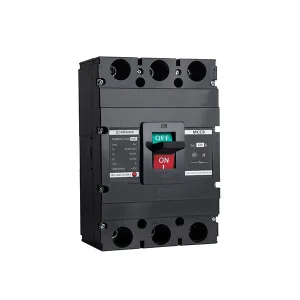
Founded officially in 2015, Acereare Electric operates two wholly-owned production powerhouses: RuiRui Electric and KeRui Electric. As a leading original equipment manufacturer (OEM) and original design manufacturer (ODM), we possess a deep-rooted heritage spanning over 20 years of craftsmanship, inherited across two generations of engineering visionaries.
We specialize in high-capacity air circuit breakers (ACB), molded case circuit breakers (MCCB), smart remote control motor mechanisms, and all precision internal stampings. Consistently ranked at the top of China's electrical manufacturing hubs, we export advanced protection technologies worldwide.

Analyzing the shift from manual mechanical operation to intelligent, bus-connected remote-operated systems
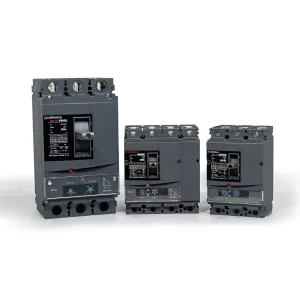
Molded Case Circuit Breakers (MCCBs) have long served as the fundamental line of defense in commercial and industrial electrical distribution. However, modern factory automation and smart grids necessitate dynamic switching capabilities without physical intervention. Remote-controlled MCCBs integrate advanced motor-driven mechanisms (CD2 or CD-type motorized operators) or electromagnetic shunt trip coils directly onto the device body.
The motor-driven mechanism allows remote control systems, programmable logic controllers (PLCs), or industrial SCADA platforms to turn the MCCB ON, OFF, or reset it after a fault trip. Our current product designs emphasize high mechanical endurance and fast response times (typically closing in less than 80ms), which prevents prolonged contact arcing and guarantees system longevity.
Design Insight: By separating control circuitry from power contacts, remote-controlled MCCBs safeguard maintenance engineers, isolating them from potential arc-flash hazards.
Traditional thermal-magnetic MCCBs rely on bi-metallic strips and electromagnetic coils. These systems lack precision and do not offer telemetry. Our factory's smart range integrates electronic trip units with LSIG parameters:
Equipped with built-in microprocessors, our remote-controlled MCCBs monitor currents, voltages, harmonics, phase angles, and energy usage in real-time, displaying these diagnostics via front-mounted LCD interfaces or transmitting them over network lines.
An remote control system is only as good as its communication network. To bridge the gap between heavy power infrastructure and remote system monitoring, we integrate RS-485 Modbus RTU communication cards directly into the MCCB assembly. Additionally, we are actively expanding our portfolio to support Ethernet-IP, Profibus-DP, and wireless IoT protocols (LoRaWAN / NB-IoT) for remote facilities where laying communication cables is cost-prohibitive.
Why Tier-1 global brands and infrastructure contractors partner with Acereare Electric
One-Stop Service utilizing six advanced processing techniques. Equipped with high-precision manufacturing equipment and testing instruments across 10 manual and automated production lines.
More than 50 R&D engineers with over 5 years of mechanical experience. Proficient in 3D modeling and finished-product circuit simulation. We launch over 50 projects annually.
Owning two specialized production facilities allows for components and finished assemblies. We streamline operations through unified U8 ERP software systems.
Rigorous multi-step inspection processes. We feature a complete internal testing laboratory, over 150 diagnostic systems, and 20+ dedicated inspectors managing PLM, MES, and BI tools.
How we customize MCCBs to perform flawlessly across hostile climates and complex grid environments
In freezing climates, standard lubricants solidify and structural plastics become brittle. We resolve this by utilizing high-rigidity polymers, specialized low-temperature greases, and custom thermal coatings. Verified by our certified -40°C low-temperature test reports.
Offshore wind platforms and marine terminals are plagued by salt air. We run rigorous 72-hour complete machine and 48-hour sub-component salt-spray testing. Metal components are treated with high-durability electroplating to guarantee continuous circuit operations.
Thin air limits convective cooling and dielectric strength. For operations exceeding 2000 meters above sea level, our engineers calculate altitude derating factors for current capability and insulation distances, ensuring safe clearing of faults in high elevations.
In residential settings, safety is paramount. Our compact remote-controlled MCCBs prevent damage caused by circuit overloads or short circuits. They feature quiet motor operation and compact physical designs that fit within standard distribution panels.
For desert regions and heavy smelting plants, we apply protective heat barriers and use copper-to-iron contact points treated against thermal fatigue. This ensures stable performance up to 55°C ambient temperatures without premature tripping.
Integrating metering and edge computing. In smart energy grids, these breakers measure active/reactive power, trace phase loads, and send real-time reports to SCADA systems, preventing system down-time.
Inside our automated production ecosystem, designed to streamline costs and maintain high performance standards
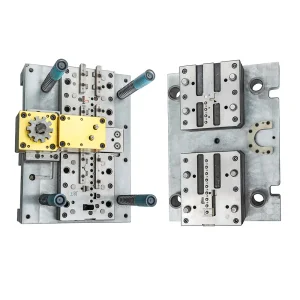
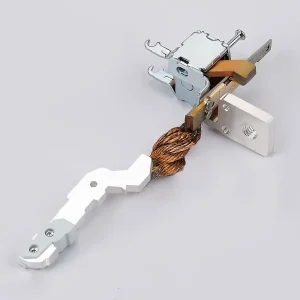
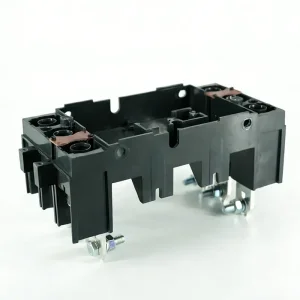
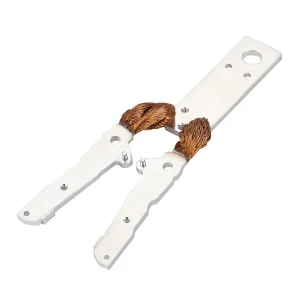
Many suppliers purchase contacts and stamping parts from external vendors. Acereare maintains internal manufacturing loops for stamping moulds, MCCB connection plates, and moving silver-tipped contacts.
Because we process raw copper sheet directly into finished contact blocks within our own facilities, we control the purity of materials and the quality of the plating. This prevents sub-standard electrical joints from causing heat build-up inside the breaker body.
From incoming steel and copper to final product assembly, every batch is logged in our Manufacturing Execution System (MES) and Product Lifecycle Management (PLM) database, ensuring traceability.
Automated calibration benches eliminate manual calibration errors. Shunt trip and overload curves are calibrated using automated test rigs, verifying that each MCCB trips within its specified window.
Our laboratory facility houses high-current test systems capable of testing circuit breakers under actual short-circuit loads. This ensures our 200kA high-capacity series meets critical safety requirements.
Strategic services designed to accelerate your products' entry into global markets
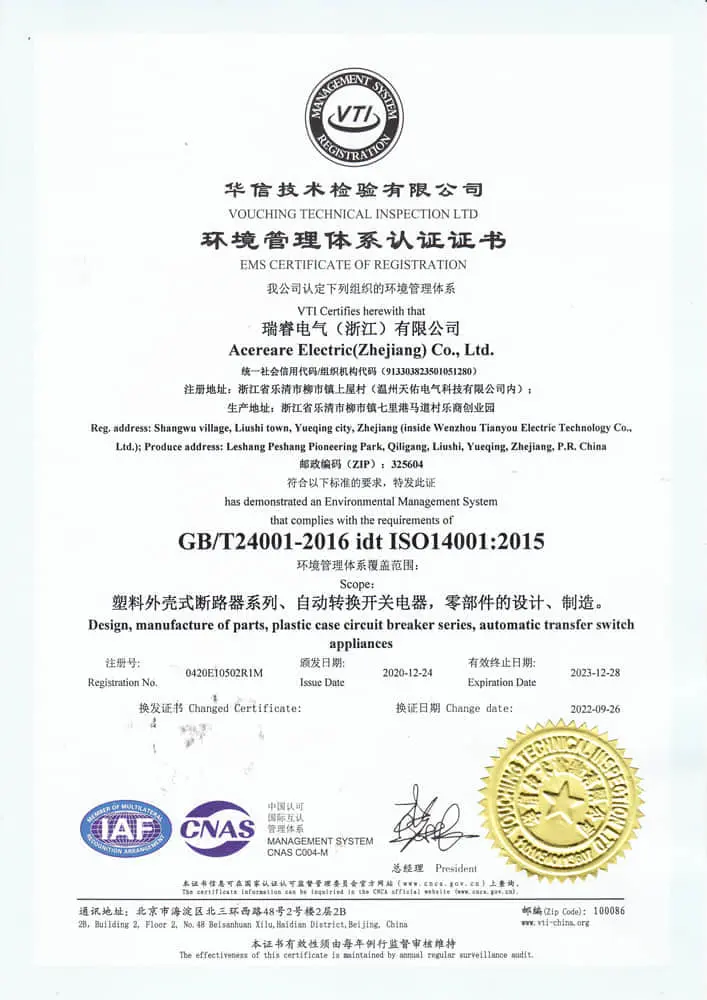
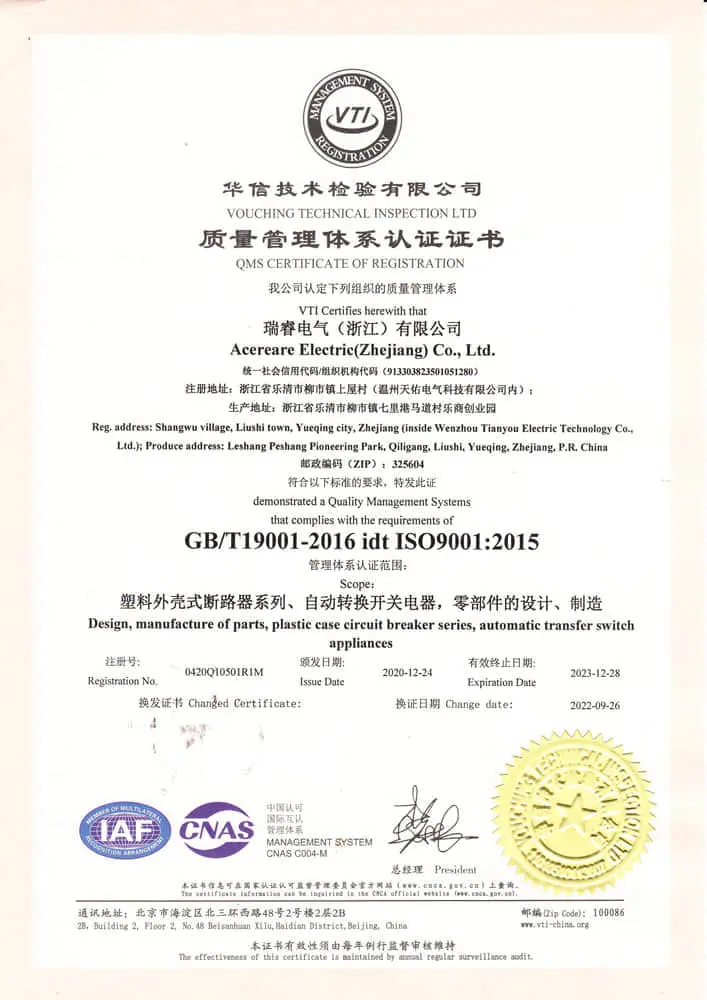






From initial parameter configuration to international distribution, we manage the entire process
Technical guidance and installation troubleshooting for motorized and remote-controlled MCCBs
Manual MCCBs require physical actuation of the toggle handle. Remote-controlled MCCBs integrate motorized operating mechanisms (CD series or similar) that mount to the front of the breaker. This allows external electrical signals (from a PLC, control switch, or SCADA system) to drive a motor that toggles the breaker mechanism, enabling remote reset and switching operations.
Most standard installations use Modbus RTU via RS-485 connections. For automated facilities, we support options for Profibus-DP, Ethernet/IP, and wireless IoT protocols (LoRaWAN, NB-IoT), which allow remote monitoring of parameters like current, voltage, and fault logs.
Thermal-magnetic breakers rely on material expansion and magnetic forces. An electronic LSIG trip unit uses current transformers to measure and analyze load currents. It provides precise, independent settings for Long-time overload (L), Short-time short-circuit (S), Instantaneous short-circuit (I), and Ground fault (G), allowing engineers to coordinate protection and minimize downtime.
Above 2000 meters, the lower air density reduces convective heat transfer and the dielectric strength of the air. To compensate, circuit breakers must be derated for rated operational voltage (Ue) and rated operational current (Ie). For example, at 4000 meters, a breaker may require a current derating factor of 0.90 to 0.95 and a voltage correction to ensure safe arc extinction.
Yes. Standard MCCBs are typically rated for operation down to -5°C or -25°C. For extreme climates, we construct breakers using specialized engineering resins and low-temperature lubricants that do not freeze or harden. Each breaker is certified under laboratory simulation down to -40°C.
Direct Current (DC) does not have a natural zero-crossing point, making arcs much harder to extinguish than in AC circuits. Our ARM6DC series uses extended arc-chutes, permanent magnetic blowouts, and multi-pole series connections to draw out and extinguish high-voltage DC arcs, preventing damage to downstream equipment.
A Shunt Trip (MX) trips the breaker when it receives a voltage impulse (an active command, e.g., from an emergency stop button). An Undervoltage Release (MN) trips the breaker if the supply voltage drops below a preset threshold (typically 35%-70% of nominal voltage) or is lost completely, protecting downstream equipment from damage due to under-voltage conditions.
We verify rating limits using high-current generators in our short-circuit test laboratory. Our breakers undergo type testing to ensure they can interrupt their rated ultimate short-circuit breaking capacity (Icu) and service short-circuit breaking capacity (Ics), remaining operational under fault conditions.
Yes. We provide sample prototyping and support small initial orders for customized configurations. This allows customers to verify mechanical fit and performance within their local distribution systems before placing volume production orders.
Our motorized remote-control MCCB units are rated for up to 20,000 mechanical operations and 10,000 electrical operations at rated load. This durability is achieved through silver-alloy contact tips, arc-resistant internal materials, and robust motor assemblies, ensuring reliable operation over years of service.
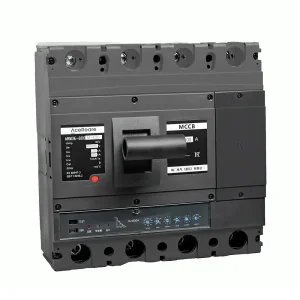
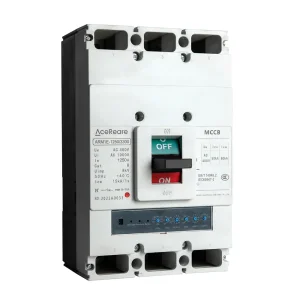
Explore our connection plates, contact sub-assemblies, and heavy-duty adjustable circuit breakers
 AceReare