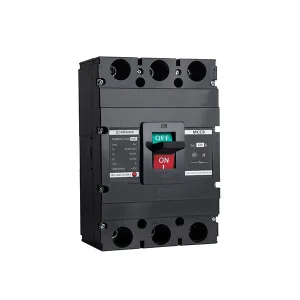
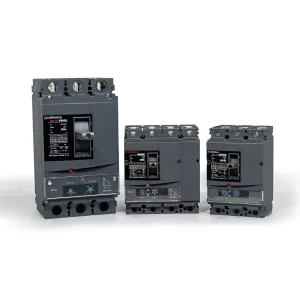
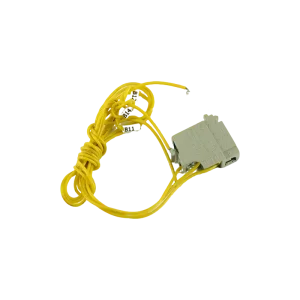
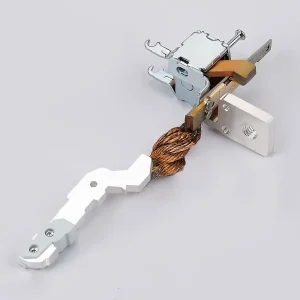
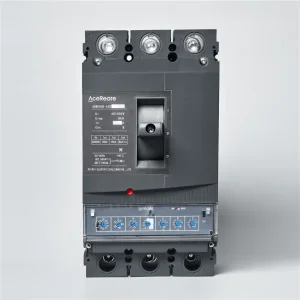
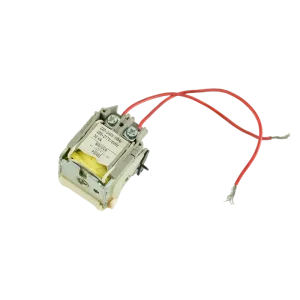
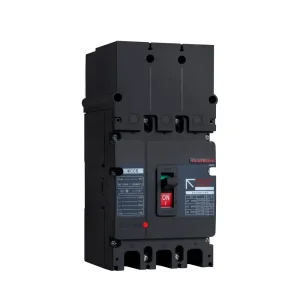
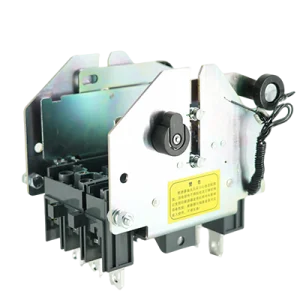
Select from our specialized line of Air Circuit Breakers (ACB), Molded Case Circuit Breakers (MCCB), and customized modular components.
In low and medium-voltage electrical network designs, the Rated Operational Voltage ($U_e$) of a circuit breaker dictates its capability to operate continuously under normal service environments and safely interrupt currents under fault situations. System designers, heavy industrial project developers, and renewable energy EPC contractors must differentiate among multiple parameters: the Rated Insulation Voltage ($U_i$), the Rated Impulse Withstand Voltage ($U_{imp}$), and the operational limits that govern reliability across high-altitude and corrosive sites.
As standard operational parameters transition higher to increase performance efficiencies, standard 400V/415V systems are expanding to accommodate 690V, 800V, 1000V, and 1140V thresholds. Operating at elevated voltages significantly minimizes line losses and scales down current requirements, reducing cable cross-sections and project copper requirements. However, this shift places greater dielectric and arc-extinction stresses on circuit breakers, which demands advanced structural materials and contact geometries to handle thermal dissipation.
Rated Operational Voltage ($U_e$): The nominal voltage at which the device performs normal continuous duties. Our systems are certified for operations at 400VAC, 415VAC, 550VAC, 690VAC, and up to 800VAC / 1140VAC.
Rated Insulation Voltage ($U_i$): The maximum voltage for dielectric tests. Typical designs have a $U_i$ of 800V or 1000V/1200V to ensure sufficient insulation overhead.
Rated Impulse Withstand Voltage ($U_{imp}$): Represents the circuit breaker's capability to withstand transient overvoltages resulting from switching surges or lightning strikes. Typical values range from 8kV to 12kV.
From a global procurement standpoint, aligning electrical equipment with region-specific grid parameters is critical. Modern grids in Europe, APAC, and North America enforce rigorous isolation guidelines. China-based manufacturers are addressing this demand by engineering molded case circuit breakers (MCCB) and air circuit breakers (ACB) that feature adjustable thermal-magnetic elements, LCD-equipped trip units, and digital remote communication modules to support modern industrial grids.
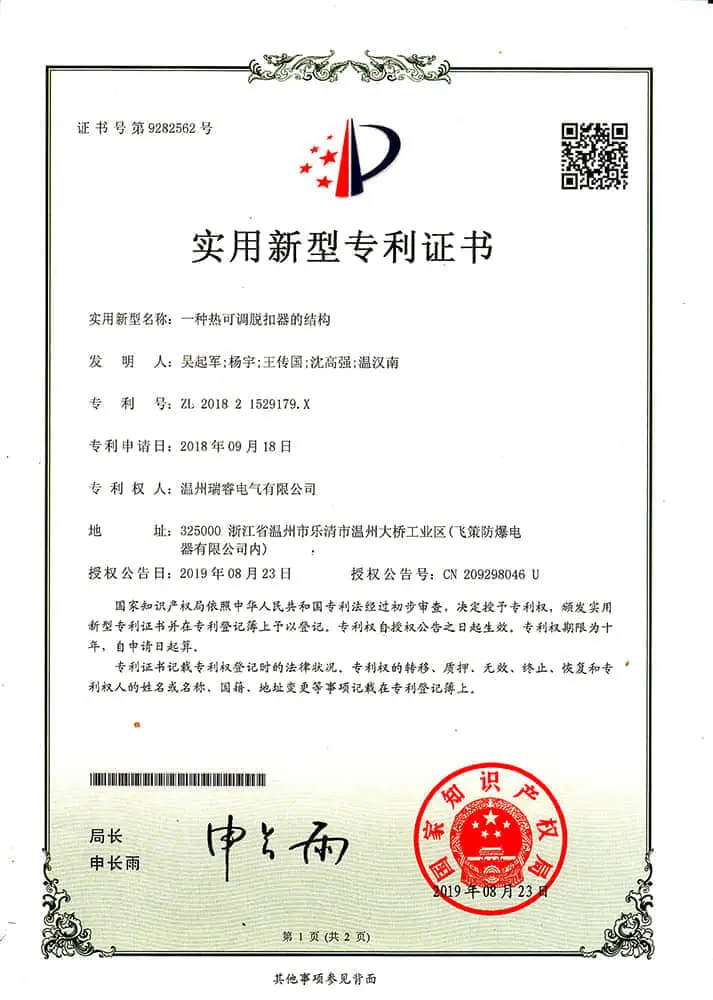
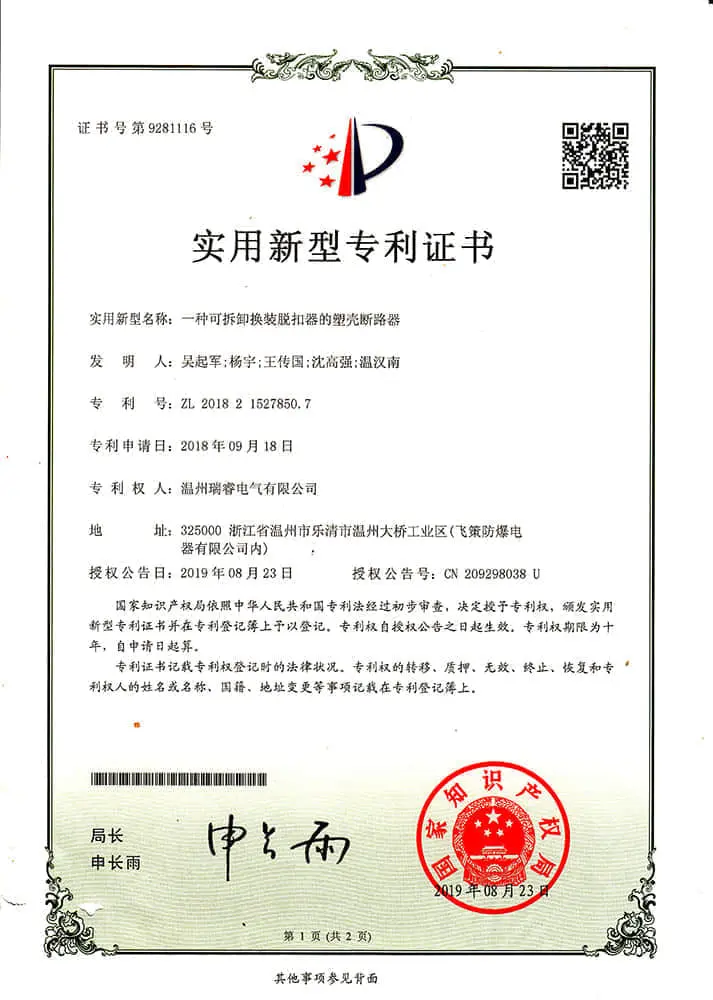
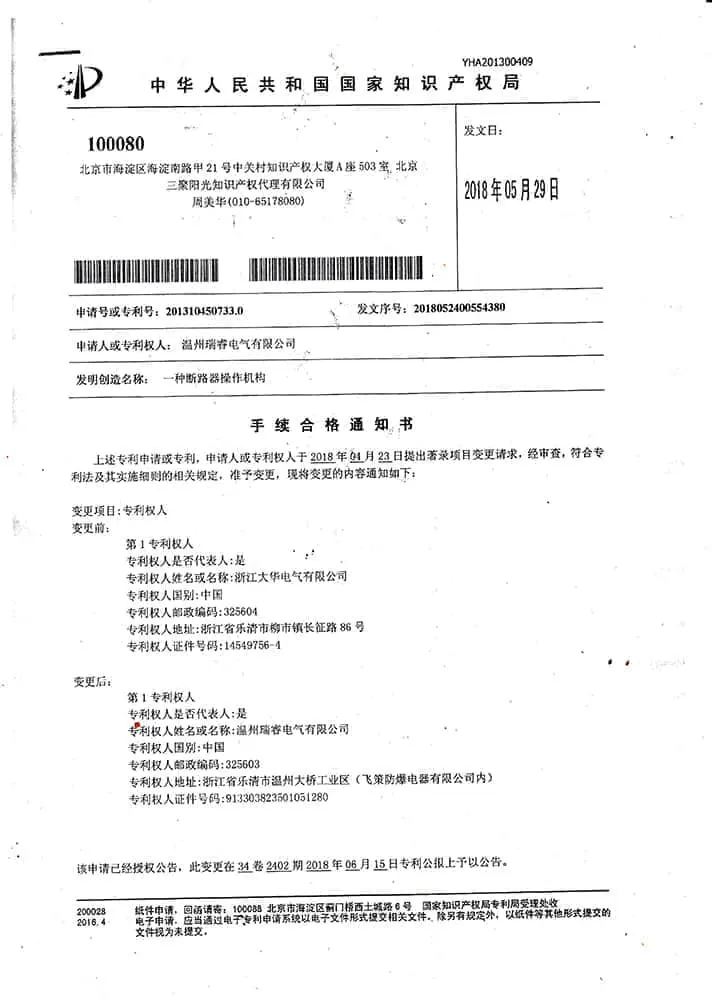
Founded officially in 2015, Acereare Electric operates through two wholly-owned subsidiaries: "RuiRui Electric" and "KeRui Electric". Over twenty years of craftsmanship, passed down through two generations, forms the core of our business. Today, we stand as one of China's premier original manufacturers integrating R&D, production, and sales. We specialize in high-voltage and low-voltage molded case circuit breakers (MCCB), air circuit breakers (ACB), and related switchgear components.
As a trusted ODM partner, we support domestic and global electrical brands by engineering tailored solutions that handle complex, extreme environments. With a strong engineering baseline, our modern manufacturing facilities deliver reliable circuit breakers optimized for renewable energy, marine power plants, and industrial installations.

Adhering to our core value of win-win cooperation, we have built a solid reputation among our customers for outstanding service, first-class products, and competitive prices.
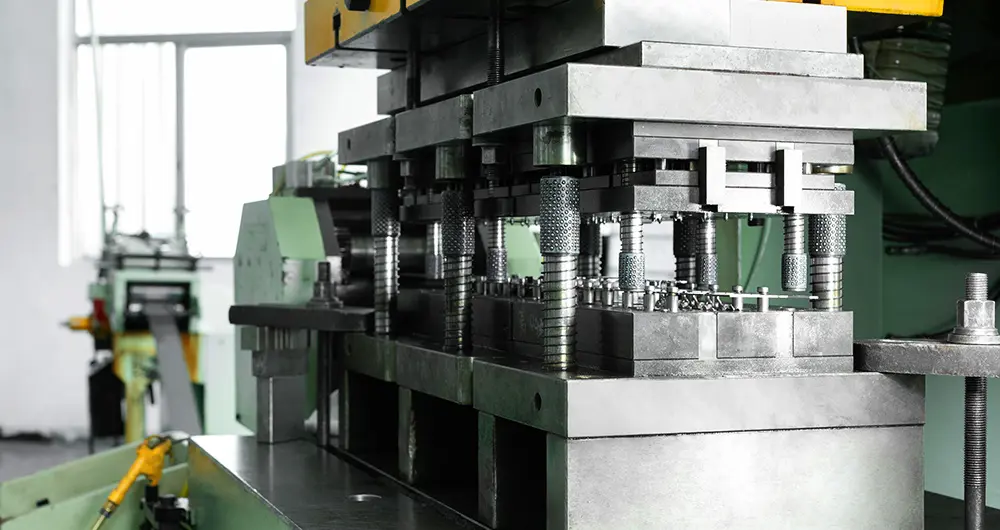
One-Stop Service covering six core processing techniques. Equipped with high-precision production equipment, modern testing instruments, and more than 10 manual and automated production lines to guarantee dimensional accuracy and uniform structural integrity across all components.
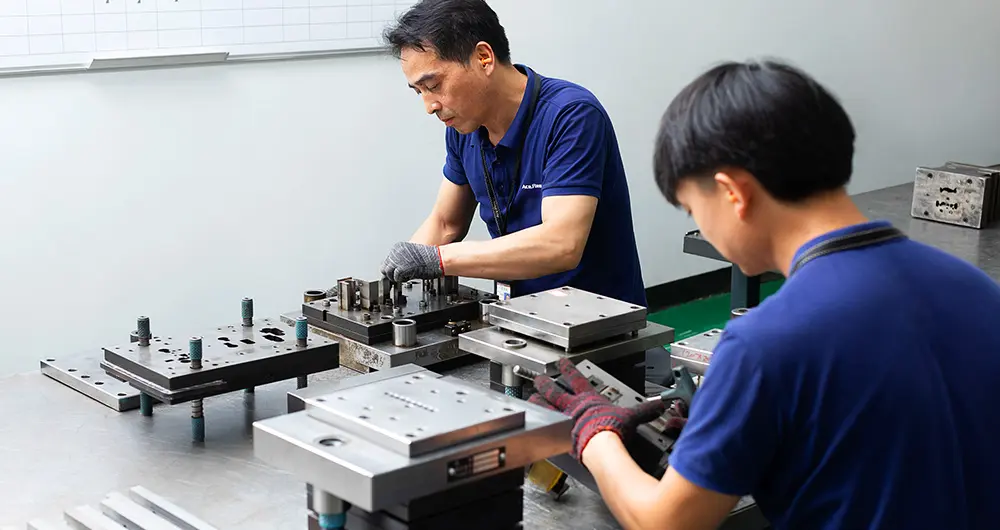
Our R&D department houses over 50 engineers, each bringing more than 5 years of mechanical design experience. We handle complete 3D design of components, molds, and finished assemblies, initiating 50+ research and development projects per year.
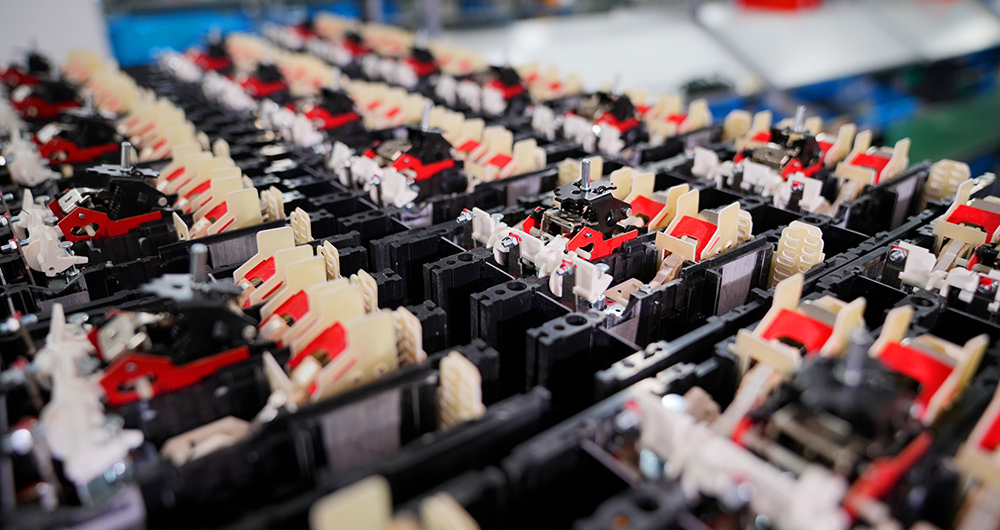
With two fully operational factories producing components and complete assemblies, we ensure consistent lead times. Operations are linked through integrated ERP and U8 software to manage materials, scheduling, and logistics.
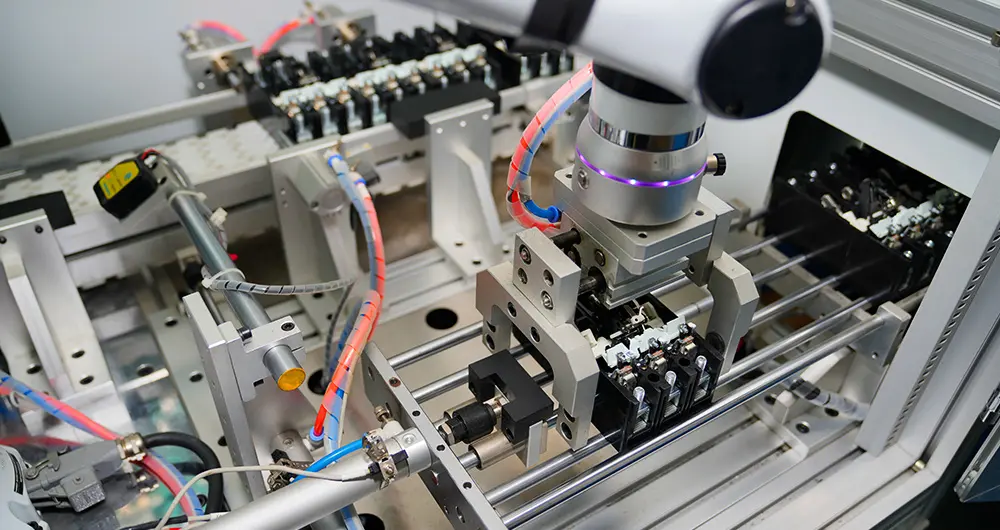
We implement a rigorous, multi-step quality control process. Our facility features an in-house laboratory to analyze mechanical tolerances and electrical performance, utilizing over 150 testing instruments managed by 20+ inspectors through PLM, BI, ERP, and MES software.
Engineering next-generation circuit protection systems for heavy industrial grids and smart grids.
To support high rated voltages ($U_e \ge 800\text{VAC}$), circuit breaker designs require optimized contact materials and enhanced arc quenching techniques. Acereare Electric's R&D initiatives focus on engineering moving contacts with thick silver plating to lower contact resistance and control thermal output during fault conditions.
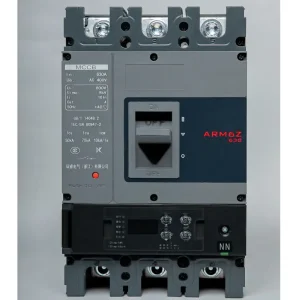
Our intelligent Molded Case Circuit Breakers (such as the ARM6Z LCD series and ARM5E electronic type MCCBs with LISG protection) represent a shift toward smart, connected grids. LISG units provide adjustable long-time delay, short-time delay, instantaneous, and ground-fault protection. This functionality enables engineers to configure selectivity curves, preventing localized issues from causing system-wide outages.
Explore our specialized product lines designed for high-demand electrical networks.







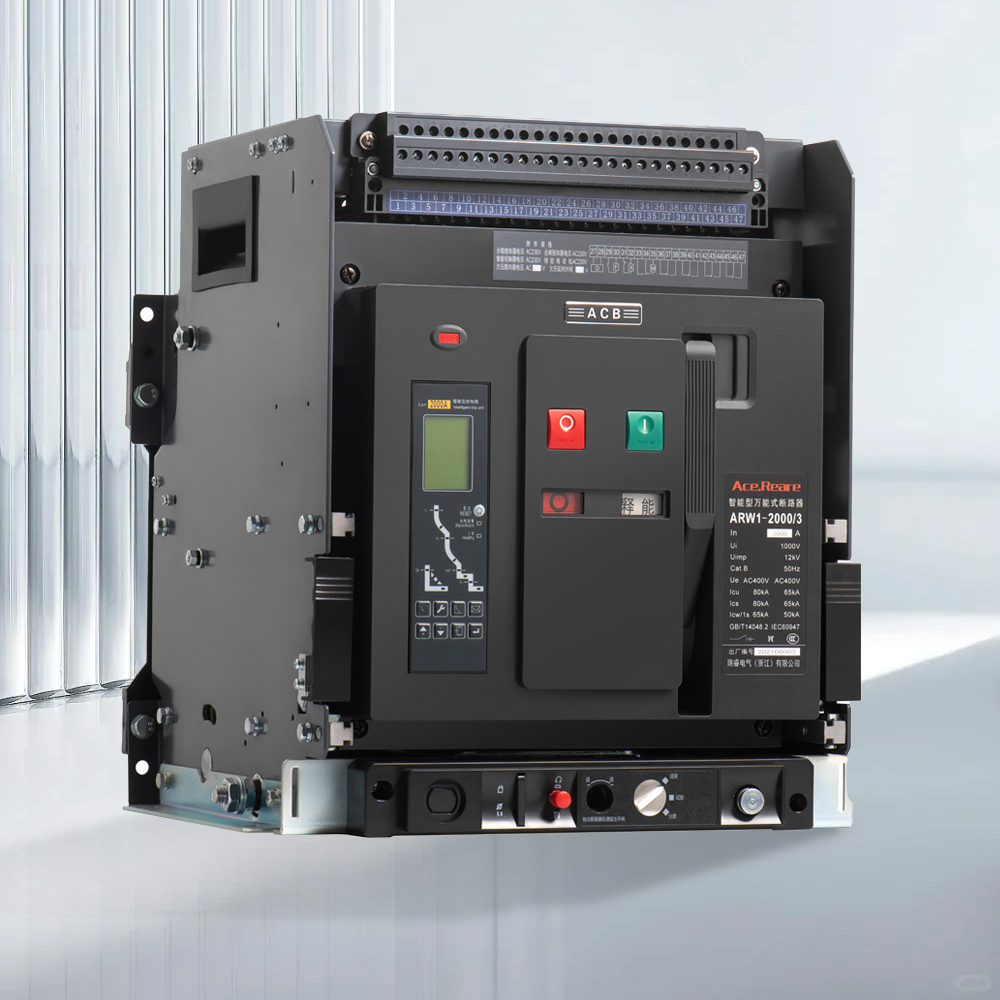
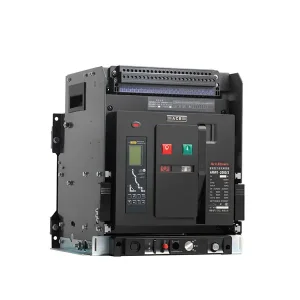
The ARW1 series intelligent Air Circuit Breaker (ACB) is designed for AC 50Hz distribution networks with a rated voltage of 690V and below, and a rated current from 400A to 6300A. The ACB offers intelligent, high-precision selective protection to improve power supply reliability. Equipped with an open communication interface, it supports four remote functions: "remote sensing," "remote adjustment," "remote control," and "remote signaling" to meet the automation requirements of modern control centers.
We provide specific Circuit Breaker configurations to match your industry's requirements for accurate functionality and exceptional performance.
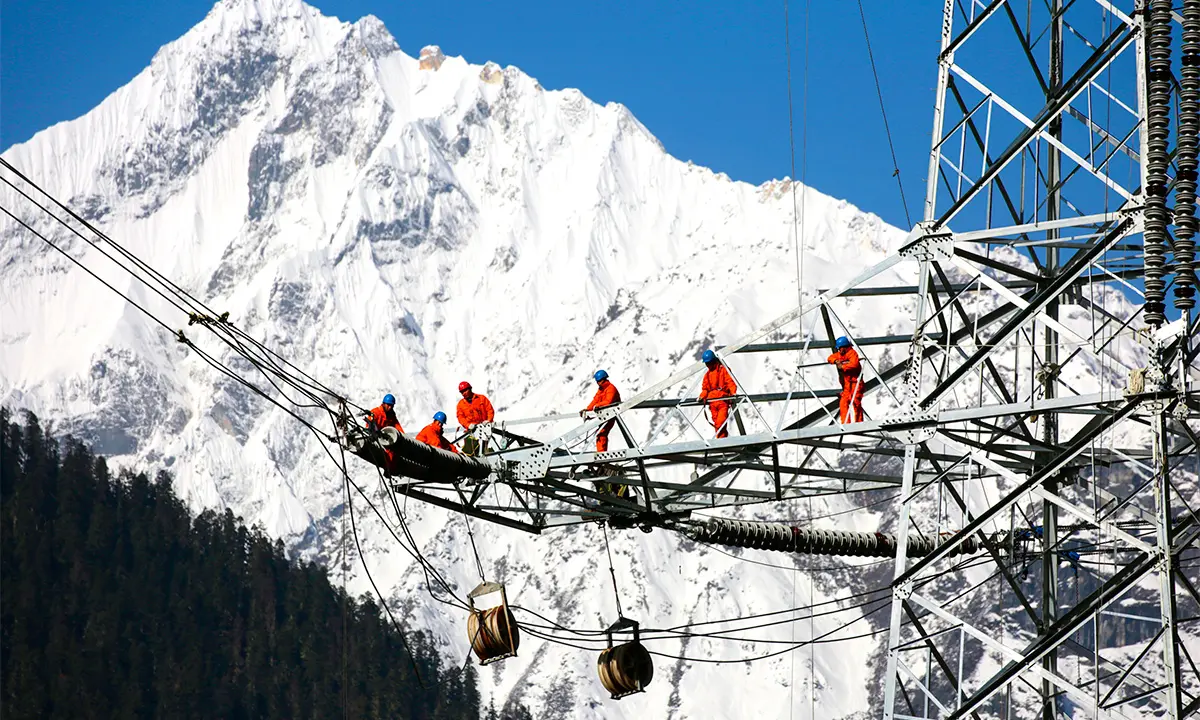
Engineered using low-temperature resistant structural polymers and specialized low-temperature lubricants. Internal mechanical parts feature a thickened coating, validated by testing to guarantee mechanical operation down to -40℃.

We conduct standardized salt spray testing, including 72 hours for complete assemblies and 48 hours for sub-assemblies. This performance enables our MCCBs to withstand humid, saline atmospheres, making them suitable for marine and dock power systems.
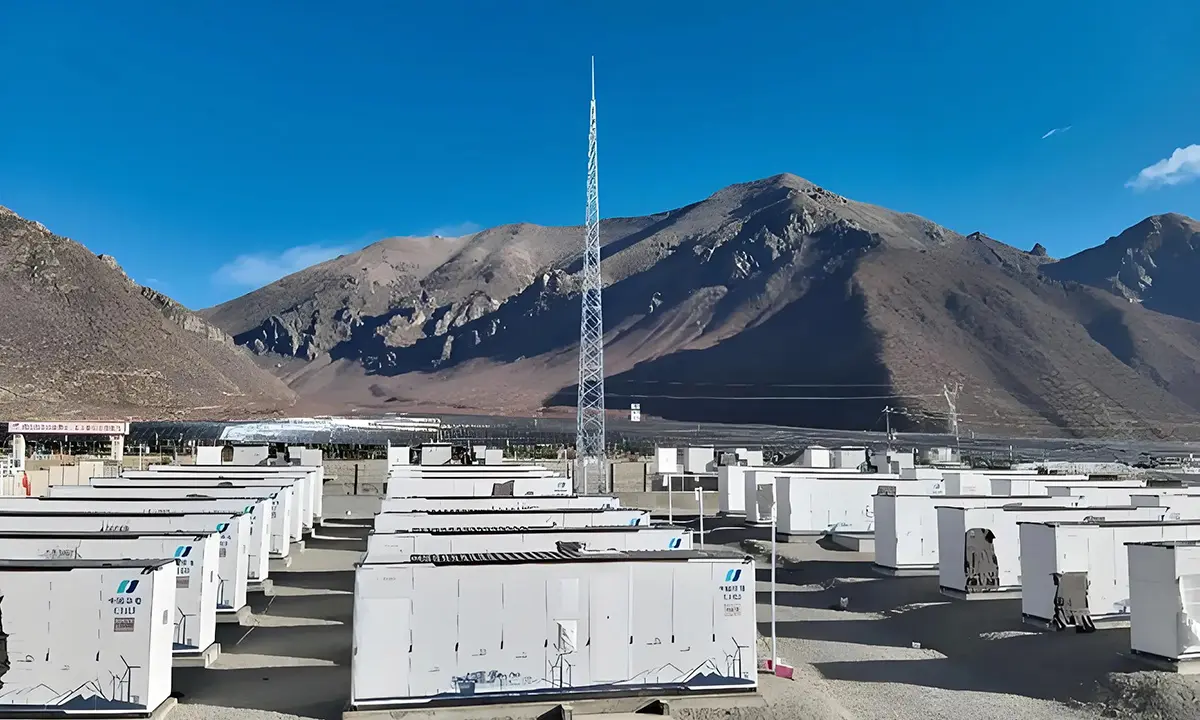
For installations exceeding 2000 meters above sea level, dielectric properties and thermal capacity change. We supply high-altitude derating coefficients to modify performance metrics, ensuring safe operation in high mountain areas.

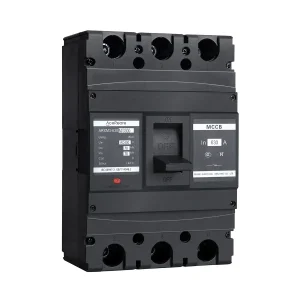
Molded Case Circuit Breakers are widely installed in residential and commercial sub-panels to protect appliances and HVAC systems from overloads and short circuits. These systems prioritize flexible integration and long-term operating reliability.
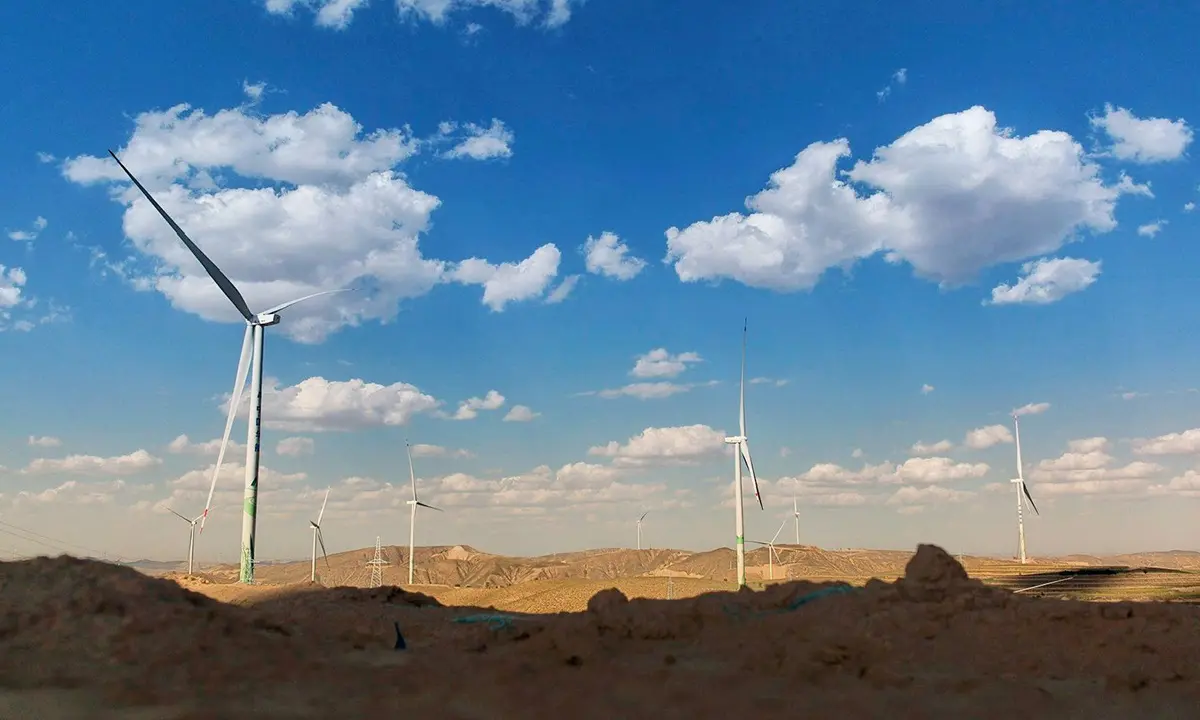
Utilizes high-temperature resistant thermoplastics. Controller surfaces are insulated, and copper and steel elements receive anti-corrosive treatments. Tested and verified in our constant temperature rooms at 55℃.
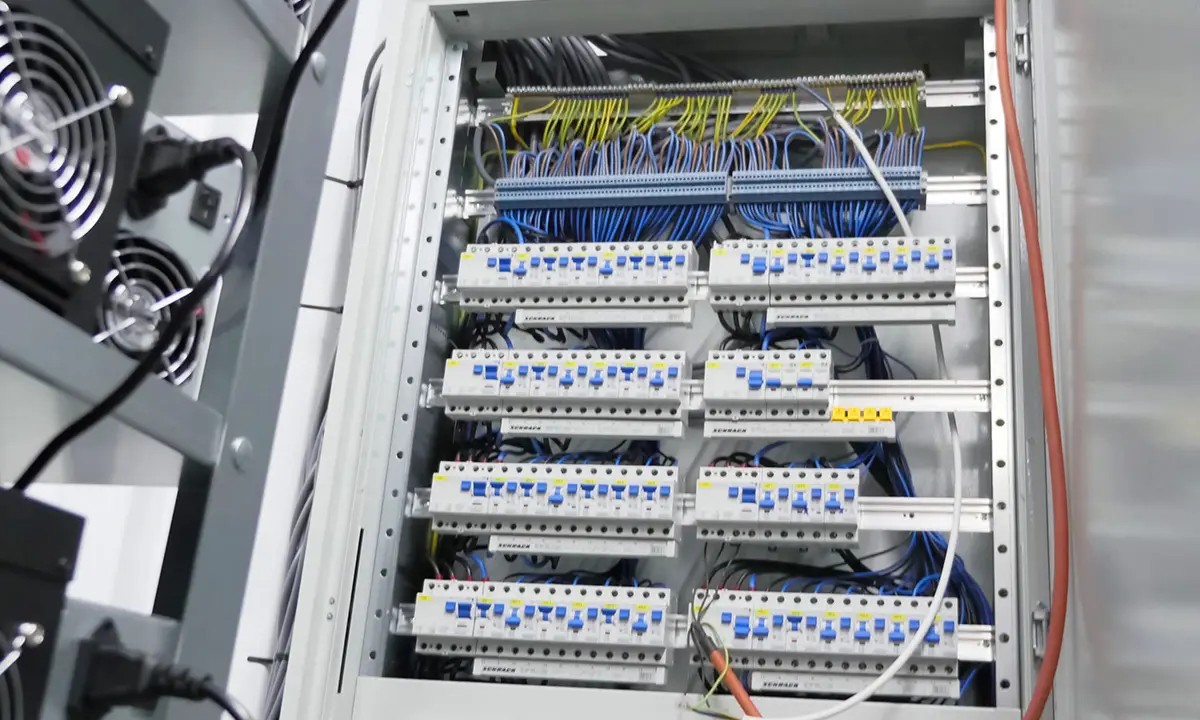
Provides protection along with integrated communication, metering, control, and edge computing. It measures and monitors current and voltage, providing a data baseline for smart energy systems and power quality analysis.
A reliable manufacturing partner helps secure market share by improving product reliability and brand trust.
Grow your brand equity using our custom manufacturing pathways.
Leverage our production resources as your specialized offshore factory.
Access catalog designs configured for immediate distribution.
Define technical needs & electrical requirements.
Recommend options and model configurations.
Finalize specifications and sign contracts.
Complete testing at our in-house laboratories.
Coordinate packaging and shipping timelines.
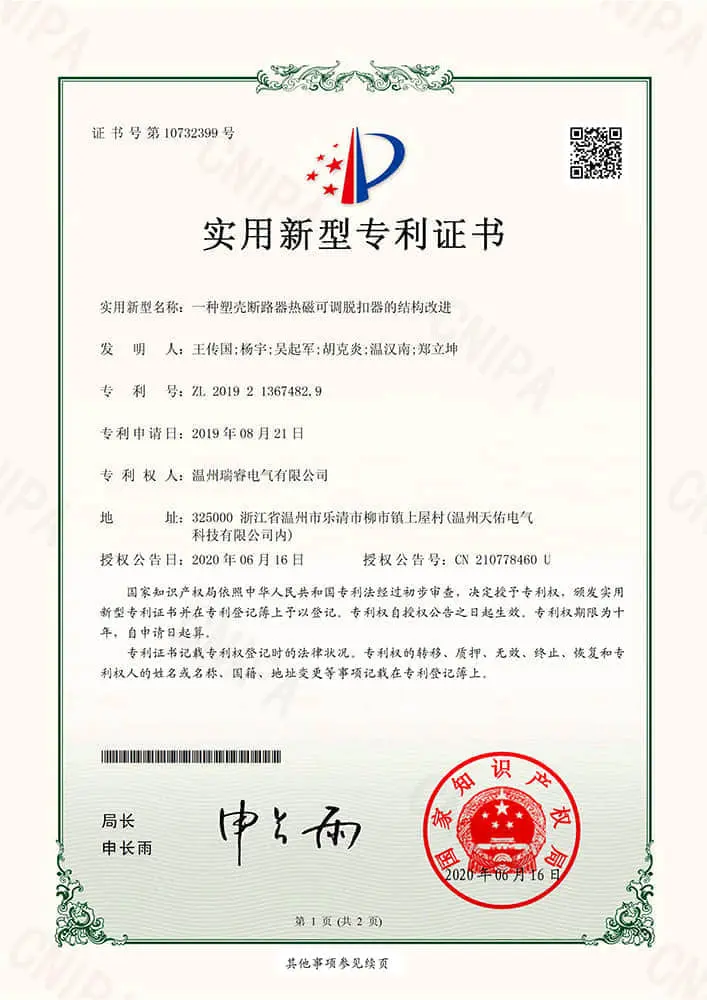
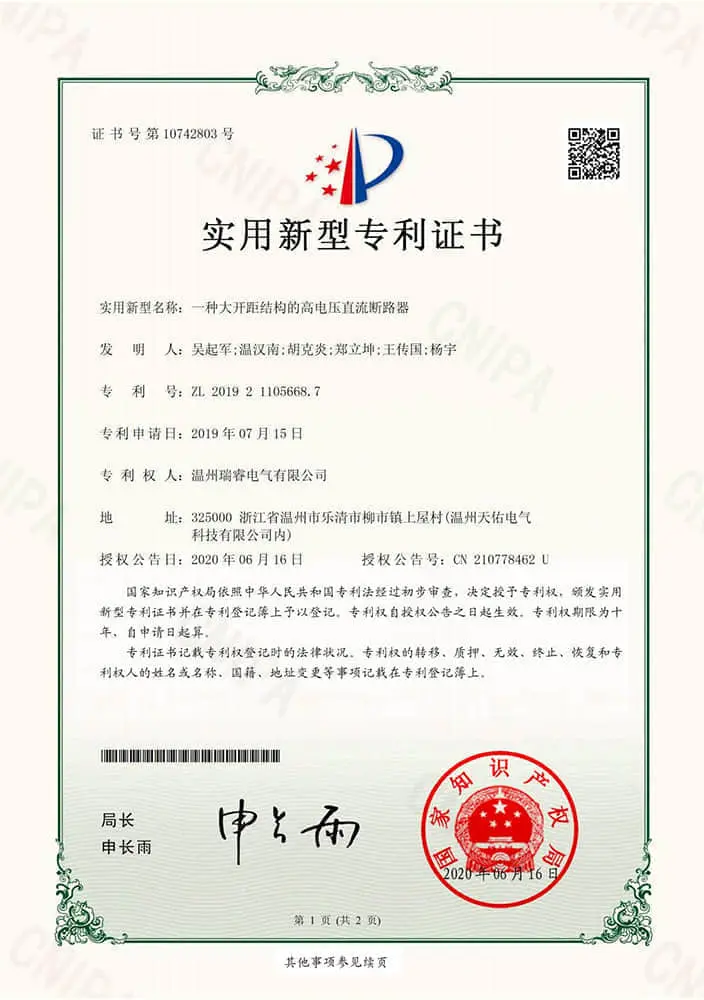
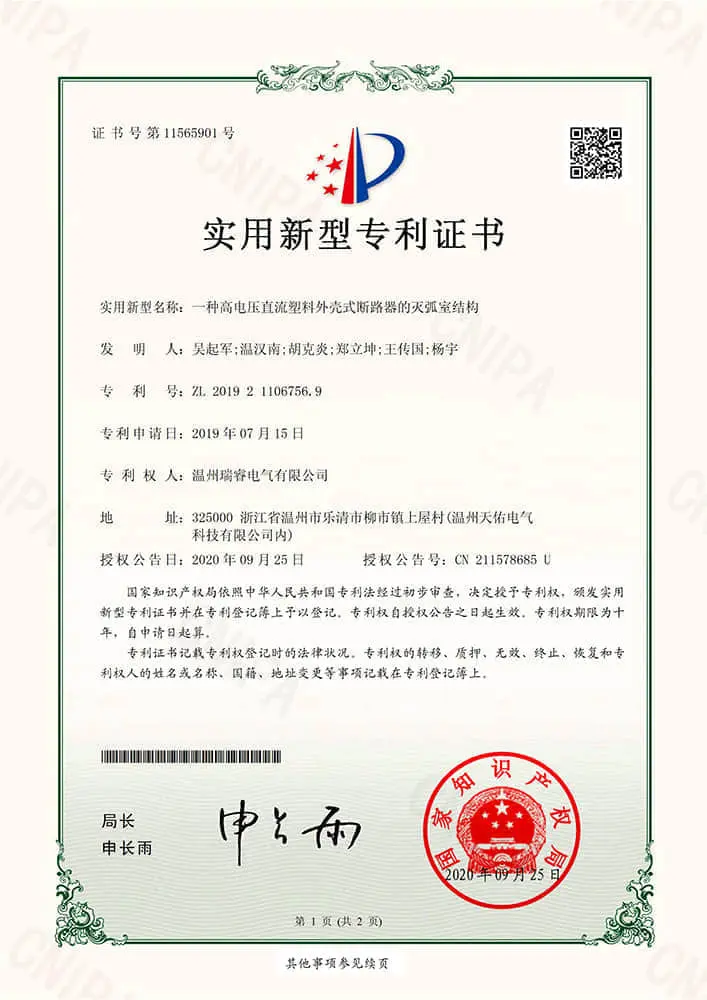
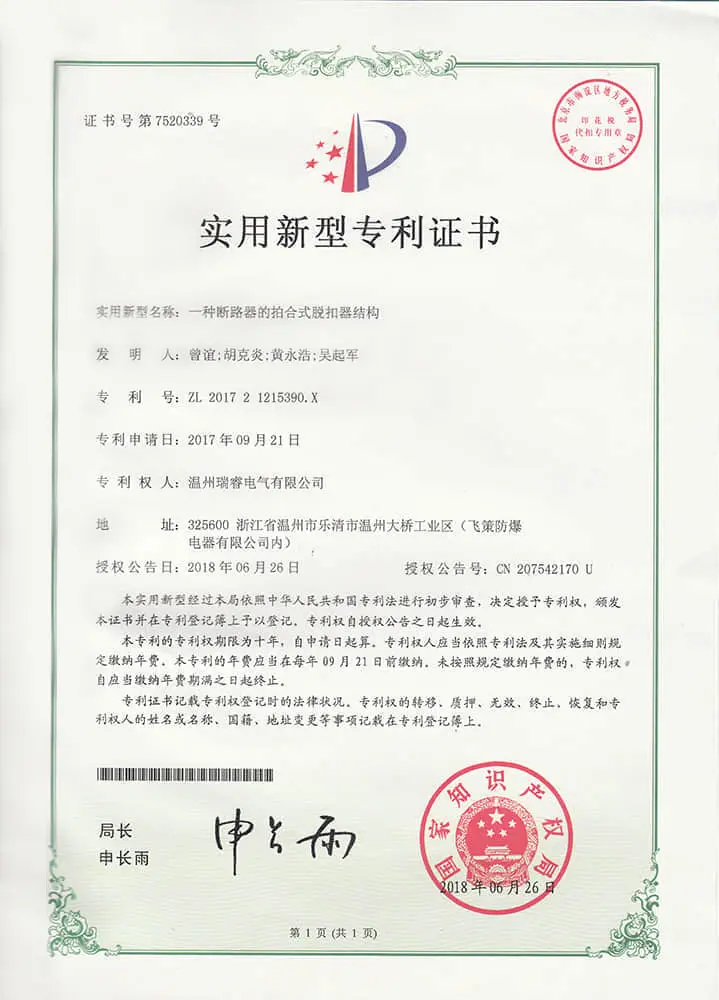
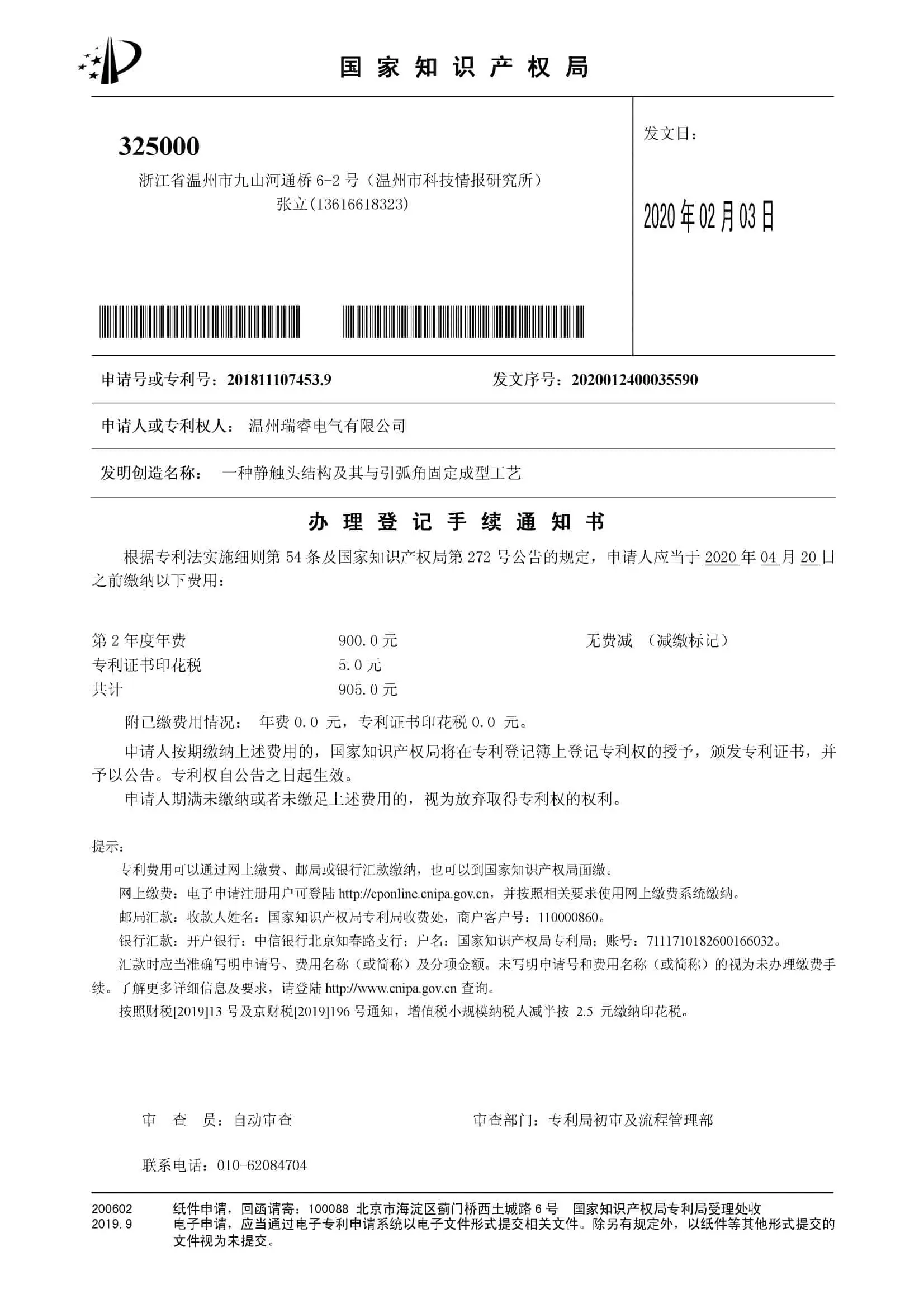
All Acereare products are subjected to rigorous testing procedures, ensuring compliance with global electrical safety frameworks.
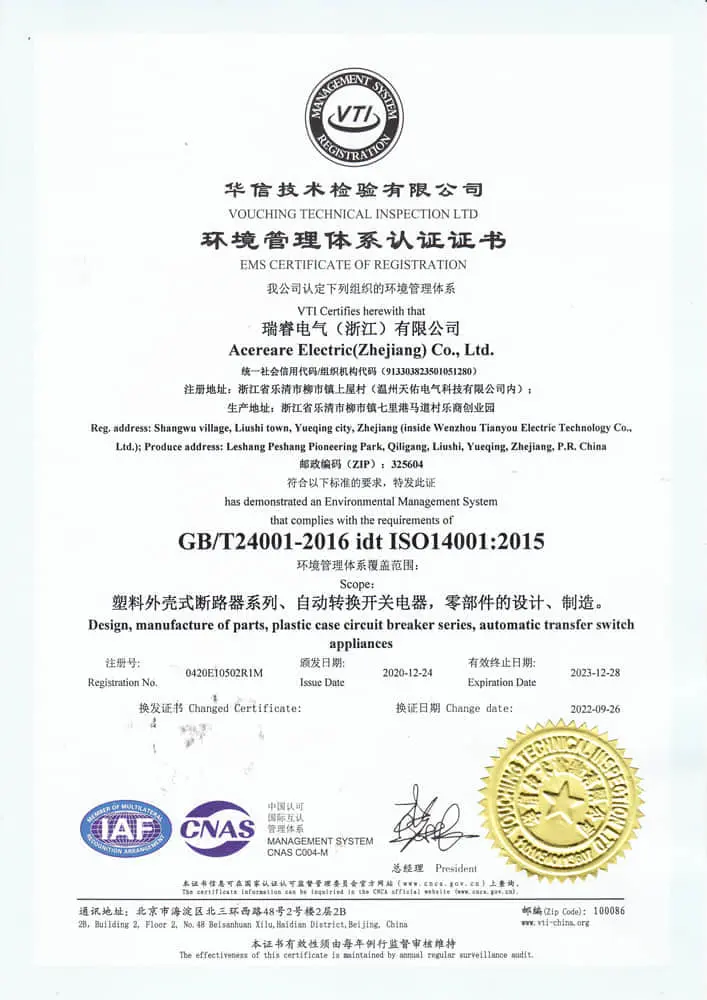
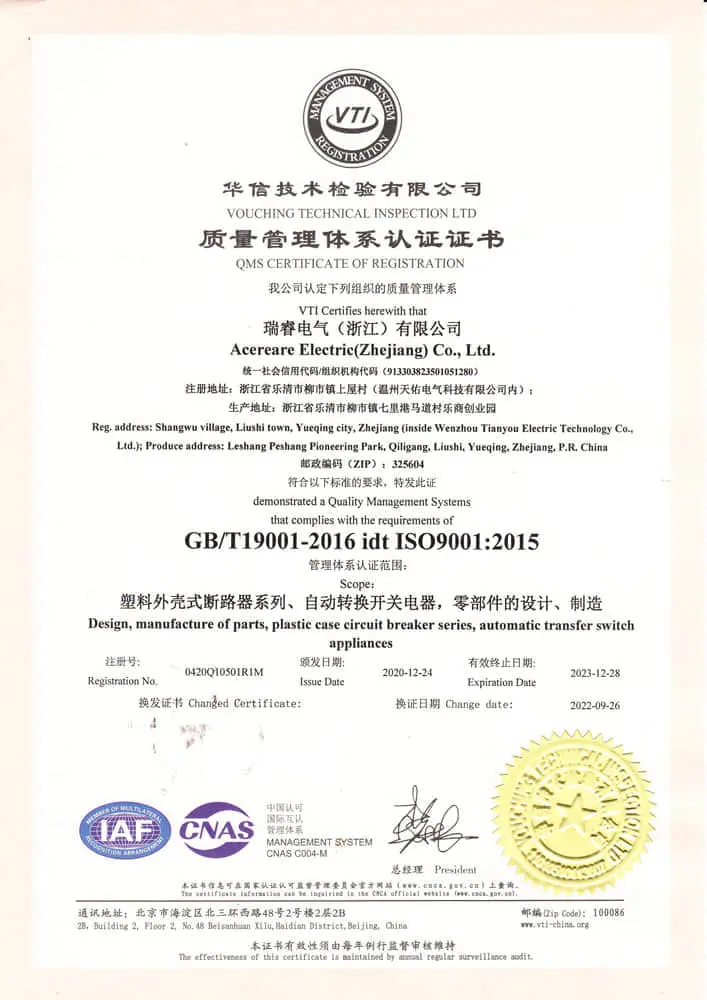
Technical answers to key electrical engineering and procurement questions.
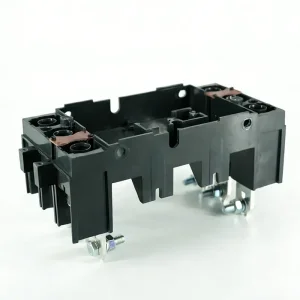
Browse through our air circuit breakers, high-voltage MCCB modules, drawer bases, and control components.
 AceReare