 AceReare
1 / 4
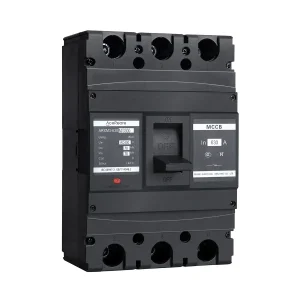
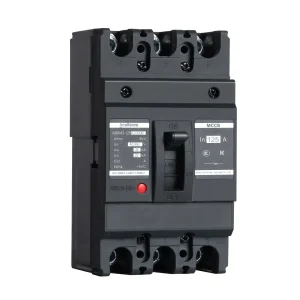
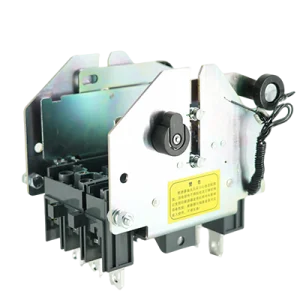
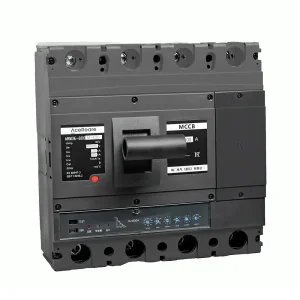
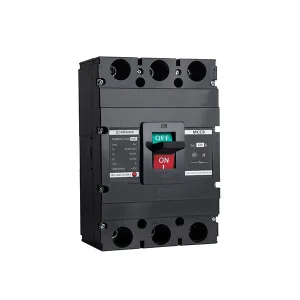
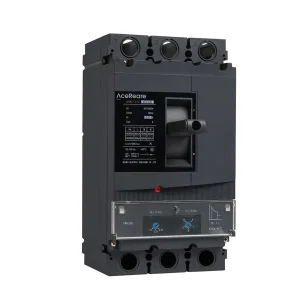
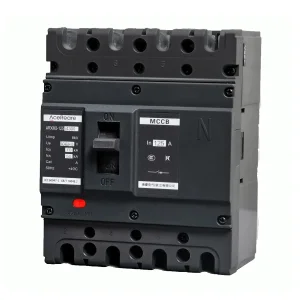
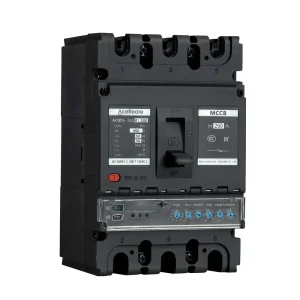
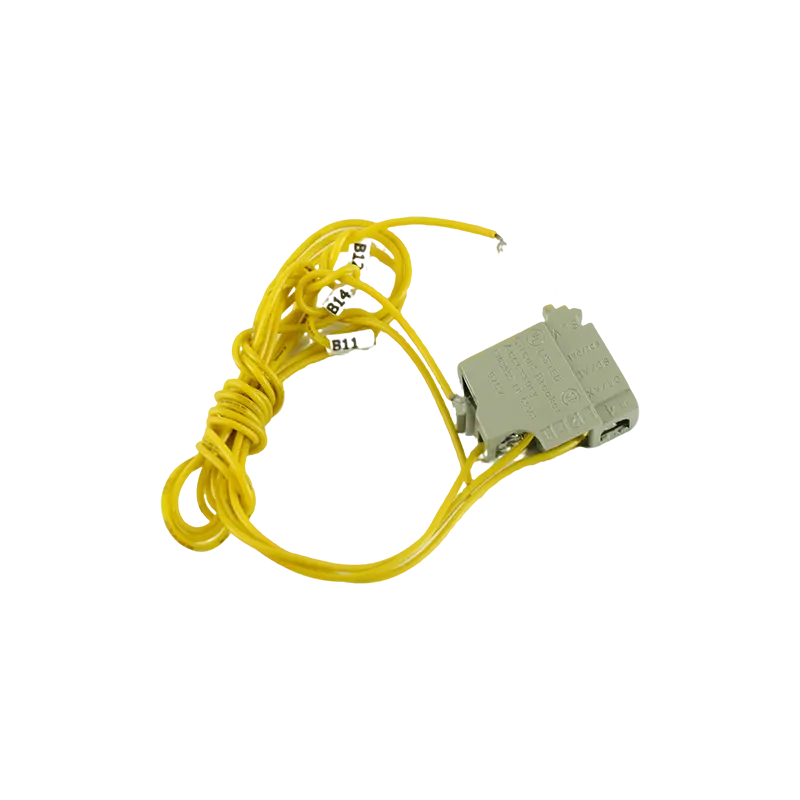
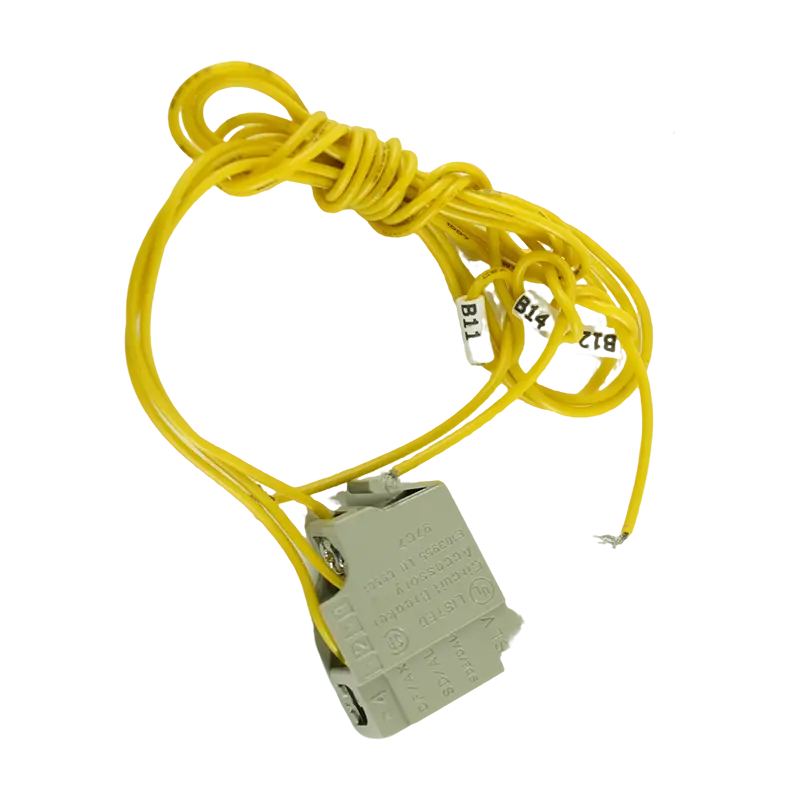
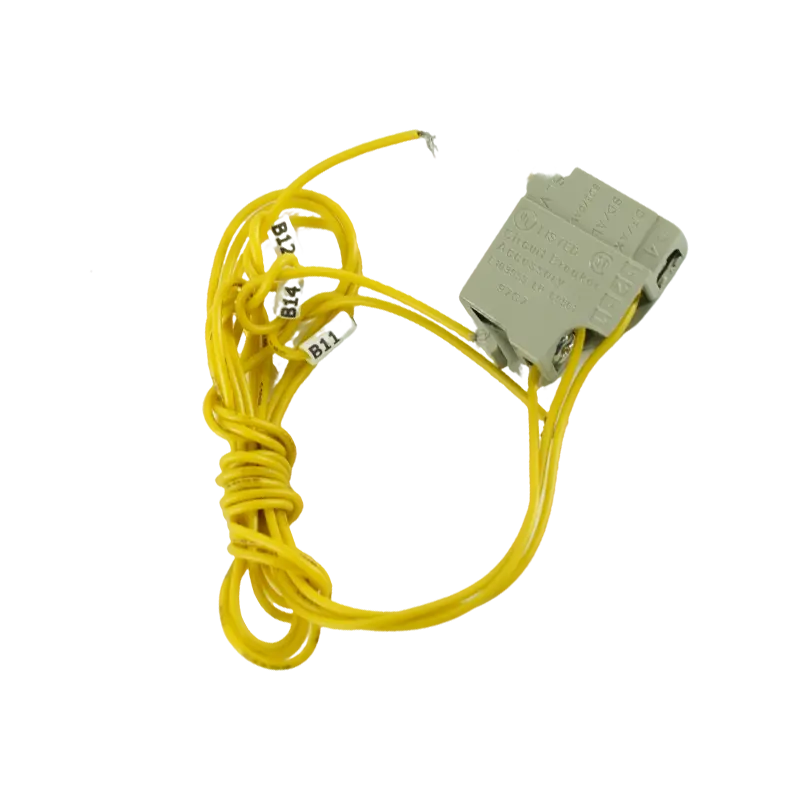
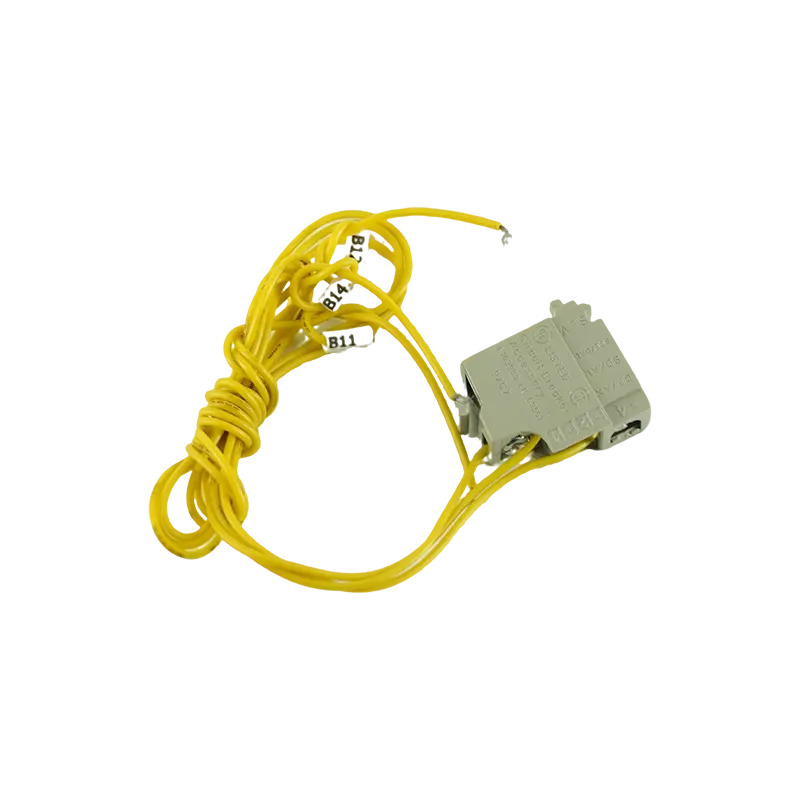
The auxiliary contact is a low current signal contact that is not shared with the main circuit's high current. It operates synchronously with the circuit breaker handle and is responsible for converting the MCCB's closing, opening, and fault tripping states into electrical signal outputs, distinguishing between manual operation and fault tripping, and providing status feedback to the electric operating mechanism.
Low cost enables ordinary MCCBs to have monitoring and linkage capabilities, replacing expensive intelligent circuit breakers
The signal circuit is electrically isolated from the main circuit, ensuring safety without affecting the main circuit
Modular installation, small size, does not occupy excess space inside the cabinet
Realize remote visualization, rapid fault location, reduce manual inspections, and improve operation and maintenance efficiency
Improve electrical interlocking, reduce power distribution safety accidents, and comply with power distribution and fire protection regulations

Risus commodo viverra maecenas accumsan lacus vel facilisis.

Risus commodo viverra maecenas accumsan lacus vel facilisis.

Risus commodo viverra maecenas accumsan lacus vel facilisis.

Risus commodo viverra maecenas accumsan lacus vel facilisis.

Risus commodo viverra maecenas accumsan lacus vel facilisis.

Risus commodo viverra maecenas accumsan lacus vel facilisis.
Risus commodo viverra maecenas accumsan lacus vel facilisis.

Risus commodo viverra maecenas accumsan lacus vel facilisis.
The auxiliary contact is a low-current signal contact that operates synchronously with the main circuit breaker. It is used to convert the MCCB's closing, opening, and fault tripping states into electrical signals for remote monitoring, status feedback, and linkage control.
Yes. The signal circuit of the auxiliary contact is completely electrically isolated from the main high-current circuit. This design ensures that the signal feedback system operates safely without affecting the performance or safety of the main power line.
They send real-time status signals directly to PLCs and other automation systems. This enables automated linkage controls, remote fault alarms, and integration into centralized monitoring dashboards, eliminating the need for manual on-site checks.
No. They feature a compact, modular installation design. Their small size allows them to be easily fitted alongside the circuit breaker without occupying excess space inside the distribution cabinet.
Yes. They are specifically designed to meet regulations for fire linkage status feedback and confirmation of non-fire power cut-offs, ensuring proper emergency shut-down procedures are followed.
They offer a highly cost-effective alternative. By adding auxiliary contacts to standard MCCBs, you get remote monitoring and safety linkage capabilities without paying the high premium of fully intelligent circuit breakers.