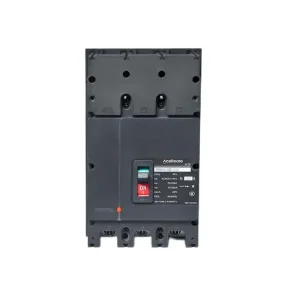
Engineered with dual-trip topology providing reliable overload thermal safety and rapid magnetic short-circuit clearing capability.
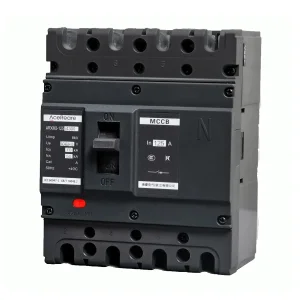
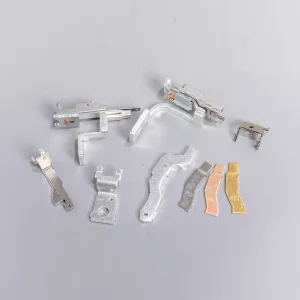
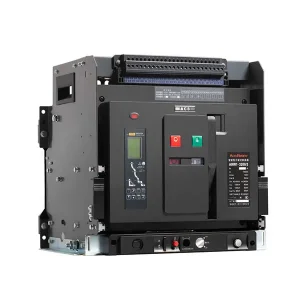
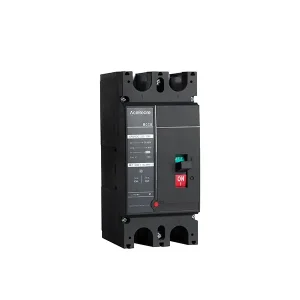
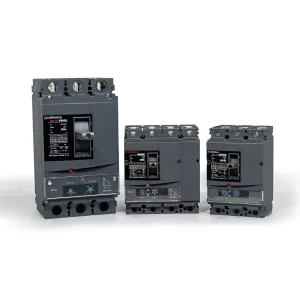
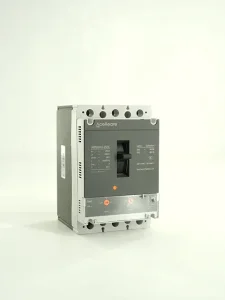
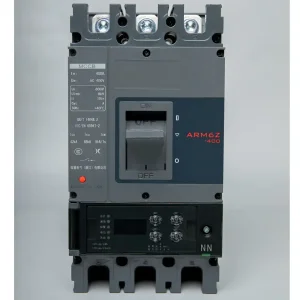
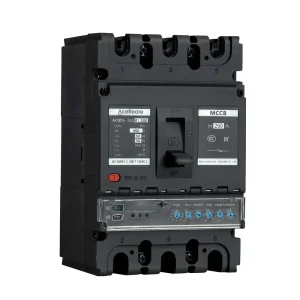
In modern industrial electricity, the safety of the distribution system depends heavily on molded case circuit breakers (MCCB) and air circuit breakers (ACB). These devices utilize a dual-component tripping mechanism designed to tackle distinct overcurrent conditions. The thermal mechanism addresses persistent, low-level overcurrent conditions by leveraging the thermodynamic deflection of a bimetallic strip. Conversely, the magnetic element acts virtually instantaneously against short-circuit events using an electromagnetic solenoid assembly.
Understanding the balance between thermal-magnetic trip parameters and digital electronic trip units is essential for industrial engineering teams, procurement directors, and system integrators. While electronic trip units (ETUs) offer precision programming, they are susceptible to harmonic disturbances, high temperatures, and electromagnetic interference (EMI). Traditional, high-quality thermal magnetic circuit breakers remain the industry benchmark for fail-safe, auxiliary-power-independent overcurrent protection.
Overload Protection (Thermal): Employs an accurately calibrated bimetallic strip that heats and bends relative to the current square ratio ($I^2t$). The slower heat absorption mimics the thermal characteristics of conductors, protecting cables and windings from insulation deterioration.
Short-Circuit Protection (Magnetic): Driven by an electromagnet. When current surges past the designated threshold (typically 5x to 10x rated current), the magnetic flux instantly pulls the armature, triggering the latch in milliseconds to isolate the fault.
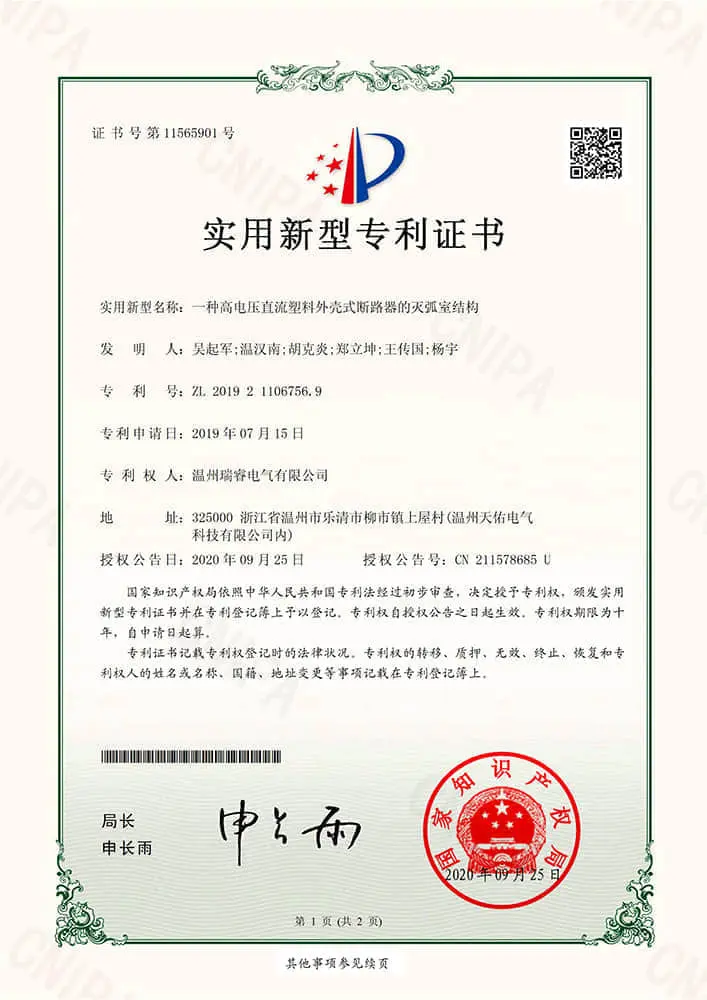
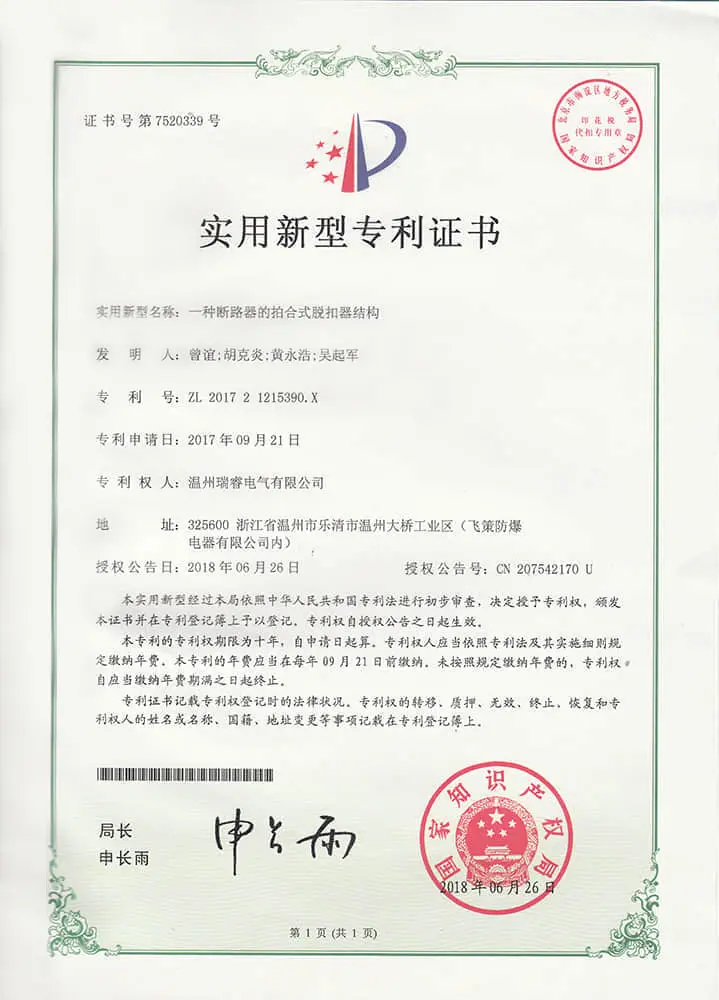
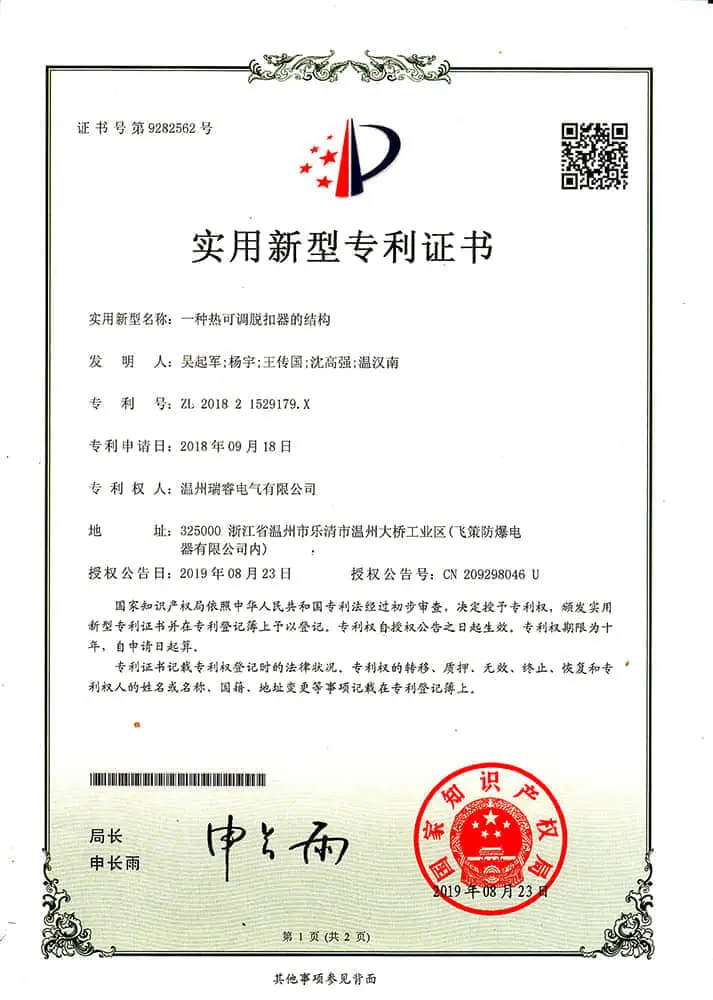
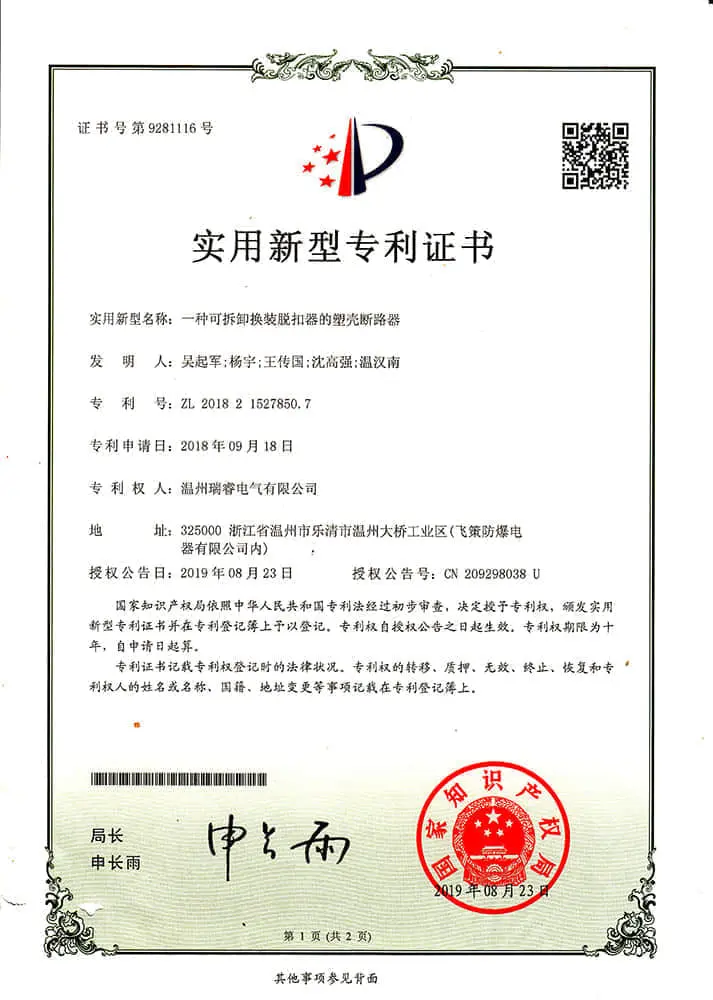
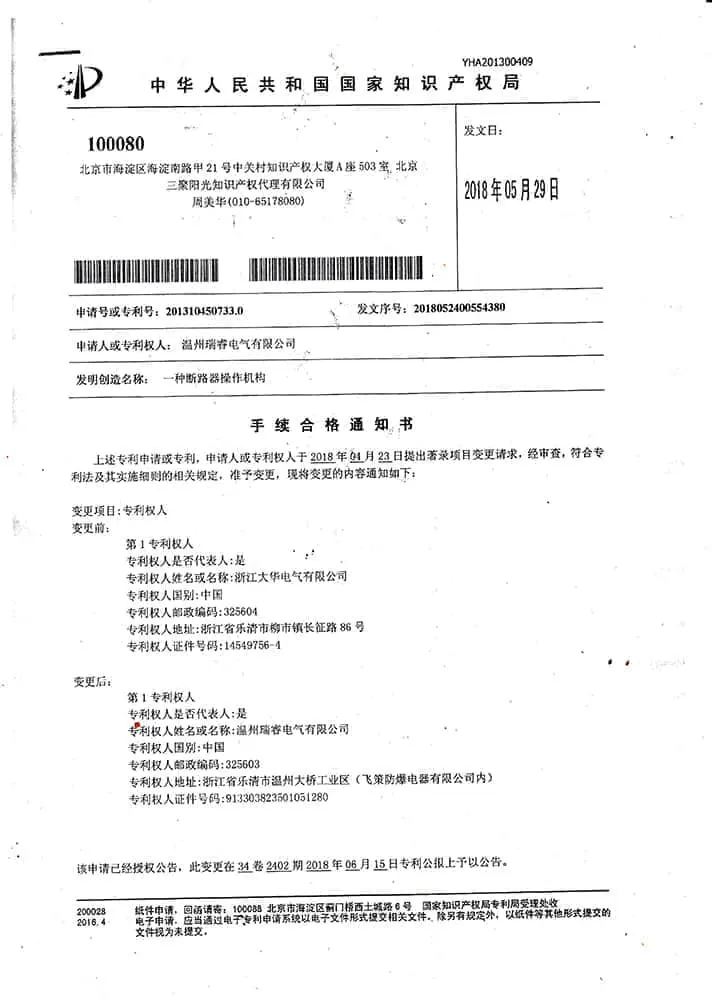
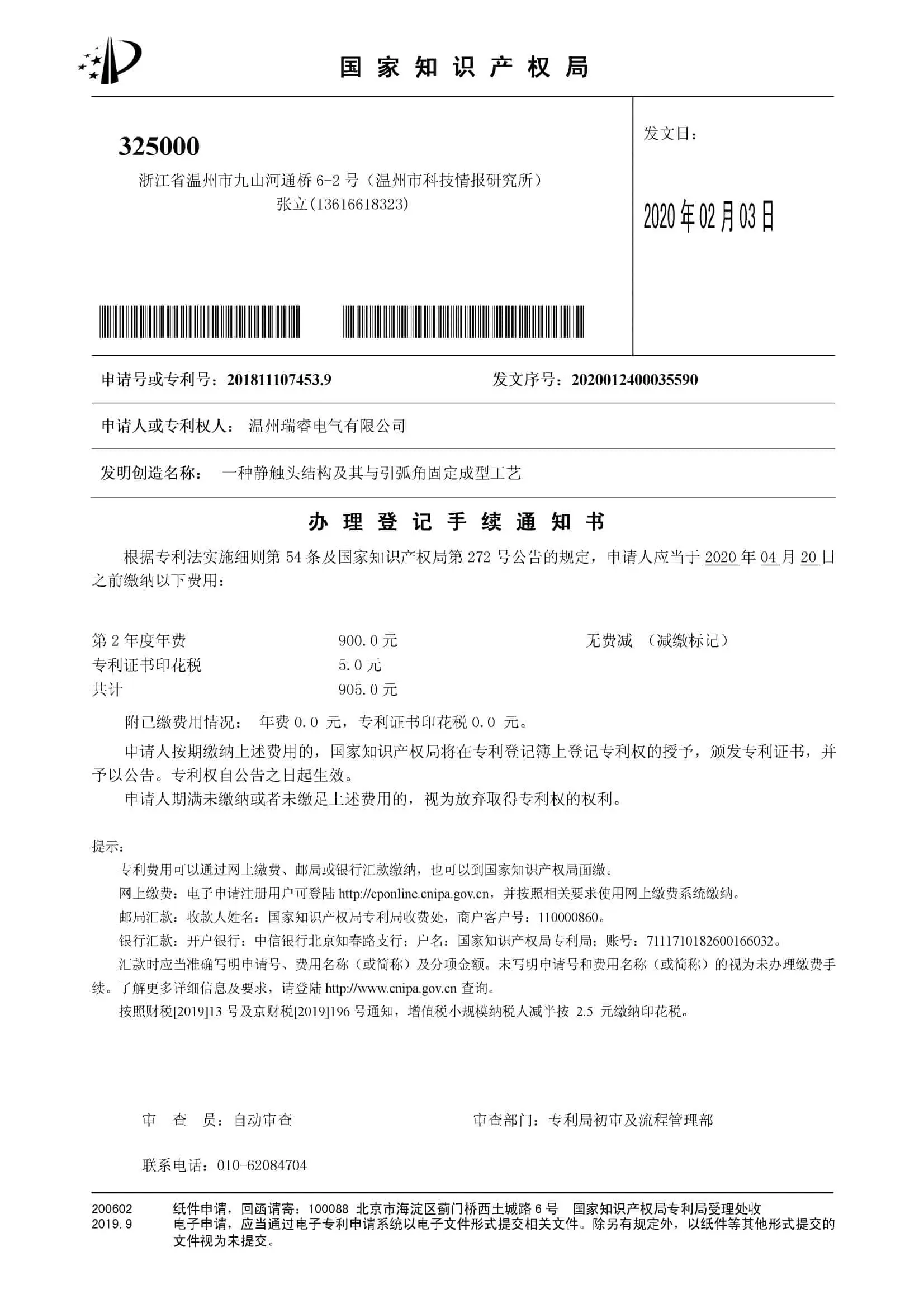
Founded officially in 2015, Acereare Electric operates through its two wholly-owned subsidiaries, "RuiRui Electric" and "KeRui Electric". Building upon over 20 years of technical expertise inherited across generations, we have established our presence as a leading original manufacturer integrating R&D, manufacturing, and distribution of Molded Case Circuit Breakers (MCCB), Air Circuit Breakers (ACB), and premium internal components.
With an active production floor managed by 400+ skilled workers, guided by a 50+ engineer strong R&D department, and yielding over 250 Million RMB in annual sales, our facilities stand among China’s top tier ODM/OEM circuit protection providers. We provide strategic manufacturing and component supplies to nearly 100 high-end domestic and global brands.

How modern EPCs and industrial enterprises mitigate supply chain risks while demanding peak engineering compliance.
Global electrical supply chains are shifting toward direct manufacturer integration. Commercial and industrial buyers face rising grid complexities driven by localized renewable energy sources, EV fast-charging stations, and high-density computing centers. For procurement executives and system specifiers, selecting a thermal-magnetic breaker supplier in China involves evaluating deep technical capability alongside raw manufacturing capacity.
Our analysis indicates that modern procurement priorities focus on three key pillars: operational compliance in hostile environments, high interrupting ratings (Icu/Ics ratios), and reproducible quality control through advanced factory automation. Working with a vertically integrated manufacturer like Acereare Electric eliminates the operational and financial overhead of third-party assembly sourcing.
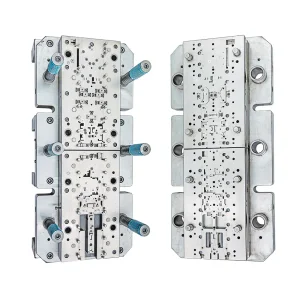
By producing both stamping parts and finished circuit breakers in-house, we eliminate component shortages and guarantee stable lead times even during global metal market fluctuations.
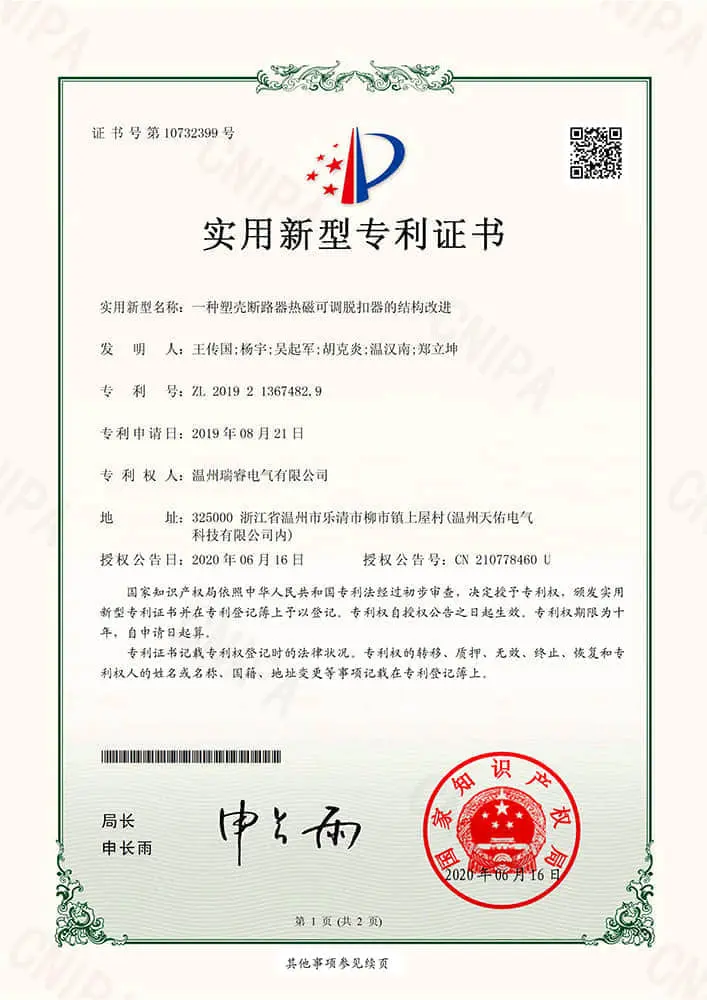
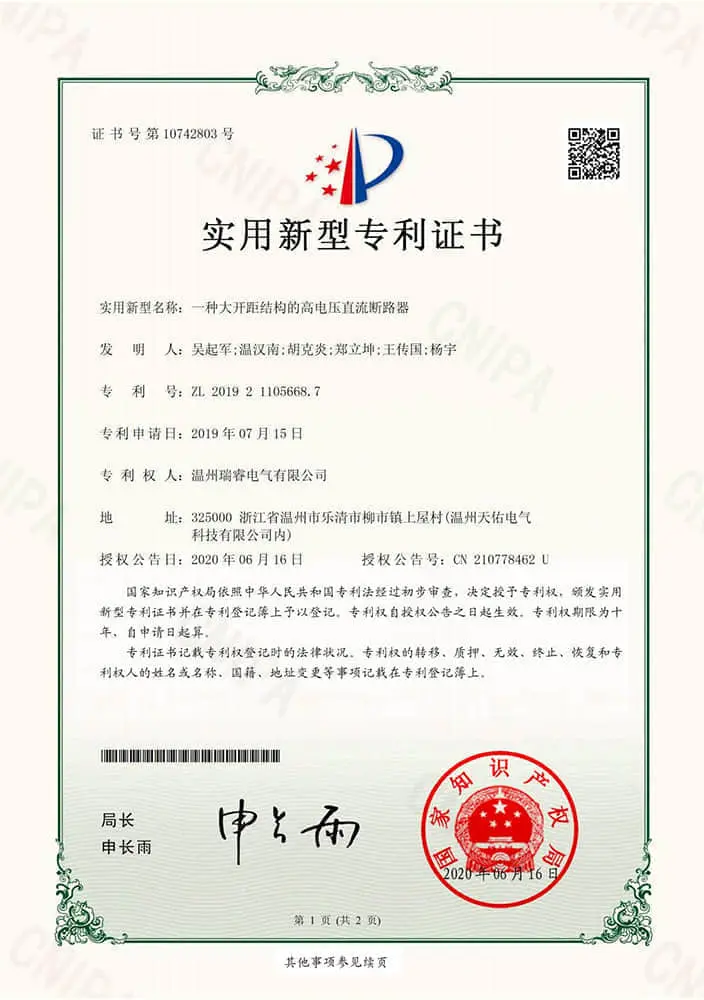
Our R&D team utilizes advanced 3D software for design of parts, molds, and finished assemblies. We run over 50 custom R&D projects annually to meet specific application criteria.
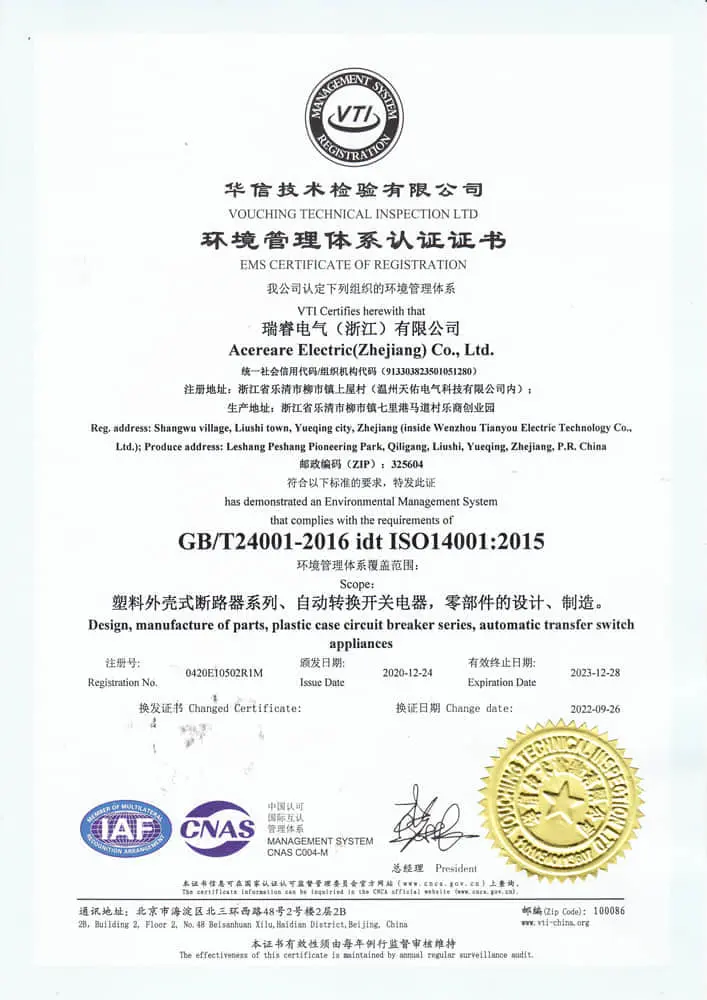
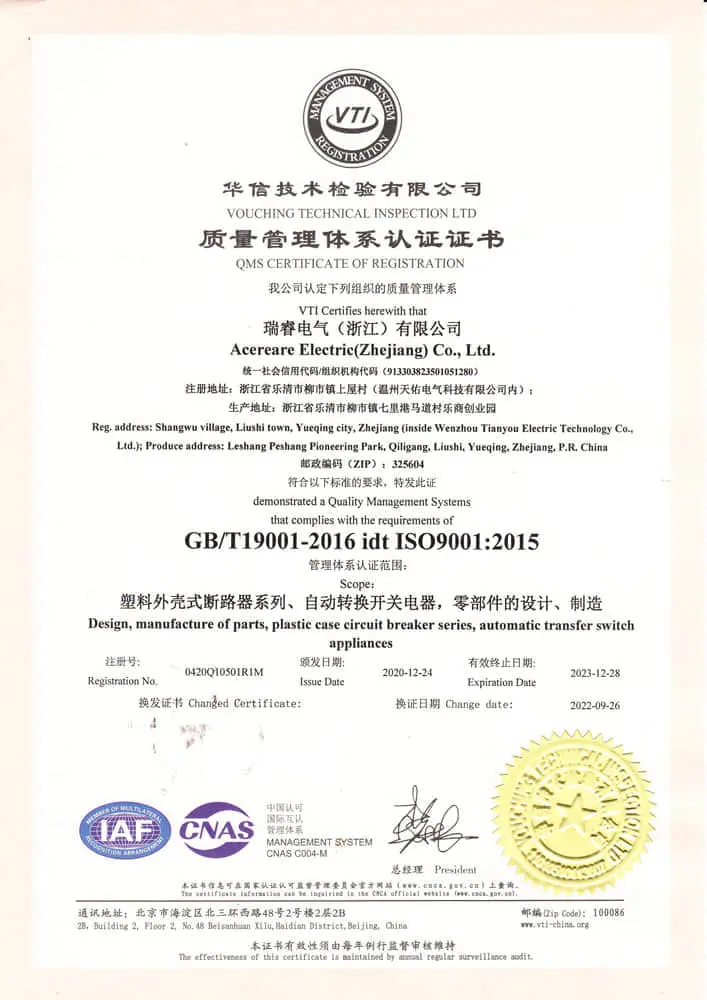
We ensure each product is tested for extreme parameters, offering certificates and test reports for high altitude, temperature variations, and corrosive coastal salt mist environments.
Standard off-the-shelf breakers fail when subjected to intense environment stresses. We tailor our thermal-magnetic protection systems for specialized parameters.
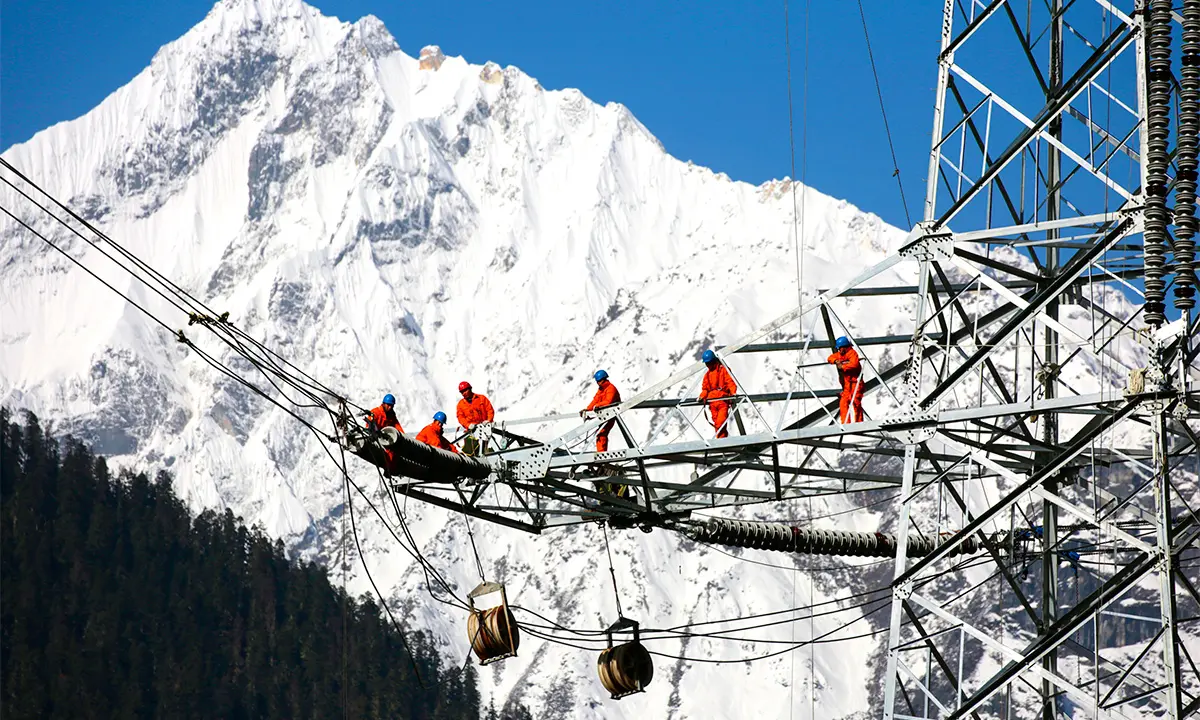
Utilizes impact-resistant, non-brittle structural polymers, specialized low-viscosity synthetic lubricants, and thickened anti-corrosive plating. Supported by certified low-temperature test reports.

Designed for damp, marine atmospheres. Withstands rigorous salt spray testing (72 hours for complete machines, 48 hours for semi-assemblies). Frequently deployed in shipyards, docks, and coastal setups.
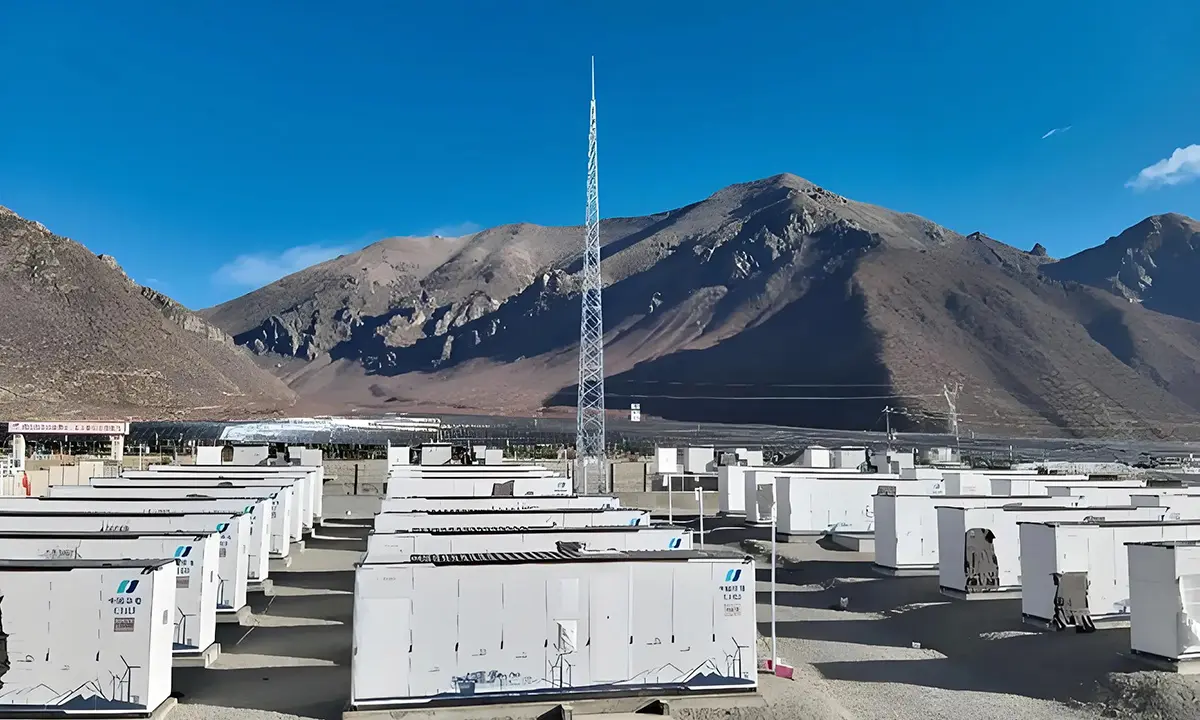
To counteract reduced atmospheric density and thermal dissipation above 2000m, we supply specialized high-altitude derating coefficients to modify insulation performance and trip curves.

Optimized for residential and commercial building management. Offers a compact design footprint and dependable protection against short-circuit fire risks.
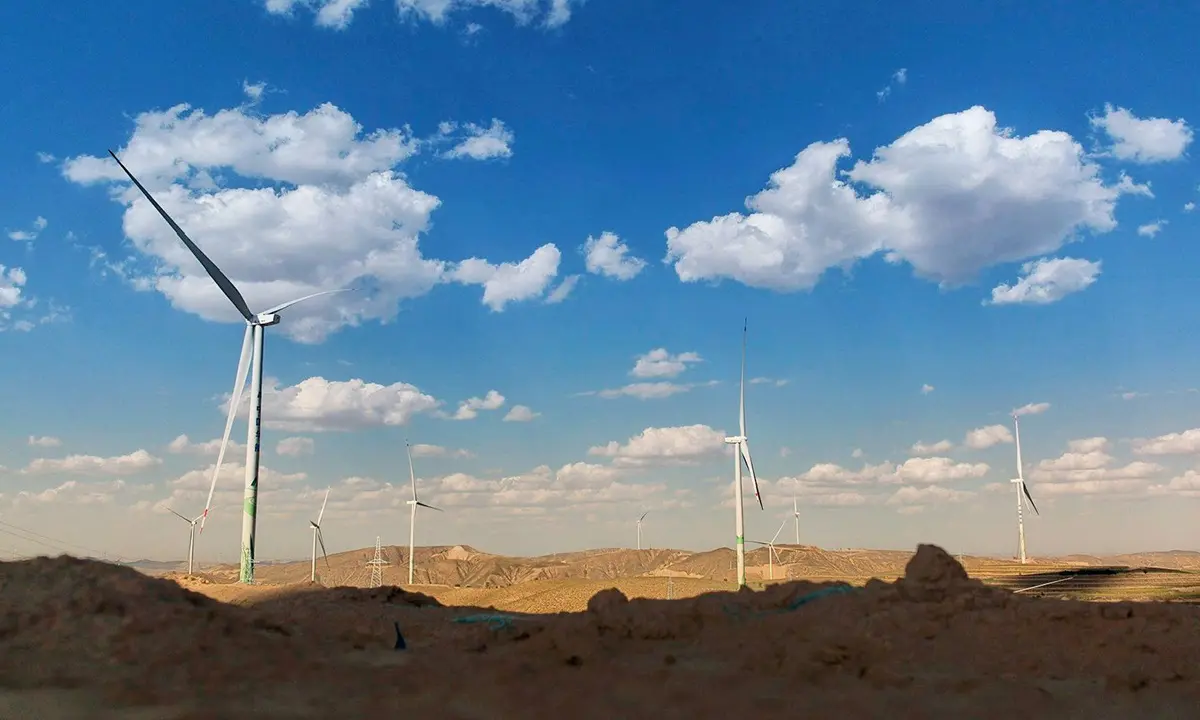
Enclosures feature internal thermal isolation barriers. Copper and iron internal components are treated to resist moisture and high temperatures, verified within our constant-temperature labs.
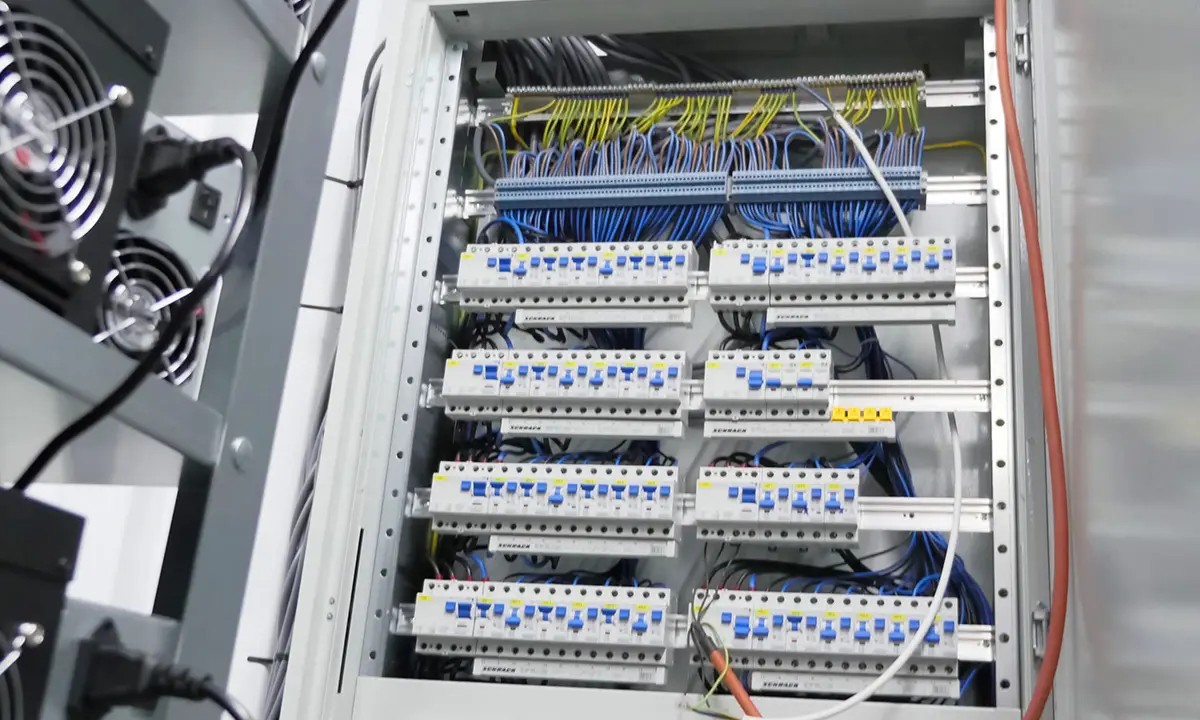
Combines mechanical thermal-magnetic protection with microprocessors for metering, communication, and edge computing. Designed to integrate directly into smart grids.
When selecting circuit breakers, system design engineers must evaluate the relationship between rated current ($I_n$), service breaking capacity ($I_{cs}$), and ultimate breaking capacity ($I_{cu}$). The table below outlines standard performance metrics across our primary series under demanding operating environments.
| Breaker Series | Device Class | Rated Current Range (A) | Rated Voltage (V) | Breaking Capacity Icu/Ics (kA) | Optimal Operating Temp |
|---|---|---|---|---|---|
| ARXM3 Series | MCCB (Thermal Magnetic) | 16A - 125A | 400V / 690V | 35kA - 50kA | -40°C to +70°C |
| ARM6DC Series | Photovoltaic DC MCCB | 16A - 250A | 700V / 1000V / 1500V DC | 25kA - 50kA | -40°C to +70°C |
| ARM5HU Series | High-Voltage MCCB | 63A - 250A | 800V / 1140V | 35kA - 50kA | -35°C to +55°C |
| ARM6Z Series | Intelligent LCD MCCB | 100A - 400A | 400V AC | 50kA - 85kA | -25°C to +60°C |
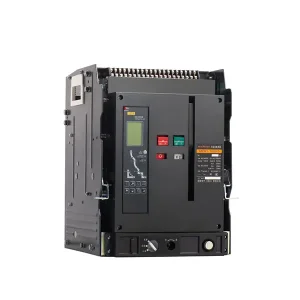
| ARW1 Series | Air Circuit Breaker (ACB) | 400A - 6300A | 400V / 690V | 80kA - 120kA | -40°C to +60°C |
At elevations exceeding 2000 meters, reduced air density decreases the dielectric strength and cooling efficiency of ambient air. Therefore, voltage and current parameters must be adjusted. For example, at an elevation of 4000 meters, dielectric resistance must be adjusted by a factor of 0.82, while the thermal rating is adjusted by 0.90 to account for reduced convective cooling.
Adjusted Operating Current: $I_{adj} = I_n \times K_{temp} \times K_{alt}$
Where $K_{temp}$ is the temperature correction factor (tested from 40°C to 55°C) and $K_{alt}$ is the high-altitude derating factor. Following these steps helps prevent nuisance trips and protects switchgear life cycles.
How we support international brands and distributor networks with design, tooling, and global compliance certification.
Tour our state-of-the-art production floors, advanced stamping departments, and high-precision testing labs.
Each batch is subjected to comprehensive testing in our lab using over 150 calibrated instruments.
Crucial engineering and procurement considerations answered by our senior technical directors.
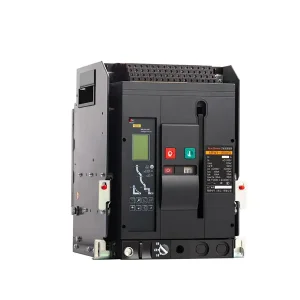
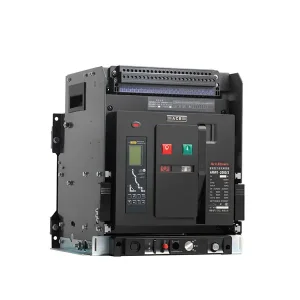
Heavy-duty, high-amperage breakers designed for main distribution panel boards and generator control systems.
Looking for a reliable manufacturing partner for your MCCB/ACB supply chain? Contact our engineering team to review electrical specification curves, plan customized branding, or schedule factory audit tours.
Contact Our Technical Sales Team AceReare