 AceReare
1 / 5
When building a digital model, we must pay attention to the adjustment of tolerance. Generally, the 3D model provided by customers is useless, because many of its dimensions are the limit dimensions. If we design the mold according to this, the produced mold will basically be scrapped.
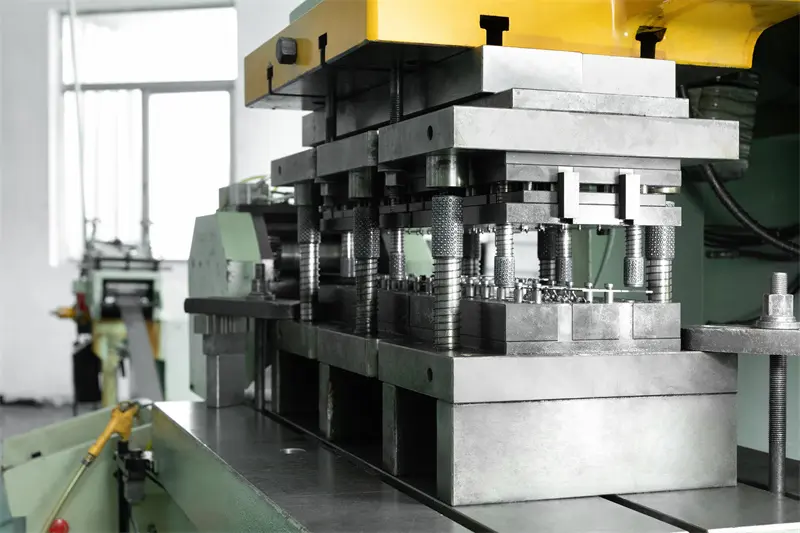
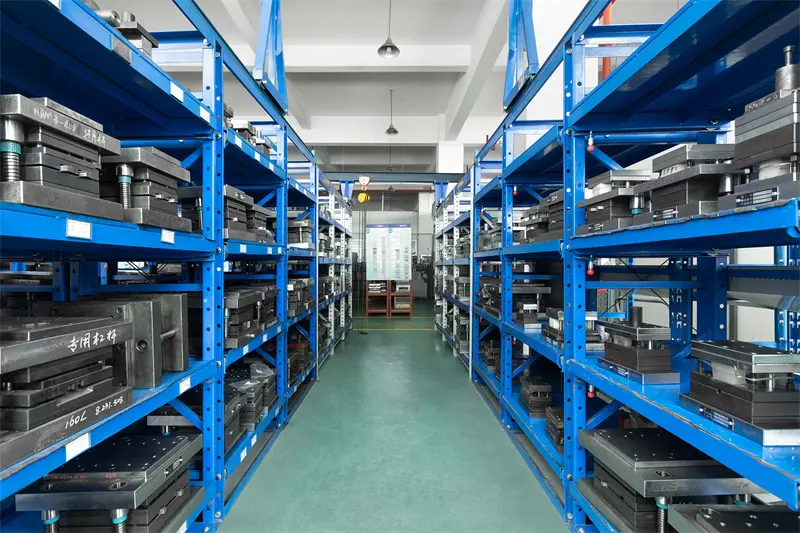
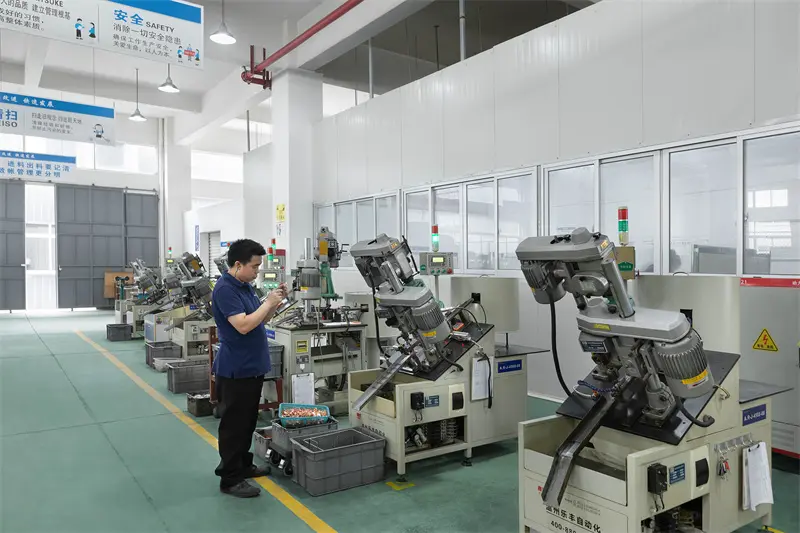
The main difference is reflected in the dimensional accuracy. In precision molds, key dimensions are strictly controlled and often not allowed to have any slope, whereas ordinary molds may have more relaxed tolerance requirements.
Key functional areas, such as the gear installation column, require exact alignment and fit. In these critical dimensions, slopes are prohibited to ensure the mechanical components assemble and function perfectly.
Generally no. Customer-provided 3D models often represent the limit dimensions of the final product. Designing a mold directly from these raw files without adjusting the tolerances will likely result in a scrapped mold.
While key dimensions cannot have slopes, mold designers strategically apply tolerance zones and very small, controlled slopes in non-critical areas of the mold to facilitate part ejection without compromising overall accuracy.
The most critical step is the careful analysis and adjustment of tolerances. Designers must modify the digital model's dimensions from the theoretical limits to practical manufacturing tolerances before beginning mold production.