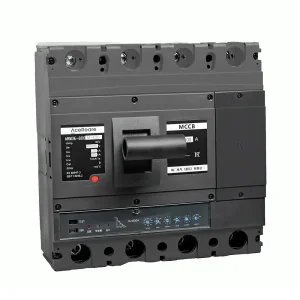
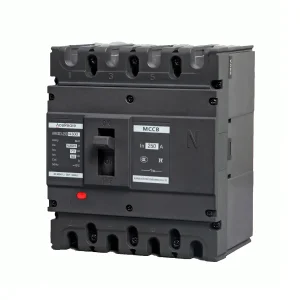
Engineered to ensure reliable protection for modern power systems and renewable energy distribution networks.
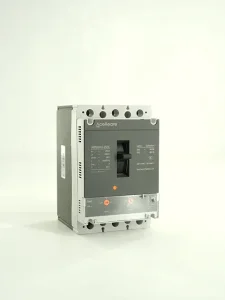
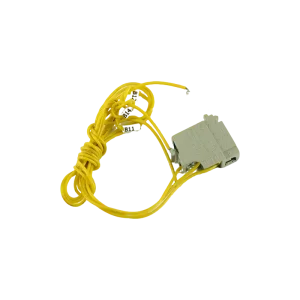
Addressing Phase Imbalance, Floating Neutrals, and Harmonic Distortions in Modern Multi-phase Distribution Systems.
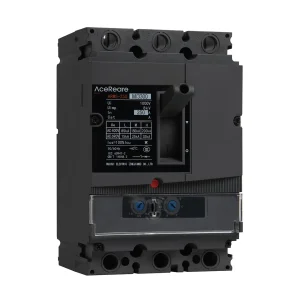
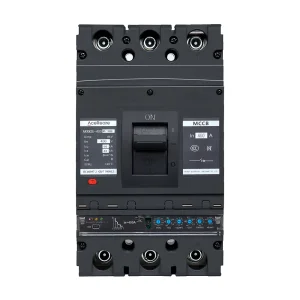
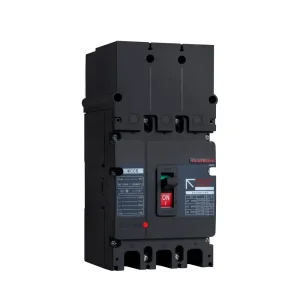
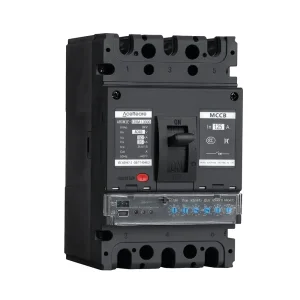
In low-voltage industrial grids, structural configuration shifts have made standard three-pole protection inadequate for modern IT and clean energy distribution systems. A 4P 100A MCCB (Molded Case Circuit Breaker) provides full current-carrying isolation across all three phases and the neutral line. This is crucial for avoiding severe system failures caused by "floating neutrals," a common issue during phase shifts or line imbalances that can expose line-to-neutral equipment to full line-to-line voltage.
With the rise of nonlinear loads—such as variable frequency drives (VFDs), server farms, and solar inverters—triple harmonics accumulate on the neutral line. If left unprotected, this neutral line can experience thermal overload and breakdown. Installing a dedicated 4P MCCB ensures the neutral pole trips in tandem with the phase poles, maintaining reference voltage stability and guarding against catastrophic failures.
Additionally, for systems using dual-power transfer systems or main-tie-main network topologies, a 4P MCCB is essential. It prevents stray parallel neutral currents, which can cause false trips on ground fault relay systems and jeopardize personnel safety.

Professional R&D Engineers
Skilled Industrial Workers
Annual Sales Revenue (RMB)
Years of Direct Manufacturing
Pioneering low-voltage protection systems through advanced design, testing, and automated assembly.
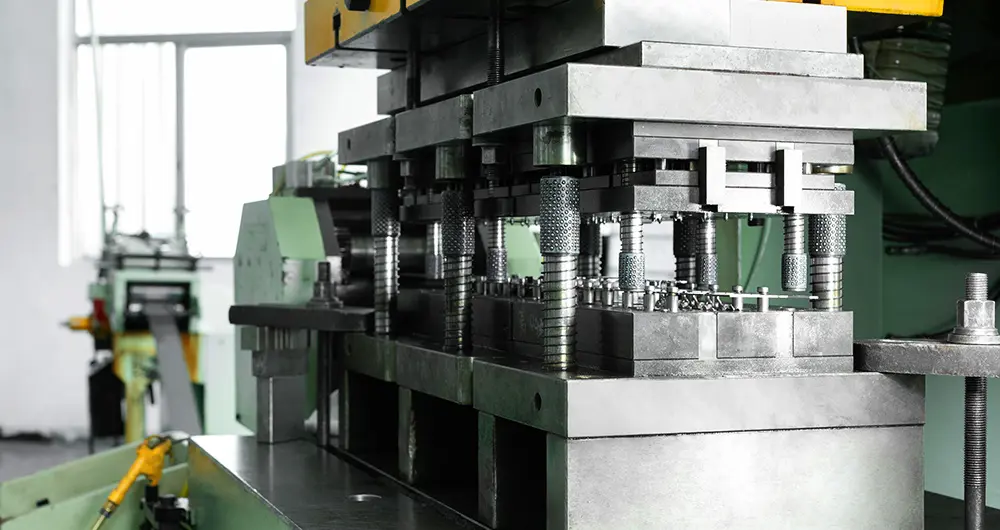
Founded in 2015, Acereare Electric operates two wholly-owned subsidiaries: RuiRui Electric and KeRui Electric. We specialize in the R&D, manufacturing, and global sales of molded case circuit breakers (MCCB), air circuit breakers (ACB), and auxiliary smart component systems. Backed by over 20 years of craftsmanship, we have grown into one of China's top ODM/OEM manufacturers.
Our facility features 6 processing technologies, advanced testing instruments, and over 10 manual and automated production lines. By integrating our operations with ERP and U8 software, we coordinate all process flows across our factories—ensuring high efficiency from raw material feeding to final product assembly.
With a professional R&D team of over 50 engineers, each with 5+ years of experience in 3D component and mold design, we launch more than 50 custom projects annually. This engineering foundation allows us to supply international markets with components and assemblies that meet rigorous performance and regulatory standards.
Bridging local standards with reliable engineering, certified testing, and custom branding services.
We perform systematic multi-step testing inside our in-house laboratory, using over 150 testing instruments. Quality tracking is monitored through integrated PLM, BI, ERP, and MES systems to ensure every batch meets target design specifications.
We provide full-service OEM support, including functional circuit breaker revisions, customized injection mold designs, logo laser-marking, and specialized product testing. Mold design and engineering fees are fully refundable once minimum order volumes are met.
Our ODM solutions allow for low minimum order quantities, custom outer-box packaging, tailored catalogs, and compliance documentation. These options help our clients launch new products quickly and cost-effectively.
Designed and verified to maintain rated performance under harsh mechanical and climatic conditions.
Built with low-temperature resistant structural polymers and specialized internal lubricants. Heavy-duty zinc-plated components resist freezing, ensuring reliable mechanics and contact separation in extreme cold.
Constructed with high thermal-deflection materials and insulation barriers on the controller interface. Active copper and iron components are treated to prevent oxidation, allowing the breaker to operate safely at high ambient temperatures.
We run rigorous salt-spray chamber testing (72-hour tests for completed breakers, 48-hour tests for structural components). These units resist corrosion and moisture, making them ideal for coastal zones, docks, and marine vessels.
For applications located above 2000 meters, we apply altitude-derating calculations. These adjustments account for lower air density, helping to prevent dielectric breakdown and ensuring heat dissipates properly from the contacts.
Providing essential overload and short-circuit protection for household appliances, elevators, and local sub-distribution boards. These breakers offer long mechanical lifetimes and quiet, reliable performance.
Features embedded current and voltage measurement sensors. The system supports Modbus, CAN-bus, and RS485 communication protocols, allowing operators to monitor power quality and diagnostic data in real time.
Discover our range of industrial circuit breakers designed to meet diverse performance requirements.
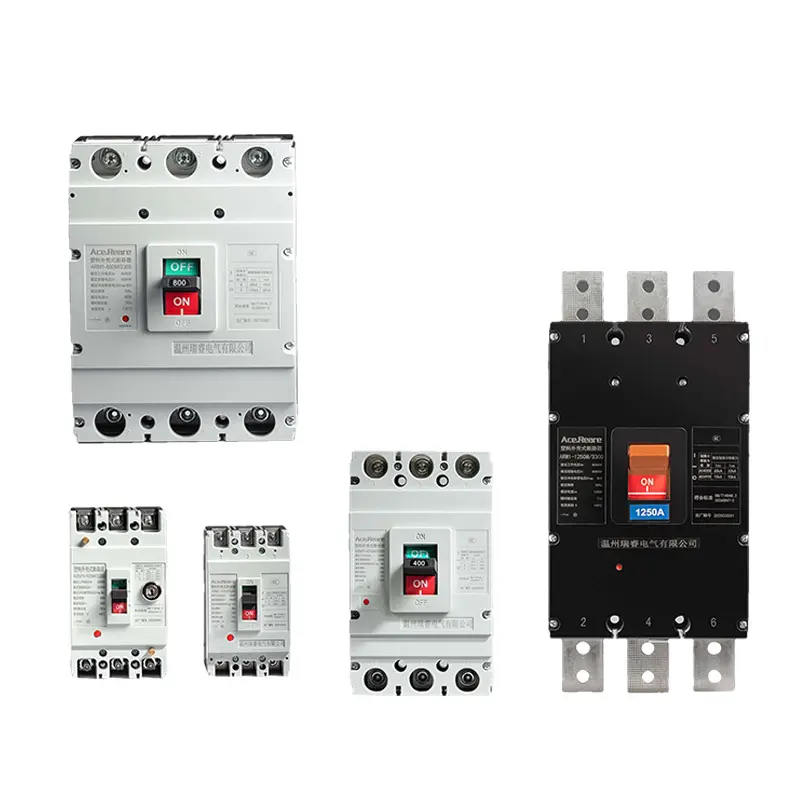
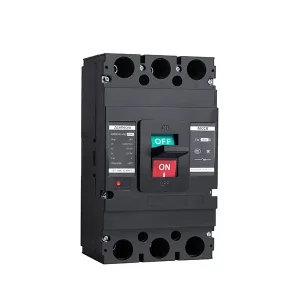
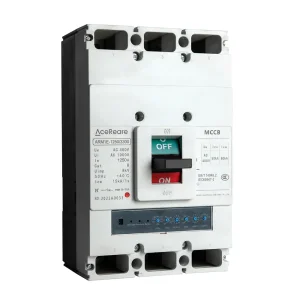
The ARM1 series is our classic thermal-magnetic protection solution, designed for reliable distribution networks up to 690V. Featuring robust contacts and arc-extinguishing chambers, it offers high breaking performance and reliable overload and short-circuit protection for general industrial installations.
Our focus on digitization, intelligent tripping mechanisms, and sustainable engineering.
Modern electrical grids demand more precise protection than traditional thermal-magnetic trip mechanisms can provide. Thermal elements can be affected by ambient temperature shifts, which can lead to nuisance tripping or delayed responses during critical overcurrent events. To address this, our technology roadmap focuses on electronic trip units (ETUs) equipped with adjustable LSIG (Long-time, Short-time, Instantaneous, Ground-fault) protection parameters.
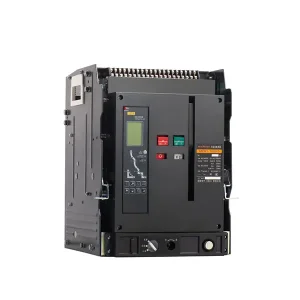
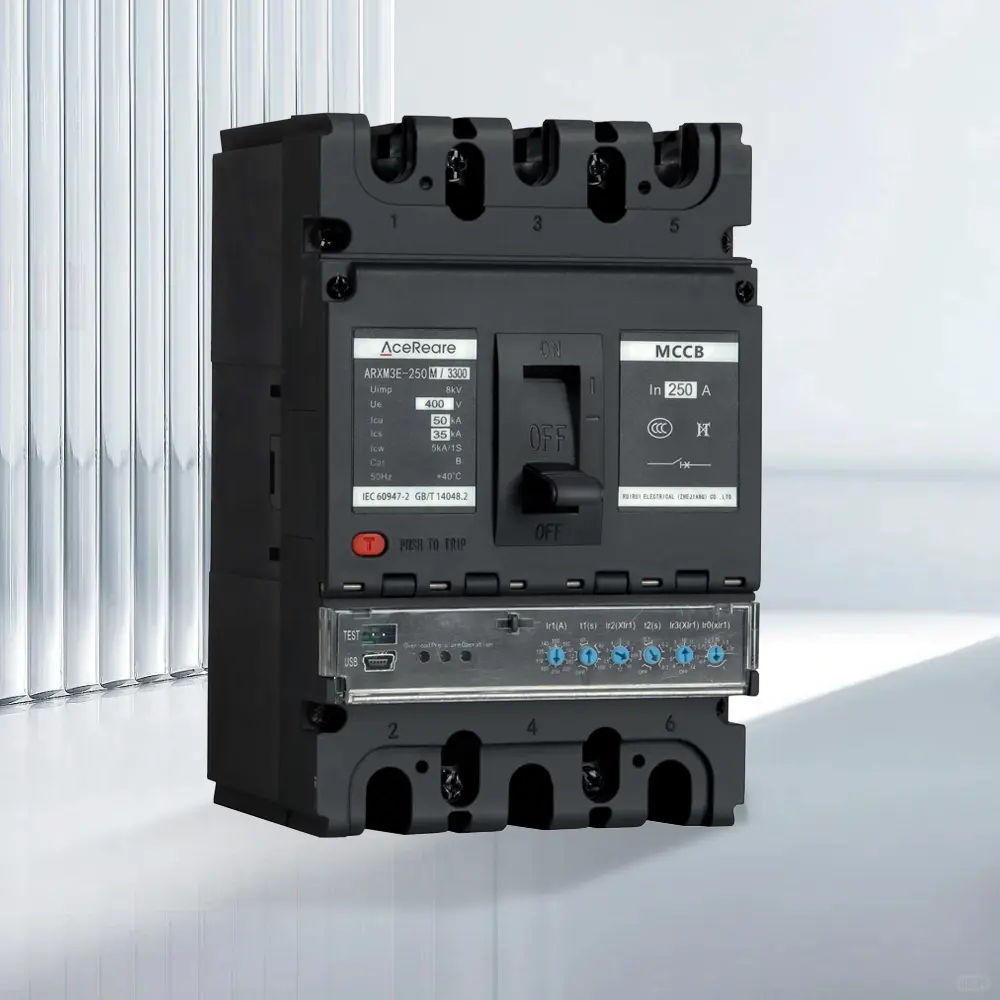
Our ARM3E and related smart electronic circuit breakers feature built-in microcontrollers that process real-time current wave data. This allows operators to adjust trip curves to match downstream load profiles, preventing unnecessary outages. These smart breakers also monitor key electrical parameters like harmonic distortions, phase deviations, and energy usage, feeding this data directly to SCADA systems via Modbus or Ethernet interfaces.
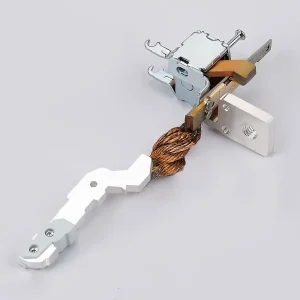
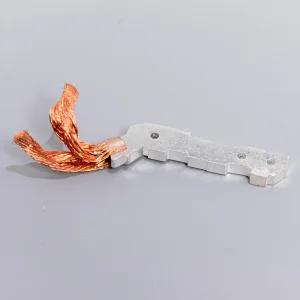
Furthermore, we are optimizing contact design by utilizing silver-alloy contacts and advanced copper substrates. These enhancements reduce contact resistance, minimize thermal emissions, and extend the mechanical and electrical service life of our breakers in high-frequency switching applications.
From initial design consultations to manufacturing delivery and technical support.
We analyze your load requirements, voltage ratings, and environment to recommend the right breaker configuration.
Our engineering team designs custom solutions, creates 3D CAD files, and drafts wiring diagrams.
Prototypes undergo electrical, thermal, and dielectric testing in our in-house laboratories.
Our automated production lines assemble the breakers, tracked by ERP and MES systems for quality assurance.
We package, inspect, and ship your order internationally, handling customs clearances and compliance work.
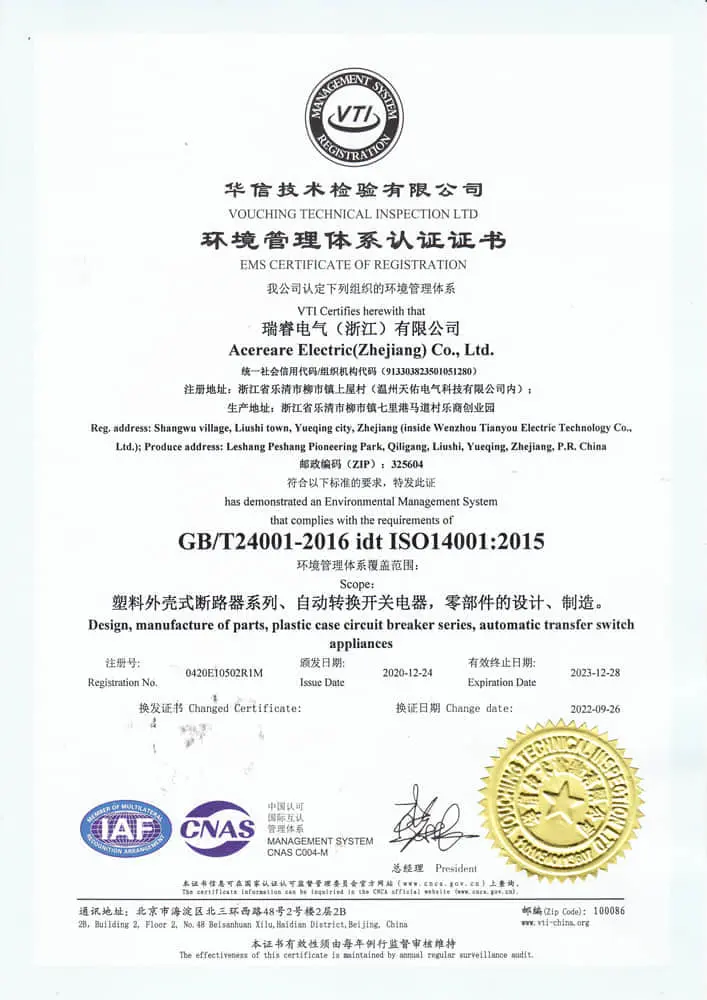
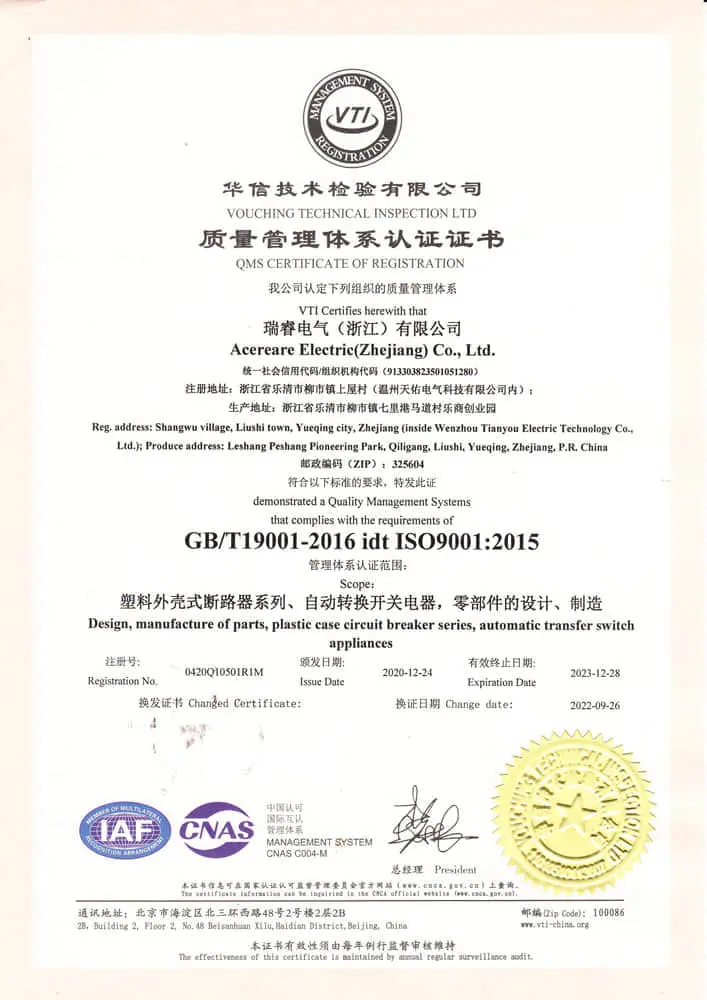
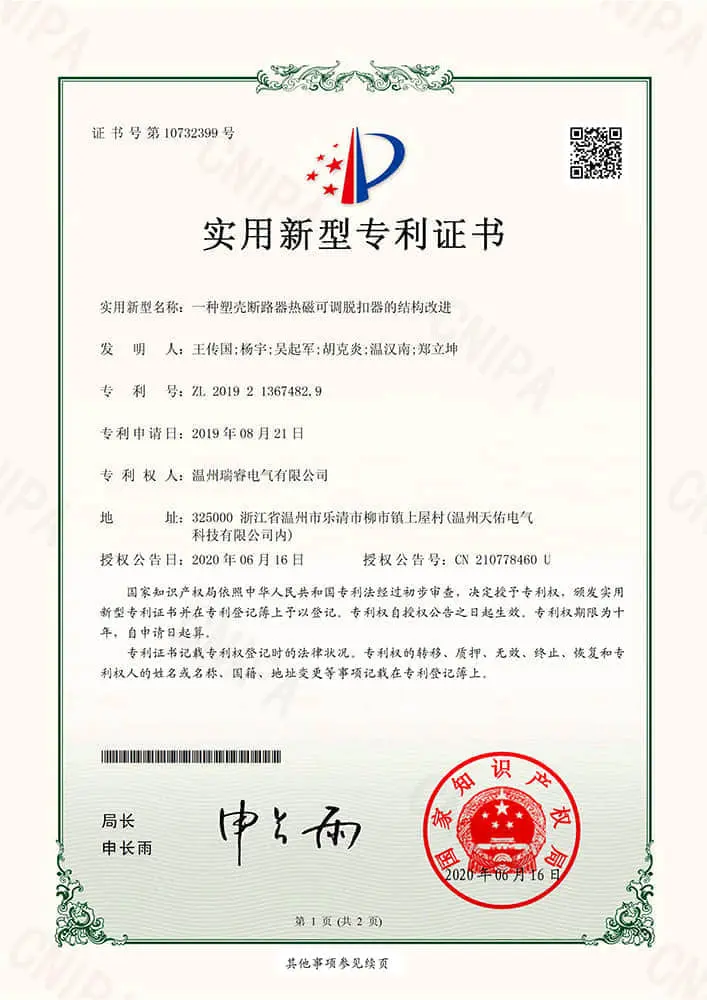
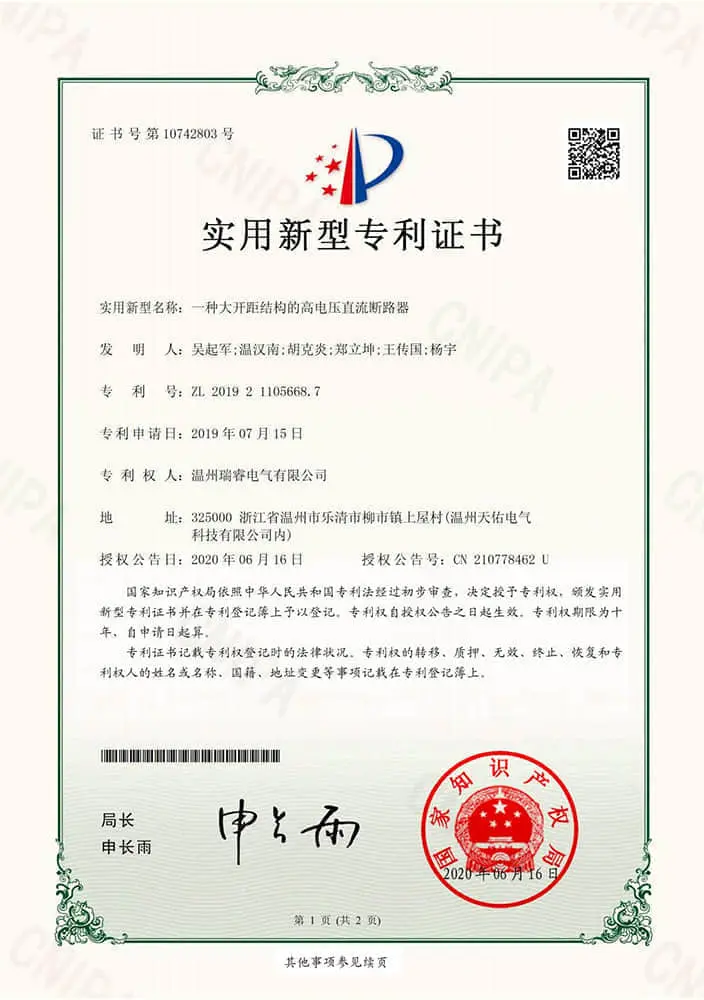
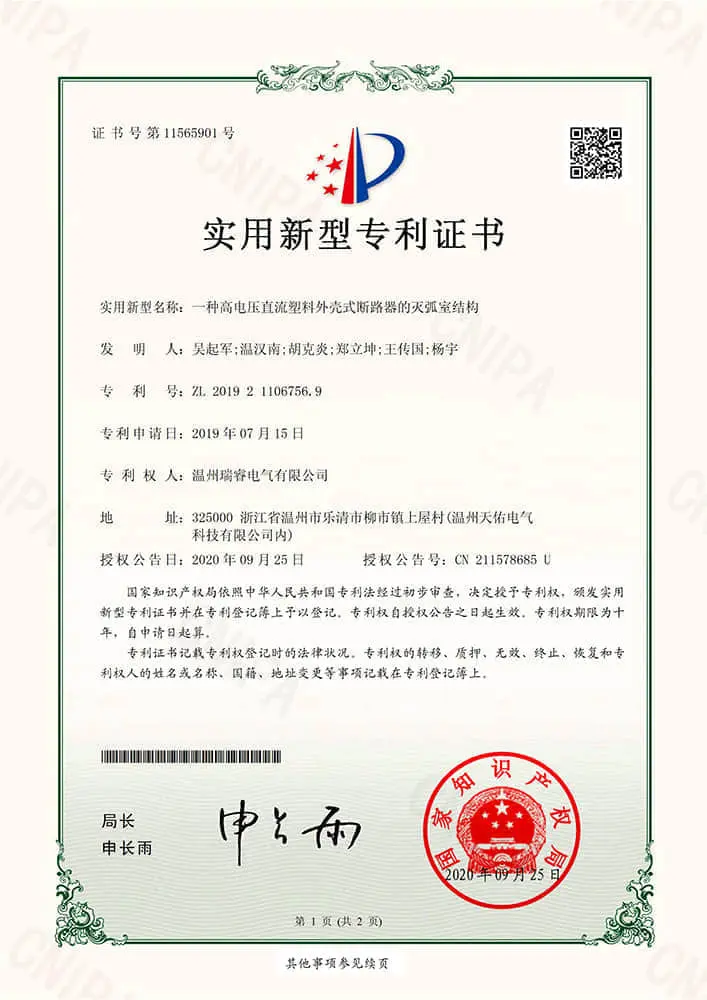
Our production facilities and processes conform to strict international safety standards.
Answers to common engineering questions about 4-pole configurations and breaker selection.
Complete your power distribution setup with our selection of industrial and photovoltaic components.
 AceReare