Explore our tier-one OEM components and high-breaking-capacity switchgear systems designed for extreme environments.
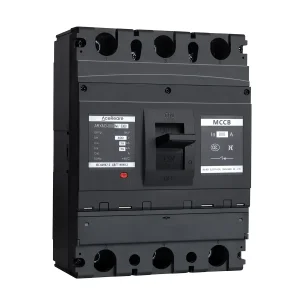
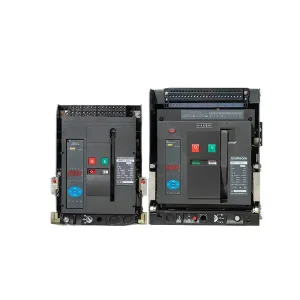
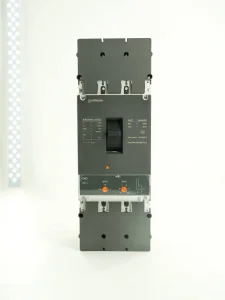
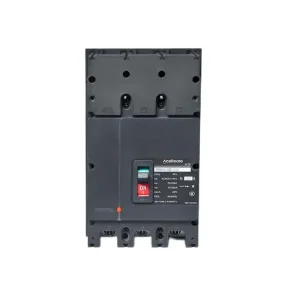
Acereare Electric, founded in 2015, stands as a premier design, manufacturing, and R&D powerhouse in the circuit breaker and switchgear industry. With our wholly-owned subsidiaries, RuiRui Electric and KeRui Electric, we have built a manufacturing infrastructure capable of meeting the rigorous requirements of critical heavy-industry power distribution.
Rooted in two generations of master-craftsmanship, we inherit more than 20 years of technical expertise. Today, we rank among the top ODM partners in China, driving innovation for molded case circuit breakers (MCCB), air circuit breakers (ACB), and auxiliary components for intelligent switchboards.

Unpacking the critical role of primary switchgear in infrastructure uptime, emergency preparedness, and lifecycle cost mitigation.
In modern industrial and commercial operations, power system continuity is a vital factor in operational resilience. At the heart of low-voltage network protection lies the Air Circuit Breaker (ACB). These heavy-duty switchgear units are engineered to isolate faults, control electrical circuits, and protect motors, generators, and transformers from cataclysmic overloads and short circuits. However, ACBs operate under stressful mechanical, thermal, and electrical conditions. Without systematic maintenance, testing, and component servicing, system degradation is inevitable.
Globally, industrial facilities, hospitals, data centers, and marine docks are dealing with aging electrical distribution systems. Neglecting the periodic servicing of ACBs exposes facilities to high risks, such as prolonged outages, catastrophic system arc flashes, and total switchboard loss. Professional ACB servicing comprises diagnostic testing, contact surface polishing, wear alignment, trip unit calibration (both thermal-magnetic and microprocessing/electronic), and mechanical frame lubrication. By implementing professional servicing alongside the procurement of premium quality switchgear components, enterprises secure high uptime and minimize total cost of ownership (TCO).
| Service Phase | Procedures Involved | Primary Objective |
|---|---|---|
| Insulation Resistance Testing | Megohmmeter checking phase-to-phase and phase-to-earth paths. | Identify early breakdown in dielectric materials and support structures. |
| Contact Resistance Evaluation | Micro-ohmmeter testing of main contact resistance under load. | Prevent local hot spots, arc melting, and thermal runaway. |
| Mechanical Operation Calibration | Lubrication of spring-charging linkages, checking mechanical interlocks. | Ensure rapid tripping speeds during short-circuit overcurrent events. |
| Trip Curve Verification | Primary current injection testing of overload, short delay, and ground fault protection. | Validate coordination curves against standard factory specifications. |
We deliver premium protection solutions combining lean manufacturing, intensive R&D, and complete supply chain control.
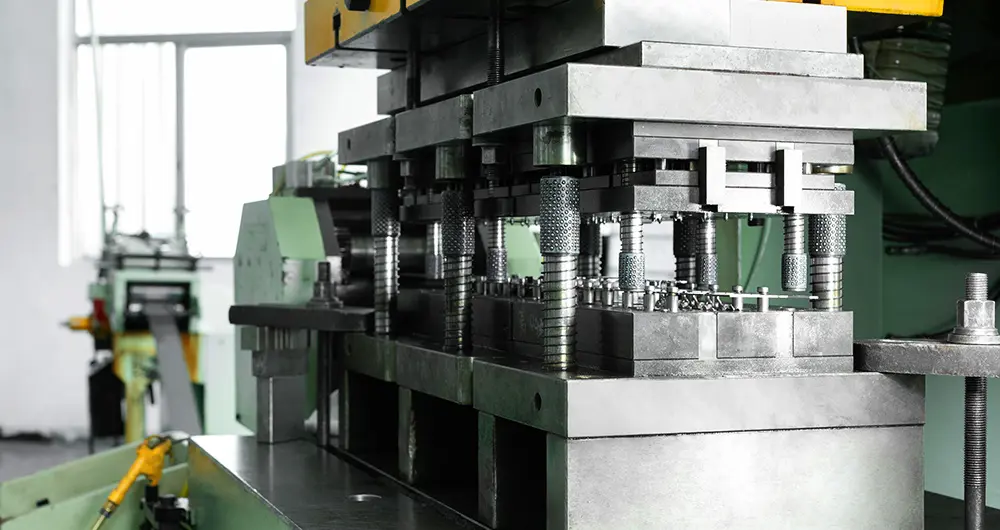
One-stop production incorporating six processing techniques. High-precision equipment and over 10 manual and automated assembly lines guarantee consistent quality.
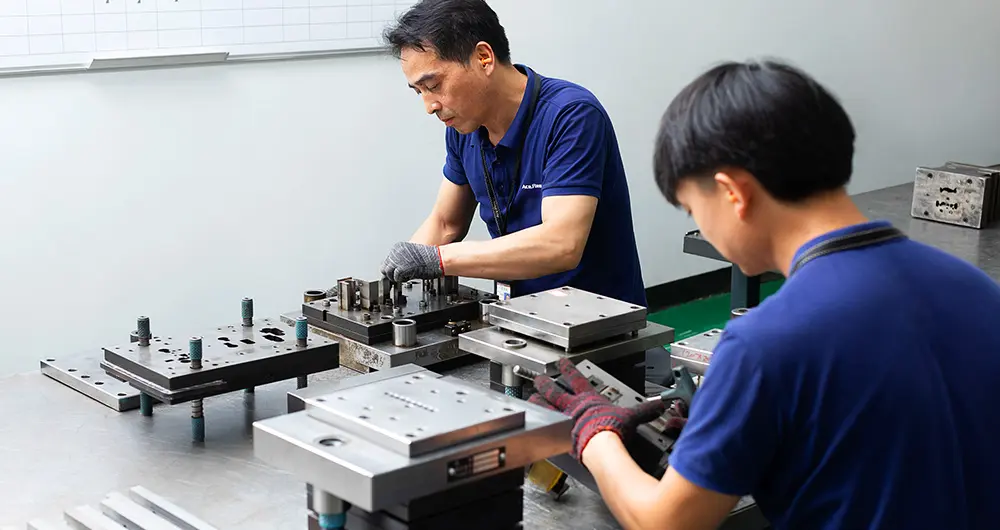
Our team of 50+ engineers utilizes 3D mechanical and electrical modeling software to develop parts, injection molds, and completed breaker designs, averaging 50+ new projects annually.
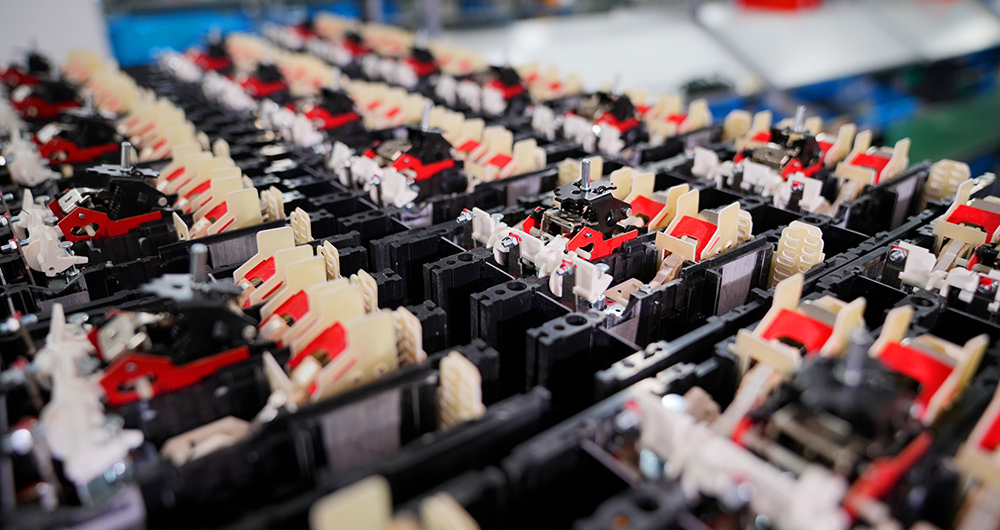
Operating two large-scale manufacturing facilities, we integrate and manage all internal processes via high-performance ERP and U8 software, ensuring on-time delivery.
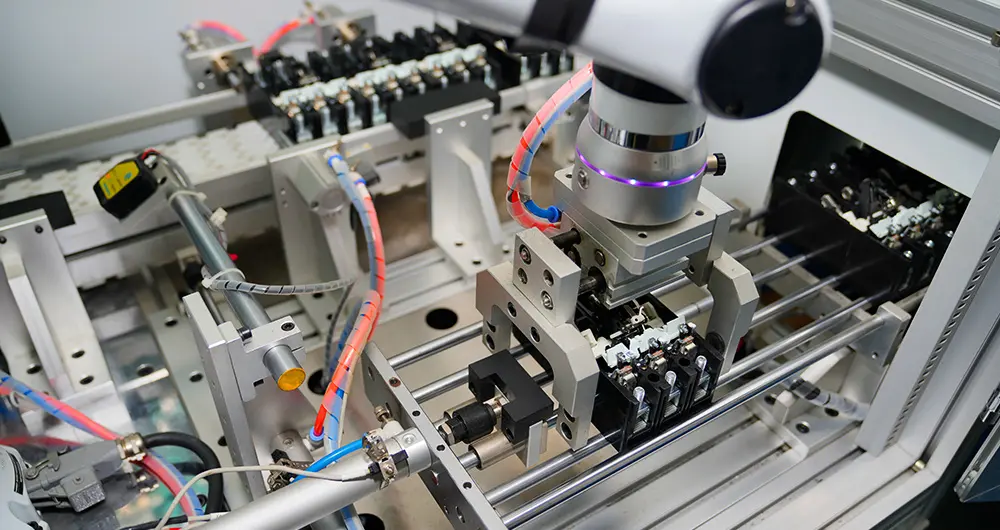
Our testing labs feature 150+ instrumentation setups and 20+ specialized inspectors managing every phase through PLM, BI, ERP, and MES integration.
Engineered to perform in extreme temperatures, high altitudes, marine salt spray, and smart infrastructure operations.
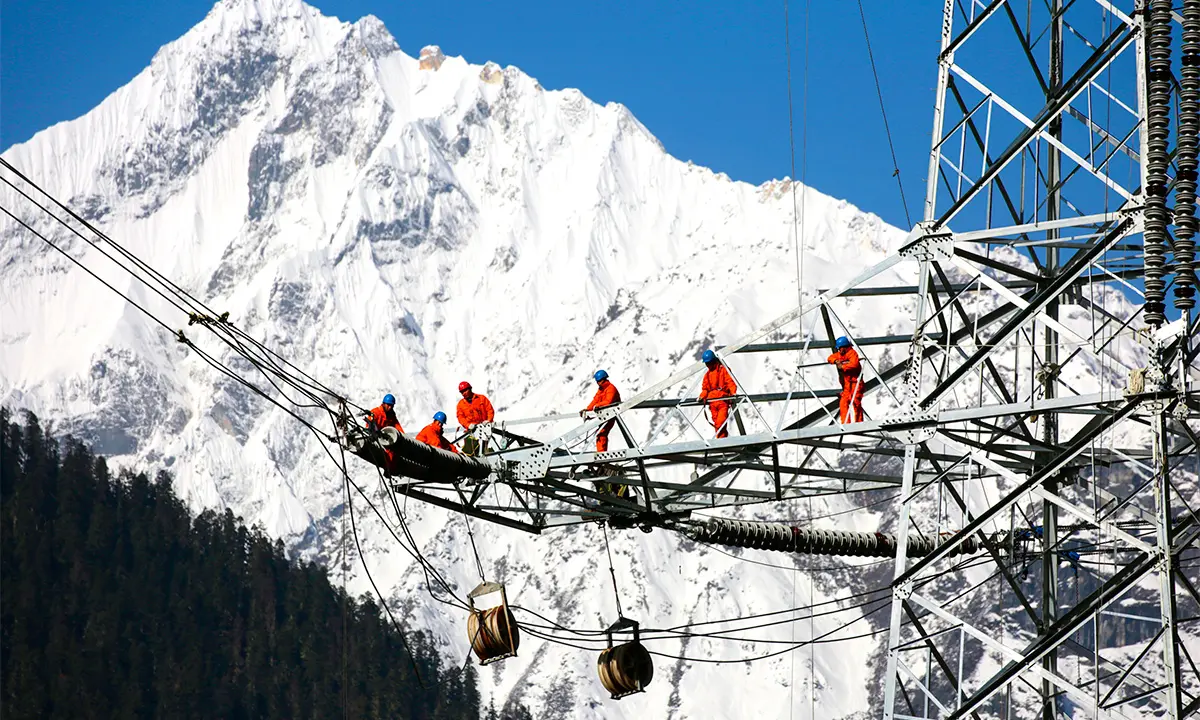
Utilizing high-impact, low-temperature resistant structural polymers and low-viscosity synthetic lubricants. The internal linkages undergo thickened anti-frost plating. Proven via external -40°C testing protocols.

Subjected to salt spray tests of 72 hours for complete systems and 48 hours for semi-complete modules. Essential for shipboard networks, offshore installations, and coastal ports to prevent galvanic corrosion.
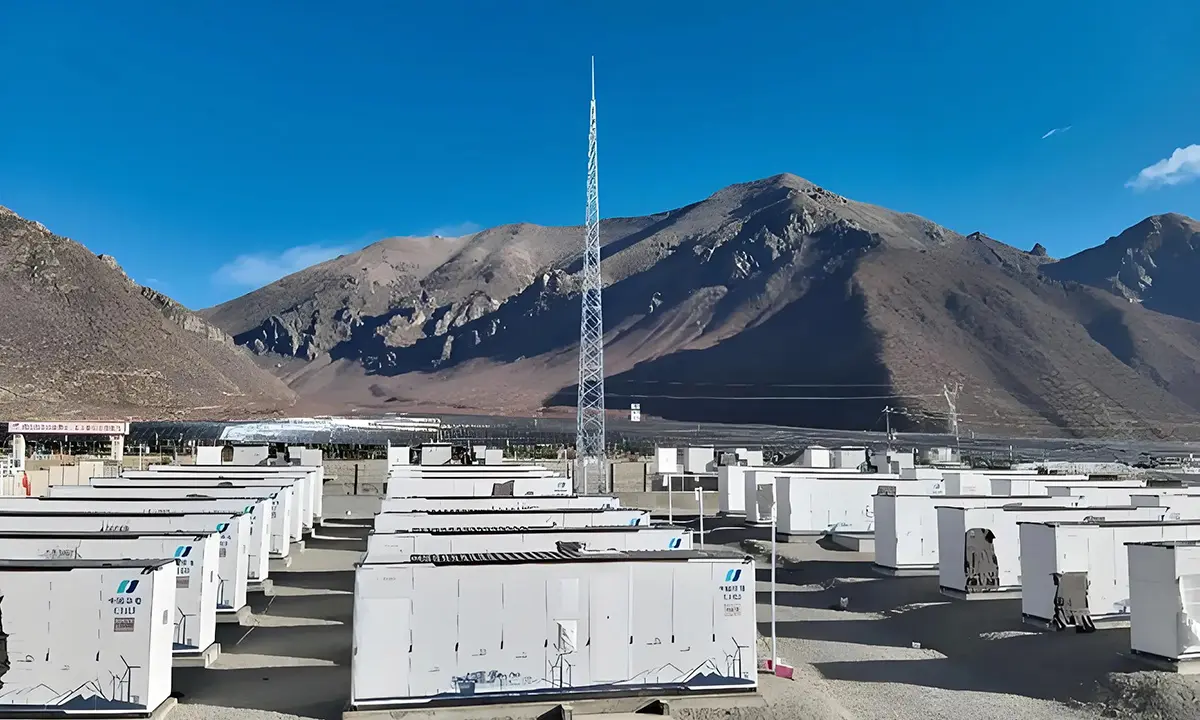
For operations above 2000m elevation. Because thin air decreases thermal cooling capacity and dielectric insulation strength, we adjust design clearances and provide official altitude derating coefficient metrics.

Engineered for high selectivity, our thermal-magnetic molded case circuit breakers prevent nuisance trips, protecting critical residential HVAC, elevators, lighting loads, and electrical infrastructure.
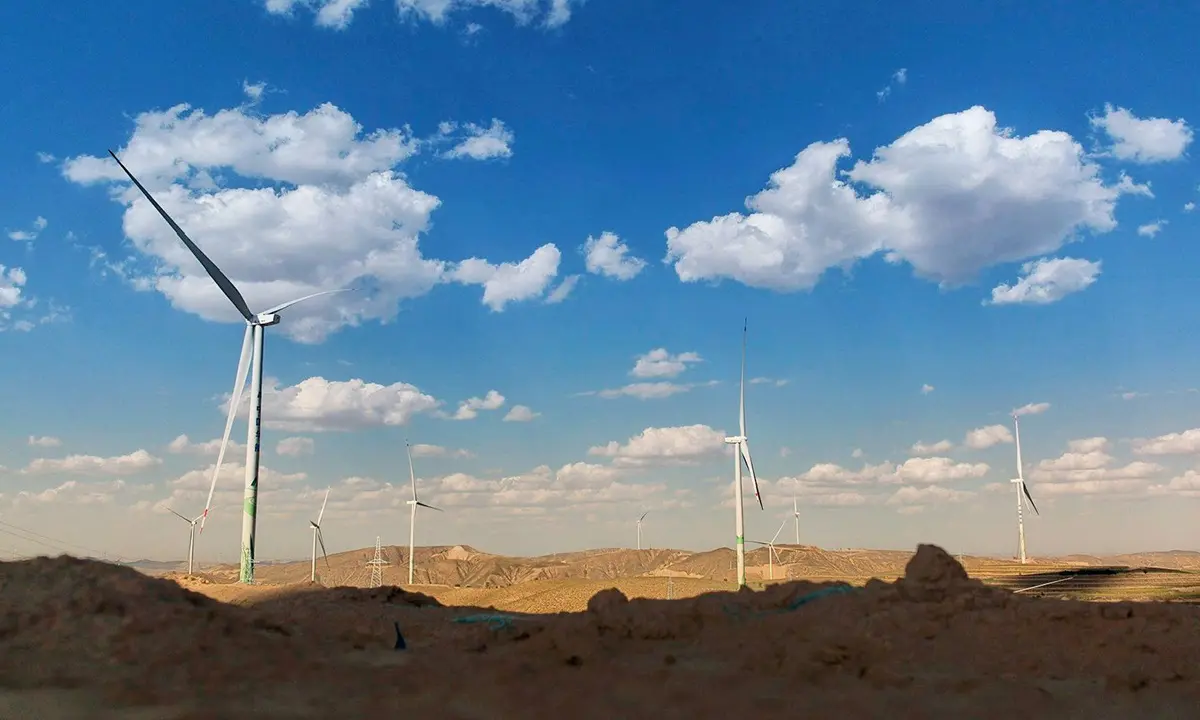
Using thermal barriers, high-transition-temperature plastics, and heavy tin-plated copper conductors. All systems undergo thermal validation within our constant-temperature environmental testing chambers.
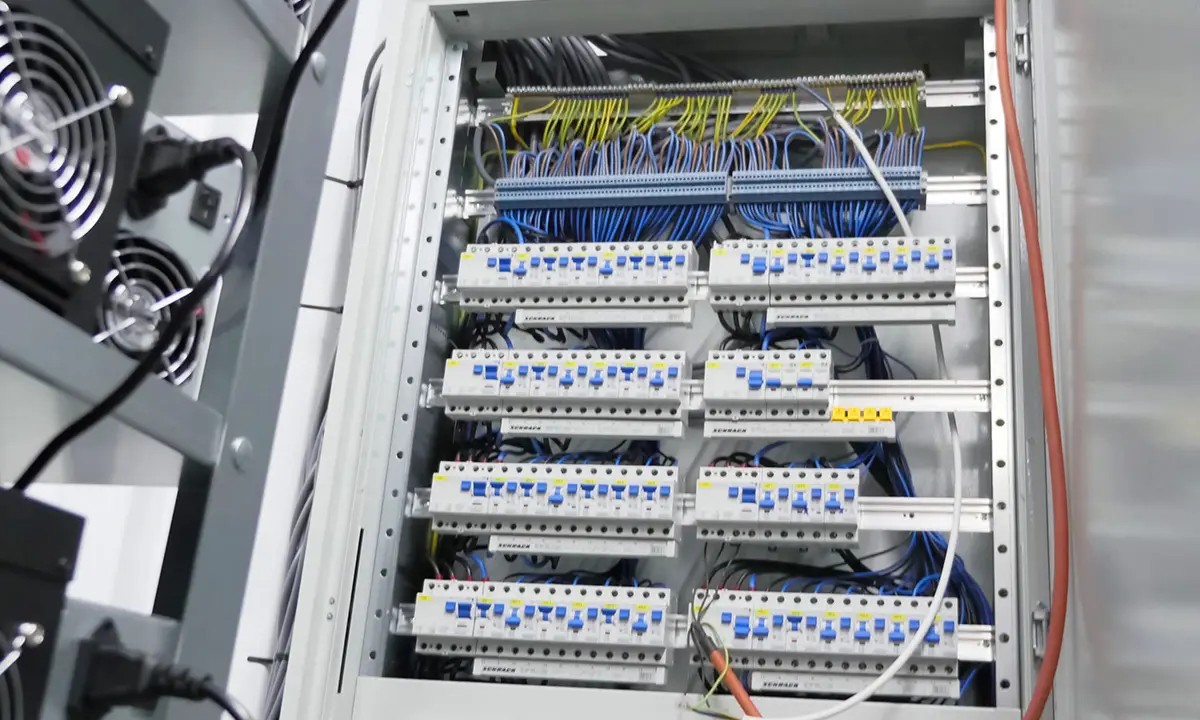
Designed for smart grids and real-time building monitoring. Integrating high-accuracy current transformers, embedded edge microchips, and Modbus/RS485 communication protocols for remote diagnostics.
China's industrial electrical equipment sector offers substantial advantages in scale, supply chain integration, and rapid engineering iterations. As a primary manufacturer based in Wenzhou—China’s low-voltage electrical capital—Acereare Electric leverages local component fabrication, metal stamping automation, and specialized electroplating services. This concentration of raw material suppliers and tooling vendors allows us to compress product development cycles and lower capital expenditures compared to manufacturers in Europe or North America.
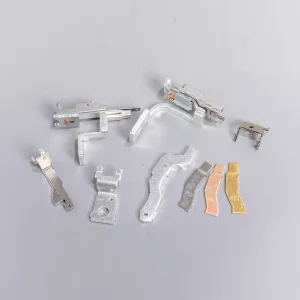
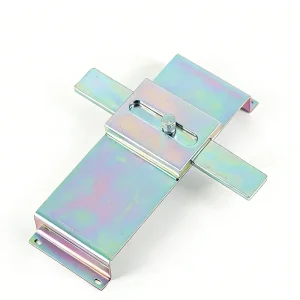
Vertical integration defines our production methodology. Rather than acting as a simple assembly operation, we manufacture critical components internally, including contacts, metal stampings, frames, and trip linkages. Controlling these sub-assemblies ensures tighter dimensional tolerances, improved metallurgy quality, and reliable mechanical life. By utilizing modern ERP frameworks to link warehousing with production, we offer high lead-time reliability to international purchasers, switchgear builders, and industrial maintenance companies.
Detailed evaluation of technical parameters, nominal voltage, and rating requirements.
Fast mechanical rendering, schematic design, and CAD drafting.
Signing terms, molding configuration, and custom tooling setup.
Thermal testing, dielectric verification, and dynamic testing.
Secure export packaging, global customs clearing documentation, and logistics tracking.
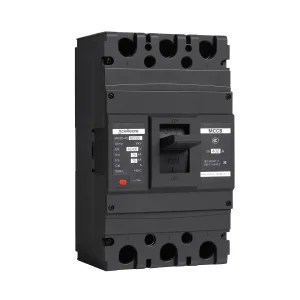
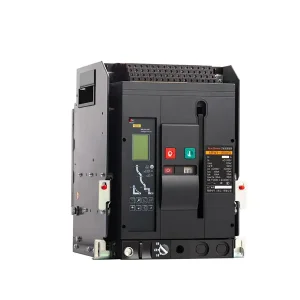
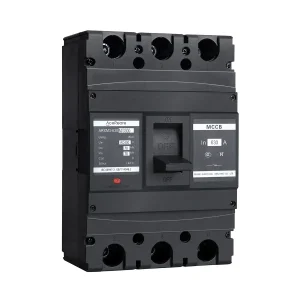
Acereare Electric operates integrated assembly lines combining automated component stamping with manual assembly. Each unit, from the ARXM3 MCCB to the ARW1 heavy-duty air circuit breaker, goes through extensive diagnostic checks before dispatch. This testing covers overload calibration, dynamic mechanical cycle analysis, insulation tests, and secondary wiring verification.
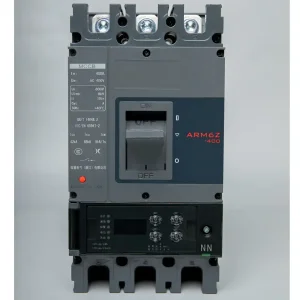
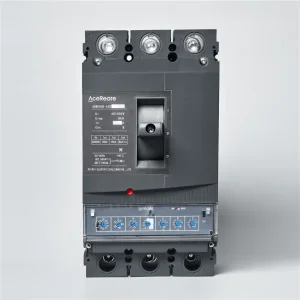
Our in-house R&D department continues to develop smarter, higher-capacity MCCBs and ACBs. This includes high-performance circuit breakers like the ARM6Z series with integrated liquid crystal displays and remote monitoring capabilities.
Acereare products conform to national and international standards, ensuring safety, reliability, and project approval.
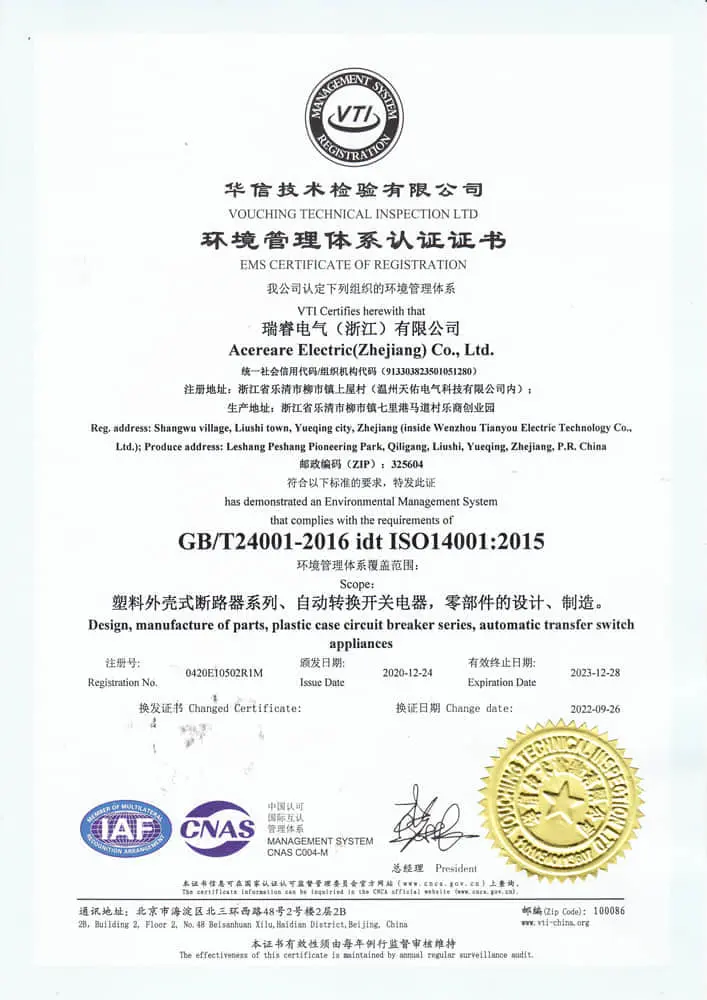
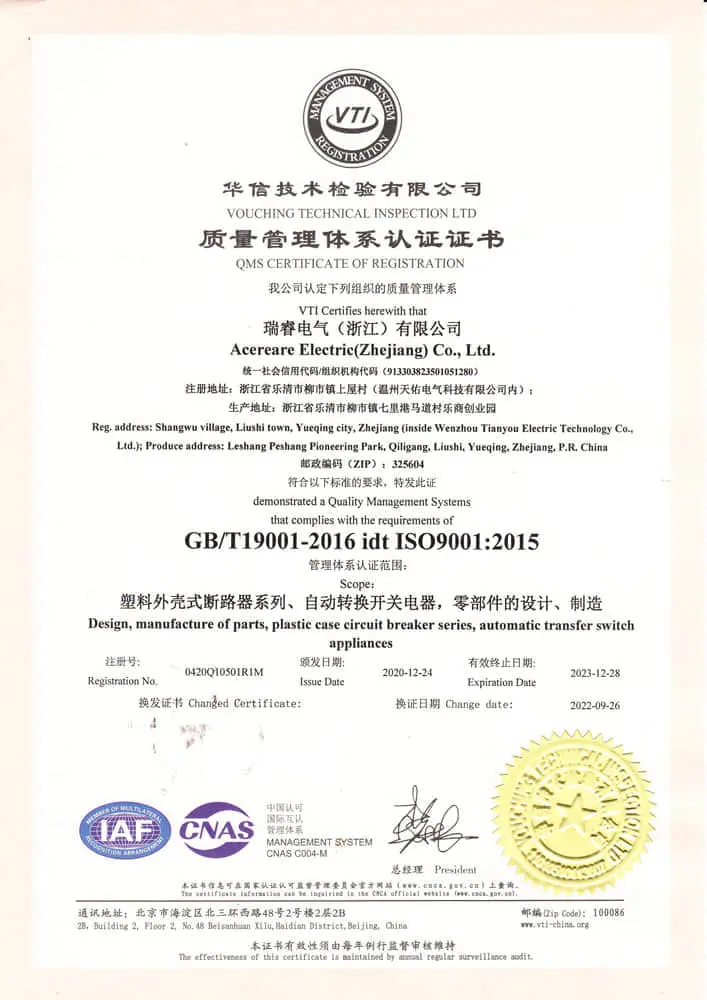
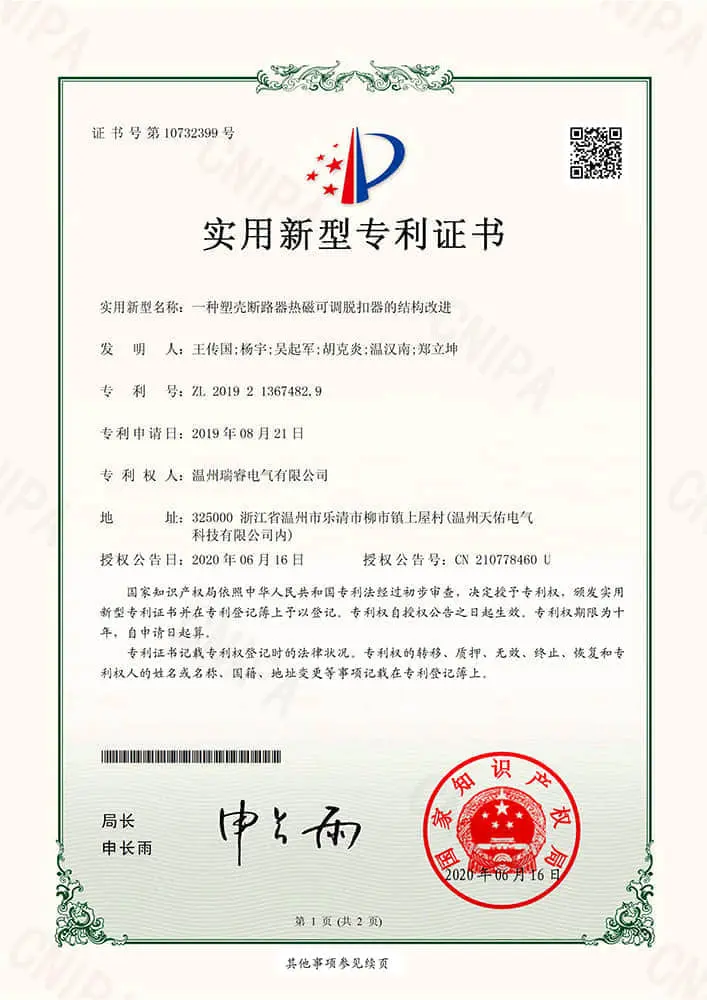
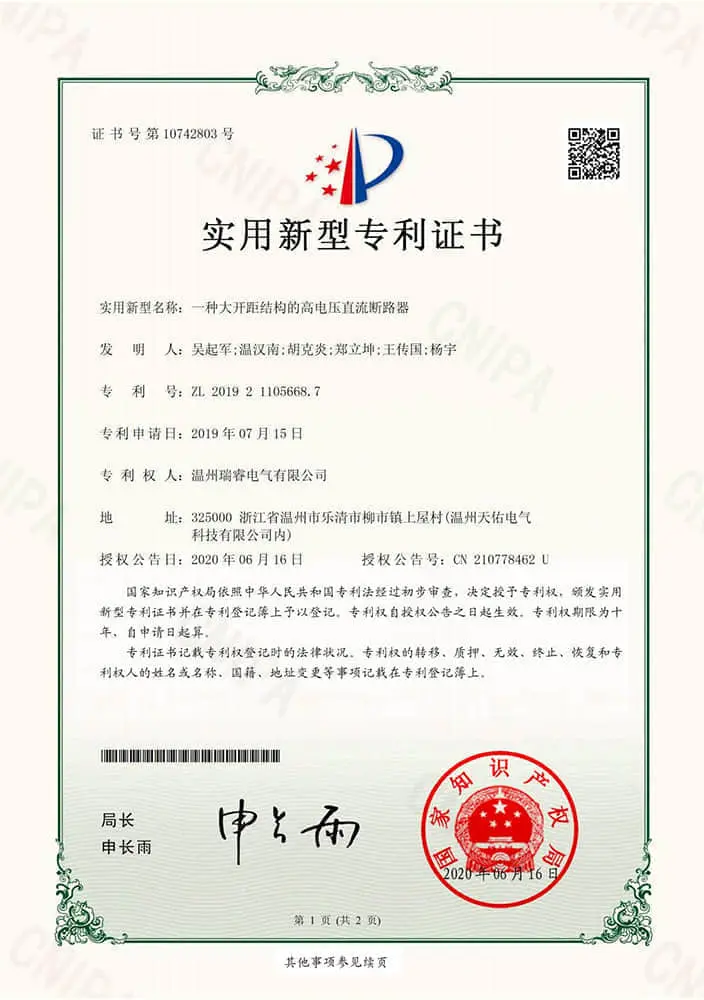
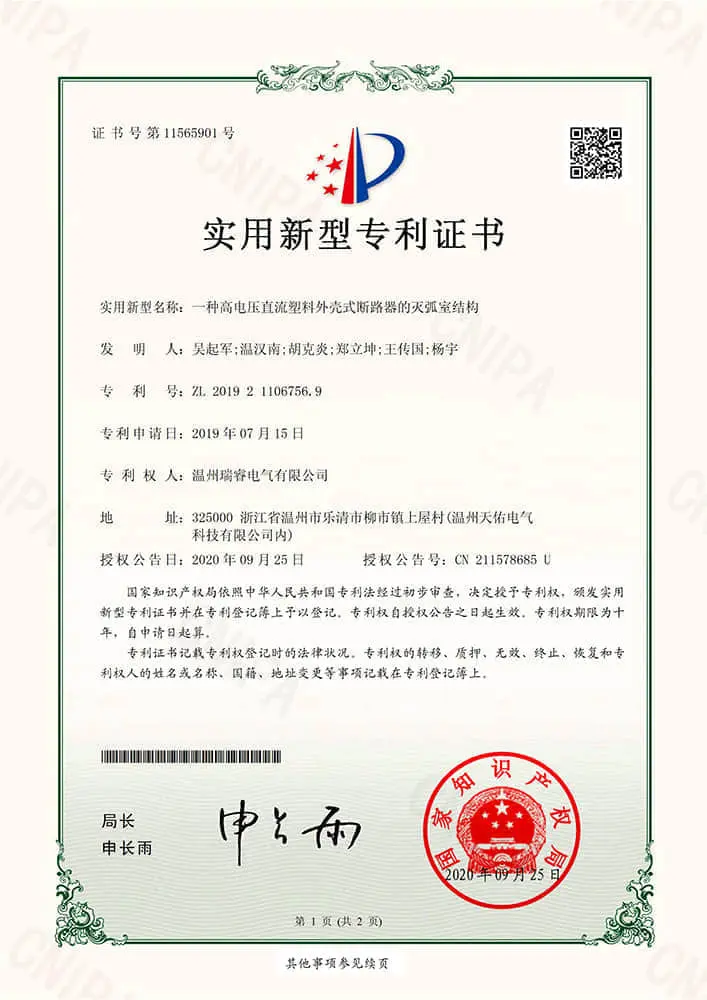

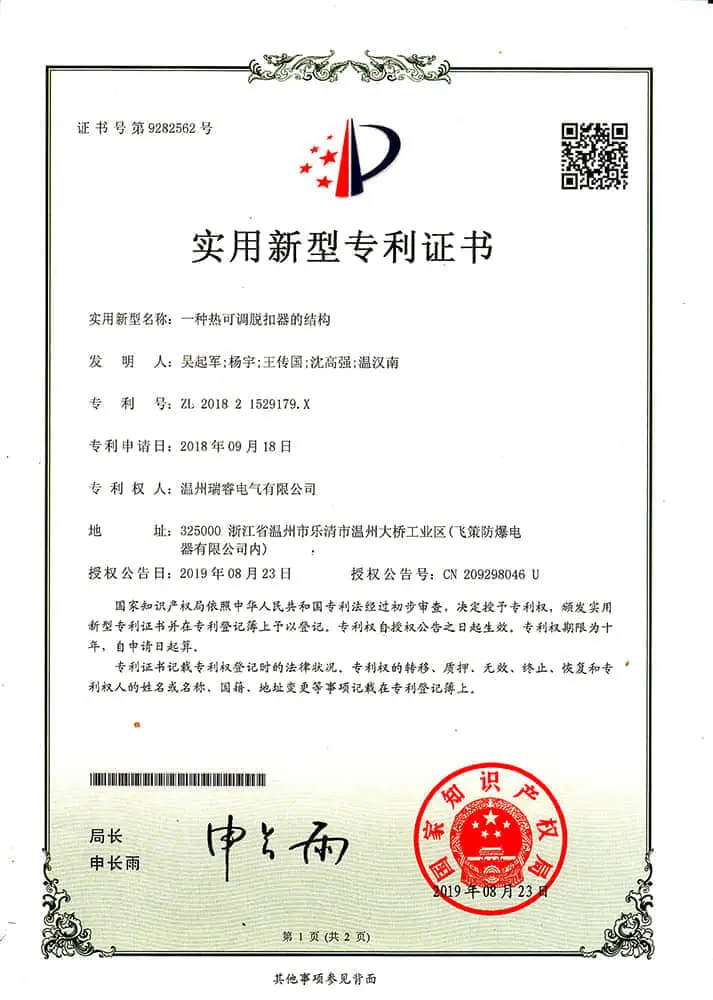

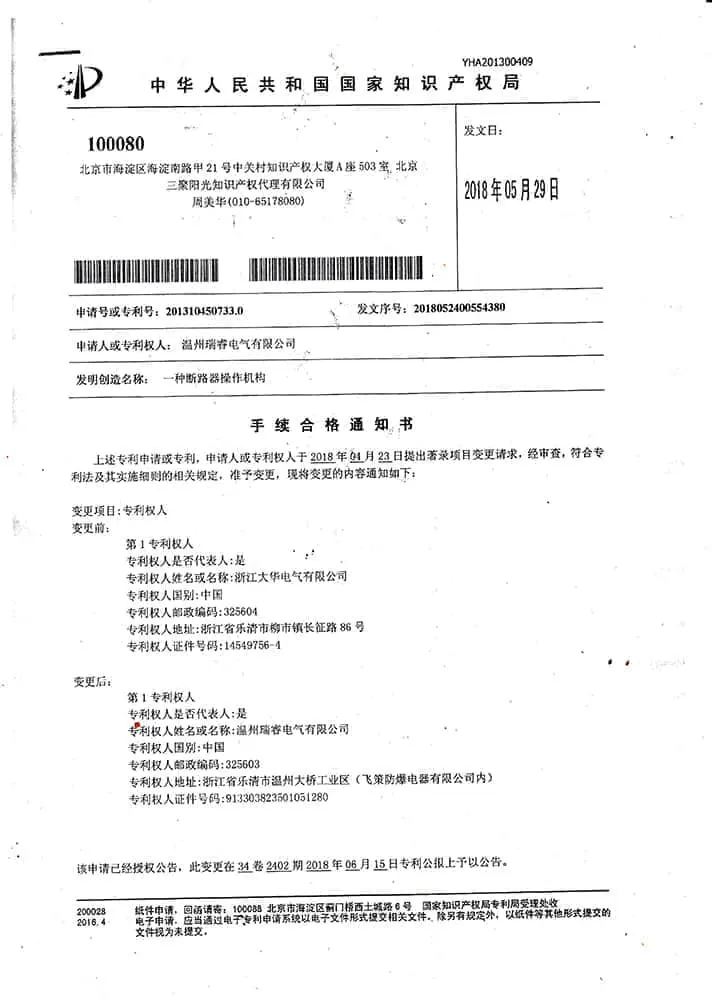
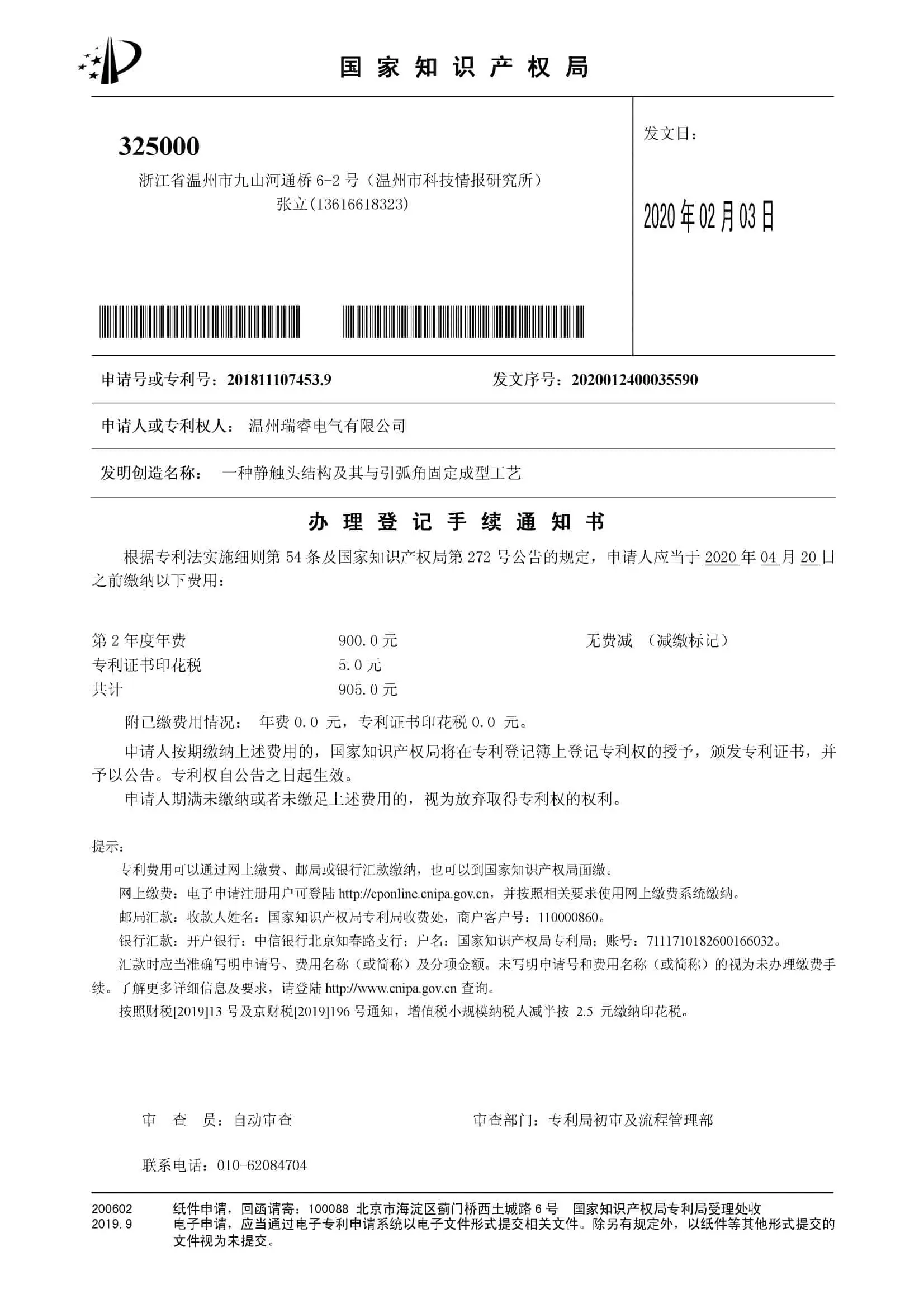
Tailoring electrical parameters, physical construction, and housing configurations to match your exact brand specifications.
Expert technical answers addressing common procurement inquiries, environmental concerns, and switchgear maintenance.
At elevations above 2,000 meters, the lower density of air reduces heat dissipation efficiency and dielectric breakdown strength. This necessitates derating the circuit breaker's maximum rated current and operational voltage. For instance, at 4,000 meters, a derating factor (typically 0.90 to 0.95 for current, and 0.80 for voltage) must be applied to prevent insulation breakdown and overheating. Our engineering department provides specific high-altitude tables based on test chamber data.
Thermal-magnetic trip units use a bimetallic strip for overload protection (thermal) and an electromagnet for short-circuit protection (magnetic). They are reliable, cost-effective, and suitable for simple distribution networks. Electronic trip units (like the ARM5E or ARM6Z series) use current transformers to measure line current and a microprocessor to compute protection curves. They offer superior accuracy, adjustable trip curves (LISG protection), and communication links for smart building management systems.
We test our units inside salt spray chambers to replicate coastal environments. The complete mechanical breaker undergoes 72 hours of testing, and the sub-assemblies/components are exposed for 48 hours. This ensures that electrical contacts, springs, and metallic plating resist oxidation, preventing contact resistance spikes and latch seizures.
LISG stands for the four critical protection curves managed by electronic trip controllers: L (Long-time delay for overload protection), I (Instantaneous trip for high-level short circuits), S (Short-time delay for coordinated short-circuit protection), and G (Ground fault protection). This configuration allows engineers to coordinate upstream and downstream breakers to isolate faults without shutting down the entire facility.
Mechanical interlocks, like the ARM5 series interlock system, physically prevent two source breakers (such as Utility Power and an Emergency Generator) from being closed simultaneously. This prevents backfeeding power onto the utility grid or paralleling out-of-phase sources, which can cause severe equipment damage and create hazards for utility workers.
Explore our full line of molded case and air circuit breakers engineered for distribution panel builders globally.
 AceReare