 AceReare
1 / 3
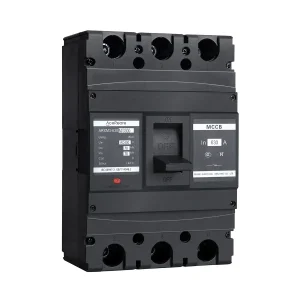
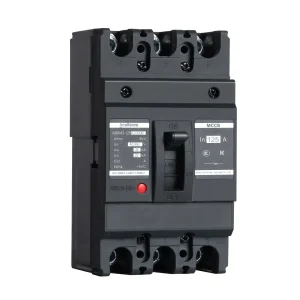
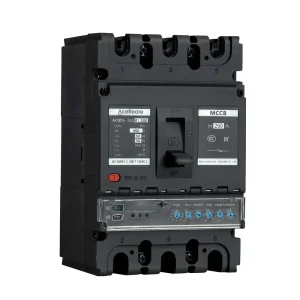
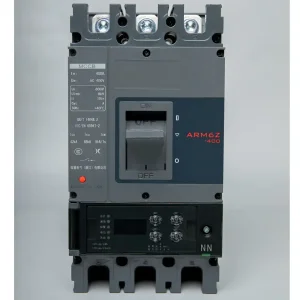
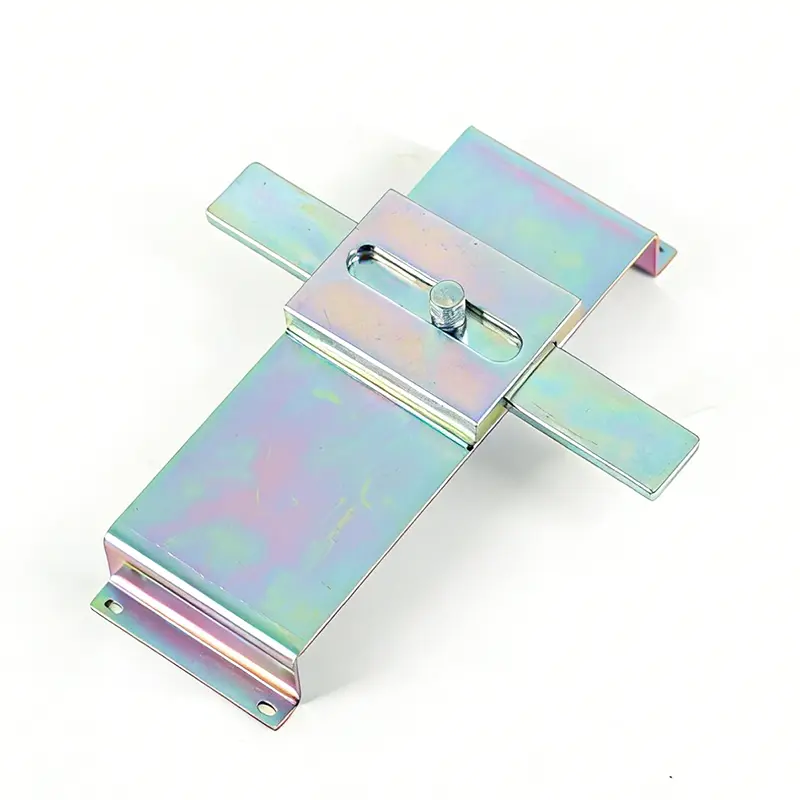
In systems with dual power supply or two incoming lines and one busbar, forcing two/three MCCBs to "one in one out" prevents phase-to-phase short circuit, circulating current, and equipment damage caused by two power supplies being mistakenly parallel.
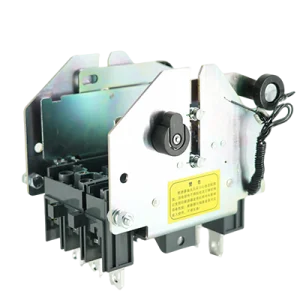
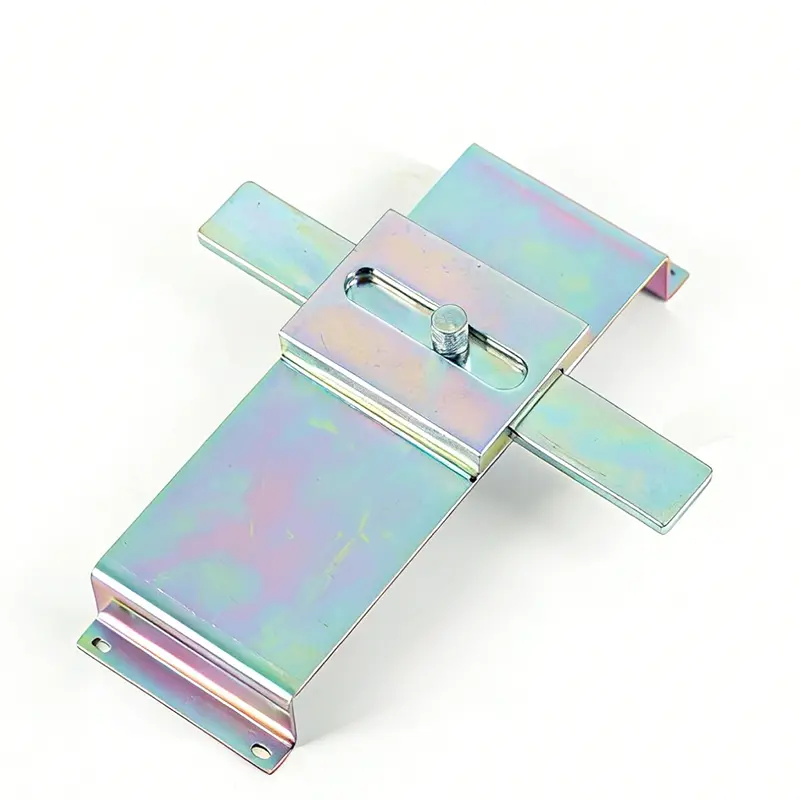
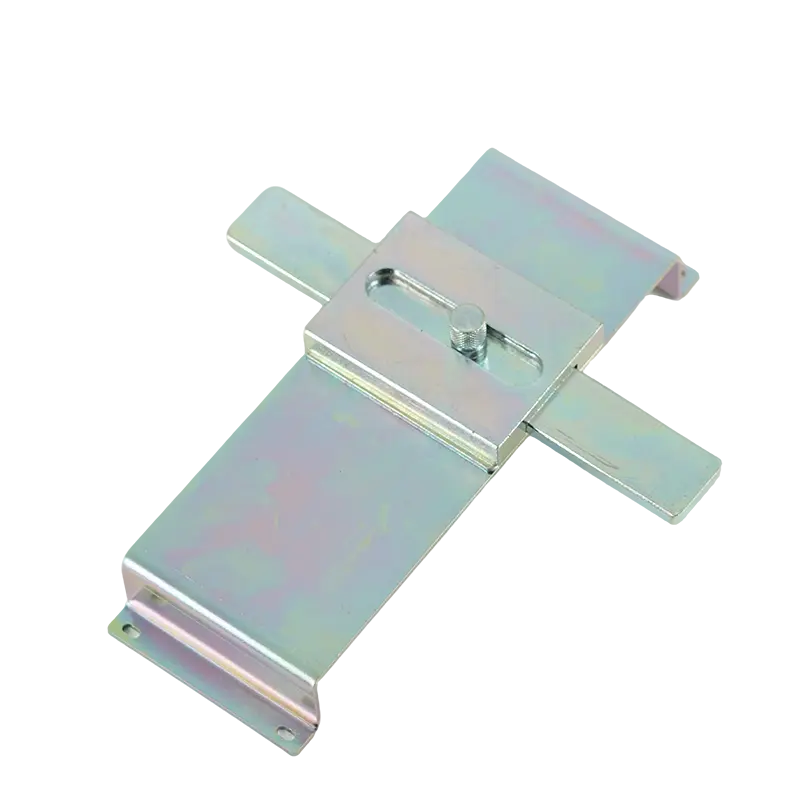
By using mechanisms such as levers, connecting rods, or steel cables, a hard constraint of "opening first and then closing" is achieved. When the closing side is locked, the other side cannot be operated without relying on electrical signals.
Supports opening/closing locking. During maintenance, lock the opening to prevent accidental closing, or lock the closing to avoid unauthorized opening. Combined with a padlock, it can meet the safety regulations of "locking and hanging".
The position of the operating handle is forcibly matched with the state of the main contact, reducing the risk of electric shock or misoperation caused by misjudgment of the state.
Independent of electrical circuits, resistant to electromagnetic interference, stable operation even in the event of power loss, suitable for scenarios such as hospitals, data centers, and rail transit.
| Scene | Mechanical Interlocking Methods | Core Objectives |
|---|---|---|
| Dual power supply (ATS) | The two MCCBs are interlocked, with only one circuit closed. | Protect against parallel short circuits in power supplies and ensure safe switching. |
| Two incoming lines and one bus tie | Three locks and two keys / hard interlock, any two units can be combined. | Busbars are operated in sections to prevent short circuits between sections. |
| Extractable MCCB | Handcart and circuit breaker operation interlock | Isolate the power supply during maintenance to prevent hot-plugging. |
| Load side maintenance | Circuit breaker locking + padlock | Prevent accidental closing and ensure personnel safety. |
| Characteristic | Mechanical Interlock | Electrical Interlocking |
|---|---|---|
| Reliability | Extremely high performance, purely mechanical, still effective even in the event of power failure or malfunction. | It relies on a secondary circuit and may fail in the event of a fault. |
| Response Method | Forced mechanical constraints, no intermediate state | There may be a switching delay due to the reliance on control signals. |
| Applicable Scenarios | Dual power supply, bus tie, lockable and tag-mounted | Automatic switching, remote control, and complex logic linkage |
| Compliance | Power supply departments give priority to approval, and compliance with mandatory standards is required. | It often needs to be used in conjunction with mechanical interlocks. |

Risus commodo viverra maecenas accumsan lacus vel facilisis.
Risus commodo viverra maecenas accumsan lacus vel facilisis.
Risus commodo viverra maecenas accumsan lacus vel facilisis.
Risus commodo viverra maecenas accumsan lacus vel facilisis.
Risus commodo viverra maecenas accumsan lacus vel facilisis.
Risus commodo viverra maecenas accumsan lacus vel facilisis.
Risus commodo viverra maecenas accumsan lacus vel facilisis.
Risus commodo viverra maecenas accumsan lacus vel facilisis.
It physically prevents two power sources from being connected in parallel. By forcing a "one in one out" operation, it eliminates the risk of phase-to-phase short circuits, circulating currents, and severe equipment damage caused by accidental parallel connection.
Unlike electrical interlocking which relies on control circuits and power signals, mechanical interlocking operates purely through physical components like levers, connecting rods, or steel cables. It functions perfectly even when there is no power in the system.
It supports standard padlock integration, allowing maintenance personnel to lock the breaker in the open position. This directly complies with standard "Lockout/Tagout" (LOTO) safety regulations to prevent accidental energized startups during maintenance.
Yes. In critical applications, they are often combined. While electrical interlocking handles automated switching and complex remote control logic, mechanical interlocking serves as the ultimate physical failsafe to guarantee safety.
Typical mechanisms include mechanical levers, connecting rods, steel wire cables, and key-based systems (like three locks with two keys) to establish physical constraints between circuit breakers.