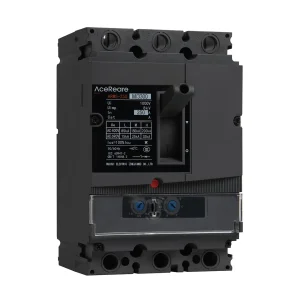
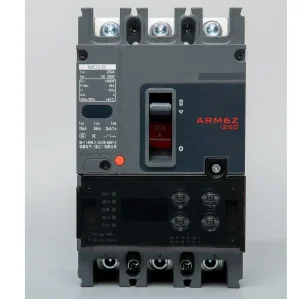
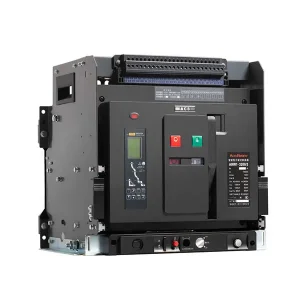
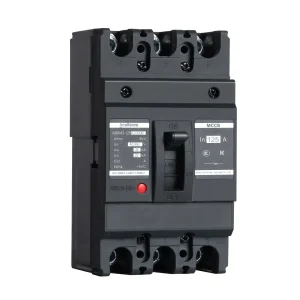
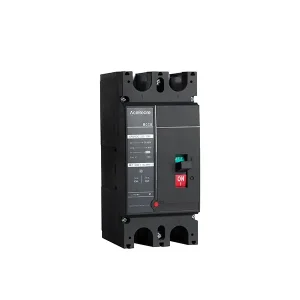
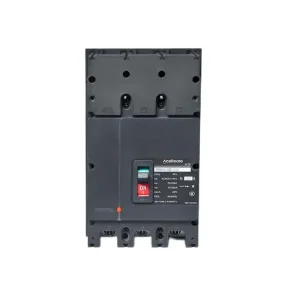
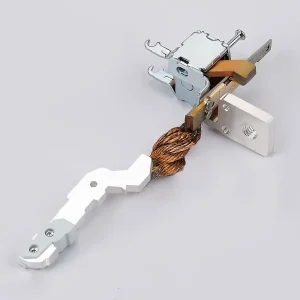
Explore our top-tier selection of industrial air circuit breakers (ACB), molded case circuit breakers (MCCB), and precision mechanical interlocking systems engineered to provide robust protection for global power distributions.
Established in 2015, Acereare Electric has integrated structural expertise and manufacturing systems to lead the low-voltage electrical distribution field. Headquartered in China with two wholly-owned production subsidiaries, RuiRui Electric and KeRui Electric, we embody a multi-generational legacy of manufacturing excellence. Our plants rank among the top-tier ODM and OEM providers in East Asia, delivering industrial-grade air circuit breakers (ACB), molded case circuit breakers (MCCB), and highly customized accessories.
We operate with a simple goal: ensuring stability, scalability, and absolute electrical safety in residential, commercial, and high-altitude industrial setups. From custom stamp metal busbars to sophisticated intelligent measurement modules, our components protect critical equipment across extreme environments.

Understanding modern grid volatility and the mechanical demands placed on Air Circuit Breakers (ACB) and Molded Case Circuit Breakers (MCCB).
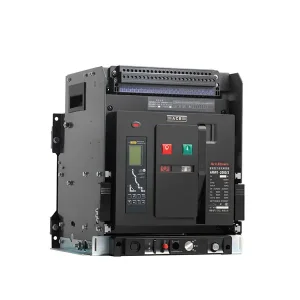
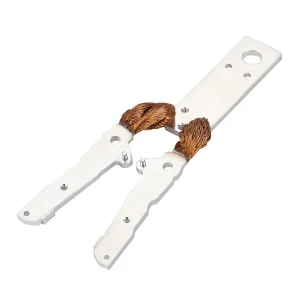
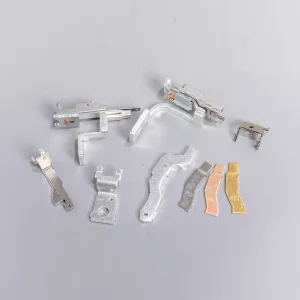
At the center of every high-amperage interruption cycle lies the contact assembly. A typical Air Circuit Breaker (ACB) handles massive currents ranging from 400A up to 6300A. When a fault occurs, the contacts must separate within milliseconds. This separation generates an intense electric arc that can exceed 10,000°C. To manage this thermal load, our factories utilize premium moving contacts with thick silvering plating. This process prevents localized welding and guarantees minimal contact resistance over thousands of cycles.
The generated arc is pushed into an arc chute composed of multiple splitter plates. These plates segment the arc into smaller voltages, cooling it and causing rapid deionization. In low-voltage systems operating at 690VAC or specialized photovoltaic systems up to 1140VAC/1500VDC, precision engineering of the splitter plates determines the breaker's breaking capacity (Icu/Ics).
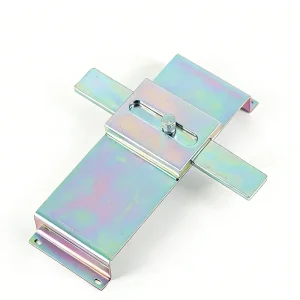
In emergency backup systems and hospital grids, mechanical interlock structures (like our ARM5 series) prevent two power sources from closing simultaneously onto the same load. A failure in mechanical selectivity could link utility power directly with an unsynchronized diesel generator or solar storage grid, resulting in severe phase-to-phase short circuits and physical equipment destruction. Our interlock mechanisms undergo structural stress testing under high load tolerances to ensure they remain functional during seismic vibration or manual override errors.
| Specification Parameter | Standard Ratings | Extended Ranges (PV / Special) |
|---|---|---|
| Rated Operational Voltage (Ue) | 400VAC / 690VAC | Up to 1140VAC / 1500VDC |
| Rated Current (In) | 400A to 3200A | Up to 6300A (Customized) |
| Short-Circuit Breaking Capacity (Icu) | 50kA to 120kA | Up to 200kA (High capacity type) |
| Operating Ambient Temperatures | -25°C to +70°C | -40°C (Low-temp oil & trace heating) |
| Communication Interfaces | Modbus-RTU, Profibus-DP | Ethernet, Custom IoT Integration |
Evaluating our core competitive advantages in manufacturing capacity, research and development, global distribution logistics, and quality assurance.
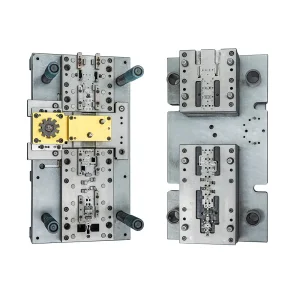
We provide a comprehensive one-stop service leveraging six distinct manufacturing methodologies: stamping, silver welding, plastic injection molding, tooling fabrication, calibration, and automated assembly. Equipped with high-precision instruments and over 10 manual and robotic lines, we guarantee consistent scale and precision.
Our core team includes over 50 R&D engineers, each possessing at least 5 years of industry experience. They are highly skilled in 3D CAD modeling, structural simulation, finite element analysis (FEA), and complete system verification, delivering over 50 new R&D projects annually.
Operating two specialized factories allows us to run component pressing and final breaker assembly in parallel. This setup minimizes bottlenecks, with production, inventory levels, and logistics tracked using integrated ERP and UFIDA U8 systems.
We manage a rigorous inspection workflow utilizing over 150 dedicated testing instruments and 20+ QC specialists. Our ISO-certified facilities control processes through PLM, BI, ERP, and MES software, managing materials from incoming inspection to high-voltage calibration.
Standard circuit breakers fail under extreme pressures. Here is how our engineering adaptations perform in challenging commercial settings.
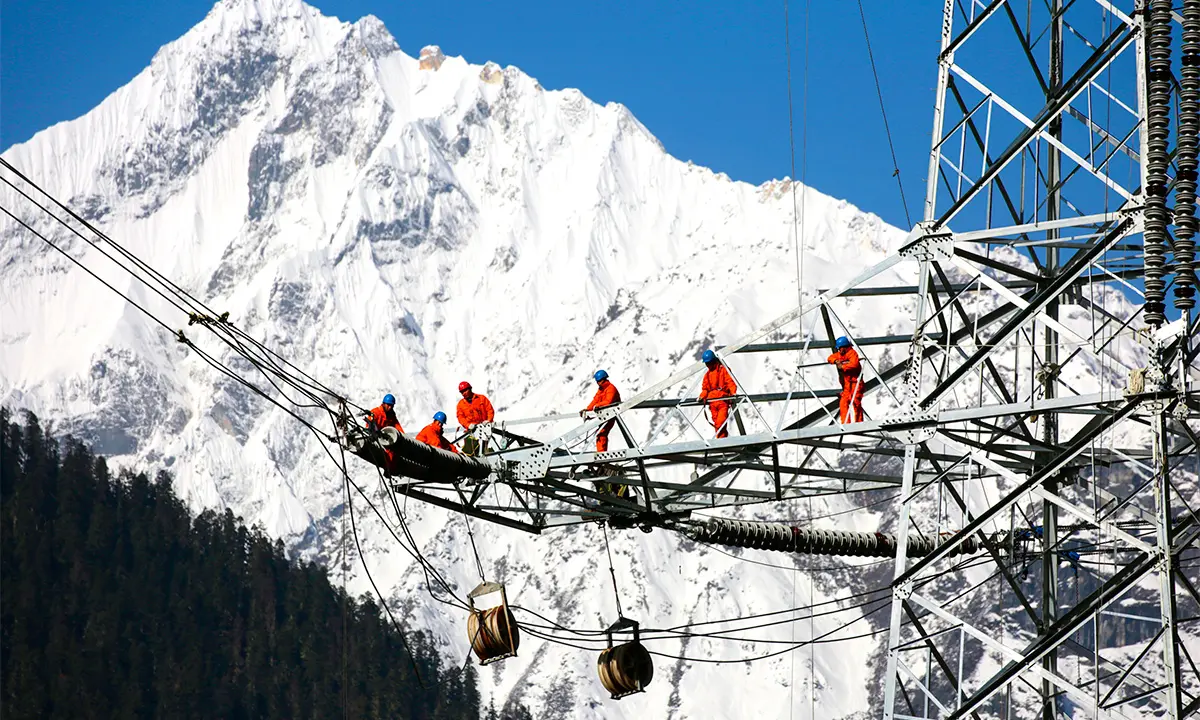
Standard electrical greases solidify in freezing environments, leading to tripping failures. We utilize premium low-temperature resistant structural materials and custom lubricants, pairing them with thickened anti-corrosion coatings. Our breakers carry certified laboratory test reports indicating reliable performance down to -40°C.

High humidity and coastal environments degrade standard alloys. Our components undergo 72-hour complete machine and 48-hour sub-assembly salt spray chamber testing. This ensures reliable operation in marine switches, protecting motors and utility networks.
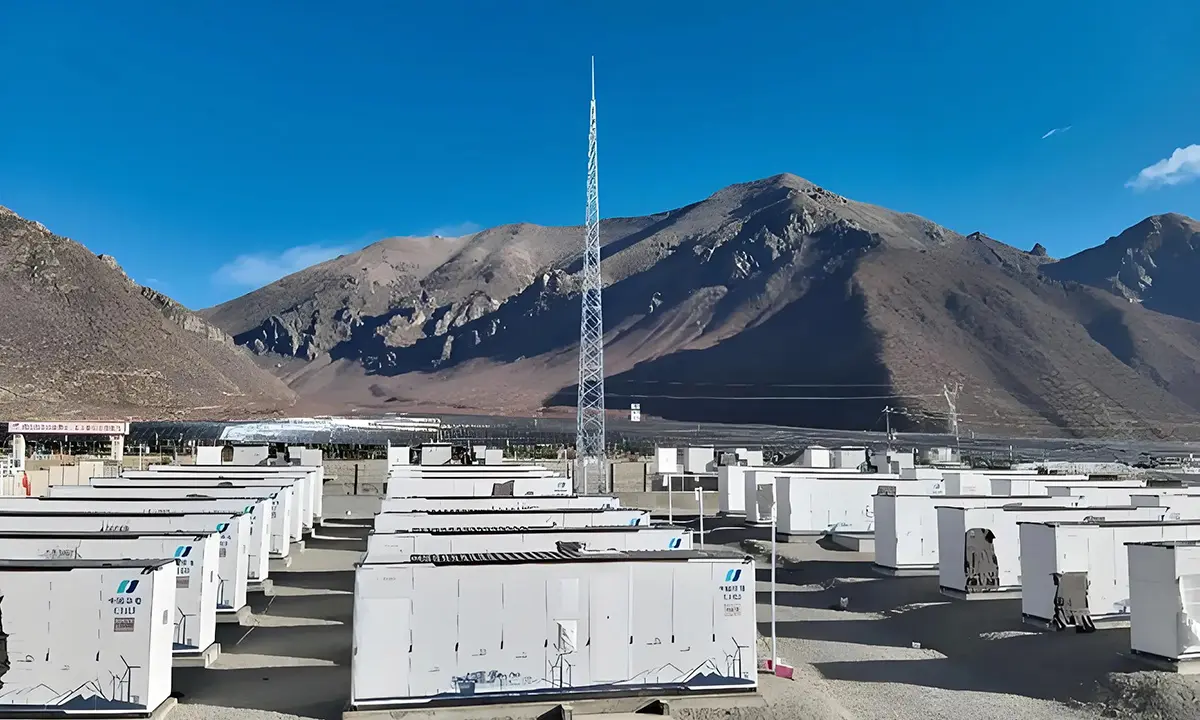
Above 2000m, low atmospheric density reduces air cooling capacity and dielectric strength. To counter this, we apply high-altitude adjustment coefficients. This maintains nominal insulation and prevents unexpected flashovers in mountainous industrial sites.

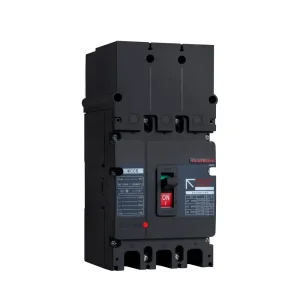
Modern residential panels require high breaking capacities within compact footprints. Our molded case circuit breakers provide sensitive thermal-magnetic protection against overload and short circuits, improving fire safety in smart buildings.
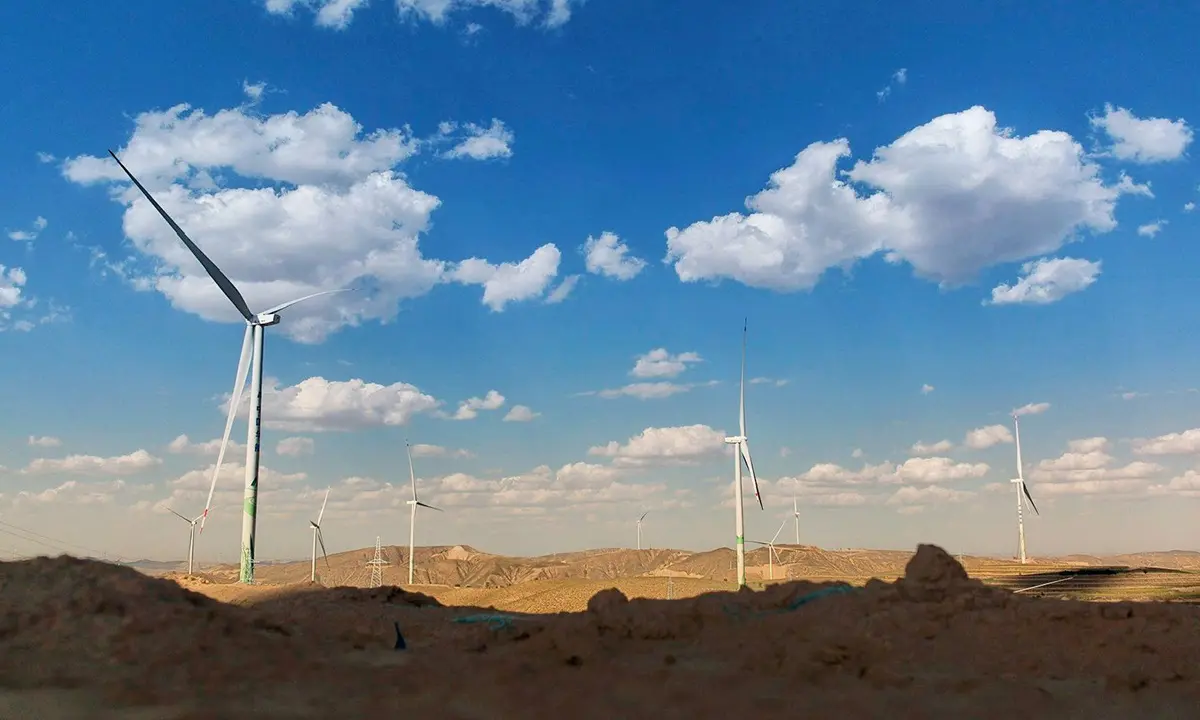
To operate in desert conditions or high-heat foundry panels, we construct our controllers with heat insulation layers. Copper and iron sub-components are treated to resist oxidation. We verify heat-run metrics in our 55°C constant-temperature rooms.
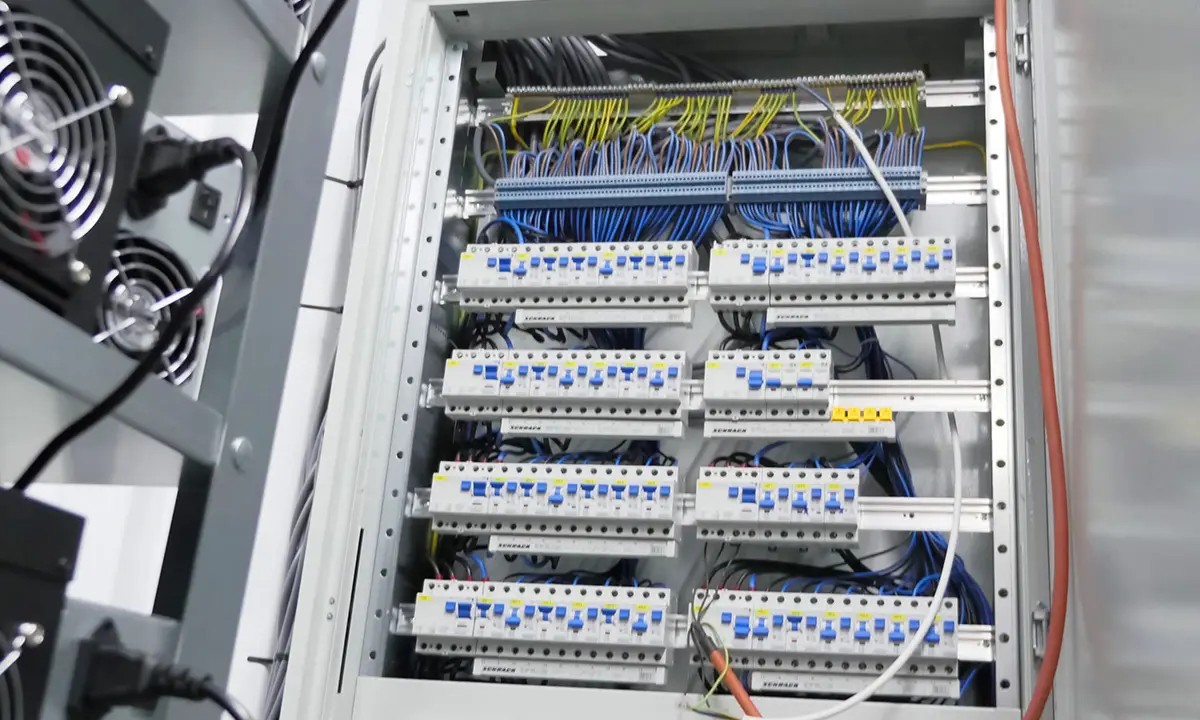
Our smart breakers integrate communication, high-precision metering, and edge computing. This design monitors power quality and tracks current faults. It supports multiple industrial protocols, providing a foundation for modern smart grids.
We offer full custom engineering services, helping clients adapt components to local utility requirements. Whether designing molds or manufacturing under authorized trademarks, our teams support you through every phase of the project.
Includes high-precision trademark engraving, custom packaging boxes, catalog creation, and fast sample shipping.
Provides mold development, electrical functional modification, international testing support, and round-the-clock engineering response.
Supports structural modification of contact assemblies, specialized trip-unit programming, and low-MOQ trial orders.
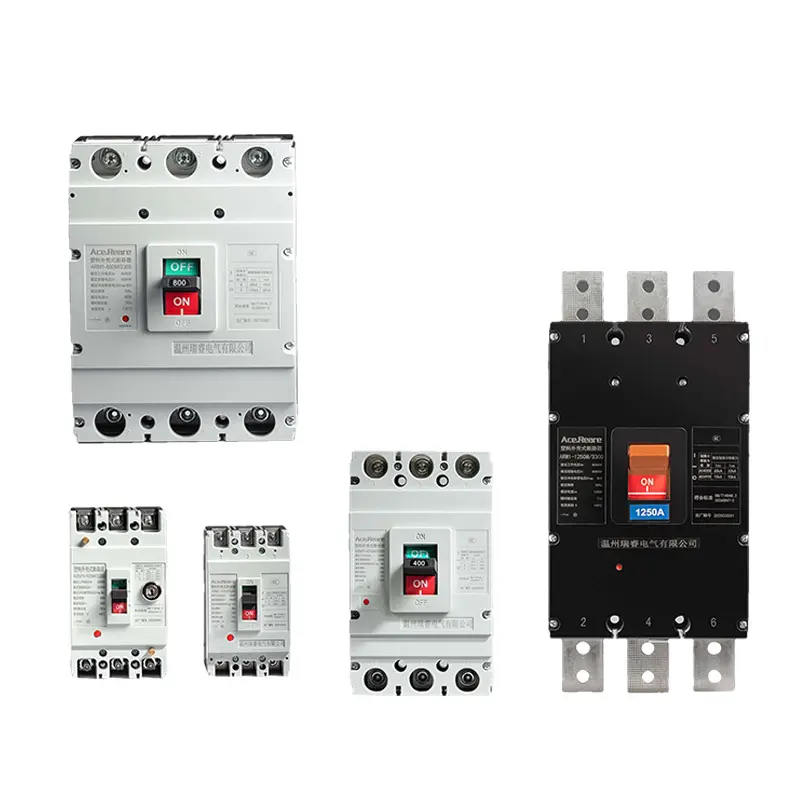
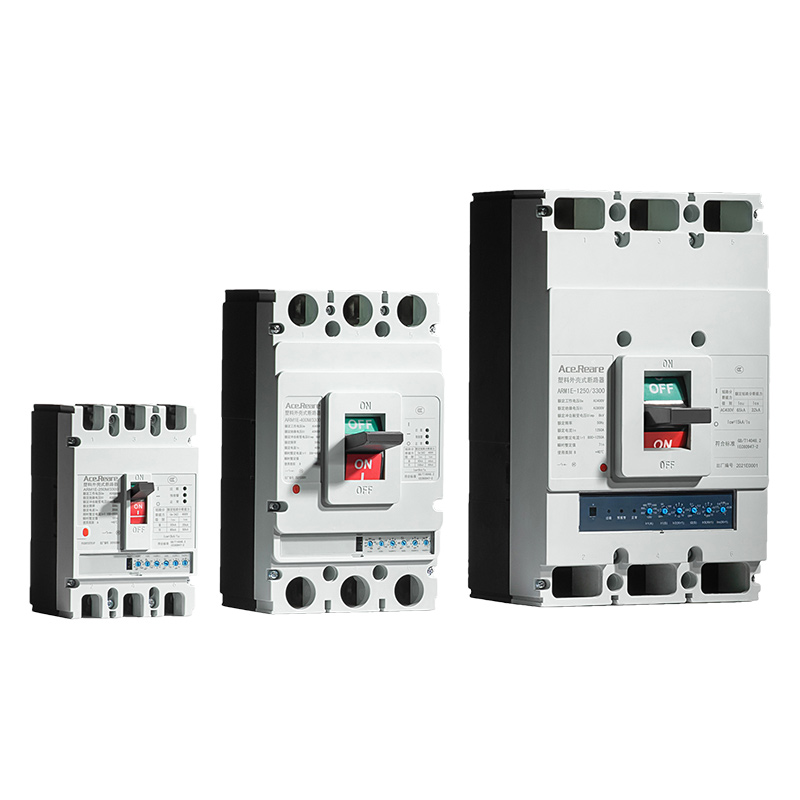
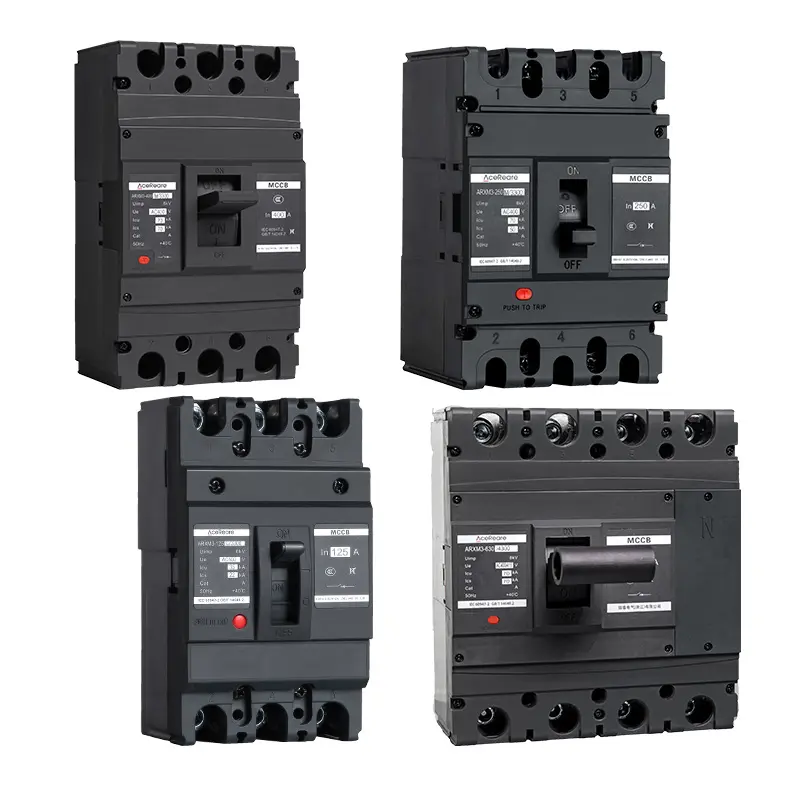
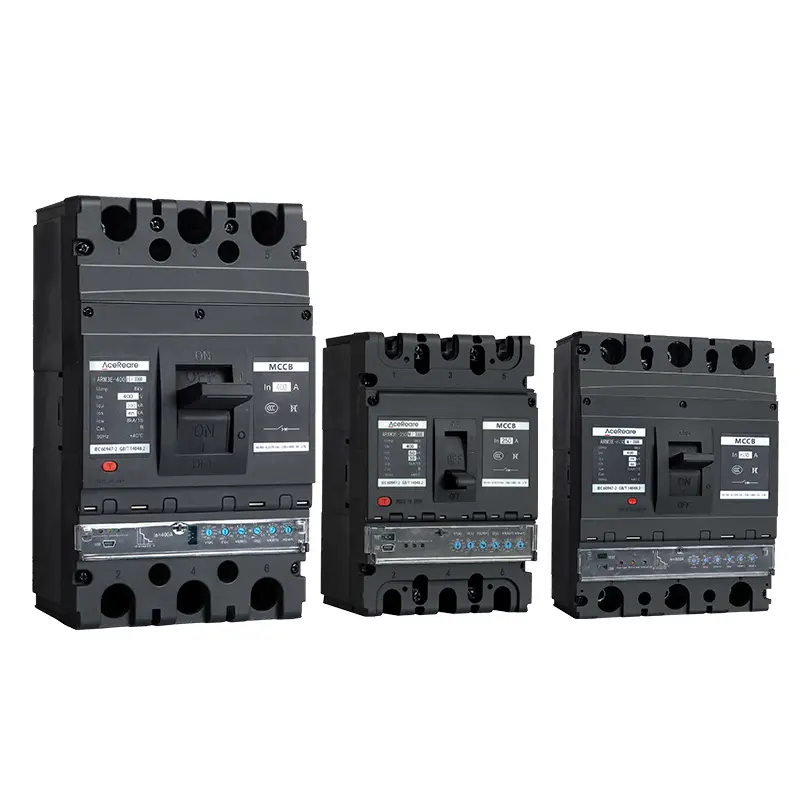
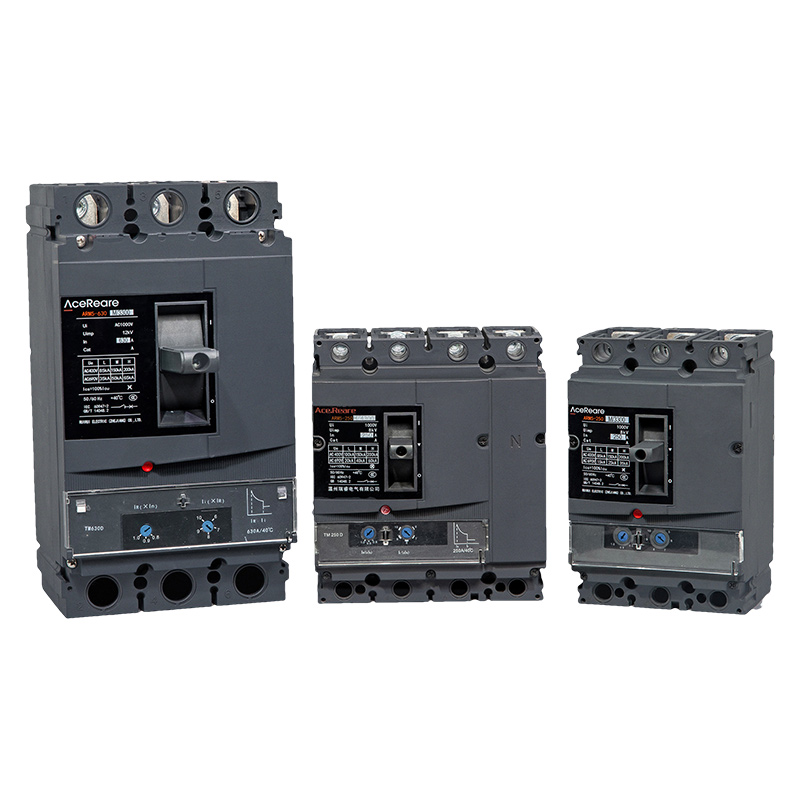
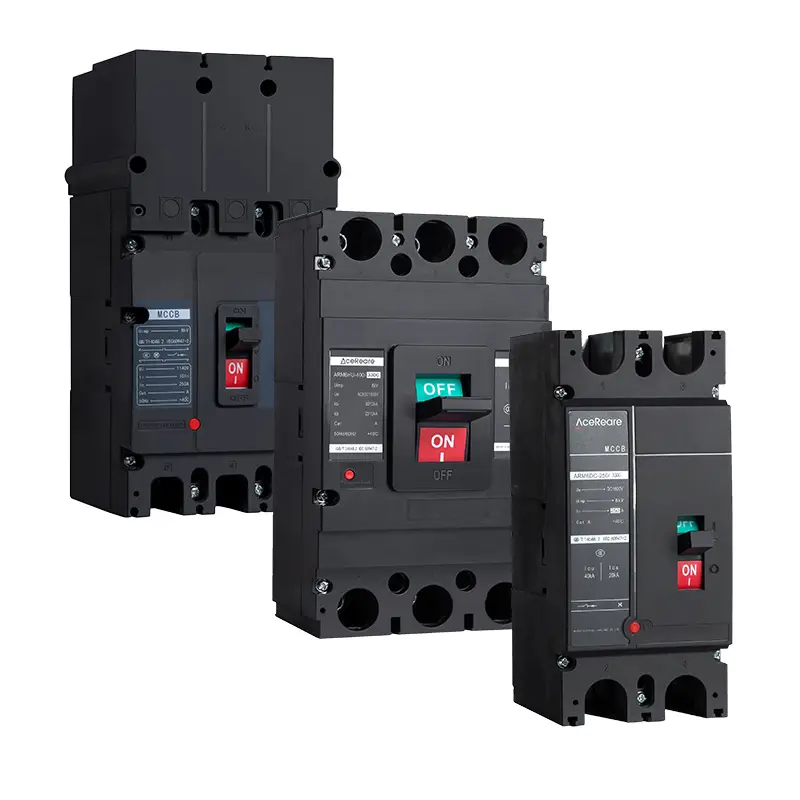
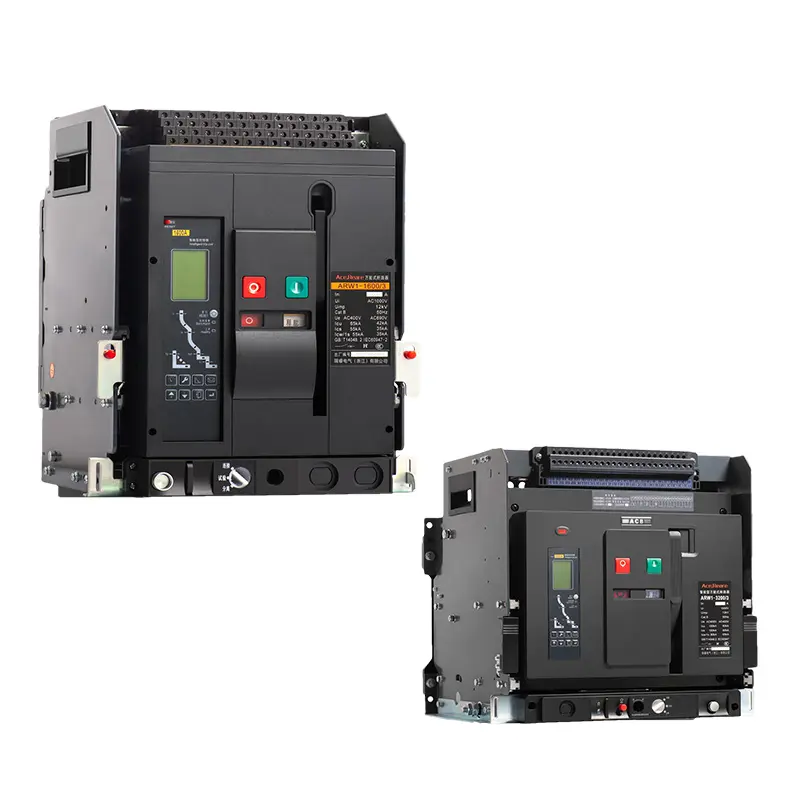
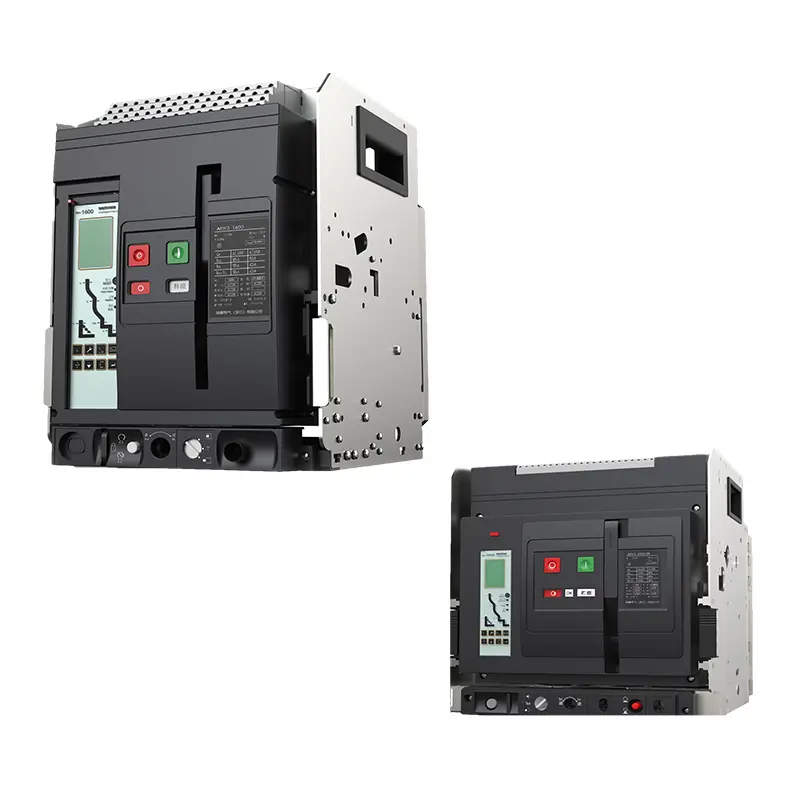
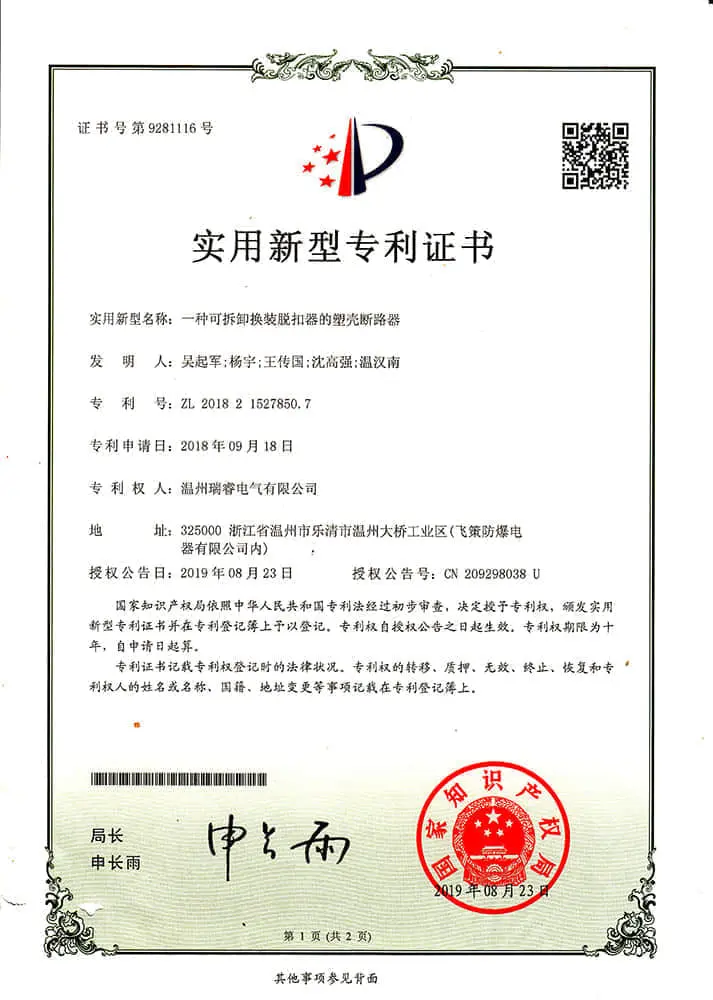
Our products conform to major international safety directives, verified through systematic laboratory evaluations.
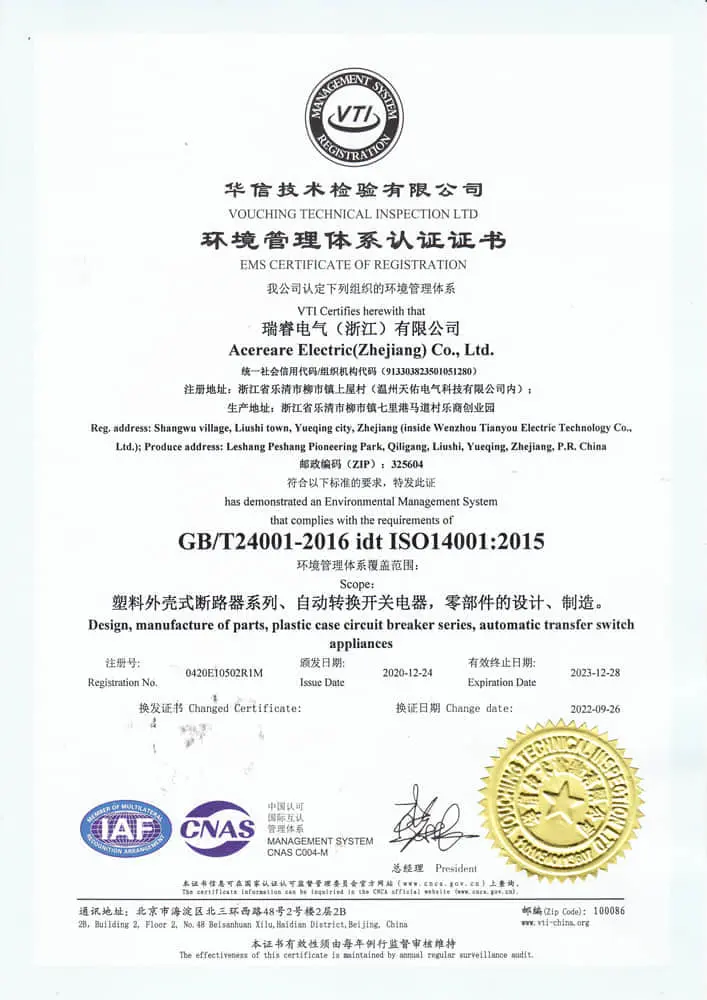
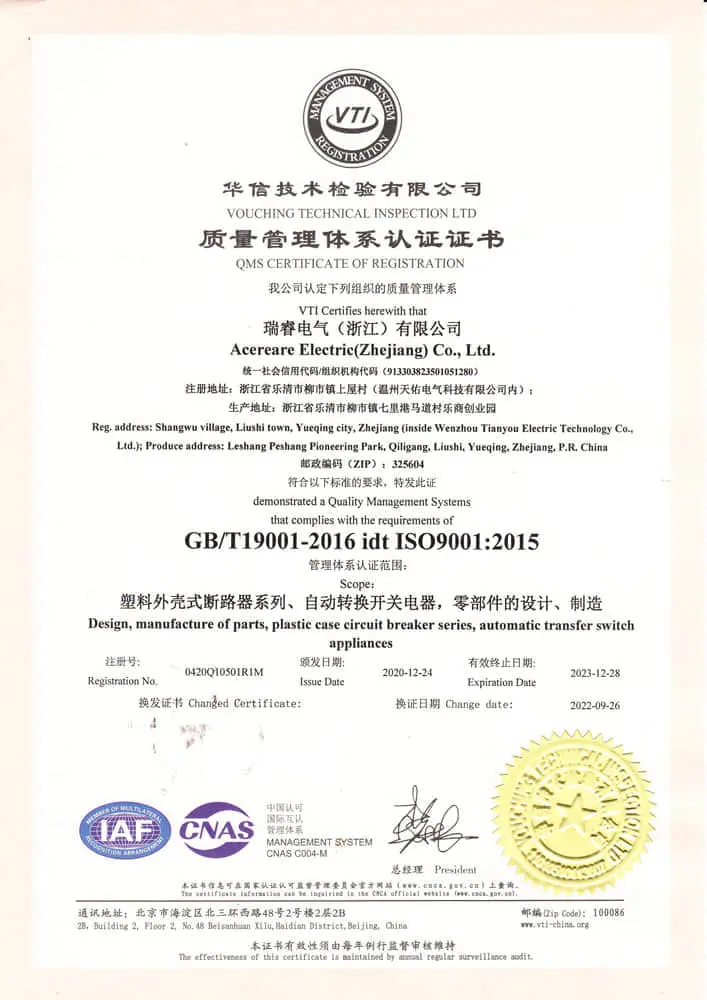
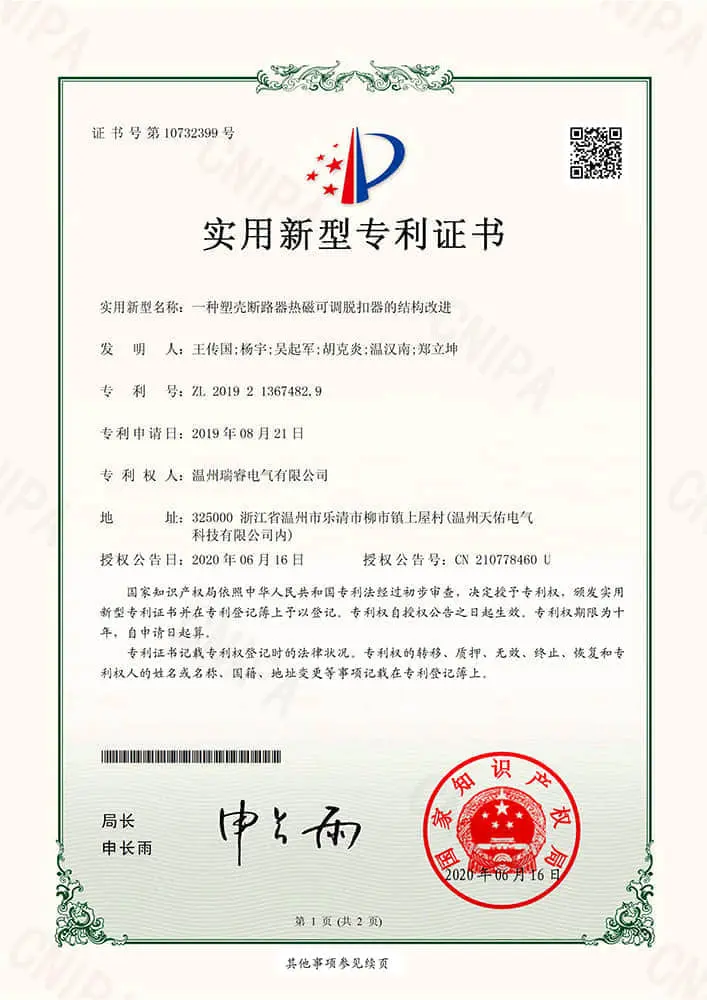
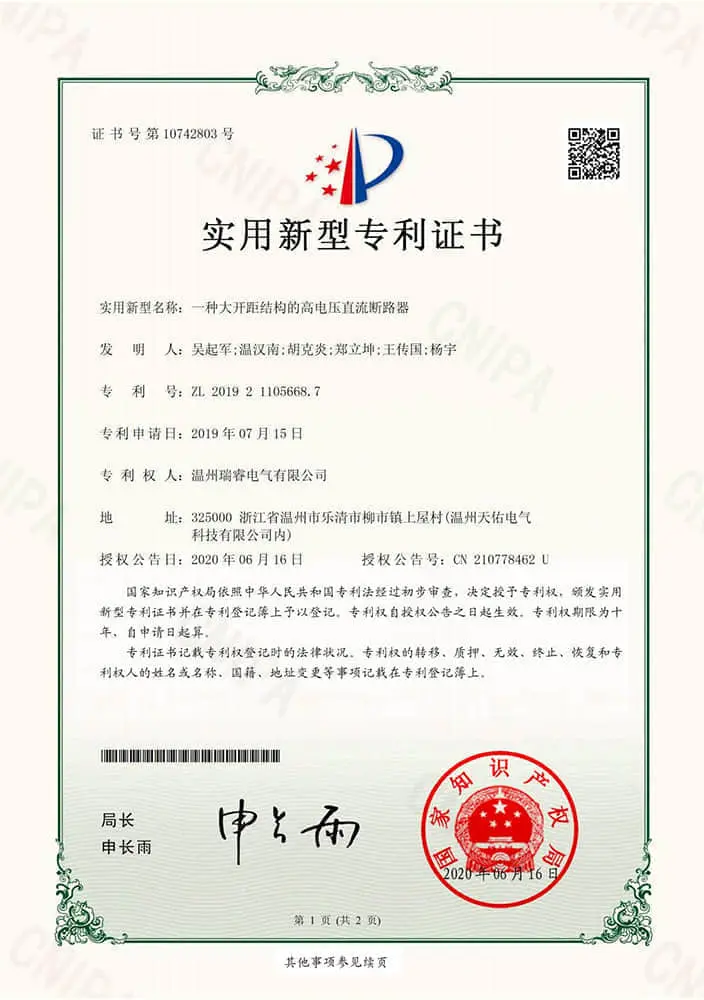
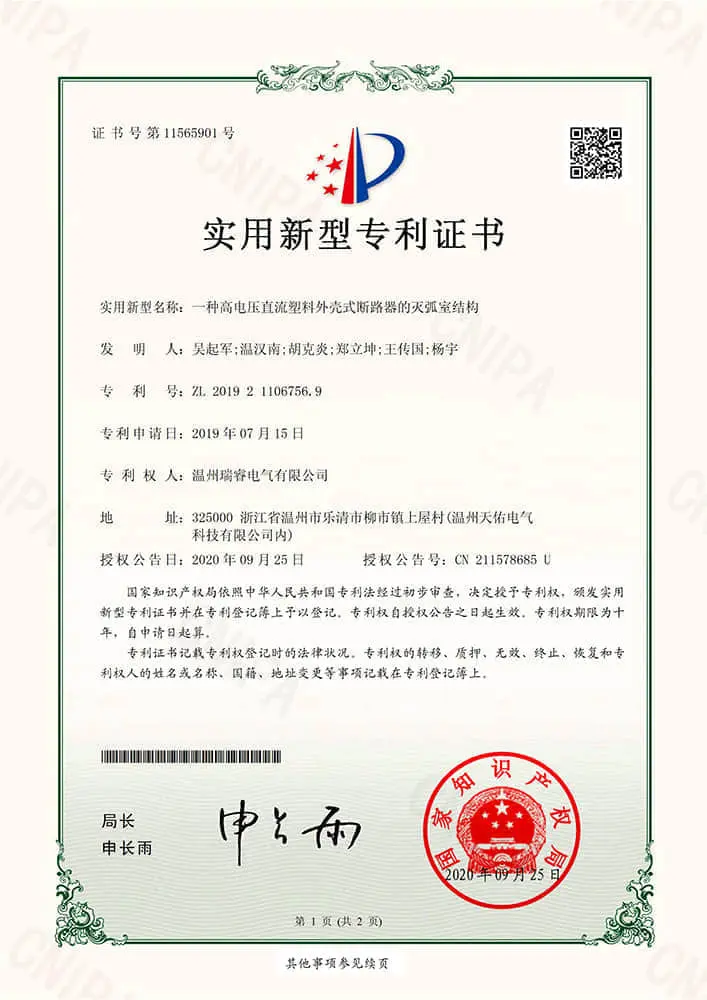
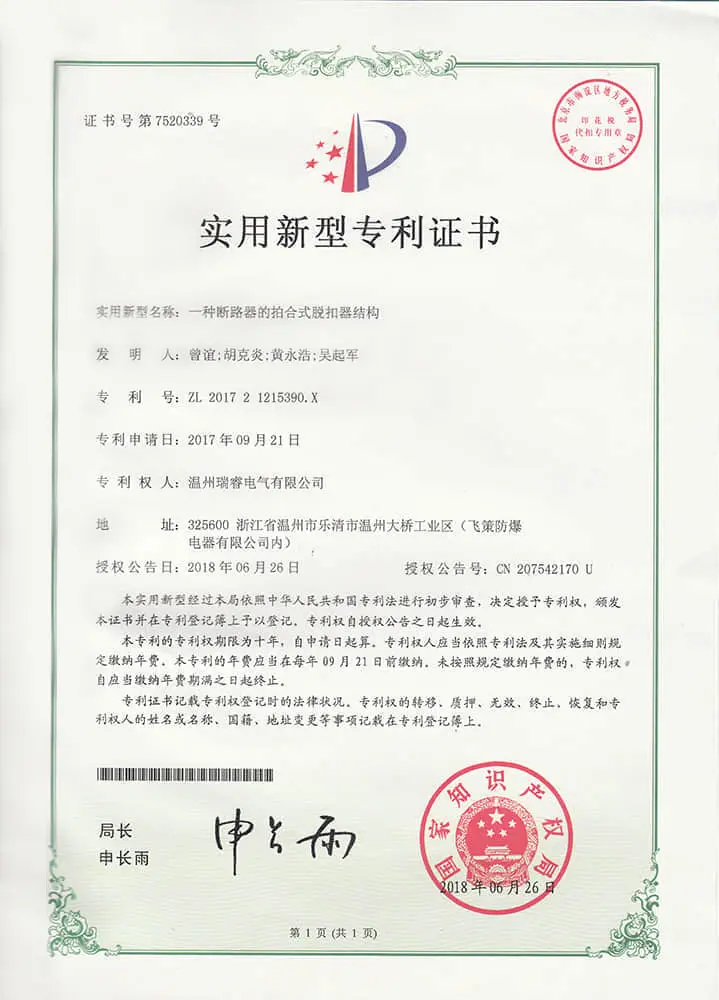
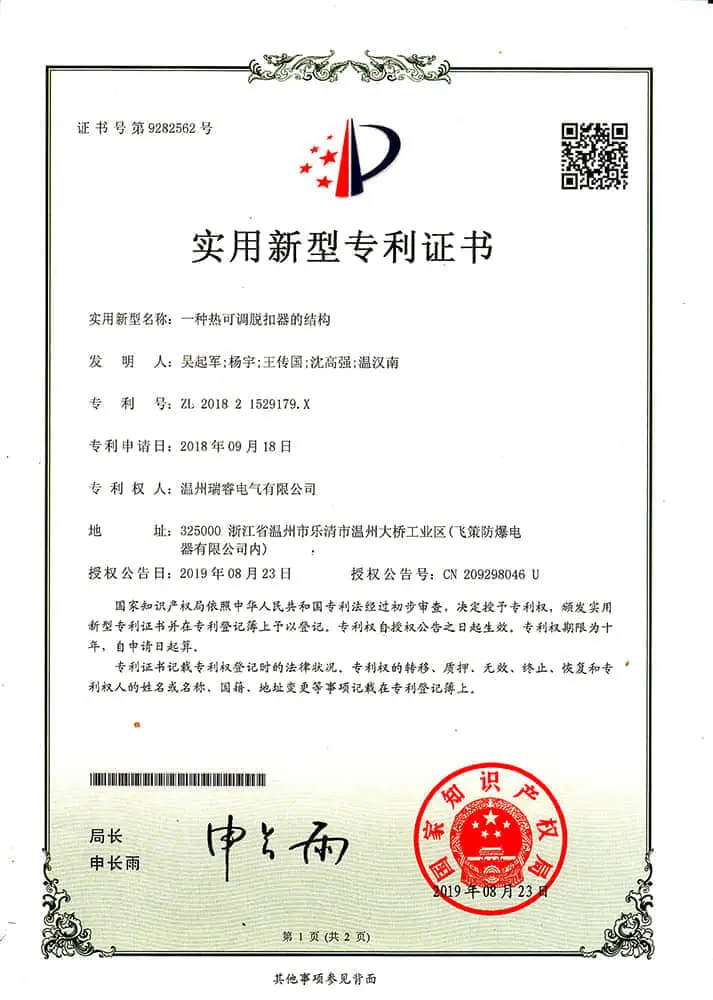
How we are adapting to smart-grid modernization and clean-energy infrastructure requirements.
Global environmental regulations drive changes in raw material sourcing. Our research center focuses on replacing traditional materials with halogen-free, recyclable resins that limit toxic emissions during high-temperature electrical faults. We also optimize plating processes, reducing environmental impact while maintaining electrical conductivity.
Electromechanical breakers are reliable, but solid-state alternatives offer faster isolation times. We are currently developing hybrid breaker solutions that pair mechanical air isolation gaps with silicon-carbide (SiC) semiconductors, targetting sub-millisecond response times for sensitive manufacturing grids.
Quick answers to common questions about air circuit breaker parts sourcing, selection, and customization.
Review our complete list of industrial components, smart busbars, and high-performance DC breakers designed for modern energy systems.
 AceReare