Wholesale Choosing The Right Circuit Breaker Suppliers & Factory

A B2B Buyer's Industrial Guide: Technical Specifications, Global Supply Chain Dynamics, and E-E-A-T Sourcing Criteria

Executive Whitepaper: Strategic Sourcing of Industrial Circuit Breakers

In modern electrical distribution networks, selecting the correct circuit breaker manufacturer is more than a commercial decision; it is a critical strategy to ensure system uptime, safety, and regulatory compliance. High-power systems, such as industrial processing units, data centers, marine ports, and solar photovoltaic systems, require robust, highly customized switchgear components that perform flawlessly under extreme conditions.

Choosing the right circuit breaker supplier requires looking closely at technical capabilities, manufacturing quality control, and compliance with local standards. As energy systems move towards smart grids and new energy sources (such as wind and solar), demand is shifting toward intelligent electronic trip units (LSIG) and high-voltage molded case circuit breakers (MCCB) designed for higher system voltages up to 1140V. This guide provides a detailed framework to help procurement managers and design engineers evaluate global circuit breaker factories and choose components that offer high reliability.

1. Deciphering Key Technical Specifications (MCCB & ACB)

When evaluating suppliers, engineers must look beyond basic current ratings and examine detailed electrical parameters to match the system's short-circuit current calculations:

  • Rated Service Short-Circuit Breaking Capacity (Ics): This represents the maximum short-circuit current the breaker can interrupt twice without losing its ability to carry its rated continuous current. A high-quality manufacturer designs the circuit breaker with Ics = 100% Icu, which ensures the unit can continue operating even after clearing severe fault currents.
  • Rated Ultimate Short-Circuit Breaking Capacity (Icu): The absolute limit of fault current the breaker can withstand. In demanding systems, MCCBs must achieve high breaking capacities (up to 200kA at 400VAC/690VAC) through advanced arc-extinguishing systems.
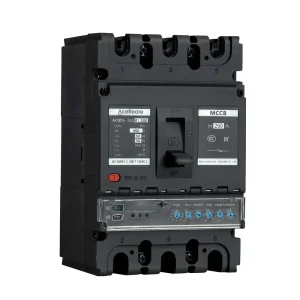
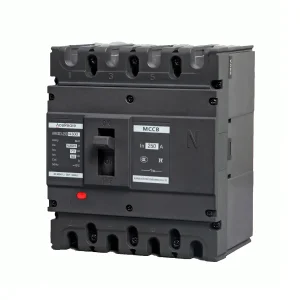
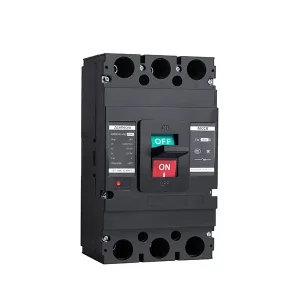
  • LSIG Electronic Trip Units: Modern power protection uses adjustable LSIG trip units (Long-time delay, Short-time delay, Instantaneous, Ground fault protection). For example, the ARM3E Series Adjustable Molded Case Circuit Breaker utilizes microprocessor control to customize protection curves, preventing nuisance tripping while securing safety.
  • Rated Insulation Voltage (Ui) & Impulse Withstand Voltage (Uimp): Essential parameters for system isolation. High-voltage systems require a Ui of 1000V or 1200V and a Uimp of 8kV to 12kV to survive transient grid overvoltages and lightning strikes.
Manufacturer Profile

Acereare Electric: A Legacy of Industrial Craftsmanship

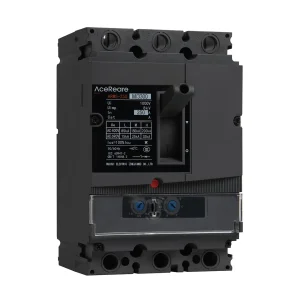
Founded in 2015, Acereare Electric operates two wholly-owned subsidiaries: RuiRui Electric and KeRui Electric. We inherit over 20 years of craftsmanship developed across two generations. As a professional manufacturer integrating R&D, production, and sales, our factories rank among the top ODM partners in China for low-voltage power distribution equipment.

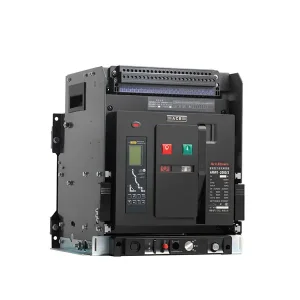
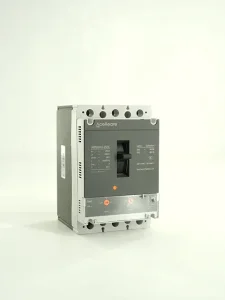
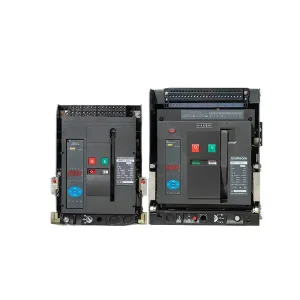
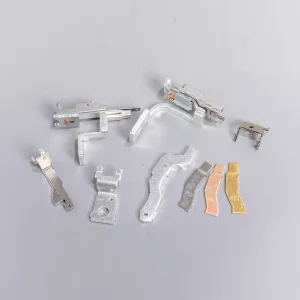
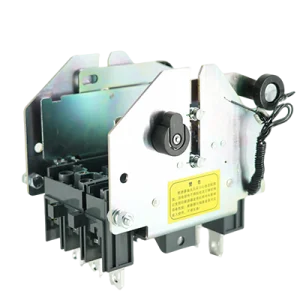
We specialize in manufacturing high-quality Molded Case Circuit Breakers (MCCB), Air Circuit Breakers (ACB), and precision internal components (like moving silver contacts and metal stamping parts). Our focus on design quality helps us deliver solutions that support your brand's growth in demanding global markets.

50+
R&D Engineers
400+
Skilled Workers
250M+
Annual Sales (RMB)
Acereare Electric Advanced Automated Factory Floor

Engineering for Extreme Industrial Environments

Custom circuit breaker engineering to handle unique environmental, mechanical, and thermal demands.
Low Temperature Circuit Breaker Design

Low Temperature Resilience

Utilizing low-temperature resistant structural resins, specialized low-temperature lubricants, and thickened protective plating on moving linkages. Tested and certified to operate reliably down to -40°C in polar and cold-chain environments.
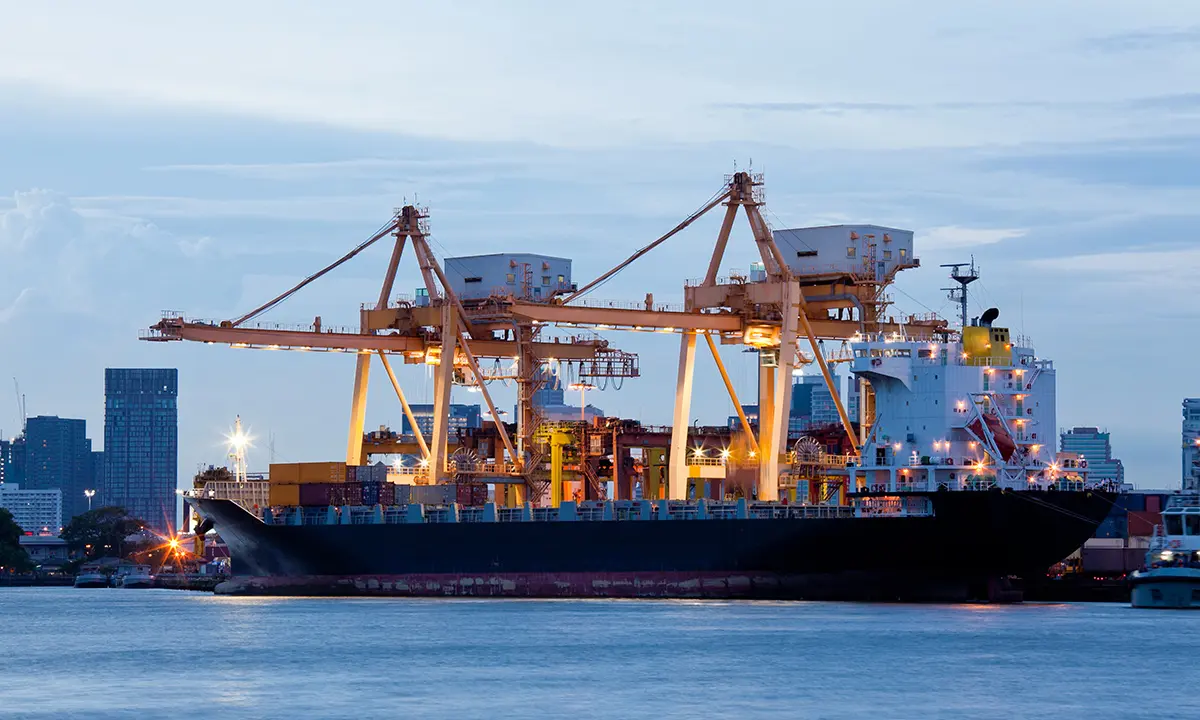
Salt Spray Corrosion Proofing

Marine & Salt Spray Protection

Designed to resist humid marine environments. We conduct 72-hour salt spray testing on complete units and 48-hour testing on sub-components. These units protect power distribution systems at docks and on ships, preventing corrosion-related failures.
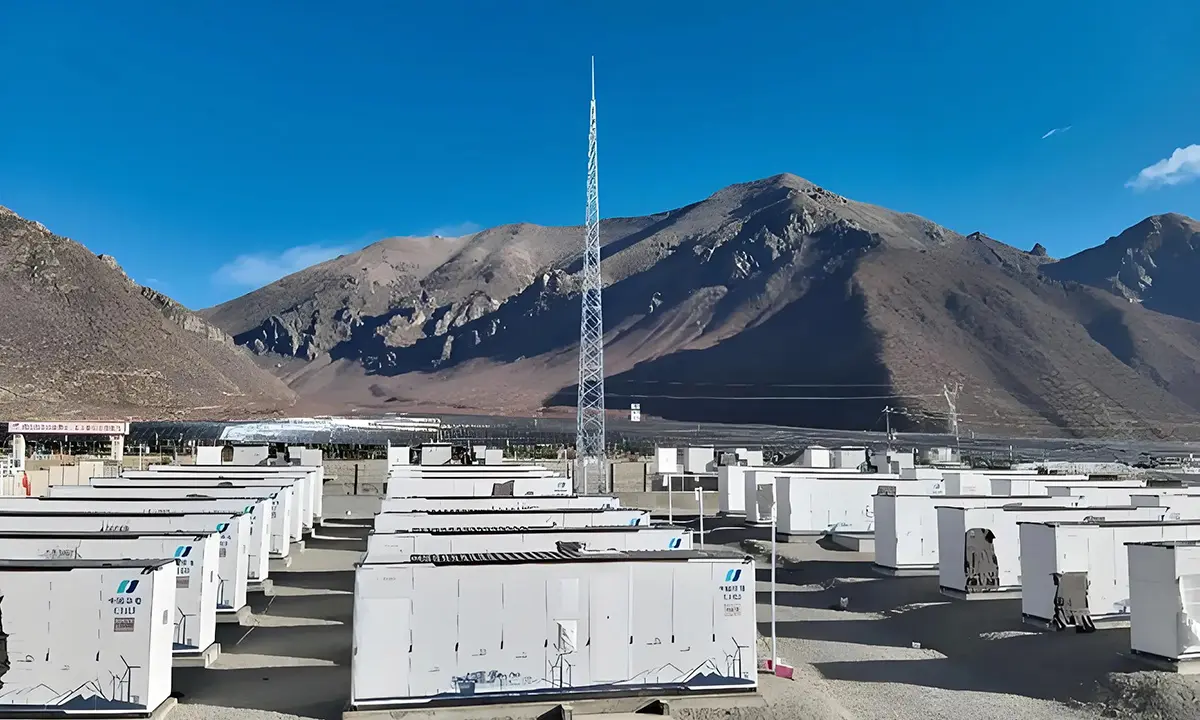
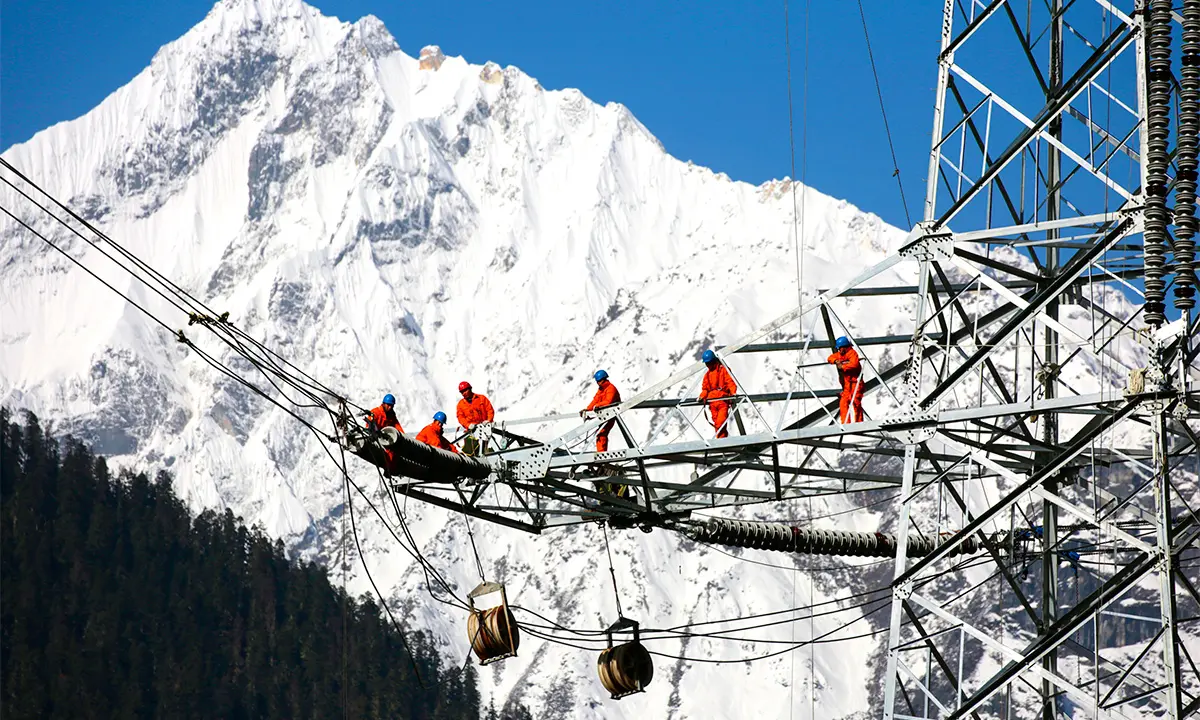
High Altitude De-rating Applications

High Altitude Calibration

When operating above 2000m, thin air reduces heat dissipation and dielectric strength. We provide detailed high-altitude derating coefficients to adjust working ratings, ensuring the breakers function safely in high-altitude projects.

Home Furnishing Circuit Protection

Residential & Commercial Application

MCCBs provide overload and short-circuit protection for commercial complexes and residential buildings. Their compact designs make installation easy while offering protection for critical systems and HVAC units.
High Temperature Thermal Engineering

High Temperature Performance

Equipped with thermal insulation layers on electronic trip components, along with moisture-resistant and corrosion-resistant treatment on metal parts. Testing in our 55°C constant temperature room ensures stable operation in hot industrial climates.
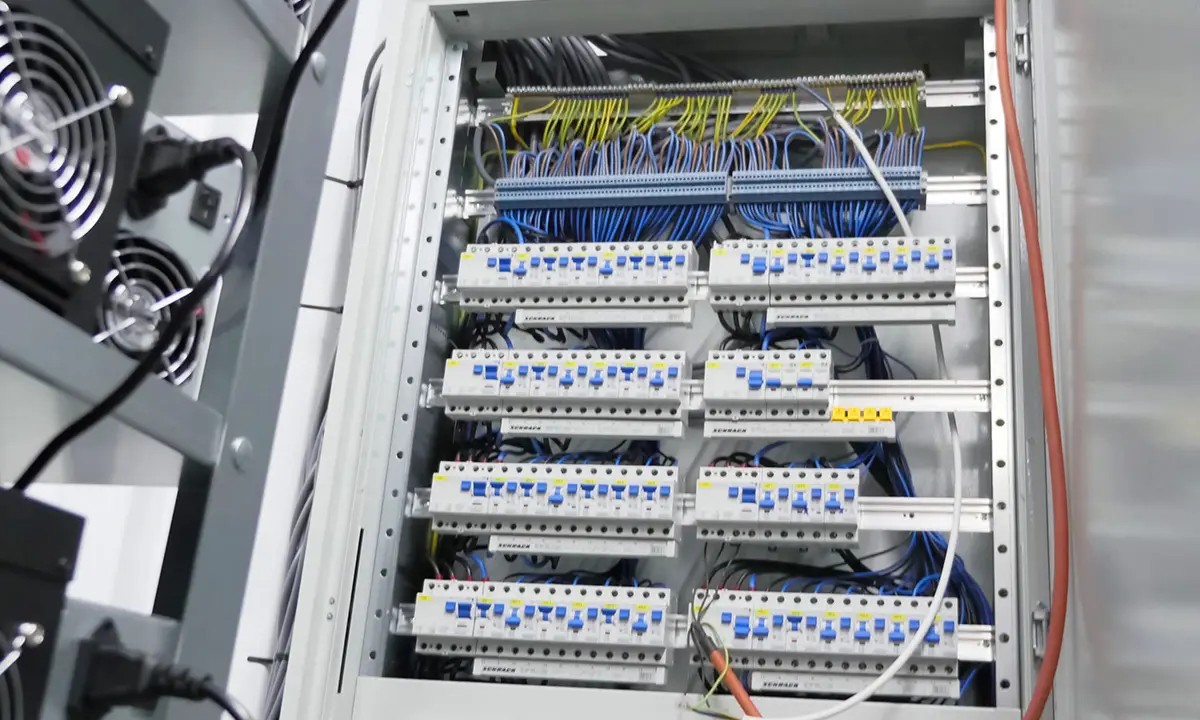
Intelligent Measurement and Smart Grid Ready

Smart Metering & Edge Computing

Advanced MCCBs integrate communication, metering, protection, and edge computing. They provide high-precision energy measurement and support multiple communication protocols, helping customers implement smart grids and real-time monitoring.

Our Manufacturing Capabilities & B2B Services

Comprehensive manufacturing services from raw material processing to final testing and certification.

1. Manufacturing & R&D Excellence

  • Six core processing technologies for component manufacturing
  • High-precision fabrication and automated assembly lines
  • 50+ R&D engineers with at least 5 years of industry experience
  • Proficient in 3D design of molds, parts, and complete breaker assemblies
  • Over 50 R&D and product development projects completed annually

2. OEM Customization Services

  • Product mold design and physical development (fully refundable based on volume)
  • Customized functional electrical profiles and adjustable trip curves
  • Assistance with international test reports and certification filing
  • 24-hour engineering responses to support global projects
  • Dedicated manufacturing lines serving as your overseas factory

3. ODM & Brand Sourcing Support

  • Precision laser marking of logo and product details
  • Customized packaging solutions including branded inner and outer boxes
  • Marketing support with customized catalog layouts and data sheets
  • Low Minimum Order Quantities (MOQ) for initial market entry
  • ERP and PLM system integration for reliable delivery timelines
01
Consultation
We analyze your requirements and recommend the correct model.
02
Engineering Solution
Our engineering team designs the product configuration and drawings.
03
Agreement
We confirm product performance parameters and sign the contract.
04
Production
Manufacturing with continuous testing in our own labs.
05
Delivery & Support
We handle customs clearance and provide installation support.

Supply Chain Resilience: The Advantage of Integrated Chinese Factories

The global electrical market often faces supply chain interruptions and raw material volatility. In this environment, Chinese factories with high vertical integration provide significant advantages in stability and cost-efficiency. A key indicator of a resilient factory is its ability to manufacture critical internal parts in-house, rather than relying entirely on outside suppliers.

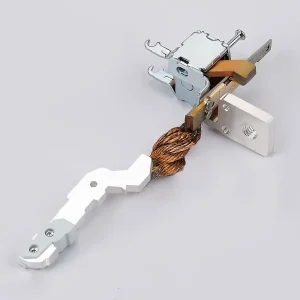
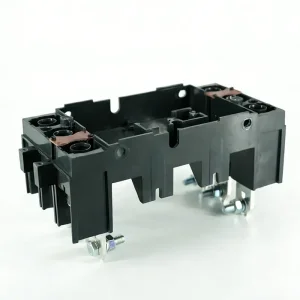
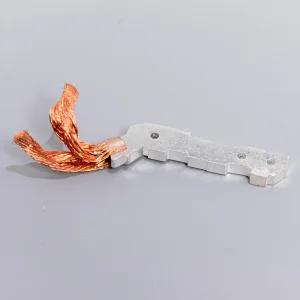
For instance, components like moving contacts with silvering and copper contacts are vital to the life and reliability of a circuit breaker. In-house production of these parts allows the factory to control quality directly:

  • Silvering Thickness: The thickness of the silver layer on moving contacts directly determines electrical endurance. In-house production ensures the silver plating meets specifications, avoiding thin plating that leads to early wear.
  • Copper Quality: High-conductivity copper reduces resistance, minimizes heat generation under full load, and extends the breaker's operating life.
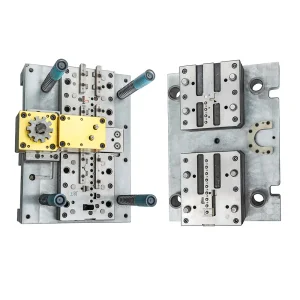
  • Metal Stamping & Tooling: Making stamping dies in-house means the factory can modify and test components quickly, ensuring consistent mechanical tolerances.

Using ERP and PLM management software allows factories to track materials from receiving to final assembly. This system manages production schedules and ensures on-time deliveries, protecting clients from project delays.

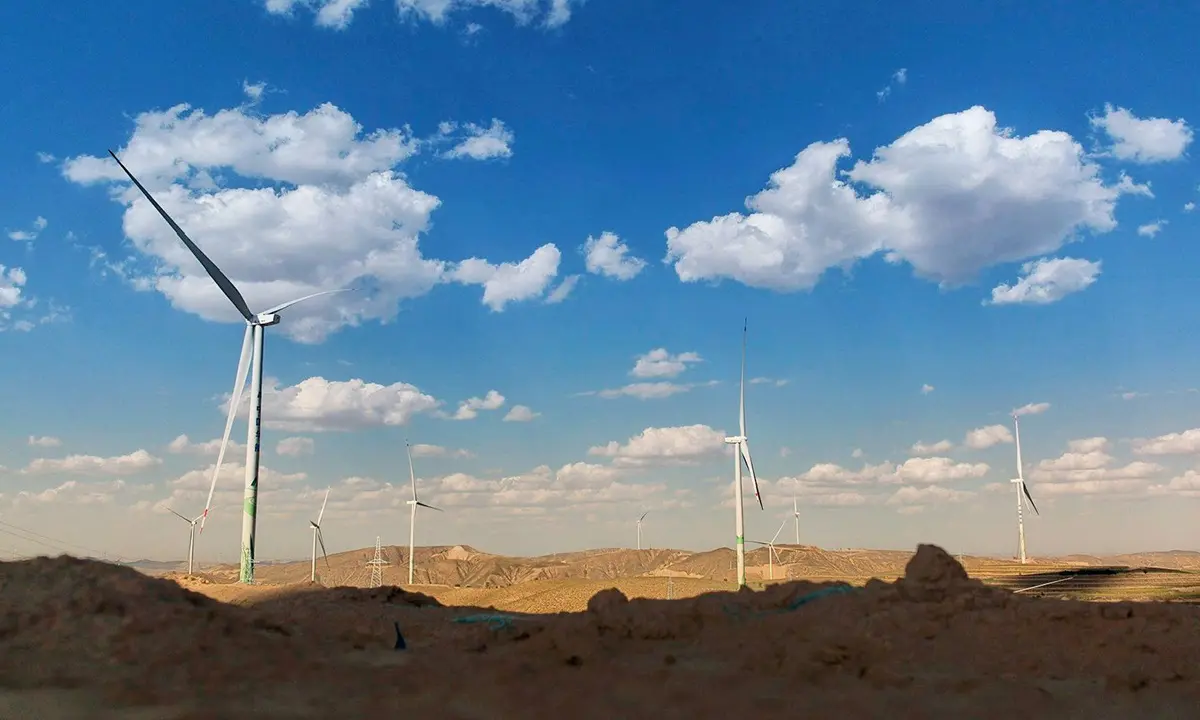
High-Voltage Sourcing for Renewable Energy Systems

The growth of utility-scale solar installations has changed system design requirements. Solar string inverters and combiner boxes operate at high DC and AC voltages, often requiring circuit breakers rated for 800VAC, 1000VAC, and 1140VAC.

Standard low-voltage MCCBs cannot clear faults safely at these high voltages. Specifying breakers like the ARM5HU series, designed for renewable energy systems, ensures protection. These units feature long double-break contact designs and improved arc-extinguishing chambers to quickly clear high-voltage faults, protecting inverter circuits and PV systems.

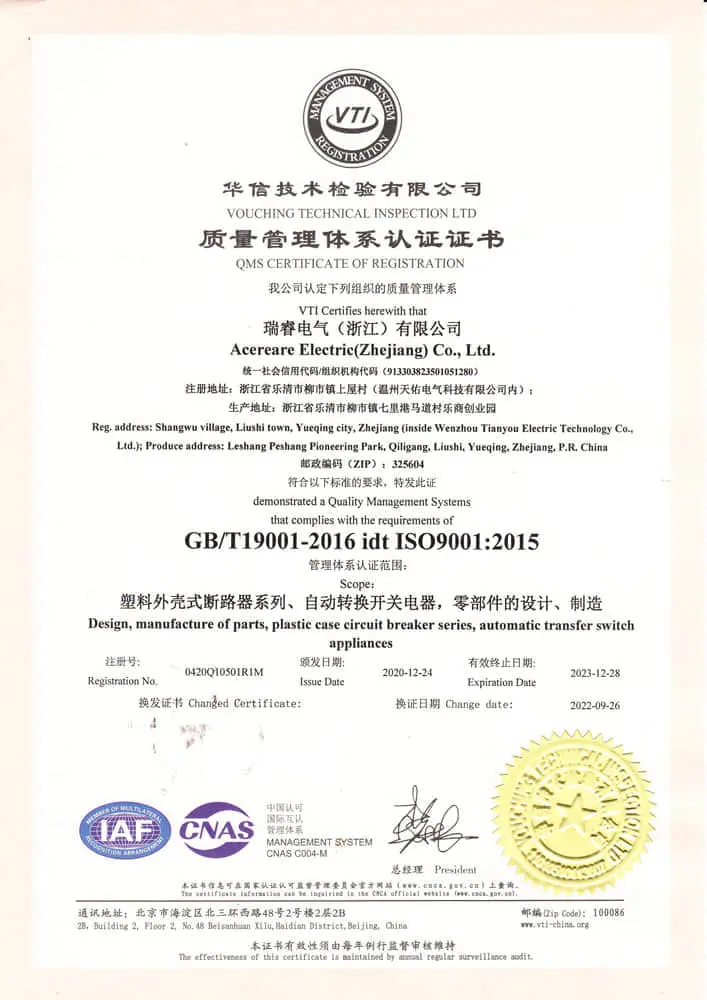
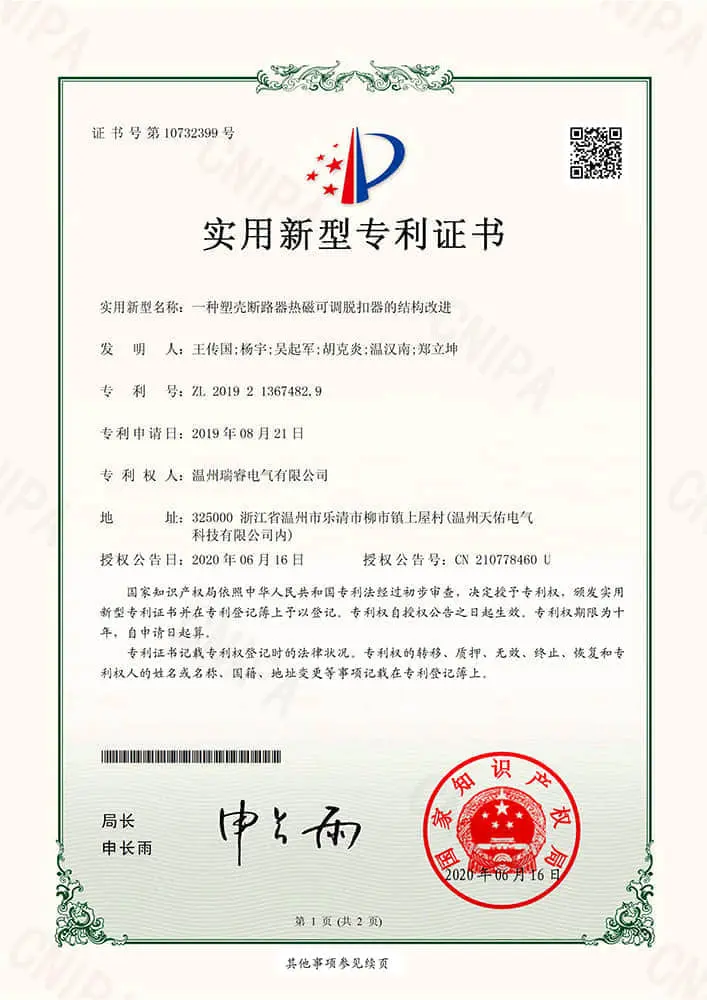
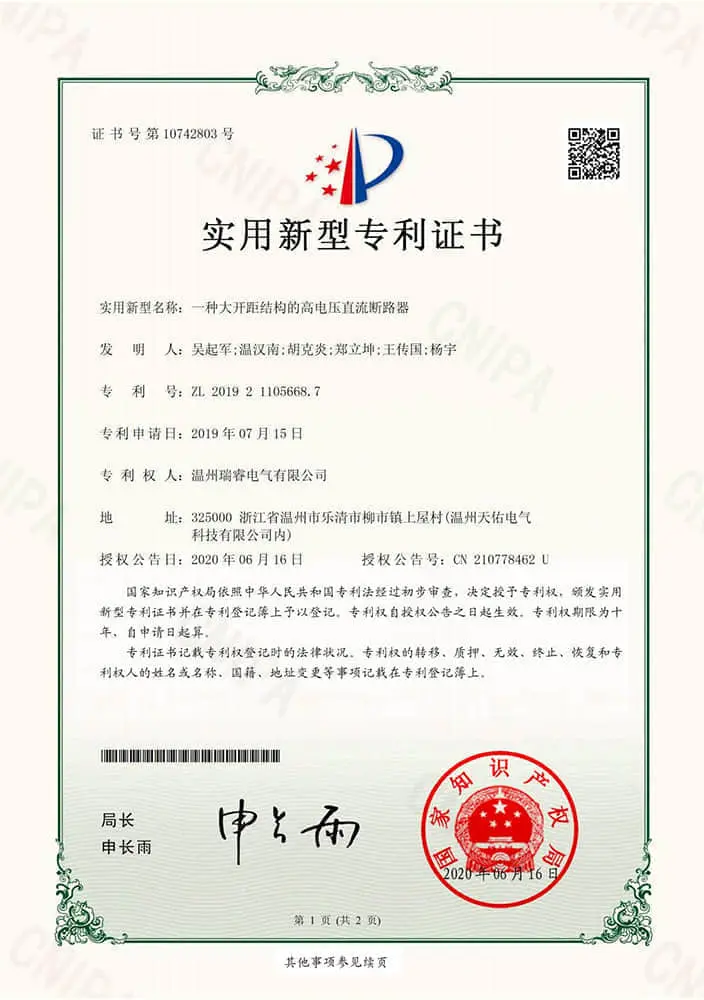
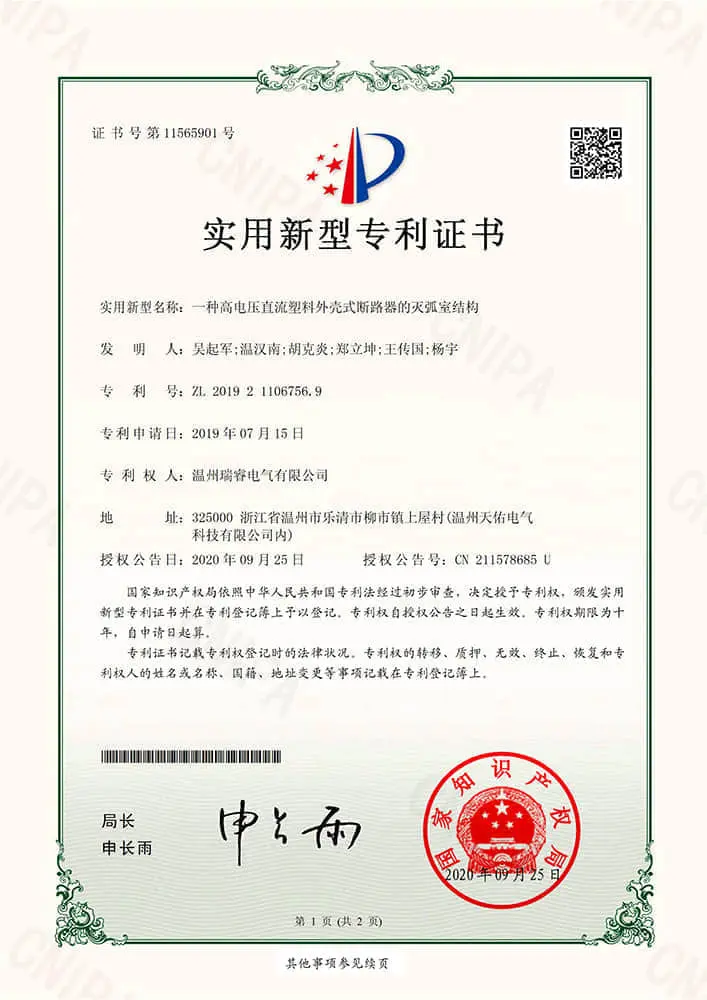
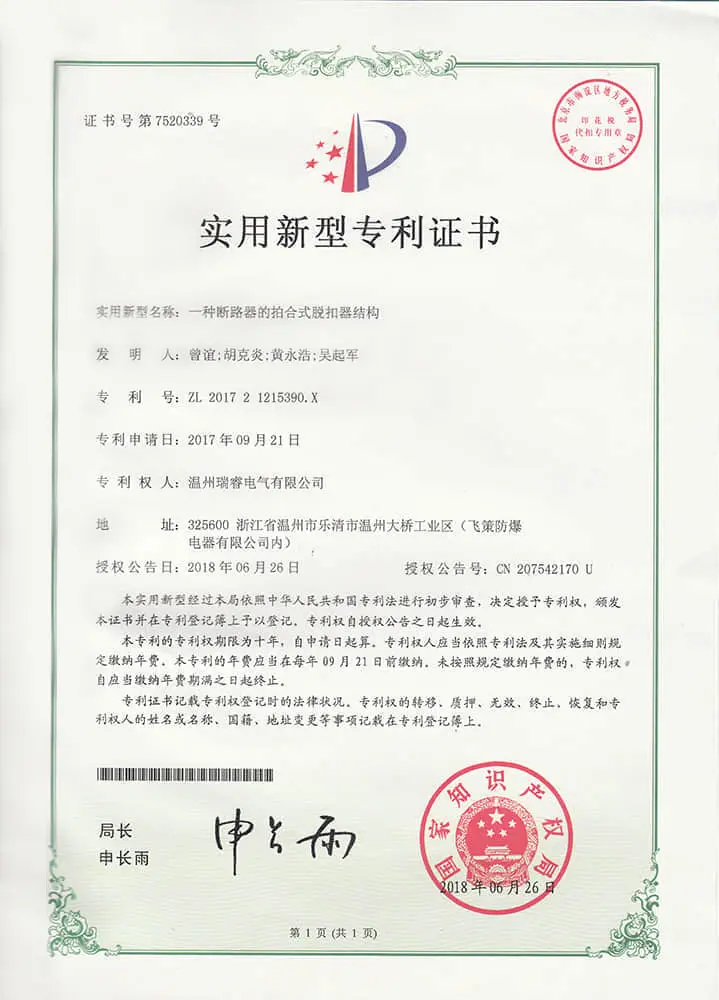
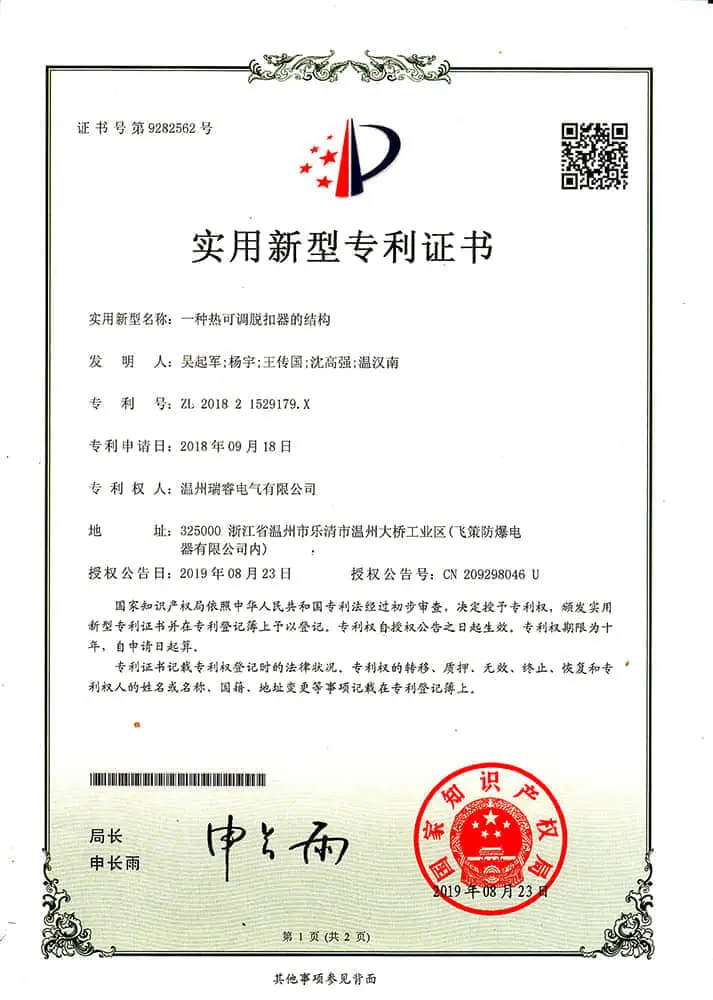
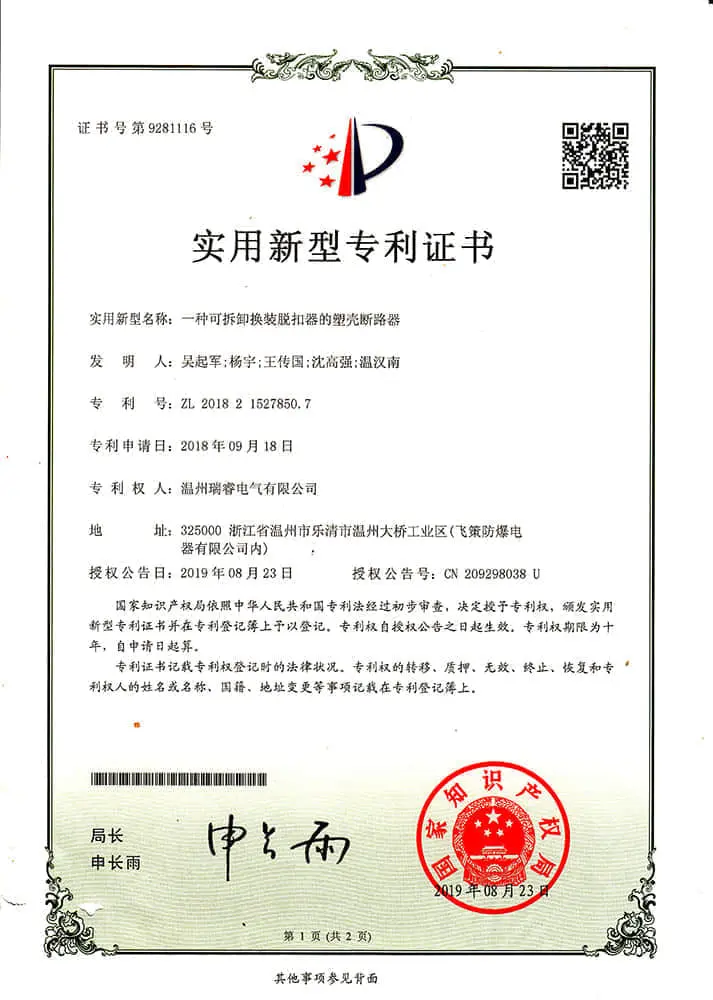
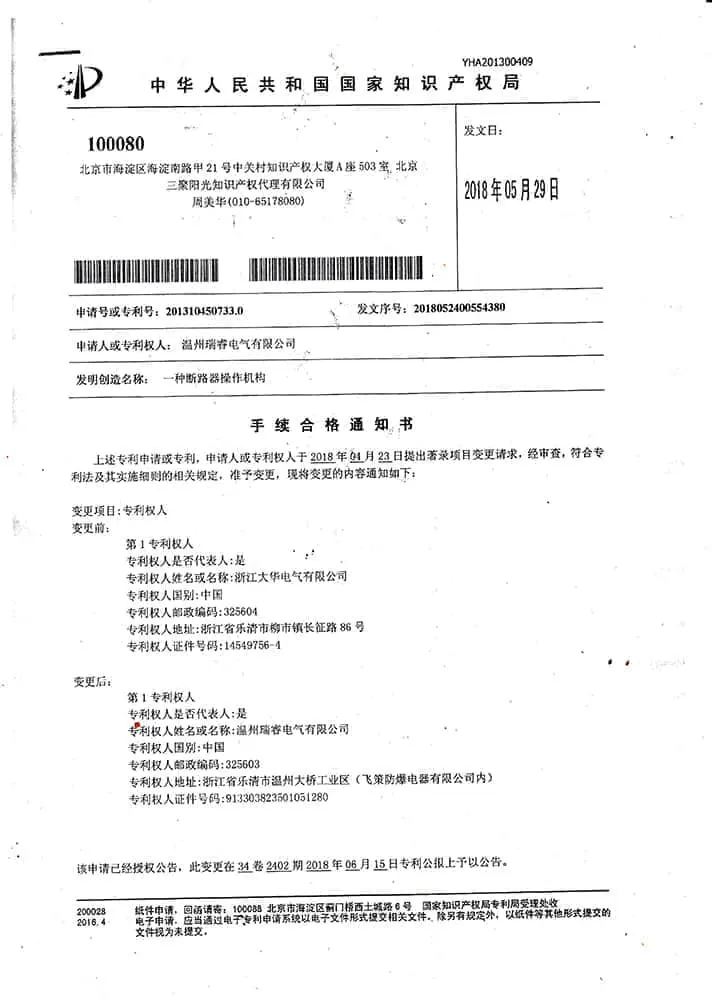
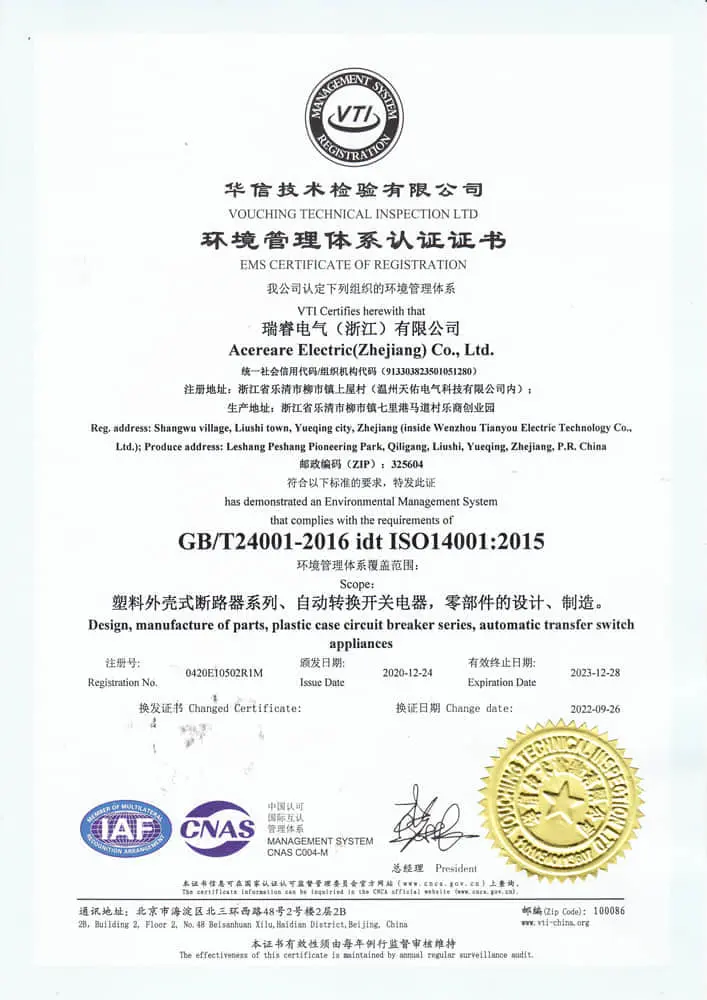
Quality Certification & Laboratory Validation

Testing and certification to ensure international compliance and system safety.
Industrial Buyer FAQ: Sourcing & Engineering

Expert technical answers to common questions in B2B circuit breaker procurement.

Q1: What is the difference between Icu and Ics, and why is this critical for choosing a supplier?
Icu (Ultimate Short-Circuit Breaking Capacity) is the maximum fault current the breaker can safely interrupt, though it may require replacement afterward. Ics (Service Short-Circuit Breaking Capacity) is the fault current the breaker can interrupt and still remain operational. When sourcing, look for manufacturers that offer Ics = 100% Icu. This ensures the equipment remains safe and functional after a fault, reducing downtime.
Q2: How does altitude affect circuit breaker ratings, and how does the derating table work?
At altitudes above 2000 meters, thin air reduces both heat dissipation and dielectric insulation. This can cause breakers to run hotter and reduce their voltage isolation capability. For high-altitude installations, suppliers provide a derating table to adjust the rated operating current (Ie) and insulation voltage (Ui). Typically, the rated current is derated by 1% to 5% for every 1000m above 2000m.
Q3: Why are copper contacts with silver plating preferred in high-amperage breakers?
Copper provides excellent electrical conductivity but can oxidize over time, raising contact resistance and heat. Silver has high conductivity and resists oxidation. Plating copper contacts with a layer of silver combines the strength of copper with the low contact resistance of silver. This combination reduces heat and extends the mechanical and electrical life of the breaker.
Q4: What certifications should I check for to verify a supplier's quality control?
For international markets, look for compliance with IEC 60947-2 (the global standard for low-voltage switchgear). In Europe, CE marking and KEMA/TÜV certifications are common. For North America, UL489 is required. In China, CCC certification is mandatory. A qualified factory should also hold ISO 9001 for quality management, ISO 14001 for environmental management, and ISO 45001 for occupational health and safety.
Q5: What are the benefits of an adjustable LSIG electronic trip unit compared to thermal-magnetic units?
Thermal-magnetic units use bimetallic strips and magnetic coils, offering fixed or limited adjustability. Electronic LSIG trip units use microprocessors to monitor current. They allow users to adjust settings for Long-time delay (overload), Short-time delay (short circuit), Instantaneous (fault), and Ground fault protection. This precision helps coordinate protection levels and prevents unnecessary power cuts in critical installations.
Q6: How do manufacturers design circuit breakers to operate down to -40°C?
To prevent cracking or seizing in extreme cold, engineers replace standard plastics with impact-resistant polycarbonate compounds. Moving joints are lubricated with synthetic, low-temperature grease that does not stiffen. Metal components are treated with thicker anti-friction coatings, and electronic trip units are designed with temperature-compensated components to prevent calibration drift.
Q7: Why is vertical integration in stamping and contact assembly important for B2B buyers?
Factories that rely on external suppliers for stamping and contact assembly are vulnerable to supply delays and quality issues. In-house metal stamping and contact assembly allow a manufacturer to manage quality directly, modify tooling quickly, and maintain stable production costs, resulting in more reliable lead times and consistent product performance.