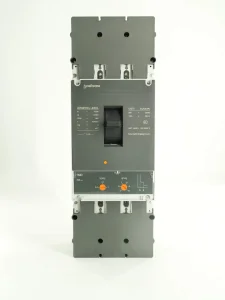
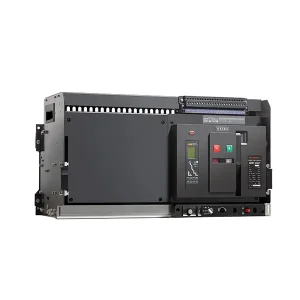
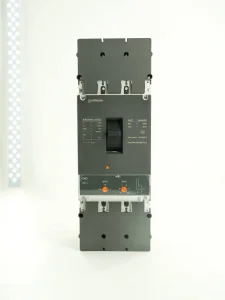
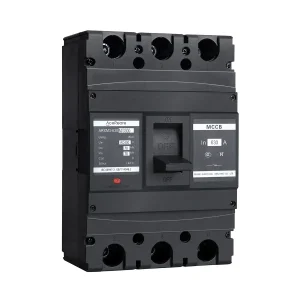
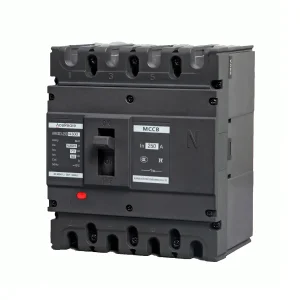
Explore high-voltage molded case and air circuit breakers sourced direct from China's leading manufacturing facilities.
An authoritative breakdown of global B2B procurement, smart grid integration, and structural parameters for systems engineering.
Modern electrical infrastructure demands extreme robustness. Circuit breakers—ranging from molded case circuit breakers (MCCBs) to air circuit breakers (ACBs)—serve as critical safety nodes in commercial electrical grids. In B2B electrical procurement, understanding how to install, set, and source these devices directly affects plant uptime, equipment longevity, and building safety.
Globally, the circuit breaker market is shifting. Industrial plants, renewable energy networks, and complex commercial real estate grids require protection components that can survive harsh environmental stresses while integrating smart communication protocols. This technical guide outlines how electrical engineers choose configurations, calculate altitude and temperature deratings, and leverage high-capacity Chinese manufacturing to streamline the project life cycle.
Founded in 2015, Acereare Electric represents a legacy of over 20 years of craftsmanship, inherited across two generations of power distribution engineering. Incorporating two wholly-owned subsidiaries, "RuiRui Electric" and "KeRui Electric," we serve as an original equipment manufacturer (OEM) and original design manufacturer (ODM) for critical electrical infrastructure components.
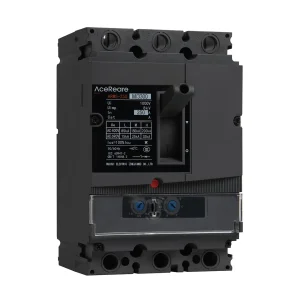
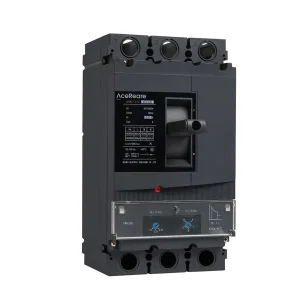
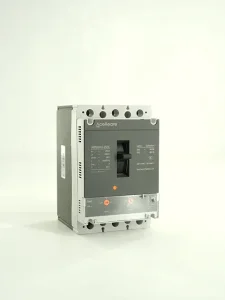
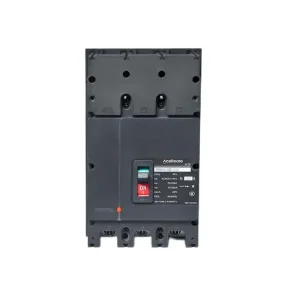
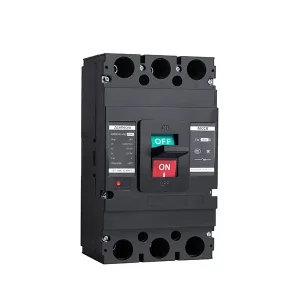
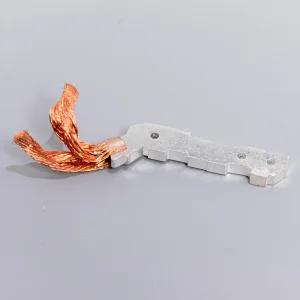
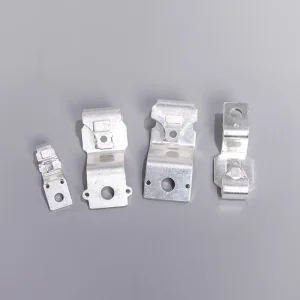
Our manufacturing footprint specializes in the precision prototyping, assembly, and testing of Molded Case Circuit Breakers (MCCB), Air Circuit Breakers (ACB), and custom metal-stamped contacts. Integrating ERP, U8, PLM, and MES database software, we align component fabrication with strict international certification criteria.

From advanced component metal stamping to certified laboratory performance validations.
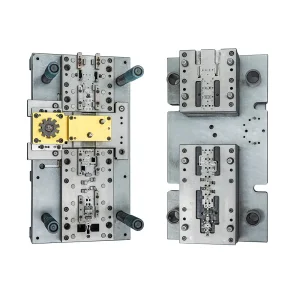
One-stop processing involving six precision technologies: stamping, moulding, silvering contact insertion, high-speed manual assembly, and automation lines. Outfitted with high-precision components to maintain dimensional tolerances below ±0.02mm.
Supported by 50+ research and development engineers carrying over five years of complex grid design experience. We run 50+ localized, user-intent-driven product iteration projects each year utilizing 3D physical modeling and thermal simulation analysis.
Operating two dedicated production hubs to ensure stable lead times for wholesale components and finished assemblies. We align every process from raw material feed to dispatch through enterprise resource planning (ERP) systems.
Our testing labs feature 150+ dedicated diagnostics benches operated by 20+ QC specialists. We control production tolerances via PLM, BI, ERP, and MES software, running full dielectric strength, mechanical life, and thermal-trip validation rounds.
A step-by-step engineering reference for mounting, wiring, current rating, and environmental compensation.
Specify the nominal operating current (In) based on the continuous load profiles of the system. The breaker’s rated frame current should equal or exceed the calculated maximum load current. For instance, in motors or transformer feeder panels, match starting transient surges to appropriate time-delay thresholds to prevent nuisance tripping.
Analyze the prospective short-circuit current at the breaker's installations point. The Ultimate Short-Circuit Breaking Capacity (Icu) defines the maximum current the unit can safely interrupt. The Service Short-Circuit Breaking Capacity (Ics) indicates the current level it can interrupt and remain operational. For critical factory grids, source MCCBs where Ics = 100% Icu.
Maintain precise terminal torque ratings during installation. Insufficient torque leads to localized resistive heating, prompting thermal faults at the contact interfaces. Conversely, over-torque damages the copper terminal pads or stamping contacts. Always employ calibrated torque wrenches to match manufacturer specifications.
Standard circuit breakers are calibrated for installation under nominal conditions: altitudes below 2000 meters and ambient temperatures around 40°C. Operating outside these ranges demands mathematical correction of electrical profiles.
| Parameter | Nominal Condition | Operational Variable | Engineering Action Required |
|---|---|---|---|
| Altitude | ≤ 2,000 meters | > 2,000 to 5,000 meters | Reduce operating voltage (Ue) and continuous current rating (In) using high-altitude correction indexes due to thinner air and reduced dielectric heat dissipation. |
| Ambient Temperature | -5°C to +40°C | Extreme Cold (-40°C) | Apply low-temperature lubrication; use custom frame materials with validated impact strengths to resist cracking during mechanical operation. |
| Ambient Temperature | -5°C to +40°C | Extreme Heat (+55°C) | Apply thermal derating factors (typically 0.85 - 0.90 of In) to prevent early thermal-magnetic tripping. Incorporate insulation barriers. |
| Marine Environment | Standard Humidity | High Salt Spray & Moisture | Utilize corrosion-resistant plating on internal metal stampings, moving contacts with silvering, and perform 72-hour salt spray testing on assemblies. |
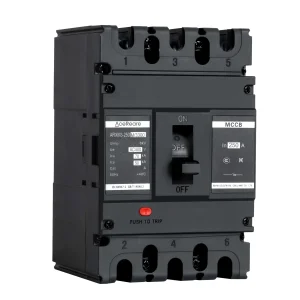
Modern MCCB (such as our ARXM3 and ARM5 series) provide adjustable thermal and magnetic trip thresholds. To configure these units:
Tailored electrical hardware configurations for international distributors and switchgear builders.
Maximize your market presence with customized logo laser engraving, custom-branded inner boxes and master packaging, and specialized product catalog development. Small minimum order quantities (MOQs) are available to support initial regional distribution trials.
We provide full structural prototype development for specialized electrical interfaces. Our capabilities cover housing molds, stamping tools, and mechanical modifications, supported by international test reports and product certification cost-sharing programs.
Acereare manages the entire project pipeline: from identifying technical requirements, recommending suitable parts, executing test runs, and coordinating shipping documents to providing ongoing technical support.
Acereare breakers are deployed in harsh environments globally, configured to withstand demanding physical stresses.
Specially formulated housing resins and low-viscosity mechanical lubricants preserve operating mechanisms in cold-storage units and arctic distribution frames, verified down to -40°C.
Thickened plating and corrosion-resistant alloys protect contacts in coastal power systems. Assemblies undergo 72-hour salt spray testing to prevent failures in marine air.
Adjusts parameters for installations above 2000m. Thinner air decreases heat dissipation, requiring modified clearance spacing and thermal curves to protect equipment.
Features high-temp engineering plastics and thermal barriers. Rated parts are verified in our 55°C environmental test chambers for operation in tropical regions and hot industrial areas.
Integrates protection with high-precision metering and edge computing. Supports communication protocols to provide data telemetry for modern microgrids.
Molded Case Circuit Breakers specifically rated for high DC/AC voltages (800VAC / 1000VAC / 1140VAC) optimized to safeguard commercial solar power systems.
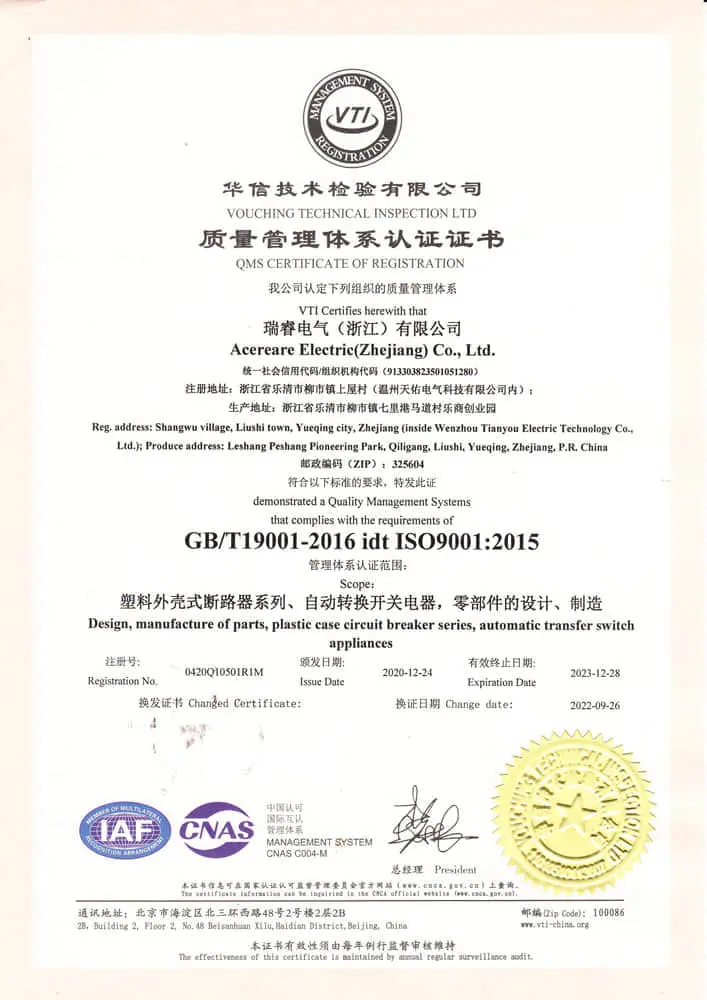
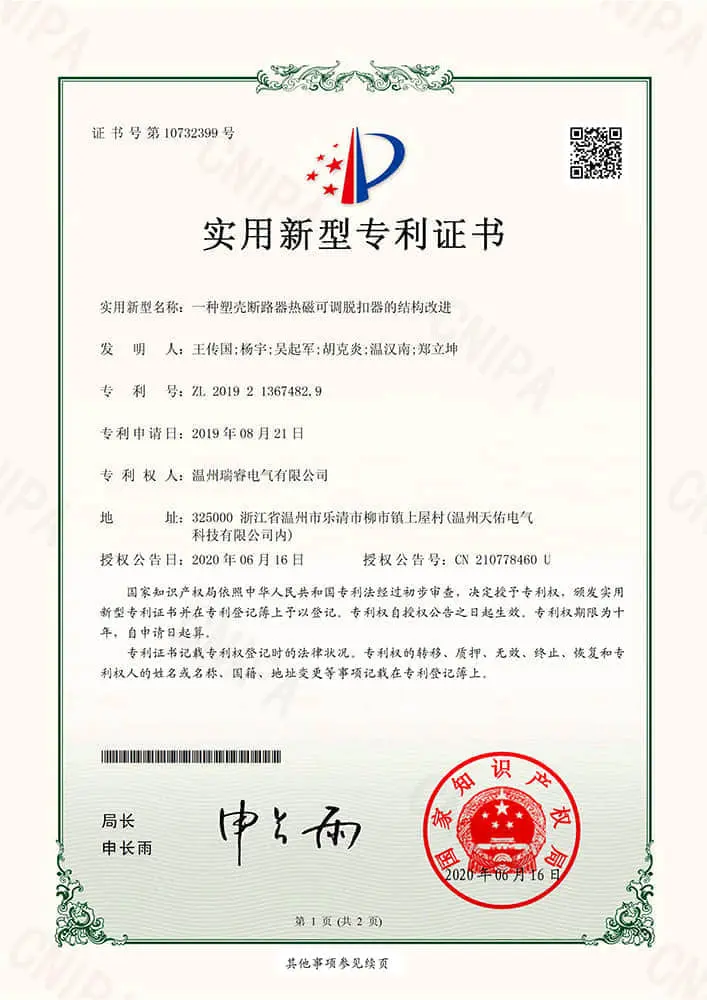
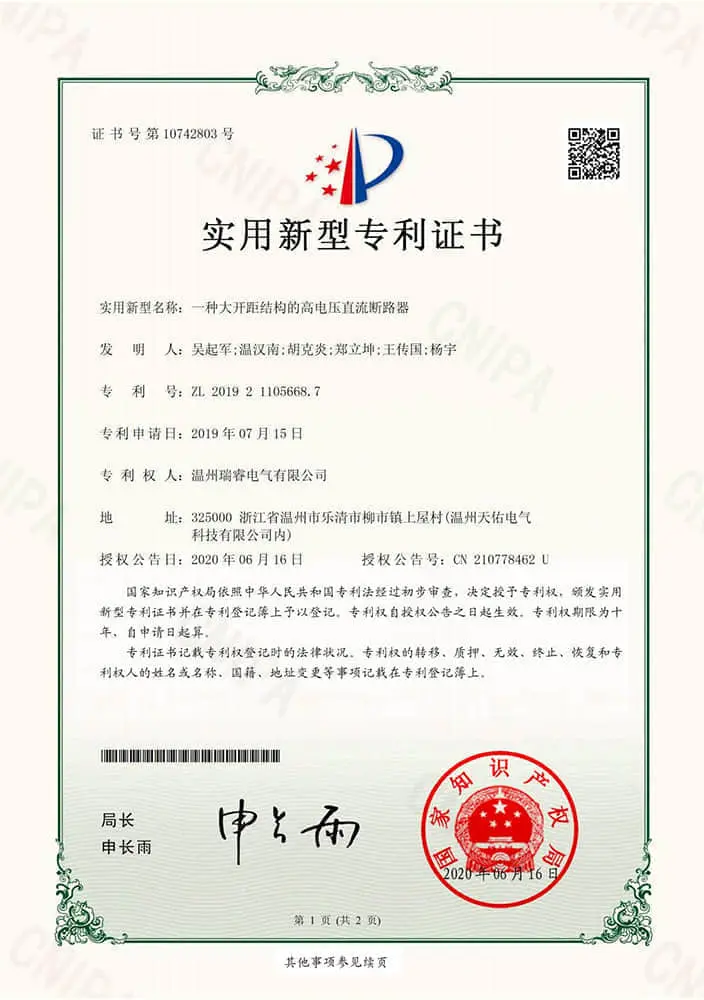
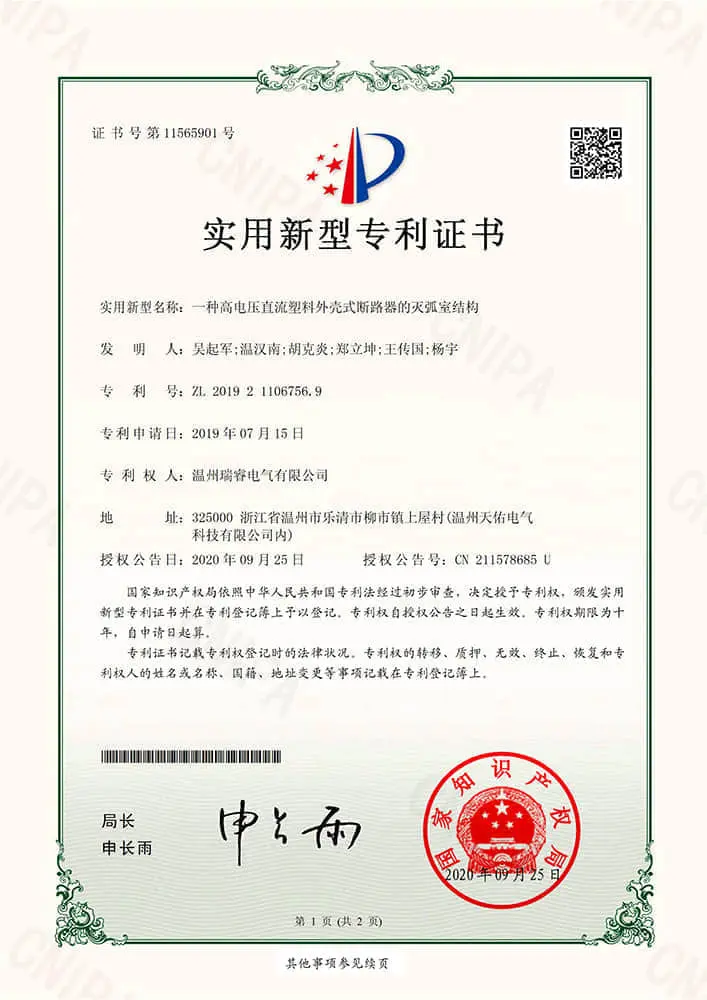
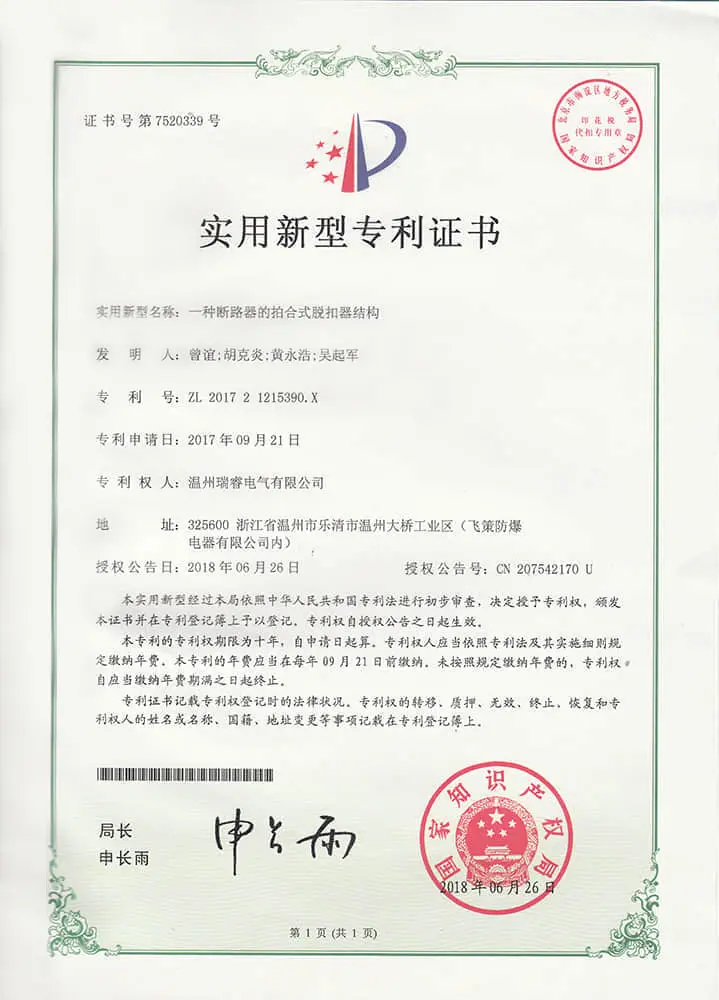
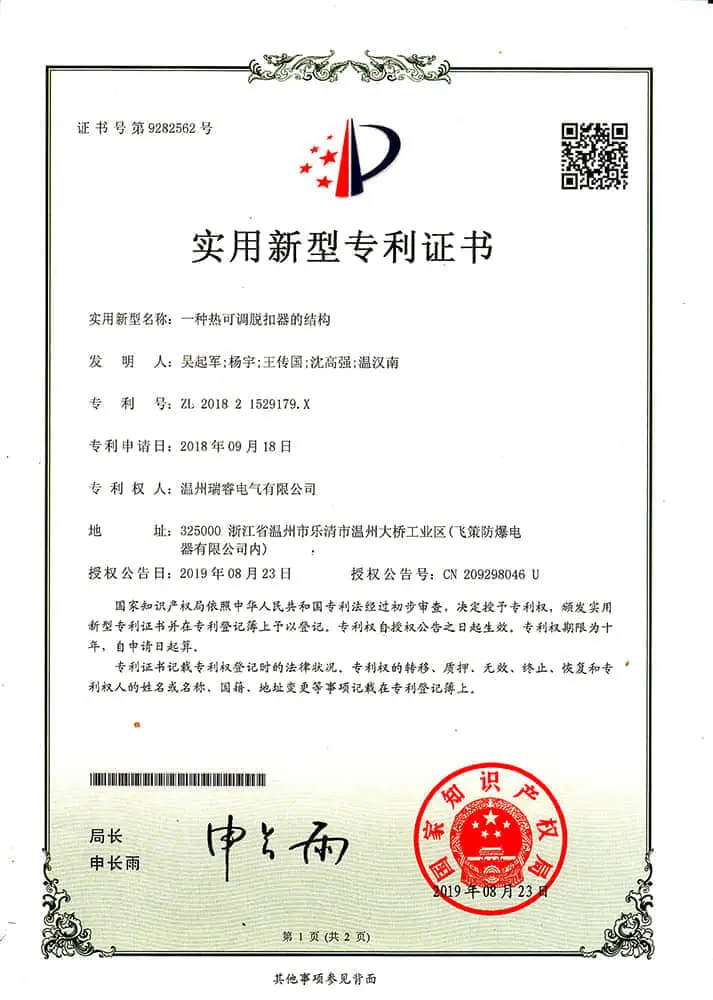
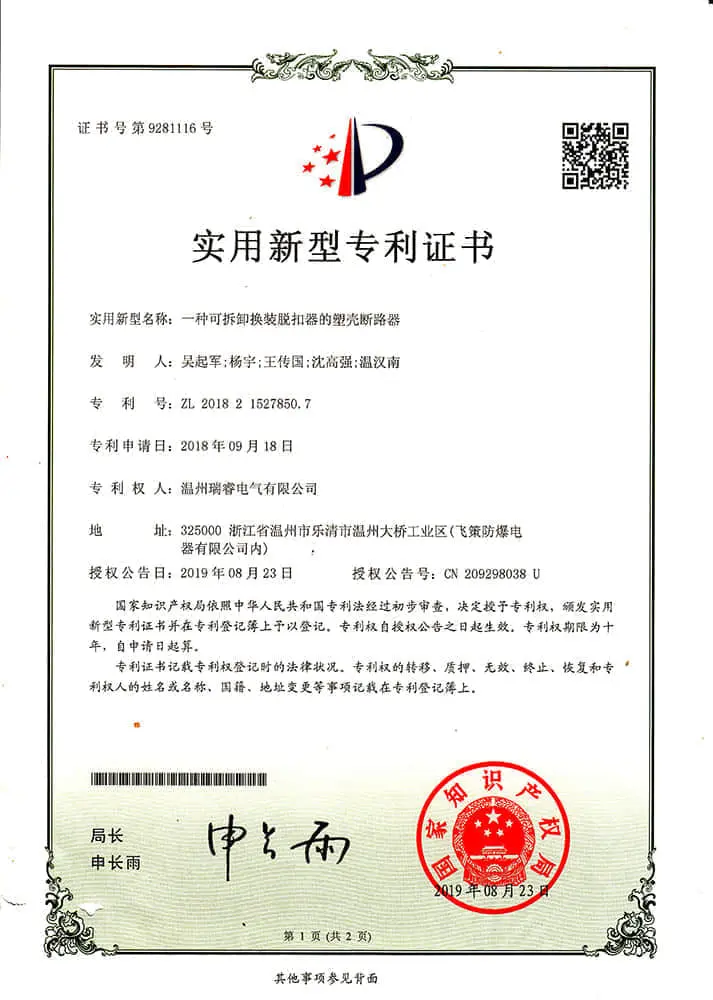
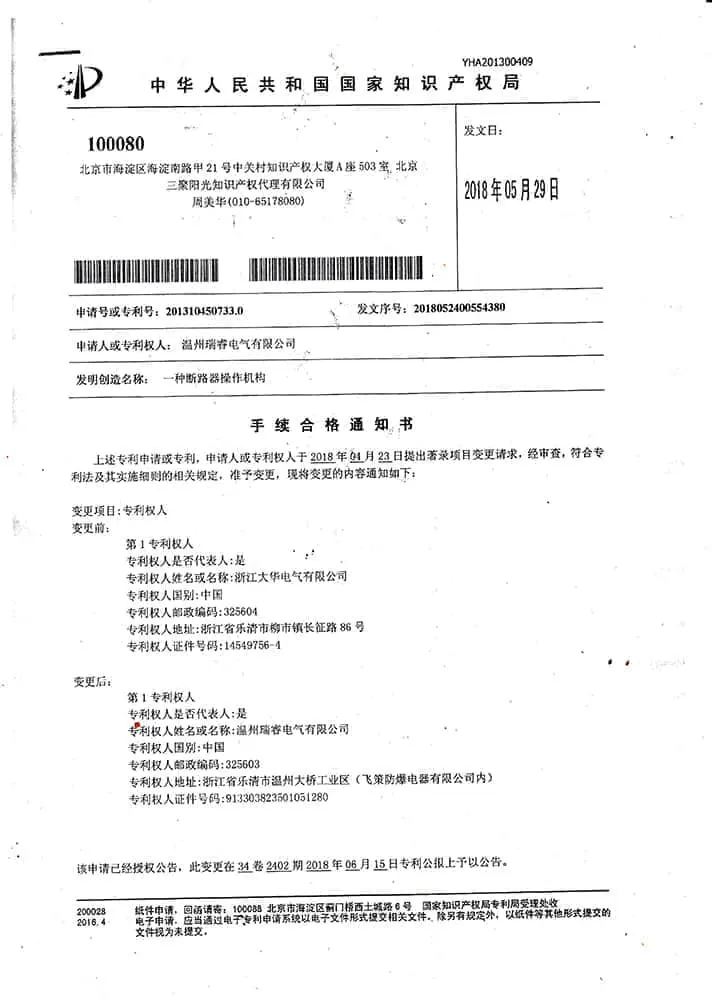
Our manufacturing and quality systems align with national and international safety regulations.
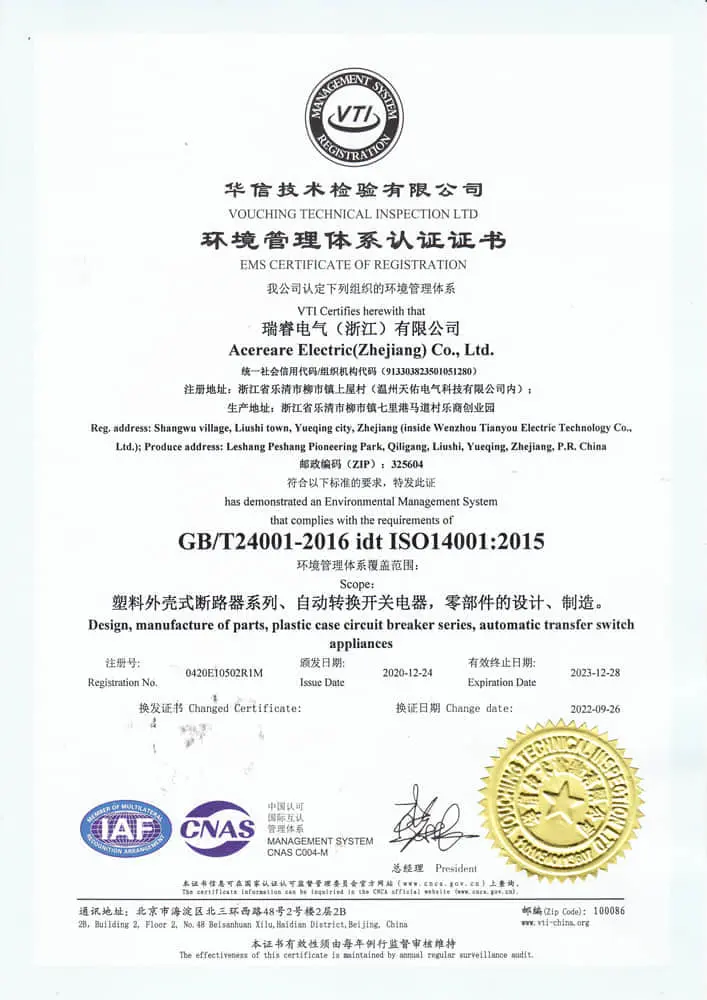
Clear answers to engineering and commercial sourcing questions for industrial circuit breakers.
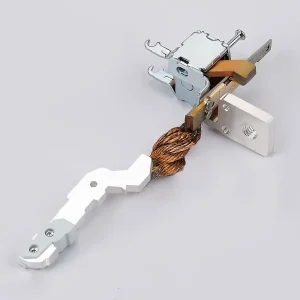
Sourcing solutions for high-conductivity copper busbars, moving contacts, and modular industrial switch components.
 AceReare