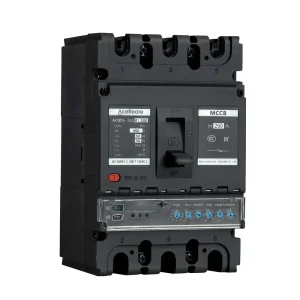
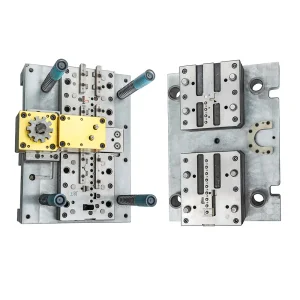
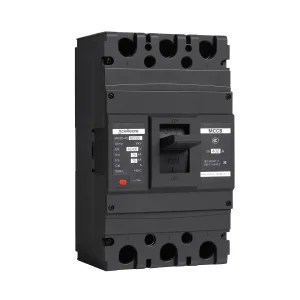
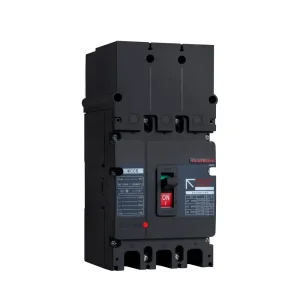
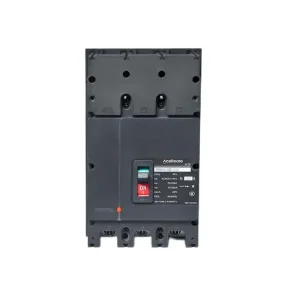
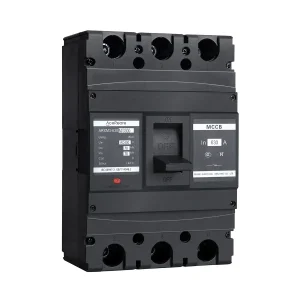
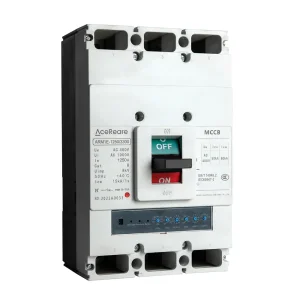
Direct supply of precision molded case circuit breakers (MCCB), customizable connection components, and next-generation smart switchgear manufactured under stringent Factory 4.0 execution guidelines.
Industrial power networks are undergoing an unprecedented shift toward high-voltage, high-efficiency architectures. The rapid expansion of utility-scale solar installations, intelligent factories, and electric vehicle charging hubs requires circuit protection systems to operate reliably under extreme conditions. Consequently, managing circuit breaker issues has become a primary engineering objective for B2B procurement managers and system integrators worldwide.
From an engineering perspective, breaker failures are not simply isolated component anomalies. They are complex multi-physics occurrences caused by electrical contact degradation, dielectric fatigue under transient overvoltages, and mechanical misalignment in harsh microclimates. Modern installations, operating at 1140VAC or 1500VDC, require high thermal stability and robust arc extinguishing capabilities to prevent catastrophic system downtime. Addressing these problems requires deep manufacturing expertise, advanced material science, and modern production technology.
As a leading original equipment manufacturer, Acereare has accumulated over 20 years of craftsmanship across two generations. We integrate research, development, and advanced manufacturing to deliver high-performance molded case circuit breakers (MCCB) and air circuit breakers (ACB) that solve common performance and reliability issues in demanding industrial applications.
Traditional breakers struggle with arc suppression at high voltages (e.g., 1000V to 1140V). Our advanced arc chutes and specialized contact profiles accelerate arc cooling, minimizing grid disruption and safeguarding upstream equipment.
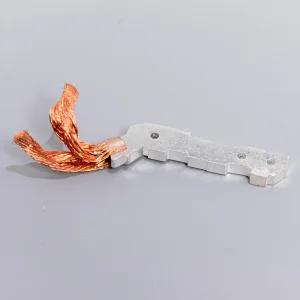
Continuous load conditions can generate significant heat at terminal connection plates. By using high-grade copper stampings and silver-alloy moving contacts, we reduce contact resistance and prevent thermal runaway under full loads.
Humid, high-altitude, or polluted environments degrade internal insulation. We utilize custom polymer compounds and thickened anti-corrosive coatings to maintain high dielectric strength and mechanical reliability in harsh field settings.
Founded in 2015, Acereare Electric operates two wholly-owned subsidiaries: RuiRui Electric and KeRui Electric. Rooted in over two decades of craftsmanship, we have established ourselves as a top-tier ODM manufacturer specializing in low-voltage electrical protection systems.
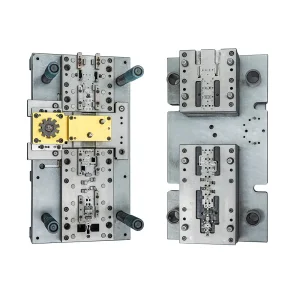
Our integrated capabilities span raw material processing, precision contact stamping, automated assembly, and laboratory testing. This vertical integration allows us to deliver high-quality, customized solutions that meet strict international standards, ensuring reliable performance in demanding operating environments.

How our manufacturing and research systems work together to eliminate performance faults and improve supply chain reliability.
One-stop production incorporating six processing techniques. We operate high-precision manufacturing equipment and testing instruments across 10 manual and automated assembly lines.
50+ senior engineers with extensive experience in low-voltage electrical systems design. We complete over 50 R&D projects per year utilizing advanced 3D component and mold modeling.
Dual factories expand the production of components and complete machines. Production flow is optimized via ERP and U8 software systems to ensure timely deliveries and component traceabilty.
We perform systematic testing in our on-site lab using 150+ testing instruments. Quality parameters are monitored through integrated PLM, BI, ERP, and MES software.
Standard electrical breakers often experience malfunctions, premature aging, or unexpected tripping when deployed outside typical indoor conditions. We design and test our units to perform reliably under challenging environmental factors.
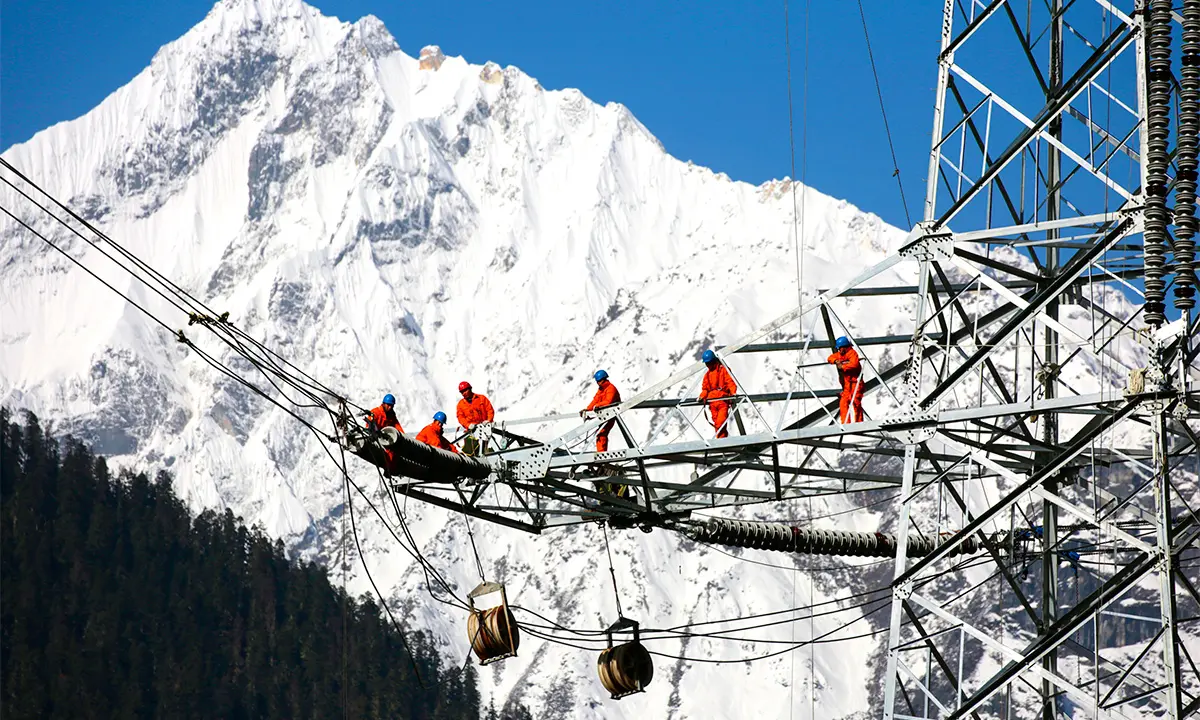
Standard plastics become brittle and internal lubricating oils thicken at sub-zero temperatures, leading to potential mechanical failure. We use low-temperature-resistant polymers and lubricants, backed by certified testing down to -40°C.

Humid marine environments accelerate corrosion on critical metal components. Our circuit breakers undergo 72-hour salt spray testing for complete units (48 hours for sub-assemblies) to ensure durability in coastal power and marine systems.
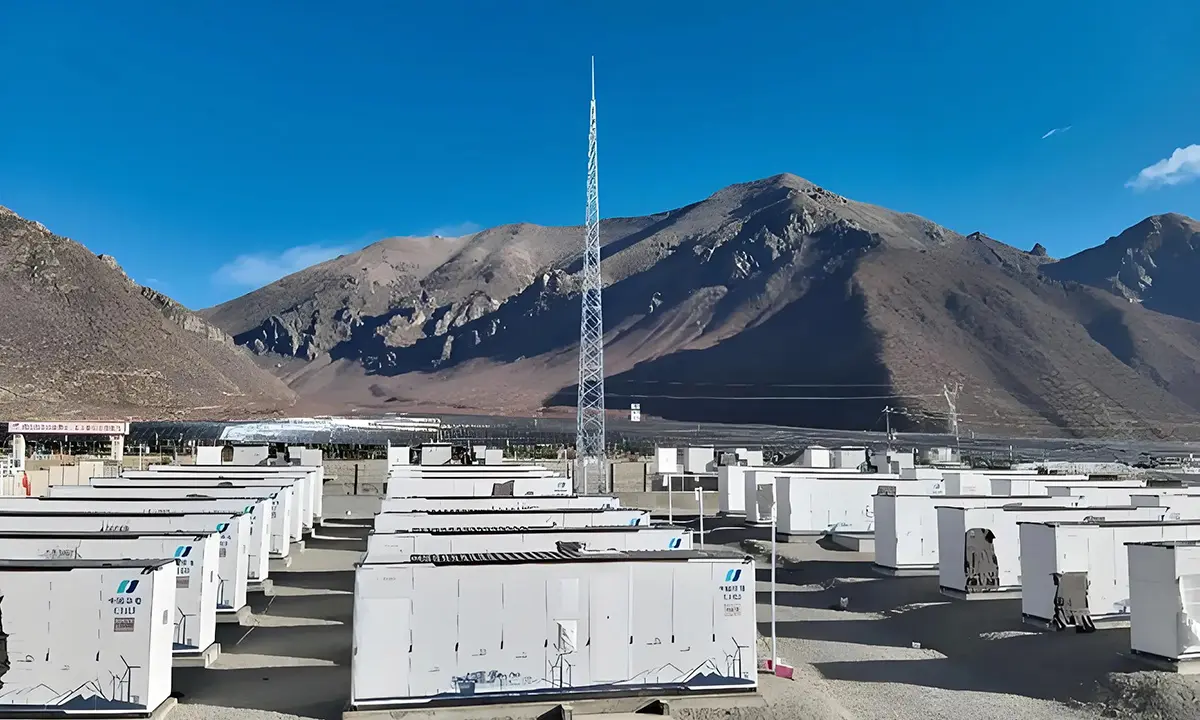
At altitudes above 2,000 meters, thin air reduces heat dissipation and dielectric insulation. We apply clear derating guidelines to adjust breaker load coefficients, maintaining reliable performance and protecting against transient overvoltages.

Standard consumer applications demand compact, highly reliable protection devices. Our modular designs integrate easily into distribution boards, safeguarding household appliances and wiring from overloads and short circuits.
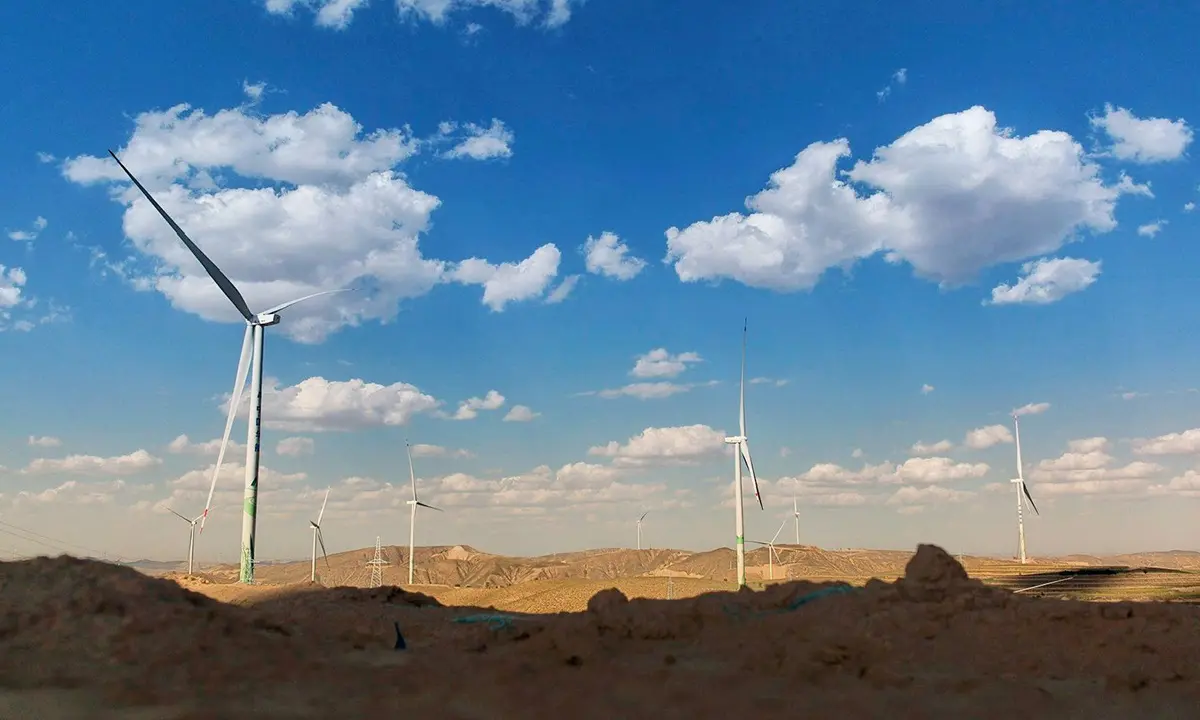
High ambient heat can cause premature thermal tripping. We use specialized insulation layers and anti-corrosive copper components, validating our designs inside constant-temperature test chambers set to 55°C.
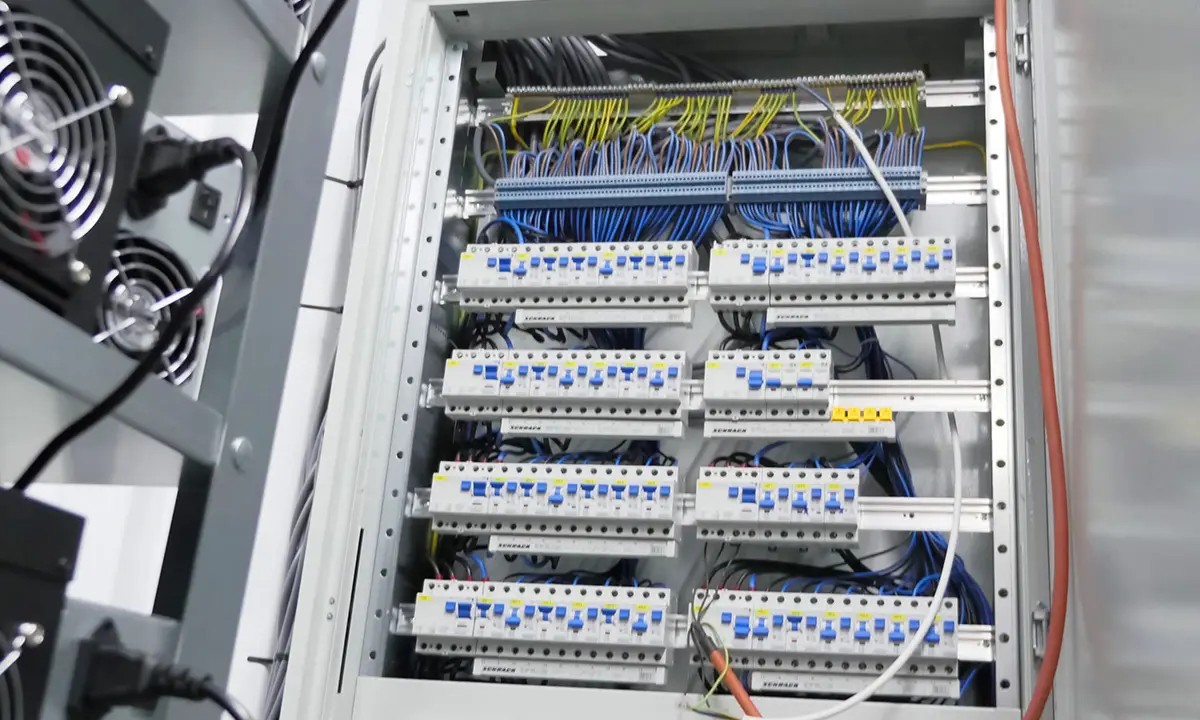
Modern smart grids require real-time power monitoring and remote control. Our intelligent MCCBs combine precise current measurement with support for communication modules, providing a foundation for edge-computing and utility automation.
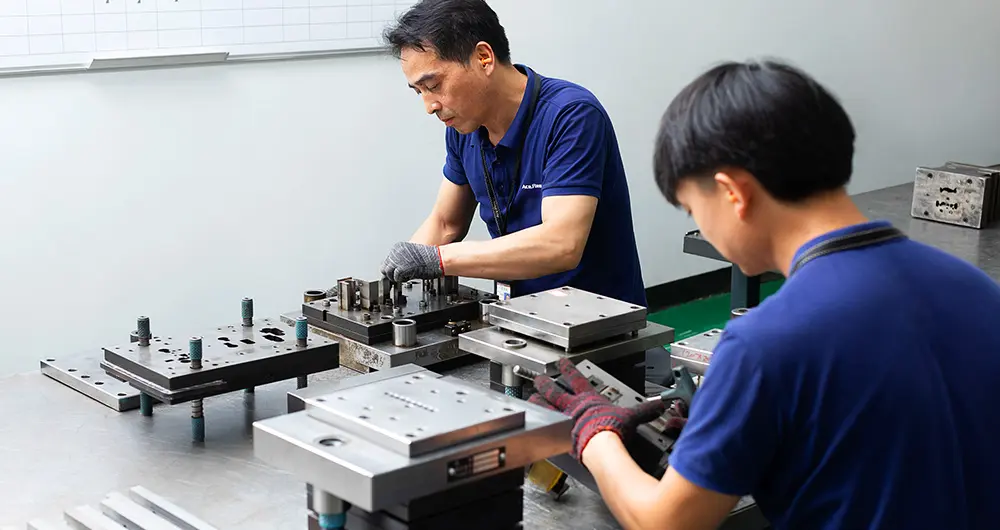
Global B2B procurement managers require more than quality components; they need supply chain security and cost predictability. Our factories employ Factory 4.0 methodologies to manage volatile raw material costs and fluctuating demands.
By integrating ERP, MES, and PLM software platforms, we connect the entire manufacturing process from initial copper stamping to final dielectric testing. This real-time visibility allows us to optimize resource allocation, reduce waste, and keep our prices competitive without compromising quality.
Additionally, carrying out key manufacturing steps on-site—including contact stamping, injection molding, and calibration—helps insulate our production schedules from external supply disruptions. This vertical integration makes us a highly reliable partner for international distribution and large-scale utility projects.
We support your brand's growth by offering flexible customization options, low initial minimum order quantities (MOQs), and full technical support.
Review application requirements and recommend appropriate components.
Select materials and configure custom trip settings.
Finalize contract terms, technical specifications, and delivery plans.
Perform automated assembly followed by laboratory QC testing.
Pack products and arrange shipping according to agreed terms.
We manufacture a wide range of low-voltage protection devices designed for diverse grid configurations.
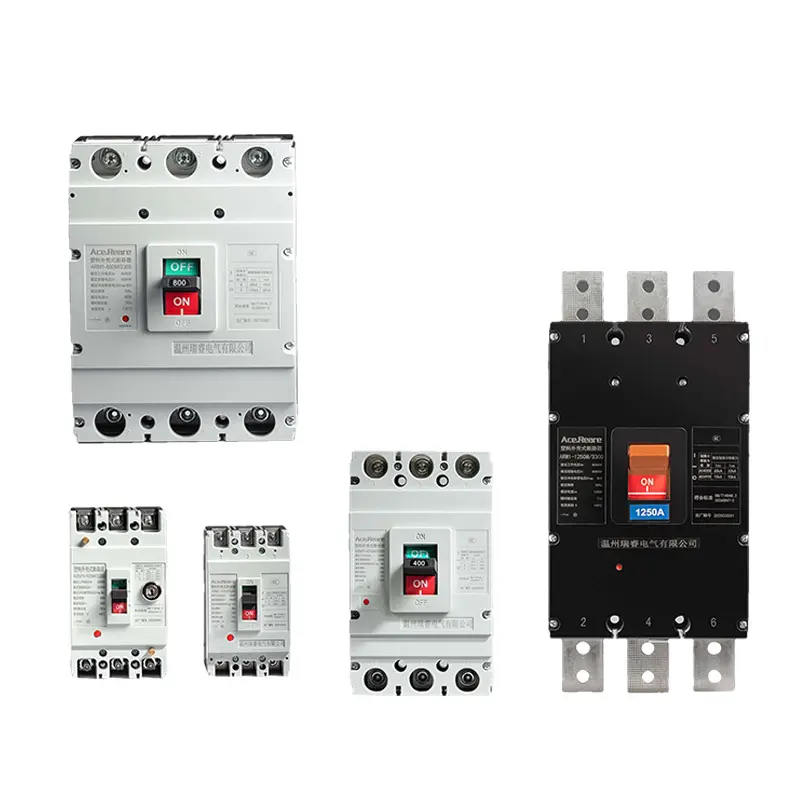
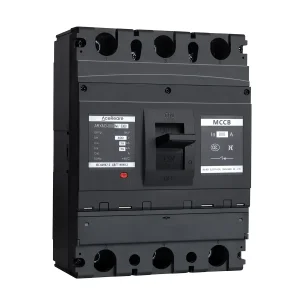
Standard overcurrent and short-circuit protection for general distribution.
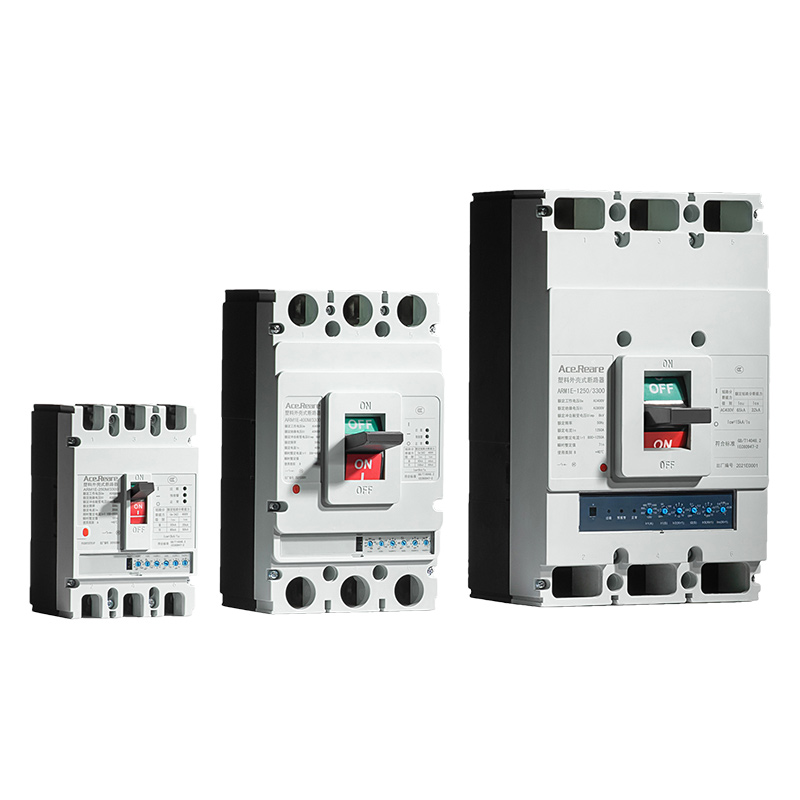
Integrated residual current protection to safeguard personnel and equipment.
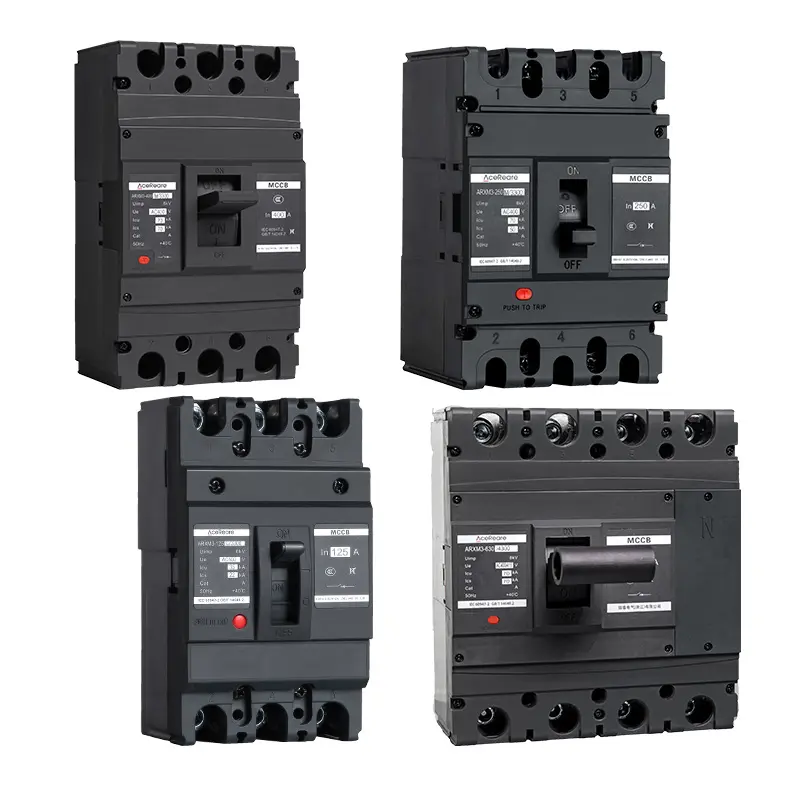
Adjustable thermal and magnetic trip thresholds for varied industrial loads.
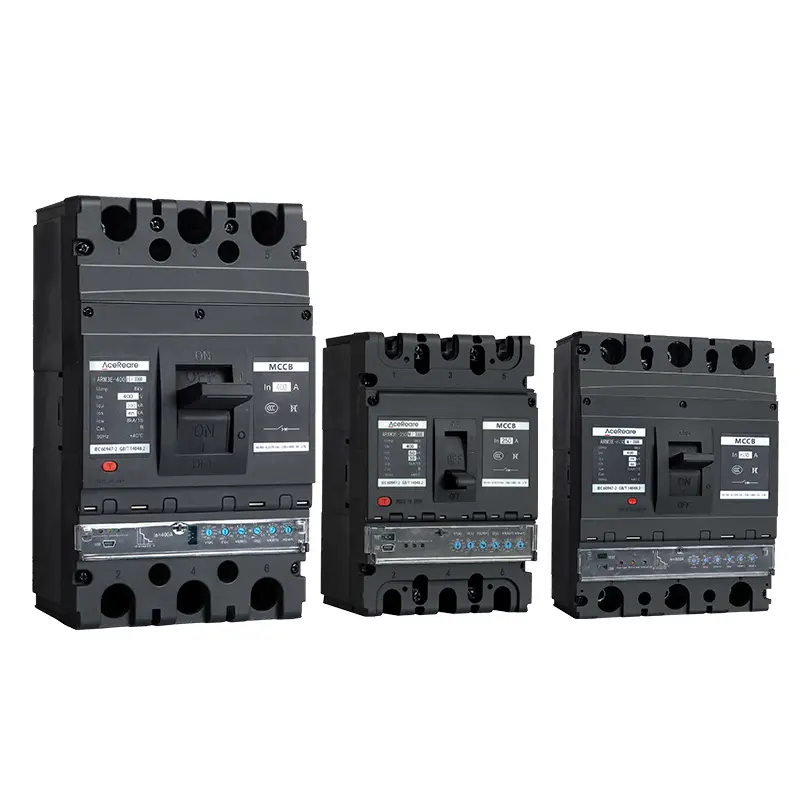
Advanced LSIG electronic protection with communication and metering options.
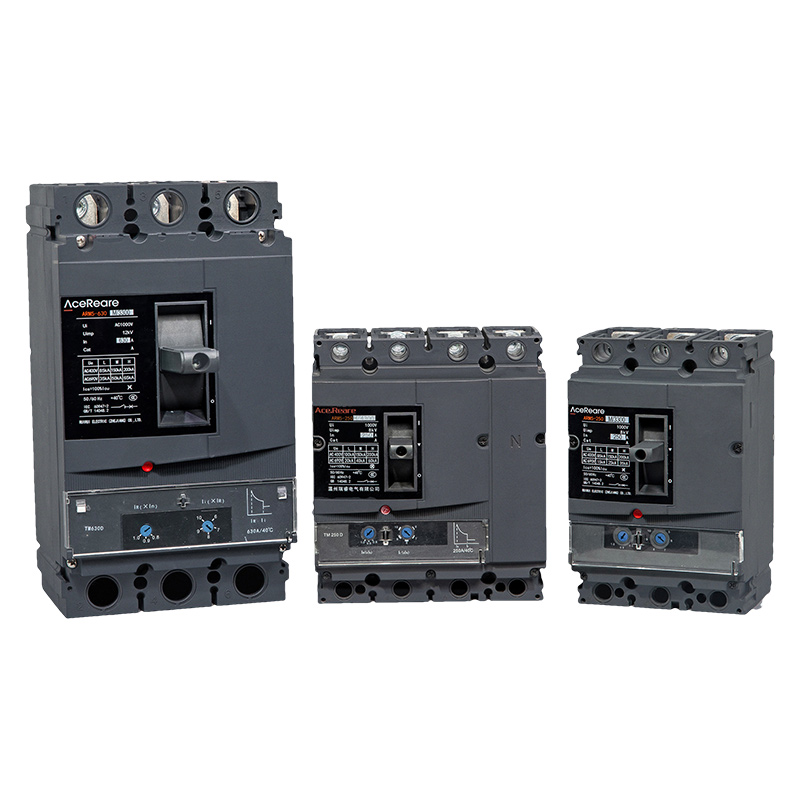
Engineered for high breaking capacities in heavy industrial facilities.
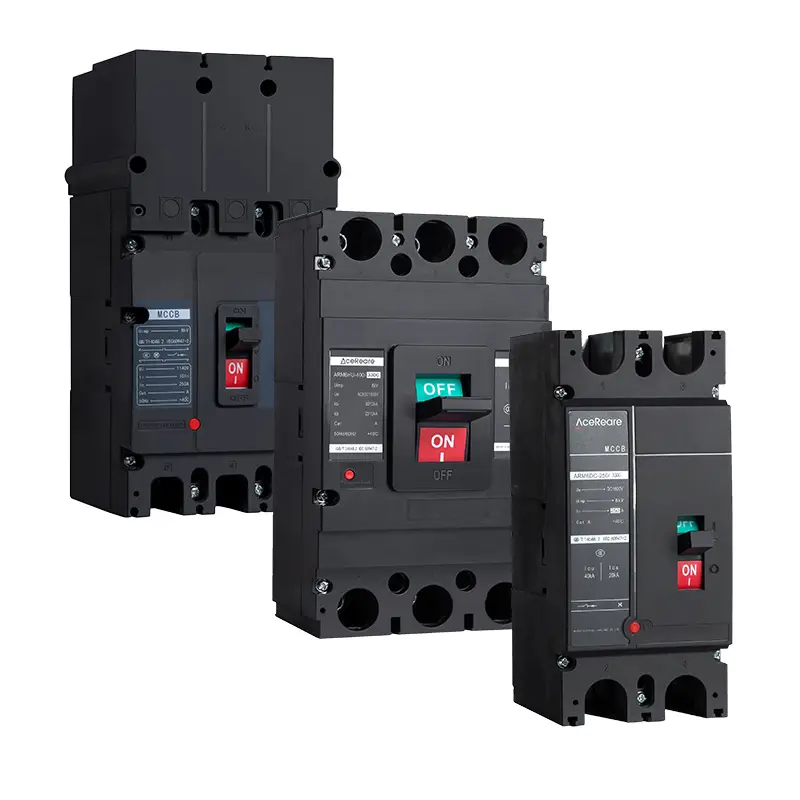
Space-saving protection designed for tight control cabinets.
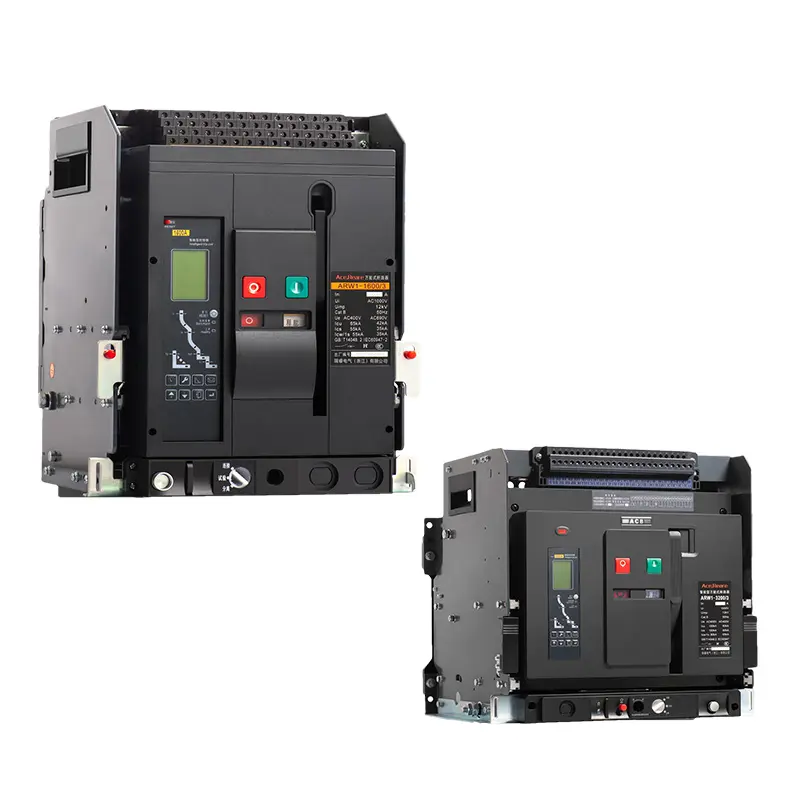
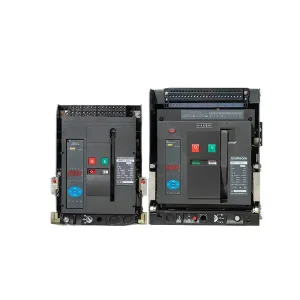
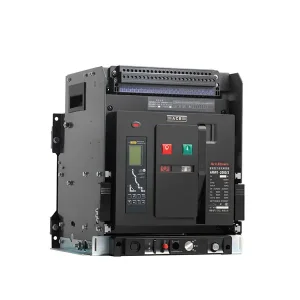
Intelligent air circuit breakers (400A to 6300A) for large power systems.
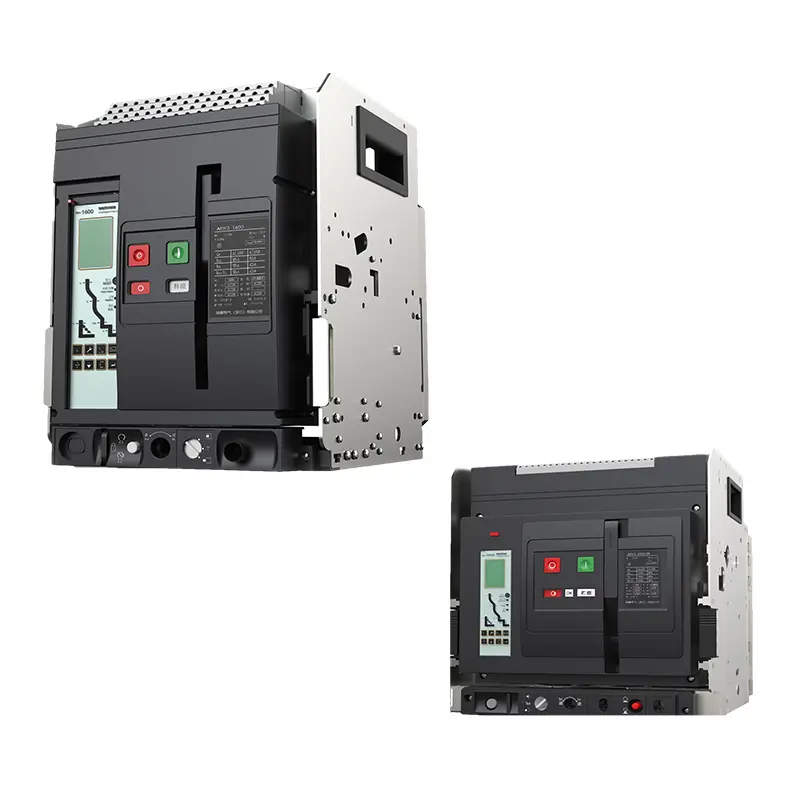
High breaking capacity with multi-grid connectivity options.
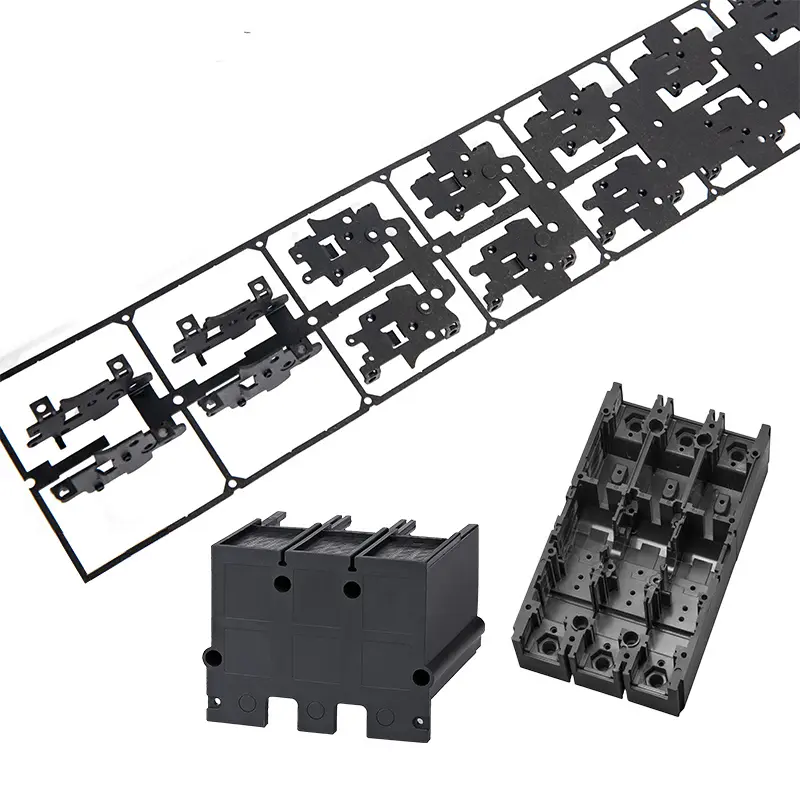
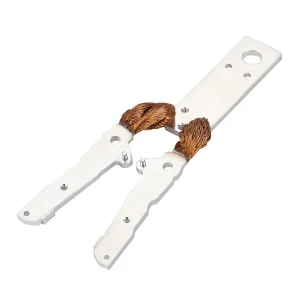
Precision connection plates, busbars, and moving copper contacts.
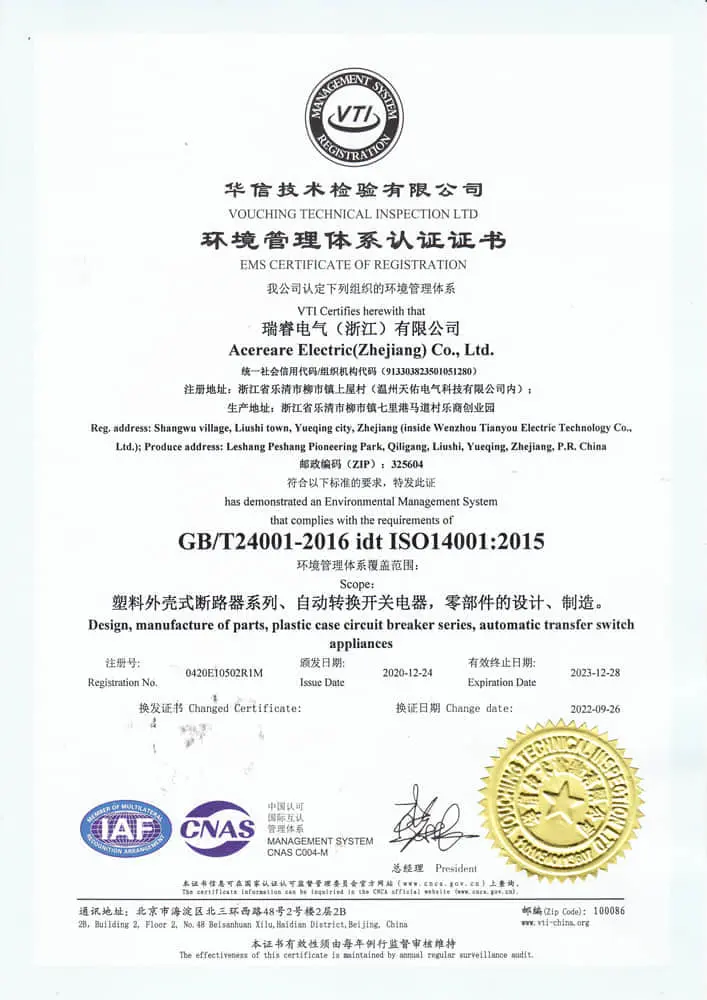
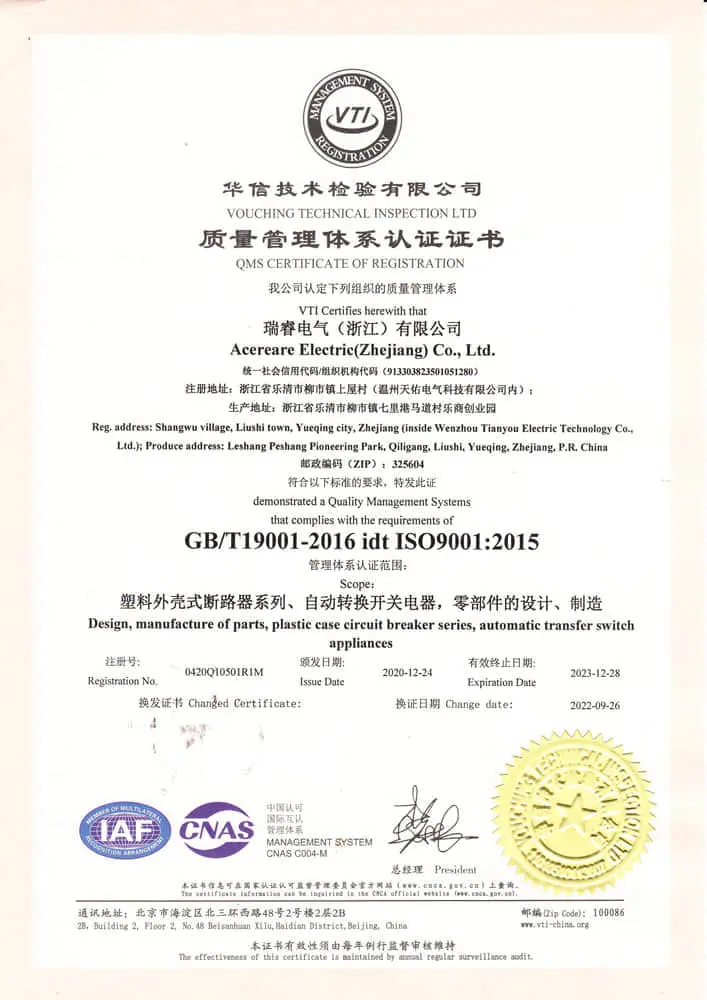
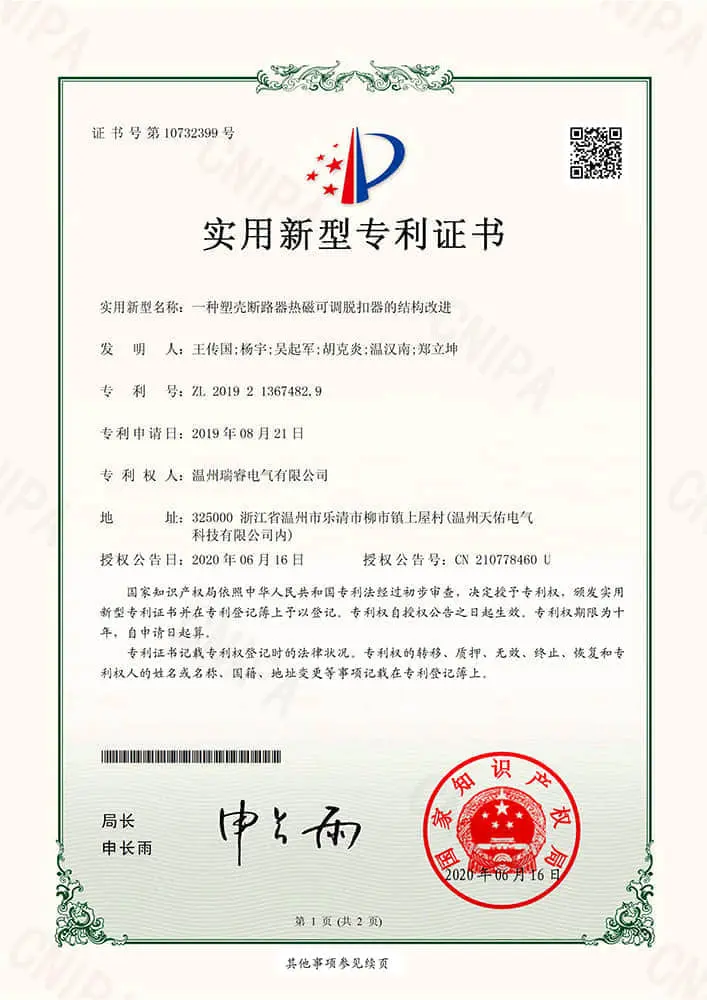
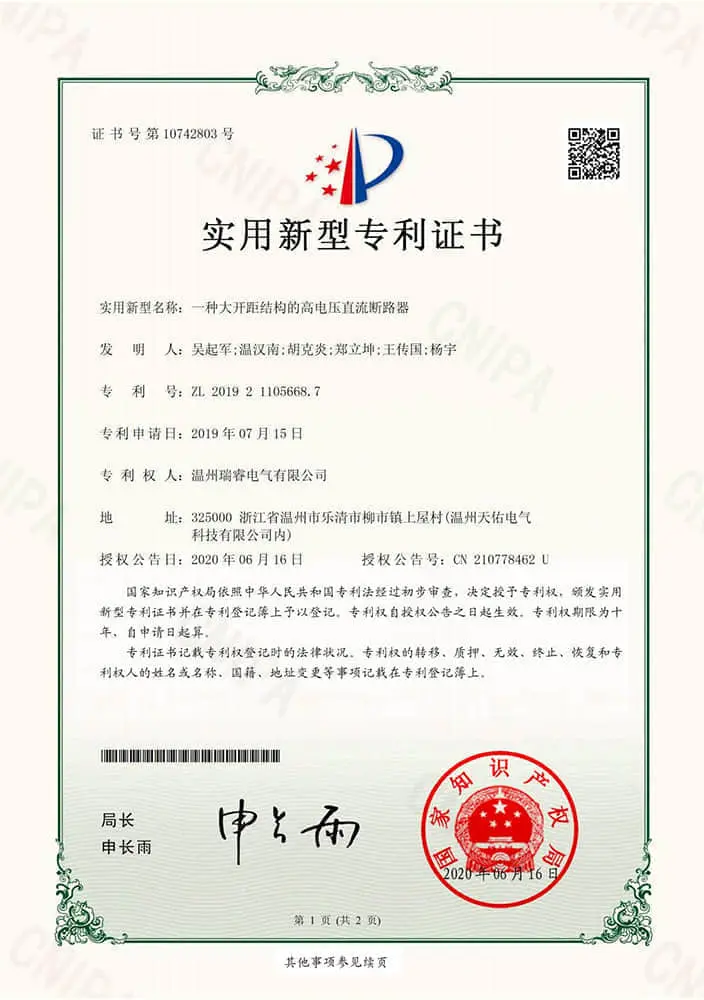
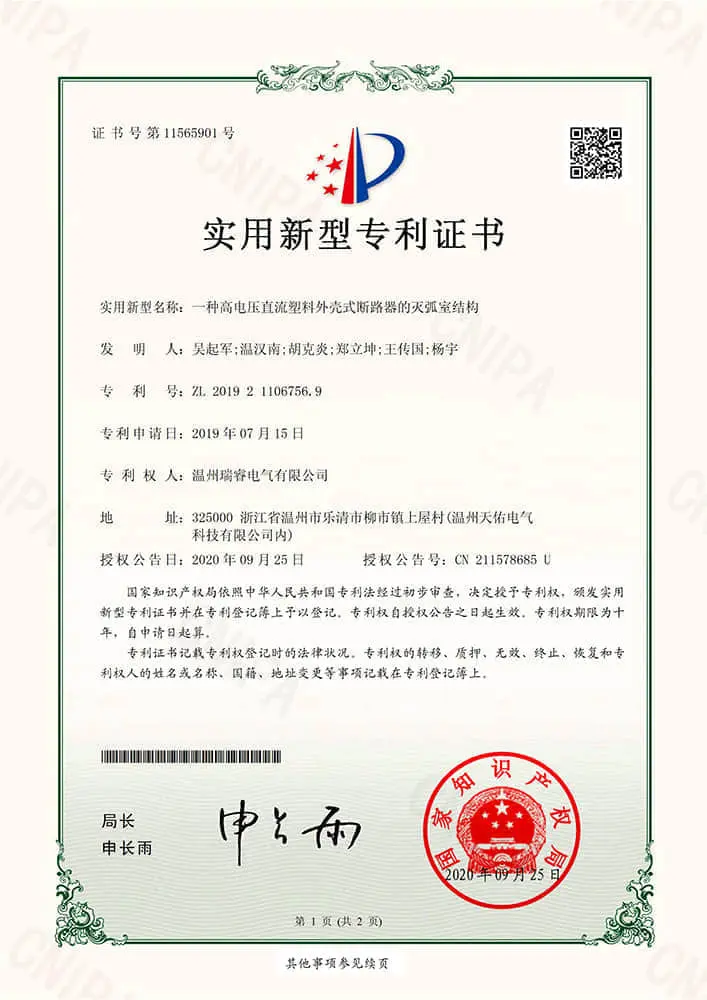
All Acereare low-voltage components undergo testing and hold certifications for domestic and international electrical engineering standards.
Our senior engineering team answers common questions about selecting and troubleshooting MCCBs and ACBs.
A: PV installations operating at 800VAC to 1140VAC generate significant heat due to continuous load patterns and ambient solar radiation inside the combiner box. This heat can cause standard thermal-magnetic breakers calibrated for 40°C to experience premature thermal tripping.
Solution: We resolve this issue in two ways: by using custom internal calibrations for 50°C/55°C operating environments, and by replacing traditional thermal bi-metals with electronic trip units (such as our ARM3E series). These electronic units measure RMS current values directly, making them immune to external ambient temperature fluctuations.
A: At higher altitudes, the thin air reduces heat transfer from the breaker contacts and lowers dielectric strength, which increases the risk of flashovers during overcurrent interruptions.
Solution: In accordance with international standards, we apply a high-altitude derating factor. This involves reducing the rated operational current (Ie) by 1% to 2% for every 100 meters above 2,000 meters, and adjusting the rated impulse withstand voltage (Uimp) downward to prevent flashovers. For these applications, we recommend MCCB frames with larger physical phase barriers and robust arc chutes.
A: Moisture, salt spray, and sulfur in marine air rapidly corrode standard copper terminals, increasing electrical resistance and leading to localized hot spots and terminal failures.
Solution: We treat our connection plates, busbars, and internal moving contacts with electroplated nickel-tin or silver alloy coatings. This provides reliable corrosion resistance during salt spray testing (72 hours for complete units and 48 hours for sub-assemblies), ensuring the electrical integrity of marine power distribution networks.
A: Thermal-magnetic units use a bi-metallic strip and an electromagnetic coil to protect against overloads and short circuits. While reliable, they lack communication capabilities and can drift in response to ambient temperatures.
Solution: Electronic trip units (such as our LSIG models) monitor the load current via integrated current transformers. They support precise adjustment of trip curves, long-time delay, short-time delay, instantaneous trip, and ground fault protection. This allows engineers to coordinate protection schemes across the entire distribution network and monitor system status via smart grid interfaces.
Browse our full range of heavy-duty industrial switchgear, custom-engineered solar photovoltaic breakers, and precision terminal connection plates.
 AceReare