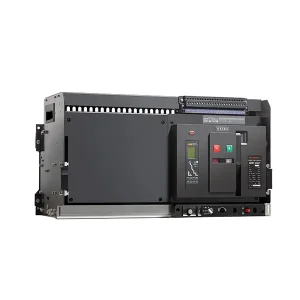
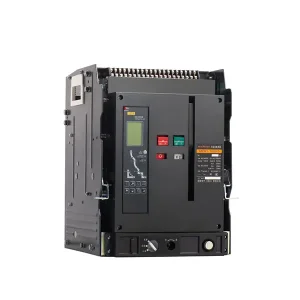
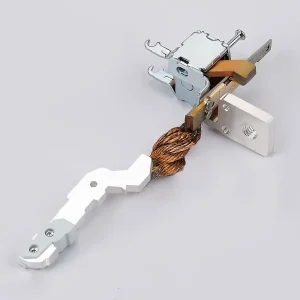
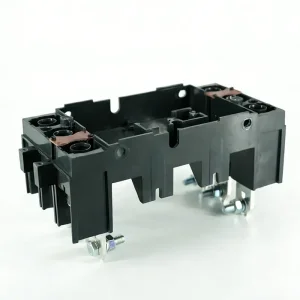
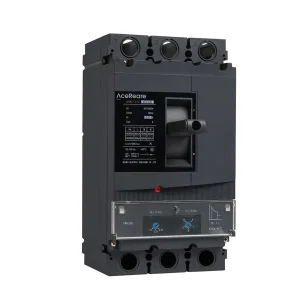
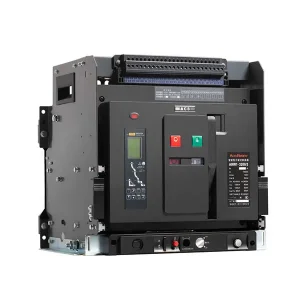
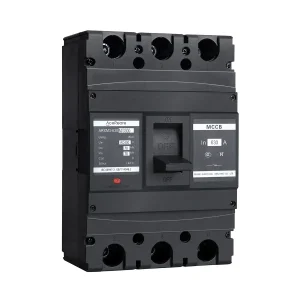
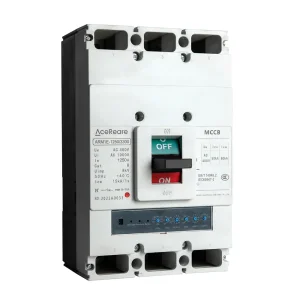
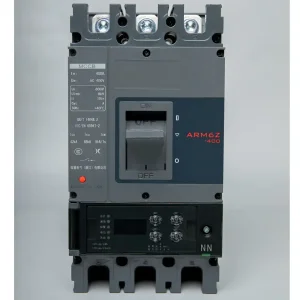
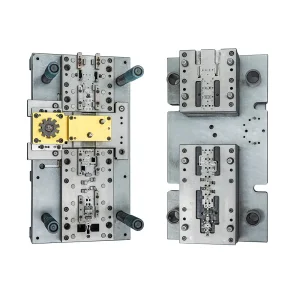
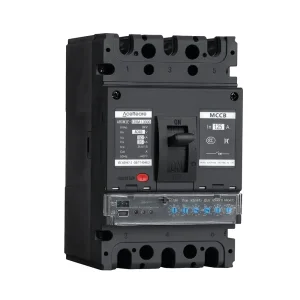
Explore our foundational range of highly calibrated air circuit breakers (ACB), molded case circuit breakers (MCCB), and premium electrical contact components built for extreme reliability.
Understanding the critical physical differences, system-level safety implications, and design demands in heavy industrial direct current power distribution.
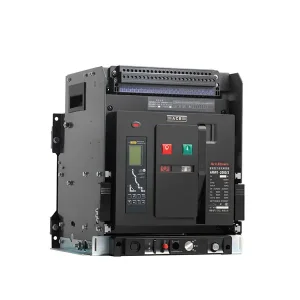
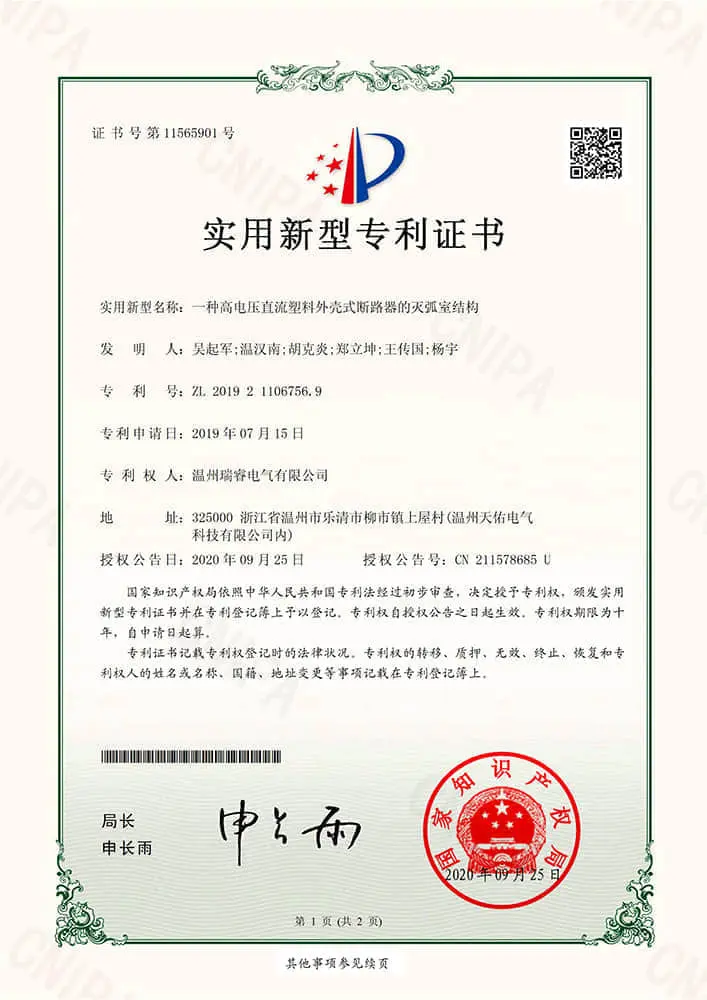
Modern electrical power architectures are undergoing a rapid shift. The rise of multi-megawatt utility-scale solar photovoltaic (PV) plants, extensive battery energy storage systems (BESS), and rapid electric vehicle charging infrastructure has pushed the demand for high-rating Direct Current (DC) protection. While AC grids possess natural voltage zero-crossings every half-cycle—allowing the electrical arc to extinguish relatively easily—DC arcs are self-sustaining and do not cross zero. Consequently, a DC Air Circuit Breaker must mechanically force the arc into extinction by generating a high counter-electromotive force (back-EMF).
In AC air circuit breakers, the system utilizes the periodic reduction of current to zero to restore the dielectric strength of the contact gap. In contrast, a DC Air Circuit Breaker must physically stretch, cool, and segment the arc within milliseconds. When a fault current is detected, the contacts separate, drawing an electrical arc between them. The breaker uses magnetic blowout fields to repel the arc upward into the splitter plates (arc chutes), where the single arc is cut into series-connected micro-arcs. This rapidly cools the plasma, raises the overall resistance of the arc path, and causes the current to decay to zero.
Founded in 2015, Acereare Electric operates through its two wholly-owned subsidiaries, "RuiRui Electric" and "KeRui Electric". We represent an industry-leading original equipment manufacturer (OEM/ODM) built upon over 20 years of technical expertise passed down through two generations of electrical craftsmanship.
With a comprehensive product ecosystem focusing on Molded Case Circuit Breakers (MCCB), Air Circuit Breakers (ACB), and premium copper contact components, we have established long-term strategic supply relationships with nearly 100 high-end domestic and global buyers.
Our operational framework is structured to deliver uncompromising product quality, fast lead times, and continuous innovation.
We provide standard and customized electrical solutions across six core processing techniques. Utilizing high-precision manufacturing equipment alongside more than 10 manual and automated assembly lines ensures consistent quality and rapid scaling.
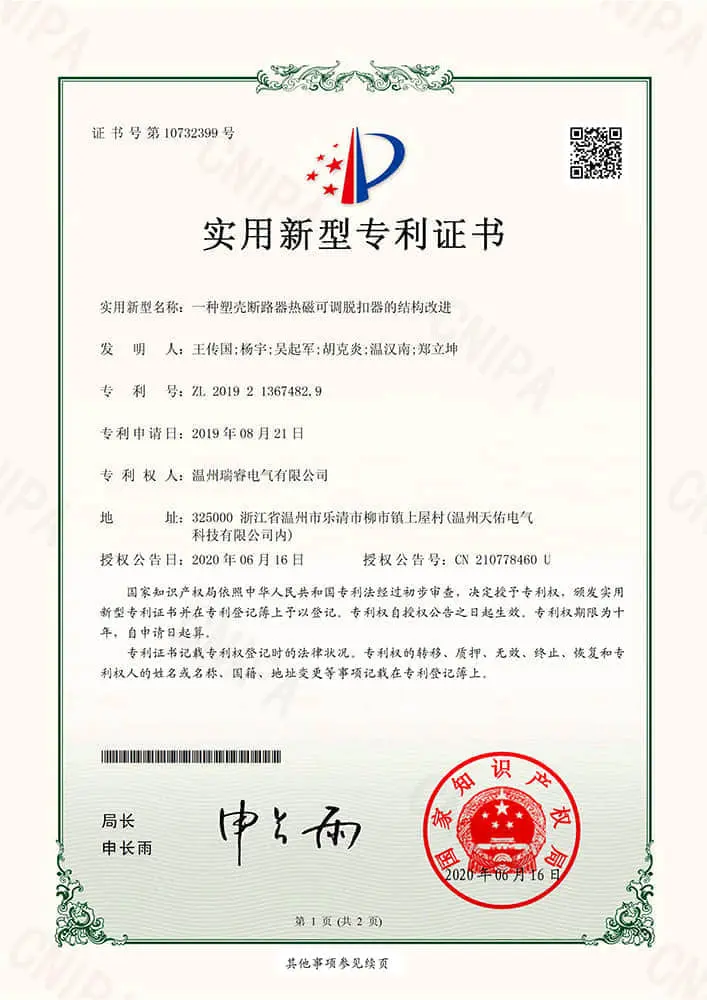
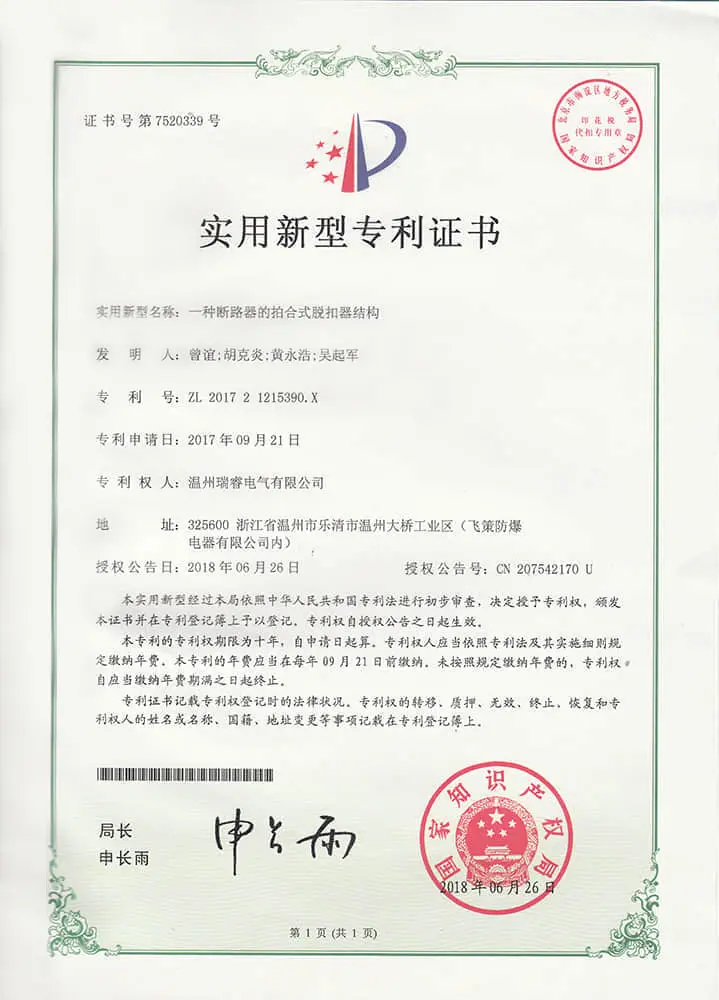
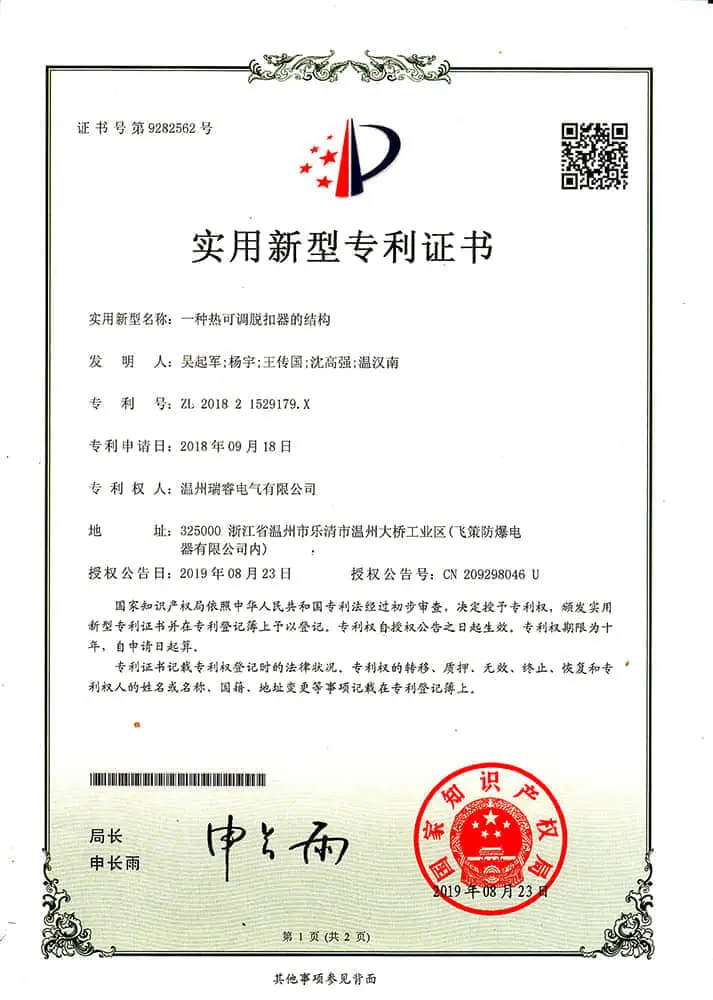
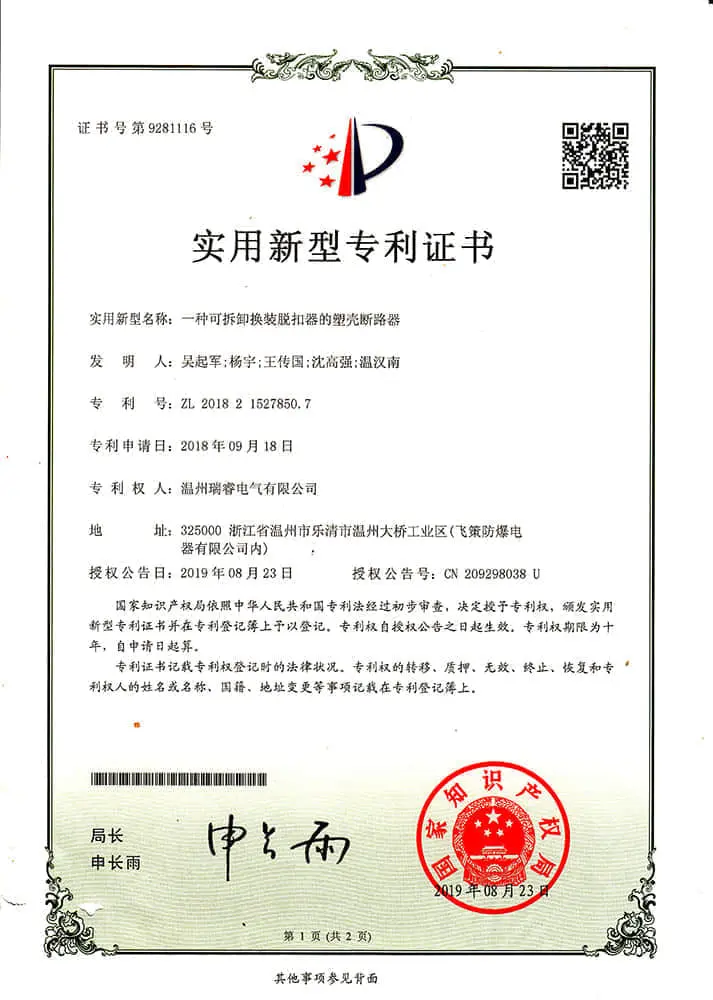
With a dynamic engineering cohort of over 50 product designers and electrical engineers, we design component molds and mechanical structures in-house using advanced 3D modeling software, executing over 50 R&D projects annually.
By operating two separate manufacturing centers—one dedicated to metal and plastic components, and the other to finalized breaker assembly—we secure our supply lines. Operations are managed using ERP and U8 logistics software.
Our on-site test facility includes over 150 dedicated testing instruments managed by 20+ specialized inspectors. Product lifecycles, material properties, and tolerances are cataloged through PLM, BI, ERP, and MES software platforms.
How our smart factory infrastructure optimizes materials usage, lowers processing overhead, and protects global buyers from sudden supply shocks.
Industrial electrical manufacturing requires precise control over raw material costs, particularly for commodities like electrolytic copper, structural steel, and silver contacts. Acereare's manufacturing facilities utilize a vertically integrated supply model. We run internal metal stamping, molding, and silver-plating workshops. This structure reduces standard production markups and protects critical component supply from external price fluctuations.
Additionally, our factories have deployed digital manufacturing executing systems (MES). By tracking each production step—from raw material receipt to finished circuit breaker testing—we can offer complete batch traceability. This ensures that every breaker shipped meets international performance standards.
Our circuit breakers are designed, tested, and rated to operate under demanding environmental conditions across diverse industrial markets.
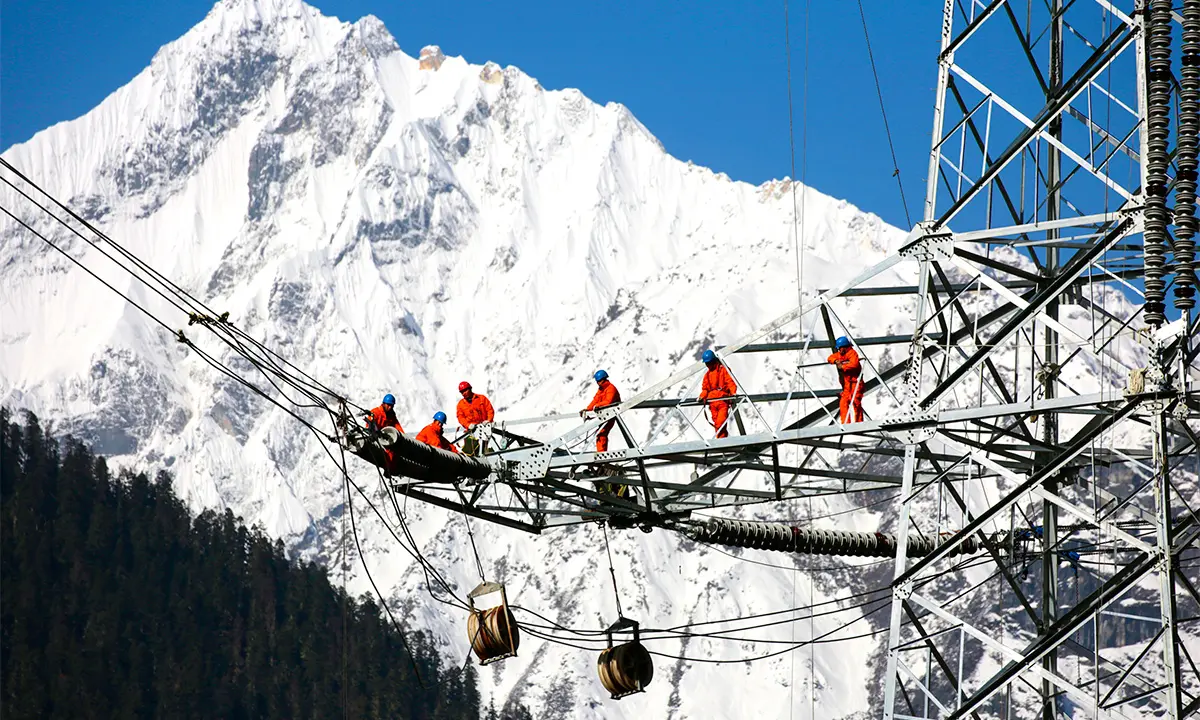
We use low-temperature resistant structural resins and specialized low-viscosity mechanical lubricants. Our components are certified to operate reliably down to -40°C, ideal for wind turbines and arctic industrial facilities.

Designed for docks, offshore platforms, and coastal installations. Our breakers endure up to 72 hours of salt spray testing for finished products and 48 hours for key internal sub-assemblies to prevent corrosion-induced mechanical failure.
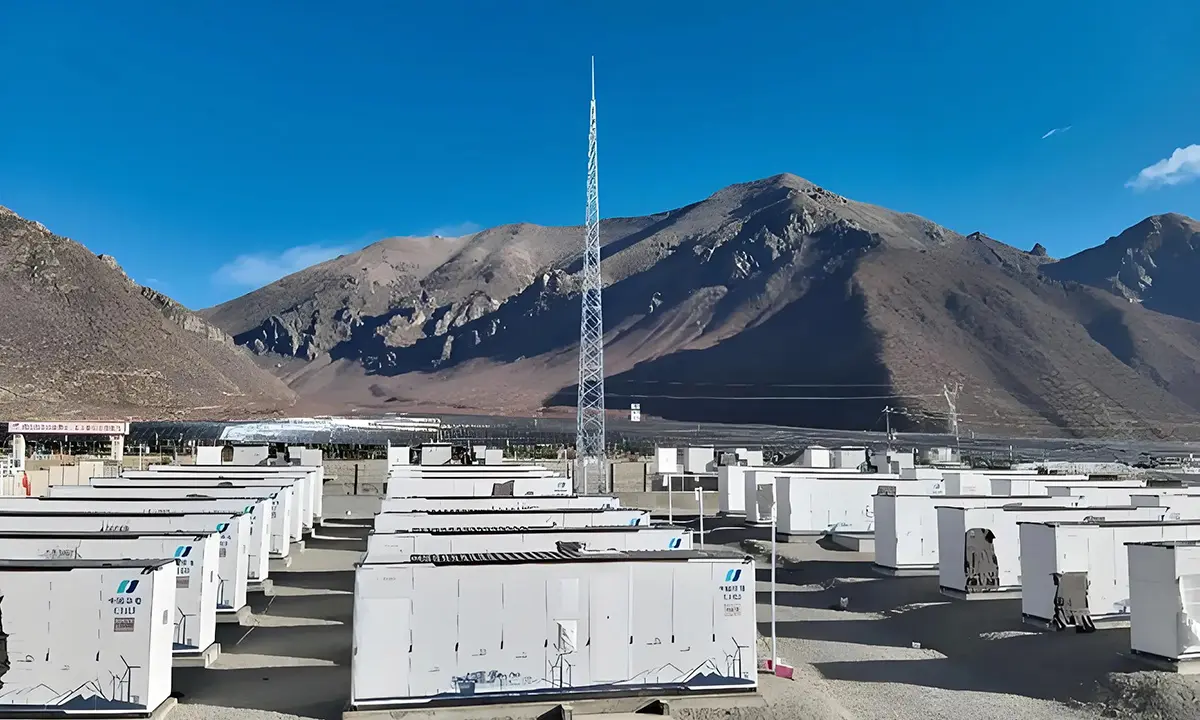
For installations above 2,000 meters, thin air reduces heat dissipation and dielectric insulation. We apply specific high-altitude derating coefficients to ensure safe, stable operation under low atmospheric pressure.

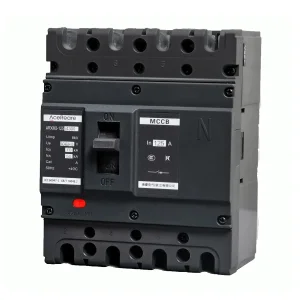
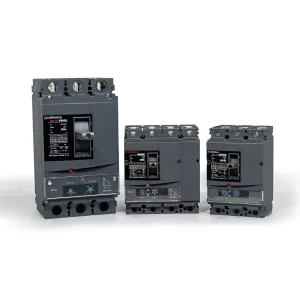
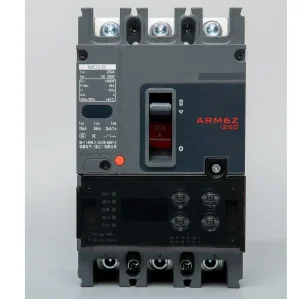
Our molded case circuit breakers offer compact size and simple installation, providing essential overcurrent and short-circuit protection for modern high-density distribution panels and smart home systems.
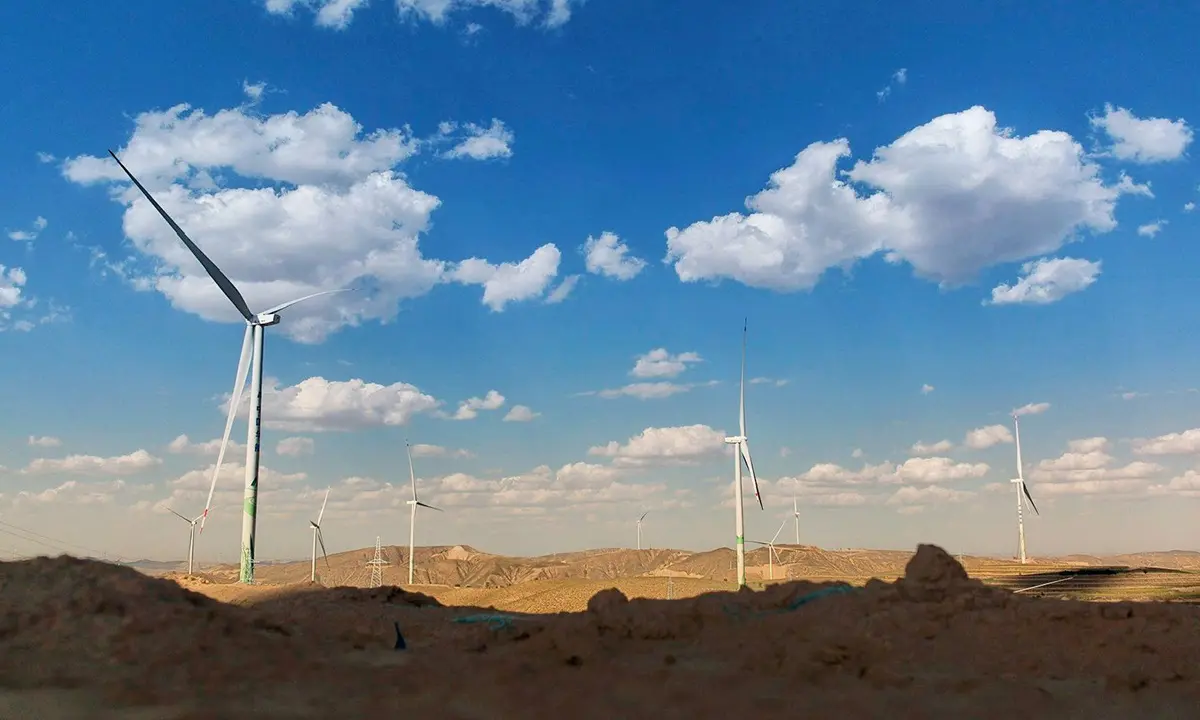
For operations in desert regions or hot machinery rooms, our breakers use high-temperature housing polymers and heat-insulating barriers. We test and verify performance in our 55°C constant-temperature chambers.
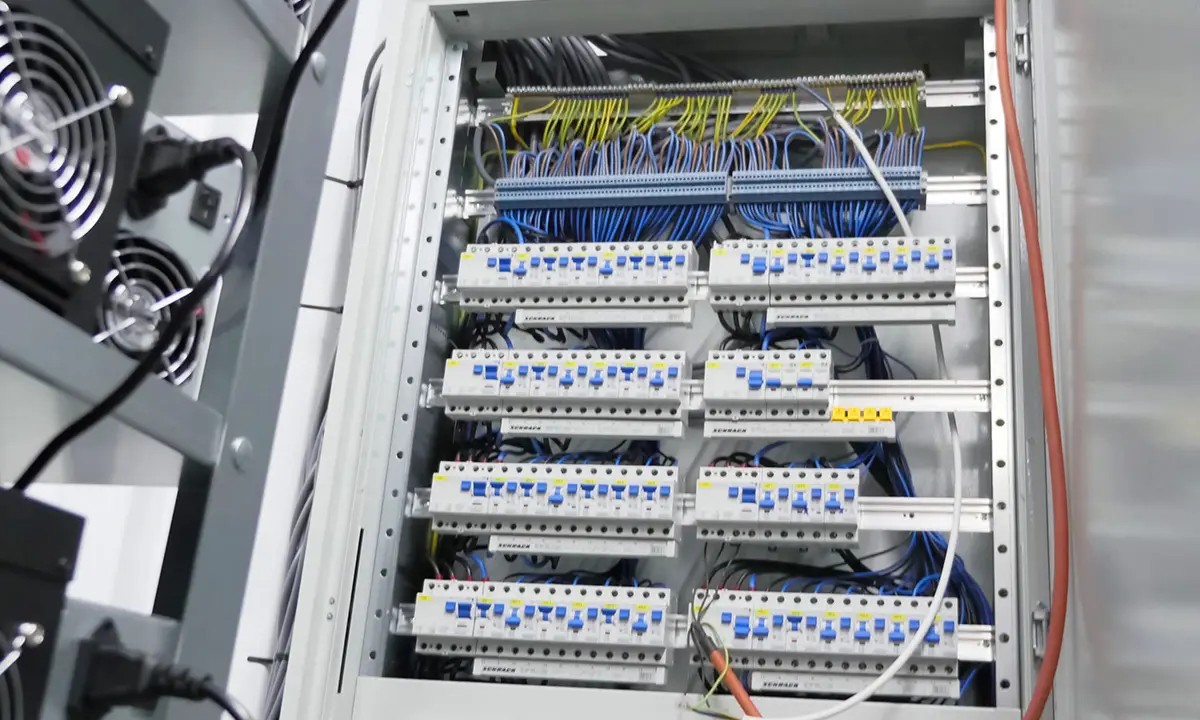
Equipped with open communication protocols and integrated microprocessors, our smart breakers support remote data acquisition, precise power monitoring, and diagnostic reporting for smart grid integration.
Developing next-generation smart distribution technologies to support clean energy grids and electrified transport networks.
The future of circuit protection is shifting toward solid-state designs, predictive maintenance, and modular IoT integrations. At Acereare, our R&D roadmap is focused on three primary areas:
We offer customized engineering, private labeling, and packaging solutions to support global brands and distribution partners.
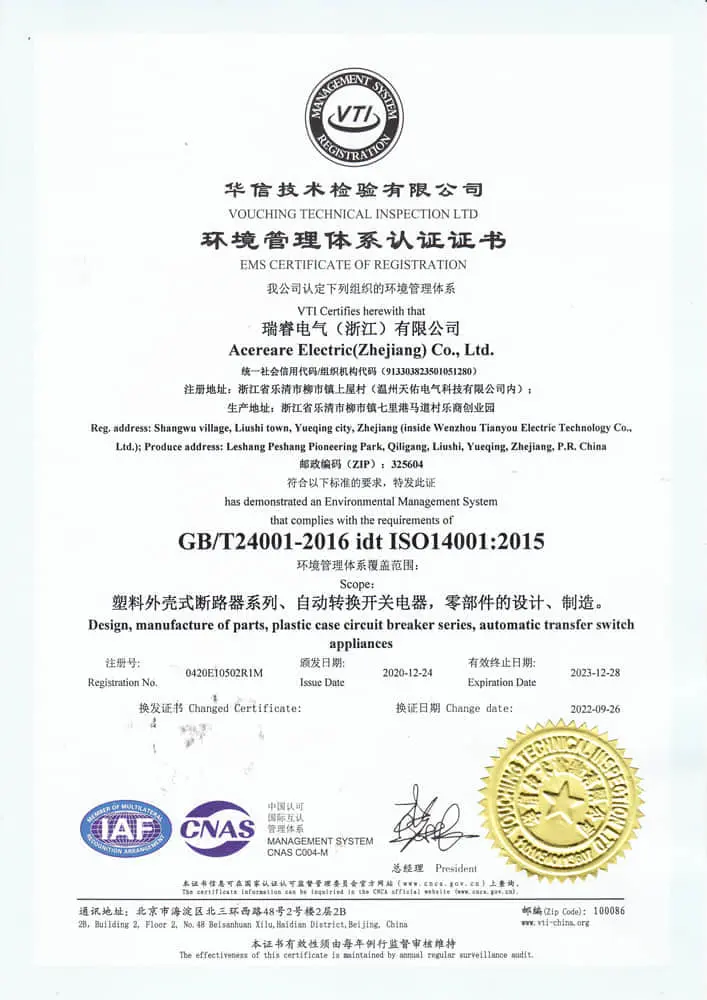
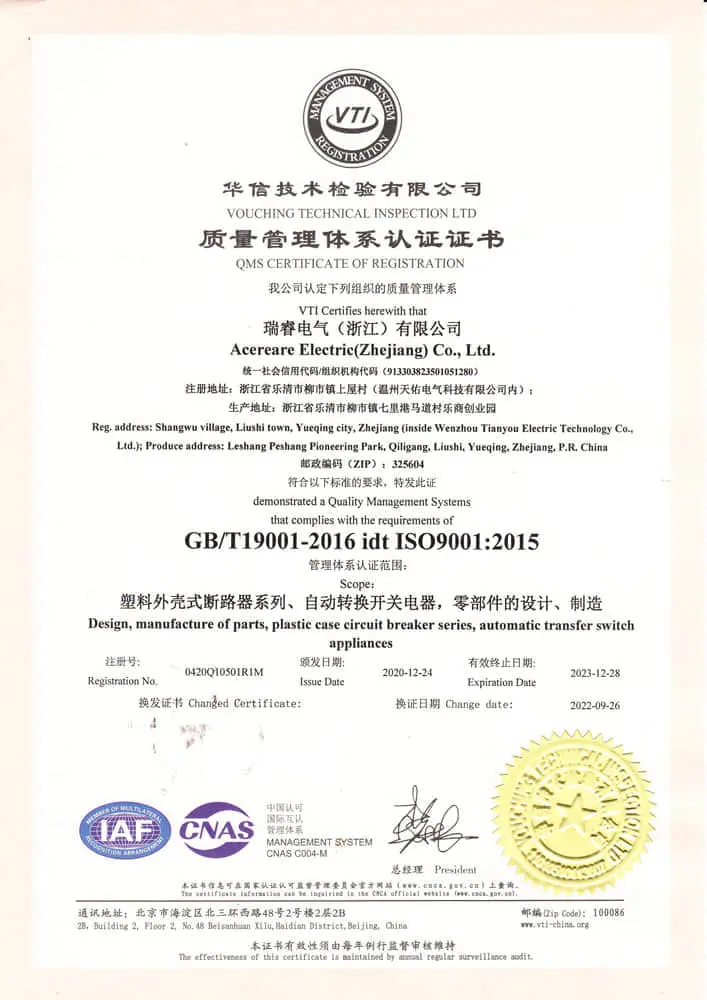
Our production and quality assurance processes comply with global safety standards, including ISO9001, CCC, CE, and relevant international test benchmarks.

Answers to common questions regarding DC circuit protection selection, factory capabilities, and technical requirements.
Selection depends on arc control. AC breakers rely on natural current zero-crossings to extinguish the arc, whereas DC breakers must force arc extinction by generating high arc voltages through magnetic blowouts and physical arc stretching. Selecting an improperly rated AC breaker for a DC circuit can lead to catastrophic arc failures.
High purity copper with silver electroplating or solid silver-alloy tips (such as silver-nickel or silver-tin-oxide) minimizes contact resistance. This helps prevent localized thermal hot spots, lowers voltage drops across the terminals, and resists surface oxidation and welding during high-fault current events.
Higher altitudes feature lower air density, which reduces convective cooling and lowers the dielectric breakdown strength of the air. Circuit breakers operating in these conditions must be derated for both operational current and rated insulation voltage, using correction tables to ensure safe performance.
Acereare's manufacturing processes and finished products comply with international standards. We supply CE, CCC, and ISO 9001 compliance documentation, and can support customer-driven testing for UL or DEKRA certifications through third-party laboratories.
Browse our catalog of circuit breakers and accessories, engineered to deliver reliable protection across diverse power infrastructures.
 AceReare