 AceReare
1 / 5
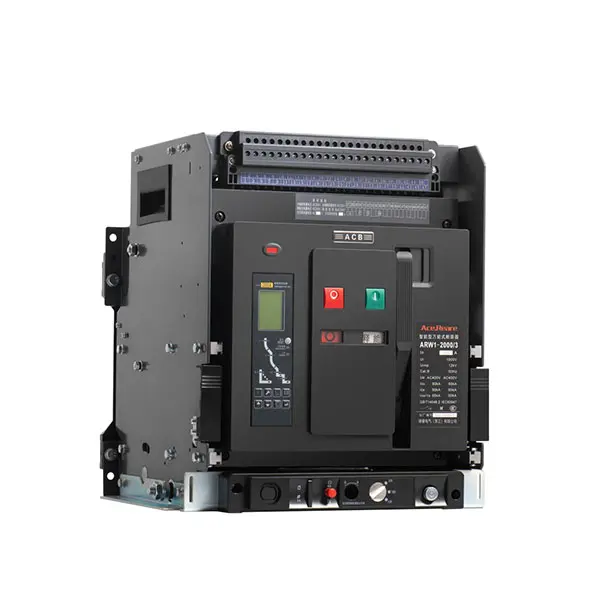
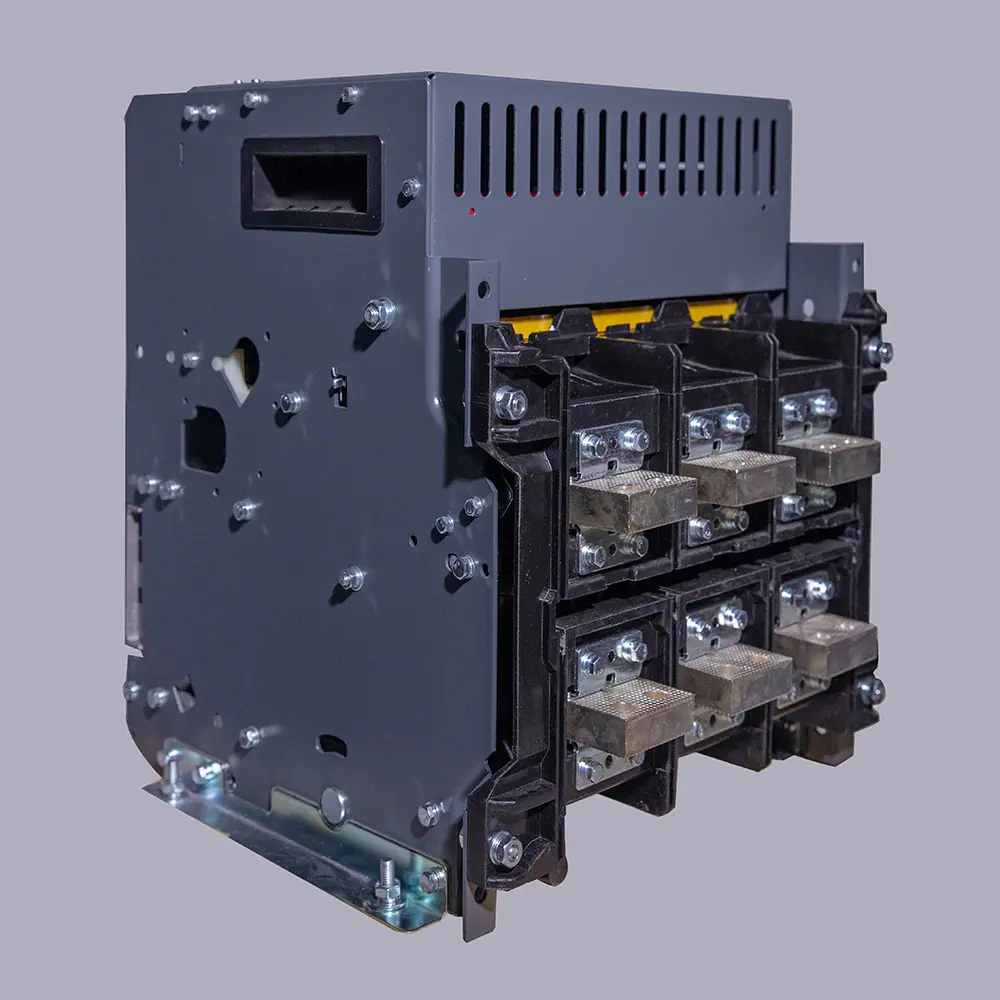
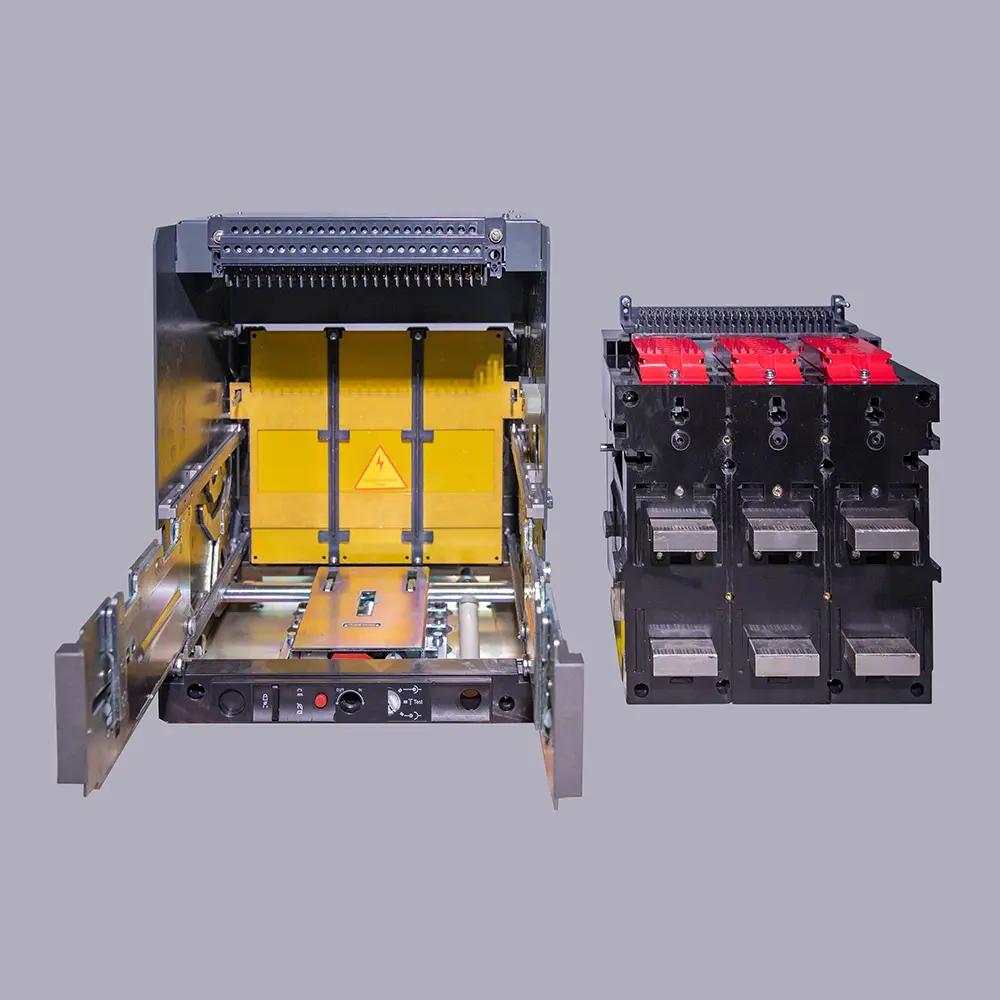
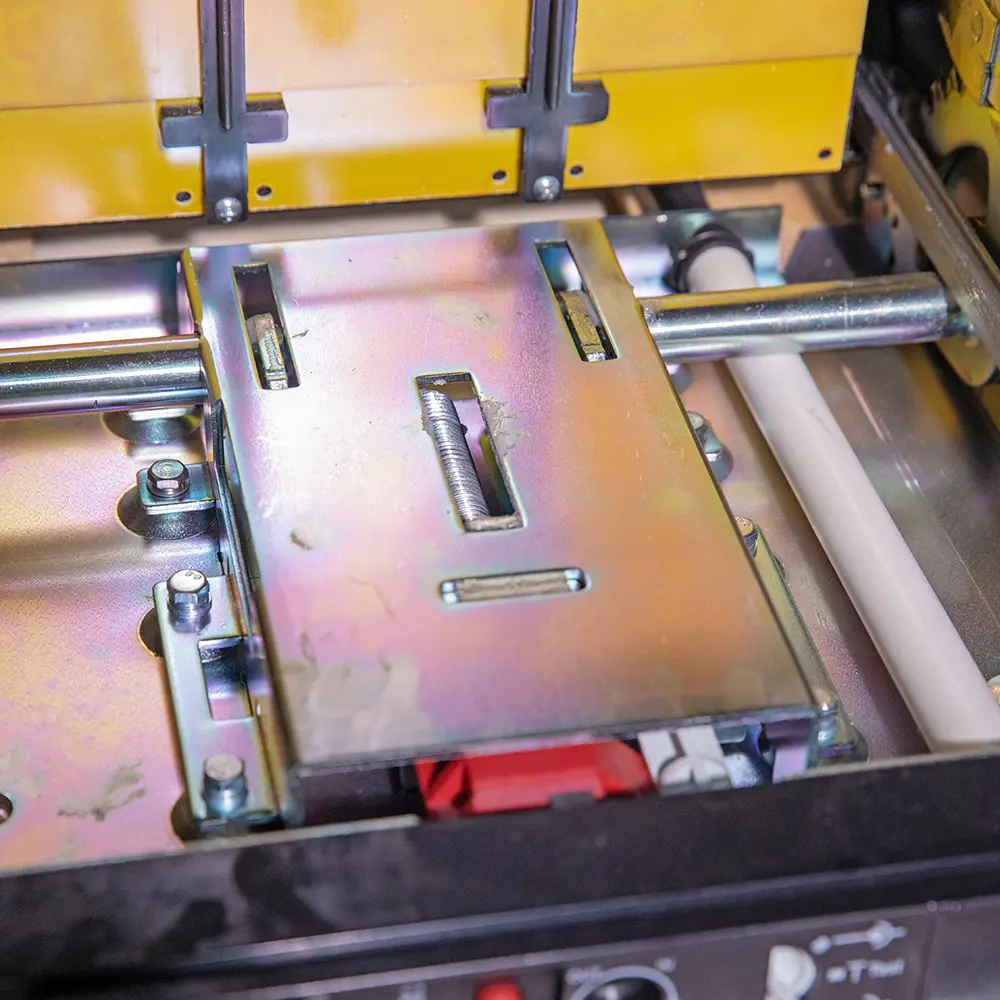
Several components work together in an ACB. One of the main features is a blast valve. When the arcing contacts separate and the arc forms, the blast valve opens arc chutes. Pressurized air pushes through the arc, disconnecting it from the contacts.
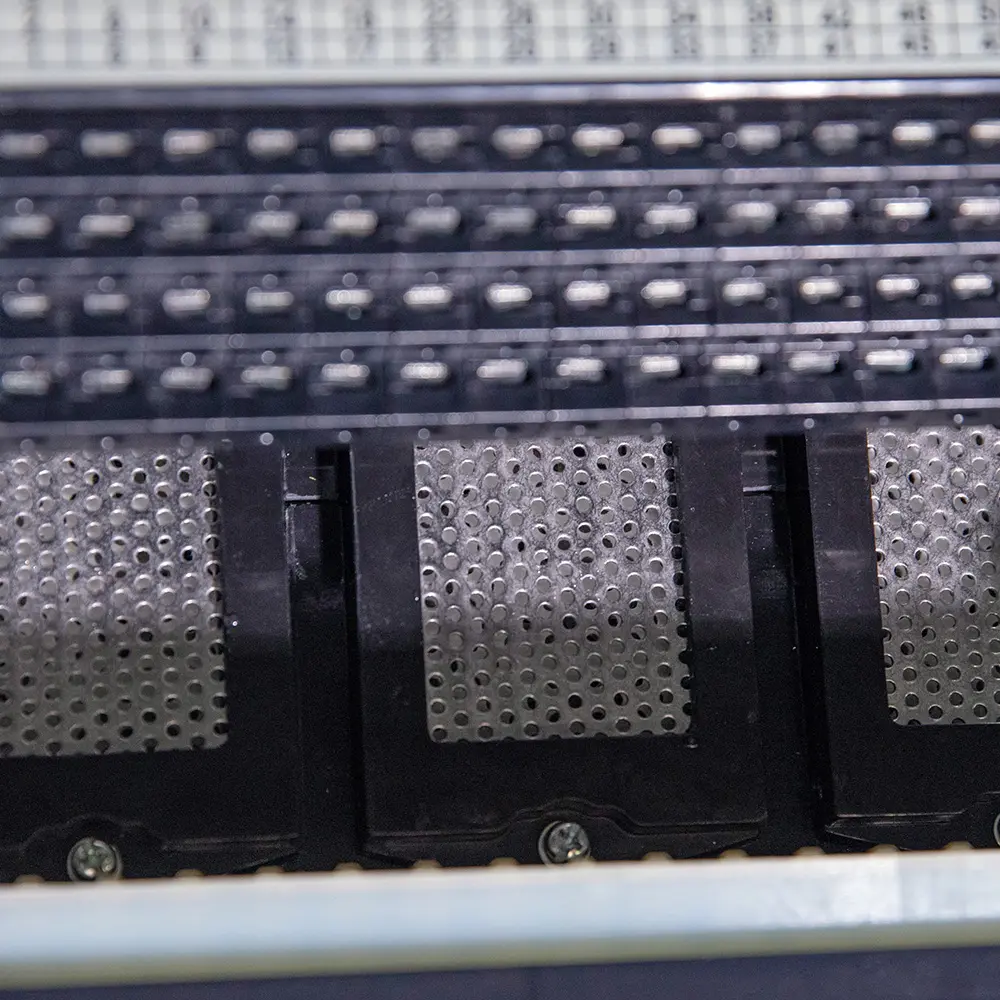
The pressurized air pushes the arc towards arcing probes and rings. These are conductive elements that help to move the arc away from the contacts. As the arcing contacts get farther apart, the arcing probes and coils get closer together, allowing them to attract the arc.
The arc is moved into the chutes toward an arcing electrode. Eventually, the arc is pushed through the chutes and stretched until it is completely eliminated.
Risus commodo viverra maecenas accumsan lacus vel facilisis.
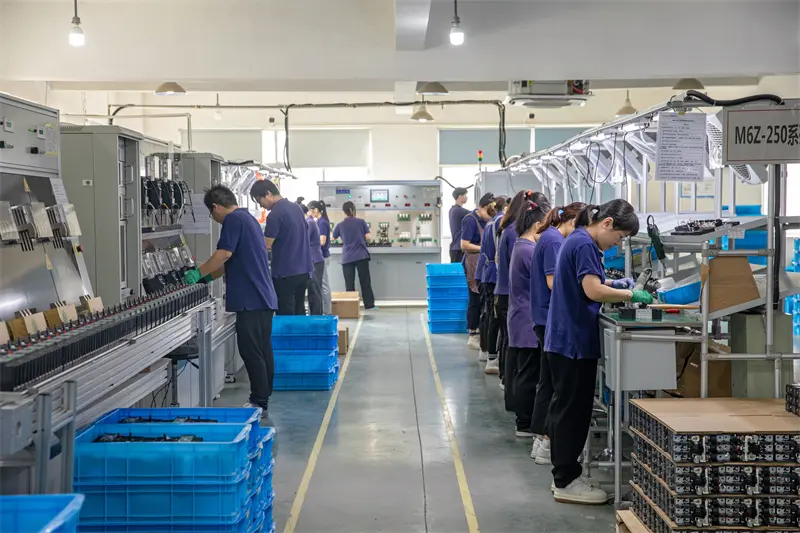
Risus commodo viverra maecenas accumsan lacus vel facilisis.
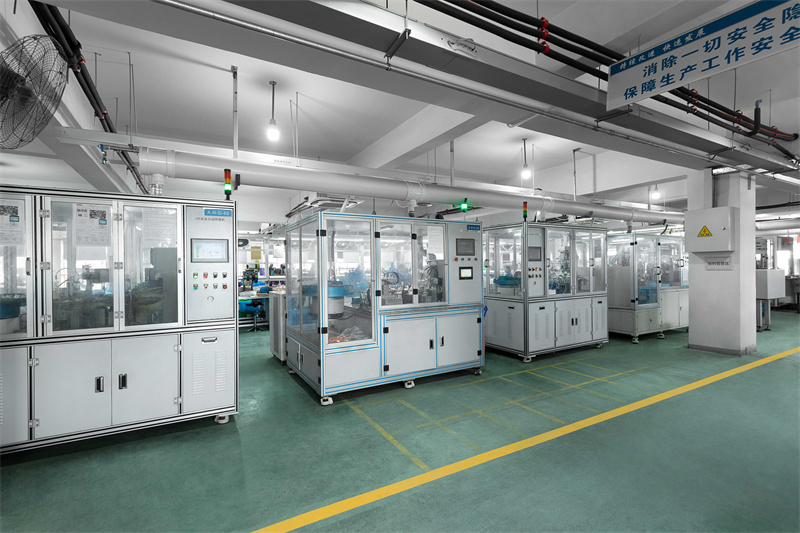
Risus commodo viverra maecenas accumsan lacus vel facilisis.
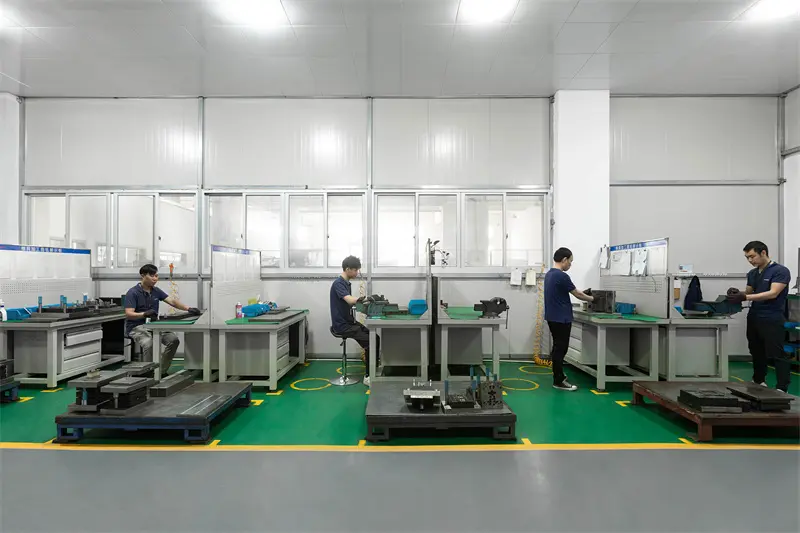
Risus commodo viverra maecenas accumsan lacus vel facilisis.
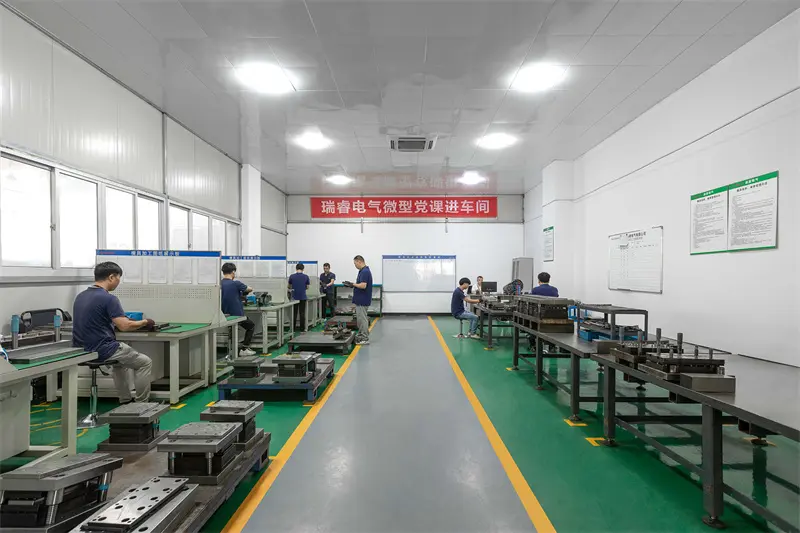
Risus commodo viverra maecenas accumsan lacus vel facilisis.
Risus commodo viverra maecenas accumsan lacus vel facilisis.
Risus commodo viverra maecenas accumsan lacus vel facilisis.
Risus commodo viverra maecenas accumsan lacus vel facilisis.
The blast valve is a critical feature that opens the arc chutes when the arcing contacts separate. It allows pressurized air to force its way through the arc, effectively disconnecting it from the contacts.
Arcing probes and rings serve as conductive elements that guide the arc away from the main contacts. As the contacts separate further, these probes and coils draw closer together to attract and capture the arc.
Once inside the chutes, the arc is directed toward an arcing electrode. The pressurized air continues to push it through the chutes, stretching the arc until it is completely extinguished.
The process relies on the coordinated action of the arcing contacts, the blast valve, pressurized air, arc chutes, conductive arcing probes, rings, coils, and the arcing electrode.
As the arcing contacts move further apart, the arcing probes and coils naturally get closer together. This spatial shift allows them to magnetically and physically attract the arc away from the main contacts.