 AceReare
1 / 5
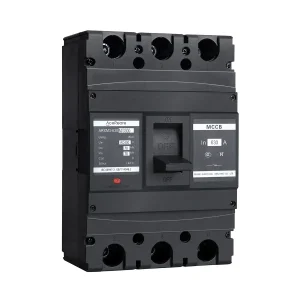
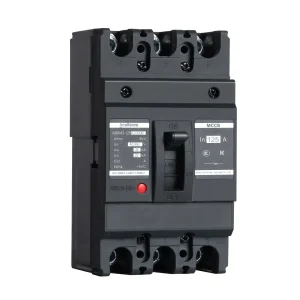
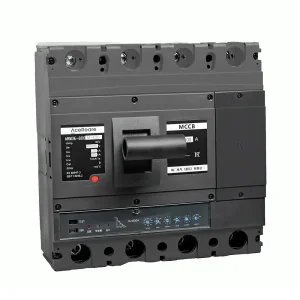
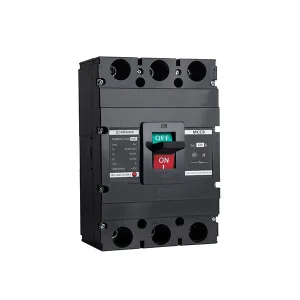
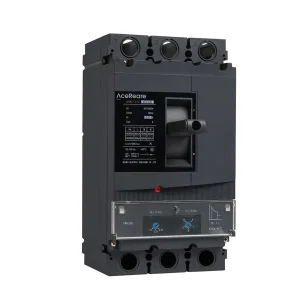
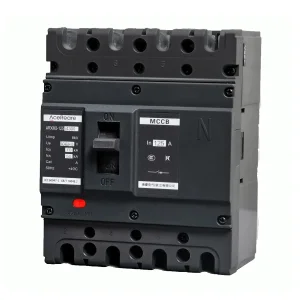
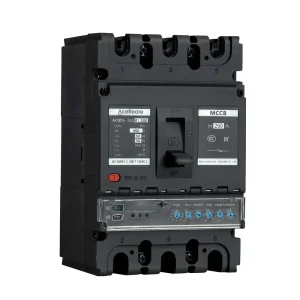
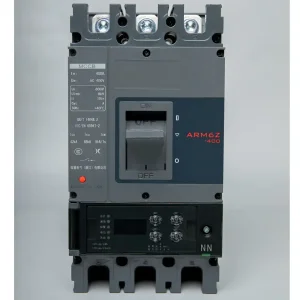
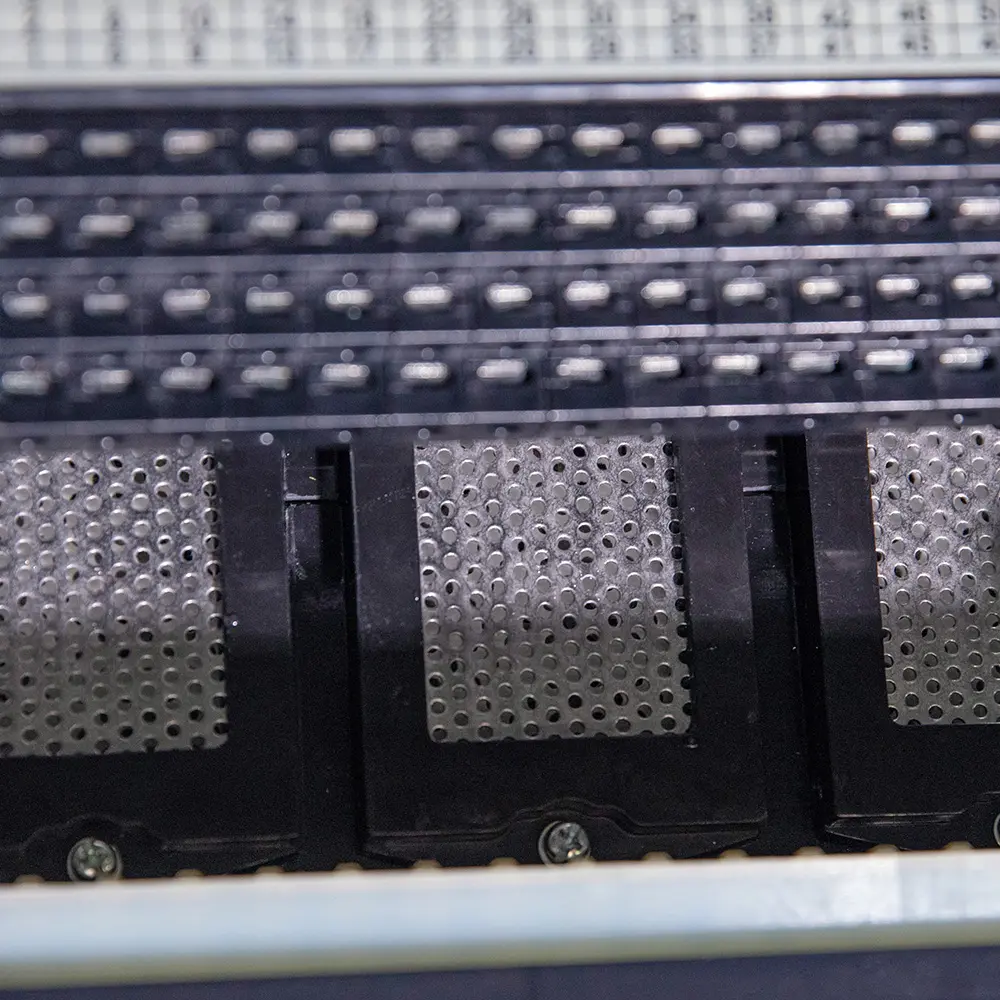
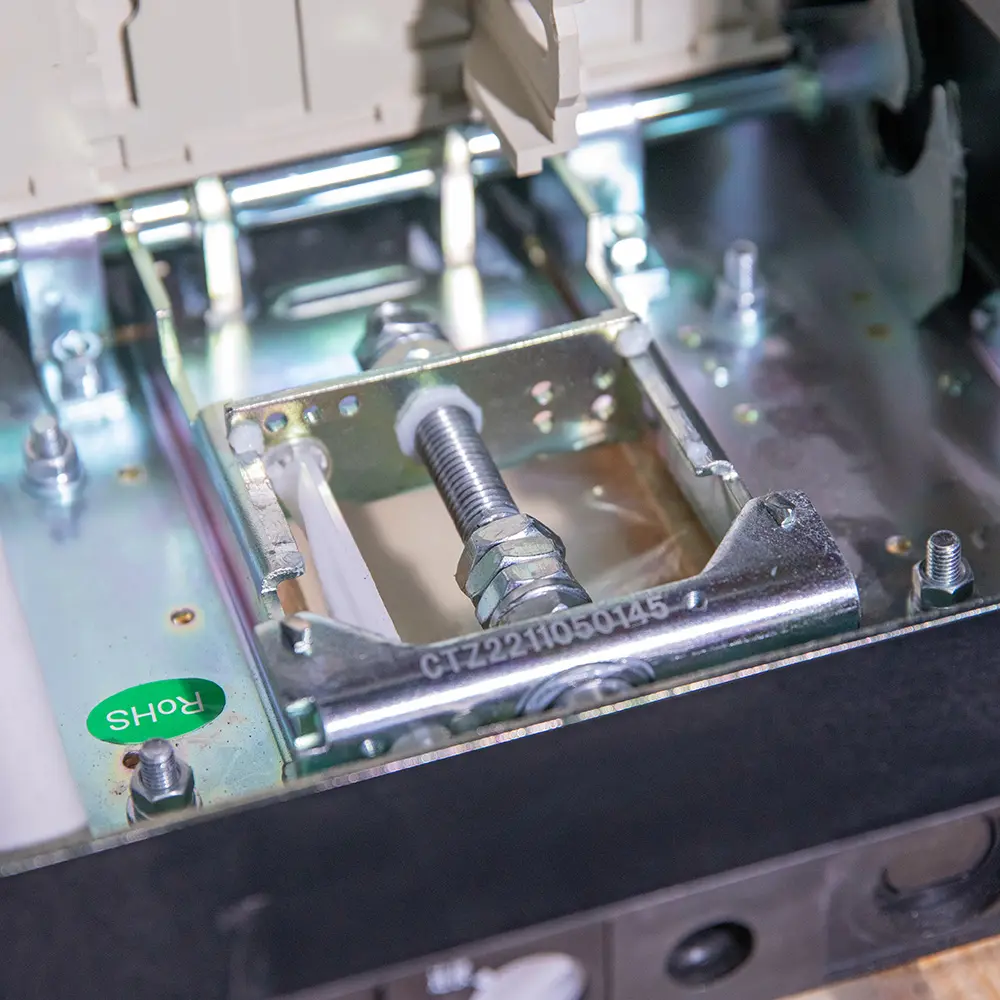
Circuit breakers are designed to stop the flow of electricity under certain conditions, usually during situations like an overcurrent or short circuit or to direct the flow of the system. A circuit breaker is made up of contacts that will separate when a problem occurs. Stopping the flow of electricity keeps conditions safe and prevents damage to equipment.
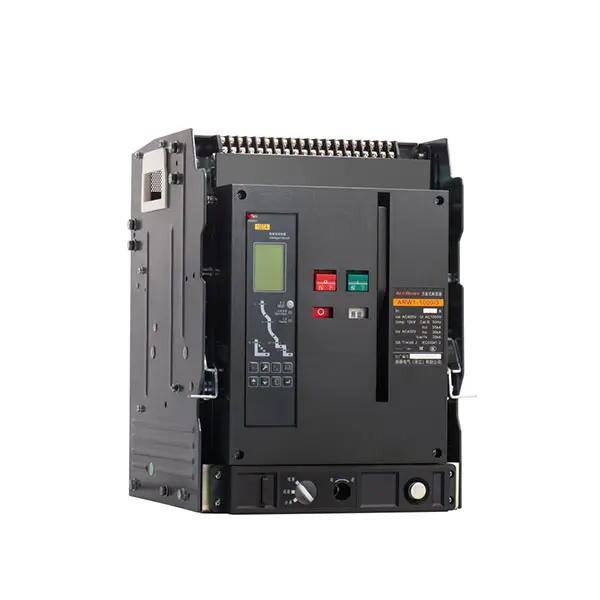
Air circuit breakers operate using pressurized air. As the breaker trips, the contacts will separate, creating an arc. ACBs eliminate the arc, keeping the current steady and safe. ACBs are an alternative to oil circuit breakers, which are not as safe. It’s also important not to confuse ACBs with vacuum circuit breakers, which extinguish the arc using a vacuum. A VCB is the better choice for indoor, high-voltage use, while an ACB is better for industrial settings.
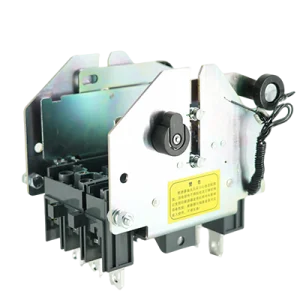
In an ACB, when the contacts separate – due to overcurrent, short circuit or for operating purposes – the ACB works to eliminate the arc, making the equipment safer. The ACB uses a combination of air pressure and conductive elements to guide the arc away from the circuit safely and then stretches it until it is eliminated.

Risus commodo viverra maecenas accumsan lacus vel facilisis.

Risus commodo viverra maecenas accumsan lacus vel facilisis.

Risus commodo viverra maecenas accumsan lacus vel facilisis.

Risus commodo viverra maecenas accumsan lacus vel facilisis.

Risus commodo viverra maecenas accumsan lacus vel facilisis.
Risus commodo viverra maecenas accumsan lacus vel facilisis.
Risus commodo viverra maecenas accumsan lacus vel facilisis.

Risus commodo viverra maecenas accumsan lacus vel facilisis.
Circuit breakers are designed to stop the flow of electricity under specific conditions, such as overcurrent or short circuits. By separating the internal contacts when a problem occurs, they prevent damage to equipment and ensure overall system safety.
When the contacts inside an ACB separate, an electrical arc is created. The ACB utilizes a combination of pressurized air and conductive elements to safely guide the arc away from the circuit, stretching it until it is completely eliminated.
Air circuit breakers are considered a much safer alternative to oil circuit breakers. Oil circuit breakers carry higher safety risks during operation, making ACBs the standard choice for modern electrical safety.
The main difference lies in how they extinguish the arc. An ACB uses pressurized air to eliminate the arc and is ideal for industrial environments. A VCB uses a vacuum to extinguish the arc, making it better suited for indoor, high-voltage applications.
The contacts in an Air Circuit Breaker separate automatically during fault conditions like overcurrent or short circuits, or they can be separated manually/systematically for standard operating and maintenance purposes.
An Air Circuit Breaker (ACB) is specifically designed and best suited for industrial settings, where it handles high currents and guides electrical arcs away safely, while vacuum circuit breakers are typically preferred for indoor, high-voltage utility setups.