High-performance MCCBs, ACBs, and components manufactured to IEC and UL certification metrics.
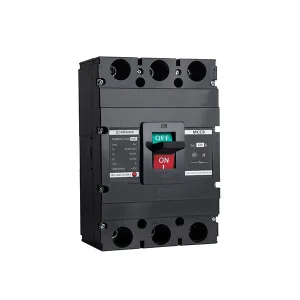
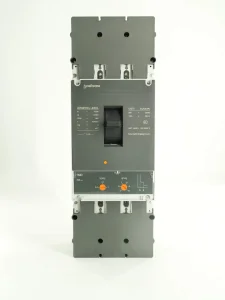
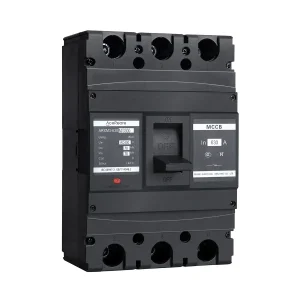
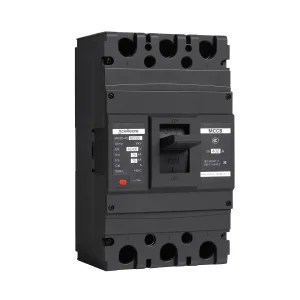
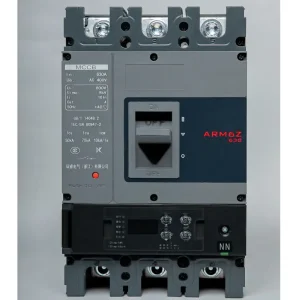
In modern electrical distribution, selecting the appropriate overcurrent protection mechanism represents a critical decision point for EPCs, industrial system architects, and global procurement departments. The fundamental divide centers on the thermodynamic and electromagnetic behaviors of Alternating Current (AC) versus Direct Current (DC) systems.
The critical physics-based divergence between AC and DC circuit breaker design lies within the zero-crossing point of the current wave. An AC waveform naturally crosses the zero-current baseline twice per cycle (100 times per second for a 50Hz grid, 120 times for a 60Hz grid). This rapid transition allows the arc generated during contact separation to cool naturally and extinguish as the current crosses the zero point.
Conversely, DC does not possess a natural zero-crossing point. When contacts open under load in a DC system, the voltage is continuous, causing the electric arc to burn persistently across the separating contacts. To extinguish a DC arc, the circuit breaker must actively create an arc voltage higher than the supply voltage, forcing the current down to zero. This operational reality demands specialized contact geometries, magnetic blowout coils, and deeper arc chutes, which directly impact manufacturing methodologies and unit costs.
| Technical Metric | AC Moulded Case Circuit Breaker (MCCB) | DC Moulded Case Circuit Breaker (MCCB) |
|---|---|---|
| Natural Zero-Crossing | Yes (100/120 times per second) | No (Continuous current flow) |
| Arc Extinction Method | Splitting and cooling at zero-crossing | Magnetic blowout, contact stretching, high-speed splitters |
| Contact Wear Rate | Low to Moderate (interruption at low current points) | High (requires specialized silver-alloy contact pads) |
| Time Constant (τ = L/R) | Not applicable for standard calculations | Crucial (τ ≤ 15ms standard, up to 30ms under high load) |
| Grid Configuration | 1-Pole, 2-Pole, 3-Pole, or 4-Pole | 1-Pole to 4-Pole (often series-connected for high VDC) |
| Nominal Operational Voltage | Up to 1140VAC (Solar/Industrial Applications) | Up to 1500VDC (Solar PV arrays and Battery Storage) |
How world-class factories like Acereare Electric customize lines for AC vs DC requirements.
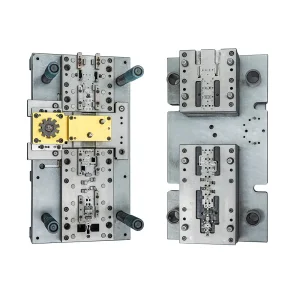
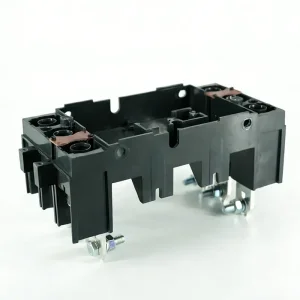
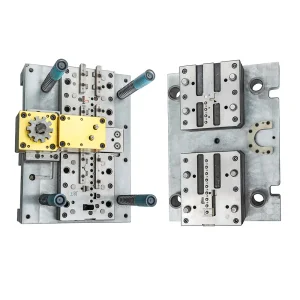
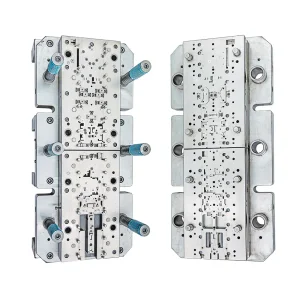
Acereare utilizes high-precision metal stamping tooling. Our MCCB connection plates and structural stampings rely on thickened copper alloys with specialized plating to handle continuous thermal loads in both AC and DC setups.
DC chutes require greater volume and more cooling plates to split the arc. We design custom composite wall geometries in our R&D lab to optimize arc travel, allowing for high breaking capacities at lower contact wear rates.
To clear high-voltage DC paths, permanent magnets are integrated within the pole structures of the breaker. These magnets produce a magnetic field that physically pushes (or "blows") the arc into the arc chute, a mechanism not required in standard AC breakers.
Founded in 2015, Acereare Electric (incorporating our wholly-owned subsidiaries RuiRui Electric and KeRui Electric) builds upon over 20 years of family-held manufacturing craftsmanship. Backed by an active R&D team of 50+ engineers and 400+ operators, we operate a production setup featuring six types of advanced processing technologies.
Our factories leverage integrated ERP, BI, PLM, and MES systems to track material batches and trace contact stampings, housing assemblies, and trip units. With more than 150 testing instruments, each AC and DC circuit breaker undergoes testing before leaving the line, ensuring stable operation under high currents.
How procurement agents specify breakers for renewable projects, storage networks, and industrial grids.
Utility-scale PV power stations operate on 1000V to 1500VDC architectures to minimize transmission losses. In these systems, DC MCCBs act as essential safety links between solar combiner boxes, inverters, and battery racks. Acereare delivers tailored high-voltage DC protection solutions, ensuring reliability under cyclical loading.
DC fast chargers convert grid AC directly into high-power DC to charge batteries quickly. This process requires robust, fast-tripping DC breakers to protect sensitive power conversion electronics. Acereare's high-breaking-capacity MCCBs are engineered to handle these requirements, helping charging network operators reduce system downtime.
Modern factories rely heavily on variable frequency drives (VFDs) and common DC bus configurations for motor control. Acereare's intelligent MCCBs feature embedded metering, communication, and edge computing capabilities. This supports real-time monitoring and energy management for automated manufacturing lines.
Certified engineering designs built for harsh environments, extreme temperatures, and high altitudes.
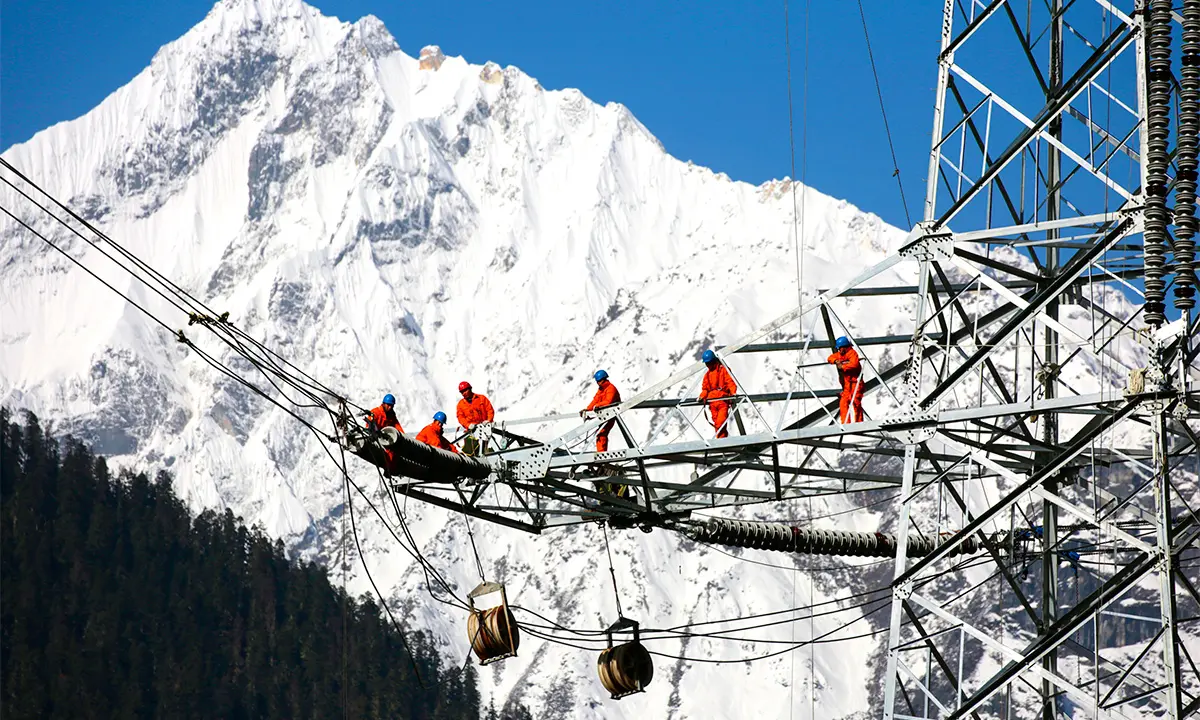
We use low-temperature-resistant engineering polymers and high-grade lubricants, backed by test reports verifying performance down to -40°C.

We conduct 72-hour salt spray testing on complete machines and 48-hour testing on assemblies. This helps our products withstand coastal and marine conditions.
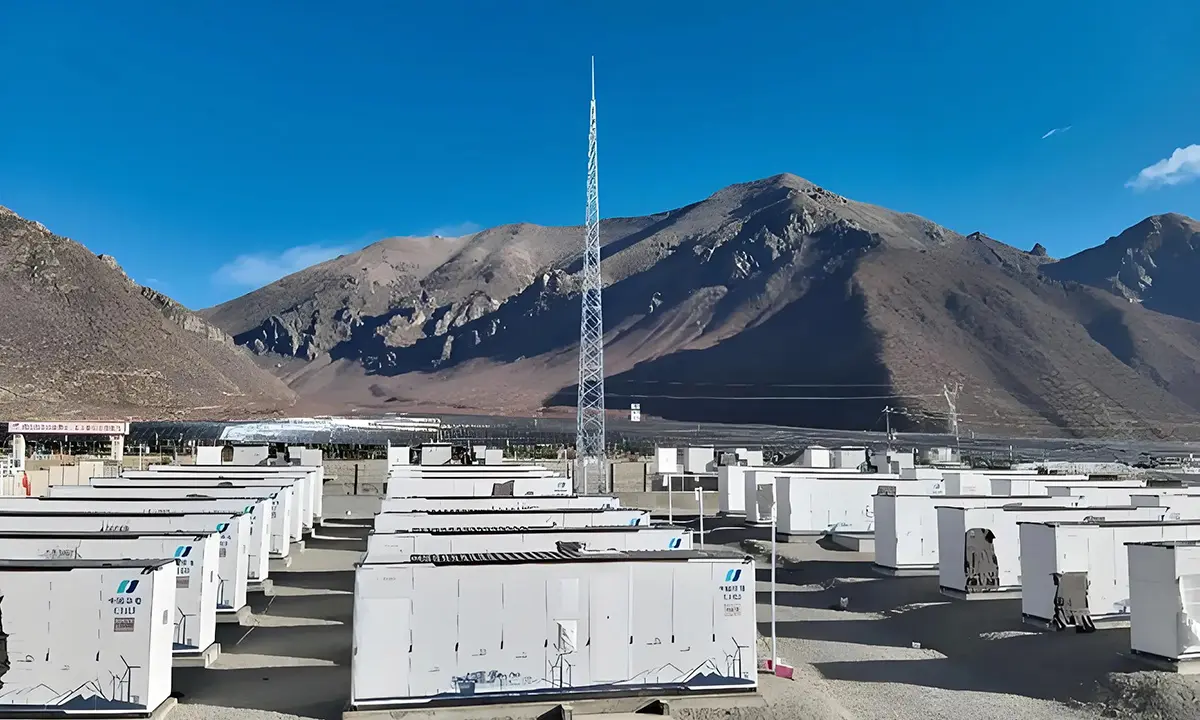
For installations above 2000m, electrical properties are adjusted via high-altitude derating parameters to compensate for thinner air and lower cooling capacity.
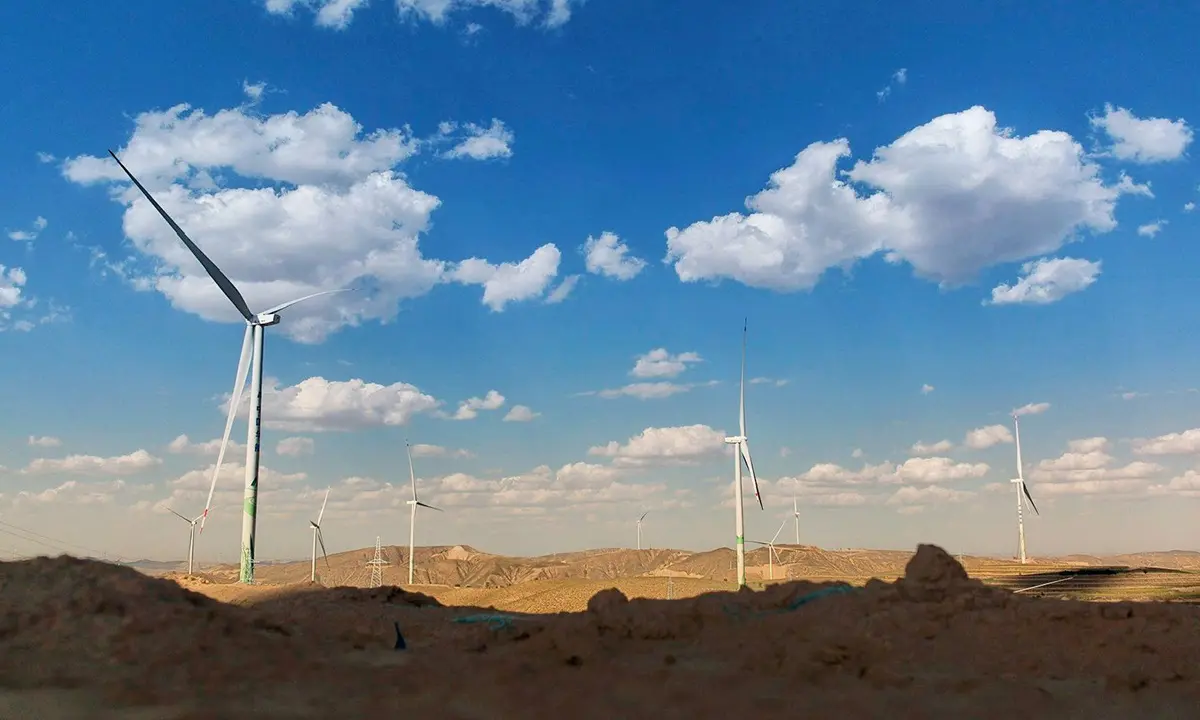
We employ heat-resistant composites and thermal barriers, testing structural stability in our 55°C environmental chambers.
Advanced electronic and thermal-magnetic trip structures built for modular power systems.
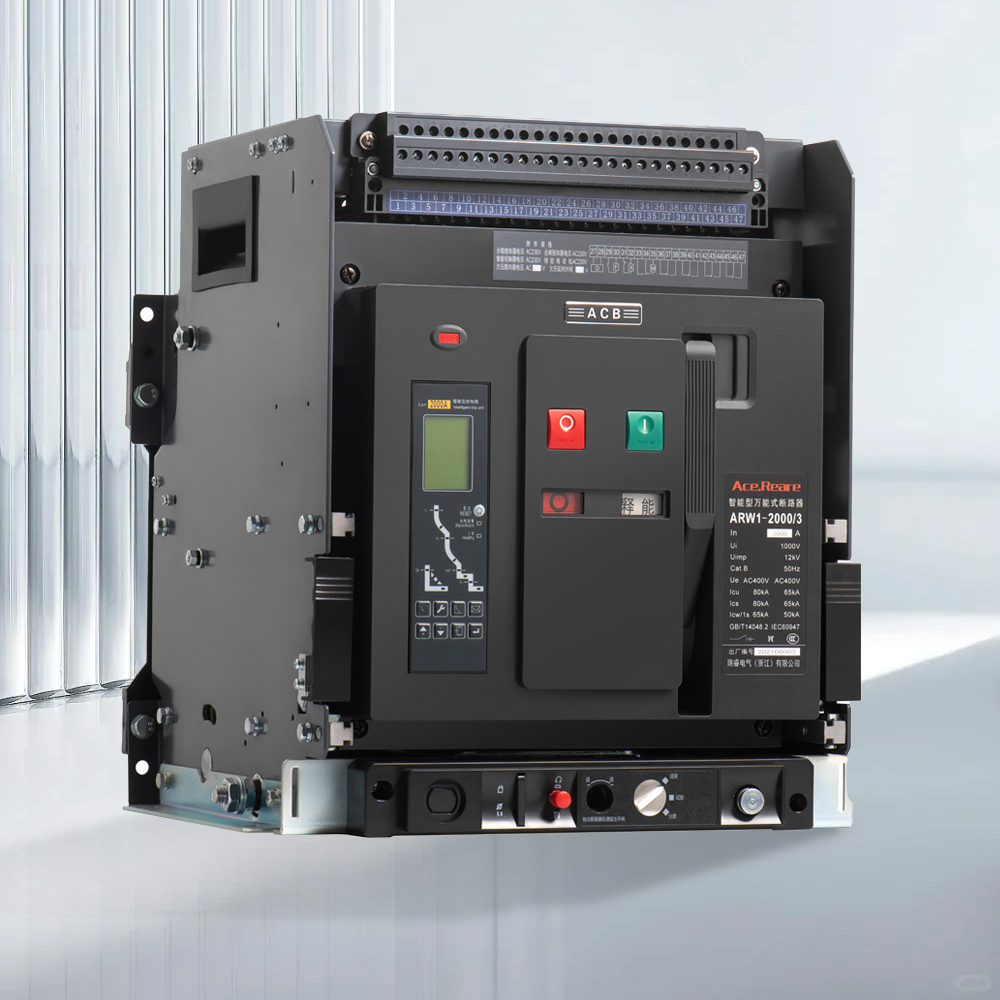
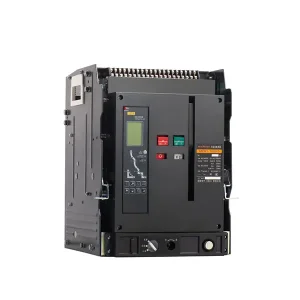
The ARW1 series intelligent air circuit breaker operates in AC 50Hz/60Hz distribution networks with rated operational voltages up to 690V and currents spanning 400A to 6300A. Built for main distribution panels, it delivers precise electronic trip protection to maximize system uptime. Equipped with standard communication interfaces, it supports telemetry, tele-adjustment, tele-control, and remote signaling to integrate with automated energy management systems.
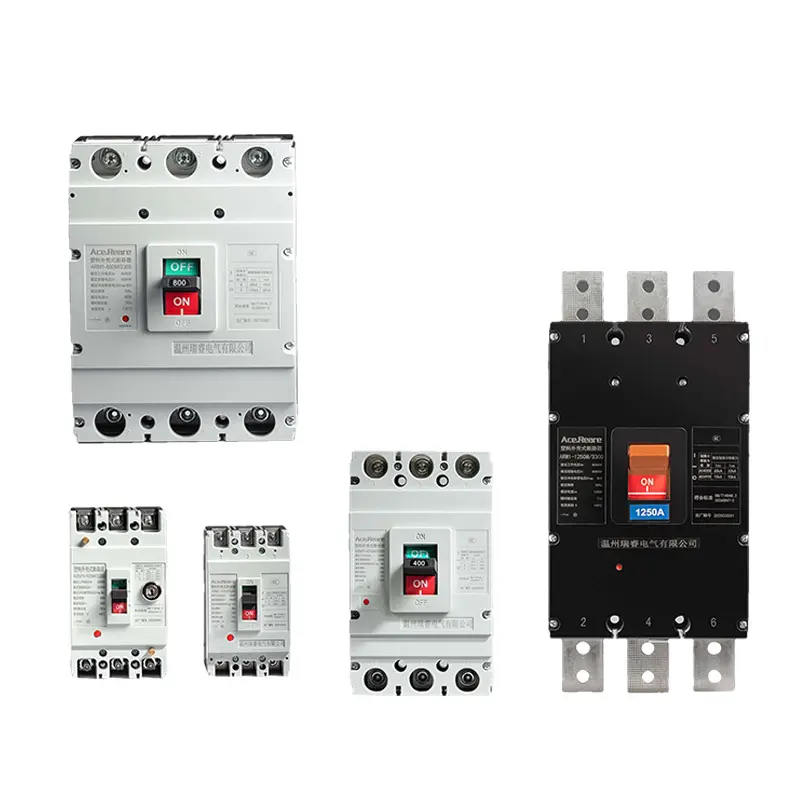 ARM1 Series
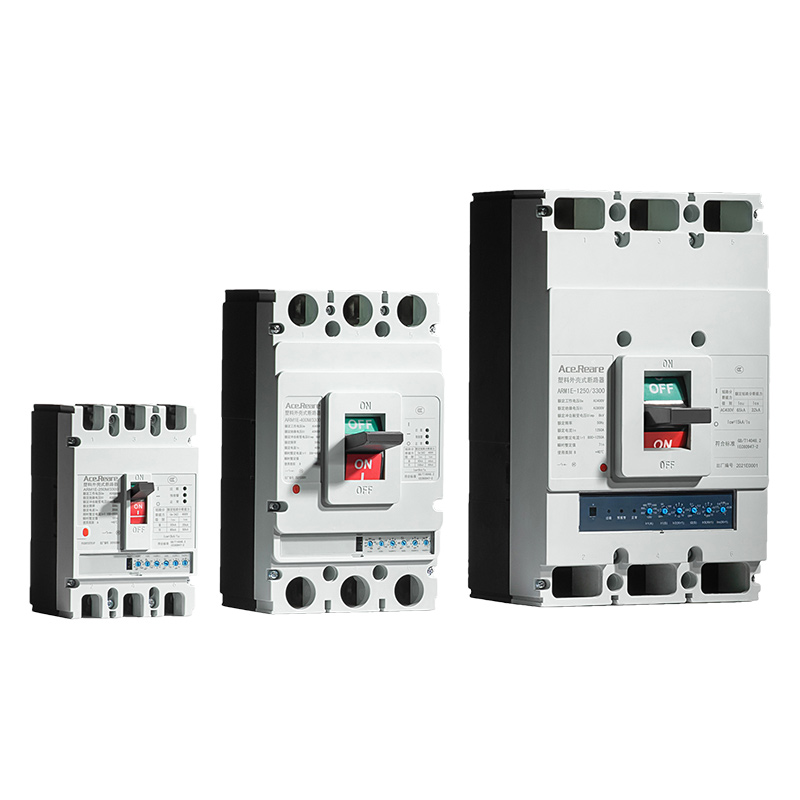 ARM1L Series
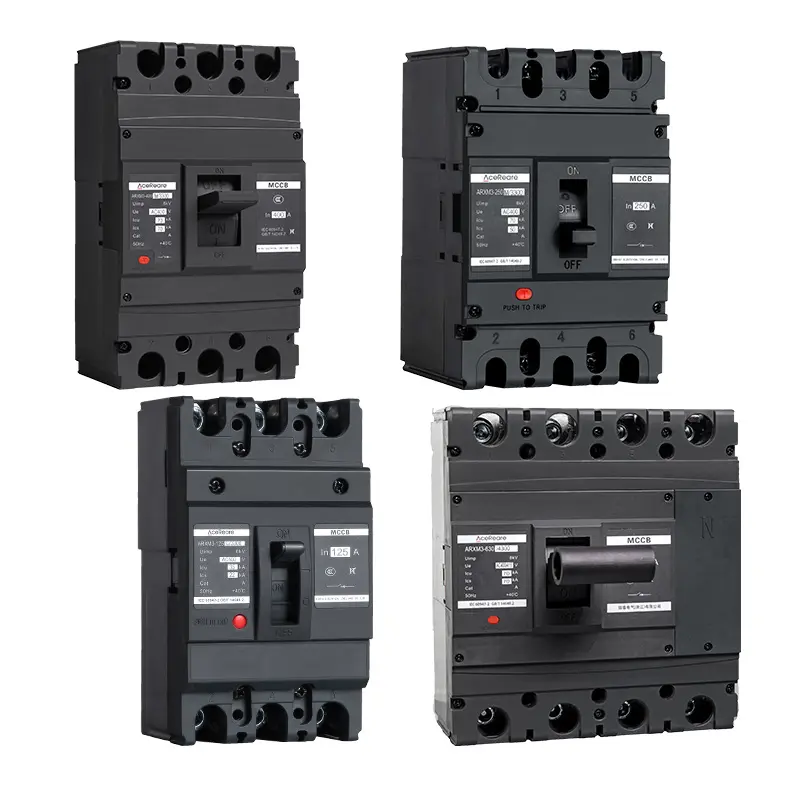 ARXM3 Series
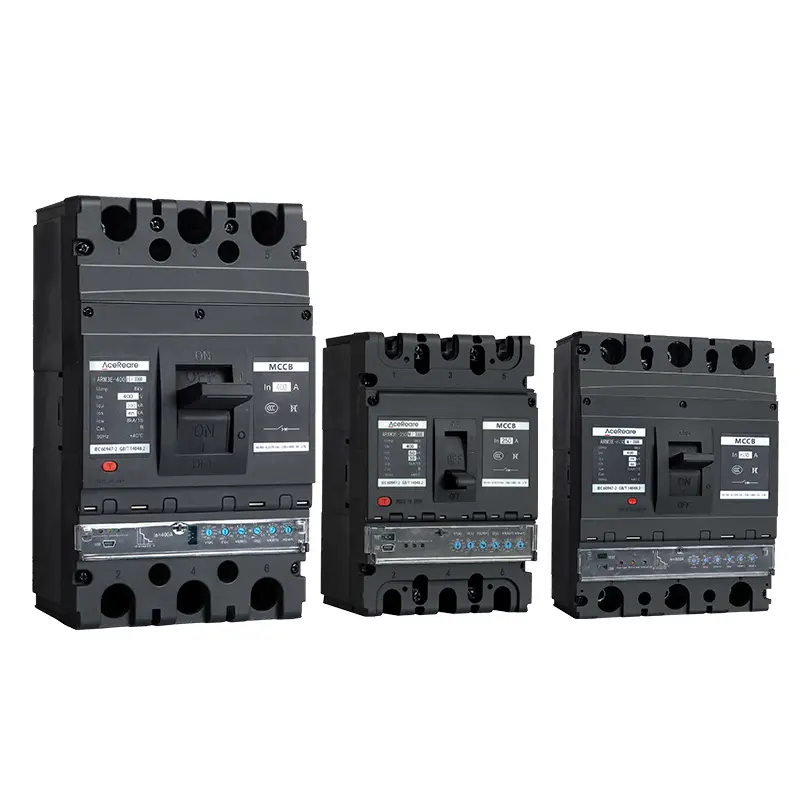 ARM3E Series
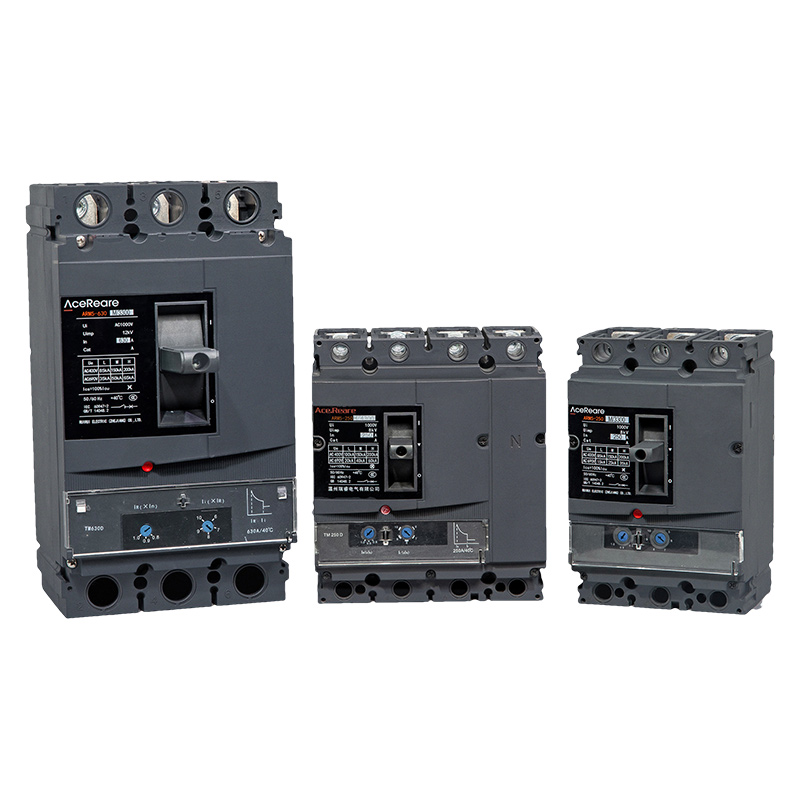 ARM5 Series
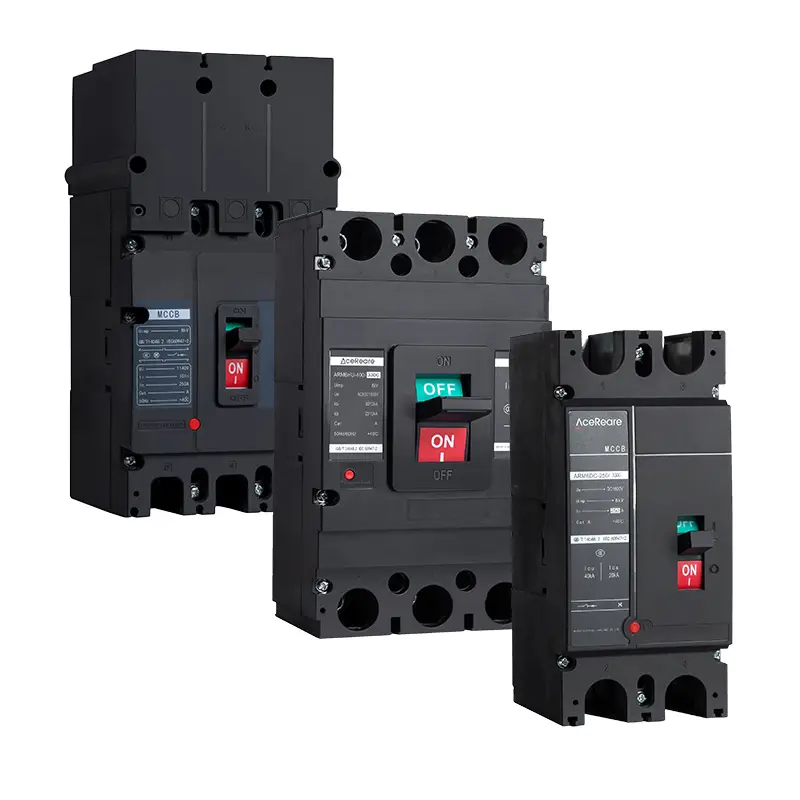 ARM6 Series
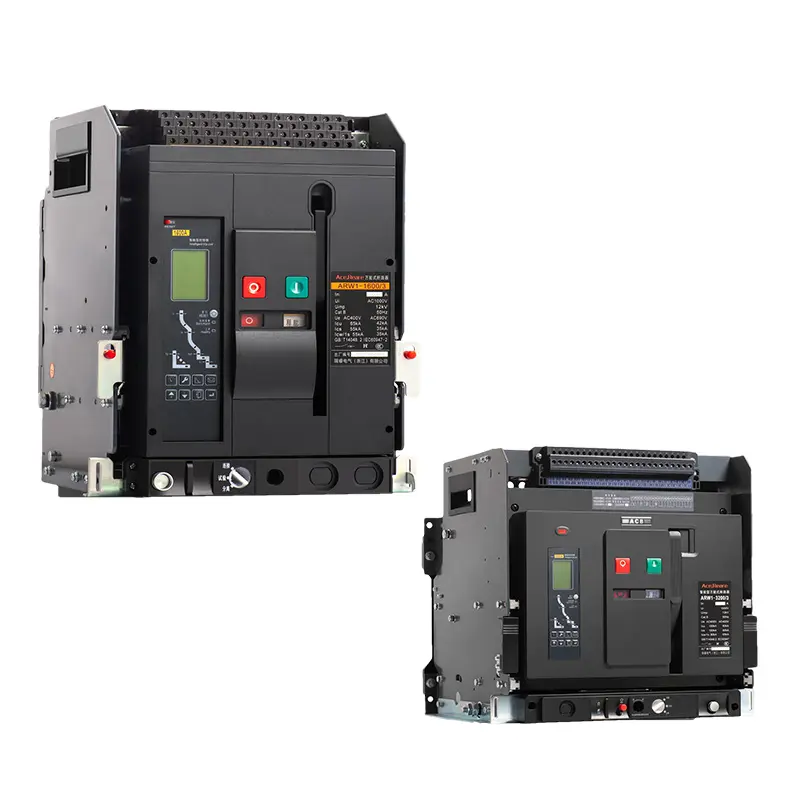 ARW1 Series
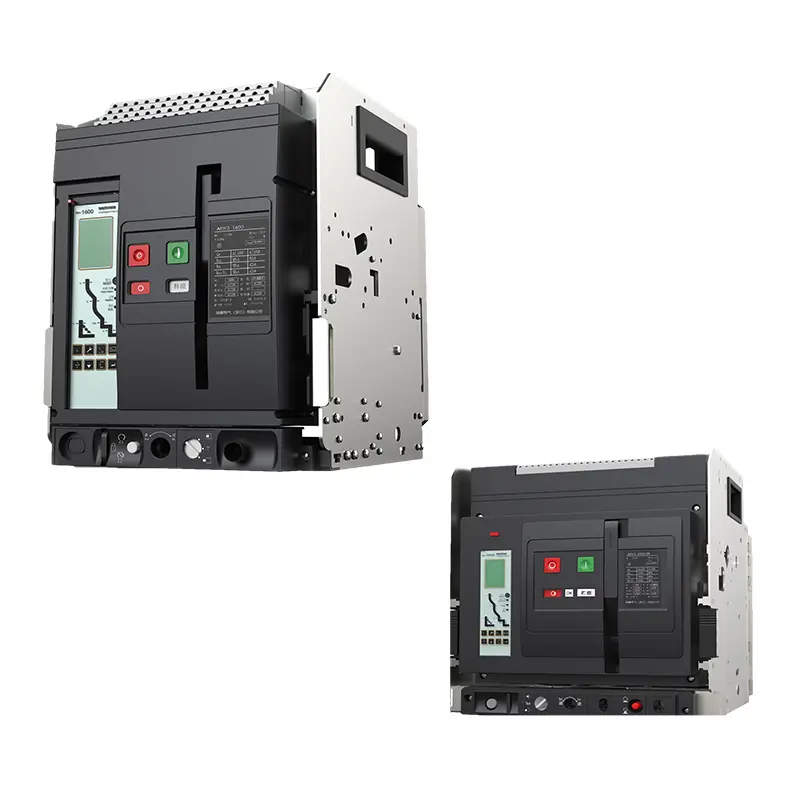 ARW3 Series
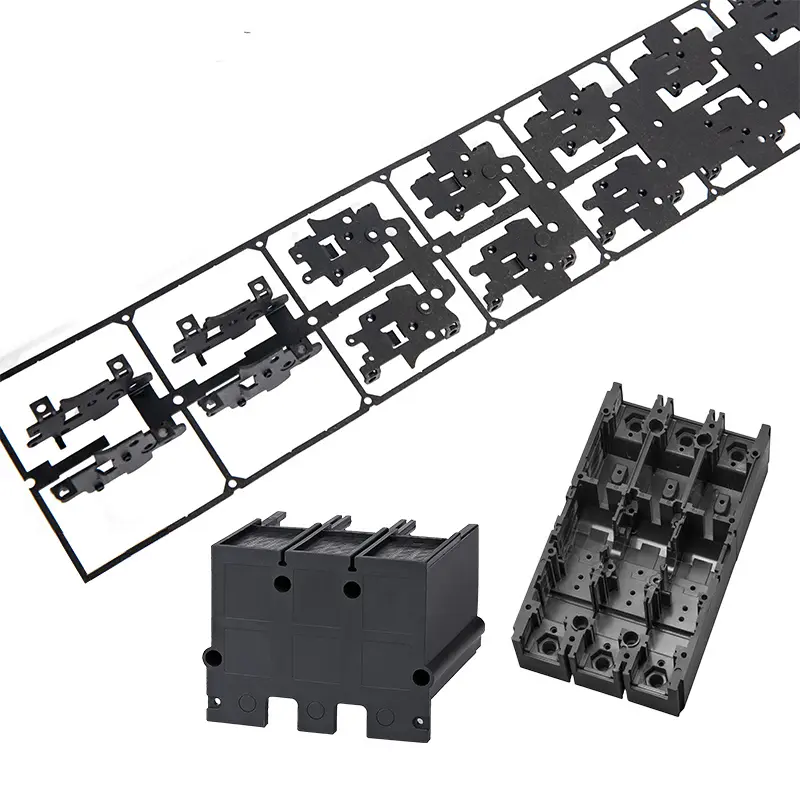 MCCB Parts
Take a visual tour through our ISO-certified production floor, featuring advanced automated assembly lines.
Our step-by-step workflow guarantees that all custom OEM/ODM parameters are verified prior to shipping.
We review your site specifications, electrical parameters, and environmental requirements.
Our engineers formulate trip curve adjustments and select optimal contact configurations.
We customize laser markings, catalog designs, and custom boxes for your brand.
Your order undergoes insulation, short-circuit, thermal-trip, and mechanical checks.
We arrange secured dispatch with comprehensive certificates and test reports.
We partner with global electrical brands, wholesalers, and project developers to deliver custom products.
Customized logo prints, nameplate labels, and tailored technical documentation. We help build your brand's market reputation by using raw materials that meet strict international testing standards.
Our team handles component tooling, housing redesigns, and functional configurations. We assist partner engineering teams in obtaining local test reports and regulatory compliance certificates.
We manage component inventories and complete assemblies using integrated ERP and U8 software. This ensures traceabilty and helps maintain delivery timelines.
Acereare products hold international laboratory verifications, certifying performance for heavy-duty grids.
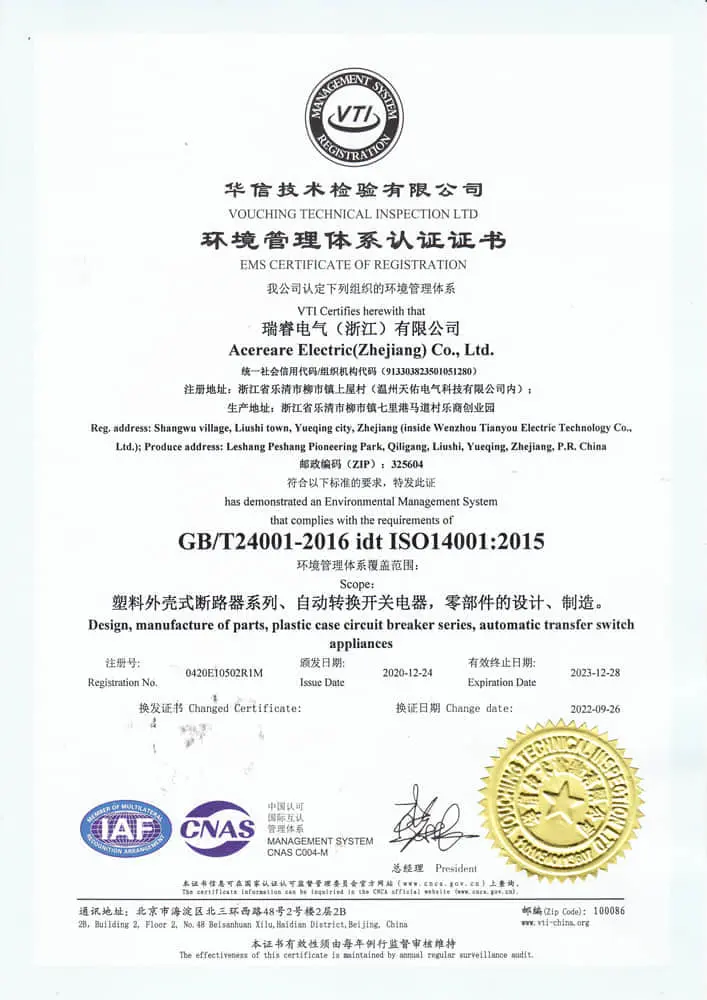 Safety Standard
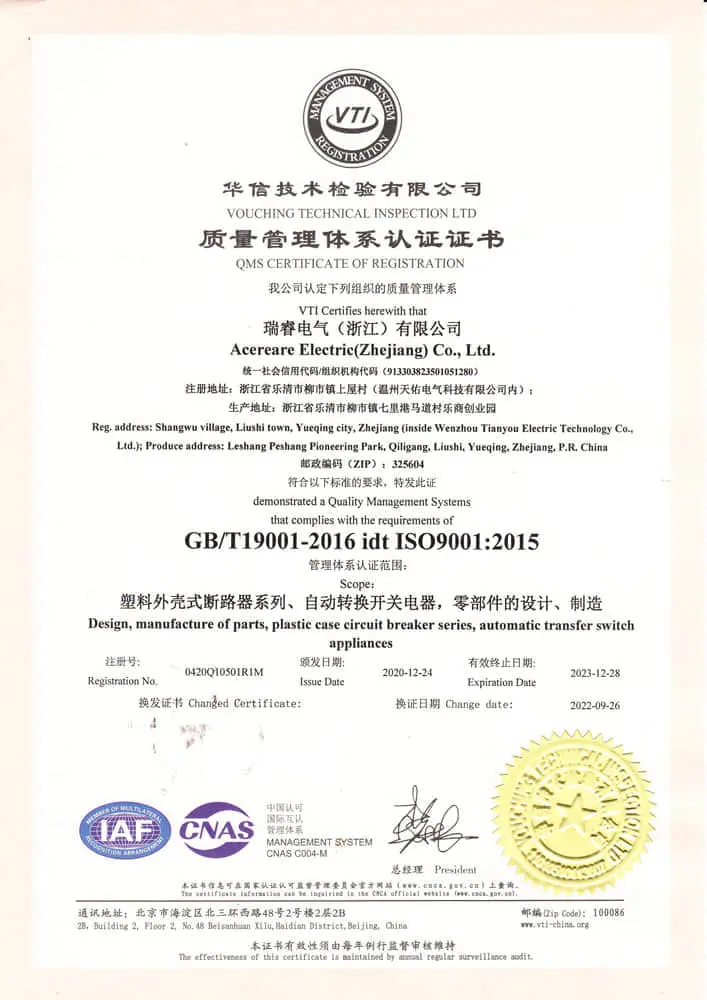 Quality System
 Environmental Cert
 IEC Standard
 UL Standard
Answers to common engineering and commercial questions regarding AC/DC overcurrent protection.
High-voltage auxiliary drives, thermal magnetic components, and modular installation busbars.
 AceReare