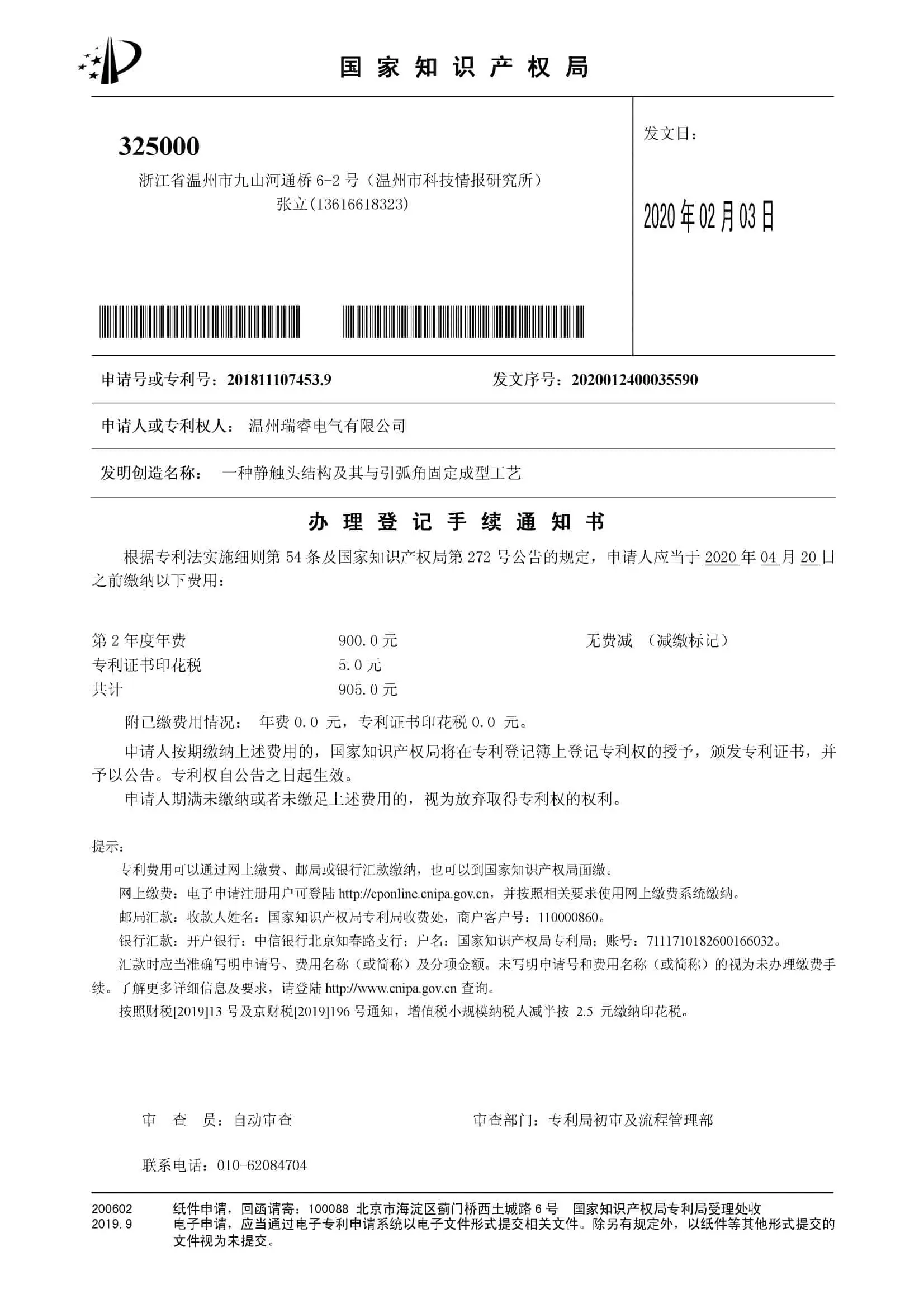
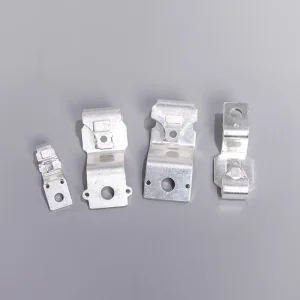
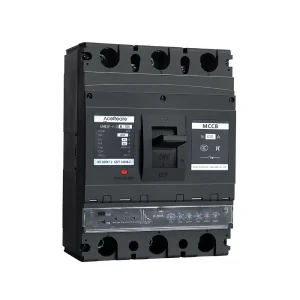
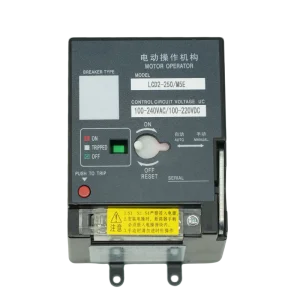
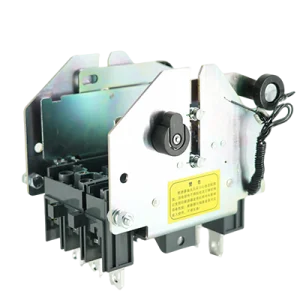
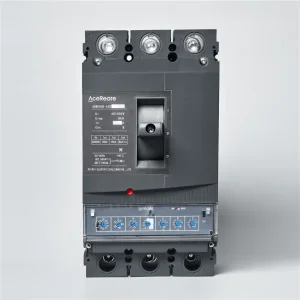
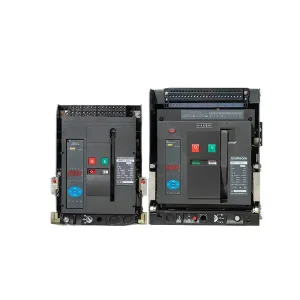
Wholesale MCCB 250A Manufacturers & Supplier

High-Performance Molded Case Circuit Breakers for Resilient Industrial and Commercial Electrical Networks

Technical Deep Dive: The Critical Role of 250A MCCBs in Modern Power Distribution

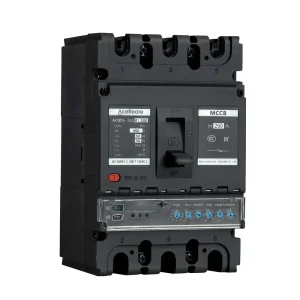
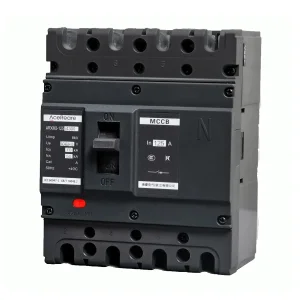
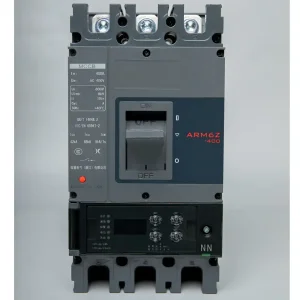
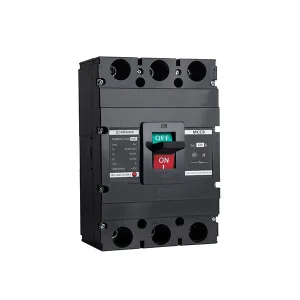
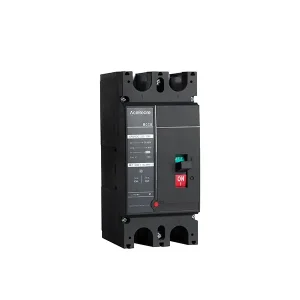
In modern electrical engineering, the Molded Case Circuit Breaker (MCCB) rated at 250 Amperes represents the workhorse of both low-voltage distribution systems and commercial electrical circuits. A 250A MCCB serves as the critical safety buffer between primary distribution transformers and downstream sub-distribution networks. By combining adjustable thermal-magnetic elements or advanced electronic trip units (often incorporating LSIG parameters), a 250A breaker is capable of protecting machinery, motors, and facility networks against the dual hazards of overloads and high-energy short circuits.

Unlike smaller miniature circuit breakers (MCBs), a 250A frame-size MCCB must manage severe thermal and mechanical stresses during a fault event. During a short circuit, currents can escalate to dozens of kiloamperes within a fraction of a millisecond. The structural integrity of the breaker’s moving contacts, the efficiency of its arc chute assembly, and the quality of its internal metal stamping parts dictate whether the breaker successfully isolates the fault or fails catastrophically. Consequently, procuring high-caliber components from a factory with direct ownership of tool-and-die processing is paramount for global OEMs and panel builders.

Key Market Drivers & Industry Trends

  • Transition to Electronic Trip Units (ETUs): While thermal-magnetic mechanisms remain valued for their simplicity, the market is quickly transitioning toward electronic units. Microprocessor-controlled LSIG (Long, Short, Instantaneous, Ground fault) trip units allow precise curve coordination to minimize nuisance tripping.
  • Smart Metering & Edge Computing: The incorporation of IoT microprocessors directly into the MCCB body has transformed circuit breakers into data nodes. Modern 250A MCCBs can measure voltage, current, power factor, and harmonic distortion, transmitting this diagnostic data via Modbus, Profibus, or wireless interfaces to a centralized Building Management System (BMS).
  • DC Solar Photovoltaic Implementations: The rise of utility-scale solar arrays has demanded MCCBs capable of handling high DC voltages. The development of specialized DC circuit breakers rating from 700VDC to 1500VDC has become essential for protecting solar combiner boxes and inverter stations.
  • Supply Chain Resilience: Electrical contractors and global engineering firms are prioritizing suppliers that maintain end-to-end quality control, reducing risk by sourcing from vertical manufacturers rather than brokers.

About Acereare Electric

Built on over 20 years of craftsmanship inherited through two generations of electrical engineers.

Founded officially in 2015, Acereare Electric operates as a leading original manufacturer (ODM/OEM) in the circuit breaker industry. With two wholly-owned subsidiaries—RuiRui Electric and KeRui Electric—we manage a vertically integrated manufacturing process. Our facilities rank among China’s top tier for comprehensive production experience, specializing in molded case circuit breakers (MCCB), air circuit breakers (ACB), and high-precision structural stamping components.

50+
R&D Engineers
400+
Skilled Workers
250M+
RMB Annual Sales

Core Manufacturing & Quality Control Strengths

We deliver unmatched performance and competitive pricing through complete internal control of the production life cycle.

Manufacturing Ability

One-stop production incorporating six core metal and plastic processing techniques. High-precision tooling machinery paired with over 10 manual and automated assembly lines.

Research & Innovation

More than 50 R&D engineers with 5+ years of industry experience. Expertise in 3D structural analysis, thermal flow modeling, and mold engineering, producing over 50 projects annually.

Supply Chain Resilience

Owning two separate component and assembly factories guarantees production backup. Integrated logistics linked via ERP and UFIDA U8 systems for real-time order tracking.

Rigorous QA Control

Internal laboratories featuring over 150 dedicated testing instruments and 20+ specialized QC inspectors. Quality metrics verified dynamically through PLM, BI, and MES platforms.

China Factory 4.0: Achieving Operational Agility and Cost Dominance

The global electronics procurement environment is volatile. Trade policies, raw copper price fluctuations, and shipping delays demand unprecedented supply chain agility. Acereare Electric operates under a Factory 4.0 paradigm, combining industrial internet-of-things (IIoT) database architectures with automated fabrication machinery. This direct factory-level horizontal integration allows us to circumvent third-party logistics and intermediate processing hubs, drastically driving down the overall Cost of Goods Sold (COGS).

Our localized factory in China features closed-loop processing of critical components:

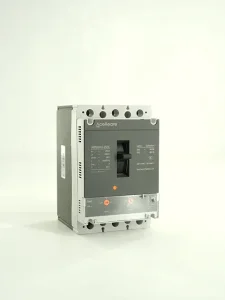
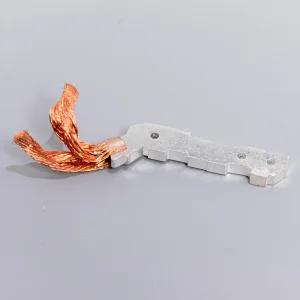
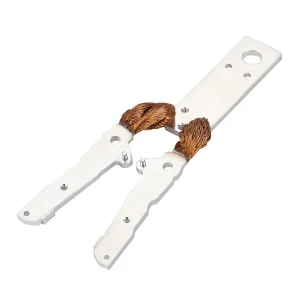
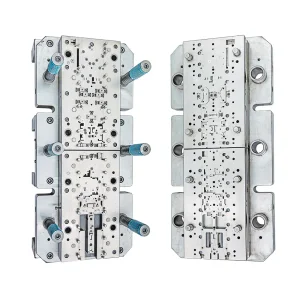
  • High-Speed Stamping Presses: Our in-house metal stamping facility designs and fabricates custom contacts and bi-metallic plates, ensuring dimensional stability and avoiding external production queues.
  • Microprocessor Assembly: Calibration of electronic trip units (ETUs) is performed via computer-guided micro-soldering stations, ensuring that every LSIG trip curve meets IEC 60947-2 tolerances.
  • Real-time MES (Manufacturing Execution System): Every batch of raw copper, silver alloy, and thermoset resin is tracked via barcode from intake to final load testing, achieving 100% trace-to-origin transparency.

Optimized for Extreme Industrial & Local Environments

Standard circuit breakers fail in hostile environments. Our custom MCCBs are engineered to perform under specific physical constraints.
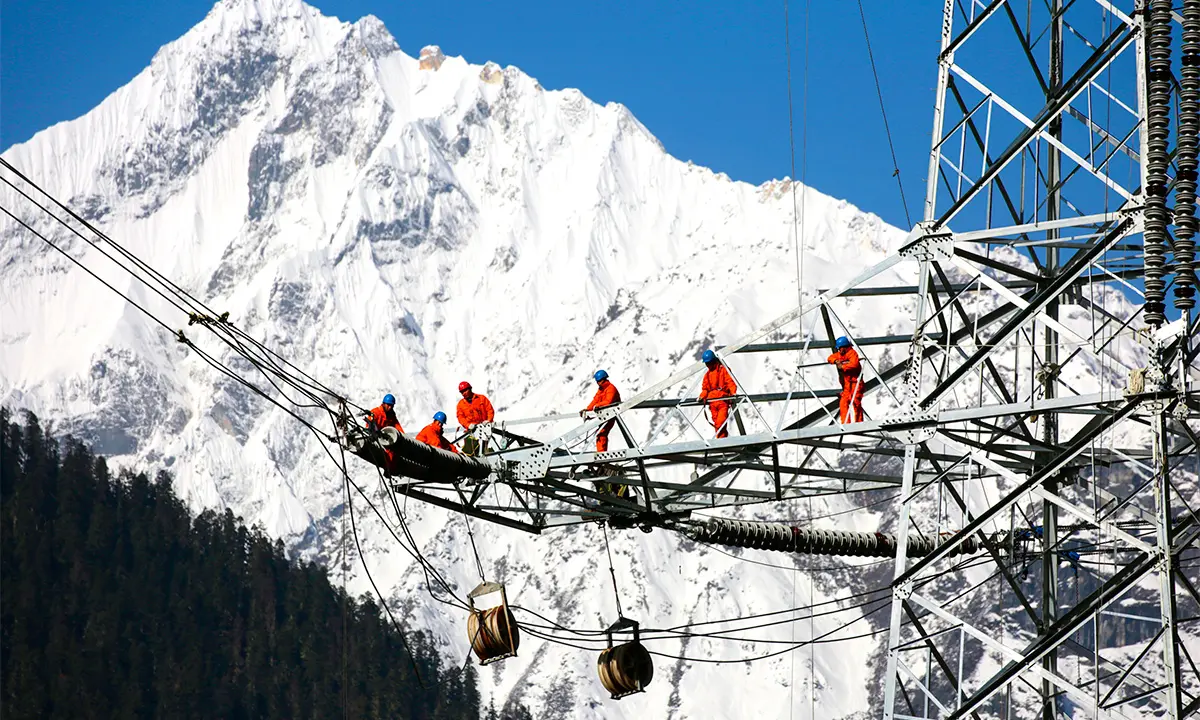
Low Temperature Applications

Low Temperature (-40°C)

Utilizing specialized non-freezing synthetic lubricants and reinforced structural compounds, our MCCBs operate flawlessly down to -40°C. Verified by independent laboratory cryo-chamber testing reports.

Salt Spray Resistance

Salt Spray / High Humidity

Designed for docks, shipping operations, and offshore networks. Complete machines undergo 72-hour salt-fog tests, and internal components undergo 48-hour testing, utilizing anti-corrosive electroplating to prevent surface oxidization.
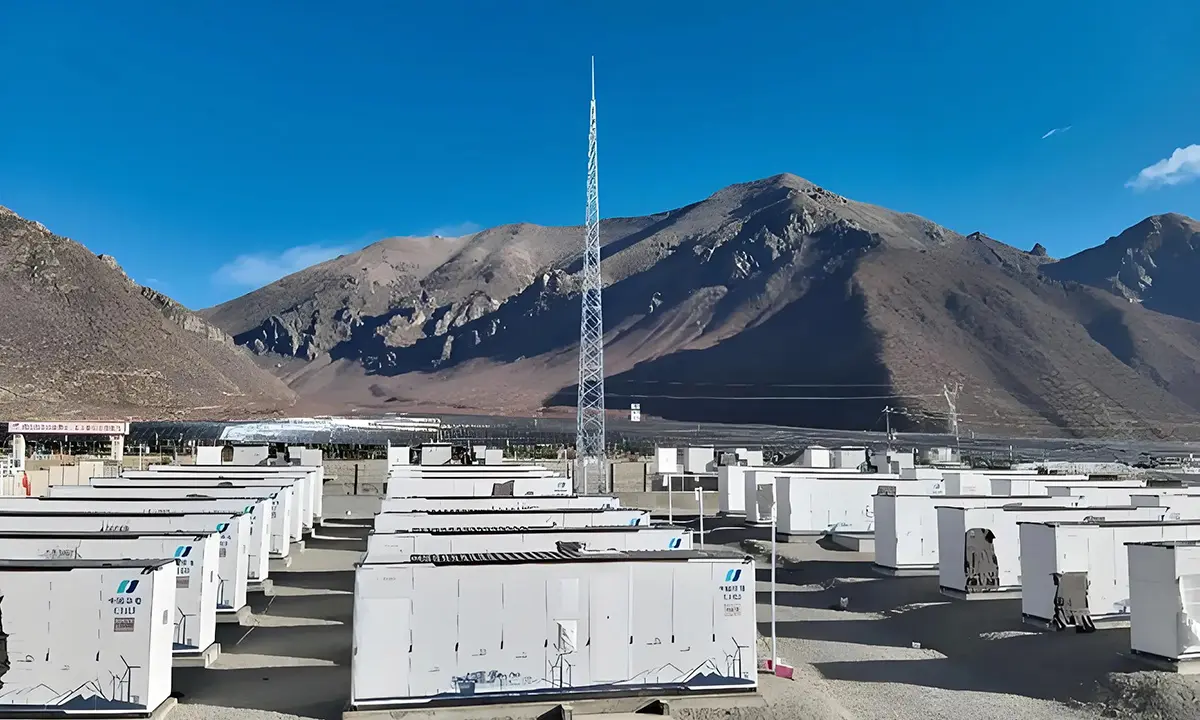
High Altitude Application

High Altitude (>2000m)

Thin air reduces convective cooling and dielectric insulation capacity. We provide precise high-altitude electrical performance derating coefficient charts, ensuring safe operations up to 5000m.

Residential and Commercial Infrastructure

Commercial & Smart Building

Installed in primary riser panels and HVAC control centers to guard against severe overloads. Minimizes potential damage to auxiliary electronic building control equipment.
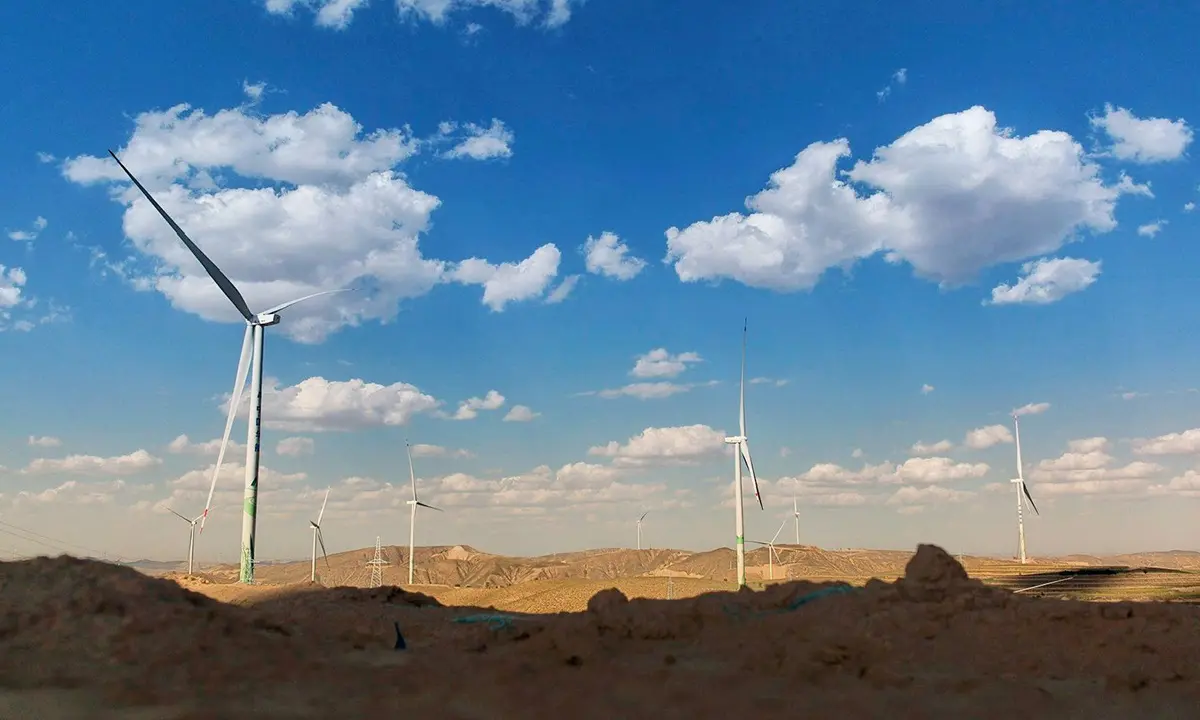
High Temperature Resistance

High Temperature (55°C)

Equipped with thermal-insulating barriers and moisture-proof, corrosion-resistant metallic components. Validated through continuous current-load testing in our 55°C constant-temperature chambers.
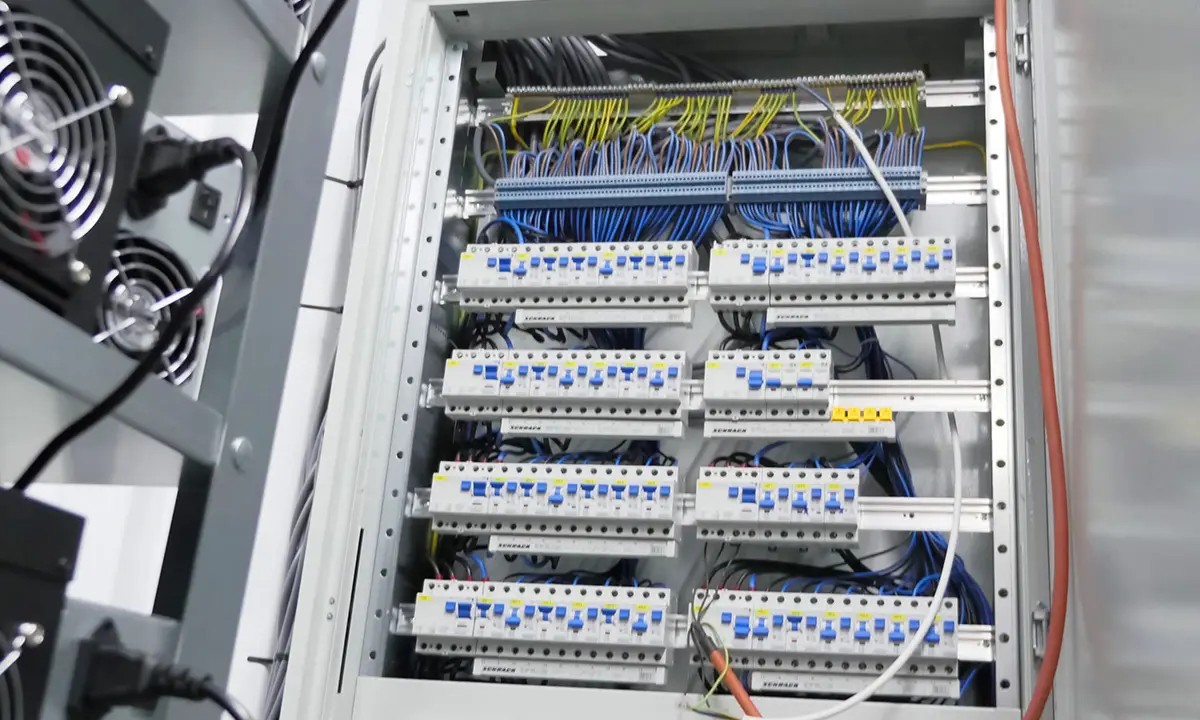
Intelligent Measurement

Intelligent Grid Edge Computing

Provides dual circuit isolation and high-precision metering. Supports Modbus, Ethernet, and IoT transmission protocols, serving as an active node for digital smart grid environments.

Strategic OEM & ODM Engineering Partnership

Whether establishing your brand's presence or scaling manufacturing capacities, we act as your dedicated offshore production facility.

Brand Identity Services +

• Custom brand logo laser etching directly onto thermoset cases.

• Verified raw material sourcing to secure market compliance.

• Express functional sample fabrication for early-stage market pitch.

• Advanced mechanical design optimizations to ensure product differentiation.

OEM Manufacturing +

• Proprietary product mold planning & EDM fabrication.

• Custom functionality tuning (special contact assemblies, shunt releases).

• International certification processing support (CB, CE, CCC, TUV).

• Dedicated 24-hour technical response engineering team.

ODM Customization +

• Tailored, authorized packing configurations (branded internal/external boxes).

• Branded catalog creation & technical graphic generation.

• Small MOQ options for pilot project validation.

• Continuous process optimization under strict NDA controls.

One-Stop Procurement Workflow

From initial project drafting to final shipping, our engineers assist in resolving supply problems and verifying product performance.

  • 1

    Customer Consultation

    Analyzing electrical single-line diagrams to recommend matching breaking capacities and current ratings.

  • 2

    Technical Proposal & Customization

    Modifying tripping parameters, accessories, and auxiliary connections to match local grid codes.

  • 3

    Contract signing & Tooling Setup

    Securing specifications, establishing production slots, and designing custom molds in our R&D center.

  • 4

    Fabrication & Quality Inspection

    Manufacturing under MES surveillance, culminating in physical calibration and thermal endurance verification.

  • 5

    Secure Packaging & Shipping

    Custom crating to guarantee damage-free logistics and transit to global consolidation ports.

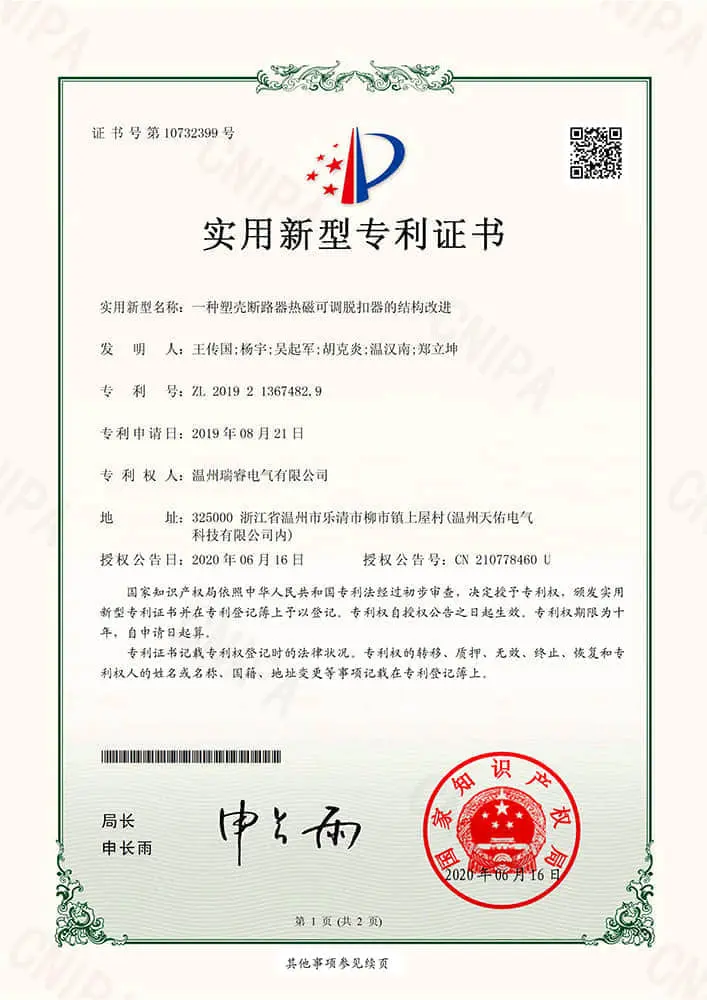
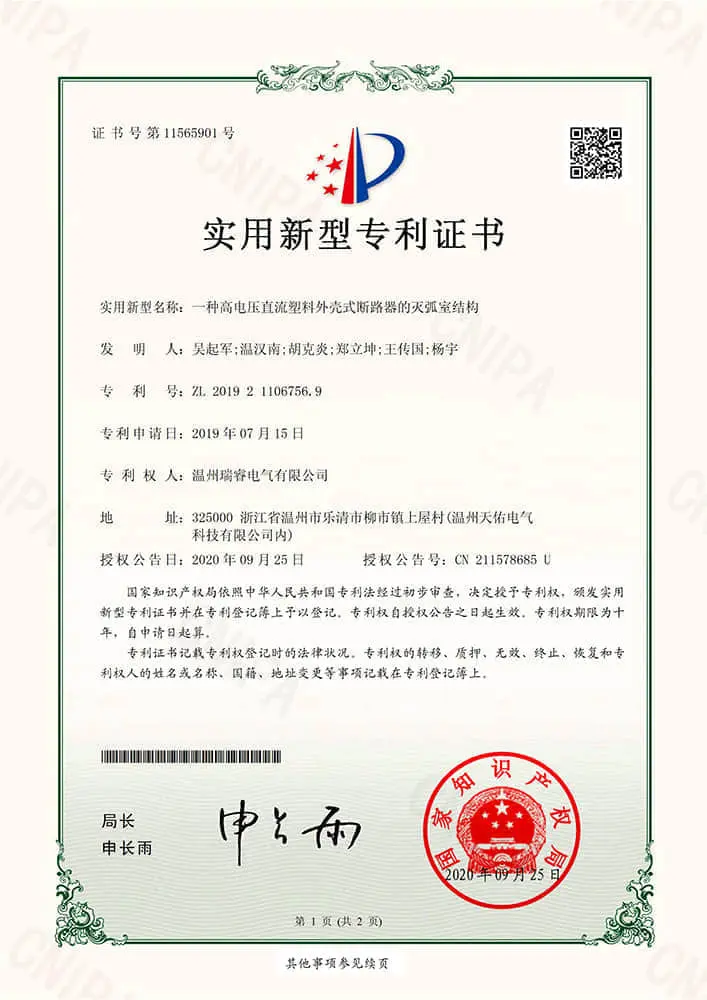
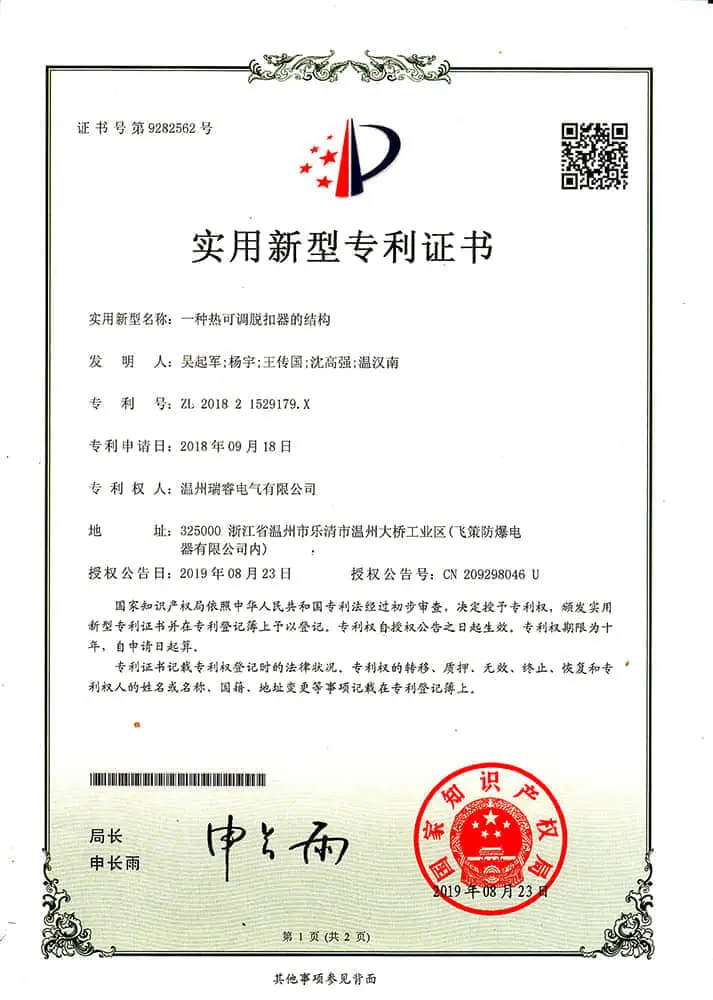
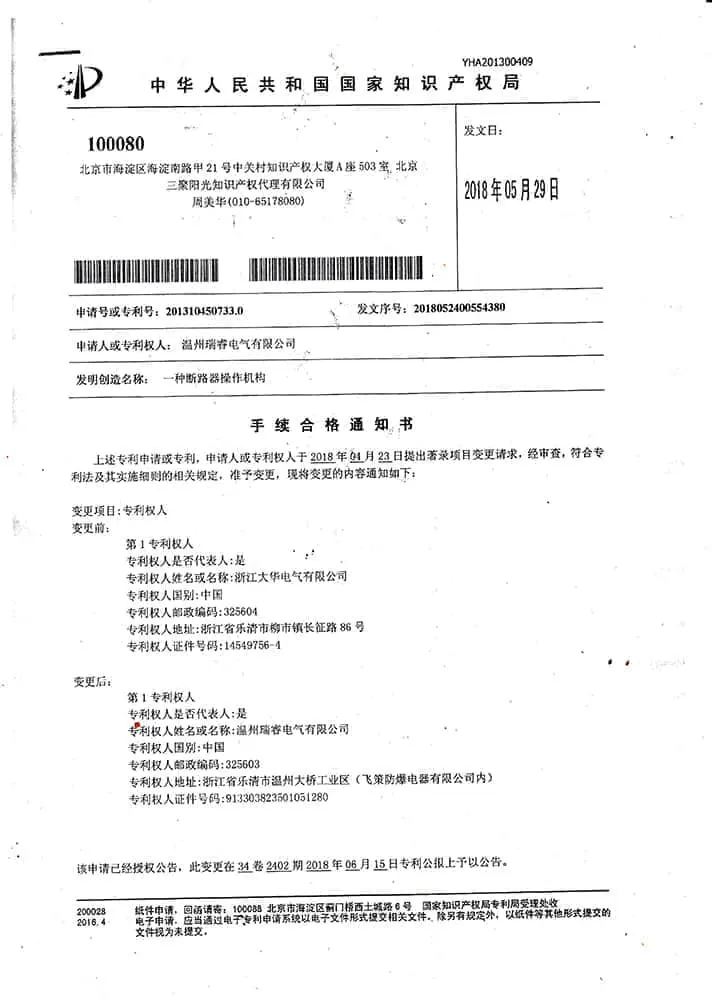
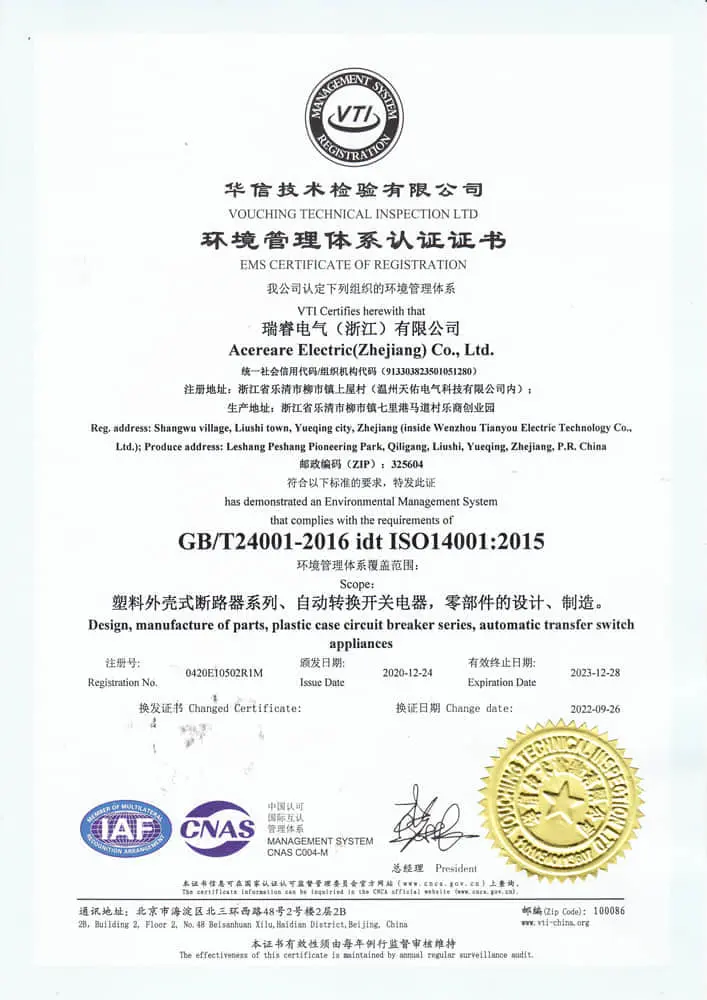
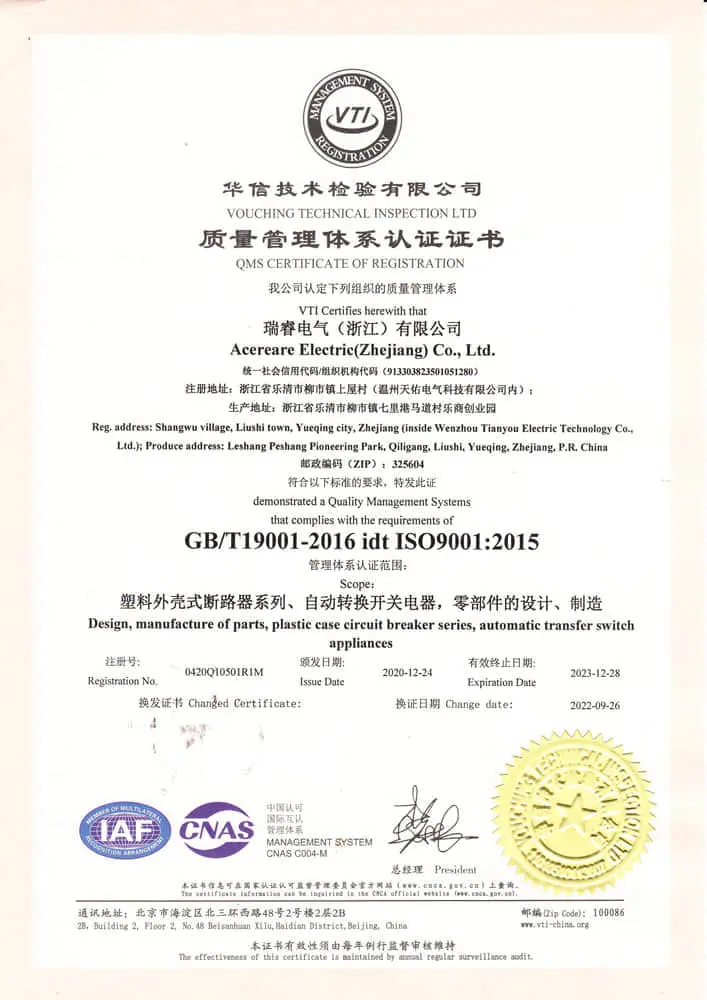
Certified Safety and Technical Approvals

Acereare products undergo comprehensive international testing, ensuring they conform to standard safety policies.
Certificate 1
Certificate 2
Certificate 3
Certificate 4
Certificate 5
Certificate 6
Certificate 7
Certificate 8
Certificate 9
Certificate 10

Technical Engineering FAQ (Frequently Asked Questions)

Address critical engineering questions asked by commercial projects managers, site engineers, and electrical procurement specialists.

Q1: What is the technical difference between a Thermal-Magnetic and an Electronic LSIG 250A MCCB?
A Thermal-Magnetic MCCB uses a bimetallic strip to respond to thermal overloads (deflection caused by heat accumulation) and an electromagnetic coil for instantaneous short-circuit protection. It is simple, reliable, and highly cost-effective, but its tripping curves are relatively rigid. An Electronic MCCB (equipped with an LSIG trip unit) relies on integrated Current Transformers (CTs) and a microprocessor to measure load currents. It allows independent settings for Long-time delay (L), Short-time delay (S), Instantaneous pickup (I), and Ground fault protection (G). This provides highly customizable curves, making it ideal for systems requiring selective coordination to prevent localized faults from tripping the main upstream breaker.
Q2: How do high-altitude environments (>2000m) affect 250A MCCB performance, and how is it derated?
At elevations exceeding 2000 meters, atmospheric pressure drops, leading to a decrease in air density. This affects MCCB operations in two major ways: 1. Reduced Cooling Efficiency: The convective cooling capacity of the surrounding air decreases, causing the breaker's internal copper pathways to reach higher operational temperatures under nominal currents. 2. Reduced Dielectric Breakdown Voltage: The lower density of the air makes electrical arcing easier across contacts. To compensate, engineers must apply a derating factor. For instance, at 3000 meters, the rated operational voltage (Ue) might be derated to 0.88-0.90 of its nominal value, and the rated continuous operational current (Ie) is typically derated to 0.96.
Q3: Why are moving and fixed copper contacts critical to the operational life of an MCCB 250A?
The contacts are the physical path through which the electrical current passes. In a 250A MCCB, these contacts must handle steady-state current without heating excessively, and safely route kiloamperes of current during a fault. Acereare manufactures moving and fixed contacts from high-conductivity electrolytic copper alloy plated with silver-nickel or silver-cadmium oxide alloys. This design provides high weld resistance and low electrical contact resistance, preventing localized heating that could cause the breaker housing to melt or carbonize.
Q4: How does Acereare guarantee supply chain resilience under global constraints?
Unlike assemblers who purchase components from third-party manufacturers, Acereare Electric controls both component fabrication and complete-machine assembly. Our two factories (RuiRui and KeRui) manufacture key inputs, including plastic housings, metal stamping structures, and contacts. By coordinating logistics with modern ERP/MES tracking software, we manage production directly, insulate our buyers from component shortages, and ensure consistent quality control.
Q5: Can these MCCBs be configured for solar photovoltaic (PV) DC networks?
Yes. Our ARM6DC series is designed specifically for PV applications. It operates safely in DC networks from 700VDC up to 1500VDC with a 250A current rating. Standard AC breakers cannot be used in DC systems because DC arcs lack a natural zero-crossing point, making them harder to extinguish. DC-rated MCCBs feature specialized arc-extinguishing chambers and magnetic blowouts to pull the arc away from contacts and quench it quickly.
Q6: What is the significance of the 72-hour salt spray testing on our marine-type MCCBs?
Docks, coastal facilities, and vessel power distribution panels are exposed to high concentrations of airborne sodium chloride (salt) and moisture. Over time, this induces rapid galvanic corrosion on raw copper and steel parts. Our marine-grade breakers are tested in a salt spray chamber (salt fog concentration of 5% at 35°C) for 72 hours for complete systems, and 48 hours for sub-assemblies. This tests the durability of the anti-corrosive electroplating, ensuring the breaker remains operational in humid and coastal conditions.