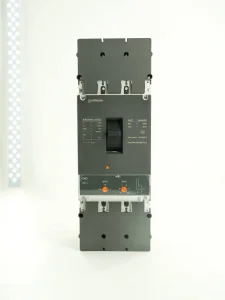
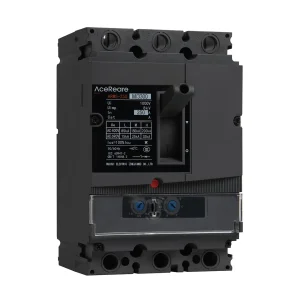
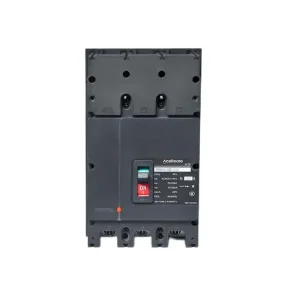
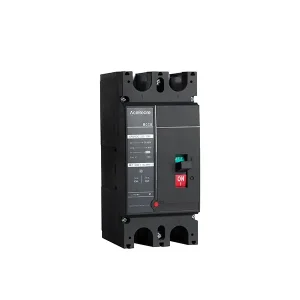
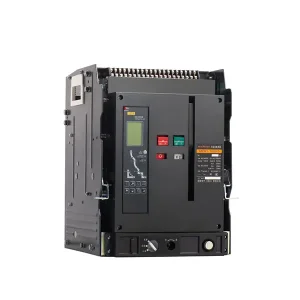
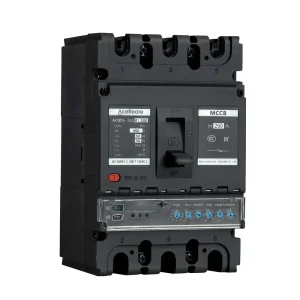
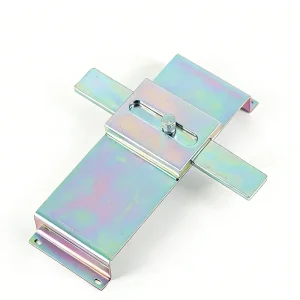
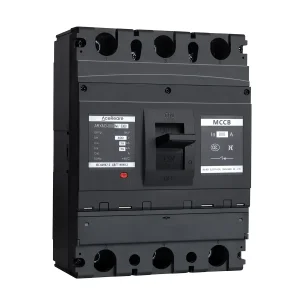
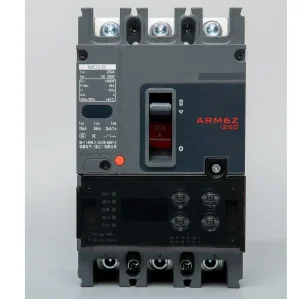
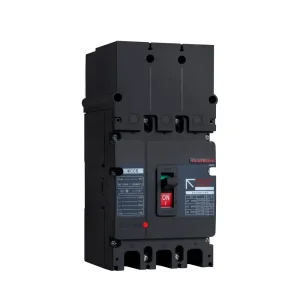
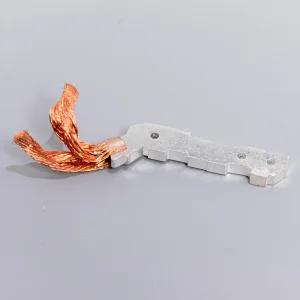
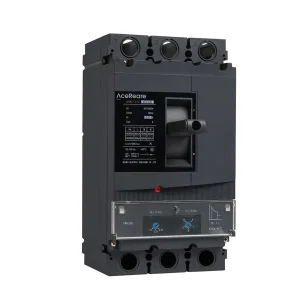
High-capacity AC/DC circuit breakers designed for utility-scale solar farms and heavy industrial applications.
The global transition to high-capacity clean energy sources has caused a fundamental shift in electrical distribution systems. In utility-scale solar installations, operating voltages have migrated from traditional 1000V DC grids to advanced 1500V DC configurations. This expansion enables engineers to implement longer module strings, reduce the quantity of combiner boxes, and lower electrical current losses (I²R losses) across massive site acreages.
However, running networks at elevated high-voltage configurations presents a significant physical challenge: DC currents do not possess natural zero-crossing points. If a fault occurs, extinguishing the resulting high-energy electrical arc requires rapid mechanical separation, precision-engineered arc-chutes, and optimized magnetic blowouts. Modern industrial operators cannot rely on standard AC distribution circuit breakers. They require specialized Photovoltaic Molded Case Circuit Breakers (PV MCCBs) designed specifically to manage high-voltage DC stresses and thermal variations.
As grid operators mandate robust fault ride-through metrics and utility sites demand high-voltage resilience, selecting qualified OEM factories capable of producing certified PV protective apparatuses has become a critical supply chain priority. Working directly with specialized Chinese OEM/ODM factories ensures access to custom electrical engineering, rapid prototyping, and high-volume output capacity needed to meet global renewable project deadlines.

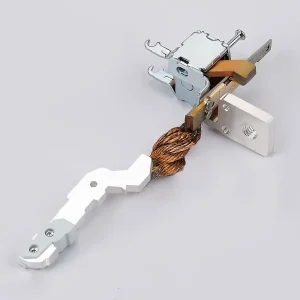
Founded in 2015, Acereare Electric operates two fully owned industrial production subsidiaries: RuiRui Electric and KeRui Electric. Specializing in high-power Molded Case Circuit Breakers (MCCB), Air Circuit Breakers (ACB), and structural copper component manufacturing, we inherit over 20 years of generational craftsmanship in circuit design. Today, our advanced facility serves as a tier-1 ODM resource for international industrial brands seeking robust reliability and scalable output.
Why global procurement teams choose Acereare as their strategic overseas production base.
We process raw raw materials in-house—including high-precision silvering on moving contacts and structural metal stamping. This controls upstream supply risks, lowers unit costs, and guarantees structural consistency across high-volume production batches.
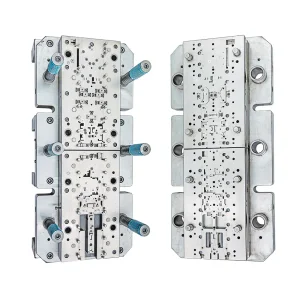
With 50+ specialized R&D engineers, we design and produce high-durability plastic injection molds and stamping dies. This enables us to modify external dimensions or inner mechanics to match specific customer requirements.
All operations are managed through integrated ERP, PLM, and MES systems. This provides end-to-end component traceability, structured lead times, and transparent quality control metrics for external audits.
Our in-house laboratory houses over 150 testing instruments. We perform mechanical endurance runs, thermal aging cycles, and calibration testing, ensuring every unit complies with CE, CB, and CCC standards before shipment.
Photovoltaic sites are deployed in harsh environments globally. Here is how our MCCBs are engineered to survive.
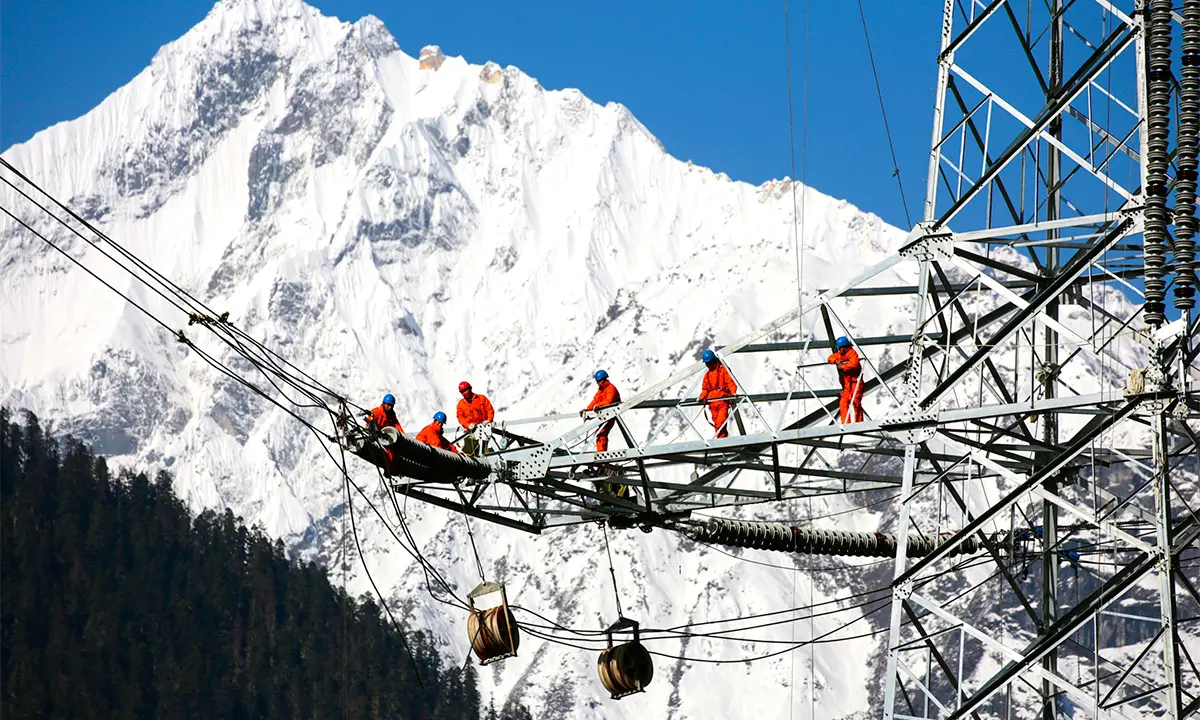
Standard plastics and lubricants become brittle and lose viscosity in cold climates, which can cause mechanical binding. We utilize reinforced engineering polymers and low-temperature synthetic grease, verifying performance in environmental testing chambers to ensure reliability down to -40℃.

Coastal solar systems suffer from salt air corrosion, which degrades copper contacts and linkages. We apply thick electroplated coatings and conduct 72-hour salt spray tests on full assemblies to protect critical structural surfaces.
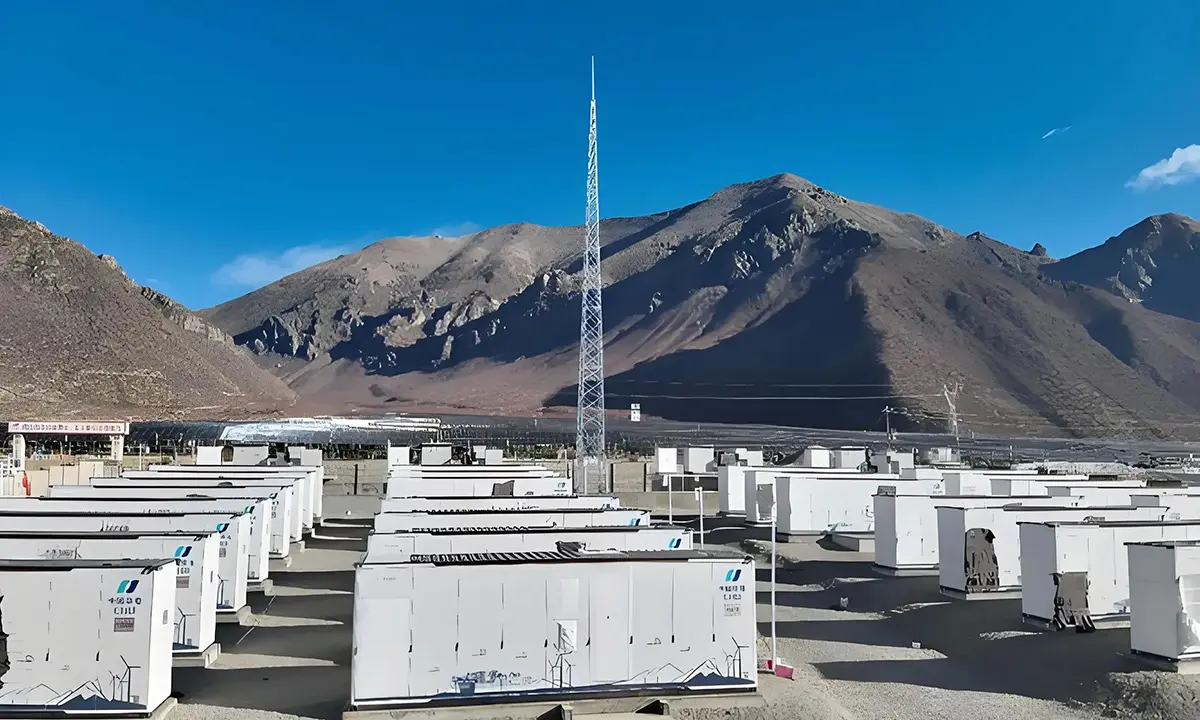
At altitudes above 2000 meters, thinner air reduces dielectric breakdown voltage and limits thermal dissipation. We supply high-altitude derating coefficients, allowing system designers to scale operating voltages and thermal ratings for high-elevation installations.

Behind-the-meter energy storage installations require compact, reliable circuit breakers. Our low-frame-size MCCBs isolate lithium-ion battery strings, preventing high-energy DC shorts and ensuring safety in residential and commercial settings.
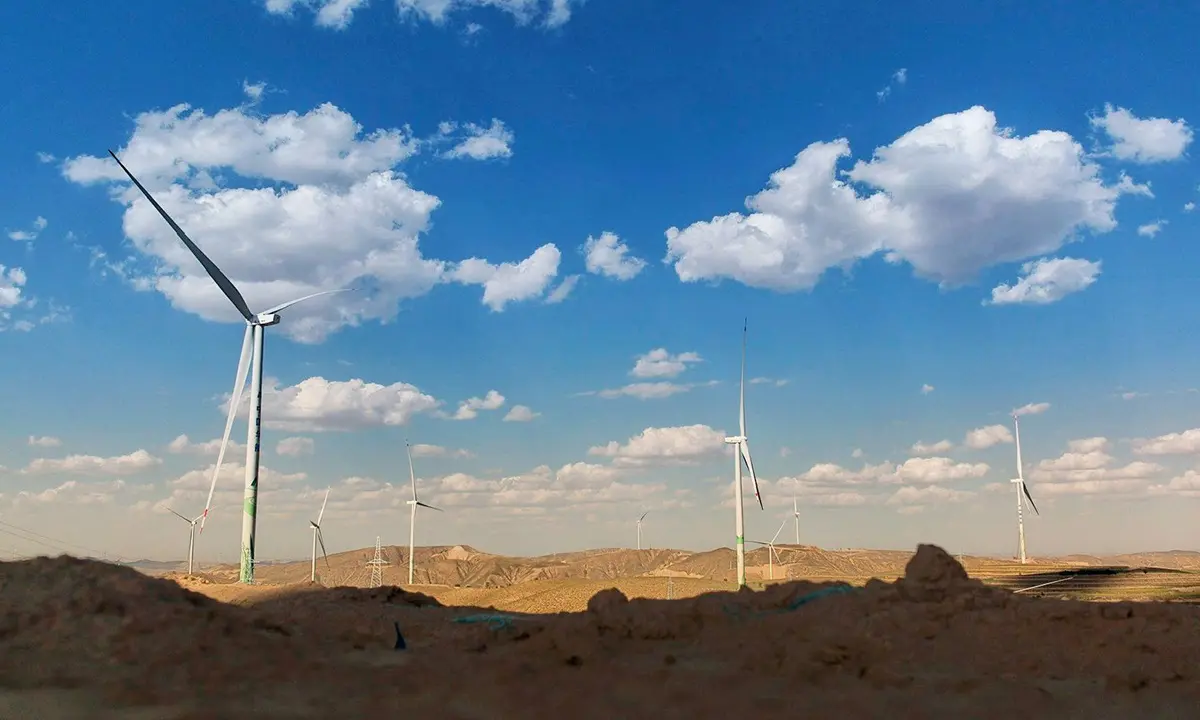
Desert solar facilities regularly experience operating temperatures inside combiner enclosures exceeding 50℃. We test our assemblies in a 55℃ environmental chamber, using heat-resistant thermal barriers to prevent nuisance tripping under load.
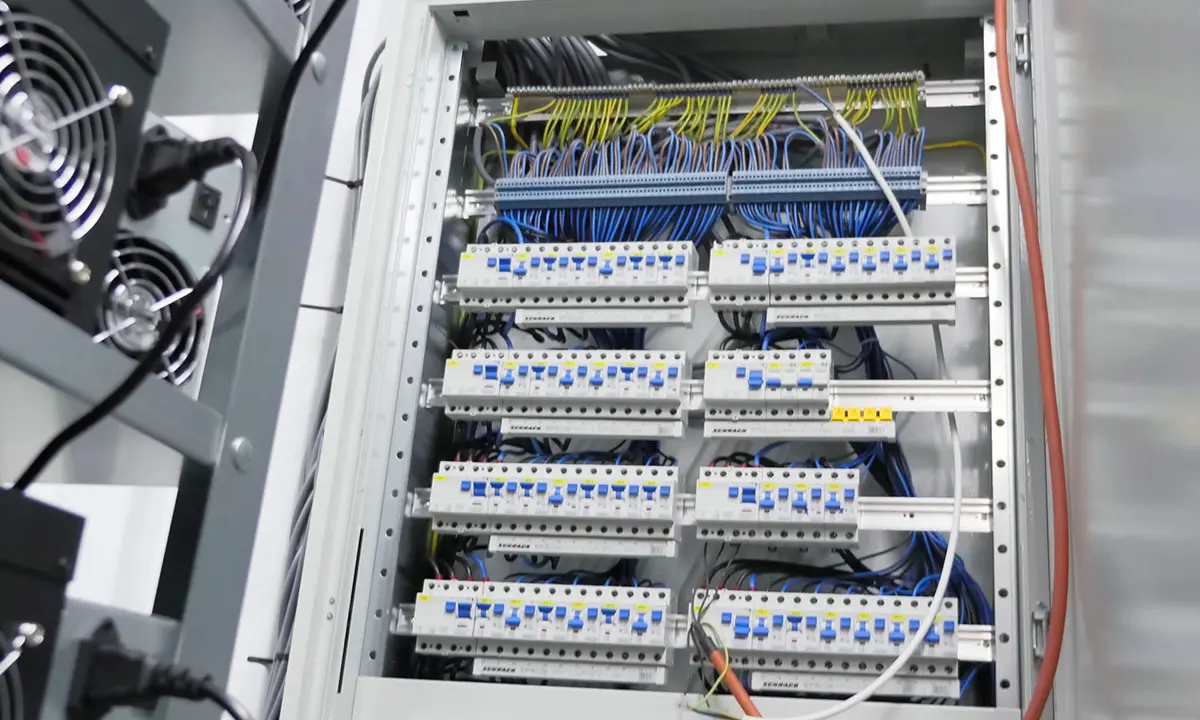
Modern microgrids require real-time electrical analytics. Our smart MCCBs feature built-in Modbus communications, high-accuracy current/voltage sensors, and electronic trip units to support predictive maintenance and load management.
We provide a clear path from customized engineering drawings to international product certification.
Enhance brand recognition with customized housing colors, laser-etched nameplates, and bespoke primary packaging. We supply high-quality raw materials to ensure your products meet the premium requirements of your target markets.
Benefit from co-development of custom housing structures, unique terminal configurations, and tailored electrical performance parameters. Mold fees can be amortized or refunded based on long-term purchase volumes.
Send us your specifications, and we will handle the PCB layout, mechanical design, prototype assembly, and international certification testing (TUV, KEMA, CE) in collaboration with external laboratories.
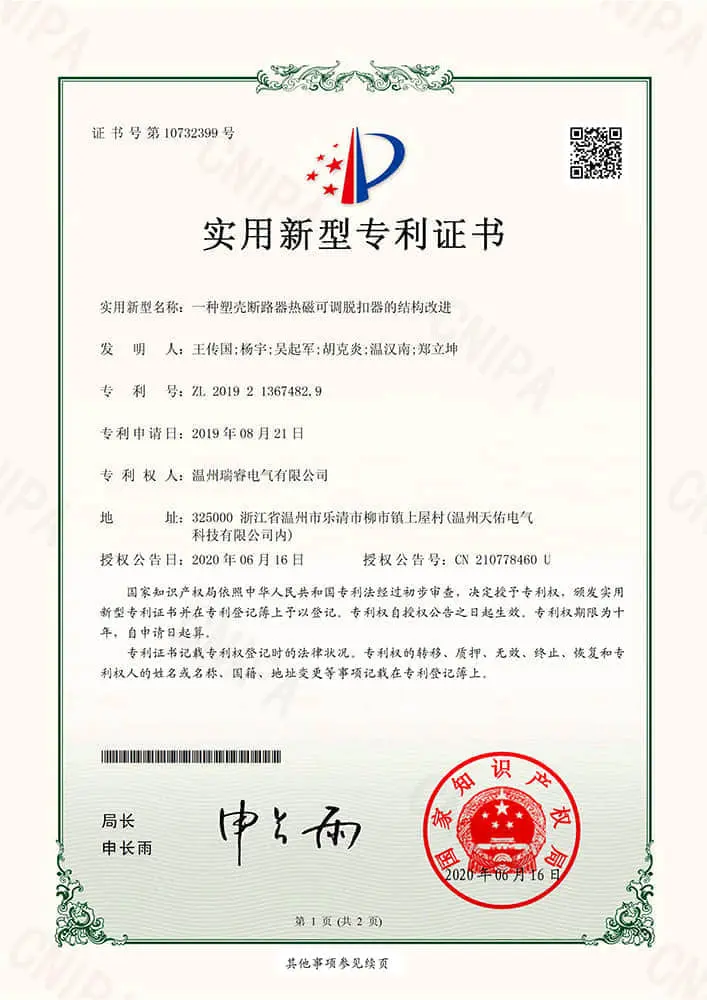
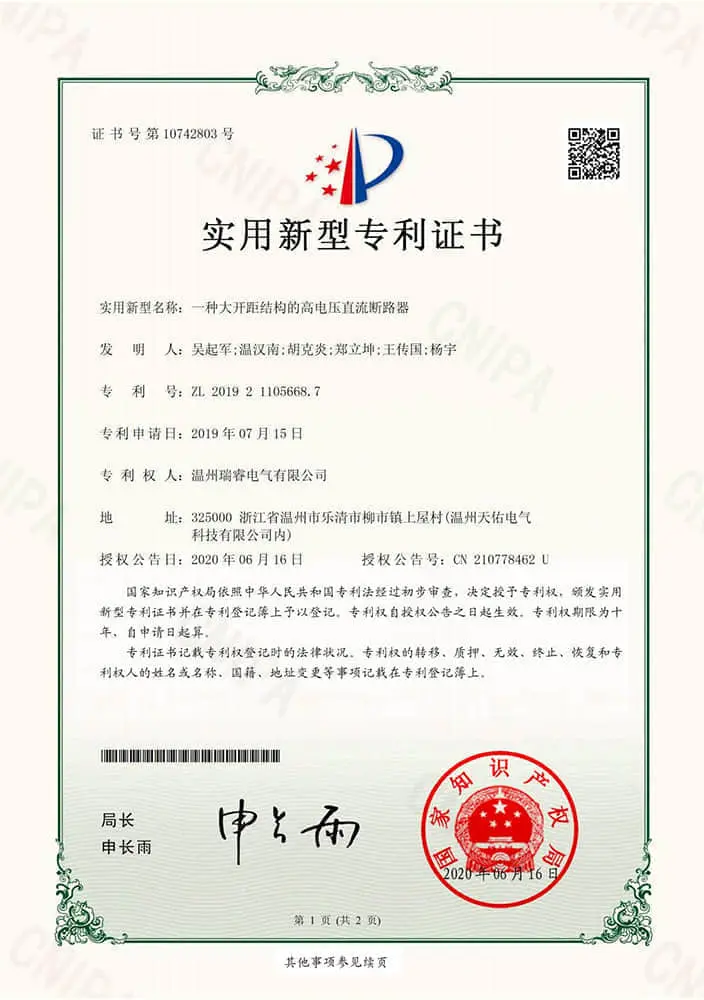
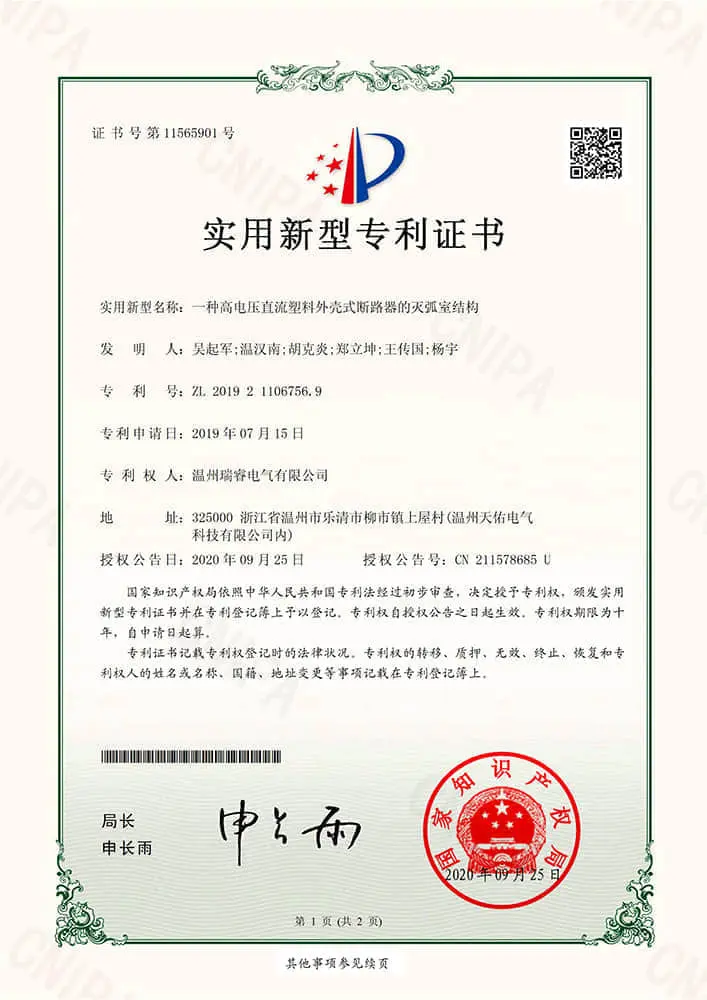
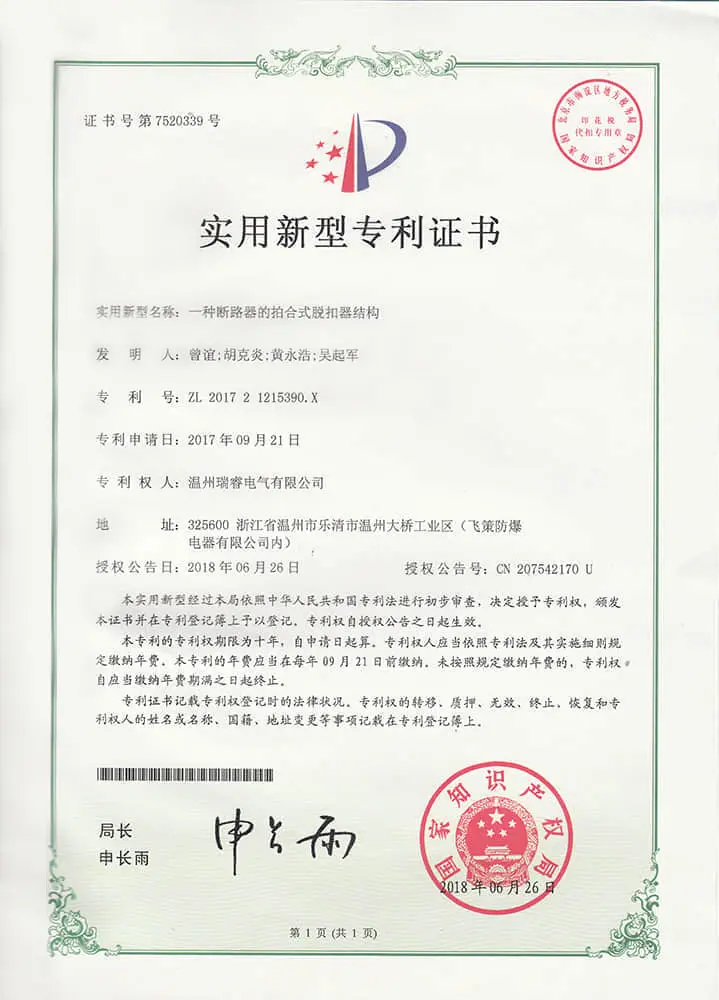
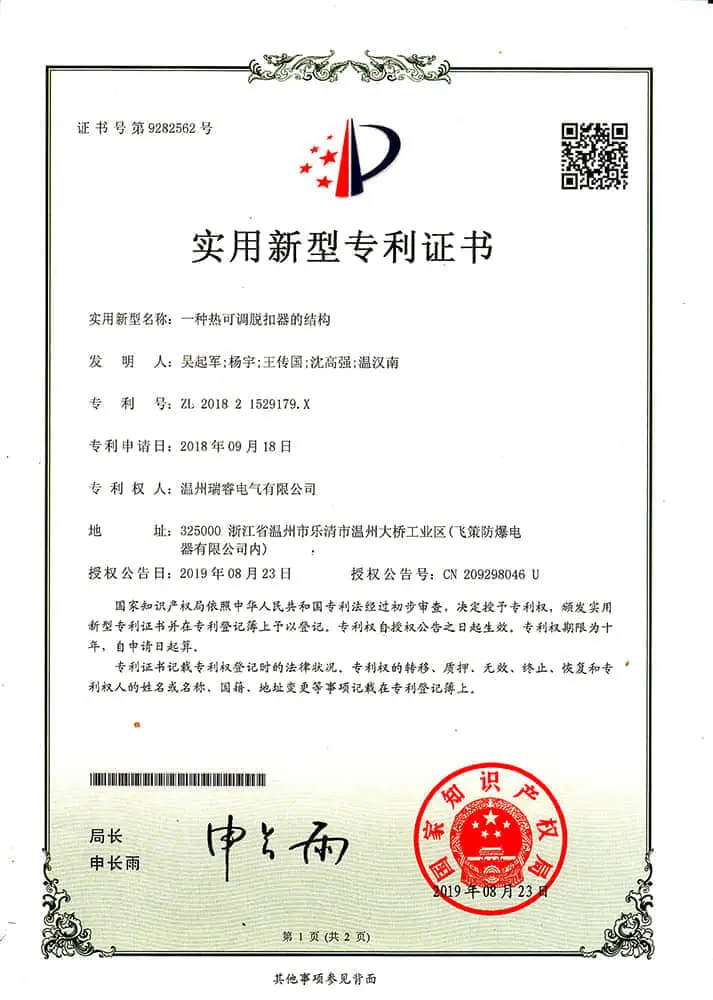
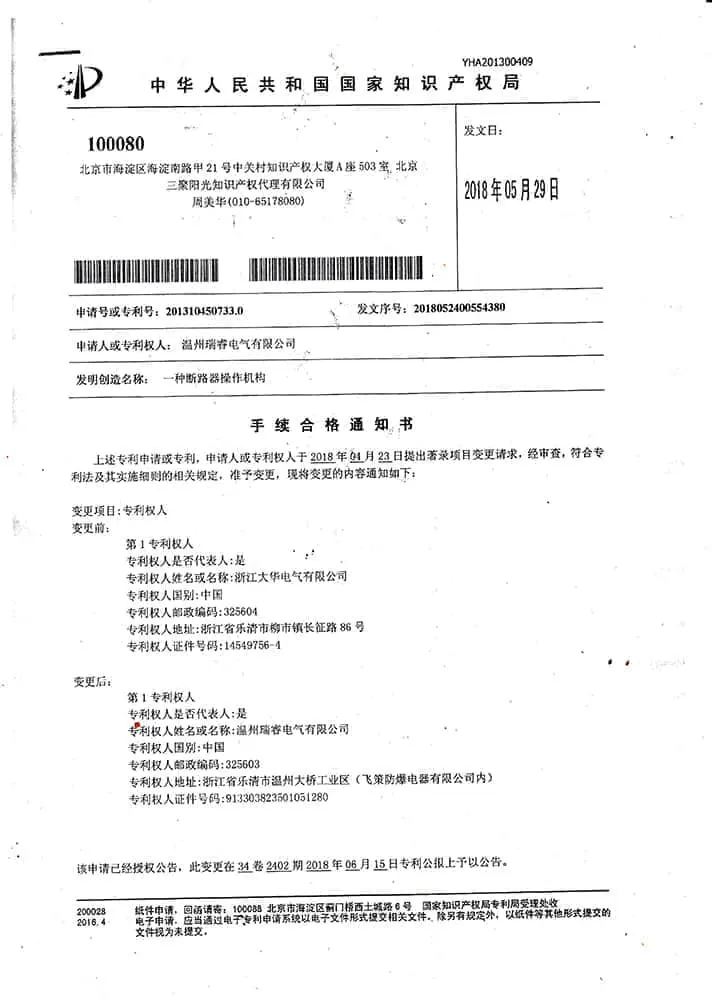
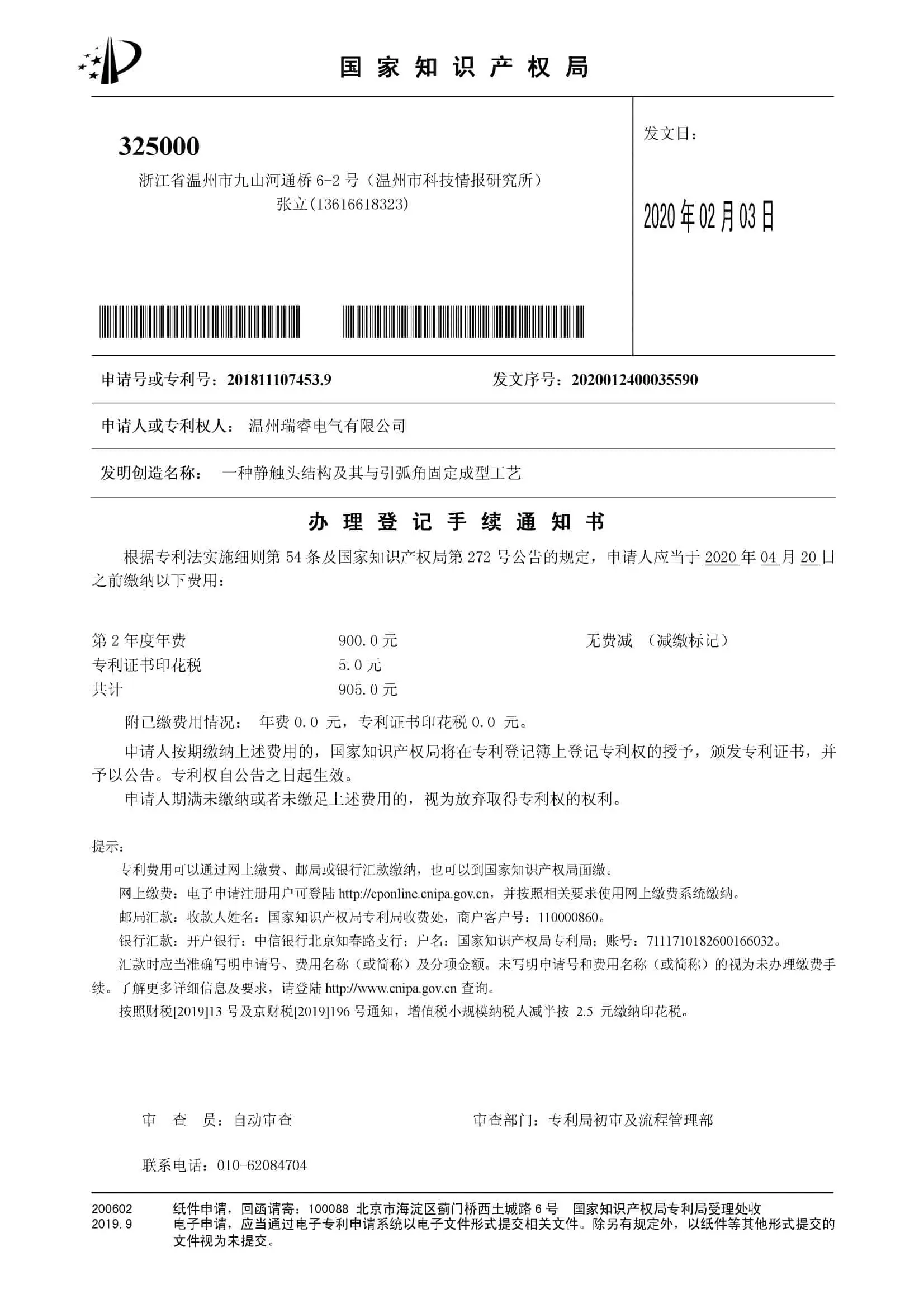
All our products are verified and certified to meet high safety and environmental requirements worldwide.
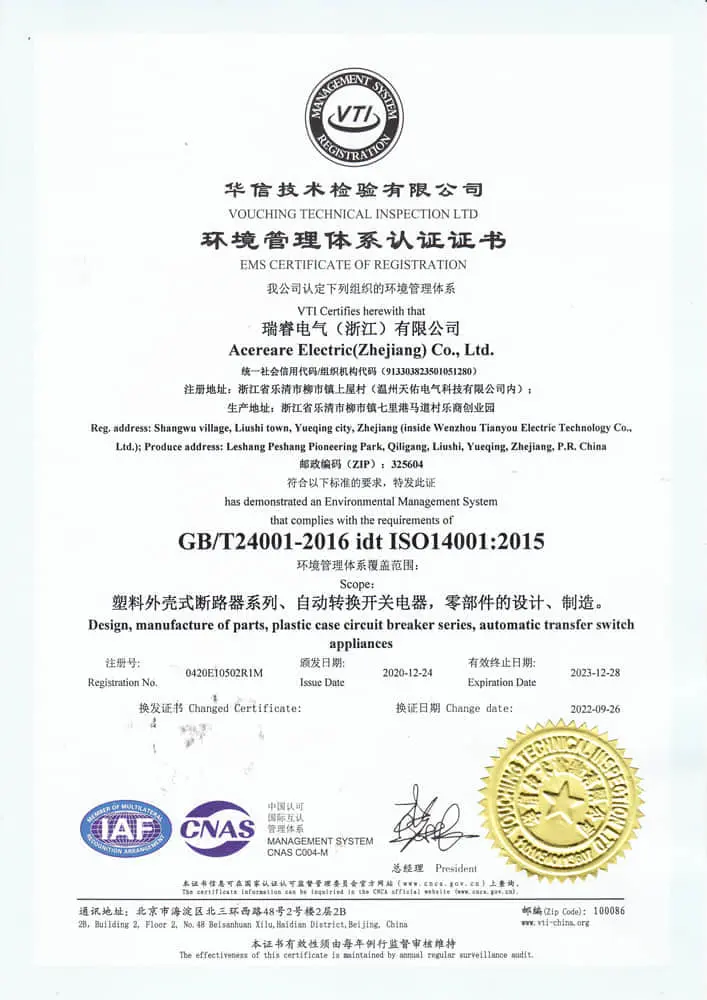
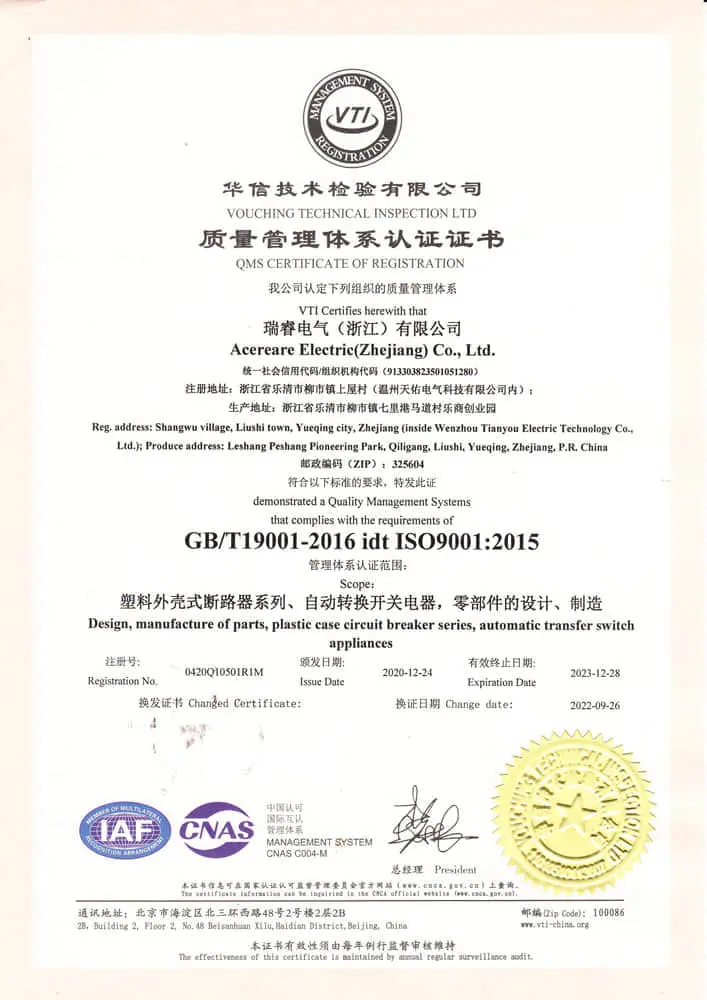

Answers to key engineering and procurement questions about photovoltaic circuit breakers.
Partner with Acereare for certified protection components, flexible branding options, and high-volume manufacturing support.
Send Engineering QueryHeavy-duty drawer air circuit breakers, high-durability internal contacts, and specialized solar protection switchgear.
 AceReare