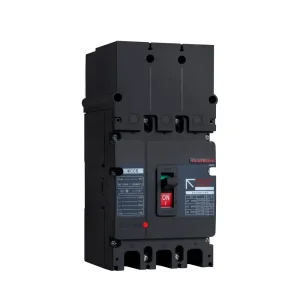
Engineered for high short-circuit duty cycles, petrochemical isolation, and solar integration.
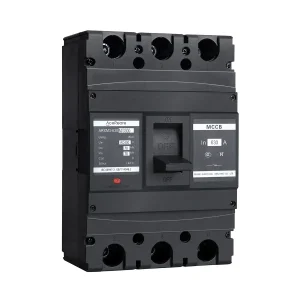
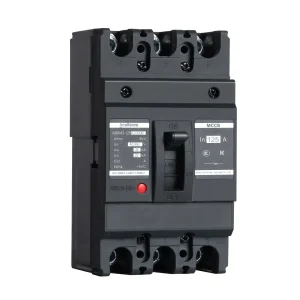
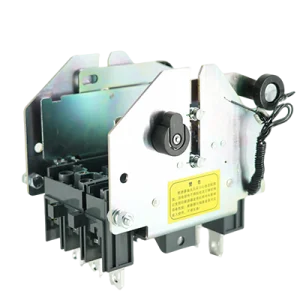
The greater Houston metropolitan area and the wider Gulf Coast industrial region stand as the energy capital of the world. Heavy industries here—ranging from expansive petrochemical refining complexes along the Houston Ship Channel to advanced offshore oil extraction hubs and rapidly deploying utility-scale solar generation fields—demand robust power infrastructure. In these demanding environments, electrical faults are not merely operational inconveniences; they represent significant economic hazards and safety risks. Molded Case Circuit Breakers (MCCB) and Air Circuit Breakers (ACB) serve as the primary defensive line for protecting heavy plant equipment, motors, and commercial distribution grids.
“Designing electrical protection for the Houston market requires balancing localized environmental hazards—such as ambient humidity and high offshore salt mist levels—with the demanding fault-clearing capabilities required by large petrochemical plants and utility solar arrays.”
Standard electrical designs assume normal operating environments. In contrast, Houston's climate introduces high humidity, elevated ambient summer temperatures exceeding 40°C, and exposure to corrosive coastal elements. Standard thermal-magnetic circuit breakers utilize bimetallic strips calibrated for a 40°C reference. When operating within unconditioned enclosures in direct Texas sunlight, internal enclosure temperatures can easily climb to 55°C or higher.
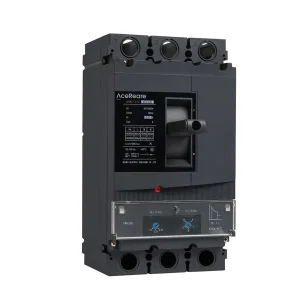
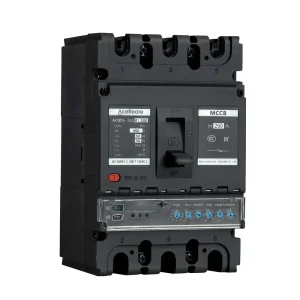
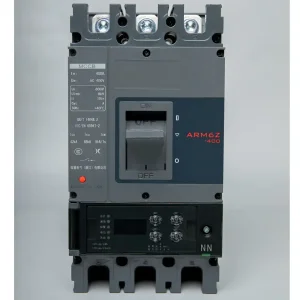
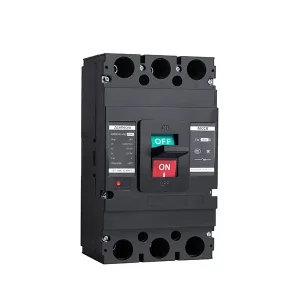
Without proper thermal adjustments or electronic trip units, breakers will experience nuisance tripping below their rated currents. Our technical portfolio features adjustable thermal-magnetic circuit breakers alongside advanced electronic trip units (LSIG). These systems provide precise electronic current sensing that remains unaffected by ambient thermal fluctuations, ensuring dependable power continuity in harsh industrial climates.
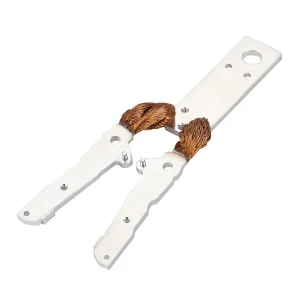
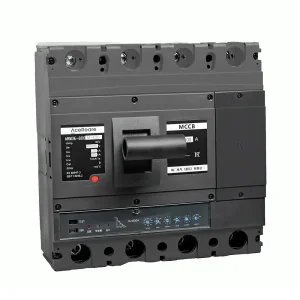
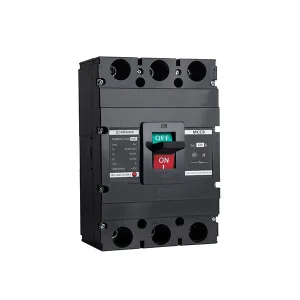
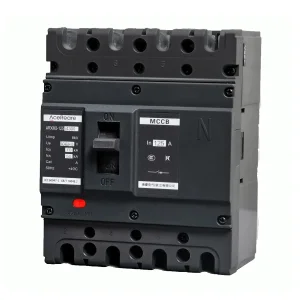
EPC contractors and switchgear OEMs in Houston manage tight project timelines and strict budgets. Importing directly from specialized manufacturers provides clear advantages in both procurement cost and equipment customization. The ability to source custom-branded solutions (OEM/ODM) helps local distributors establish distinct market positions. With an experienced engineering team and dedicated production facilities, we deliver switchgear internals, drawer bases, replacement moving contacts, and complete MCCB/ACB units that integrate smoothly into custom power distribution panels.
For systems connected to the ERCOT grid, equipment reliability must meet international testing standards. Our products undergo strict quality checks using PLM, MES, and ERP management software, and are validated by global laboratories (CE, CB, CCC, and others). Whether configuring high-interrupting capacity systems for petrochemical processing or integrating 800VAC units for commercial utility-scale solar installations, our hardware provides the necessary breaking capacity (up to 200kA Icu) and selective coordination to safeguard critical power paths.
Backed by over 20 years of manufacturing experience, Acereare is a leading original developer of molded case circuit breakers and air circuit breakers.
Equipped with modern test instrumentation and automated assembly systems across two manufacturing plants. We handle high-volume demands while maintaining close tolerance control.
50+ active R&D engineers specialized in 3D modeling, contact dynamics, and arc simulation. We deliver custom design solutions for unique mechanical and electrical installations.
Integrated ERP and U8 control systems link materials tracking directly to production planning. We manage scheduling proactively to ensure on-time product deliveries.
Equipped with onsite laboratories to run over 150 unique tests—including thermal cycling, electrical endurance, and short-circuit interrupt capacity.
Our circuit protection line is built to perform in challenging conditions across various industrial sectors.
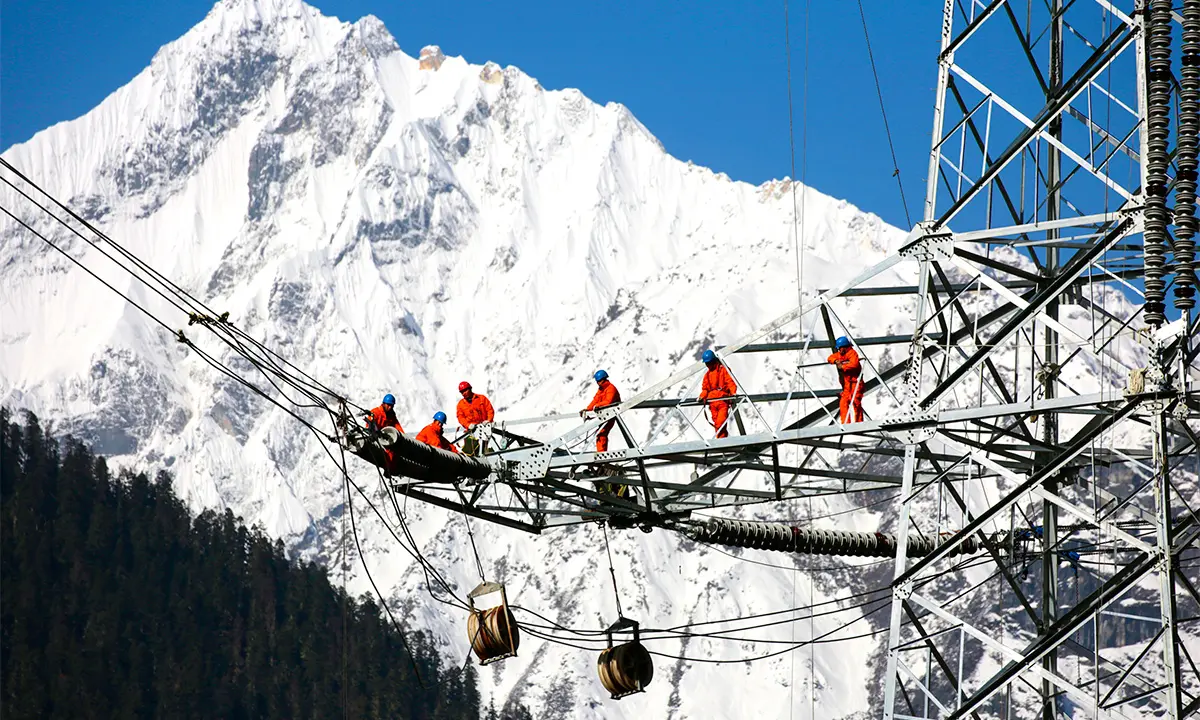
Utilizes specialized low-temperature lubricants, structural materials, and protective coatings to ensure mechanical tripping operates reliably at temperatures as low as -40°C.

Features corrosion-resistant materials and specialized protective treatments. Verified through 72-hour salt spray testing to prevent contact oxidation and mechanical failure in marine areas.
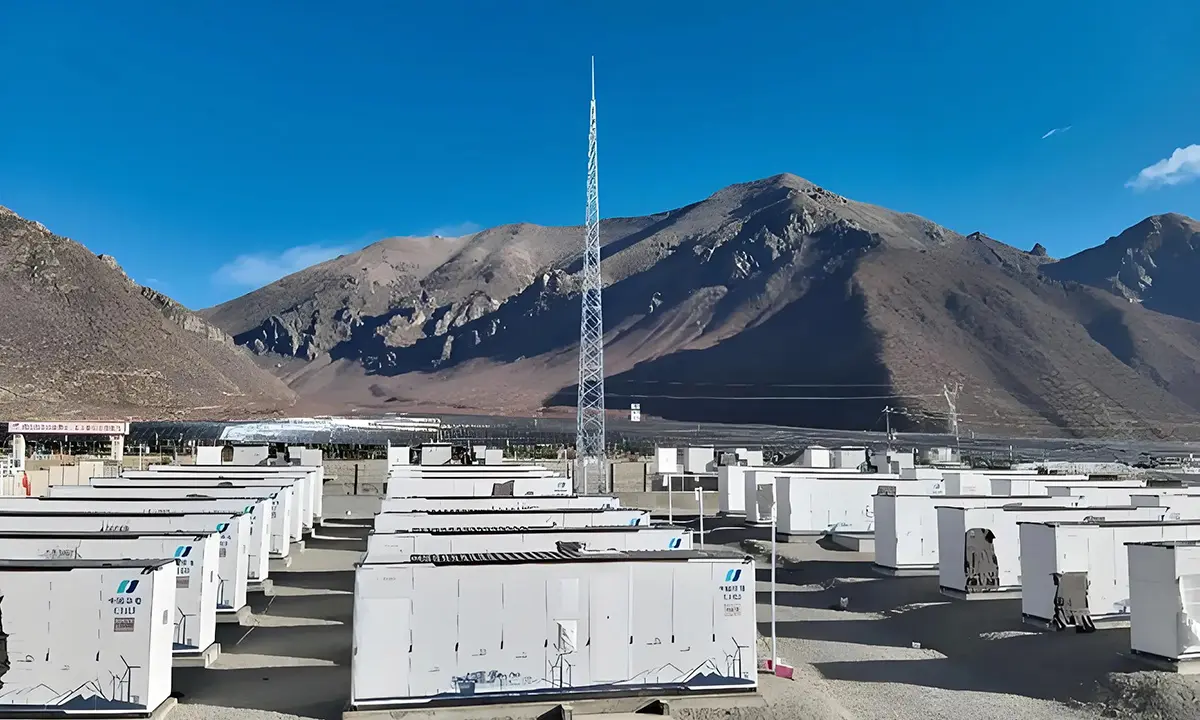
For installations situated above 2,000 meters, we provide detailed electrical derating documentation to adjust current-carrying limits in thin-air conditions.
Get custom-engineered breakers and accessories matching your project specifications, with flexible branding options.
We work directly with engineering partners to develop bespoke molded case circuit breakers and air circuit breakers configured for specific application criteria. Our services include:
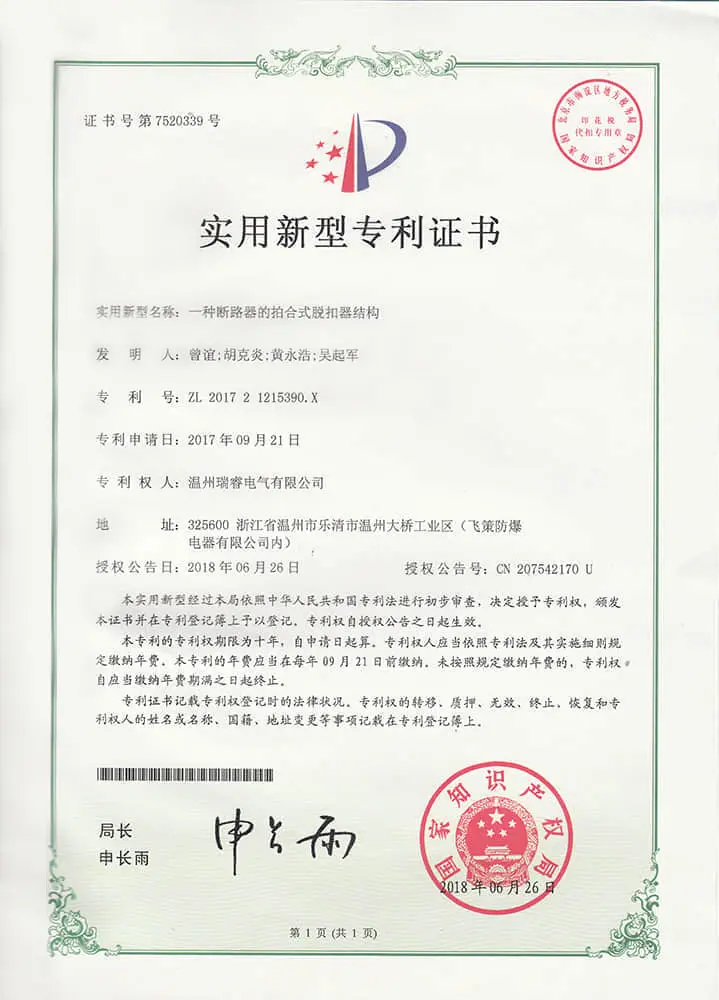
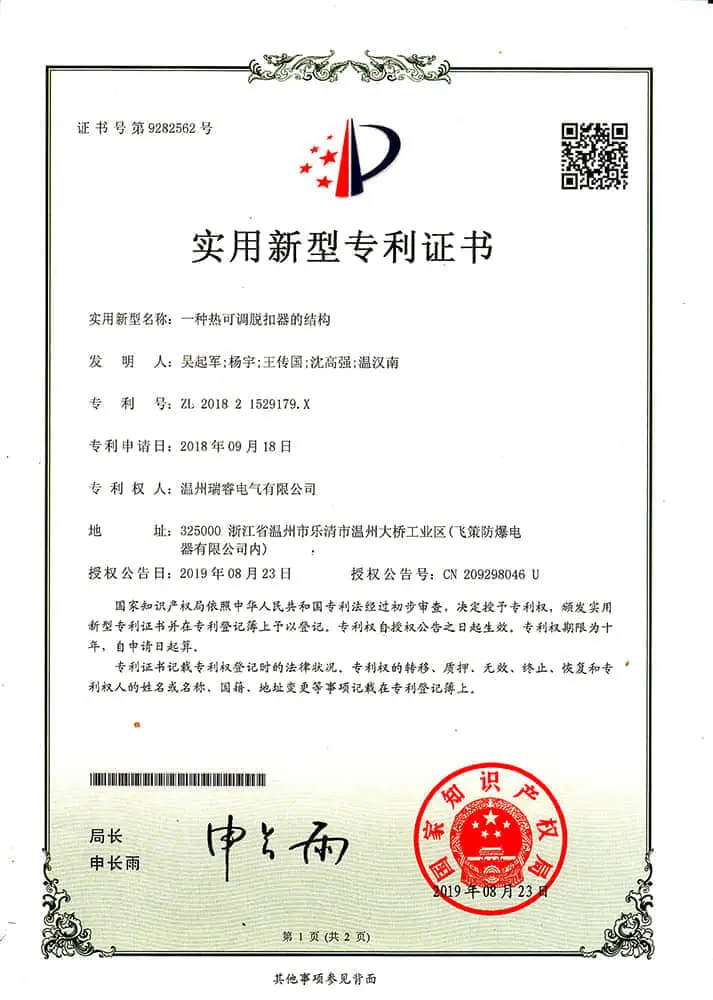
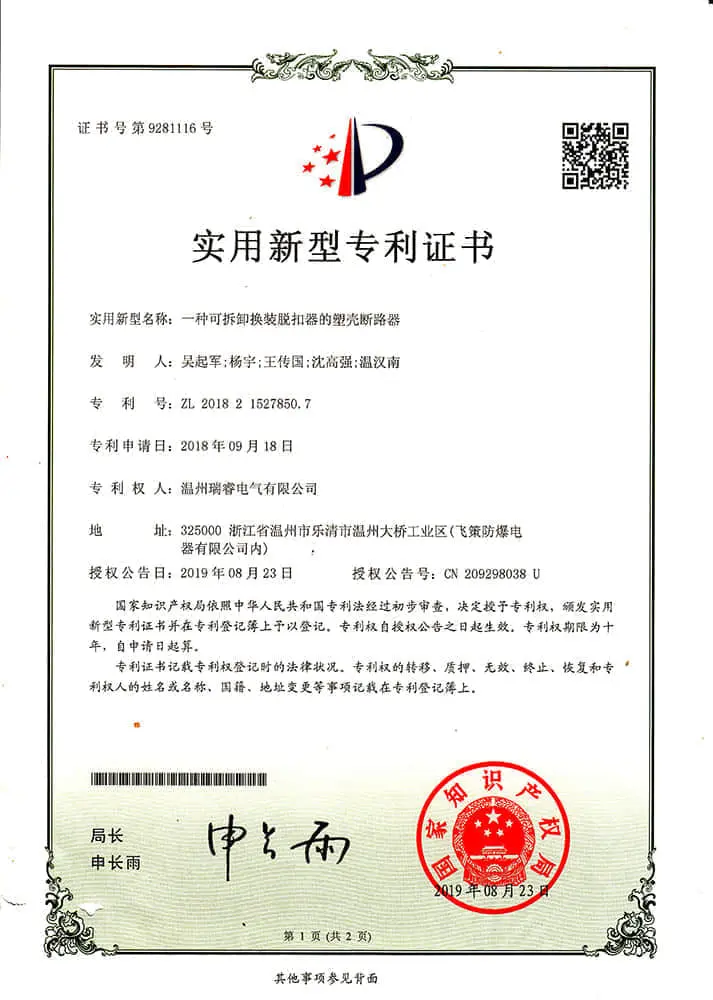
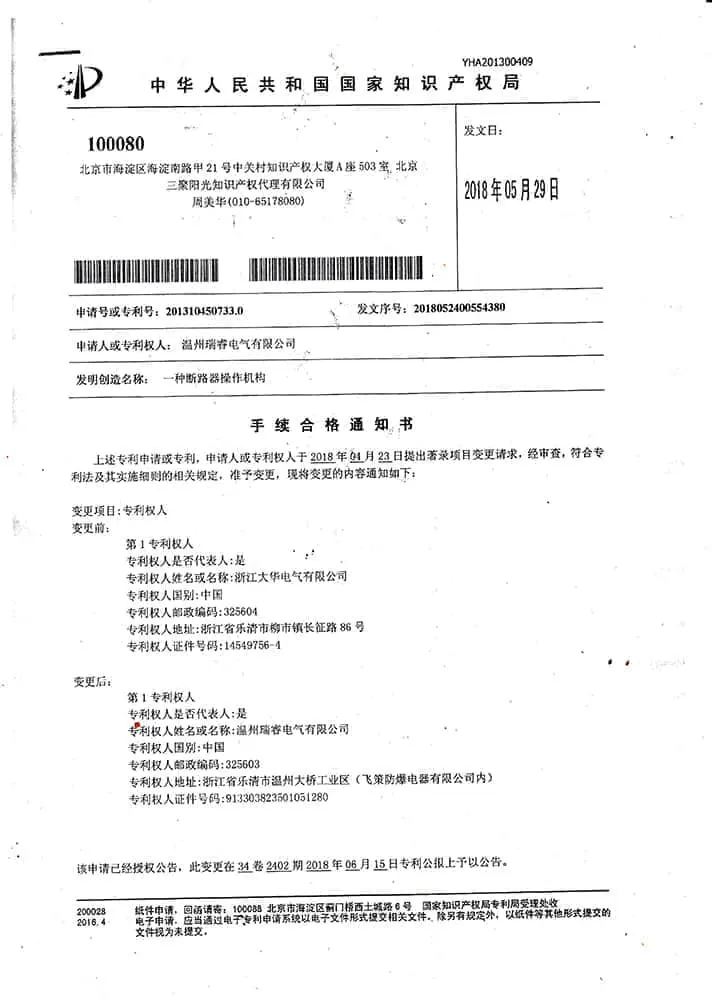
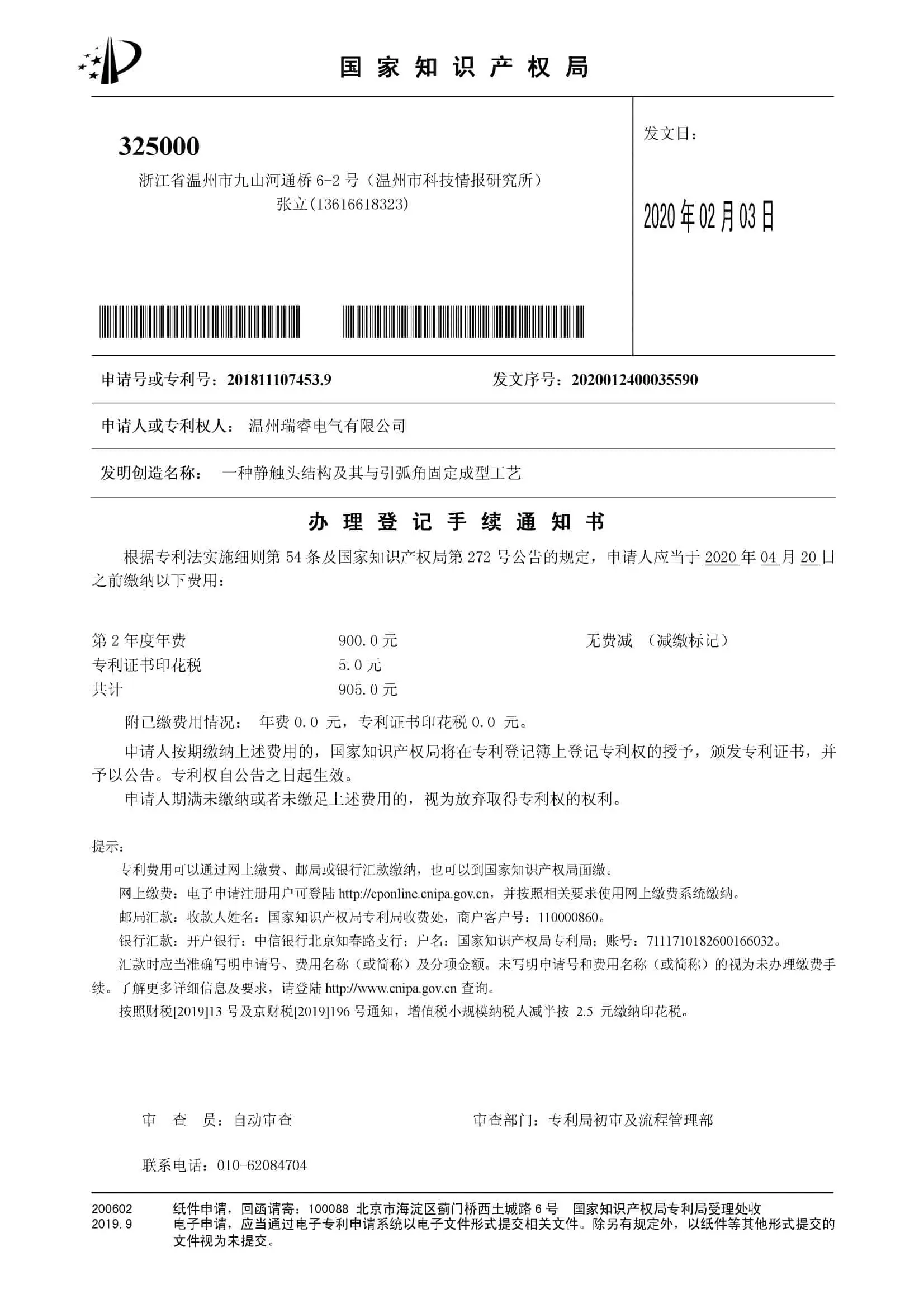
Our manufacturing and product designs undergo rigorous validation to meet international safety and performance criteria.
Answering key queries on breaker application, thermal ratings, and system selection.
Explore our full range of circuit breakers, adjustable trip systems, and high-voltage solar switches.
 AceReare