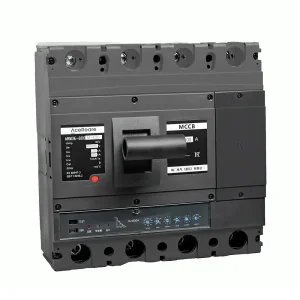
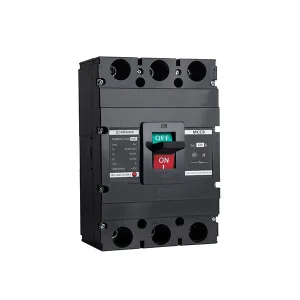
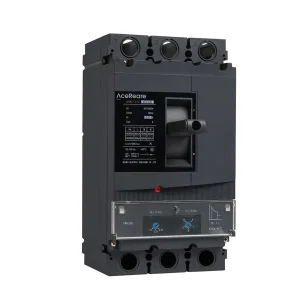
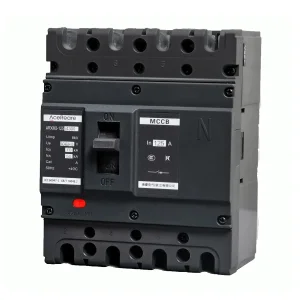
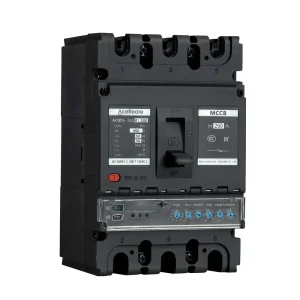
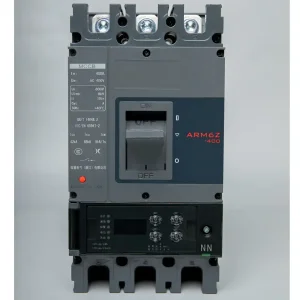
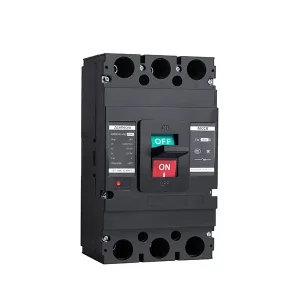
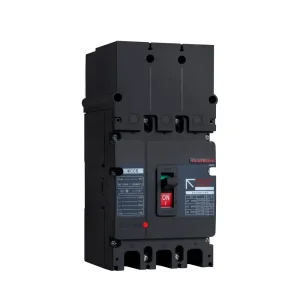
Explore our leading industrial-grade Molded Case Circuit Breakers, components, and quick-disconnect sub-assemblies calibrated for critical European applications.
The Paris metropolitan area, or Île-de-France, is transitioning rapidly into one of Europe's most progressive low-carbon hubs. With the implementation of the strict RE2020 environmental regulations, energy systems across France's industrial corridors, data centers, and multi-tenant commercial structures demand superior grid resilience and high-rupture capacity protection systems. Modern industrial frameworks in France mandate absolute reliability under the NF C 15-100 electrical standards, ensuring smart distribution panels can isolate localized faults instantly without compromising entire subgrids.
Globally, the expansion of high-voltage solar farms and direct current (DC) distribution infrastructure requires next-generation circuit breakers capable of operating reliably at 800VAC, 1000VAC, and even up to 1140VAC. These extreme system demands represent the new frontier of industrial circuit protection technology.

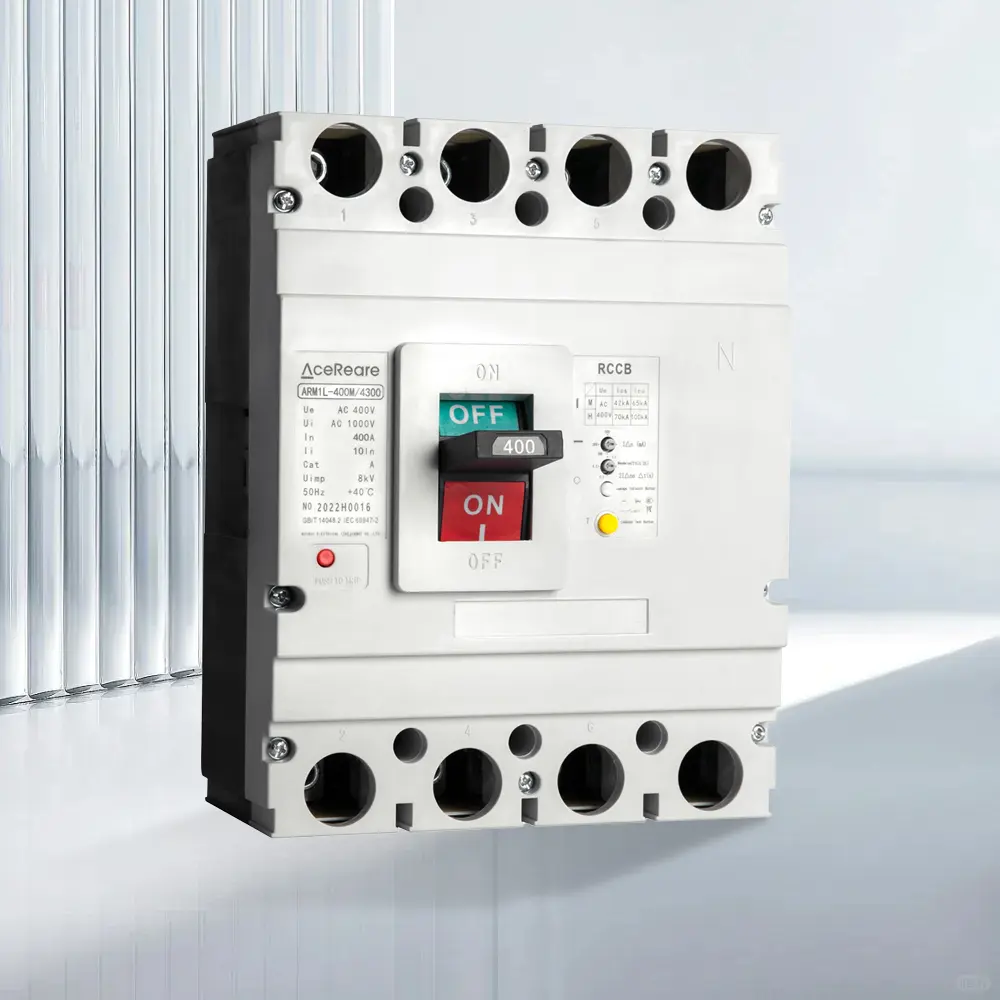
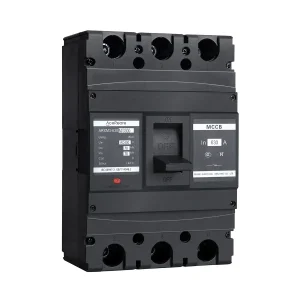
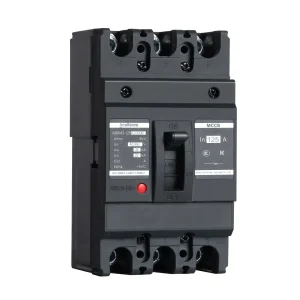
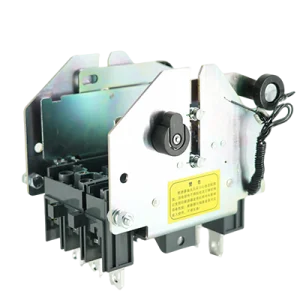
Founded officially in 2015, Acereare Electric operates through its two major wholly-owned subsidiaries: RuiRui Electric and KeRui Electric. We represent an industry-leading original design manufacturer (ODM) and original equipment manufacturer (OEM), combining state-of-the-art production machinery with deep domain knowledge passed down through generations. Our primary engineering focal point encompasses Air Circuit Breakers (ACB), Molded Case Circuit Breakers (MCCB), and core switchgear mechanisms.
Acereare stands out in the global market because of our complete technological autonomy. Rather than merely assembling outsourced sub-components, we control the entire value chain—from physical contact metallurgy to digital firmware design of electronic trip units (ETUs). This vertical integration guarantees superior quality control and rapid product adaptability for specific regional networks, including France's specialized utility frameworks.
Achieving failure-free performance in harsh environments requires rigorous design and testing methodologies. Here is how we ensure each product meets industrial expectations.
One-stop processing utilizing six technical methodologies. Our facilities run 10+ automated and manual production lines with high-precision CNC toolsets.
Over 50 developers using sophisticated 3D CAD/CAE modeling packages, releasing 50+ customized switchgear R&D projects every year.
Two specialized factories synchronized through ERP and U8 software management, linking materials ordering directly with active assembly queues.
In-house laboratories using PLM, MES, and BI tracking engines. More than 150 calibrated testing devices verify each product against structural stress.
Standard circuit breakers fail when exposed to extreme thermal, chemical, or physical factors. Our products are engineered to withstand these demanding conditions.
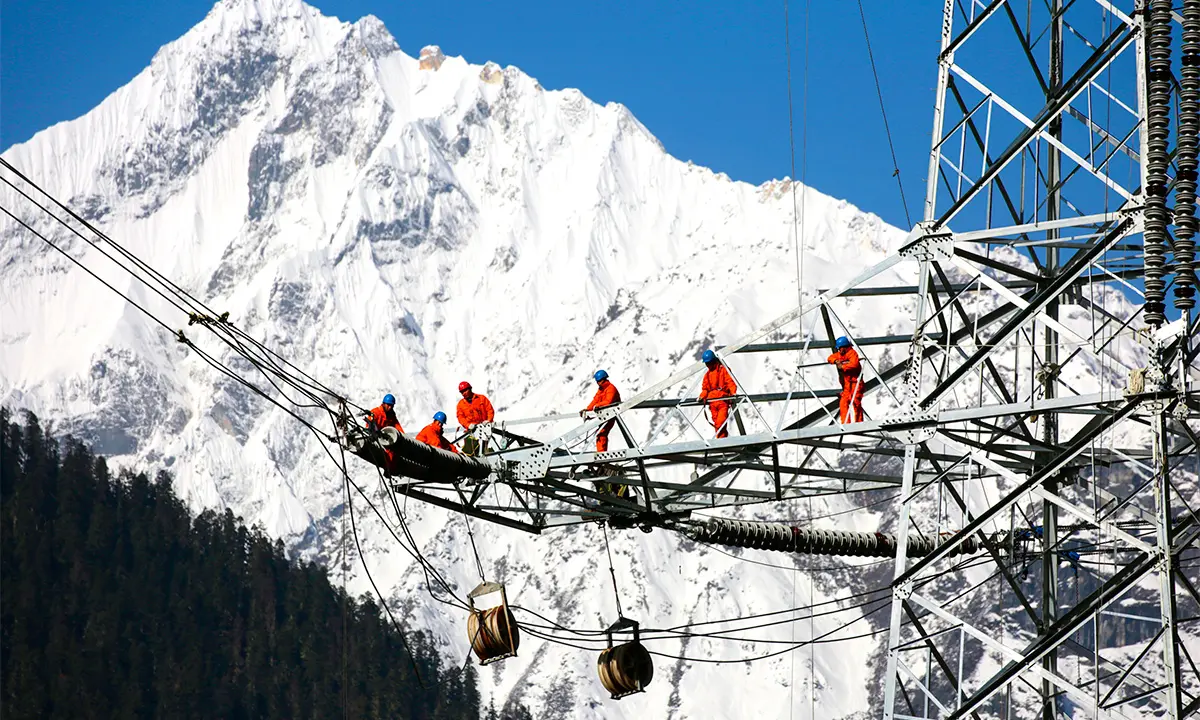
Our low-temperature circuit breakers feature specialized components, specialized lubricants, and a thick protective outer plating. They have been certified to operate reliably down to -40°C.

Designed for coastal projects and industrial docks, these breakers survive 72-hour salt spray testing. This ensures long-term protection against corrosion from humid, salty sea air.
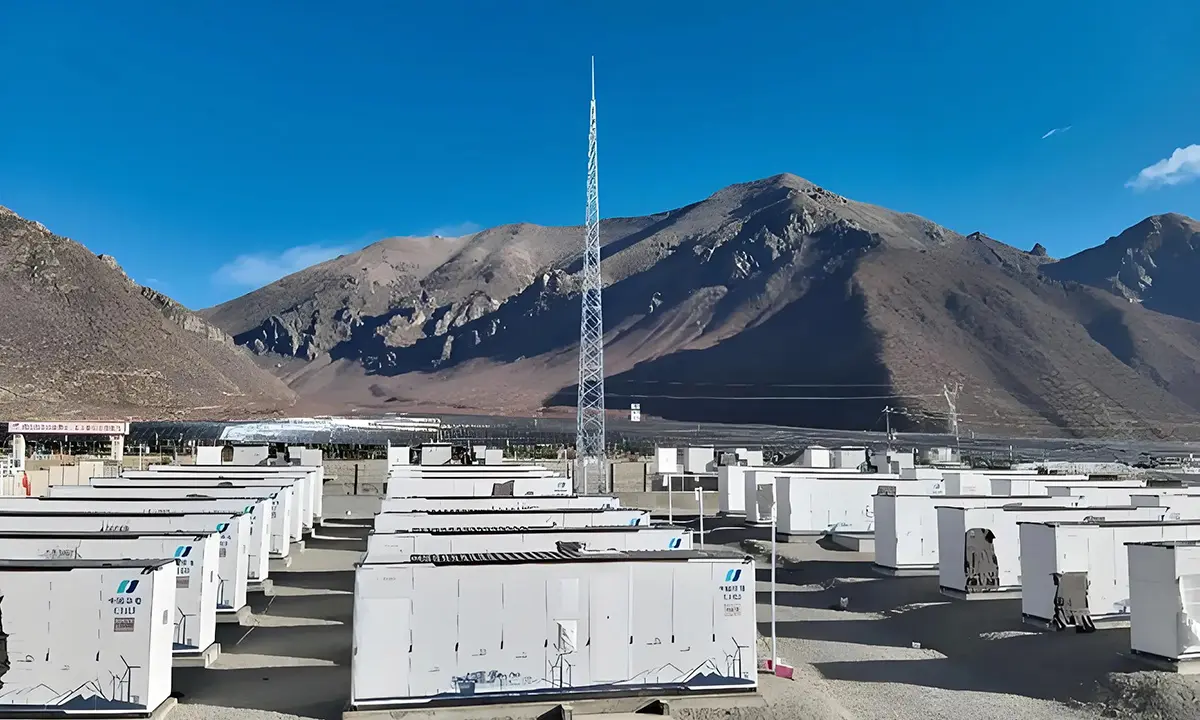
For installations above 2000 meters, we apply precise derating tables. This adjusts the electrical performance parameters to compensate for thin air and reduced dielectric strength.

These compact circuit breakers offer high flexibility and space-saving footprints. They protect home automation systems and appliances against electrical overloads and short circuits.

Featuring specialized thermal insulation layers and moisture-proof copper and iron parts, these breakers are designed to operate reliably in high-temperature environments up to 55°C.
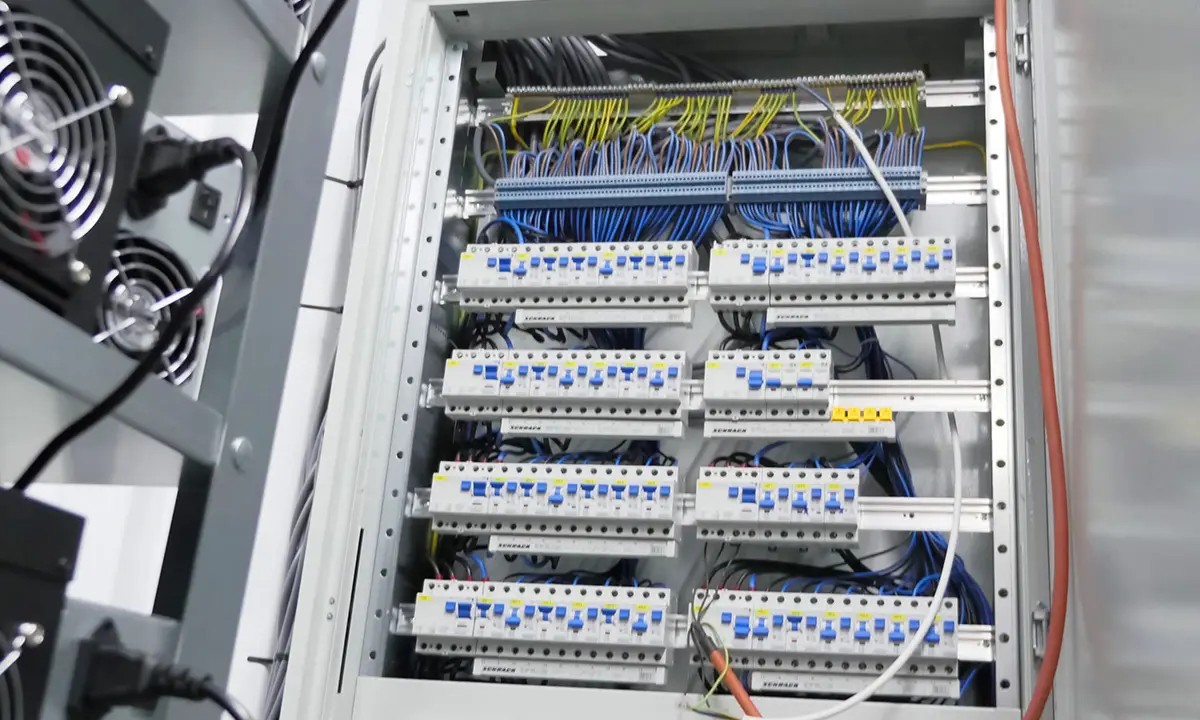
Our smart circuit breakers integrate communication, metering, protection, and edge computing. They allow real-time power monitoring and control in automated industrial systems.
The electrical industry is evolving from simple thermal-magnetic trip units to intelligent electronic devices. At Acereare, we are driving this transition through research into contact dynamics and advanced sensor integration. Modern electronic trip systems (such as the LSIG series) feature real-time sensing of current waves, enabling precise adjustments to trip curves to prevent nuisance tripping caused by grid noise.
Our engineering roadmap focuses on three main developments: improving our solid-state arc extinguishing chambers to safely handle extreme short-circuit currents (up to 200kA), expanding IoT communication protocols to include wireless mesh options, and upgrading mechanical components to extend the life of high-amperage systems. This design approach ensures our circuit breakers provide long-term, reliable service for demanding applications, including high-voltage solar arrays and large industrial installations.
| Protection Type | Tripping Principle | Adjustability Options | Suitable Applications |
|---|---|---|---|
| Thermal-Magnetic (ARXM3) | Bimetallic strip for overload; electromagnetic coil for short-circuit. | Fixed or manual dial adjustment settings. | General distribution networks and commercial buildings. |
| Electronic LSIG (ARM3E) | Rogowski coil current sensors and a microprocessor controller. | Highly adjustable settings for L, S, I, and G parameters. | Data centers, critical industrial systems, and co-generation plants. |
| Smart Telemetry (ARM6Z) | Digital current sensing with integrated edge computing. | Full remote software settings and monitoring interfaces. | Smart grids, solar PV farms, and automated factories. |
Our complete range of molded case and air circuit breakers designed for advanced industrial grids, photovoltaic solar arrays, and high-load distribution setups.
A reliable supplier helps speed up product deployment, protects your brand reputation, and ensures consistent quality. Here are our customized cooperation services.
Increase brand visibility with custom logo printing and laser marking. Using quality raw materials helps build client trust, and quick sample turnaround speeds up product introductions in target markets. Advanced structural designs also differentiate your products from off-the-shelf options.
We provide full mold design, development, and custom functional tuning. Our team assists in securing international test reports and certificates. With 24-hour engineer response times, we act as a reliable overseas manufacturing partner.
We supply custom packaging options, including outer boxes and interior containers, tailored catalogs, and options for smaller initial orders to support new product launches.
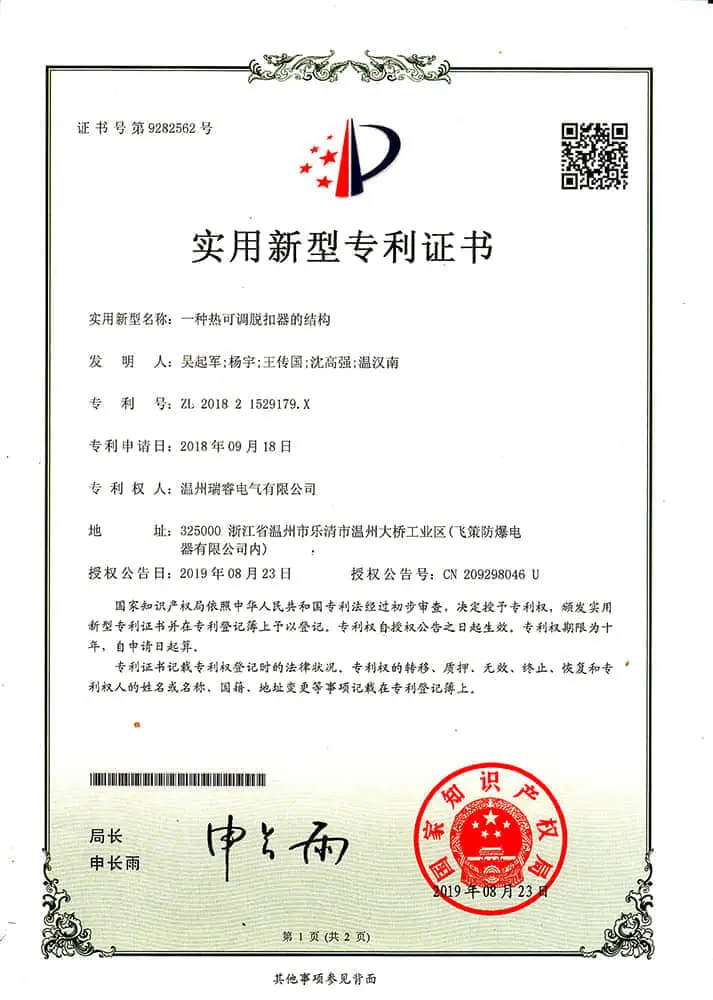
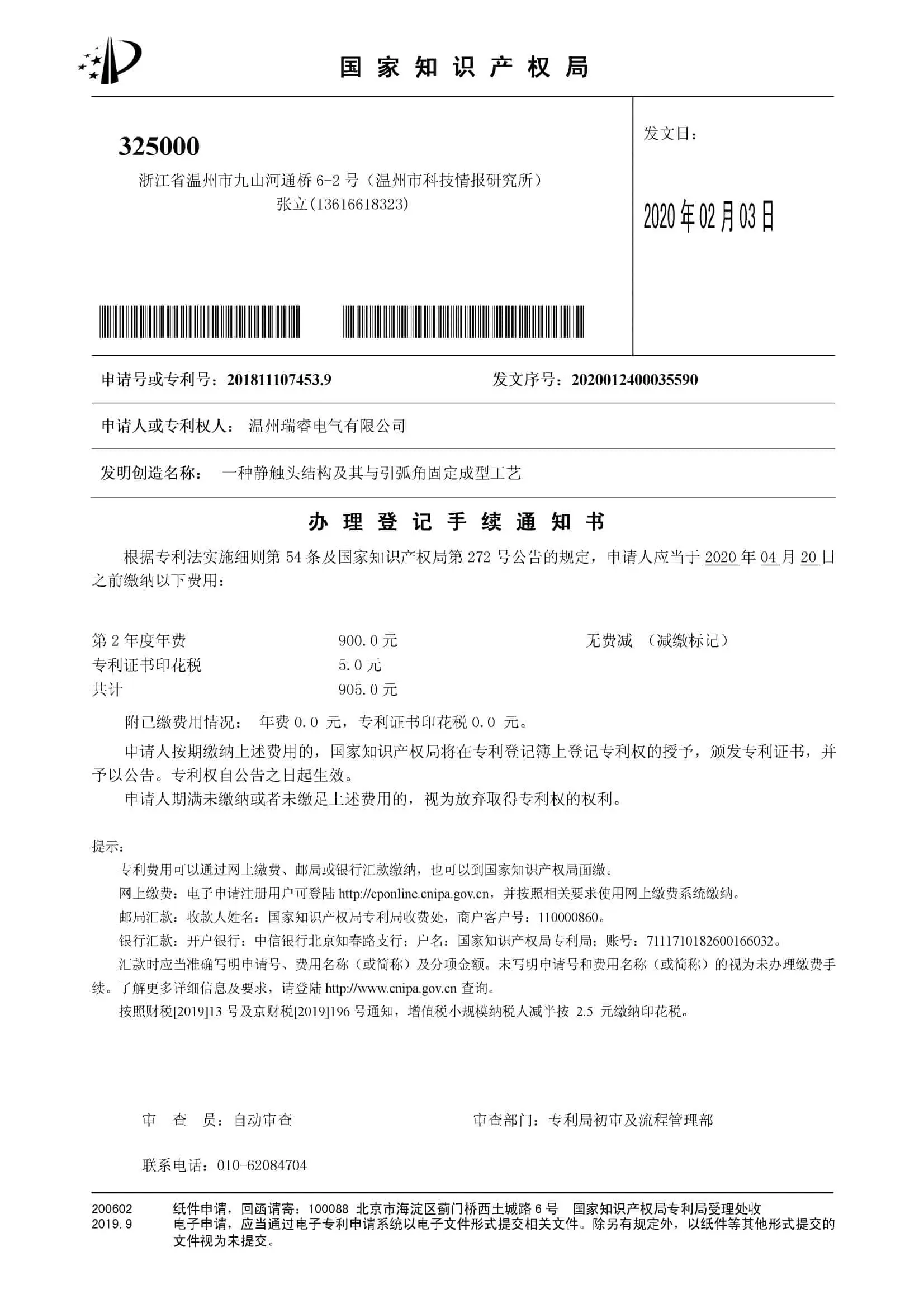
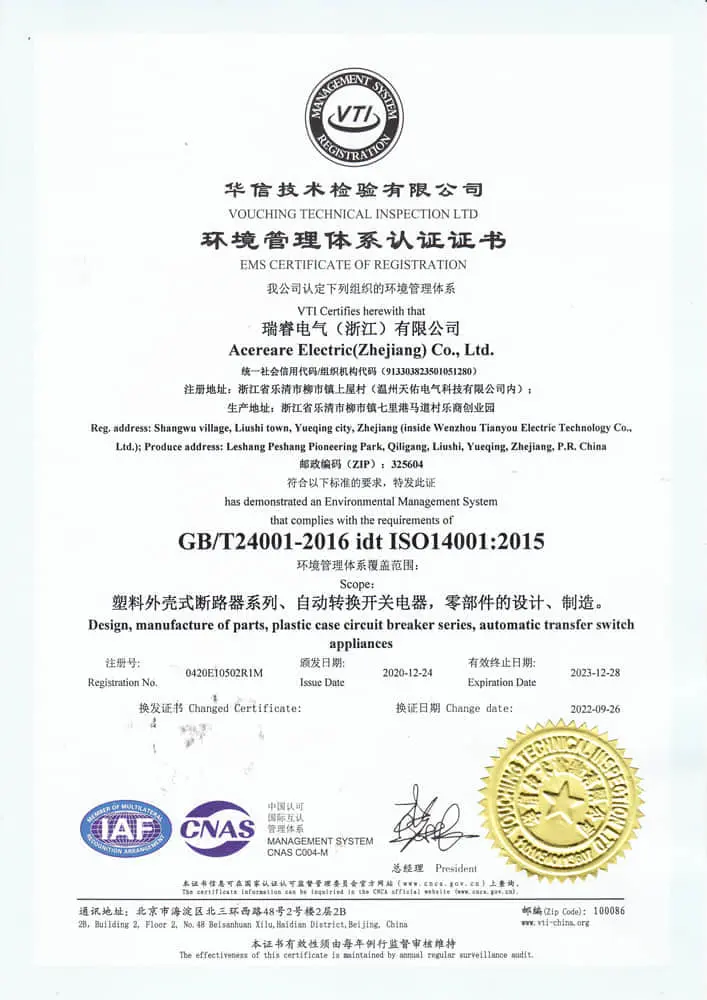
Our manufacturing and testing processes comply with standard regulatory requirements to ensure reliable field operations.



Answers to common technical questions about selecting and installing circuit breakers in demanding commercial applications.
Thermal-magnetic trip units use a bimetallic strip and an electromagnetic coil to protect against overloads and short circuits. They are simple, reliable, and cost-effective. Electronic trip units use current transformers and microprocessors to monitor current waveforms. This enables more precise adjustments, digital communication, and adjustable settings (such as LSIG) for complex power distribution grids.
At altitudes above 2000 meters, thinner air reduces both cooling efficiency and dielectric strength. This requires adjusting the breaker's current rating and voltage parameters. Contact our engineering team for altitude derating tables to ensure safe operation at higher elevations.
Modern solar installations operate at higher system voltages to reduce line losses. Traditional breakers are rated for 400V/690V, while solar PV systems require breakers rated for 800VAC, 1000VAC, or 1140VAC. Our specialized solar breakers are designed to handle these higher voltages and isolate faults in renewable grids.
Our smart circuit breakers (such as the ARM6Z series) support Modbus-RTU and standard industrial communication protocols. This allows them to transmit current, voltage, trip status, and diagnostic data to central building management systems for predictive maintenance and remote operation.
 AceReare