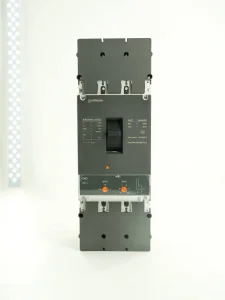
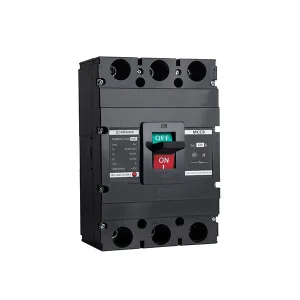
Engineered for high current density, low contact resistance, and long mechanical lifespans in demanding applications.
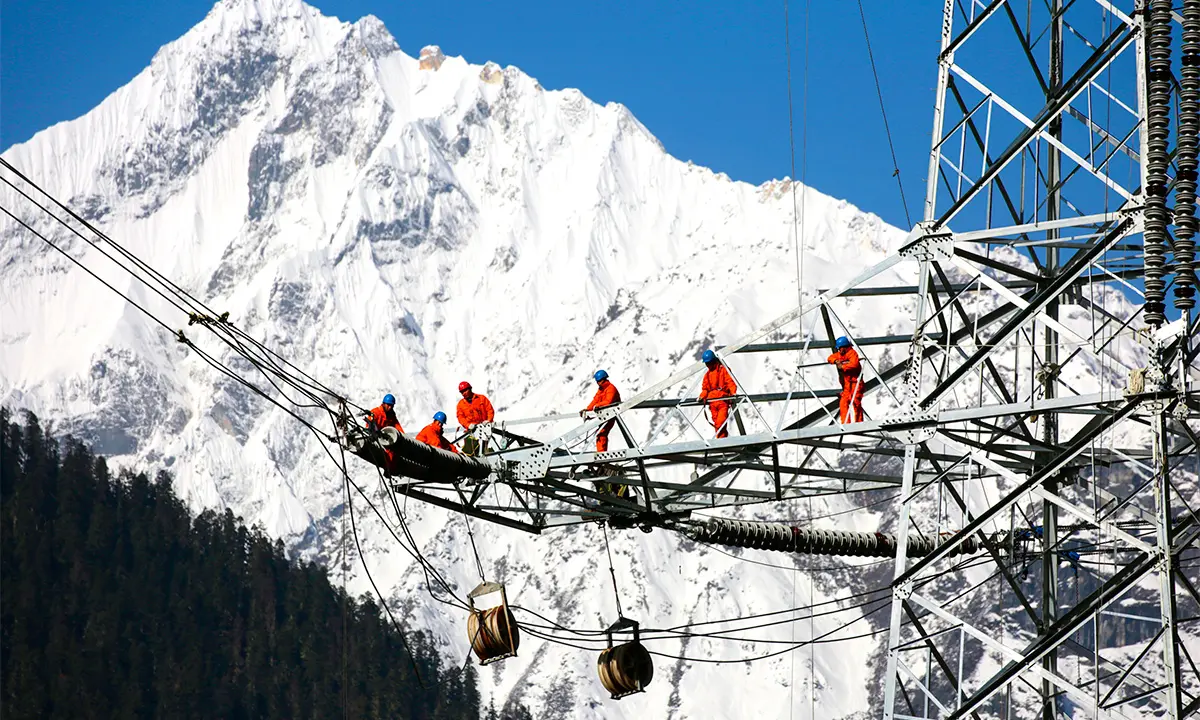
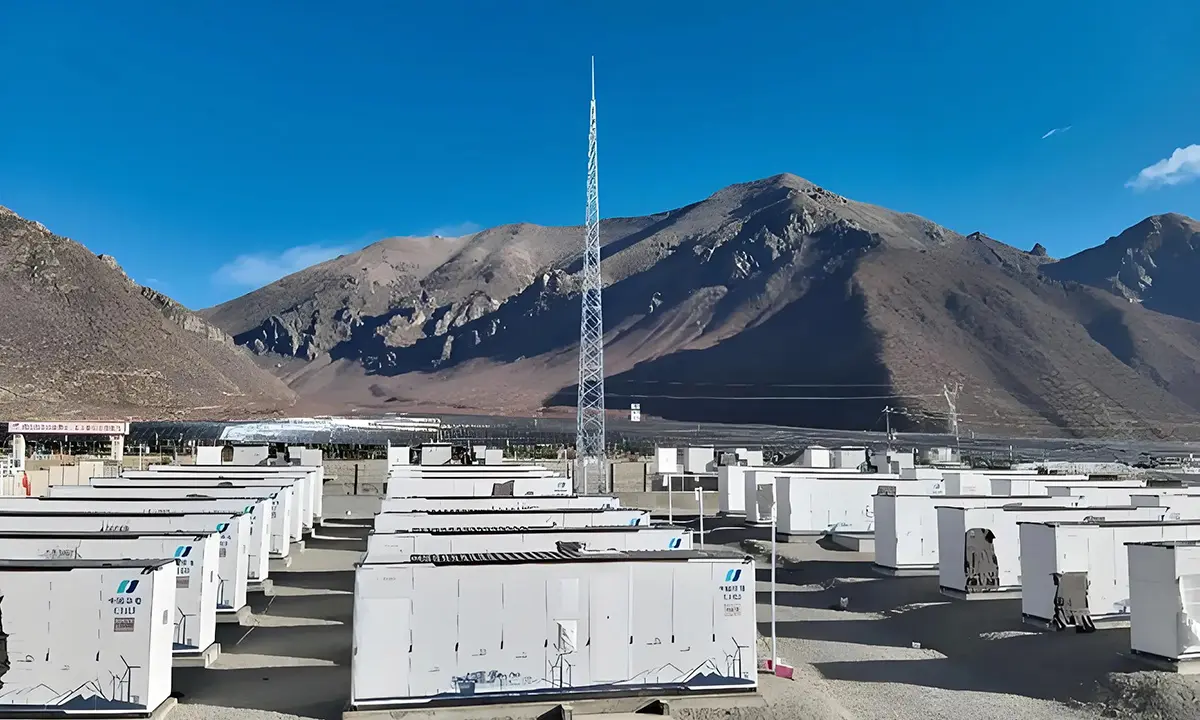
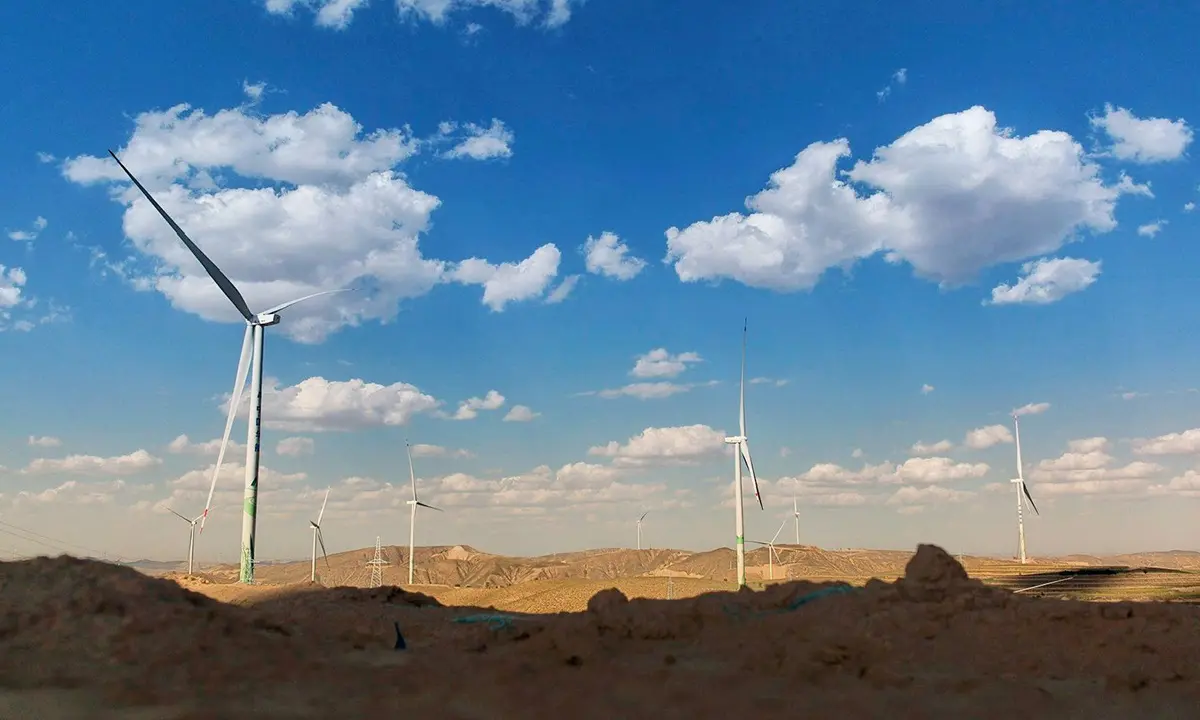
Norway is at the global forefront of electrification, transitioning its maritime fleets, offshore installations, and land-based process industries to run on clean, renewable energy. With massive hydropower networks, expanding offshore wind initiatives (like the Hywind Tampen floating project), and grid infrastructure scaling to support high-density subsea transmission, the demands placed on electrical distribution switchgear are extraordinarily high.
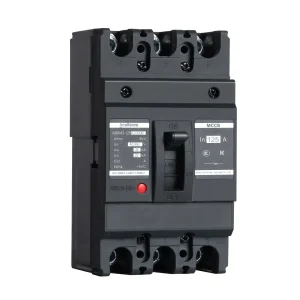
Molded Case Circuit Breakers (MCCBs) serve as critical protective barriers in these distribution configurations. The structural integrity, thermal dissipation capacity, and mechanical reliability of MCCB internal components—specifically stamped metal moldings, moving contacts, connection plates, and busbars—directly determine the overall safety and reliability of the electrical network. For industrial projects in Norway, these components must withstand unique environmental stresses, including rapid temperature drops, constant moisture, marine salinity, and mechanical vibration.
"In subsea exploration, marine electrification, and grid-connected onshore facilities, circuit breakers must perform flawlessly. A single component failure due to thermal degradation or mechanical wear can lead to costly downtime or catastrophic fire hazards. That is why precision metal stamping moldings engineered from high-grade alloys are essential."
In regions such as Nordland, Troms, and Finnmark, outdoor installations experience extreme sub-zero temperatures (dropping below -40°C). Standard metals and spring assemblies can experience cold embrittlement, leading to micro-cracking and loss of structural contact pressure over repeated operating cycles. In maritime applications—such as electrical rooms on cargo vessels, dynamic-positioning offshore supply vessels, and onshore shore-to-ship power stations—components are exposed to high humidity and corrosive salt spray (C5-M environment class). Under these conditions, standard copper and iron parts quickly oxidize, raising contact resistance and leading to thermal runaway.
To meet these requirements, manufacturers of metal stampings for MCCBs must use advanced metallurgic processing. This includes oxygen-free high-conductivity copper (OFHC), multi-layer silver electroplating (to prevent surface oxidation while maintaining low contact resistance), and specialized low-temperature testing down to -40°C. Stamped assemblies must also exhibit tight dimensional tolerances (within ±0.01mm) to prevent internal micro-friction, which can lead to high-current arcing or mechanical binding during trip events.
Delivering high-precision manufacturing, robust R&D, and comprehensive quality assurance for demanding industrial markets.
One-stop service across six advanced processing techniques, high-precision production machinery, quality testing instrumentation, and a production line configuration spanning manual and automated lines.
Over 50 R&D engineers with more than 5 years of domain experience. Experts in 3D CAD/CAE software design for custom parts, high-durability progressive stamping dies, and full MCCB assembly engineering, producing 50+ research projects annually.
Operating two manufacturing facilities to scale components and complete breaker production. Integrated workflow coordination via ERP and U8 management systems keeps production milestones on schedule.
Multi-step inspections powered by an in-house laboratory. Over 150 testing instruments and 20+ QC inspectors tracking data via PLM, BI, ERP, and MES software for traceable parts manufacturing.
The performance of molded case circuit breakers depends on the quality of their internal conductive paths and contact structures. Under high current loads, even minor resistance variations can generate excessive localized heating. Our factories utilize high-purity copper and specialized stamping dies to optimize the mechanical and electrical characteristics of every component.
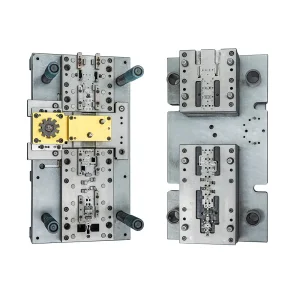
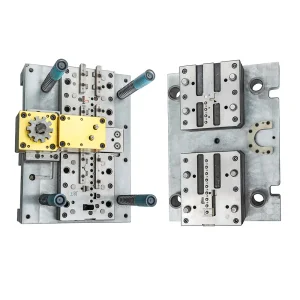
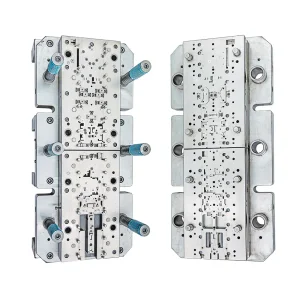
Precision stamping requires high-speed progressive dies that combine multiple operations—including punching, blanking, bending, and coining—into a single process. This ensures dimensional consistency across high production volumes. We use carbide tooling to maintain strict tolerances, which helps prevent structural deformation during high-impact trip events. Our tooling is designed to support long production runs with minimal deviation, ensuring that every batch meets the dimensional requirements of global OEMs.
For moving contacts, the interface region must endure significant electrical stress, thermal shock, and mechanical wear. To prevent contact welding under short-circuit conditions, the contact tips are engineered using silver-tin-oxide (AgSnO2) or silver-nickel (AgNi) alloy matrices. These materials are brazed or resistance-welded to the stamped copper contact arm with close control over the interface bond. This process minimizes joint resistance, helping prevent premature contact wear during inductive load switching.
To ensure components perform reliably under demanding conditions, our factories maintain rigorous inspection protocols throughout production. Raw material shipments undergo metallurgical testing, hardness validation, and electrical conductivity verification. Stamped components are then subjected to environmental simulation tests, including extended thermal cycling and salt spray testing, to confirm their resistance to corrosion and wear.
Our MCCB solutions are designed to maintain operational stability and reliability across a range of challenging conditions.
We utilize low-temperature resistant metals, specialized lubricants, and protective coatings, backed by testing down to -40°C, to ensure reliability in northern climates.
Our parts support up to 72-hour salt spray testing for complete assemblies and 48 hours for individual components, providing corrosion resistance for marine and offshore installations.
For operations above 2000m, electrical characteristics are adjusted using high-altitude derating tables to ensure safe performance in lower atmospheric densities.
Providing reliable protection for household appliances and residential networks against overloads and short circuits.
Featuring heat-resistant materials and anti-corrosive coatings, with performance verified in our 55°C constant-temperature testing chamber.
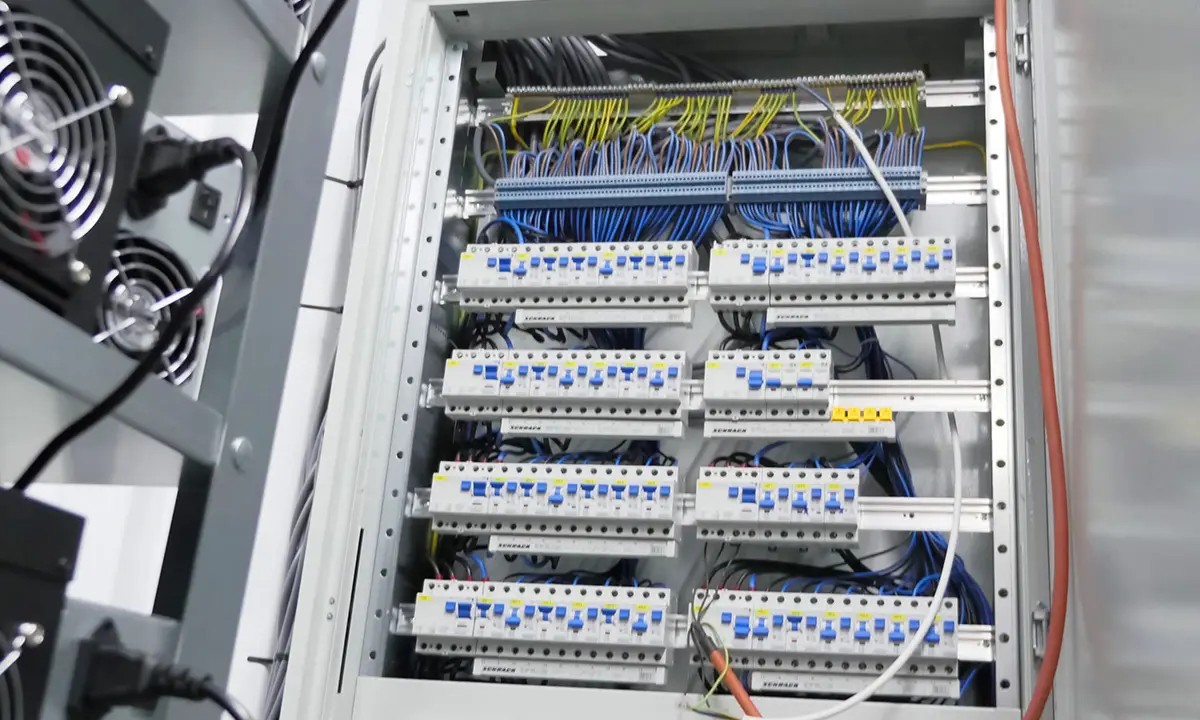
Supporting advanced communication, metering, and control functions to provide a foundation for smart grid installations.
Partnering with China-based manufacturing hubs offers access to integrated industrial clusters, advanced production equipment, and deep technical expertise. Wenzhou and the surrounding electrical manufacturing zones in China host comprehensive ecosystems for raw material sourcing, mold fabrication, heat treatment, surface plating, and quality control.
This integration supports rapid prototyping and flexible production scaling. Progressive stamping dies, which can require significant initial investment and development time, are designed, manufactured, and optimized in-house. This helps reduce development cycles and overall tooling costs. Once production tooling is qualified, automated stamping presses maintain high output rates to support stable production schedules.
Logistical operations between China and Norway are supported by established transport networks. Shipping routes link major ports such as Shanghai, Ningbo, and Shenzhen with Norwegian hubs like Oslo, Bergen, and Stavanger. For urgent program requirements, direct rail freight options via the Silk Road land bridge or air freight services help support project milestones.
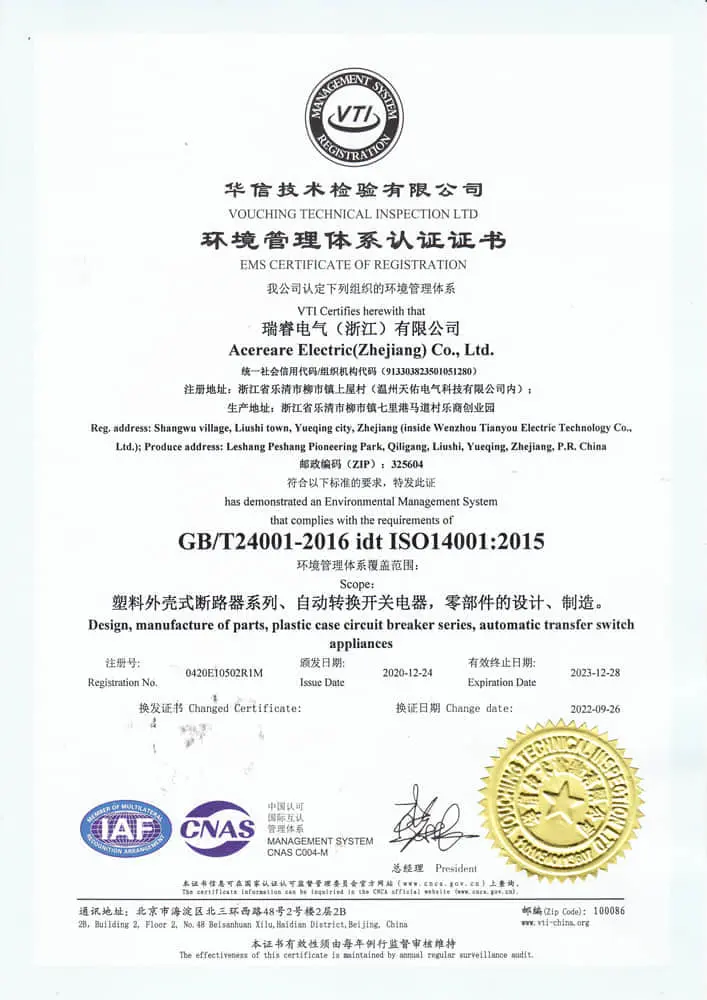
Our facilities and products comply with strict international standards, ensuring reliability in industrial applications.
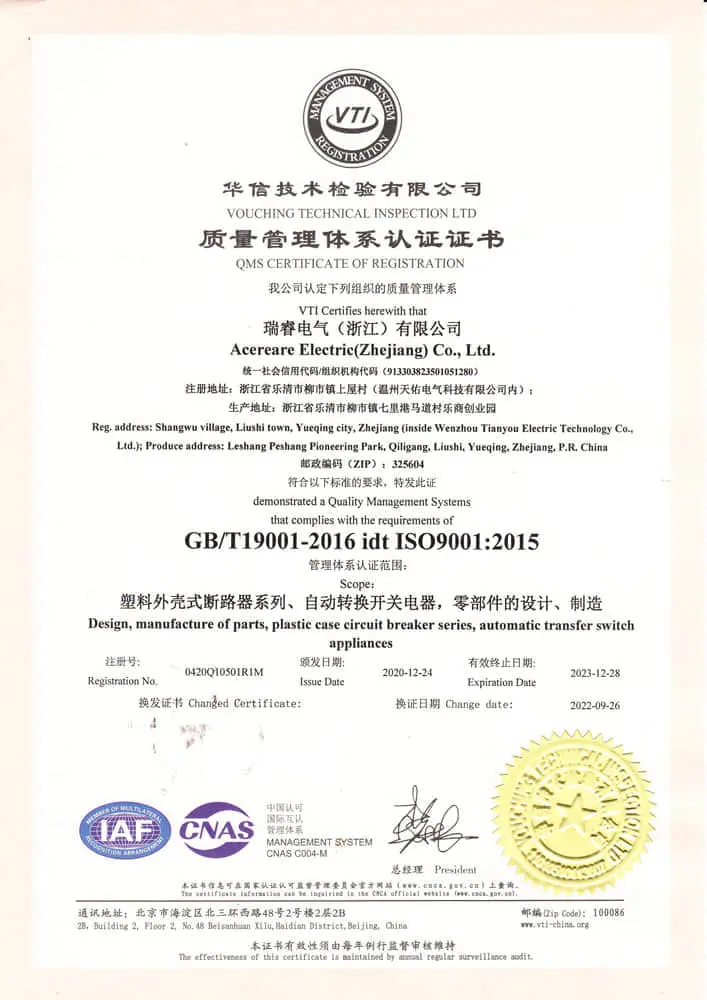
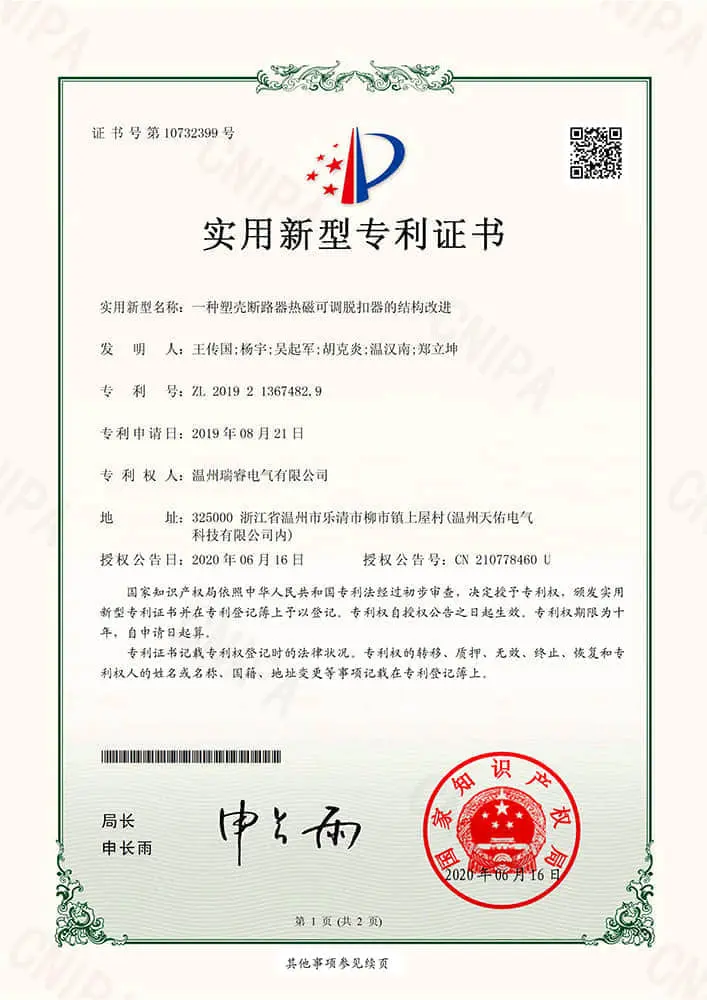
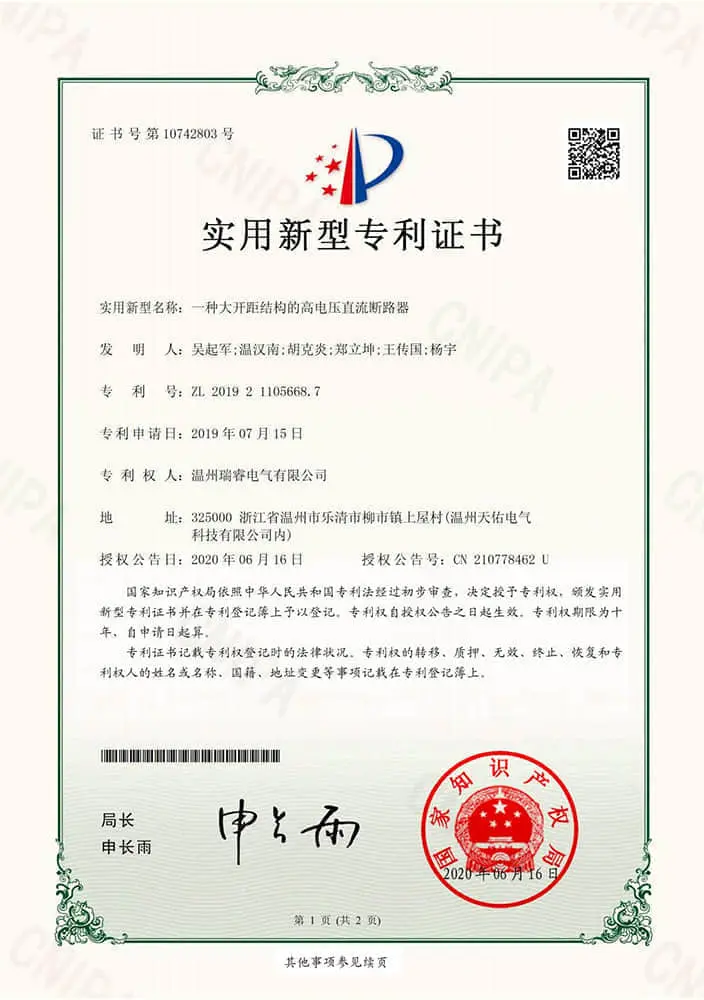
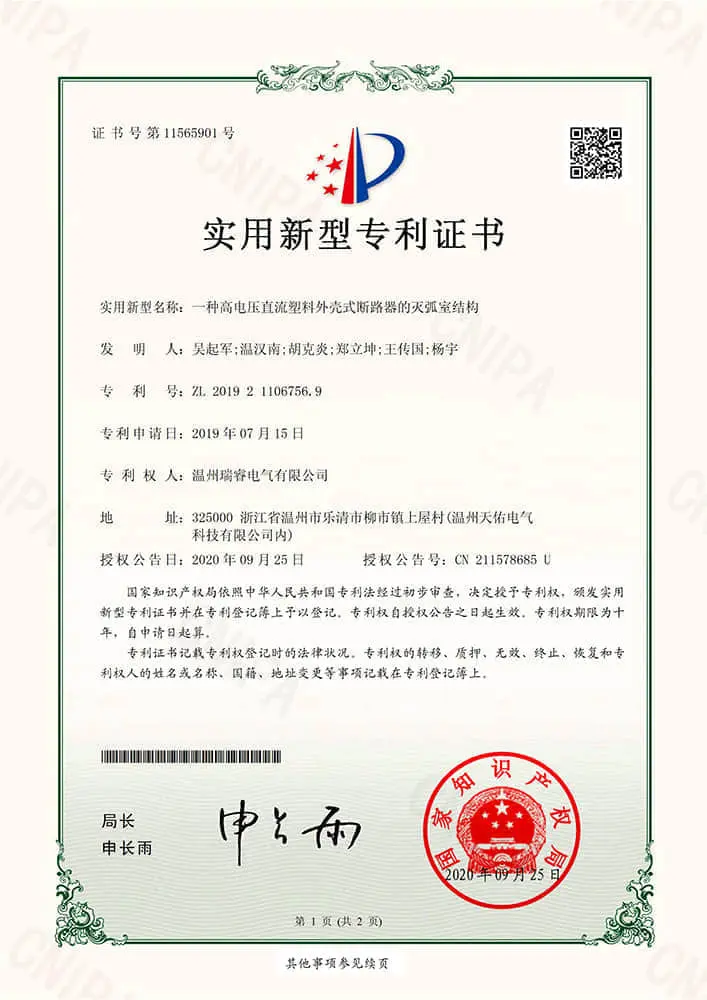
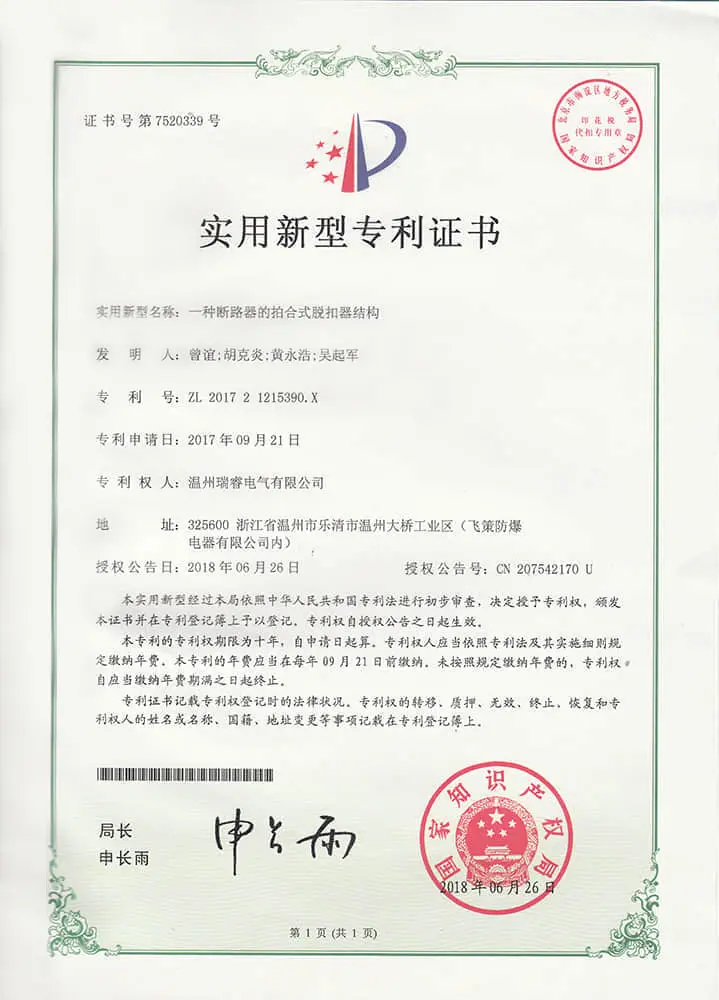
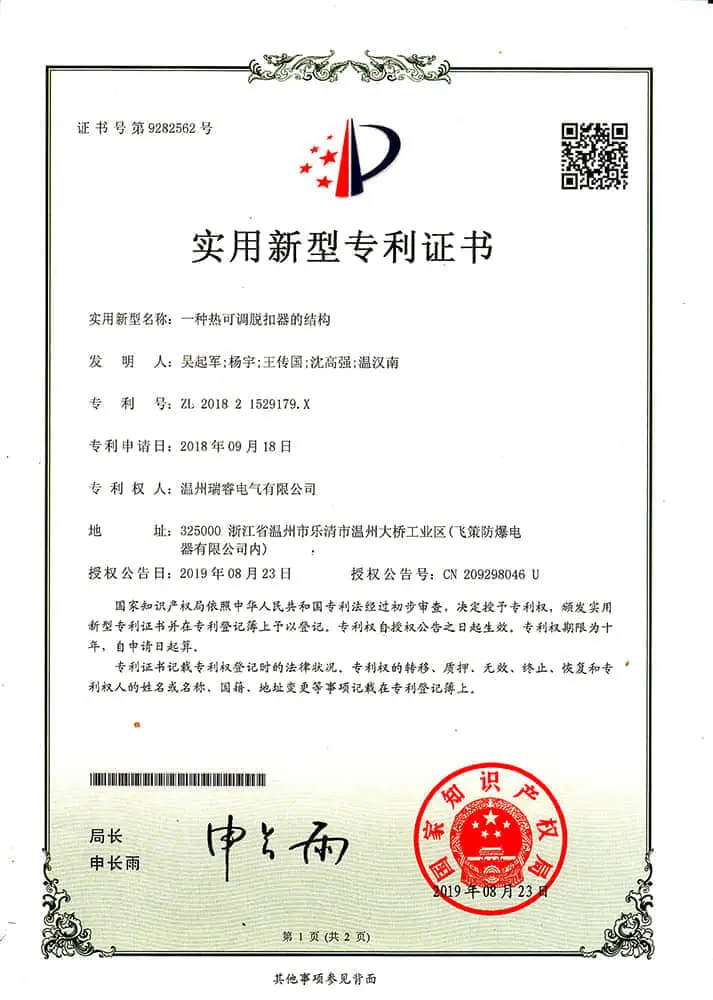
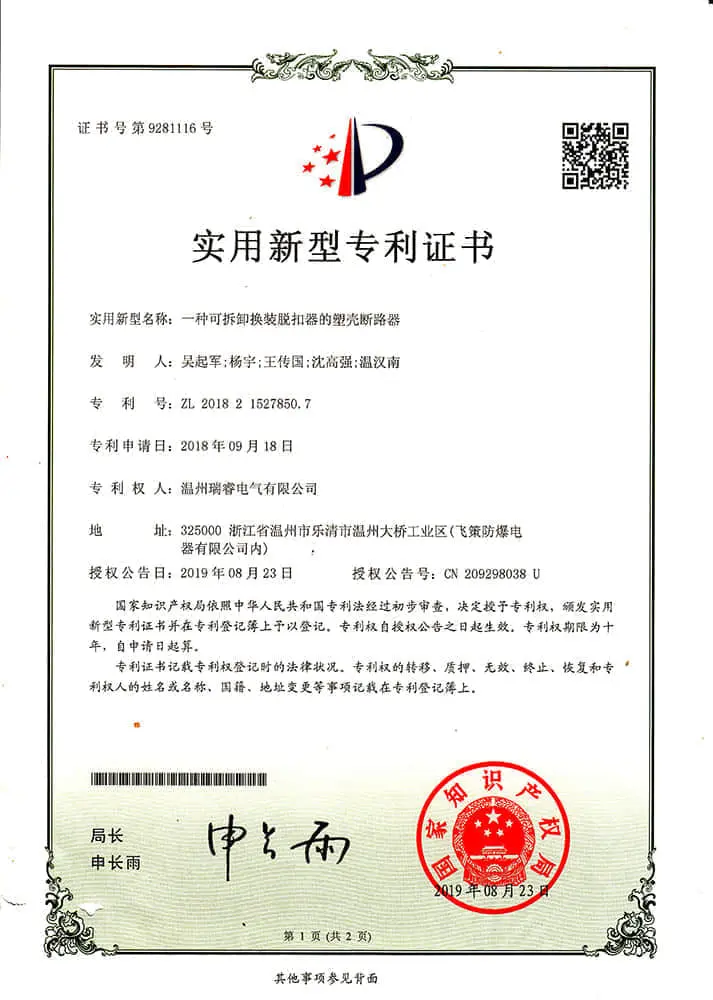
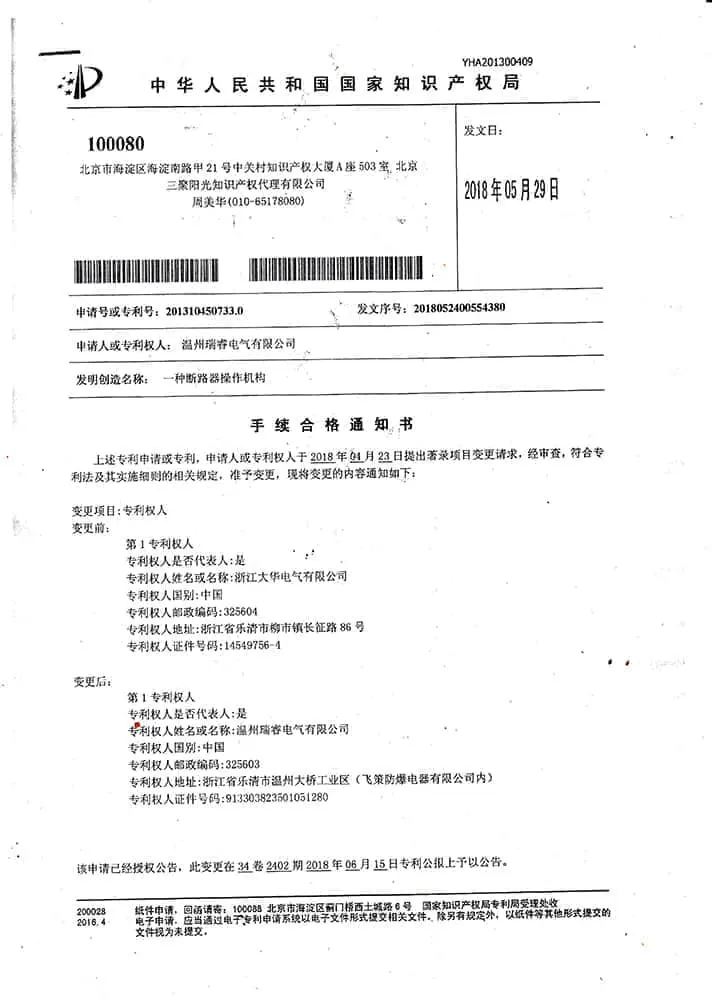
Providing custom product designs, functional development, and international testing support to meet specific market requirements.
We support customized branding to help increase market visibility. This includes using quality raw materials to support brand reputation, rapid sample turnarounds for market entry, and tailored physical designs to differentiate your product line.
Our OEM services include product mold design and development (with tooling amortization options), functional design modification, and coordination for international test reports and certifications. We offer a 24-hour response cycle to support your engineering requirements.
We provide ODM support including custom logo marking, customized product packaging (inner/outer boxes), and tailored documentation. These services are available with flexible order minimums to support new product development.
Addressing engineering, material selection, and regulatory questions for MCCB applications in northern climates.
Explore our range of industrial and specialty circuit breakers engineered for modern power grids.
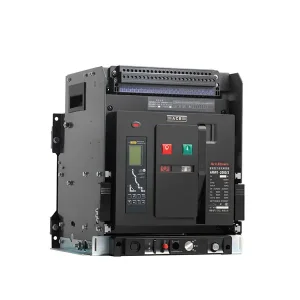
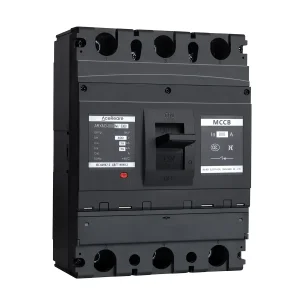
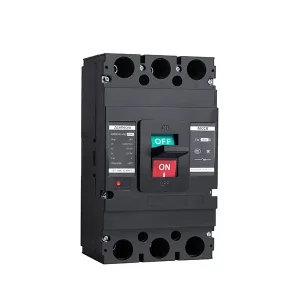
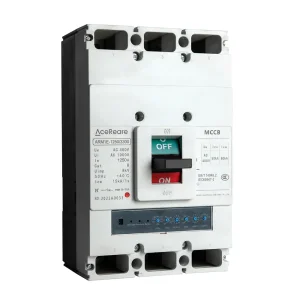
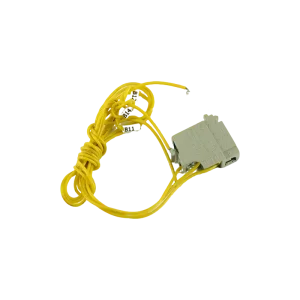
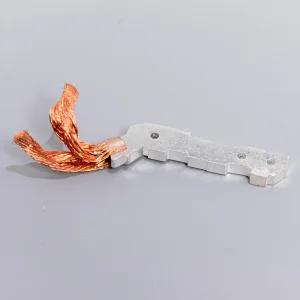
Acereare provides OEM, ODM, and custom-engineered stamping solutions tailored to your operational requirements. Contact our engineering team for technical details and quotation options.
Send Inquiry Now AceReare